
The narrow-leaved ash tree (Fraxinus angustifolia) offers rapid growth, aesthetic appeal, and ecological benefits, but can also be invasive in certain regions and may suffer from specific pests and diseases.
The narrow-leaved ash tree, or Fraxinus angustifolia, is valued for its adaptability and aesthetic qualities in landscaping. However, potential drawbacks such as invasiveness and susceptibility to pests warrant careful consideration before planting this species.
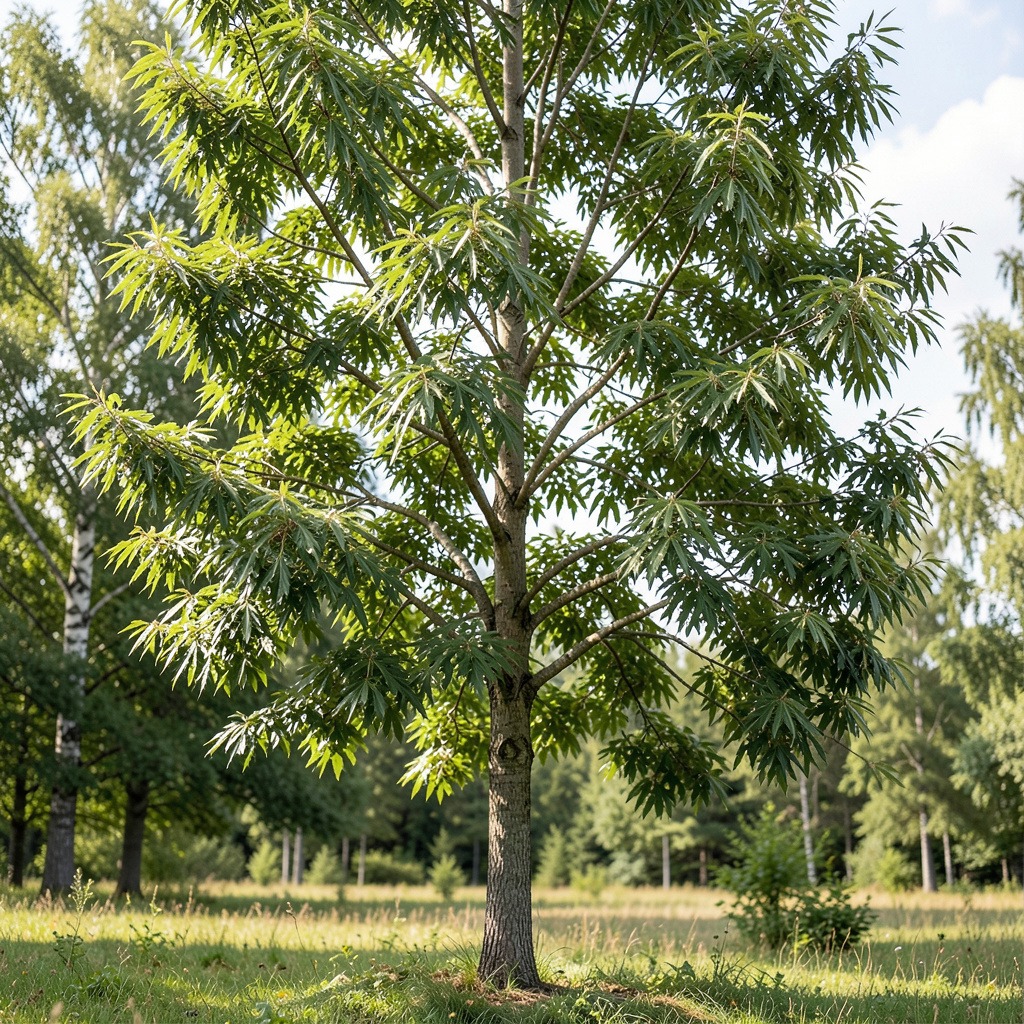
Overview of the Narrow-Leaved Ash Tree
The narrow-leaved ash tree, scientifically known as Fraxinus angustifolia, is a deciduous species renowned for its adaptability and ecological significance. It thrives in various habitats, making it a valuable choice for gardeners and landscapers.
Botanical Classification and Characteristics
The narrow-leaved ash belongs to the Oleaceae family. It typically reaches heights of 20 to 25 meters, although exceptional specimens can grow taller. Key characteristics include:
- Crown Shape: Oval or slightly rounded, providing pleasant shade.
- Bark: Light gray, thick, and straight, developing fissures over time.
- Leaves: Long and narrow, giving the tree its name.
- Growth Rate: Fast-growing, especially in favorable conditions.
Native Range and Habitat
Fraxinus angustifolia is native to southern Europe, North Africa, and western Asia. It commonly inhabits riverbanks and floodplains, reflecting its preference for moist, well-drained soils. Notably, it can adapt to various soil types, including:
- Calcareous
- Clayey
- Silty
- Sandy
This adaptability allows it to thrive in diverse environments, from urban landscapes to natural riparian zones. Understanding its native range aids in selecting appropriate planting locations to maximize growth and health.
Growth Conditions and Care
For optimal growth, the narrow-leaved ash requires:
Table of Contents
- Soil: Deep, well-drained, with a neutral to slightly alkaline pH.
- Watering: Deep watering weekly during the first growing season. Once established, it needs less frequent irrigation.
- Fertilization: Apply balanced fertilizer in early spring for best results.
In addition, regular pruning helps maintain its structure and health. This tree’s robust characteristics make it suitable for various landscaping applications, but awareness of its maintenance needs is crucial for success.
Pros of the Narrow-Leaved Ash Tree
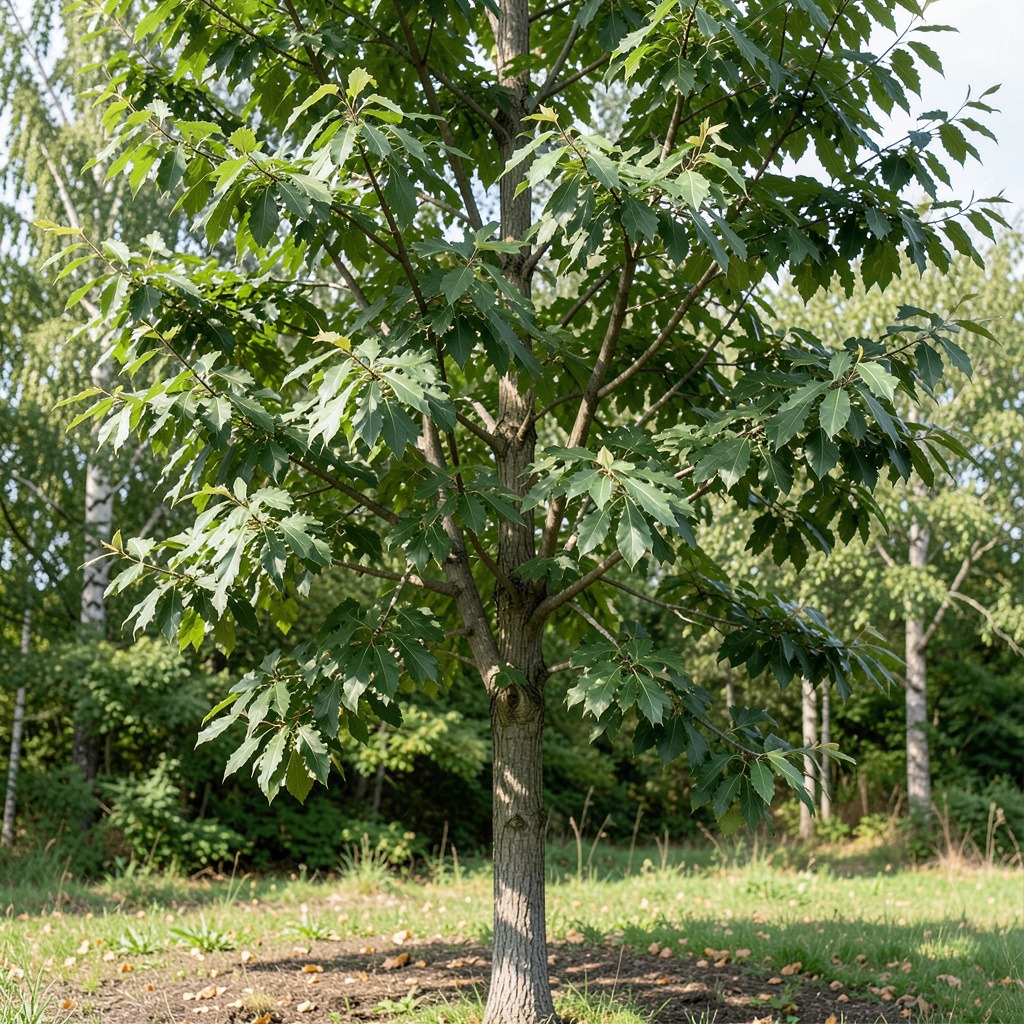
The narrow-leaved ash tree (Fraxinus angustifolia) offers numerous advantages for gardeners and landscapers. Its aesthetic appeal, rapid growth, and significant environmental benefits make it a popular choice in various settings.
Aesthetic and Landscaping Benefits
Narrow-leaved ash trees provide a striking presence in landscapes. Their slender, graceful form complements urban and rural gardens alike. Key aesthetic benefits include:
- Elegant Foliage: The narrow, elongated leaves create a delicate texture, enhancing visual interest.
- Seasonal Color: In autumn, the leaves turn vibrant shades, adding seasonal beauty.
- Versatile Use: Suitable for parks, streetscapes, and private gardens, they fit various design themes.
Fast Growth and Adaptability
One of the standout features of the narrow-leaved ash is its rapid growth. This tree can reach significant height quickly, making it ideal for those seeking immediate shade or screening. Important aspects include:
- Growth Rate: Typically grows 1-2 feet per year under optimal conditions.
- Soil Tolerance: Adaptable to various soil types, including clay and sandy soils.
- Drought Resistance: Once established, it requires minimal watering, making it a practical choice for water-conscious gardeners.
Ecological Contributions
The ecological advantages of the narrow-leaved ash tree are noteworthy. It plays a vital role in supporting local ecosystems. Specific contributions include:
- Wildlife Habitat: Provides shelter and food for various birds and insects.
- Erosion Control: Its extensive root system stabilizes soil, preventing erosion along riverbanks.
- Carbon Sequestration: Like all trees, it absorbs carbon dioxide, contributing to climate change mitigation.
Incorporating narrow-leaved ash trees into your landscape not only enhances beauty but also supports environmental health. Their rapid growth and adaptability further solidify their status as a valuable addition to any garden.
Cons of the Narrow-Leaved Ash Tree
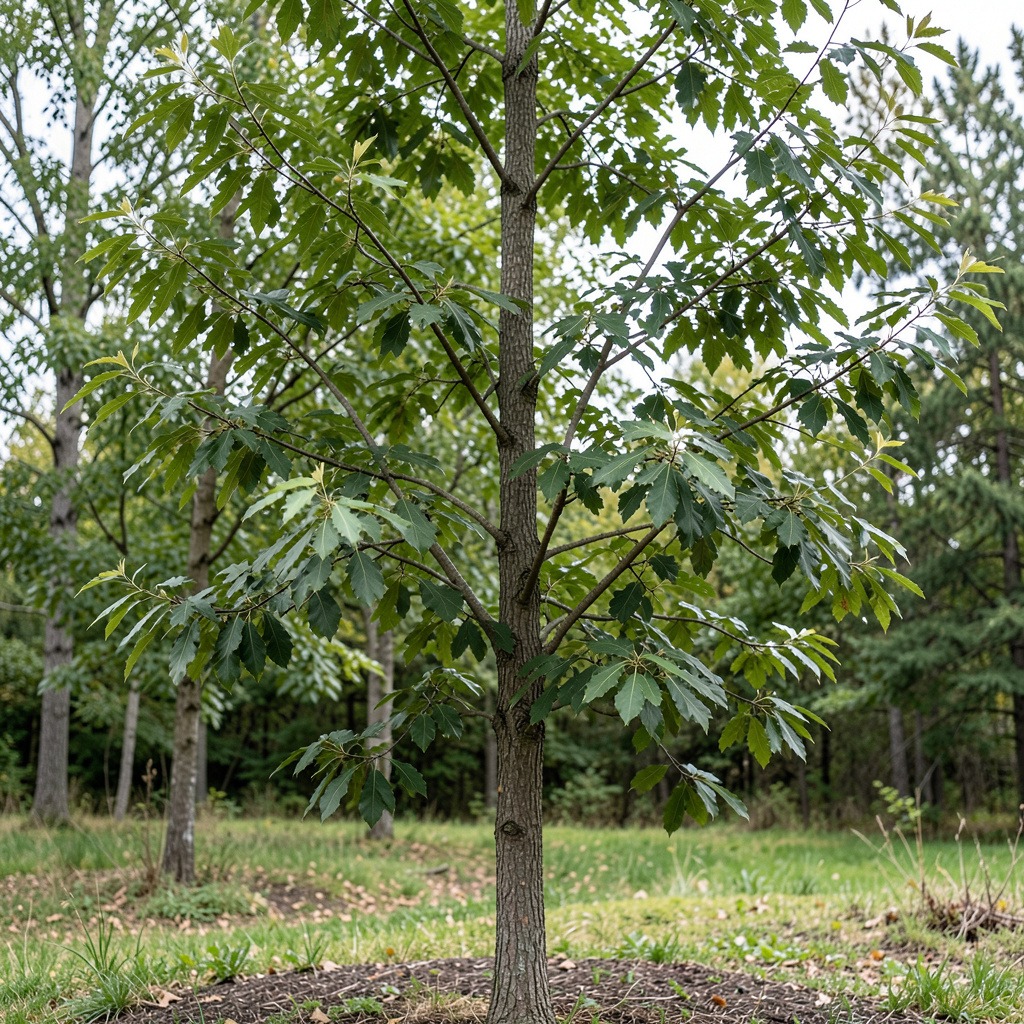
While the narrow-leaved ash tree offers numerous benefits, it also comes with specific drawbacks that gardeners should consider. These include its potential invasiveness, susceptibility to pests and diseases, and maintenance challenges.
Invasive Potential
The narrow-leaved ash can become invasive in certain areas. It thrives in various conditions, which may lead to its rapid spread. This can displace native species, disrupt local ecosystems, and complicate landscape management. Gardeners should monitor its growth and control its spread to prevent ecological imbalance.
Common Pests and Diseases
Narrow-leaved ash trees are susceptible to several pests and diseases, including:
- Emerald Ash Borer: A highly destructive beetle that targets ash trees, leading to their decline.
- Ash Anthracnose: A fungal disease that causes leaf spots and premature leaf drop.
- Bacterial Leaf Scorch: This disease can lead to leaf wilting and tree stress.
To mitigate these issues, implement proactive pest management strategies. Regularly inspect your trees and maintain good cultural practices, such as proper watering and pruning.
Maintenance Requirements
Caring for narrow-leaved ash trees requires specific attention. Here are key maintenance tasks:
- Pruning: Conduct annual pruning to remove dead or diseased branches and maintain shape.
- Watering: Ensure consistent watering, especially during dry spells, to support healthy growth.
- Mulching: Apply mulch around the base to retain moisture and regulate soil temperature.
Create a maintenance checklist to streamline your care routine:
- Inspect for pests monthly.
- Prune in late winter.
- Water deeply once a week in the first growing season.
By understanding and addressing these cons, gardeners can enjoy the beauty and ecological benefits of narrow-leaved ash trees while minimizing potential challenges.
Best Practices for Care and Maintenance
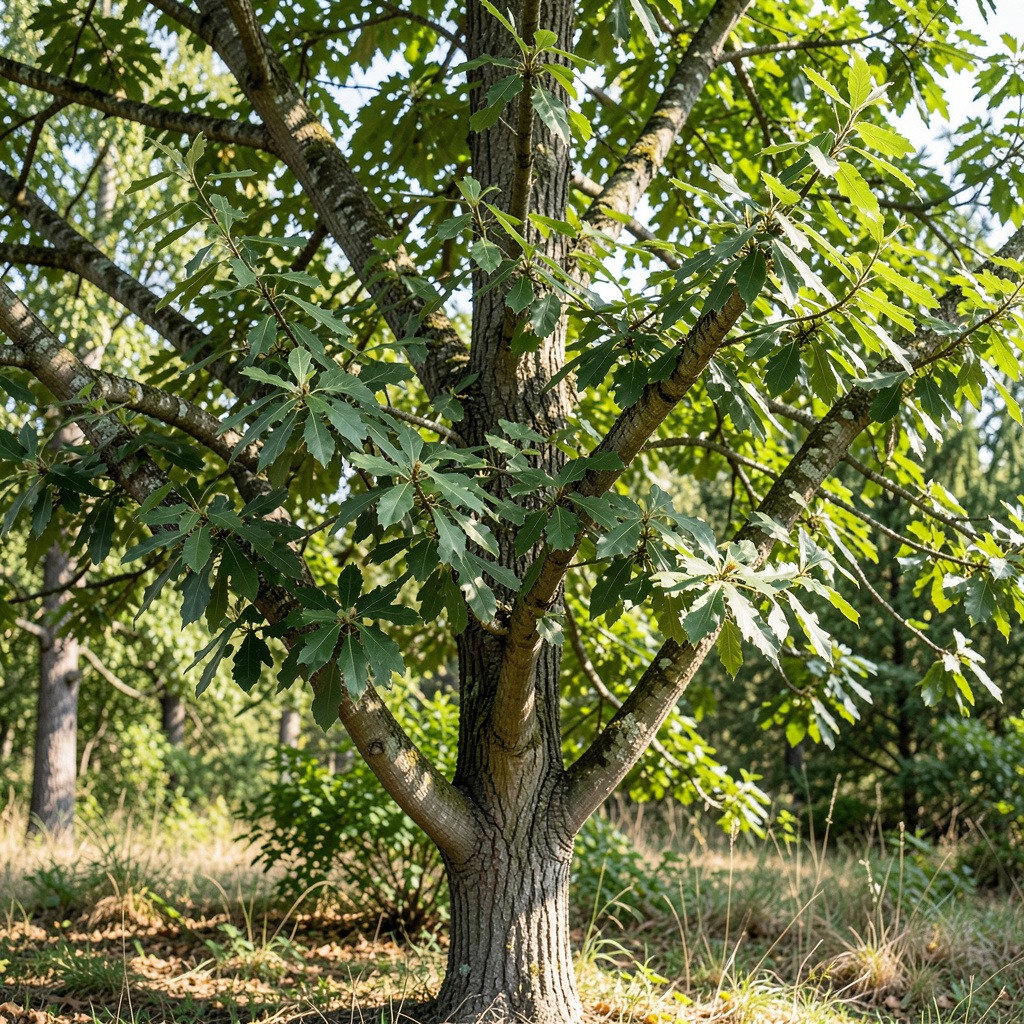
Caring for narrow-leaved ash trees (Fraxinus angustifolia) involves several key practices. Proper planting, watering, fertilizing, and pruning ensure healthy growth and longevity. Here are best practices for maintaining these trees effectively.
Planting Guidelines
1. Select the Right Location: Choose a spot with full sun exposure, as narrow-leaved ash thrives with at least 6 hours of direct sunlight daily.
2. Soil Preparation: Ensure well-drained soil. These trees prefer sandy to loamy soil with a pH of 6.0 to 8.0. Amend heavy clay soils with organic matter to improve drainage.
3. Spacing: When planting multiple trees, allow adequate space—10 to 15 feet apart—to promote airflow and reduce disease risk.
Watering and Soil Requirements
- Initial Watering: Water deeply once a week for the first growing season. Each tree should receive 10 to 15 gallons of water weekly.
- Ongoing Care: After the first year, water every 2 to 3 weeks during prolonged dry spells. Monitor soil moisture; avoid overwatering to prevent root rot.
- Soil Mulching: Apply a 2-3 inch layer of organic mulch around the base. This retains moisture and stabilizes soil temperature.
Pruning Techniques
- Timing: Conduct annual pruning in late winter before new growth begins. This minimizes stress on the tree.
- Methods: Remove dead, damaged, or diseased branches. Thin out crowded areas to enhance air circulation and light penetration. Avoid topping or flush cuts, which can harm overall health.
- Safety: Use proper tools and techniques. For high branches, consider hiring a certified arborist to ensure safe pruning practices.
| Seasonal Care Calendar | Tasks |
|---|---|
| Spring | Fertilize with a balanced 10-10-10 fertilizer before new growth. |
| Summer | Check for pests and water as needed during dry spells. |
| Fall | Inspect for disease and prepare for winter. |
| Winter | Prune to maintain shape and remove any hazards. |
By following these practices, gardeners can maximize the health and aesthetic appeal of narrow-leaved ash trees while minimizing potential issues.
Comparisons with Other Tree Species
When considering the narrow-leaved ash tree (Fraxinus angustifolia), it’s essential to evaluate how it stands against other ash species and similar trees. This comparison highlights its unique features and advantages, helping gardeners make informed decisions.
Narrow-Leaved Ash vs. Other Ash Species
The narrow-leaved ash differs from other ash species in several key areas:
- Growth Rate: The narrow-leaved ash is known for its rapid growth, often reaching heights of 40 to 60 feet in ideal conditions. In contrast, the green ash (Fraxinus pennsylvanica) typically grows more slowly.
- Leaf Structure: The narrow leaves of the narrow-leaved ash are more slender compared to the broader leaves of the white ash (Fraxinus americana), making it a more elegant choice for landscaping.
- Environmental Adaptability: While both the narrow-leaved and green ash tolerate a range of soils, the narrow-leaved ash excels in riparian zones, thriving in moist conditions that many other species cannot.
| Feature | Narrow-Leaved Ash (Fraxinus angustifolia) | Green Ash (Fraxinus pennsylvanica) | White Ash (Fraxinus americana) |
|---|---|---|---|
| Growth Rate | Fast | Moderate | Moderate to Slow |
| Leaf Shape | Narrow, elongated | Broad, ovate | Broad, lanceolate |
| Soil Tolerance | Moist, well-drained | Various (including clay) | Well-drained, loamy |
| Ideal Climate | Mediterranean, temperate | Temperate, adaptable | Temperate |
Alternatives for Landscaping
If you’re considering the narrow-leaved ash but want to explore alternatives, here are some comparable tree species:
- River Birch (Betula nigra): This tree thrives in wet conditions and has attractive peeling bark. It provides similar ecological benefits and is visually striking.
- Eastern Cottonwood (Populus deltoides): Fast-growing like the narrow-leaved ash, it offers a broad canopy but may require more maintenance due to its larger size.
- Red Maple (Acer rubrum): Known for its brilliant fall color, the red maple adapts well to various soil types but may not thrive in overly wet conditions.
| Alternative Tree | Key Benefits | Considerations |
|---|---|---|
| River Birch | Attractive bark, wet soil tolerance | Requires space for spreading |
| Eastern Cottonwood | Fast growth, extensive shade | Larger size, messy litter |
| Red Maple | Beautiful fall foliage | Needs well-drained soil |
When choosing between these species, consider your specific landscape needs, soil conditions, and aesthetic preferences. The narrow-leaved ash offers unique advantages, such as rapid growth and adaptability, making it a valuable addition to many gardens.
User Experiences and Testimonials
Growing the narrow-leaved ash tree (Fraxinus angustifolia) offers a variety of experiences, both positive and challenging. Here are real-world testimonials illustrating the pros and cons of this tree.
Positive Experiences
- Rapid Growth: Many gardeners appreciate the narrow-leaved ash for its fast growth. One gardener noted, “I planted a narrow-leaved ash last spring, and by summer, it was already over ten feet tall. It transformed my backyard quickly.”
- Ecological Benefits: Users have reported that these trees provide excellent shade and habitat for wildlife. A user shared, “Birds love nesting in my narrow-leaved ash. It has become a focal point for local wildlife.”
- Aesthetic Appeal: The tree’s slender leaves and graceful form enhance landscape beauty. A landscape designer mentioned, “Incorporating narrow-leaved ash in my designs adds elegance and a Mediterranean feel.”
Challenges Faced
- Pest Issues: Some users have encountered pests like the ash borer. A homeowner stated, “I didn’t realize how vulnerable my narrow-leaved ash was to pests. I had to take preventive measures early on.”
- Soil Preferences: The need for well-drained soil is a common concern. A gardener remarked, “My narrow-leaved ash struggled until I amended the clay soil. Now it thrives, but it took some effort.”
- Water Requirements: There are mixed experiences regarding watering. One user noted, “Initially, I overwatered my tree, thinking it needed constant moisture. Adjusting my watering schedule made a huge difference.”
User Checklist for Success
- Choose the Right Location: Ensure your site provides full sun and well-drained soil.
- Monitor for Pests: Regularly check for signs of pests and apply treatments as necessary.
- Adjust Watering: Water deeply but infrequently to promote deep root growth.
- Fertilize Wisely: Feed in early spring with a balanced fertilizer, avoiding late-season applications.
These testimonials reflect a range of experiences with the narrow-leaved ash, highlighting its potential and challenges. Understanding these insights can guide prospective growers in their decision-making process.
Frequently Asked Questions
These quick answers cover the most common questions about this topic, including key details, practical tips, and common concerns.
What are the main benefits of planting a narrow-leaved ash tree?
The narrow-leaved ash tree (Fraxinus angustifolia) offers several advantages. Its rapid growth makes it an excellent choice for quick shade and privacy. The tree’s slender, elegant leaves provide a unique aesthetic appeal, and its seasonal color changes enhance landscape beauty. Additionally, it contributes to local ecosystems by providing habitat for wildlife and helping with erosion control along riverbanks.
How fast does the narrow-leaved ash tree grow?
Narrow-leaved ash trees are known for their fast growth rate, typically reaching heights of 1-2 feet per year under optimal conditions. This rapid growth allows them to quickly establish themselves in landscapes, making them a popular choice for gardeners seeking immediate results.
What pests should I watch out for with the narrow-leaved ash?
Common pests affecting narrow-leaved ash trees include the emerald ash borer, which can cause significant damage. Other pests to monitor for are aphids and scale insects. Regular inspections and prompt treatment can help manage these issues and protect the health of your tree.
When is the best time to plant narrow-leaved ash?
The ideal time to plant a narrow-leaved ash tree is in early spring or fall when temperatures are mild. Planting during these seasons allows the tree to establish its root system before facing the stress of summer heat or winter cold. Ensure the soil is workable and adequately moist for best results.
How do I identify a narrow-leaved ash tree?
To identify a narrow-leaved ash tree, look for its distinctive features: elongated, narrow leaves that can grow up to 10 inches long, light gray bark that becomes fissured with age, and an oval or rounded crown shape. The tree typically reaches heights of 20 to 25 meters, making it a prominent feature in landscapes.
What are the drawbacks of planting narrow-leaved ash?
While narrow-leaved ash trees have many benefits, they can also be invasive in certain regions, potentially displacing native species. Additionally, they are susceptible to diseases like ash anthracnose and pests such as the emerald ash borer, which can lead to tree decline. Regular monitoring and maintenance are essential to mitigate these issues.
Can narrow-leaved ash trees be grown in pots?
Narrow-leaved ash trees are not ideal for pot cultivation due to their size and growth requirements. They thrive in the ground where they have ample space for their root systems. However, young saplings can be temporarily grown in pots until they are ready for transplanting into the landscape.
What are some alternatives to narrow-leaved ash for landscaping?
If you’re looking for alternatives to narrow-leaved ash, consider trees like river birch, which also thrives in moist conditions and offers attractive bark, or red maple, known for its brilliant fall color. Each of these alternatives provides unique aesthetic and ecological benefits while potentially avoiding some of the challenges associated with narrow-leaved ash.