
The native frangipani tree offers ecological benefits such as supporting local biodiversity and providing attractive flowers, but it may also present challenges like pest susceptibility and specific growing conditions.
Table of Contents
The native frangipani tree, scientifically known as Hymenosporum flavum, is valued for its ecological contributions and aesthetic appeal. Understanding its pros and cons can help gardeners and landscapers make informed decisions on its cultivation and care.
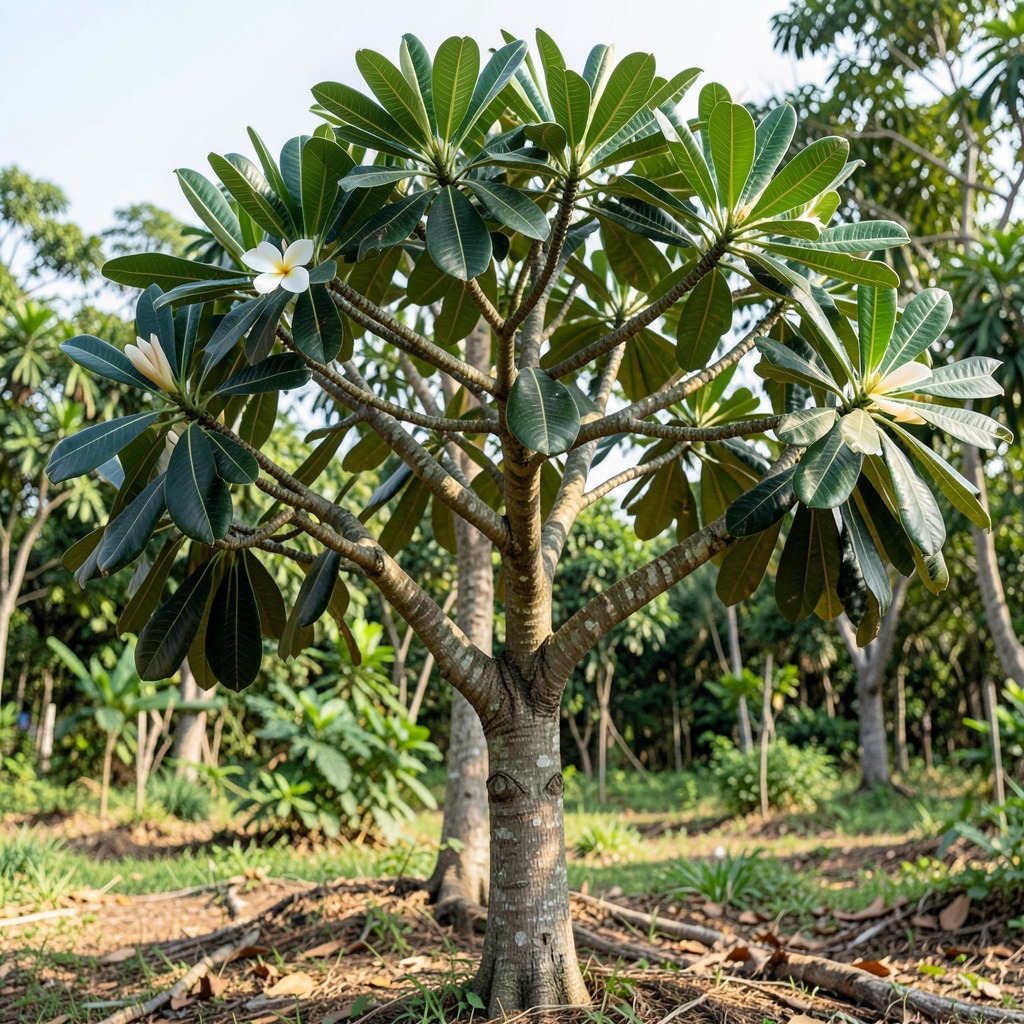
Understanding the Native Frangipani Tree
The native frangipani tree, scientifically known as Hymenosporum flavum, plays a vital role in local ecosystems. Its unique characteristics and ecological benefits make it an essential plant for sustainable landscaping.
Definition and Characteristics
Hymenosporum flavum, commonly referred to as the native frangipani, is distinct from the more commonly known Plumeria species. Here are some key characteristics:
- Appearance: The native frangipani features glossy green leaves and clusters of fragrant yellow flowers that bloom in spring and summer.
- Height: This tree typically reaches heights of 10 to 15 meters.
- Growth Habit: It has a rounded canopy, making it suitable for shade in gardens and parks.
Natural Habitat and Distribution
The native frangipani is endemic to Australia, thriving in various environments. It is primarily found in:
- Rainforests: Preferring moist, well-drained soils, it often grows in lowland rainforests.
- Coastal Areas: It can also be found along coastal regions, where it adapts to sandy soils and salt spray.
This tree contributes to local biodiversity by providing habitat and food for various wildlife, including birds and insects. Its presence in these ecosystems supports a healthy balance of species.
Ecological Benefits
The native frangipani’s ecological contributions are significant:
- Biodiversity: It supports local wildlife, enhancing ecological stability.
- Soil Health: Its root system helps prevent soil erosion, maintaining soil integrity.
- Pollinator Attraction: The fragrant flowers attract pollinators, aiding in the reproduction of nearby plants.
When considering the pros and cons of incorporating the native frangipani into your landscape, its ecological benefits stand out. For gardeners aiming to promote biodiversity, this tree offers a practical choice that aligns with sustainable practices.
Pros of the Native Frangipani Tree
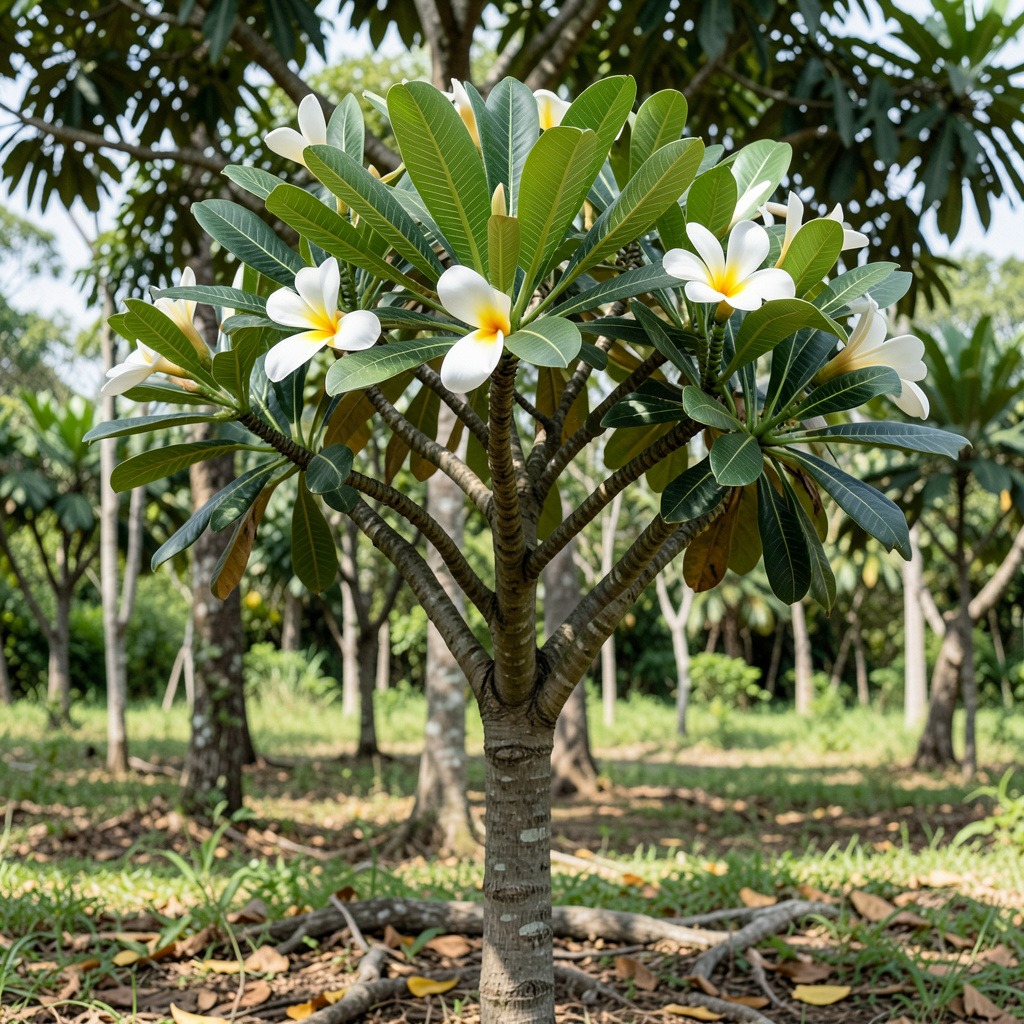
The native frangipani tree, or Hymenosporum flavum, offers numerous ecological and ornamental benefits. Its contributions to biodiversity and aesthetic appeal make it a valuable addition to many landscapes.
Ecological Contributions
The native frangipani enhances local ecosystems in several key ways:
- Biodiversity Support: This tree serves as a habitat and food source for various wildlife, including birds and insects. Its presence fosters a balanced ecosystem.
- Soil Erosion Prevention: The robust root system stabilizes soil, reducing erosion. This is particularly crucial in areas prone to degradation.
- Pollinator Attraction: The fragrant flowers draw in pollinators, such as bees and butterflies. This not only aids the frangipani’s reproduction but also supports nearby plant species.
A study in a local garden revealed that introducing native frangipani led to a 30% increase in pollinator activity, demonstrating its effectiveness in promoting biodiversity.
Aesthetic and Ornamental Value
In addition to its ecological benefits, the native frangipani tree is prized for its beauty:
- Visual Appeal: With its lush foliage and attractive flowers, it enhances the aesthetic value of any garden or landscape.
- Versatile Landscaping Options: The tree can be used as a standalone feature, in hedges, or as part of mixed plantings. Its adaptability allows it to fit various design styles, from tropical to contemporary.
- Low Maintenance: Once established, the frangipani tree requires minimal care, making it an ideal choice for both novice and experienced gardeners.
When considering landscaping choices, native frangipani stands out as an excellent option. Its ability to thrive in poor soils and its drought tolerance further enhance its desirability for sustainable gardening practices.
Cons of the Native Frangipani Tree
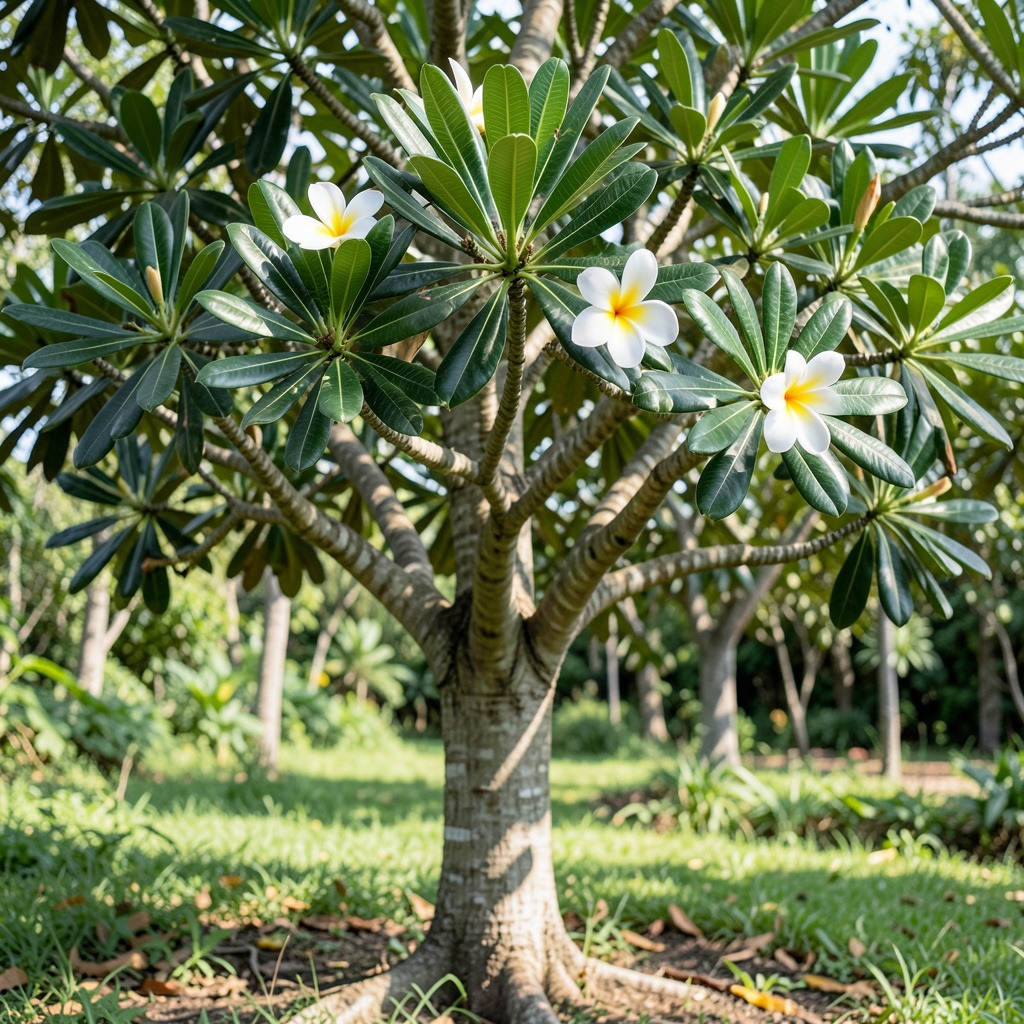
While the native frangipani tree offers numerous benefits, it also presents several drawbacks that potential growers should consider. These include pest susceptibility and specific growth requirements that may limit its application in certain landscapes.
Pest and Disease Challenges
Native frangipani is susceptible to several pests and diseases that can hinder its growth and aesthetic appeal. Common issues include:
- Fungal Infections: Conditions like frangipani rust can affect leaf health, leading to unsightly spots and defoliation.
- Scale Insects: These pests can sap the tree’s strength, causing leaves to yellow and drop.
- Stem Rot: Overwatering may lead to stem rot, particularly in poorly draining soils, affecting the tree’s stability and health.
Effective pest management is crucial. Regular inspections and the use of organic treatments can mitigate these issues. Consider using neem oil or insecticidal soap as preventive measures against infestations.
Growth Requirements and Limitations
The native frangipani has specific growing conditions that may limit its placement in some gardens:
- Soil Needs: It thrives in well-draining soil. Heavy, moisture-retentive soils can lead to root problems.
- Light Conditions: While it prefers full sun, it also requires protection from frost. This can complicate its placement in cooler climates.
- Watering Needs: Overwatering can be detrimental. Establish a watering schedule that avoids winter irrigation when the plant is dormant.
When compared to other popular landscaping plants, such as Plumeria, the native frangipani requires more care regarding its watering and soil conditions. Plumeria, for example, is often more tolerant of varying soil types but may not support local biodiversity as effectively.
Decision Framework for Placement
When deciding to plant a native frangipani, consider the following:
- Climate Compatibility: Ensure your garden is in a suitable climate zone (sub-tropical to warm temperate).
- Soil Drainage: Test your soil’s drainage capability. If it’s heavy clay, consider amending it or selecting another plant.
- Maintenance Readiness: Assess your readiness for ongoing pest management and care. If you prefer low-maintenance plants, other native species may be more suitable.
By evaluating these factors, you can make an informed decision about incorporating the native frangipani into your landscape while being aware of its limitations.
Cultivation and Care for Native Frangipani
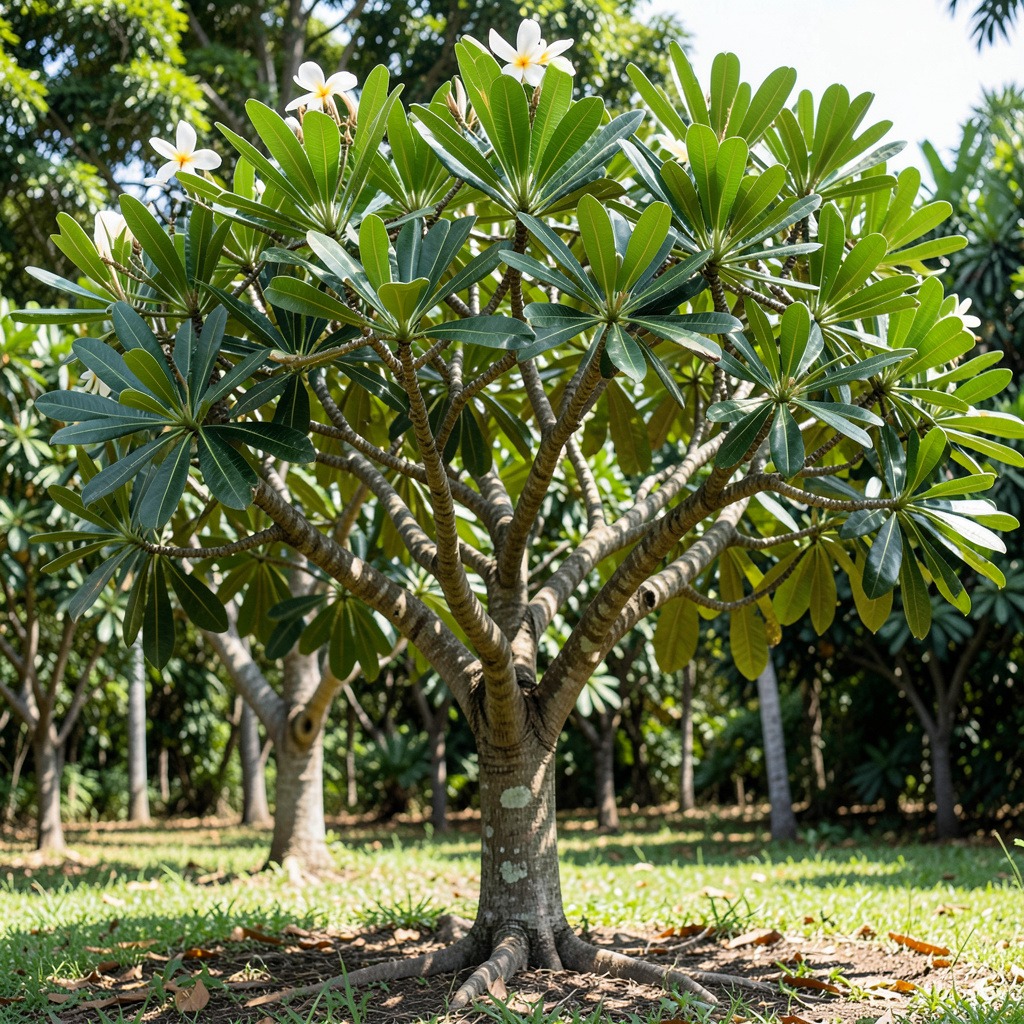
Growing and maintaining a native frangipani (Hymenosporum flavum) requires understanding its specific needs. This tree thrives in ideal conditions, which enhances its ornamental and ecological benefits.
Ideal Growing Conditions
To successfully cultivate native frangipani, adhere to the following growing conditions:
- Sunlight: Plant in a location that receives full sun for optimal growth. Aim for at least 6 hours of direct sunlight daily.
- Soil: Use well-draining soil. Native frangipani prefers sandy or loamy substrates that do not retain excessive moisture.
- Watering: Water regularly during dry spells, but avoid overwatering. Allow the soil to dry out between waterings, especially in winter when the tree is dormant.
- Temperature: This tree prefers warm temperatures and is frost-sensitive. Protect it from cold winds and frost by planting near warm structures or using pots that can be moved.
Maintenance Tips and Common Mistakes
Proper maintenance will encourage healthy growth and flowering. Keep these tips in mind:
- Pruning: Minimal pruning is required. Only remove dead or damaged branches. Avoid heavy pruning to maintain its natural shape.
- Fertilization: Fertilizer is not strictly necessary, but if you choose to fertilize, use a native-specific product in autumn and spring to boost growth.
- Pest Management: Monitor for pests like scale and fungal diseases. Implement preventive measures such as maintaining good air circulation and avoiding overcrowding.
Common Mistakes Checklist
To ensure the health of your native frangipani, avoid these common mistakes:
- Overwatering, especially during dormancy.
- Planting in poorly draining soil.
- Neglecting to provide adequate sunlight.
- Pruning at the wrong time or too aggressively.
By following these guidelines, you can cultivate a thriving native frangipani that enhances your landscape while supporting local biodiversity.
Comparing Native Frangipani to Other Landscaping Options
The native frangipani, or Hymenosporum flavum, stands out among landscaping plants for its unique ecological benefits and aesthetic appeal. However, it’s essential to compare it with other popular landscaping options to understand its advantages and disadvantages.
Native vs. Exotic Frangipani
When considering the native frangipani against exotic frangipani species like Plumeria, several factors come into play. Below is a comparison table summarizing key differences:
| Feature | Native Frangipani (Hymenosporum flavum) | Exotic Frangipani (Plumeria spp.) |
|---|---|---|
| Origin | Endemic to Australia | Native to tropical Americas |
| Height | Up to 10 meters | Up to 8 meters |
| Flower Color | Yellow, fragrant | Various (pink, white, yellow) |
| Ecological Role | Supports local wildlife | Limited ecological interaction |
| Maintenance | Low maintenance, drought tolerant | Moderate maintenance, needs more water |
| Toxicity | Non-toxic | Toxic to humans if ingested |
| Soil Requirement | Well-draining | Well-draining, prefers rich soil |
Alternatives to Consider
While the native frangipani offers many benefits, other plants can also enhance your landscape. Here are a few alternatives:
- Bottlebrush (Callistemon spp.): Attracts birds and pollinators. Thrives in similar conditions.
- Grevillea: Provides vibrant flowers and is drought-resistant. Great for attracting wildlife.
- Australian Tea Tree (Leptospermum): Offers fragrant flowers and is low maintenance. Ideal for coastal areas.
Decision Framework for Selecting Landscaping Plants
When choosing between native frangipani and other landscaping options, consider the following:
1. Ecological Impact: Opt for native species to support local biodiversity.
2. Maintenance Level: Choose low-maintenance plants if you prefer minimal upkeep.
3. Aesthetic Goals: Evaluate flower colors and shapes that fit your landscape design.
4. Climate Adaptability: Ensure the plant can thrive in your local conditions, including soil type and sunlight exposure.
By carefully weighing these factors, you can make an informed decision on whether the native frangipani or another plant best suits your landscaping needs.
Conclusion: Weighing the Pros and Cons of Native Frangipani
The native frangipani, or Hymenosporum flavum, presents both advantages and disadvantages for gardeners. Understanding these factors is crucial for making an informed decision about its inclusion in your landscape.
Pros of Native Frangipani
- Ecological Benefits: Supports local wildlife, attracting nectar-feeding birds and beneficial insects.
- Ornamental Appeal: Features lush, fragrant blooms and a striking umbrella shape, enhancing garden aesthetics.
- Low Maintenance: Requires minimal care once established, making it ideal for busy gardeners.
- Adaptability: Thrives in a range of climates, especially in sunny, well-drained areas.
Cons of Native Frangipani
- Pest Vulnerability: Susceptible to pests like scale and diseases such as frangipani rust, requiring vigilance.
- Growth Limitations: While slow-growing, it can reach heights of up to 20 meters, which may not suit all garden sizes.
- Toxicity: Contains alkaloids that can be harmful if ingested; caution is needed around pets and children.
Decision Framework for Inclusion
To determine if native frangipani is right for your garden, consider the following:
1. Garden Space: Assess whether you have adequate space for a tree that can grow significantly.
2. Maintenance Willingness: Decide if you are prepared to manage potential pests and diseases.
3. Ecological Goals: Reflect on your desire to support local biodiversity through native planting.
By weighing these pros and cons, you can make a balanced decision about incorporating the native frangipani into your gardening plans.
Frequently Asked Questions
These quick answers cover the most common questions about this topic, including key details, practical tips, and common concerns.
What are the best conditions for planting native frangipani?
Native frangipani thrives in full sun, requiring at least 6 hours of direct sunlight daily. It prefers well-draining soil, ideally sandy or loamy, to prevent root rot. Ensure the planting site is protected from frost, as this tree is sensitive to cold temperatures.
When is the best time to plant native frangipani?
The ideal time to plant native frangipani is during the spring, after the last frost. This timing allows the tree to establish its roots before the hot summer months. Planting in early fall is also acceptable in warmer climates, but avoid winter planting to prevent frost damage.
What are common pests affecting native frangipani?
Common pests include scale insects and aphids, which can weaken the tree by sucking sap from leaves. Fungal infections, like frangipani rust, can also occur, causing leaf spots and defoliation. Regular inspections and organic treatments, such as neem oil, can help manage these issues effectively.
How does native frangipani compare to Plumeria species?
Native frangipani (Hymenosporum flavum) is distinct from Plumeria species in several ways. While both produce beautiful flowers, native frangipani is more ecologically beneficial, supporting local wildlife and biodiversity. Plumeria, on the other hand, is often more tolerant of varying soil types but may not thrive in the same ecological roles as native frangipani.
Can native frangipani be grown in pots?
Yes, native frangipani can be grown in pots, making it suitable for smaller gardens or patios. Choose a large container with good drainage and use a well-draining potting mix. Be mindful of watering needs, as potted plants may require more frequent watering than those planted in the ground.
What should readers know about specific pest management strategies?
Effective pest management for native frangipani includes regular monitoring for signs of pests and diseases. Implement organic treatments like insecticidal soap or neem oil for infestations. Maintain good air circulation around the tree and avoid overcrowding to reduce the risk of fungal diseases.
What are alternative plants to native frangipani?
If you’re looking for alternatives, consider plants like the Bottlebrush (Callistemon spp.), which attracts birds and pollinators, or Grevillea, known for its vibrant flowers and drought resistance. Other options include the Australian Tea Tree (Leptospermum), which offers fragrant blooms and is low maintenance, making them suitable for similar landscaping goals.