
Nettle trees, known as Trema tomentosa, offer various benefits for gardening and health but also have potential drawbacks such as allergenic properties and invasive growth.
Table of Contents
Nettle trees, or Trema tomentosa, serve various roles in gardening and health, providing unique benefits along with certain downsides. This guide will explore the pros and cons of nettle trees to help you make an informed decision about their use.
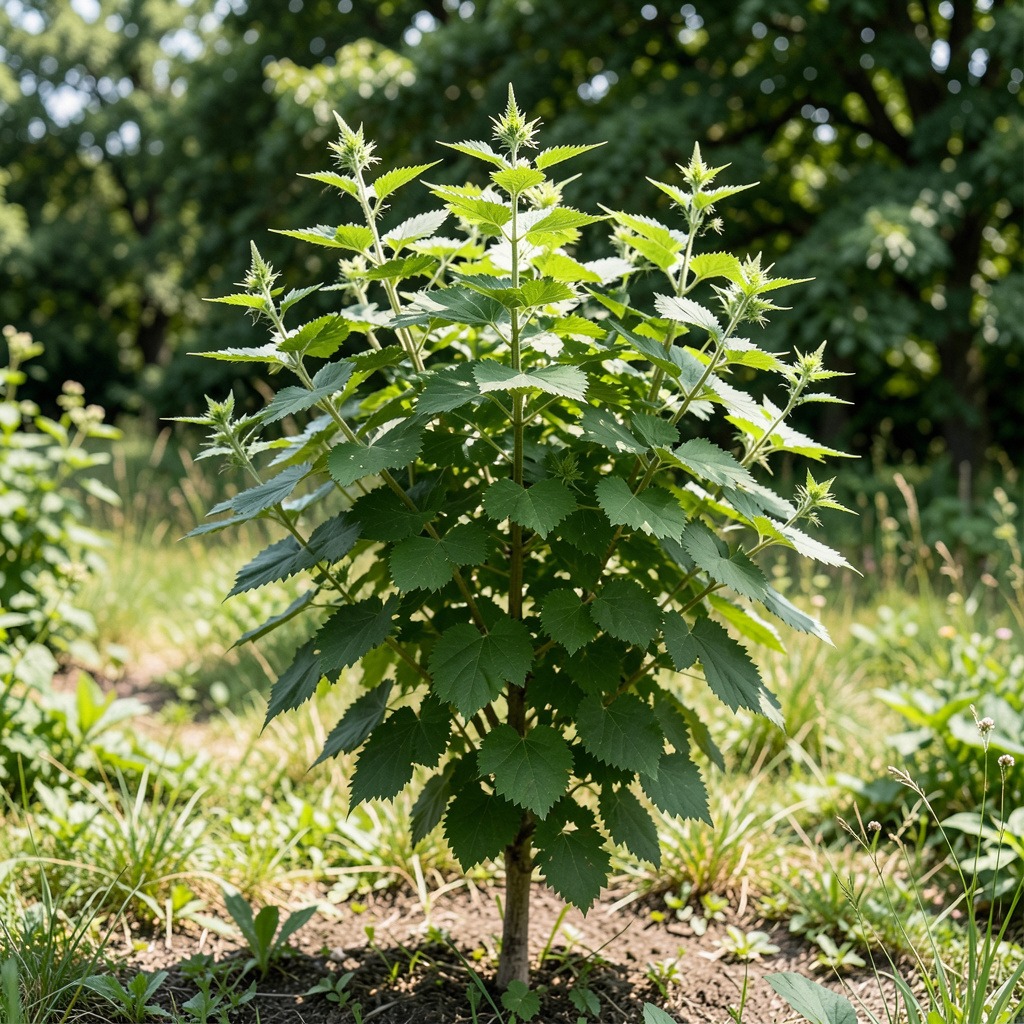
Understanding Nettle Trees: Definition and Overview
Nettle trees, specifically Trema tomentosa and Urera baccifera, are versatile plants known for their ecological and health benefits. This section defines these trees, explores their characteristics, and highlights their significance in various contexts.
What is a Nettle Tree?
Nettle trees belong to the family Ulmaceae and are commonly found in tropical and subtropical regions.
- Trema tomentosa: This species is notable for its rapid growth and adaptability to various soil types. It can reach heights of up to 20 meters and has a distinctive smooth, gray bark.
- Urera baccifera: Also known as the stinging nettle tree, it features a more aggressive growth pattern and can be identified by its serrated leaves and stinging hairs, which can irritate the skin.
Key Characteristics of Nettle Trees
Nettle trees possess several key characteristics that contribute to their value in gardening and health.
- Growth Habit: Fast-growing and resilient, making them suitable for reforestation and erosion control.
- Leaves and Nutritional Value: The leaves are rich in vitamins and minerals, including iron, calcium, and vitamins A and C. They can be harvested and used in culinary dishes or herbal remedies.
- Ecological Role: These trees provide essential habitat and food for various wildlife species. They play a crucial role in maintaining biodiversity within their ecosystems.
- Culinary and Medicinal Uses: Young leaves can be cooked and consumed, while extracts are used for their potential health benefits, including anti-inflammatory properties.
Practical Insights for Gardeners
When considering nettle trees for gardening, here are practical points to keep in mind:
- Soil Adaptability: Nettle trees thrive in various soil conditions, making them an excellent choice for improving soil health.
- Harvesting Tips: Harvest leaves in the spring when they are young for optimal flavor and nutritional content. Wearing gloves is advisable to avoid skin irritation from stinging hairs.
- Decision Framework: For gardeners interested in both ornamental and functional plants, nettle trees can serve dual purposes. Consider planting them in areas that benefit from quick growth and soil stabilization.
By understanding the definition, characteristics, and uses of nettle trees, gardeners and health enthusiasts can make informed decisions about integrating them into their practices.
Health Benefits of Nettle Trees: What You Should Know
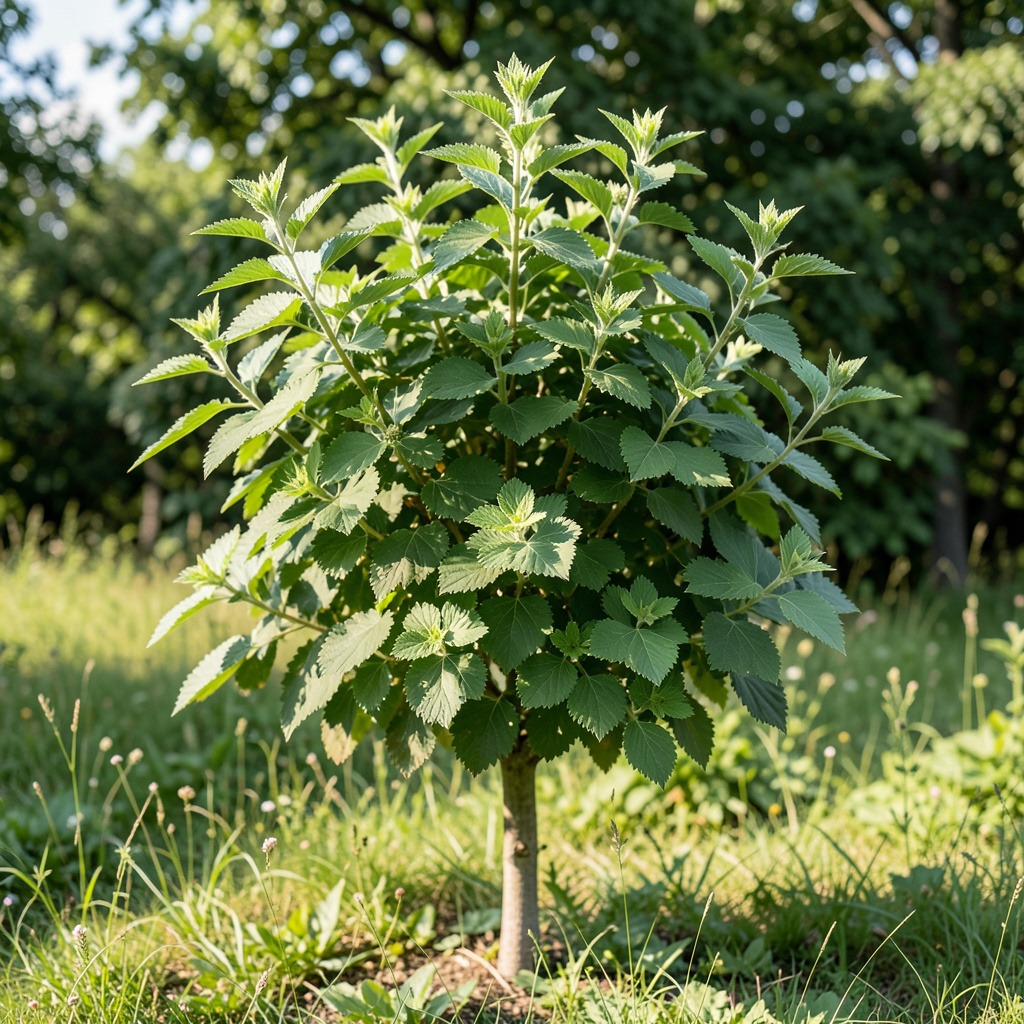
Nettle trees, particularly Trema tomentosa, offer a range of health benefits. From anti-inflammatory properties to nutritional values, understanding these advantages can enhance your wellness and gardening practices.
Nutritional Content of Nettle Trees
Nettle leaves are rich in essential nutrients. They contain vitamins A, C, K, and several B vitamins, along with minerals like iron, calcium, and magnesium. A typical serving of cooked nettle leaves can provide:
- Vitamin A: Supports vision and immune function.
- Vitamin C: Enhances skin health and boosts immunity.
- Iron: Essential for oxygen transport in the blood.
- Calcium: Important for bone health.
Including nettle in your diet can improve overall nutritional intake. Consider adding young nettle leaves to soups, smoothies, or teas for a health boost.
Anti-Inflammatory and Allergy Relief Properties
Nettle trees exhibit notable anti-inflammatory effects. They have been traditionally used to alleviate symptoms of arthritis, joint pain, and seasonal allergies. Research suggests that nettle can inhibit inflammatory pathways, providing relief similar to that of nonsteroidal anti-inflammatory drugs (NSAIDs).
Real-Life Applications:
- Arthritis Relief: A case study showed that individuals applying nettle extract to painful joints reported reduced inflammation and pain levels.
- Allergy Management: Some users find relief from hay fever symptoms by consuming nettle supplements during peak pollen seasons.
How to Incorporate Nettle Trees in Herbal Remedies
Nettle can easily be transformed into various herbal remedies. Here are some practical tips:
- Nettle Tea: Steep fresh or dried nettle leaves in hot water for a soothing beverage that supports urinary tract health.
- Nettle Infusions: Use nettle in hair and skin care products to harness its beauty-enhancing properties, promoting hair growth and improving skin tone.
When preparing nettle, remember to wear gloves during harvesting to avoid skin irritation. This ensures a safe and enjoyable experience while reaping the benefits of this versatile plant.
Potential Side Effects of Nettle Trees: What to Consider
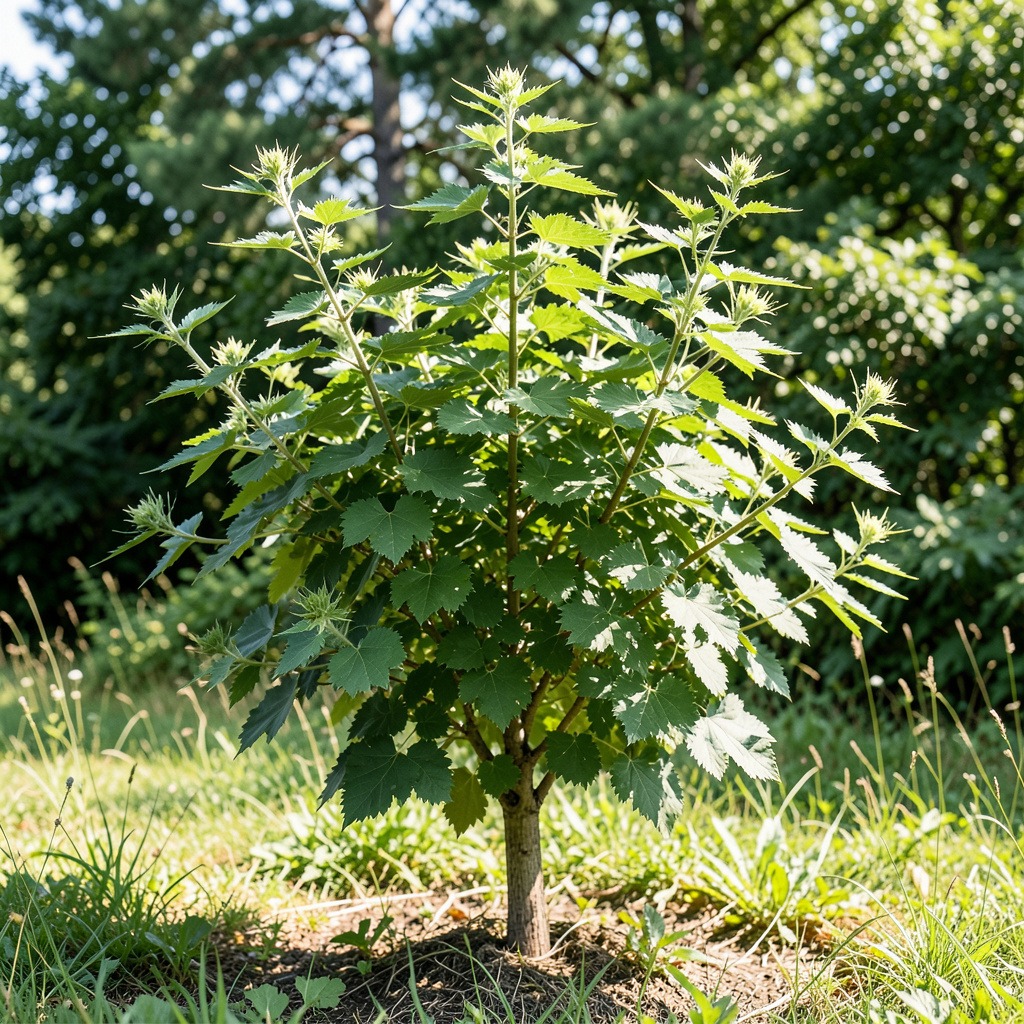
While nettle trees offer numerous health benefits and gardening uses, it’s essential to be aware of potential side effects and risks. Understanding these can help you make informed decisions about their use.
Common Side Effects of Nettle Trees
Nettle trees can cause some mild to moderate side effects. Here are common issues to keep in mind:
- Allergic Reactions: Some individuals may experience skin irritation or allergic reactions. Symptoms can include hives, itching, or swelling.
- Gastrointestinal Distress: Nettle can lead to digestive upset, such as nausea or diarrhea, especially if consumed in large quantities.
- Interactions with Medications: Nettle may interact with anticoagulants and other medications, increasing the risk of bleeding.
- Hypoglycemia: Nettle can lower blood sugar levels. Diabetics should monitor their blood sugar closely when using nettle products.
Who Should Avoid Nettle Trees?
Certain individuals should approach nettle trees with caution or avoid them altogether:
- Pregnant or Nursing Women: The effects of nettle on pregnancy and breastfeeding are not well-studied. It’s best to consult a healthcare provider.
- Individuals with Allergies: Those who have known allergies to related plants should avoid nettle to prevent reactions.
- People on Blood Thinners: If you take anticoagulants, consult your healthcare provider before using nettle. Its interaction could pose health risks.
Checklist for Identifying Potential Side Effects
Use the following checklist to assess your risk when considering nettle trees:
- [ ] Have you experienced allergies to plants in the Urticaceae family?
- [ ] Are you taking medications, especially anticoagulants or blood pressure drugs?
- [ ] Do you have a history of gastrointestinal issues?
- [ ] Are you pregnant or breastfeeding?
By evaluating these factors, you can determine if nettle trees are suitable for your health and gardening needs.
Gardening Uses: The Nettle Tree’s Role in Sustainable Practices
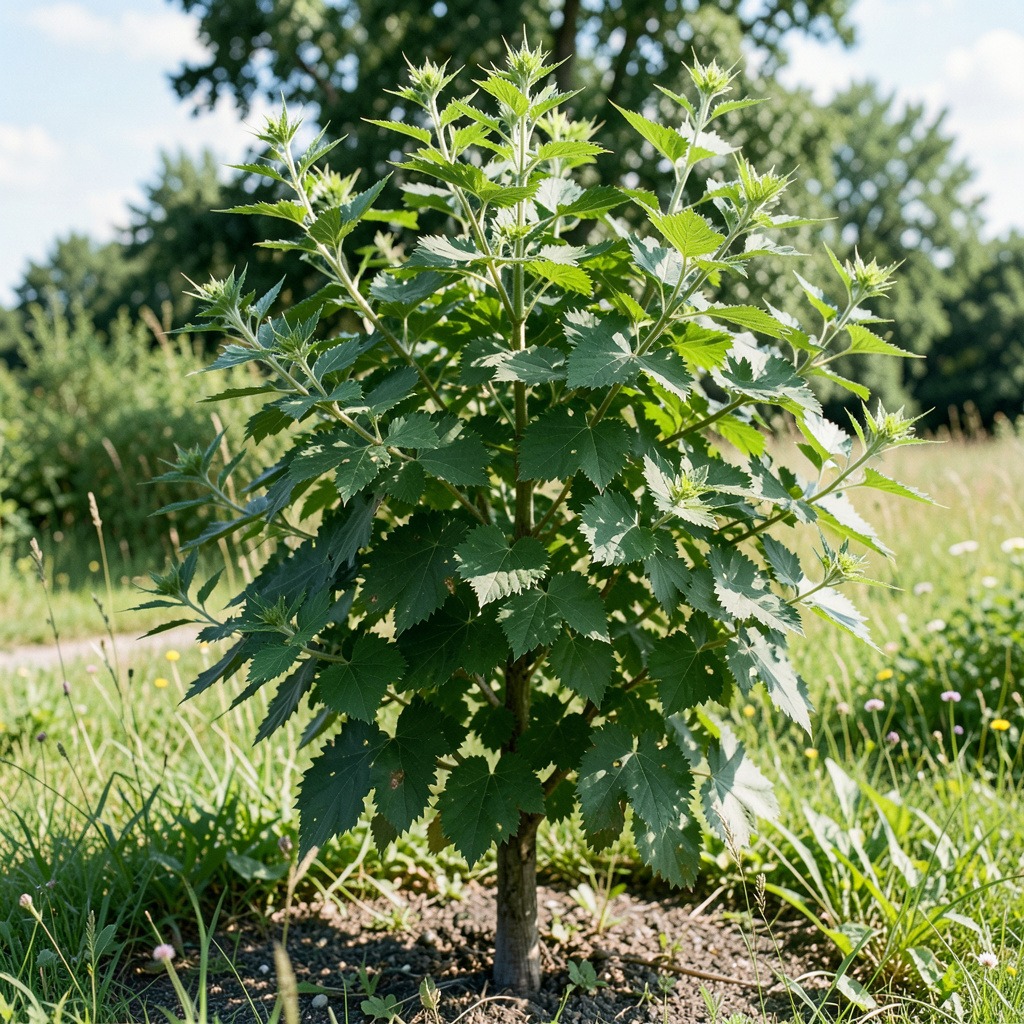
Nettle trees offer a range of benefits for gardening, from natural fertilizers to pest control. Their versatility makes them an excellent choice for sustainable gardening practices.
Using Nettle Trees as Natural Fertilizer
Nettle leaves are nutrient-rich and can be transformed into a potent organic fertilizer. To create nettle tea, steep fresh or dried nettle in water. This nutrient-dense liquid nourishes your plants effectively.
Benefits of Nettle Fertilizer:
- Provides nitrogen, potassium, and trace minerals.
- Enhances soil structure and microbial activity.
- Supports robust plant growth and vitality.
How to Prepare Nettle Tea Fertilizer:
1. Gather fresh nettle leaves.
2. Fill a container with water and add the leaves.
3. Let it steep for 1-2 weeks.
4. Dilute before applying to your garden.
Pest Control and Soil Health
Nettle trees contribute to pest management in an eco-friendly manner. An infusion of nettle can deter aphids and other harmful insects, promoting a healthier garden ecosystem.
Pest Control Benefits:
- Acts as a natural insect repellent.
- Attracts beneficial insects like ladybugs and pollinators.
- Improves overall soil health by fostering biodiversity.
Nettle as a Companion Plant:
Planting nettles alongside vegetables can offer natural support. They improve soil conditions and create a beneficial habitat for insects that control pests. For instance, growing nettles with tomatoes can enhance their growth and flavor.
Environmental Impact
Integrating nettle trees into your garden contributes to environmental sustainability. They play a role in enhancing biodiversity and improving soil health.
Environmental Benefits:
- Supports local wildlife, including pollinators.
- Improves soil fertility and structure as they decompose.
- Aids in carbon sequestration, mitigating climate change effects.
Decision Framework for Using Nettle Trees:
Consider the following when integrating nettle trees into gardening:
- Assess your garden’s pest challenges.
- Determine the nutrient needs of your plants.
- Evaluate the impact on local wildlife and soil health.
By understanding these aspects, gardeners can maximize the benefits of nettle trees while fostering sustainable practices.
How to Cultivate and Care for Nettle Trees
Cultivating nettle trees, specifically Trema tomentosa, can enhance your garden’s biodiversity and provide various health benefits. Proper care ensures these trees thrive in optimal conditions.
Ideal Growing Conditions for Nettle Trees
Nettle trees prefer specific conditions for successful growth. Consider the following guidelines:
- Soil Type: Nettle trees thrive in well-drained, loamy soils. They appreciate slightly acidic to neutral pH levels (6.0 to 7.0).
- Light Requirements: They require full sun to partial shade. Aim for at least 6 hours of sunlight per day.
- Water Needs: Regular watering is crucial during the first year. Once established, they tolerate moderate drought but grow best with consistent moisture.
- Climate Adaptation: Nettle trees are adaptable but flourish in warm, humid climates. They can survive in USDA hardiness zones 9-11.
Harvesting and Utilizing Nettle Leaves
Harvesting nettle leaves correctly maximizes their health benefits and culinary uses. Follow these steps for optimal results:
- Timing: Harvest young leaves in spring or early summer when they are tender.
- Method: Wear gloves to avoid stings during harvesting. Cut the tops of the plants, leaving at least one-third of the plant for continued growth.
- Utilization: Use the leaves in teas, soups, or as a nutritious addition to salads. They can also be dried for later use.
Checklist for Cultivating Nettle Trees
- Select the Right Location: Ensure full sun exposure with good airflow.
- Prepare the Soil: Test pH and amend as necessary to meet preferred conditions.
- Water Regularly: Keep soil moisture consistent, especially during the initial growth phase.
- Monitor for Pests: Watch for aphids or spider mites and apply organic pest control if needed.
- Prune Annually: Trim back dead or damaged branches to promote healthy growth.
By following these guidelines, you can ensure that your nettle trees not only thrive but also contribute positively to your garden’s ecosystem.
Comparing Nettle Trees with Other Herbal Options
Nettle trees, particularly Trema tomentosa, offer unique health benefits and gardening utilities compared to other herbal plants. Here, we will explore how they stack up against common herbal remedies like Urera baccifera.
Nettle Trees vs. Common Herbal Remedies
| Feature | Nettle Trees (Trema tomentosa) | Other Herbal Remedies (e.g., Urera baccifera) |
|---|---|---|
| Health Benefits | Rich in vitamins and minerals; supports urinary tract health, aids in detoxification. | Contains flavonoids; used for anti-inflammatory purposes. |
| Gardening Utility | Attracts beneficial insects, improves soil conditions, and can be used as a natural mulch. | Primarily ornamental; limited gardening benefits. |
| Environmental Impact | Enhances biodiversity and soil health. | Similar benefits, but less robust in nutrient provision. |
Nettle trees are particularly effective in promoting overall garden health. Their ability to improve soil quality makes them invaluable for sustainable gardening practices. In contrast, while Urera baccifera offers some health advantages, it lacks the same environmental contributions.
Environmental Impact Comparisons
Nettle trees contribute significantly to their ecosystems. They not only serve as a natural habitat for various beneficial insects but also enhance soil fertility.
- Soil Enrichment: Nettle trees release nutrients as their leaves decompose, promoting robust plant growth.
- Biodiversity: They attract pollinators and beneficial insects, supporting a balanced ecosystem.
While other herbal options may have some environmental benefits, nettle trees stand out due to their multi-faceted roles in health and gardening.
Decision Framework for Selecting Nettle Trees
When considering nettle trees for your garden or health regimen, evaluate the following:
1. Purpose: Are you looking for health benefits, gardening utility, or both?
2. Soil Type: Do you have adequate soil conditions for nettle trees to thrive?
3. Maintenance Level: Are you ready for the care required for optimal growth and health benefits?
By assessing these factors, you can make an informed decision about incorporating nettle trees into your gardening or health practices.
Frequently Asked Questions
These quick answers cover the most common questions about this topic, including key details, practical tips, and common concerns.
What are the health benefits of nettle trees?
Nettle trees, particularly Trema tomentosa, are rich in essential nutrients, including vitamins A, C, K, and several B vitamins, along with minerals like iron and calcium. Incorporating nettle leaves into your diet can enhance overall nutritional intake. They are also known for their anti-inflammatory properties, which may help alleviate symptoms of arthritis and seasonal allergies.
Are there any side effects associated with nettle trees?
While nettle trees provide many health benefits, they can cause side effects in some individuals. Common reactions include skin irritation, gastrointestinal distress, and potential allergic reactions. People taking blood thinners should exercise caution, as nettle can interact with these medications and increase bleeding risk.
How can I incorporate nettle trees into my garden?
To incorporate nettle trees into your garden, first ensure you have well-drained, loamy soil with full sun to partial shade. Plant them in areas that can benefit from their rapid growth and soil stabilization properties. Use nettle leaves as a natural fertilizer by creating a nutrient-rich nettle tea to nourish other plants.
What is the best way to grow nettle trees?
Nettle trees thrive in warm, humid climates and prefer slightly acidic to neutral soil (pH 6.0 to 7.0). Regular watering is crucial during their first year, and they can tolerate moderate drought once established. Monitor for pests and prune annually to promote healthy growth.
How does nettle help with allergies?
Nettle has been traditionally used to manage allergy symptoms due to its anti-inflammatory properties. It may inhibit the release of histamines, which are responsible for allergic reactions. Consuming nettle supplements or tea during peak allergy seasons can provide relief for some individuals.
What are the differences between Trema tomentosa and Urera baccifera?
Trema tomentosa is known for its rapid growth and smooth bark, while Urera baccifera, or the stinging nettle tree, features serrated leaves and stinging hairs that can irritate the skin. Both species offer health benefits, but Trema tomentosa is often preferred for its culinary uses and less aggressive growth pattern.
Can nettle trees be used as a natural fertilizer?
Yes, nettle trees can be used as a natural fertilizer. The leaves are rich in nitrogen and other essential nutrients. To make nettle tea fertilizer, steep fresh or dried nettle leaves in water for 1-2 weeks, then dilute and apply it to your plants to enhance their growth and soil health.
What are alternatives to nettle for health benefits?
If you’re looking for alternatives to nettle, consider herbal options like dandelion, burdock root, or chamomile. These plants also offer various health benefits, such as detoxification, digestive support, and anti-inflammatory properties. Each plant has unique qualities, so choose based on your specific health needs.