
The New Horizon Elm tree is a hybrid known for its resistance to Dutch Elm Disease, making it a popular choice for urban landscaping.
The New Horizon Elm is a hybrid tree appreciated for its beauty and resilience, particularly its resistance to Dutch Elm Disease. This guide explores its advantages and disadvantages, helping you make informed decisions regarding your landscaping needs.
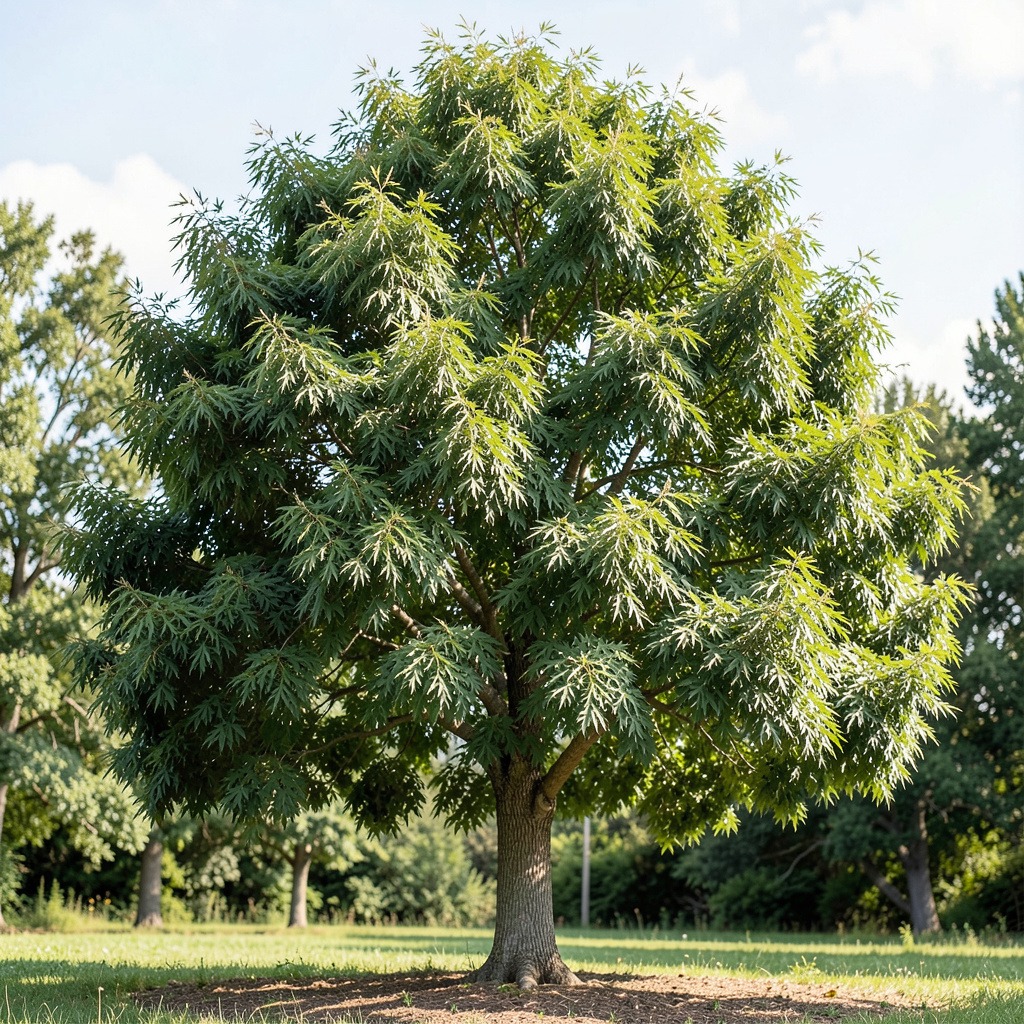
Overview of the New Horizon Elm
The New Horizon Elm is a hybrid tree known for its resilience and aesthetic appeal. This tree combines traits from the Siberian Elm and Japanese Elm, making it a popular choice in landscaping due to its unique characteristics and disease resistance.
What Makes Up the New Horizon Elm?
The New Horizon Elm (Ulmus japonica x Ulmus pumila) was introduced in the mid-1990s and is a product of careful hybridization. This tree exhibits a compact, upright growth habit, developing a broader pyramidal shape as it matures. Its leaves are dark green, serrated, and can grow up to 4 inches long. The tree is notable for its gray, ridged bark which adds textural interest to landscapes.
Key Characteristics of the New Horizon Elm
- Disease Resistance: The New Horizon Elm is highly resistant to Dutch Elm Disease, a major threat to many elm species. This resilience is a significant advantage for homeowners and landscapers.
- Growth Rate and Size: Initially, the tree features a pyramidal form that matures into a broader canopy. It grows steadily, providing shade relatively quickly compared to other trees.
- Aesthetic Appeal: With its unique, double-serrated leaves and attractive bark, the New Horizon Elm enhances any landscape. It maintains a clean appearance throughout the growing season, turning to a bright yellow in the fall.
- Environmental Adaptability: This elm tolerates various soil conditions and is resilient to urban pollution and road salts, making it suitable for city parks and boulevards.
Why Choose the New Horizon Elm?
Selecting the New Horizon Elm for your landscape offers numerous benefits:
- Quick Shade: It provides substantial shade quickly, making it ideal for new constructions or areas needing immediate coverage.
- Low Maintenance: The tree’s disease resistance means less worry about pests and diseases, contributing to lower maintenance costs.
- Wildlife Friendly: While it produces minimal flowers, the New Horizon Elm can still provide habitat and food for certain wildlife, enhancing biodiversity in your landscape.
In conclusion, the New Horizon Elm stands out due to its hybrid vigor, aesthetic qualities, and resilience, making it a valuable addition to various landscaping projects.
Pros of New Horizon Elm
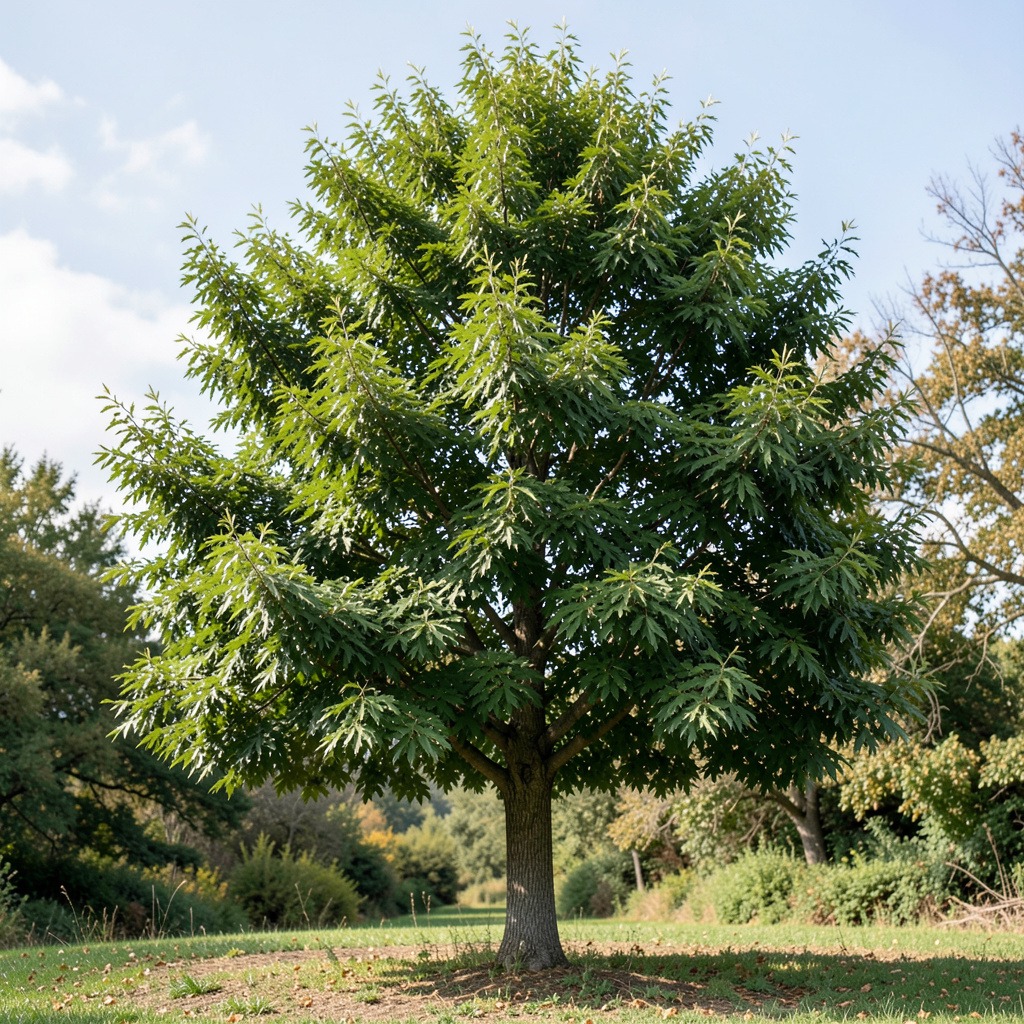
The New Horizon Elm offers a range of advantages that make it an attractive choice for various landscapes. Its aesthetic qualities, disease resistance, and adaptability to different environments set it apart from other tree species.
Table of Contents
Disease Resistance
One of the primary benefits of the New Horizon Elm is its robust resistance to Dutch Elm Disease. This fungal disease devastates many elm species, but the New Horizon Elm remains largely unaffected. This resilience means less risk for homeowners and landscape managers, reducing the need for chemical treatments and saving costs on maintenance.
Aesthetic Qualities
The New Horizon Elm features a compact, upright canopy with a classic pyramidal shape. Its dark green, elliptical leaves add texture to the landscape and turn a vibrant yellow in the fall. This seasonal color change enhances visual interest throughout the year. The tree’s unique double-serrated leaves also provide a distinctive appearance that can complement various landscaping styles.
Environmental Adaptability
The New Horizon Elm thrives in various soil conditions and urban environments. It demonstrates tolerance to road salt, making it suitable for planting along streets and boulevards. Additionally, it can withstand winter inundation, ensuring survival in less-than-ideal drainage conditions.
Real-World Example
In urban environments, the New Horizon Elm has been successfully integrated into city parks and residential areas. For instance, in a Midwestern city, newly planted New Horizon Elms in a park provided immediate shade and aesthetic appeal while resisting environmental stressors. This successful integration showcases the tree’s adaptability and functional benefits in enhancing urban landscapes.
Checklist for Consideration
When deciding whether to plant a New Horizon Elm, consider the following:
- Disease Resistance: Will you benefit from a tree that withstands common elm diseases?
- Aesthetic Appeal: Do you desire a tree with seasonal color changes and unique foliage?
- Environmental Conditions: Is your planting area susceptible to road salt or wet conditions?
These factors can help guide your choice, ensuring the New Horizon Elm aligns with your landscaping goals.
Cons of New Horizon Elm
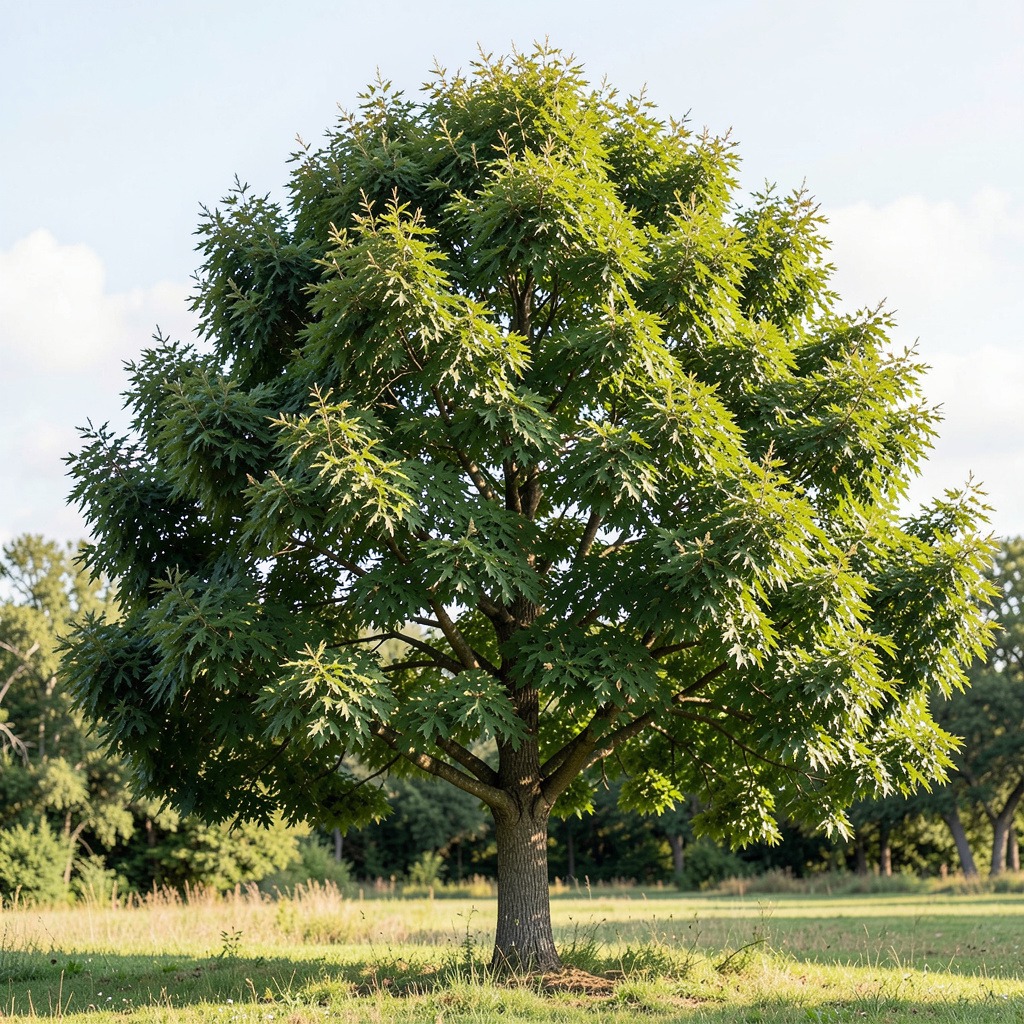
While the New Horizon Elm offers several advantages, it also presents specific challenges that potential growers should consider. These drawbacks primarily revolve around maintenance issues and sensitivity to environmental conditions.
Maintenance Requirements
New Horizon Elms require regular maintenance to ensure their health and aesthetic appeal. Key maintenance tasks include:
- Pruning: Regular pruning is necessary to remove dead or diseased branches. This helps prevent the spread of pests and diseases.
- Watering: Young trees need consistent watering, particularly in their first few years. Failure to maintain adequate moisture can lead to stress.
- Fertilization: Periodic fertilization may be required to support healthy growth, especially in nutrient-poor soils.
Potential for Twig Dieback
One notable issue with the New Horizon Elm is the potential for twig dieback, particularly during winter months. This condition can result in unsightly branches and may require additional pruning. Factors influencing twig dieback include:
- Environmental Stress: Extreme cold or sudden temperature changes can exacerbate dieback.
- Soil Conditions: Poor drainage can lead to root stress, increasing the risk of dieback.
Invasive Growth Characteristics
While generally manageable, New Horizon Elms can exhibit invasive growth habits under certain conditions. This includes:
- Root Expansion: The expansive root system can interfere with nearby plantings and structures if not monitored.
- Seed Production: Although flowering and fruiting are minimal, any seed production could lead to unwanted saplings in adjacent areas.
Decision Framework for Assessing Tree Health
When evaluating the health and maintenance needs of a New Horizon Elm, consider the following scenarios:
| Scenario | Action Required |
|---|---|
| Signs of Dieback | Increased pruning and monitoring |
| Poor Growth | Soil testing and potential fertilization |
| Root Invasion | Regular root management and pruning |
Understanding these potential drawbacks will help you plan effectively for the care of your New Horizon Elm, ensuring it thrives in your landscape.
Growth and Maintenance of New Horizon Elm
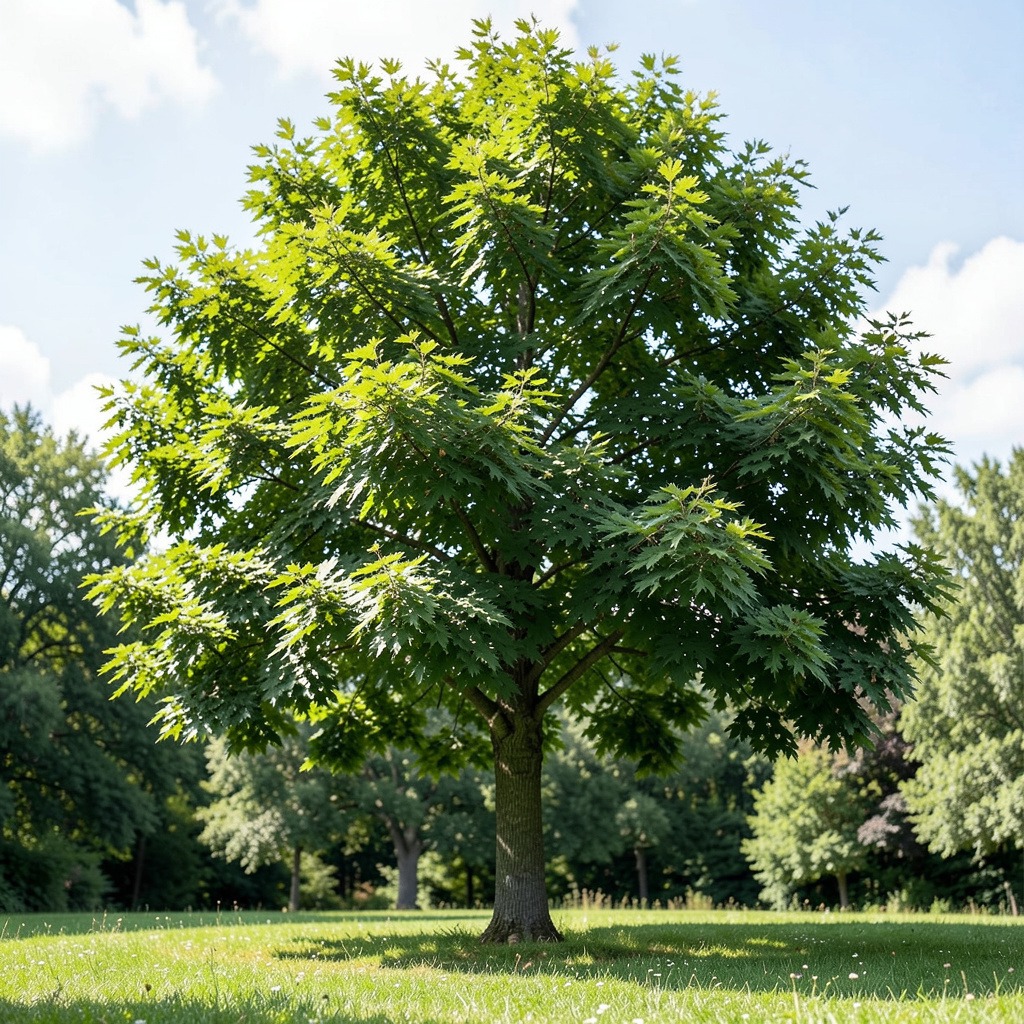
Successfully cultivating a New Horizon Elm requires understanding its growth characteristics and maintenance needs. This hybrid tree thrives in optimal soil and light conditions and benefits from regular pruning.
Optimal Soil and Light Conditions
The New Horizon Elm prefers well-drained soil with a slightly acidic to neutral pH. It flourishes in full sun, though it can tolerate partial shade. Key soil and light factors include:
- Soil Type: Loamy or sandy soils are ideal.
- Drainage: Ensure good drainage to prevent root rot.
- pH Level: Aim for a pH between 6.0 and 7.0.
- Light Exposure: Full sun (at least 6 hours of direct sunlight daily) promotes healthy growth.
Pruning and Care Guidelines
Regular pruning is essential for maintaining the health and aesthetics of the New Horizon Elm. Follow these guidelines:
- Timing: Prune during late winter or early spring before new growth begins.
- Technique: Remove dead, damaged, or crossing branches to improve air circulation.
- Frequency: Conduct light pruning annually; more extensive pruning may be needed if dieback occurs.
- Tools: Use sharp, clean tools to prevent disease transmission.
Growth Rate and Size Expectations
The New Horizon Elm has a moderate growth rate, typically reaching a height of 40 to 50 feet and a spread of 30 to 40 feet at maturity. Growth expectations include:
- Initial Growth: Establishes rapidly in the first few years.
- Height Increase: Approximately 1 to 2 feet per year under optimal conditions.
- Crown Formation: Develops a compact, upright shape that adds structure to the landscape.
| Age (Years) | Expected Height (Feet) | Expected Spread (Feet) |
|---|---|---|
| 5 | 10-15 | 8-10 |
| 10 | 20-25 | 15-20 |
| 15 | 30-35 | 20-25 |
| 20 | 40-50 | 30-40 |
Understanding these growth and maintenance factors will help you cultivate a thriving New Horizon Elm, enhancing your landscape effectively.
Landscape Uses for New Horizon Elm
The New Horizon Elm is a versatile tree suitable for various landscaping scenarios. Its compact form and disease resistance make it an excellent choice for urban and residential environments.
Ideal Locations for Planting
New Horizon Elms thrive in a range of locations, including:
- Parks: Their dense canopy provides ample shade, making parks more enjoyable.
- Boulevards: Their resilience to road salts and compact growth suits urban streetscapes.
- Residential Areas: Homeowners benefit from quick shade and aesthetic appeal.
Shade and Aesthetic Benefits
The New Horizon Elm offers significant shade and aesthetic advantages:
- Rapid Growth: Establishes quickly, providing shade in just a few years.
- Upright Form: The tree’s pyramidal shape enhances the visual structure of any landscape.
- Seasonal Color: Dark green leaves transition to vibrant yellow in fall, adding seasonal interest.
Wildlife Habitat Contributions
In addition to its landscaping benefits, the New Horizon Elm supports local wildlife:
- Insect Host: Serves as a host for various moths and butterflies, contributing to biodiversity.
- Bird Habitat: Provides shelter and nesting sites for birds, enhancing urban wildlife.
Case Study: Urban Park Integration
In a recent urban park project, New Horizon Elms were planted along walking paths. Within three years, the trees reached heights of 15-20 feet, creating shaded areas for visitors. The park reported increased foot traffic and positive feedback from the community. This example illustrates the successful integration of New Horizon Elms in urban landscapes, enhancing both aesthetics and usability.
When selecting trees for specific environments, consider factors such as soil conditions, space limitations, and intended use. The New Horizon Elm’s adaptability makes it a strong candidate for various landscaping applications.
Common Problems with New Horizon Elm
While the New Horizon Elm is known for its resilience and aesthetic appeal, certain challenges can arise in its maintenance and health. Understanding these issues enables proactive management to ensure the tree thrives in your landscape.
Identifying Common Pests
New Horizon Elms can attract various pests. Here are some common ones to watch for:
- Elm Leaf Beetle: These pests feed on leaves, creating a noticeable skeletonization effect.
- Aphids: Small insects that can cause leaf curling and honeydew excretion, attracting sooty mold.
- Scale Insects: These can weaken the tree by sucking sap and may leave a sticky residue.
Regular inspections can help identify these pests early. Employing integrated pest management (IPM) strategies, such as introducing beneficial insects like ladybugs, can mitigate infestations.
Dealing with Environmental Stressors
Environmental stressors can adversely affect the growth and health of New Horizon Elms. Here are key stressors and management strategies:
- Soil Conditions: Poor drainage can lead to root rot. Ensure proper soil amendments and consider raised beds if necessary.
- Drought: Lack of water can stunt growth. Implement a consistent watering schedule, especially in the first few years after planting.
- Cold Weather: Young trees are particularly susceptible to cold stress. Apply mulch around the base to retain soil temperature and moisture.
Monitoring the tree’s condition and adjusting care based on environmental factors are essential for maintaining a healthy New Horizon Elm.
Management of Twig Dieback
Twig dieback is a common issue with New Horizon Elms, often caused by winter stress or environmental conditions. Here’s how to manage it:
- Pruning: Regularly prune dead or damaged twigs to encourage new growth and improve air circulation.
- Fertilization: Use a balanced fertilizer in early spring to promote healthy growth and resilience against dieback.
- Water Management: Maintain consistent moisture levels in the soil to support overall tree health.
A proactive approach to pruning and nutrient management can significantly reduce the incidence of twig dieback, ensuring your New Horizon Elm remains robust and attractive.
Comparing New Horizon Elm with Other Elm Varieties
The New Horizon Elm stands out among various elm species due to its unique characteristics. Understanding its advantages and disadvantages, especially in comparison to other elms, can help you make an informed choice for your landscape.
Key Differences with Siberian and Japanese Elms
The New Horizon Elm is a hybrid, combining traits from both the Siberian Elm and Japanese Elm. Here are the key differences:
| Feature | New Horizon Elm | Siberian Elm | Japanese Elm |
|---|---|---|---|
| Disease Resistance | Highly resistant to Dutch Elm Disease | Moderate resistance | Lower resistance |
| Growth Rate | Moderate, slow height increase | Fast-growing | Moderate growth |
| Leaf Characteristics | Dark green, double-serrated leaves | Coarse, serrated leaves | Glossy, smooth leaves |
| Form | Compact, upright canopy | Open, spreading canopy | Pyramidal, dense foliage |
| Twig Dieback | Susceptible in winter | Rarely experiences dieback | Minimal dieback |
Pros and Cons Comparison
When considering the New Horizon Elm, weigh its specific advantages and disadvantages against those of other elm varieties.
Pros of New Horizon Elm:
- Disease Resistance: Its robust resistance to Dutch Elm Disease makes it a safer choice for urban environments.
- Aesthetic Appeal: The compact form and unique leaves add texture and visual interest to landscapes.
- Shade Provider: It quickly grows into a shade tree, beneficial for residential areas.
Cons of New Horizon Elm:
- Twig Dieback: Prone to twig dieback during winter, necessitating regular maintenance.
- Soil Sensitivity: Sensitive to ground conditions, it thrives best in well-drained soils.
Best Situations for Each Variety
Choosing the right elm depends on your specific landscape needs. Here are scenarios where each elm excels:
- New Horizon Elm: Ideal for urban settings where disease resistance is crucial. It works well in smaller yards needing quick shade.
- Siberian Elm: Best suited for large open spaces or natural areas where rapid growth is desired, but be cautious of its invasive tendencies in some regions.
- Japanese Elm: Perfect for ornamental purposes due to its attractive foliage, making it suitable for parks and gardens where aesthetics are a priority.
In summary, the New Horizon Elm offers significant benefits, especially in disease resistance and aesthetic value. However, it requires attentive maintenance to mitigate issues like twig dieback. Consider your landscape’s specific requirements when making a selection.
Alternatives to New Horizon Elm
When considering alternatives to the New Horizon Elm, it’s essential to focus on trees that offer similar benefits, such as disease resistance and suitability for landscaping. Here are some noteworthy options.
Other Disease Resistant Trees
1. American Elm (Ulmus americana)
- Once highly susceptible to Dutch Elm Disease, select cultivars like ‘Valley Forge’ and ‘New Harmony’ exhibit improved resistance.
- Provides a broad canopy, ideal for shade.
2. Accolade Elm (Ulmus japonica ‘Morton’)
- A hybrid known for its superior resistance to Dutch Elm Disease.
- Features a graceful, arching form that enhances landscape aesthetics.
3. Liberty Elm (Ulmus americana ‘Liberty’)
- Developed for high resistance to diseases.
- Grows rapidly and offers excellent shade, making it a great park tree.
Similar Aesthetic Trees
1. Red Maple (Acer rubrum)
- Known for its vibrant fall foliage.
- Provides a similar compact form and can thrive in various soil types.
2. Sweetgum (Liquidambar styraciflua)
- Offers star-shaped leaves that turn brilliant colors in autumn.
- Its upright growth habit makes it a suitable alternative in landscapes.
3. Eastern Redbud (Cercis canadensis)
- A smaller tree that blooms with striking pink flowers in spring.
- Adds visual interest while being low-maintenance.
Best Practices for Choosing Alternatives
- Assess Your Landscape Needs:
Identify if your priority is shade, aesthetics, or disease resistance.
- Consider Soil and Climate:
Different species thrive in varied conditions. Analyze your soil type and climate before selecting.
- Evaluate Growth Habits:
Look for trees that match the desired height and width for your space. Compact forms work well in smaller areas.
By employing this decision-making framework, you can confidently select the right tree for your landscape, ensuring it meets your specific needs while enhancing the overall environment.
Frequently Asked Questions
These quick answers cover the most common questions about this topic, including key details, practical tips, and common concerns.
What are the main benefits of planting a New Horizon Elm?
The New Horizon Elm offers several significant benefits. It is highly resistant to Dutch Elm Disease, reducing the risk of tree failure and the need for chemical treatments. Additionally, it provides quick shade due to its moderate growth rate, making it ideal for new constructions or areas needing immediate coverage. Its aesthetic appeal, with dark green leaves turning vibrant yellow in the fall, enhances any landscape.
How to plant a New Horizon Elm?
To plant a New Horizon Elm, choose a location with well-drained soil and full sun exposure. Dig a hole twice the width of the root ball and the same depth. Place the tree in the hole, ensuring the top of the root ball is level with the soil surface. Backfill with soil, water thoroughly, and apply mulch to retain moisture. It’s best to plant in early spring or fall when temperatures are milder.
When is the best time to plant a New Horizon Elm?
The optimal time to plant a New Horizon Elm is in early spring or fall. Planting during these seasons allows the tree to establish roots before the stress of summer heat or winter cold. Early spring planting also gives the tree a head start on growth as the growing season begins.
What are the common problems with New Horizon Elm?
Common problems include susceptibility to twig dieback, especially during winter. Environmental stressors like poor drainage and drought can exacerbate this issue. Additionally, pests such as the Elm Leaf Beetle and aphids may affect the tree’s health, requiring regular monitoring and management.
How does New Horizon Elm compare to other elm varieties?
Compared to other elm varieties, the New Horizon Elm excels in disease resistance, particularly against Dutch Elm Disease. While Siberian Elms grow faster, they can be invasive. Japanese Elms offer aesthetic appeal but have lower disease resistance. The New Horizon Elm balances quick growth, disease resistance, and visual interest, making it a versatile choice for landscapes.
What are alternative trees to plant instead of New Horizon Elm?
Alternatives to the New Horizon Elm include the American Elm, Accolade Elm, and Liberty Elm, all of which offer disease resistance. For a similar aesthetic, consider the Red Maple or Sweetgum, which provide vibrant fall colors. Evaluate your landscape needs and soil conditions when selecting an alternative tree to ensure compatibility.
How to maintain a New Horizon Elm?
Maintaining a New Horizon Elm involves regular pruning to remove dead or diseased branches, especially during late winter or early spring. Consistent watering is crucial, particularly in the first few years. Fertilization may be necessary in nutrient-poor soils to support healthy growth. Regular inspections for pests and environmental stressors will help maintain the tree’s health.