
The Newport plum tree offers stunning ornamental features and wildlife attraction, but it has drawbacks like potential disease susceptibility and limited edible fruit appeal.
Table of Contents
The Newport plum tree is a popular ornamental choice for gardens, known for its striking color and wildlife appeal. However, potential growers should weigh its advantages against its drawbacks to determine if it’s the right fit for their home landscape.
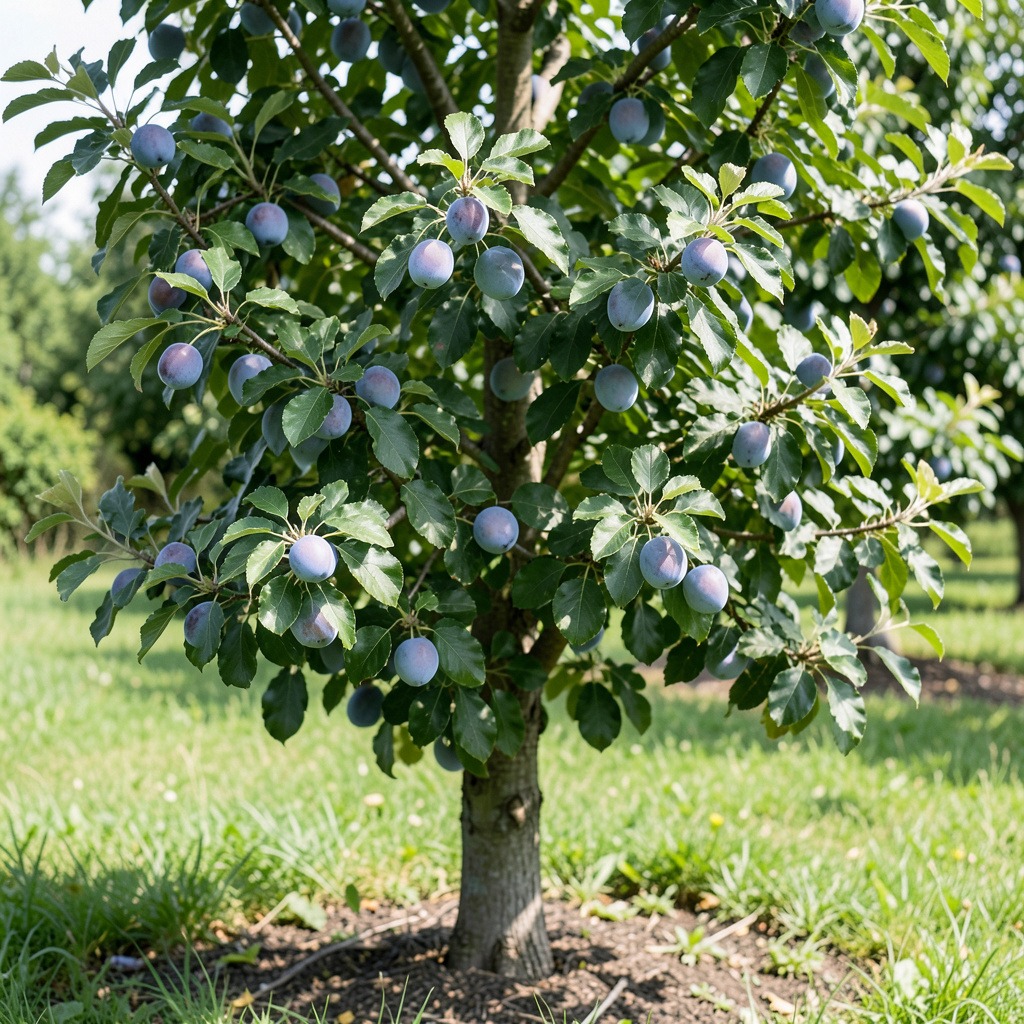
Overview of Newport Plum Trees
The Newport plum tree is an ornamental tree celebrated for its stunning foliage and seasonal blooms. It offers both aesthetic appeal and functionality in garden design, making it a favored choice among gardeners.
Characteristics of Newport Plum Trees
Newport plum trees (Prunus cerasifera ‘Newport’) are characterized by:
- Growth Rate: Moderate, reaching heights of 15 to 20 feet.
- Foliage: Dark purple leaves that provide a rich backdrop to its flowers.
- Flowers: Pale pink to white blooms that appear in early spring, attracting pollinators.
- Hardiness Zones: Thrive in USDA zones 4 to 7, adapting well to various climates.
These trees are not just visually appealing; they also offer shade and habitat for wildlife. Their compact size makes them suitable for smaller gardens.
Why Gardeners Choose Newport Plum Trees
Gardeners opt for Newport plum trees for several reasons:
- Aesthetic Appeal: Their striking color contrasts and seasonal changes enhance any landscape.
- Low Maintenance: Once established, they require minimal care, making them ideal for busy gardeners.
- Wildlife Attraction: The flowers attract bees and butterflies, supporting local ecosystems.
- Versatility: Suitable for various landscape applications, including borders, walkways, and standalone features.
Seasonal Changes
The Newport plum tree’s beauty evolves throughout the year:
- Spring: Blossoms emerge, filling the garden with color and fragrance.
- Summer: Foliage thickens, providing shade and habitat.
- Fall: Leaves may turn vibrant shades before dropping.
- Winter: The tree’s structure remains, offering visual interest even in dormancy.
By understanding these characteristics and seasonal changes, gardeners can better appreciate the Newport plum tree’s role in their landscapes.
Benefits of Planting Newport Plum Trees
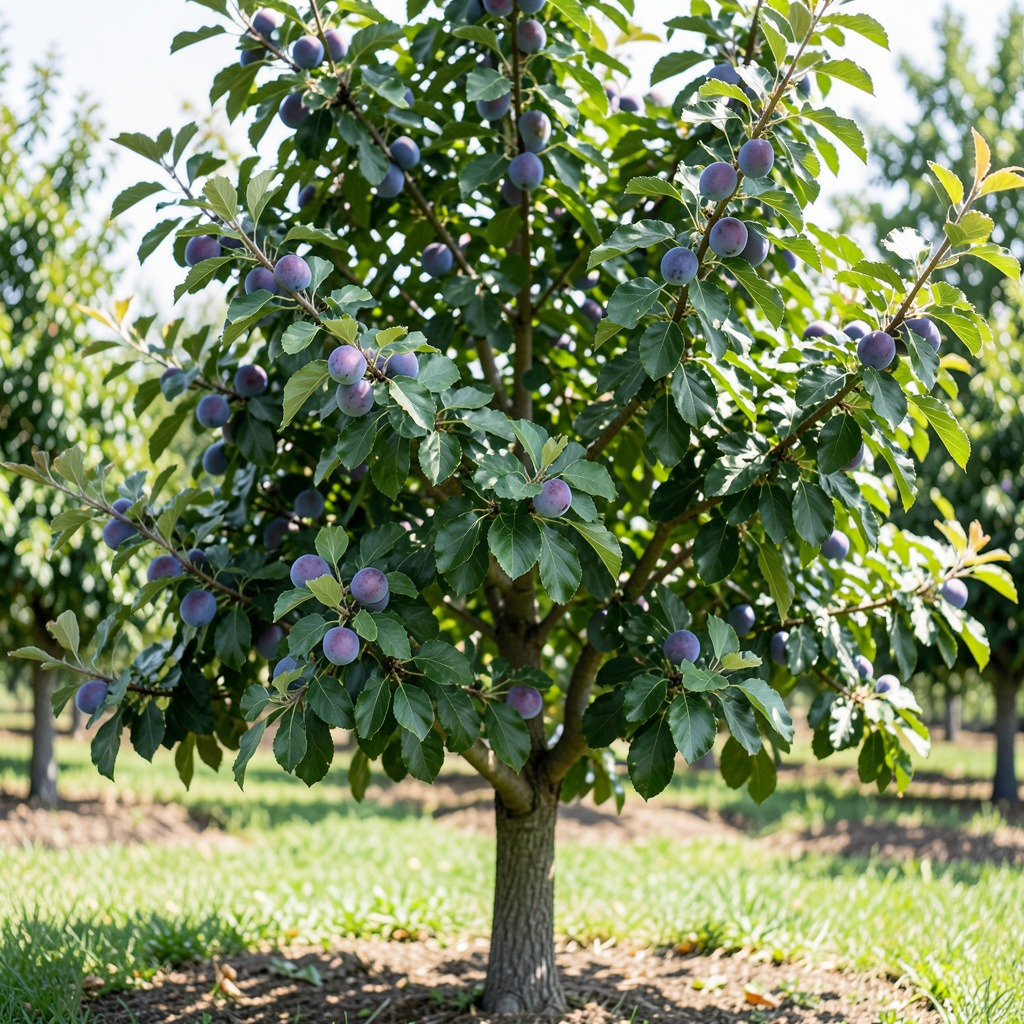
Newport plum trees offer a range of benefits that enhance both the aesthetic and ecological aspects of home gardens. Their striking appearance and environmental contributions make them a valuable addition to any landscape.
Aesthetic Appeal and Landscape Design
Newport plum trees are cherished for their beauty. They produce delicate pale pink blossoms in spring, creating a stunning visual display. The tree’s purple foliage adds depth and color throughout the growing season. Here are some design ideas for incorporating Newport plum trees into your garden:
- Borders and Focal Points: Plant them along pathways or as standalone features to draw attention.
- Mixed Plantings: Combine with evergreens or flowering shrubs for a dynamic landscape.
- Seasonal Interest: Their blossoms in spring and vibrant fall foliage enhance year-round appeal.
Wildlife Attraction and Ecological Benefits
These trees not only beautify gardens but also support local wildlife. The fragrant flowers attract bees and butterflies, promoting pollination. Additionally, the tree can serve as a habitat for various birds. Here are some ecological benefits:
- Pollinator Support: The blossoms provide essential nectar, supporting declining bee populations.
- Bird Habitat: The dense foliage offers shelter and nesting sites for birds.
- Soil Health: Their root systems can help improve soil structure, benefiting surrounding plants.
By carefully considering how to integrate Newport plum trees into your garden, you can create a visually appealing landscape that also contributes to the local ecosystem.
Drawbacks of Newport Plum Trees
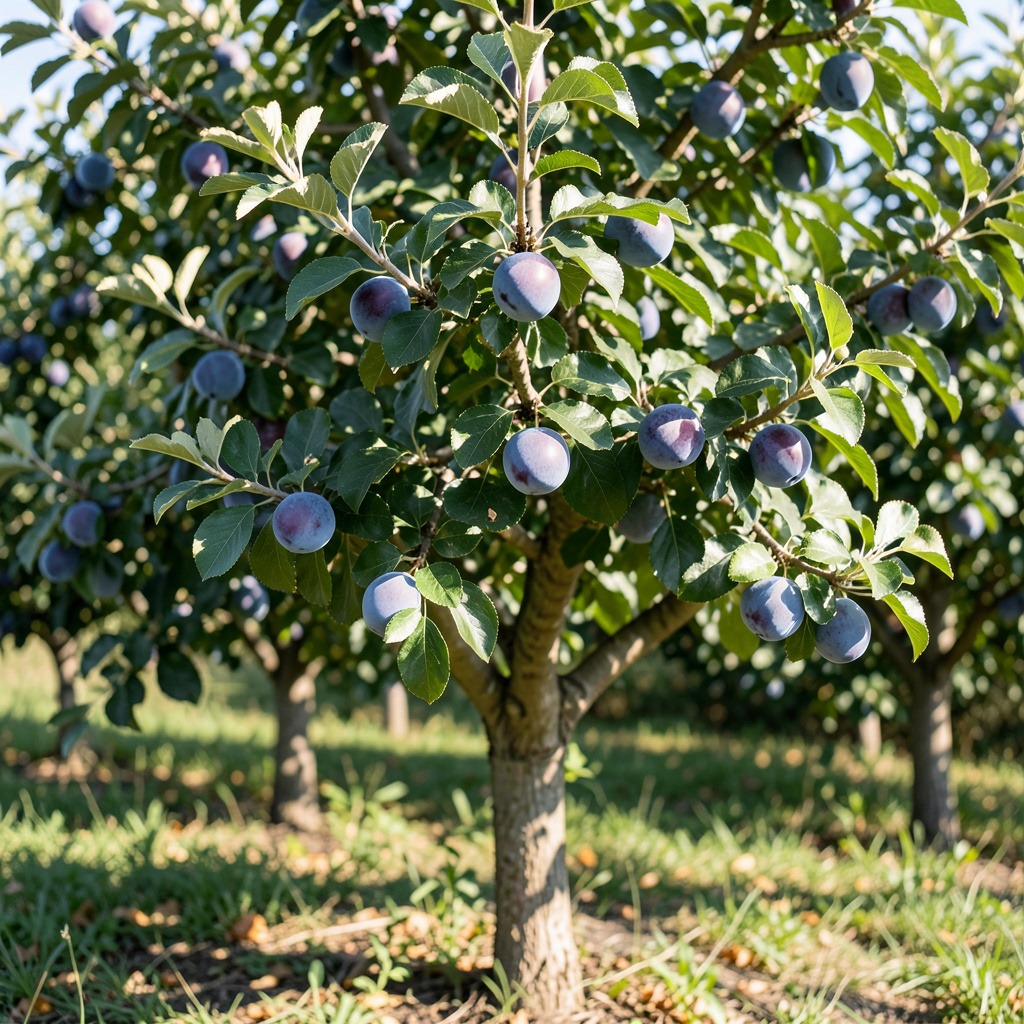
While Newport plum trees offer many benefits, they also come with specific challenges. Understanding these drawbacks is essential for making informed gardening decisions.
Maintenance Challenges
Newport plum trees require regular maintenance to thrive. Here are some key considerations:
- Pruning Needs: These trees benefit from annual pruning to maintain their shape and health. Failure to prune can lead to overcrowded branches and reduced airflow.
- Watering: While drought-tolerant once established, young trees need consistent watering. Underwatering can stress the tree, leading to poor growth.
- Soil Requirements: Newport plums prefer well-draining soil. Heavy clay or compacted soils can hinder root development, affecting overall health.
Pest and Disease Susceptibility
Newport plum trees can attract pests and may be susceptible to diseases. It is vital to be vigilant.
- Common Pests: Aphids, spider mites, and scale insects can infest the tree. Regular monitoring and early intervention are crucial.
- Diseases: They may suffer from bacterial leaf spot and plum curculio. These issues can impact leaf health and fruit production.
- Management Strategies: Implement integrated pest management (IPM) practices. This includes introducing beneficial insects and using organic pesticides when necessary.
Example Scenario: A gardener in a suburban area reported struggling with aphids on their Newport plum tree. After noticing the infestations, they opted for beneficial ladybugs, which significantly reduced the pest population. This approach illustrates the importance of proactive management.
Fruit Considerations
While Newport plum trees do produce fruit, the edibility and appeal of the fruit can be concerns.
- Edibility: The fruit is technically edible but is often considered too tart for human consumption. Birds, however, enjoy the fruit and can become a nuisance.
- Fruit Drop: Some trees may experience significant fruit drop, which can create a mess under the tree and attract unwanted pests.
Understanding these drawbacks can help prospective gardeners weigh the pros and cons effectively.
Care Requirements for Newport Plum Trees
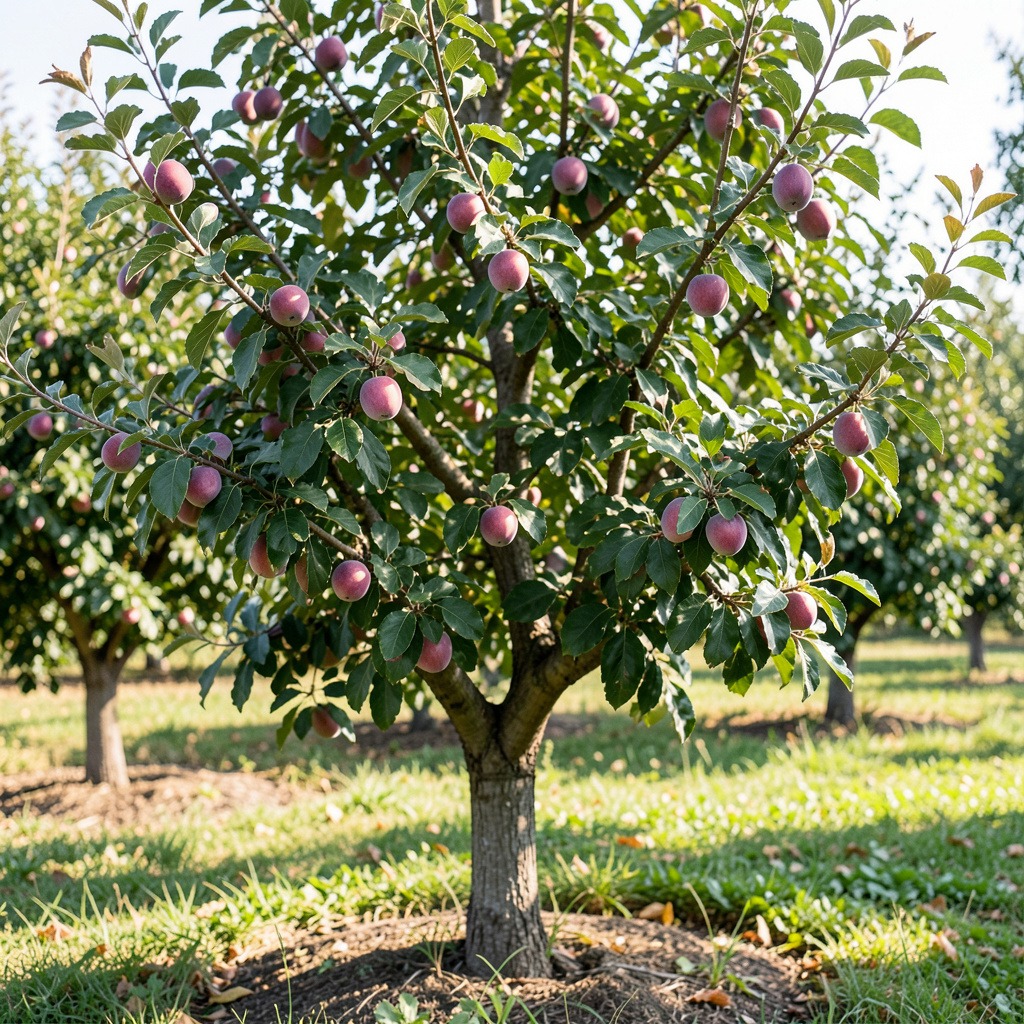
Caring for Newport plum trees involves understanding their specific needs for optimal growth. This section covers essential care practices, including watering, soil conditions, sunlight exposure, and pruning techniques.
Watering and Soil Requirements
Newport plum trees thrive in well-draining soil and require consistent watering, especially during their early growth stages.
- Soil: Use loamy soil that retains moisture but drains well. Amend with organic matter if necessary.
- Watering Frequency:
- Water deeply upon planting.
- Water twice weekly for the first 1 to 3 months.
- Once established, water during dry spells only.
- Moisture Management: Mulch around the base with 2 to 3 inches to retain soil moisture and suppress weeds, ensuring it does not touch the trunk.
Pruning Techniques for Healthier Growth
Regular pruning helps maintain the tree’s shape and health. It improves air circulation and reduces disease risk.
- When to Prune: Prune during dormancy, typically in late winter to early spring.
- Pruning Steps:
- Remove dead or damaged branches first.
- Thin crowded areas to enhance airflow.
- Shape the tree to promote a balanced structure.
Seasonal Care Checklist
Creating a seasonal care calendar can streamline maintenance tasks for Newport plum trees. Here’s a simplified checklist:
| Season | Care Task |
|---|---|
| Spring | Fertilize with slow-release fertilizer. Prune. |
| Summer | Water during dry spells; monitor for pests. |
| Fall | Inspect and remove fallen leaves and debris. |
| Winter | Prune again if necessary; protect from extreme cold. |
Implementing these care requirements will help ensure your Newport plum trees flourish, enhancing your landscape while minimizing potential drawbacks.
Comparing Newport Plum Trees with Other Ornamental Trees
Newport plum trees are popular for their striking appearance and unique characteristics. To understand their pros and cons, it’s essential to compare them with other common ornamental trees.
Similarities and Differences with Other Varieties
Newport plum trees share several features with other ornamental varieties, but they also exhibit distinct differences. Here’s a concise comparison with two other popular ornamental trees: the Eastern Redbud and the Japanese Maple.
| Feature | Newport Plum Tree | Eastern Redbud | Japanese Maple |
|---|---|---|---|
| Growth Rate | Slow to moderate | Moderate | Slow to moderate |
| Height | 15-25 feet | 20-30 feet | 10-25 feet |
| Foliage Color | Purple | Heart-shaped green leaves that turn yellow in fall | Varied colors (green, red, purple) |
| Flowering Season | Early spring (light pink flowers) | Early spring (pink flowers) | Spring (small purple flowers) |
| Fruit | Edible but not commonly consumed | Seed pods that attract wildlife | Produces small, non-ornamental seeds |
| Pest Resistance | Susceptible to pests | Generally resistant | Susceptible to pests |
| Aesthetic Appeal | Unique dual-color foliage and flowers | Vibrant spring blossoms | Ornamental foliage throughout the year |
Best Alternatives to Newport Plum Trees
When considering alternatives to Newport plum trees, it’s important to weigh their aesthetic value, growth requirements, and maintenance needs. Here are some viable options:
- Eastern Redbud: Offers beautiful spring flowers and heart-shaped leaves. This tree attracts pollinators and has a slightly larger growth habit.
- Japanese Maple: Renowned for its stunning foliage and graceful structure. It requires more care but provides vibrant colors throughout the seasons.
Each of these alternatives presents unique benefits. However, the Newport plum tree stands out for its striking purple foliage and ability to thrive in a variety of landscapes. When choosing, consider your garden’s aesthetic goals and maintenance capacity.
Final Thoughts on Newport Plum Trees
Understanding the pros and cons of Newport plum trees is essential for any gardener considering this ornamental option. Their unique features offer both benefits and challenges that can influence your landscaping decisions.
Pros of Newport Plum Trees
- Aesthetic Appeal: The Newport plum tree features striking purple foliage and pale pink blossoms, providing year-round visual interest.
- Wildlife Attraction: The flowers attract pollinators like bees and birds, enhancing biodiversity in your garden.
- Low Maintenance: Once established, these trees require minimal care, making them suitable for busy gardeners.
- Versatile Landscape Applications: They fit well in various garden designs, from formal to cottage gardens.
Cons of Newport Plum Trees
- Limited Edibility: The fruit produced is generally not considered edible, which may be a drawback for those seeking fruit-bearing trees.
- Pest Susceptibility: Newport plums can be prone to specific pests and diseases, necessitating regular monitoring and management.
- Growth Constraints: They may not thrive in overly wet or poorly drained soils, limiting planting options in certain areas.
Care Requirements
To maintain healthy Newport plum trees, consider the following care tips:
- Sunlight: Plant in a location with full sun for optimal growth.
- Soil: Ensure well-draining soil to prevent root rot.
- Watering: Water regularly, especially during dry spells, but avoid overwatering.
Seasonal Care Calendar
- Spring: Prune for shape and remove any dead branches.
- Summer: Monitor for pests and diseases; apply treatments as needed.
- Fall: Fertilize to support growth for the next season.
- Winter: Mulch around the base to protect roots from frost.
By weighing the pros and cons, you can make informed decisions about incorporating Newport plum trees into your garden. Assess your landscape needs and preferences to determine if this ornamental tree is the right fit for you.
Frequently Asked Questions
These quick answers cover the most common questions about this topic, including key details, practical tips, and common concerns.
What are the ideal growing conditions for Newport plum trees?
Newport plum trees thrive in full sun, requiring at least six hours of direct sunlight daily. They prefer well-draining soil that is rich in organic matter. The ideal pH range is between 6.0 and 7.0. These trees grow best in USDA hardiness zones 4 to 7, where temperatures are moderate and conditions are favorable for their growth.
Can Newport plum trees be grown in containers?
Yes, Newport plum trees can be grown in containers, making them suitable for patios or smaller spaces. Choose a large pot with drainage holes and use high-quality potting soil. Ensure the container is at least 18 inches deep to accommodate the root system. Regular watering and fertilization will be essential to support their growth in a limited soil environment.
What pests commonly affect Newport plum trees?
Newport plum trees are susceptible to various pests, including aphids, spider mites, and scale insects. These pests can cause leaf damage and stress the tree. Regular monitoring and early intervention are key. Introducing beneficial insects like ladybugs can help manage pest populations naturally.
How often should Newport plum trees be pruned?
Pruning should be done annually during the tree’s dormant season, typically in late winter or early spring. Focus on removing dead or damaged branches and thinning crowded areas to improve air circulation. Proper pruning promotes healthy growth and reduces the risk of disease.
Are Newport plum trees resistant to diseases?
While Newport plum trees are generally hardy, they can be susceptible to diseases such as bacterial leaf spot and plum curculio. Regular inspections and proper care, including good airflow and timely pruning, can help prevent disease. Implementing integrated pest management practices can also reduce the risk of infection.
When does a Newport plum tree typically bloom?
Newport plum trees usually bloom in early spring, producing pale pink to white flowers. This flowering period attracts pollinators and adds visual interest to the landscape. The exact timing can vary based on local climate conditions, but blooms typically appear between March and April.
What soil conditions do Newport plum trees prefer?
Newport plum trees thrive in well-draining soil that retains some moisture without becoming soggy. Loamy soil enriched with organic matter is ideal. Avoid heavy clay or compacted soils, as they can impede root development and lead to health issues for the tree.
What are some alternatives to Newport plum trees?
If you’re looking for alternatives to Newport plum trees, consider the Eastern Redbud or Japanese Maple. The Eastern Redbud offers beautiful spring blooms and heart-shaped leaves, while the Japanese Maple is known for its stunning foliage colors. Both provide aesthetic benefits and can fit well into various landscape designs.