
Ninebark trees offer attractive foliage, seasonal blooms, and adaptability, but can be prone to pests and diseases like powdery mildew.
Table of Contents
Ninebark (Physocarpus opulifolius) is a versatile shrub known for its striking appearance and resilience. While it brings numerous benefits to gardens, potential drawbacks exist. This guide explores the pros and cons of incorporating ninebark into your landscaping plans.
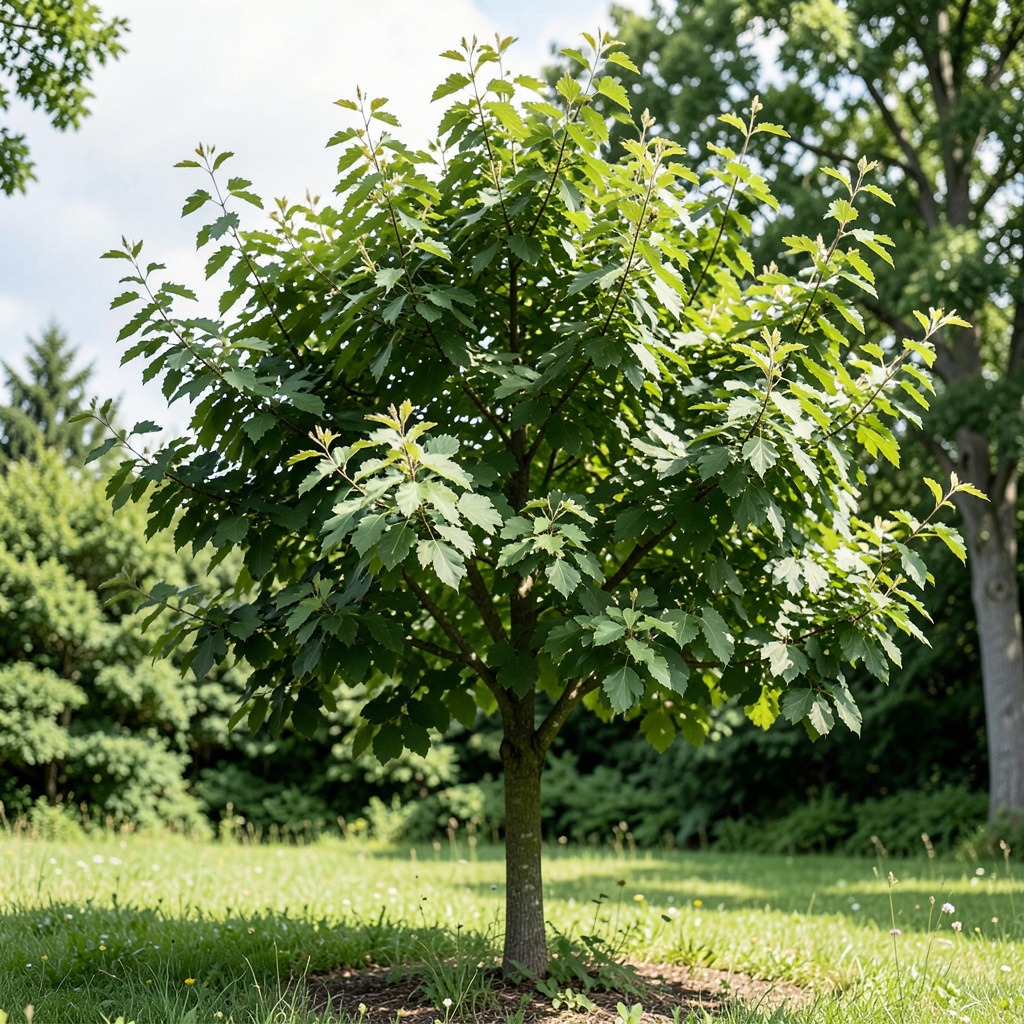
Understanding Ninebark: Characteristics and Uses
Ninebark (Physocarpus opulifolius) is a native shrub with distinctive features that make it an excellent choice for various landscaping needs. Its adaptability to different environments and aesthetic appeal contribute to its popularity among gardeners.
Ninebark’s Appearance and Growth Habit
Ninebark typically exhibits a multi-stemmed growth habit, reaching heights of 5 to 10 feet, depending on the cultivar. Its foliage is lush and varied, featuring shades of green, burgundy, and golden hues. The bark peels in layers, adding unique texture throughout the seasons.
Here are some key characteristics:
- Foliage: Leaves can be lobed or serrated, often changing colors in fall.
- Flowers: Clusters of small white to pink flowers bloom in late spring.
- Fruit: Produces small, decorative seed clusters that attract birds.
Ecological Importance of Ninebark
As a native plant, ninebark plays a vital role in local ecosystems. It supports wildlife by providing food and habitat for various species. The flowers attract pollinators like bees and butterflies, while the fruits offer sustenance to birds.
- Wildlife Support: Attracts pollinators and birds.
- Soil Stabilization: Its roots help prevent erosion in gardens.
- Biodiversity: Enhances the resilience of local ecosystems by supporting diverse species.
Common Uses in Landscaping
Ninebark is versatile in landscaping and can be used in multiple ways:
- Foundation Planting: Softens the look of homes and structures.
- Hedges and Screens: Provides privacy with its dense growth.
- Rain Gardens: Thrives in wet conditions, making it ideal for managing stormwater.
When considering ninebark for your garden, evaluate your space and the specific cultivar that best meets your aesthetic and ecological goals. For example, choose a dwarf variety for smaller spaces or a larger cultivar for dramatic effect in expansive gardens.
Pros of Ninebark: Benefits for Your Garden
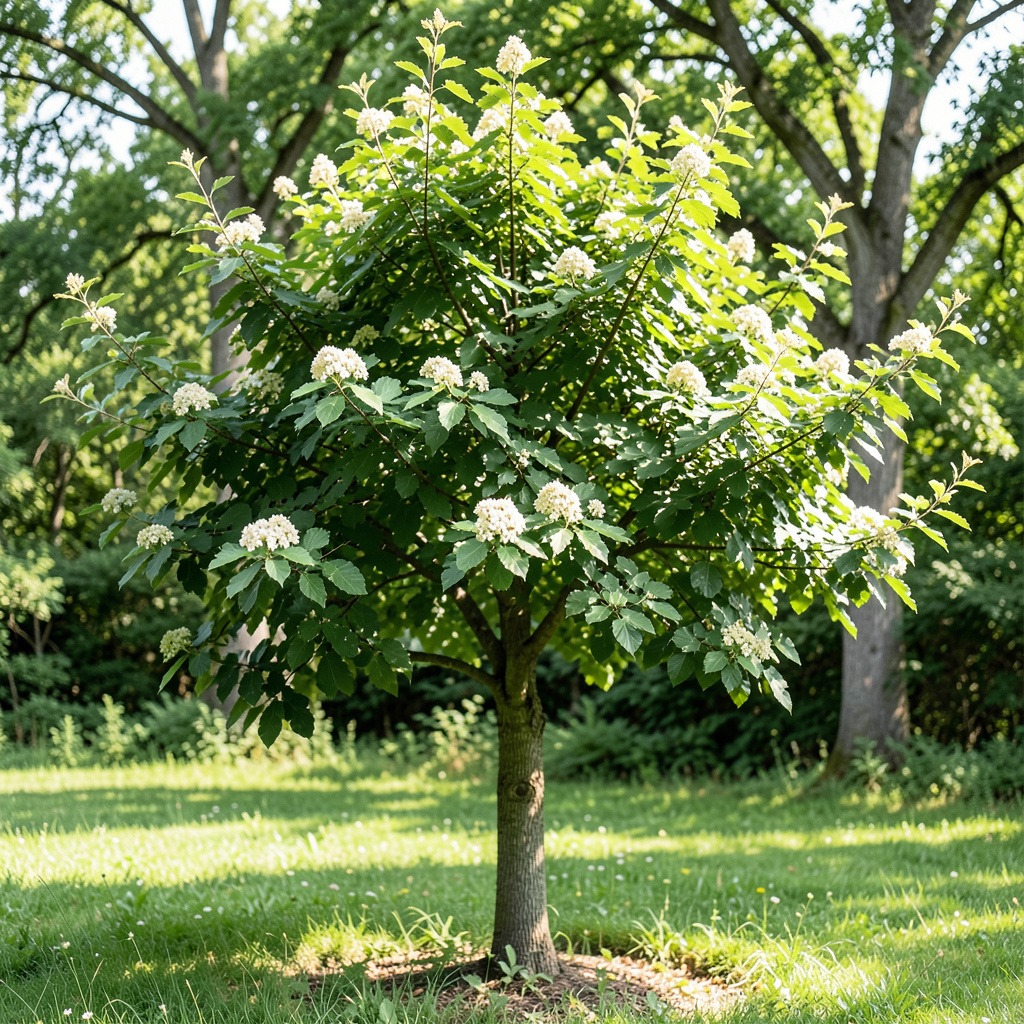
Ninebark offers a range of advantages that make it a popular choice for gardeners. Its low maintenance needs, aesthetic contributions, and support for wildlife establish it as a standout shrub in various landscaping contexts.
Low Maintenance Requirements
Ninebark thrives with minimal care. Once established, it requires little watering, making it suitable for both dry and wet conditions. This drought-tolerant shrub withstands poor drainage and occasional flooding, reducing the need for constant attention.
- Key Maintenance Tasks:
- Watering: Low once established.
- Pruning: Minimal pruning needed to maintain shape.
- Fertilizing: Generally not required.
This low maintenance aspect makes ninebark ideal for busy homeowners or those new to gardening.
Aesthetic Contributions Year-Round
Ninebark brings year-round visual interest to gardens. Its unique peeling bark reveals layers, adding texture and intrigue throughout the seasons. In spring, the shrub showcases clusters of white or pink flowers, while its foliage can vary in color depending on the cultivar, ranging from green to deep burgundy.
- Examples of Aesthetic Uses:
- Foundation Planting: Softens architectural lines.
- Hedges: Provides a dense, colorful privacy screen.
- Specimen Planting: Showcases unique cultivars as focal points.
Select a cultivar that aligns with your garden’s color scheme for a cohesive look.
Support for Pollinators and Wildlife
Ninebark plays a crucial role in supporting local ecosystems. It attracts a variety of pollinators, including bees and butterflies, thanks to its abundant flowers. Additionally, it serves as a habitat and food source for birds and beneficial insects.
- Wildlife Benefits:
- Provides nesting sites for birds.
- Hosts larvae for several butterfly species.
- Supports pollinator populations.
Incorporating ninebark into your garden enhances biodiversity, contributing to a healthier environment.
Practical Example of Integration
Consider a scenario where ninebark is planted alongside native grasses and perennials. This combination not only creates a visually appealing landscape but also fosters habitat for wildlife. The ninebark can serve as a backdrop for lower plants, creating layered interest and improving the overall ecological function of the garden.
By understanding these pros, you can make informed decisions about incorporating ninebark into your landscape design.
Cons of Ninebark: Considerations Before Planting
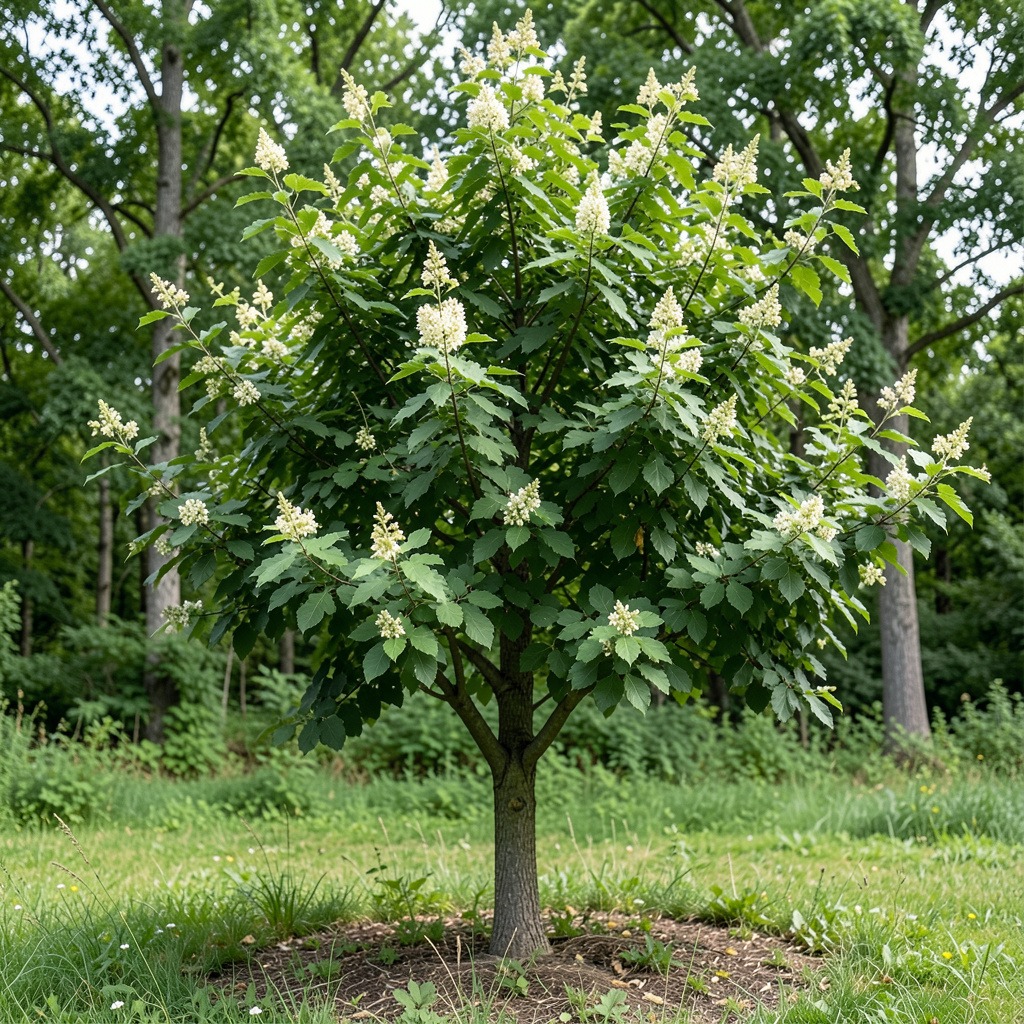
While ninebark offers numerous benefits, potential drawbacks also exist. Understanding these challenges helps ensure successful integration into your garden.
Size and Spacing Challenges
Ninebark shrubs can grow quite large, depending on the variety. Most cultivars reach heights of 5 to 10 feet and spread about 4 to 8 feet wide. This growth can lead to overcrowding if not managed properly.
- Decision Rule: When planting ninebark, consider its mature size. Space them at least 6 to 8 feet apart to allow for proper air circulation and sunlight exposure.
- Pruning Advice: Regular pruning in late winter or early spring can help manage size and promote bushier growth. Remove any dead or crossing branches to maintain health and aesthetics.
Common Pests and Diseases
Ninebark is generally resilient but can be susceptible to certain pests and diseases. Aphids are the most common pest, potentially affecting plant vitality.
- Symptoms to Watch: Look for curled leaves or sticky residue on the plant, indicating aphid presence.
- Disease Risks: Although major diseases are rare, poor drainage can lead to root rot.
Mitigation Strategies for Gardeners
To minimize the cons associated with ninebark, implement these strategies:
1. Choose the Right Location: Select a site with well-draining soil and adequate sunlight. This reduces disease risk and promotes healthy growth.
2. Monitor Regularly: Inspect plants frequently for signs of pests or disease. Early detection allows for timely intervention.
3. Integrate Companion Plants: Pair ninebark with plants that deter pests. For example, planting marigolds nearby can help repel aphids.
By being proactive about size management and pest control, you can enjoy the beauty of ninebark while minimizing its drawbacks.
Best Practices for Growing Ninebark
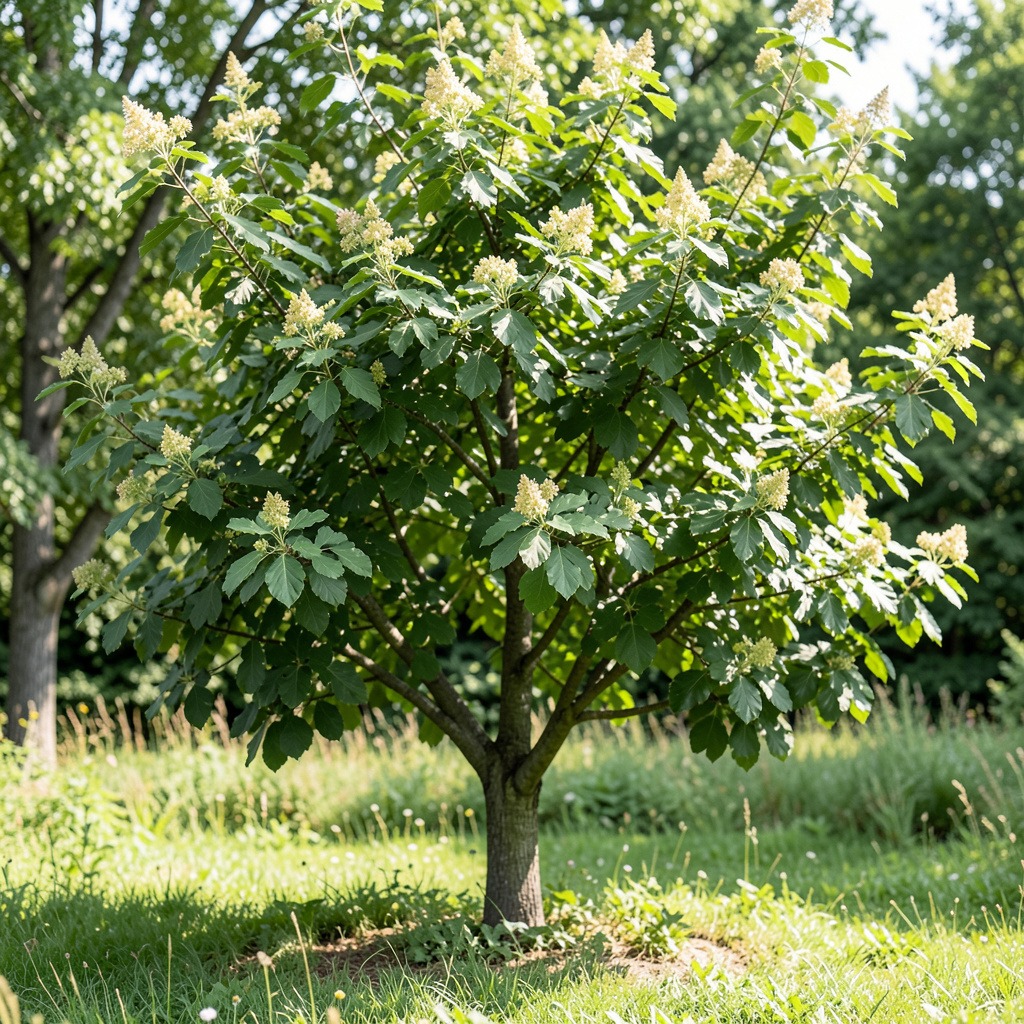
Growing ninebark (Physocarpus opulifolius) requires attention to its specific care needs. Understanding optimal planting conditions, watering frequency, and pruning techniques will enhance your gardening success.
Optimal Planting Conditions and Timing
Ninebark thrives best when planted in a location that receives full sun to partial shade. Ideal conditions include:
- Soil Type: Well-draining soil, including clay, loam, or even rocky soils. A pH between 4.5 and 6.5 is optimal, but it can tolerate slightly alkaline conditions.
- Sunlight: Aim for at least six hours of direct sunlight daily in northern climates. In southern regions, some afternoon shade is beneficial.
- Timing: The best time to plant ninebark is in spring or fall, allowing roots to establish before extreme temperatures.
Watering and Nutritional Needs
Ninebark is adaptable but still requires proper watering and nutrients for healthy growth:
- Watering Frequency: Water the shrub consistently, especially during dry spells. An inch of water per week is recommended, but adjust based on rainfall and soil type.
- Fertilization: Use a balanced fertilizer in early spring to support growth. A slow-release formula is beneficial, especially for newly planted shrubs.
Pruning Techniques for Healthy Growth
Pruning is essential for maintaining the shape and health of your ninebark:
- Timing: Prune immediately after flowering in early summer for light shaping. For more extensive pruning, wait until late winter when the shrub is dormant.
- Technique:
- Remove dead or damaged branches first.
- Thin out crowded areas to improve air circulation.
- For renewal pruning, cut back one-third of the oldest stems to the ground to encourage new growth.
Checklist for New Gardeners
Use this checklist to ensure you meet ninebark’s care requirements:
- [ ] Select a well-draining location with adequate sunlight.
- [ ] Water weekly, adjusting for rainfall and soil moisture.
- [ ] Fertilize annually in spring.
- [ ] Prune after flowering or during dormancy.
- [ ] Monitor for pests and diseases regularly.
By following these best practices, you can cultivate a thriving ninebark shrub that enhances your garden’s beauty while minimizing common challenges.
Comparing Ninebark to Other Shrubs
When selecting shrubs for your garden, understanding how ninebark measures up against its peers is essential. This comparison highlights unique features, advantages, and disadvantages of ninebark alongside alternative shrubs.
Key Comparisons with Similar Shrubs
Ninebark (Physocarpus opulifolius) stands out among various shrubs. Here’s how it compares to some popular alternatives:
| Feature | Ninebark | Dogwood (Cornus spp.) | Spirea (Spiraea spp.) |
|---|---|---|---|
| Growth Habit | Upright, arching stems | Varied, often more horizontal | Mounding, compact |
| Flowering | Clusters of white/pink flowers | White or pink bracts | Clusters of small white/pink flowers |
| Foliage | Deciduous, layered bark | Deciduous, smooth bark | Deciduous, fine-textured leaves |
| Hardiness Zones | 3-7 | 3-9 | 3-8 |
| Wildlife Value | Attracts pollinators, birds | Provides berries for birds | Attracts pollinators |
| Care Requirements | Low maintenance | Moderate maintenance | Low to moderate maintenance |
When to Choose Ninebark Over Alternatives
Ninebark excels in specific scenarios. Choose it over alternatives when:
- You desire a four-season interest in your garden. Ninebark’s peeling bark provides winter visual appeal.
- You want a low-maintenance shrub that thrives in various light conditions, from full sun to partial shade.
- Attracting wildlife is a priority. Its flowers and seeds support pollinators and birds.
Visual Comparison Table of Shrub Features
Here’s a quick reference of essential characteristics that may influence your decision:
| Characteristic | Ninebark | Dogwood | Spirea |
|---|---|---|---|
| Size at Maturity | 5-9 feet tall | 3-25 feet tall | 1-5 feet tall |
| Soil Preference | Well-drained, adaptable | Moist, well-drained | Well-drained |
| Pest Resistance | Generally high | Susceptible to some pests | Susceptible to aphids |
| Pruning Needs | Minimal, light pruning | Moderate pruning | Regular pruning |
Incorporating these insights can simplify your shrub selection process. Assess your garden’s specific needs against ninebark’s characteristics and those of its alternatives for the best results.
Frequently Asked Questions
These quick answers cover the most common questions about this topic, including key details, practical tips, and common concerns.
What are the best conditions for planting ninebark?
Ninebark thrives in well-draining soil and prefers full sun to partial shade. Aim for a location that receives at least six hours of sunlight daily. It is adaptable to various soil types, including clay and loam, and can tolerate a pH between 4.5 and 6.5. The best times to plant are in spring or fall when temperatures are milder, allowing the roots to establish before extreme weather.
How often should I water my ninebark shrub?
Once established, ninebark requires minimal watering. During dry spells, aim for about an inch of water per week. Monitor the soil moisture; if it feels dry to the touch, it’s time to water. Overwatering should be avoided, as it can lead to root rot, especially in poorly drained soil.
What are the most popular cultivars of ninebark?
Some of the most popular ninebark cultivars include ‘Diabolo,’ known for its dark burgundy foliage, and ‘Summer Wine,’ which features a more compact growth habit with striking leaves. ‘Center Glow’ is another favorite, showcasing golden-yellow leaves that turn reddish in the fall. Each cultivar offers unique aesthetics and growth characteristics suitable for different garden designs.
What pests are commonly associated with ninebark?
Common pests affecting ninebark include aphids, spider mites, and Japanese beetles. Aphids can cause leaf curling and sticky residue, while spider mites may lead to yellowing leaves. Regular monitoring and early intervention, such as washing the leaves with water or applying insecticidal soap, can help manage these pests effectively.
How do I prune ninebark for optimal growth?
Pruning ninebark is best done in late winter or early spring while the plant is dormant. Remove dead or damaged branches first, then thin out crowded areas to improve air circulation. For more extensive shaping, prune right after flowering in early summer. This encourages bushier growth and maintains the shrub’s overall health.
How does ninebark compare to other landscape shrubs?
Ninebark stands out due to its low maintenance needs and striking bark texture. Compared to dogwood and spirea, it offers unique four-season interest with its peeling bark and colorful foliage. While dogwood may provide more berries for birds, ninebark is better suited for varied light conditions and attracts a wide range of pollinators.
What should readers know about visual aids for identifying different cultivars?
Visual aids, such as comparison charts or photographs, can help gardeners choose the right ninebark cultivar. Look for images showcasing the foliage, flowers, and growth habits of various cultivars. These resources can assist in understanding how each cultivar fits into your garden’s design and seasonal aesthetics.
What should readers know about user reviews or case studies on ninebark in various climates?
User reviews and case studies provide insights into how ninebark performs across different climates. Gardeners often share their experiences regarding growth habits, pest issues, and aesthetic appeal. These real-world examples can guide potential buyers in selecting the right cultivar for their specific environmental conditions and landscaping goals.