
Nitrogen deficiency in roses often causes pale, yellowing leaves, slow growth, and poor flowering. Identifying these symptoms early helps in selecting effective treatments to restore healthy growth.
This article explains how to recognize nitrogen deficiency symptoms in roses and offers practical strategies to correct it, ensuring healthier, more vigorous plants and improved flowering performance.
Key Conditions That Change Nitrogen Deficiency In Roses
Nitrogen deficiency in roses often manifests through specific leaf color changes, primarily yellowing, which indicates a lack of this vital nutrient. However, the timing, severity, and presence of other conditions influence how these symptoms present and how they should be interpreted. External factors like soil type, pH, and ongoing environmental stress can modify the typical signs of nitrogen deficiency, making diagnosis more complex. Understanding these conditions helps determine whether fertilization adjustments are needed and what other factors might be influencing plant health.
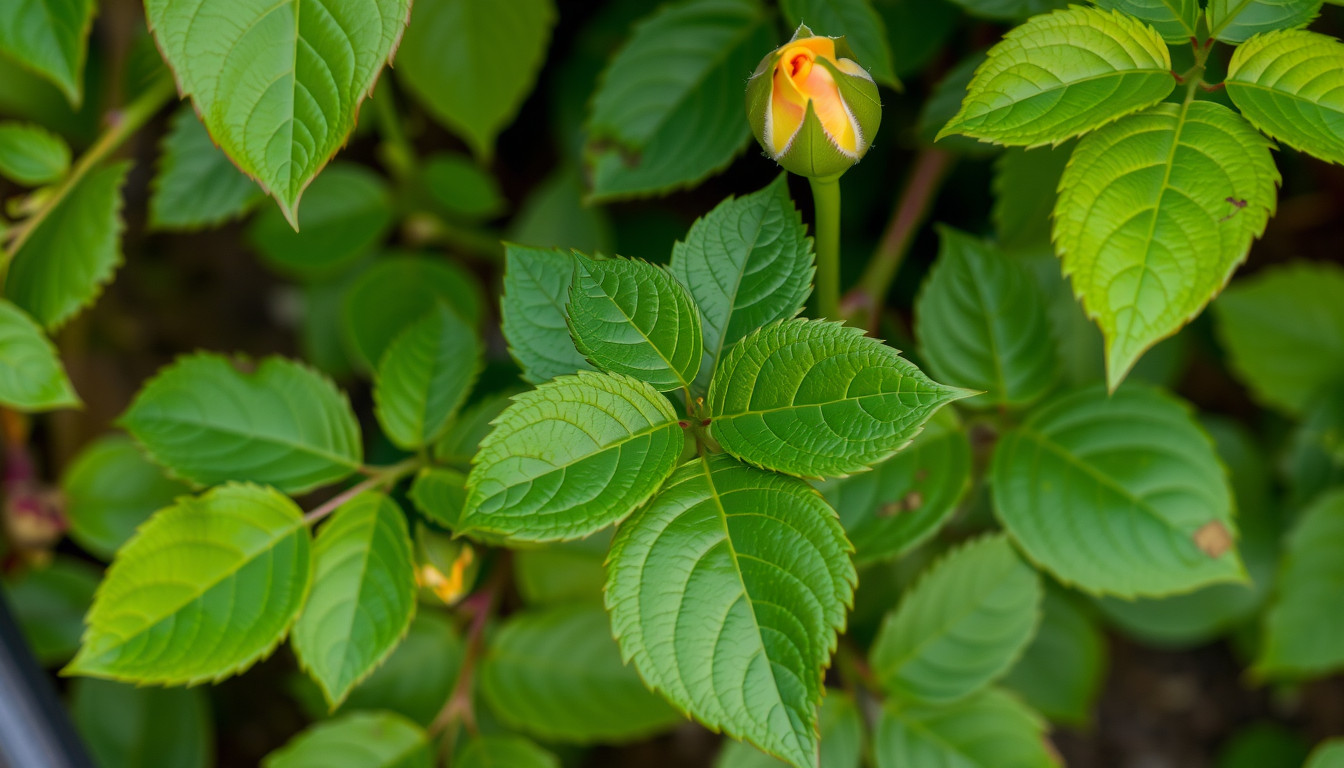
Disclosure: As an Amazon Associate I earn from qualifying purchases.
Understanding your soil's current condition can be crucial; a testing kit might help you determine nitrogen levels before making adjustments. Shop suitable garden soil testing kits on Amazon (affiliate link).
1. The factors with the biggest effect
- Soil pH and composition: Extremely acidic or alkaline soils can impair nitrogen availability, even if nitrogen is present in the soil, causing deficiency symptoms despite adequate nutrient levels.
- Environmental stresses: Drought, high temperatures, and soil compaction reduce nutrient uptake, sometimes mimicking deficiency symptoms or exacerbating existing deficiencies.
- Other nutrient imbalances: Excessive levels of other nutrients, such as phosphorus or potassium, can interfere with nitrogen absorption, leading to deficiencies that may require balancing multiple nutrients rather than simply adding nitrogen.
2. What evidence or details to check
To accurately diagnose nitrogen deficiency, garden or rose growers should observe leaf color and pattern. Nitrogen deficiency typically causes older leaves to turn pale yellow or light green initially, especially at the margins, before progressing to younger leaves if the deficiency persists. Checking soil test results can confirm nitrogen levels, pH status, and presence of other limiting factors. Signs that do not align with standard nitrogen deficiency, such as healthy green new growth alongside yellowing older leaves, or rapid recovery after fertilization, indicate other underlying issues or correctable conditions.
3. When the usual advice does not apply
If rose plants show symptoms inconsistent with nitrogen deficiency — for example, only young leaves yellowing, or symptoms improving without nitrogen application — it suggests the problem might be caused by other nutrient imbalances or environmental stressors. In such cases, targeted testing and comprehensive soil management are necessary. Over-fertilizing with nitrogen can lead to excessive leafy growth and weak stems, making plants more vulnerable to pests and diseases. Therefore, a careful diagnosis considering soil conditions, plant age, and recent care practices should guide any intervention beyond standard fertilization routines.
Table of Contents
How to Evaluate Nitrogen Deficiency In Roses Before Acting
Before applying any corrective measures, it’s essential to accurately assess whether your roses are suffering from nitrogen deficiency. This involves observing plant growth patterns, checking for specific visual cues, and conducting practical checks on the plant and soil conditions. Proper diagnosis can prevent over-fertilization, which may cause other nutrient imbalances or harm the plant, and ensure that any amendments are necessary and targeted.
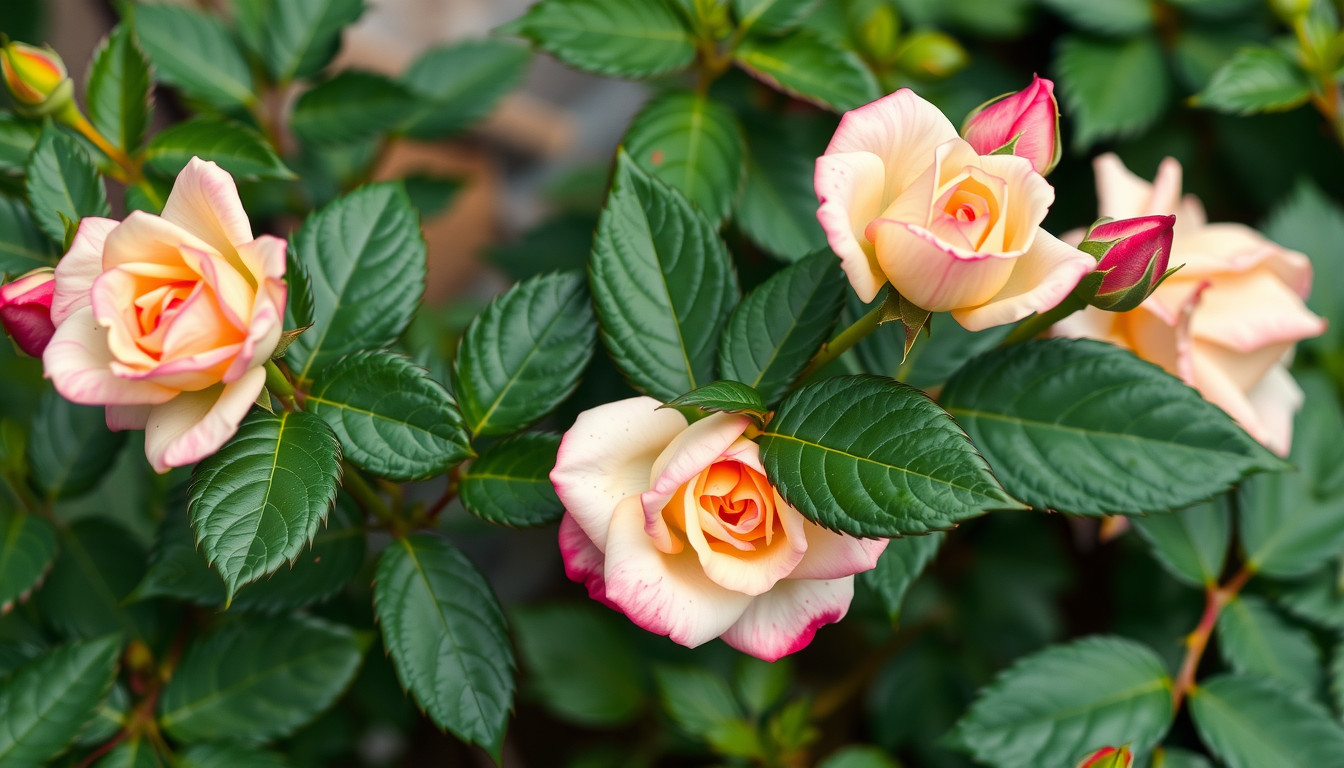
Identifying visible signs can be assisted by tools that help you monitor plant health and nutrient status. Shop suitable plant health monitoring tools on Amazon (affiliate link).
1. What to Check First
- Growth rate: Nitrogen is crucial for vegetative growth. Plants deficient in nitrogen typically exhibit slow or stunted growth, with fewer new shoots and leaves appearing than normal for the variety and season.
- Leaf coloration: Look for pale or yellowing leaves, especially older leaves at the base of the plant. This yellowing indicates a lack of chlorophyll, which requires nitrogen as a core component.
- Overall plant vigor: Weak, sparse foliage with fewer flowers can signal nitrogen deficiency, especially if other conditions are favorable.
- Soil conditions: Testing soil nitrogen levels with a test kit provides concrete evidence. Low nitrogen measurements corroborate visual signs and growth patterns.
2. How to Interpret the Result
If your roses display slow growth, pale or yellowing leaves, and soil tests confirm low nitrogen levels, then deficiency is likely. Conversely, if growth appears healthy, leaves are a vibrant green, and soil nitrogen is adequate, the problem may lie elsewhere. Remember that nitrogen deficiency often manifests in older leaves first, as the plant reallocates nutrients to new growth. Combining visual inspections with soil testing offers the most reliable assessment, avoiding unnecessary fertilizer applications and helping target the most effective correction strategies.
A Step-by-Step Approach to Nitrogen Deficiency In Roses
Addressing nitrogen deficiency in roses requires a systematic process to identify symptoms accurately and implement corrective measures effectively. Nitrogen is essential for healthy stem development; deficiencies often manifest as shortened, weak stems with thin diameters and pale green or yellowish foliage. Proper diagnosis and timely adjustments can restore vigor and ensure lush, vigorous growth. Following a clear, evidence-based approach helps gardeners and cultivators stabilize nutrient levels and foster optimal plant health.
Gathering the right fertilizers or amendments can set the foundation for correcting deficiencies. Shop suitable garden fertilization supplies on Amazon (affiliate link).
1. Prepare the essentials
- Gather soil test kits or plant tissue analysis tools to measure nitrogen levels accurately if available, or review visual symptoms and growth patterns.
- Choose a balanced fertilizer with a higher nitrogen ratio, such as a 3-1-2 NPK formulation or a specifically formulated rose fertilizer containing nitrogen.
- Ensure you have sufficient watering supplies and tools to apply fertilizer evenly without causing runoff or damage.
2. Take the first action
- Apply a controlled amount of nitrogen-rich fertilizer around the base of the rose, avoiding excessive application that could lead to runoff or harm other nutrients.
- Incorporate mulch cautiously around the plant to maintain moisture and prevent nutrient leaching.
- If soil tests indicate deficiencies, consider soil amendments like compost or organic matter that naturally contribute nitrogen over time.
3. Check the early result
- Observe stem length and diameter growth over the following weeks; healthy nitrogen levels typically promote elongated, sturdy stems.
- Monitor leaf color—an improvement from pale yellow to vibrant green suggests better nitrogen status.
- Assess overall plant vigor, noting new leaf and stem development as indicators of recovery.
4. Adjust for changing conditions
- If initial improvements are sluggish or marginal, increase nitrogen application slightly, ensuring not to exceed recommended rates to prevent imbalances.
- Adjust watering and fertilization schedules based on weather conditions; drought stress or excessive rain can influence nutrient uptake.
- Continue periodic assessments through visual inspection or testing to prevent over-fertilization, which can lead to other nutrient imbalances or toxicity.
- Incorporate organic inputs or slow-release fertilizers to maintain consistent nitrogen availability and reduce the risk of deficiency recurring.
Adopting this step-by-step approach ensures that nitrogen deficiencies in roses are addressed swiftly and effectively, promoting robust, healthy growth with strong stems that support abundant blooms and foliage.
Choosing the Right Approach for Your Situation
Addressing nitrogen deficiency in roses can vary in complexity depending on the severity of symptoms, plant age, environmental conditions, and available resources. For gardeners noticing subtle signs such as pale green foliage or a decline in overall vigor, a simple approach that involves adjusting fertilization may be sufficient. Conversely, in cases where leaf coloration and flower opening are significantly affected, a more comprehensive soil and tissue analysis combined with targeted amendments could be justified. Understanding the specific conditions of the rose garden and the plant’s growth cycle helps in selecting the most effective intervention method.
Enhancing or adjusting your soil’s nutrient profile may require targeted amendments suited to your garden’s needs. Shop suitable garden nutrient supplements or soil amendments on Amazon (affiliate link).
1. When the simpler approach fits
| Condition | Method | Suitability |
|---|---|---|
| Minor symptoms of nitrogen deficiency (e.g., pale new leaves, reduced growth) | Apply a balanced, nitrogen-rich fertilizer according to package directions | Best for plants exhibiting early or mild deficiency signs, especially in well-maintained gardens with recent fertilization |
| Healthy plants with occasional light deficiency signs | Increase nitrogen content through liquid feeds or mulch with compost rich in organic nitrogen | Suitable for gardeners wanting quick, low-cost adjustments without extensive diagnostics |
| Observations limited to leaf color, with no impact on flowering or overall health | Regular feeding with a balanced fertilizer and monitoring | Effective when deficiency symptoms are isolated and not severe |
2. When a more involved approach is justified
| Condition | Method | Suitability |
|---|---|---|
| Severe or widespread symptoms such as stunted growth, yellowing of mature leaves, or poor flowering | Conduct soil testing and tissue analysis to determine specific nutrient imbalances | Appropriate for older or stressed plants, or in cases where initial simple interventions failed |
| Persistent deficiency despite fertilization | Apply targeted soil amendments or foliar sprays based on diagnostics | Most useful when precise nutrient correction is necessary to restore health and flowering |
| Relationship with flower color and opening is affected, with blooms showing deformities or lack of opening | Implement detailed soil correction, combined with cultural practices to improve overall nutrition | Recommended for advanced cases or premium gardens aiming for optimal floral display |
3. Trade-offs to consider
- Simple approaches: Quick, low cost, minimal equipment; however, they may not fully resolve deficiencies in severe cases and risk over-fertilizing if not carefully applied.
- Involved approaches:Require soil testing and expert interpretation, which involves higher costs and time; but they provide precise corrections that prevent ongoing deficiencies and plant stress.
- Environmental considerations: Overuse of nitrogen can lead to excessive leafy growth at the expense of flowering, and runoff may impact surrounding ecosystems. Balancing immediate plant needs with long-term soil health is essential.
- Plant condition: Young or recently transplanted roses may recover with simple fertilization, while older, stressed plants benefit from tailored interventions.
Choosing between these approaches depends on the severity of nitrogen deficiency symptoms, resources available, and desired outcomes. Starting with the least invasive method allows for monitoring and escalation if the plant’s response indicates continued needs.
Mistakes That Change the Result
When diagnosing nitrogen deficiency in roses, gardeners often make critical errors that hinder effective correction. Recognizing and avoiding these mistakes ensures more accurate identification of nutrient issues and leads to better plant health outcomes. This section outlines common pitfalls and practical solutions, emphasizing the importance of understanding nutrient mobility—particularly how older leaves often exhibit deficiency symptoms due to nutrient redistribution within the plant.
1. Mistaking a symptom for a cause
One frequent mistake is diagnosing nitrogen deficiency based solely on the presence of pale or yellowing older leaves. While this is a classic symptom, it can also occur due to other issues such as disease, pests, or deficiencies of other nutrients like iron or magnesium. Relying only on visual cues without considering the plant’s overall health and environment can lead to misapplication of fertilizers, which may not address the true problem. To prevent this, observe multiple symptoms and, if possible, conduct tissue tests or soil analyses to confirm nutrient status.
2. Skipping a critical condition
Another common error is overlooking the plant’s overall growing conditions, especially soil pH and drainage, which greatly influence nutrient uptake. Roses grown in overly acidic or alkaline soil may show deficiency symptoms despite adequate fertilizer application. Similarly, poor drainage can cause root damage, impairing nutrient absorption. If these conditions are ignored, fertilizer corrections may have little to no effect, and deficiencies may persist. Always assess soil health, and correct pH or improve drainage before or alongside fertilization.
Additionally, understanding the concept of nutrient mobility is essential. Nitrogen is highly mobile within the plant, meaning it moves from older to newer leaves when deficient. This results in older leaves turning yellow first, which can be mistaken for other issues if the plant’s full health context isn’t considered. Recognizing pattern and progression of symptoms helps differentiate true deficiencies from other disorders.
}
When to Adapt or Seek More Help
Monitoring the color and appearance of rose leaves is essential in determining whether your plants are experiencing nitrogen deficiency. If you notice yellowing leaves, particularly older foliage turning pale or pale green with visible darker green veins, this may indicate a nitrogen shortage. However, leaf color changes can sometimes result from other issues, so it’s crucial to assess the overall plant health and environmental conditions before adjusting your fertilization routine or seeking expert advice.
1. Key points: next steps
- If the yellowing leaves involve the older or lower leaves, it typically suggests nitrogen deficiency, which can often be remedied with targeted fertilization.
- Continue observing new growth; if it remains healthy and green, your current approach may be adequate, and adjustments should be incremental.
- Apply a balanced, nitrogen-rich fertilizer according to the product instructions, ideally during early growing phases to promote lush, vigorous foliage.
- Consider soil testing if visual symptoms persist despite fertilization, as other nutrient imbalances or environmental stresses might be involved.
2. Limitations
While leaf color is a helpful clue, it is not definitive on its own. Other factors such as overwatering, pest damage, or disease can cause similar symptoms. For example, chlorosis caused by iron deficiency presents with leaf veins staying green while the tissue turns yellow, which differs from nitrogen deficiency. Therefore, it is advisable to corroborate visual cues with soil testing or expert consultation if uncertainty remains. Over-fertilization can also harm roses, making them susceptible to other issues such as salt buildup or nutrient toxicity. Continuous observation and cautious adjustment are the best strategies to maintain healthy roses.
Frequently Asked Questions
1. What is the most important thing to know about nitrogen deficiency in roses?
The key indicator is yellowing leaves, especially on older foliage, combined with slow growth and fewer flowers.
2. What should I check first?
Begin by inspecting leaf color and growth rate, then verify soil nitrogen levels with a test kit for confirmation.
3. What commonly causes problems?
Soil pH imbalance, environmental stress, or excess nutrients such as potassium or phosphorus can restrict nitrogen uptake.
4. What is the safest next step?
Apply a moderate amount of a balanced, nitrogen-rich fertilizer, ensuring you do not overdo it and monitoring plant response over time.
5. How long should I expect this to take?
Visible improvements, like greener leaves and healthier growth, typically appear within 2 to 4 weeks after treatment.
6. When should I use a different approach?
If symptoms persist despite fertilization, or if leaf discoloration is limited to new growth, seek further testing or consider environmental factors and other nutrient imbalances.
7. When should I ask a qualified expert?
If diagnosis remains uncertain, symptoms worsen, or you notice unusual plant health issues, consulting a professional ensures accurate identification and targeted treatment.