
The Northern Catalpa tree offers significant shade and aesthetic appeal, but it also presents challenges such as messy foliage and susceptibility to pests.
The Northern Catalpa tree, known for its grand stature and beautiful blooms, can enhance any landscape. However, before planting, it’s important to weigh its numerous benefits against potential drawbacks. This guide will explore six key pros and cons to help you decide.
Introduction to Northern Catalpa Trees
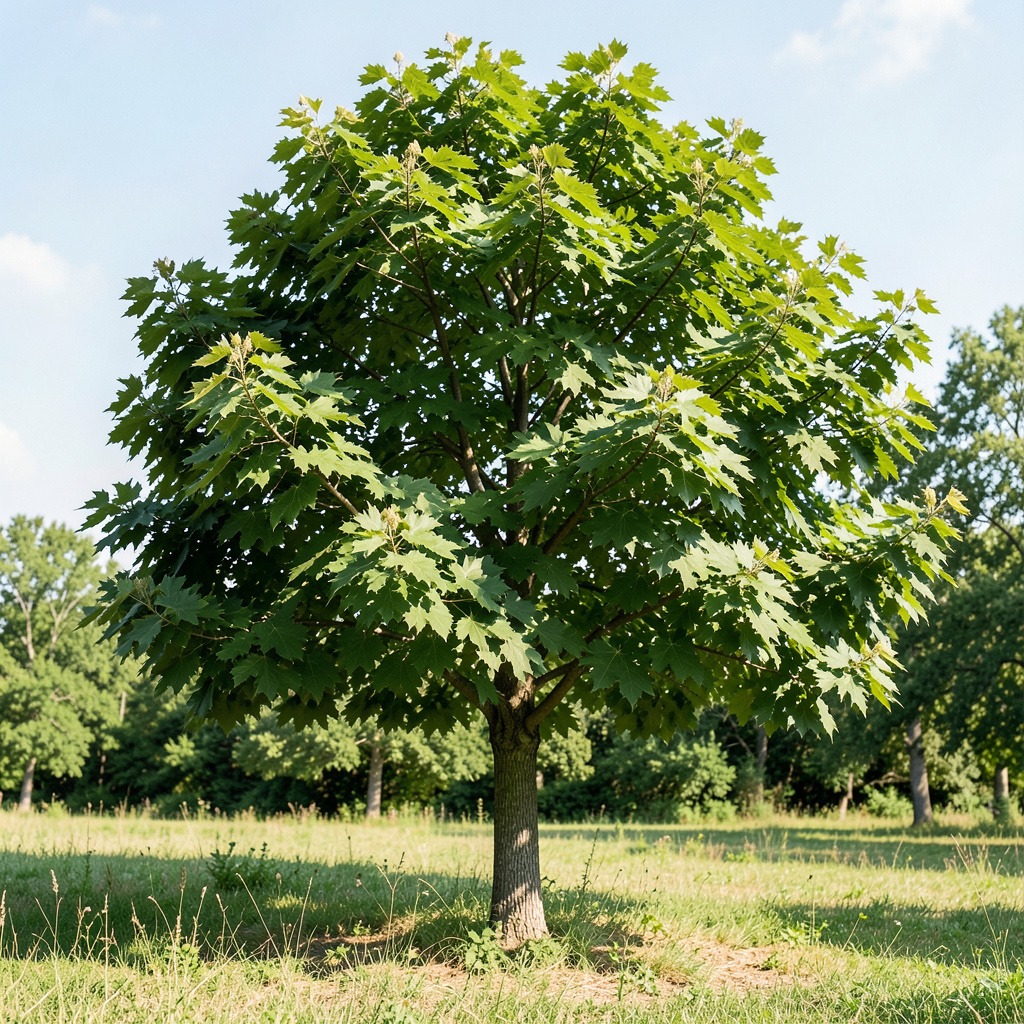
The Northern Catalpa tree, known for its impressive size and striking flowers, is a popular choice for enhancing landscapes. Its rapid growth and distinctive characteristics make it a valuable addition to many gardens and yards.
Growth Characteristics
The Northern Catalpa (Catalpa speciosa) is renowned for its vigorous growth rate. It can reach heights of 30 to 70 feet and spread about 20 to 50 feet wide within a decade. This rapid expansion makes it suitable for those seeking quick shade or a mature tree in a short timeframe.
- Growth Rate: Typically grows 2 to 4 feet per year.
- Mature Size: Can mature to 40-70 feet tall.
- Leaf Size: Features large, heart-shaped leaves that can measure up to 10 inches long.
Ecological Significance
This tree not only serves an aesthetic purpose but also plays a vital role in the ecosystem. Its dense foliage provides shade and habitat for various wildlife, including birds and beneficial insects. The Northern Catalpa produces flowers in late spring, which attract pollinators, enhancing local biodiversity.
- Wildlife Habitat: Offers shelter for birds and insects.
- Pollinator-Friendly: Flowers attract bees and other pollinators.
Landscaping Appeal
The Northern Catalpa stands out in any landscape design due to its large, showy clusters of white flowers marked with purple and yellow. These blooms resemble orchids, adding a tropical feel to gardens.
- Aesthetic Value: Ideal as a specimen tree or focal point.
- Visual Interest: Creates a lush, vibrant atmosphere in outdoor spaces.
In summary, the Northern Catalpa tree offers significant benefits for landscaping, including rapid growth, ecological contributions, and striking visual appeal. Homeowners should consider these factors when evaluating its pros and cons.
Table of Contents
1. Benefits of Planting Northern Catalpa Trees
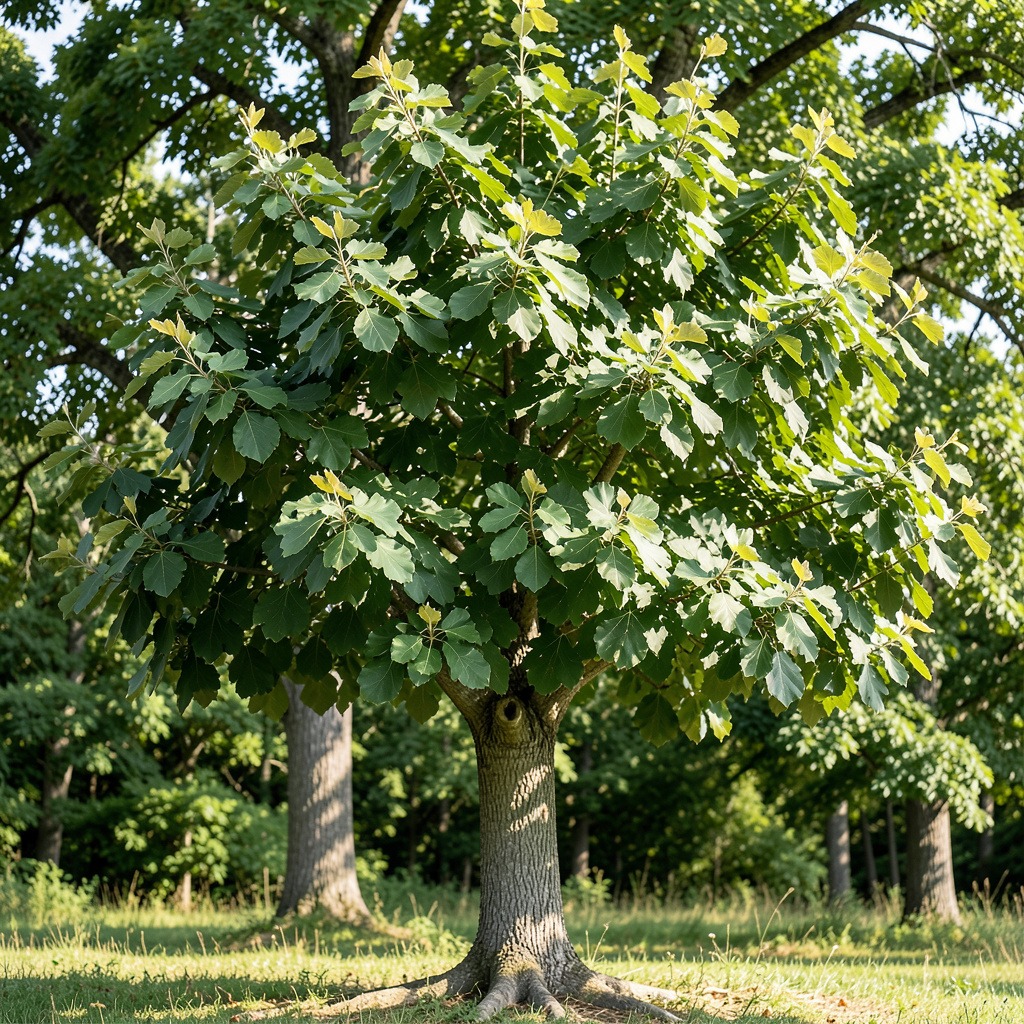
The Northern Catalpa tree offers numerous advantages for homeowners considering it for their landscapes. Its rapid growth, aesthetic appeal, and support for wildlife make it an attractive choice.
Aesthetic Appeal and Unique Features
The Northern Catalpa is renowned for its striking appearance. Here are key aesthetic benefits:
- Large Flowers: The tree produces dense clusters of white flowers with purple and yellow markings, resembling orchids. This unique feature adds a dramatic flair to gardens.
- Heart-Shaped Leaves: Its large, heart-shaped leaves can grow up to 10 inches long, creating a lush, tropical atmosphere in outdoor spaces.
- Seasonal Interest: The Northern Catalpa leafs out late in spring and is among the first to shed its foliage in early fall, providing visual interest throughout the seasons.
Shade and Cooling Benefits
One of the most significant advantages of the Northern Catalpa is its ability to provide shade.
- Rapid Growth: Catalpa trees can grow 2 to 4 feet per year. Within a decade, they can reach heights of 30 to 70 feet, making them ideal for creating quick shade in new landscapes.
- Cooling Effect: The dense canopy offers cooling benefits, which can lower energy costs during hot months by shading homes and outdoor areas.
Wildlife Habitat Support
The Northern Catalpa contributes positively to local ecosystems.
- Pollinator Attraction: The nectar-rich flowers attract bees, butterflies, and hummingbirds, making it an excellent choice for pollinator gardens.
- Shelter for Birds: Its robust foliage provides nesting sites and shelter for various bird species, promoting biodiversity in residential areas.
User Experience Example: A homeowner in Ohio noted that after planting a Northern Catalpa, their yard became a hub for local wildlife. They observed increased bird activity and enjoyed the cooling shade during summer gatherings.
Key Takeaways
- Quick Growth: Ideal for homeowners needing immediate shade.
- Visual Interest: Unique flowers and foliage enhance landscape aesthetics.
- Wildlife-Friendly: Supports local pollinators and bird populations.
2. Drawbacks of Northern Catalpa Trees
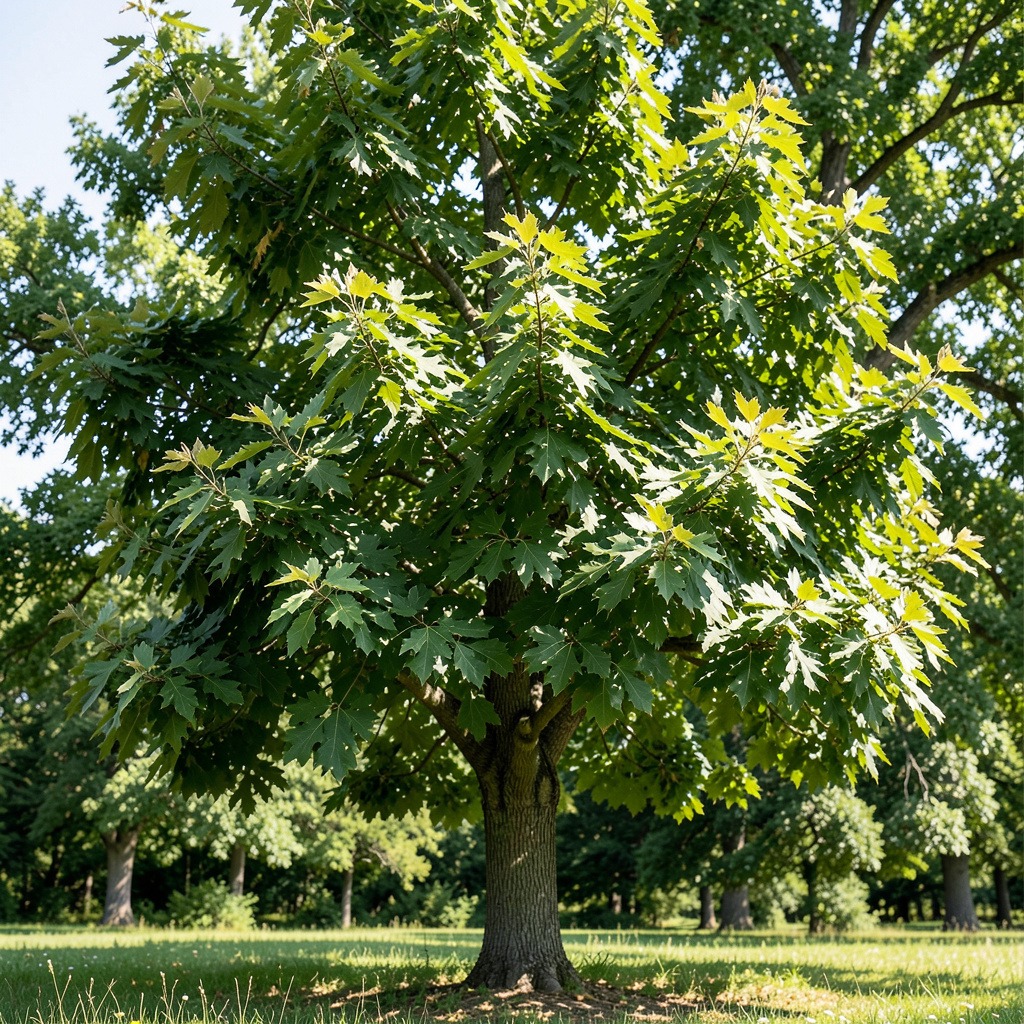
While the Northern Catalpa tree offers several benefits, it also presents challenges that potential planters should consider. Understanding these drawbacks can help homeowners make informed landscaping decisions.
Messy Foliage and Seed Pods
Northern Catalpa trees produce large, heart-shaped leaves that can create a significant mess. In the fall, these leaves drop, leading to increased yard maintenance. Additionally, the tree generates long, slender seed pods that can litter the ground. This debris can attract pests and may require frequent cleanup. Homeowners should be prepared for the following:
- Fallen Leaves: Heavy leaf drop in autumn can lead to increased raking.
- Seed Pods: Long pods can be unsightly and may require removal from garden spaces.
Pests and Diseases
Northern Catalpa trees are susceptible to various pests and diseases. The most notable pest is the catalpa sphinx moth larvae, commonly known as catalpa worms. While they are sought after as fishing bait, these caterpillars can defoliate trees if not managed. Other pests include:
- Scale Insects: Can weaken the tree by feeding on sap.
- Aphids: May create sticky residues, attracting additional pests.
Effective pest management strategies include:
- Regular Monitoring: Inspect trees frequently for early signs of infestation.
- Natural Predators: Encourage birds and beneficial insects in the garden to help control pest populations.
- Organic Solutions: Use neem oil or insecticidal soap to manage pests without harming beneficial species.
Invasive Potential
While not classified as highly invasive, Northern Catalpa trees can spread in certain conditions. They produce numerous seeds that may germinate in suitable environments, potentially leading to unwanted growth in gardens. Consider the following:
- Seed Dispersal: The tree’s seeds can be carried by wind, resulting in new saplings in unwanted areas.
- Control Measures: Regular pruning and removal of seedlings can help maintain control over their spread.
Homeowners should evaluate their landscape and surroundings to assess the potential for invasive behavior. A proactive approach will help maintain the desired aesthetics while minimizing ecological impacts.
3. Maintenance and Care for Northern Catalpa
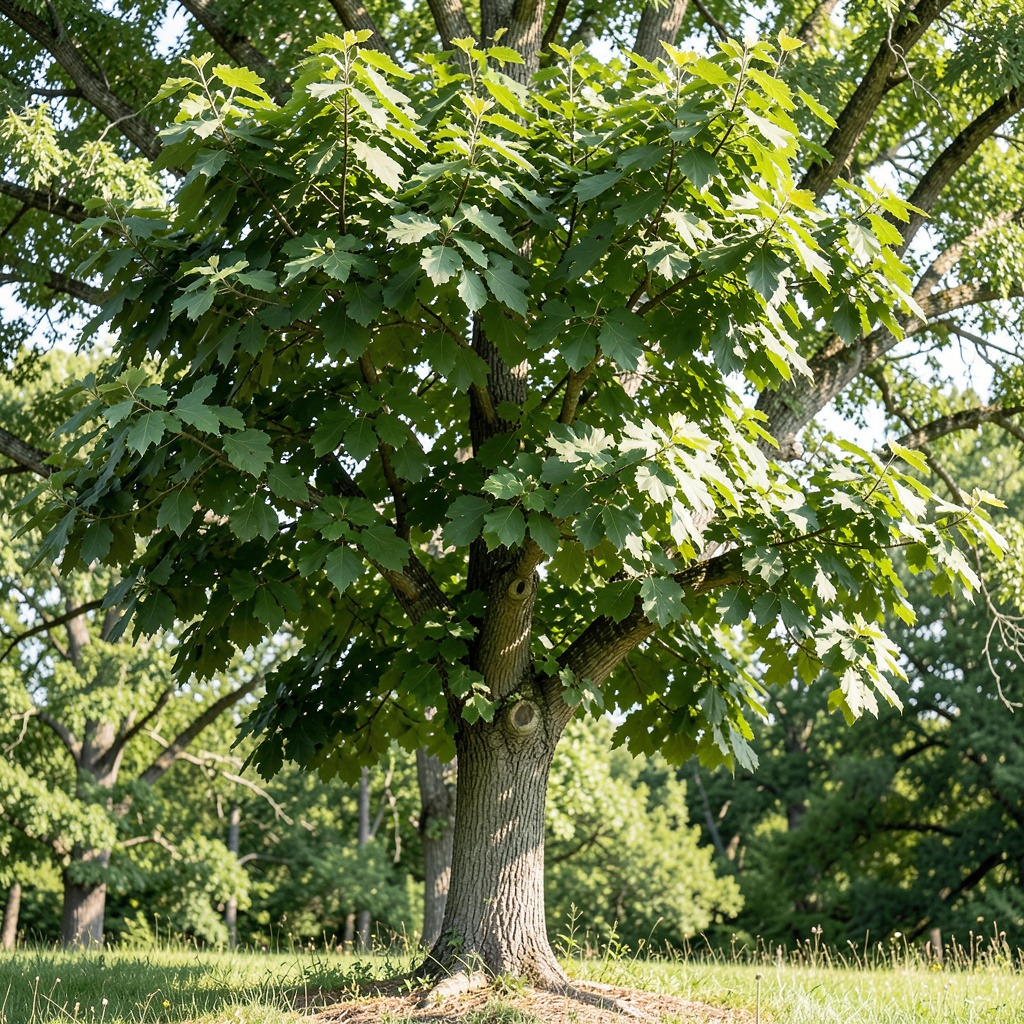
Maintaining a Northern Catalpa tree requires attention to planting, watering, and pruning. These steps ensure the tree thrives and minimizes potential drawbacks.
Planting Guidelines
When planting a Northern Catalpa, consider the following:
- Location: Choose a site with full sun to partial shade. Ensure ample space for the tree’s mature size.
- Soil: Well-drained soil is crucial. Catalpas tolerate various soil types, including clay and sandy soils.
- Spacing: Plant at least 20 feet away from structures and other trees to accommodate its spread.
Watering and Soil Needs
Proper watering is essential, especially in the first few years:
- Initial Watering: Deeply water the tree right after planting. This helps establish roots.
- Ongoing Watering: During the first two growing seasons, water weekly if rainfall is insufficient. After establishment, the tree is drought-tolerant.
- Soil Checks: Ensure the soil remains moist but not waterlogged. Adjust watering based on rainfall and soil conditions.
Pruning Techniques
Pruning is vital for maintaining the tree’s structure and health:
- When to Prune: Conduct pruning in late winter or early spring before new growth begins.
- How to Prune: Remove dead or weak branches. For young trees, prune to shape a strong central leader.
- Maintenance Pruning: Regularly check for broken branches, especially after storms. This helps prevent safety hazards and damage.
Seasonal Care Checklist
Use this checklist to keep your Northern Catalpa healthy:
- Spring:
- Inspect for pests and diseases.
- Apply a slow-release fertilizer.
- Summer:
- Water weekly during dry spells.
- Monitor for catalpa worms; remove them manually if necessary.
- Fall:
- Rake fallen leaves to reduce pests.
- Prune any dead branches.
- Winter:
- Protect young trees with mulch or burlap wraps if in colder zones.
By following these maintenance guidelines, homeowners can enjoy the beauty of the Northern Catalpa while minimizing its potential drawbacks.
4. Comparing Northern Catalpa with Other Shade Trees
When considering the Northern Catalpa for your landscape, it’s beneficial to compare it with similar shade trees. This comparison highlights their unique features, advantages, and disadvantages, aiding in your decision-making process.
Catalpa vs. Southern Catalpa
The Northern Catalpa (Catalpa speciosa) and Southern Catalpa (Catalpa bignonioides) share many characteristics but have distinct differences that can influence your choice.
| Feature | Northern Catalpa | Southern Catalpa |
|---|---|---|
| Height | Up to 60 feet | Up to 40 feet |
| Spread | 30-40 feet | 20-30 feet |
| Leaf Shape | Heart-shaped, larger (up to 10 inches) | Heart-shaped, smaller |
| Flowering Period | Late spring to early summer | Early summer |
| Cold Hardiness | Hardy to Zone 4 | Hardy to Zone 5 |
| Pest Issues | Attracts catalpa worms | Fewer pest issues |
Takeaway: Choose Northern Catalpa for height and a broader canopy. Opt for Southern Catalpa if you prefer a smaller tree with fewer pest concerns.
Alternatives to Northern Catalpa
If you seek other shade tree options, consider the following trees, each with its own pros and cons.
| Tree Type | Pros | Cons |
|---|---|---|
| Red Maple | Fast-growing, vibrant fall color | Can suffer from weak wood and pests |
| Sugar Maple | Excellent shade, beautiful foliage | Slow growth, prefers specific soil types |
| Oak | Long lifespan, strong structure | Slow to establish, can grow very large |
| Tulip Tree | Unique flowers, rapid growth | Requires ample space, sensitive to drought |
Decision Rule: Evaluate your space and local climate. For rapid growth and vibrant color, consider Red Maple. For durability, Oak is a strong choice.
By comparing the Northern Catalpa with these alternatives, homeowners can make informed choices that suit both their aesthetic preferences and landscape needs.
5. Real User Experiences with Northern Catalpa Trees
Homeowners share diverse experiences with Northern Catalpa trees, reflecting both their beauty and challenges. Below are testimonials and scenarios that illustrate common successes and hurdles when planting these trees.
Success Stories
- Visual Appeal: Many homeowners appreciate the Northern Catalpa for its large heart-shaped leaves and striking white flowers. One homeowner noted, “In spring, my yard transforms with clusters of blooms. It’s a stunning focal point.”
- Rapid Growth: Several users highlighted the tree’s fast growth rate. A user in the Midwest shared, “I planted my Northern Catalpa two years ago, and it has already reached 20 feet. It provides excellent shade for my patio.”
- Wildlife Support: Many appreciate the tree’s role in attracting wildlife. A homeowner remarked, “Birds love to nest in my Catalpa. It adds life to my garden throughout the seasons.”
Challenges Faced
- Pest Issues: Despite their beauty, pest problems can arise. One user experienced significant damage due to catalpa worms. “I had to spray for pests last summer. The worms defoliated my tree, but it recovered with proper care,” they explained.
- Maintenance Needs: Some homeowners reported that the tree requires careful maintenance. A user stated, “While I love my Catalpa, it does shed a lot of leaves and pods. I spend several weekends in fall cleaning up.”
- Invasiveness: A few users noted concerns about the tree’s potential invasiveness in certain areas. “I was unaware of its ability to spread. Now, I regularly monitor nearby gardens to prevent overgrowth,” shared a homeowner.
Real-Life Scenarios
- Pest Management: A user successfully managed pest issues by employing organic solutions. “I used neem oil as a preventive measure, and it worked wonders. My tree is thriving now.”
- Landscaping Decisions: One homeowner compared the Northern Catalpa with an Oak tree. “I initially considered an Oak, but the Catalpa’s rapid growth and flower display won me over. However, I needed to account for its leaf drop in fall.”
- Regional Adaptation: Homeowners in different climates reported varying success. A user from a drier region noted, “While my tree is healthy, it does require more watering than I anticipated during summer months. Adaptation is key.”
These user experiences illustrate both the allure and the complexities of incorporating Northern Catalpa trees into landscaping designs.
Conclusion: Weighing the Decision to Plant Northern Catalpa Trees
Deciding whether to plant a Northern Catalpa tree requires a clear understanding of its benefits and drawbacks. This summary will help you navigate the key pros and cons, enabling informed landscaping choices.
Key Benefits of Northern Catalpa
- Rapid Growth: Catalpa trees can grow 2 to 4 feet per year, reaching heights of 30 to 70 feet in as little as ten years.
- Aesthetic Appeal: With large, heart-shaped leaves and striking clusters of white or yellow flowers, they serve as a stunning focal point.
- Wildlife Support: The flowers attract pollinators like bees and butterflies, enhancing biodiversity in your garden.
Considerations and Drawbacks
- Pest Attraction: Catalpa trees are prone to infestations from catalpa sphinx moth larvae, which can cause defoliation.
- Maintenance Needs: Regular pruning may be necessary to manage growth and remove any dead or infested branches.
- Seed Pods: The large, stringy seed pods can create a mess in your yard, requiring cleanup.
Decision-Making Framework
When considering a Northern Catalpa, reflect on these factors:
1. Space Requirements: Ensure you have adequate space for the tree to mature without interference with structures or power lines.
2. Maintenance Willingness: Assess your readiness to manage pests and the tree’s leaf drop during fall.
3. Aesthetic Goals: Determine if the tree’s beauty aligns with your landscaping vision.
By weighing these pros and cons, you can decide whether the Northern Catalpa tree fits your landscape and maintenance capabilities.
Frequently Asked Questions
These quick answers cover the most common questions about this topic, including key details, practical tips, and common concerns.
How to care for a Northern Catalpa tree?
Caring for a Northern Catalpa tree involves several key practices. First, ensure it is planted in well-drained soil with full sun exposure. Water the tree deeply after planting and regularly during its first two growing seasons, especially in dry spells. Once established, it is relatively drought-tolerant.
Pruning is also essential. Perform maintenance pruning in late winter or early spring to remove dead or weak branches and shape the tree. Regularly check for pests and diseases, and use organic solutions like neem oil if needed.
When is the best time to plant a Northern Catalpa tree?
The best time to plant a Northern Catalpa tree is in early spring or fall. During these seasons, the tree can establish its root system before the heat of summer or the cold of winter sets in. Planting in these periods helps ensure a healthy start and promotes optimal growth.
What are common problems with Northern Catalpa trees?
Common problems include susceptibility to pests like catalpa worms, scale insects, and aphids, which can damage the tree by feeding on its leaves. Additionally, the tree can produce messy foliage and seed pods that require regular cleanup.
Diseases such as leaf spot and root rot may also occur, particularly in overly wet conditions. Regular monitoring and prompt management are key to maintaining tree health.
How does Northern Catalpa compare to Southern Catalpa?
Northern Catalpa (Catalpa speciosa) and Southern Catalpa (Catalpa bignonioides) differ in several ways. The Northern Catalpa typically grows taller, reaching up to 70 feet, while the Southern Catalpa maxes out around 40 feet.
Additionally, the Northern has larger leaves and flowers, making it more visually striking. However, the Southern Catalpa is often considered to have fewer pest issues, making it a potentially easier choice for some homeowners.
What should readers know about visual identification of Northern Catalpa trees?
To visually identify a Northern Catalpa tree, look for its large heart-shaped leaves that can grow up to 10 inches long. The tree produces clusters of white flowers with purple and yellow markings, resembling orchids, in late spring.
Additionally, the Northern Catalpa has long, slender seed pods that can grow up to 20 inches in length, which develop after flowering. These characteristics can help distinguish it from other tree species.
Are Northern Catalpa trees safe for pets?
Yes, Northern Catalpa trees are generally considered safe for pets. However, the fallen seed pods and leaves can pose a choking hazard if ingested in large quantities. It’s wise to monitor your pets around the tree and ensure they do not consume excessive plant material.
What are the best companion plants for Northern Catalpa?
Companion plants for Northern Catalpa trees include native wildflowers and shrubs that thrive in similar conditions. Consider planting bee balm, coneflowers, or black-eyed Susans nearby to attract pollinators.
Additionally, low-growing perennials like hostas or ferns can provide ground cover and enhance the aesthetic appeal of your landscape while coexisting harmoniously with the tree’s larger structure.