
Northern Red Oak care involves planting in full sun, providing well-drained acidic soil, regular watering during establishment, and occasional pruning to maintain health and shape.
Table of Contents
The Northern Red Oak (Quercus rubra) is a majestic tree known for its rapid growth and stunning autumn foliage. Proper care is crucial for its longevity and health, ensuring it thrives in various environments while providing ecological benefits.
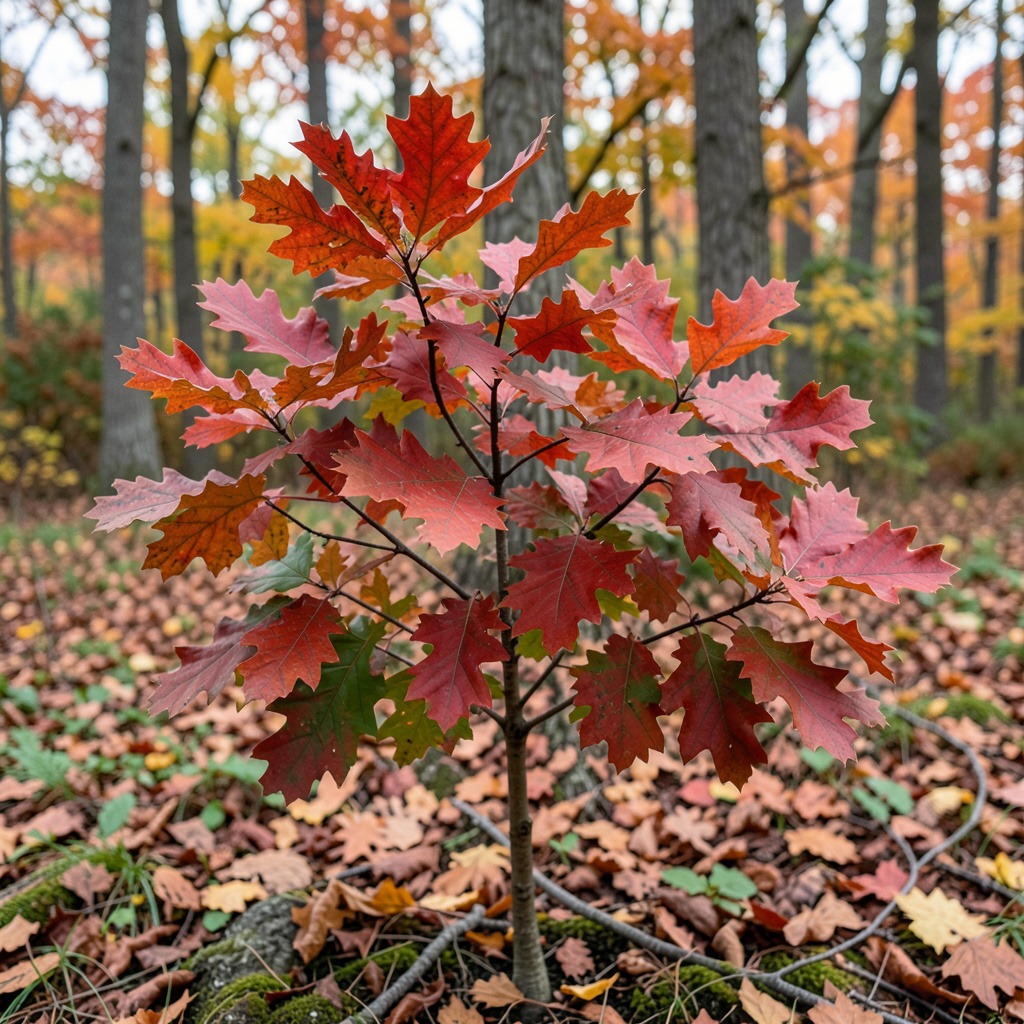
Understanding Northern Red Oak (Quercus rubra)
The Northern Red Oak is a prominent deciduous tree known for its impressive height and vibrant autumn colors. Understanding its characteristics and ecological significance aids in providing optimal care.
Characteristics of Northern Red Oak
- Height: The Northern Red Oak can grow over 70 feet tall, with a broad, rounded crown.
- Leaves: Its deeply lobed leaves turn brilliant shades of scarlet, russet, and crimson in fall.
- Growth Rate: This species is among the faster-growing oaks, making it a popular choice for landscapes.
- Sunlight Needs: Northern Red Oaks thrive in full sun, requiring a minimum of six hours of direct sunlight each day.
Ecological Benefits
Northern Red Oaks play a vital role in their ecosystems. They support a diverse range of wildlife, offering acorns that serve as food for birds and mammals. Additionally, their expansive canopy provides shelter and habitat for various species.
- Wildlife Support: Acorns are a critical food source for deer, squirrels, and numerous bird species.
- Urban Benefits: In urban environments, Northern Red Oaks help reduce heat islands, improve air quality, and enhance aesthetic value.
- Soil Improvement: Their deep root systems aid in soil stabilization and prevent erosion.
Care Considerations
To ensure a healthy Northern Red Oak, consider the following care guidelines:
- Planting: Choose a location with ample sunlight and well-drained soil.
- Watering: Young trees require regular deep watering, especially in dry periods. Established trees are drought-tolerant.
- Soil: Northern Red Oaks adapt to various soil types, including acidic and loamy soils. Conduct soil tests to determine specific amendments if needed.
- Fertilization: Use a balanced fertilizer, such as 12-4-8 or 12-6-6, during the early growth stages.
- Pruning: Prune young trees to develop a strong structure. Timing is essential; late winter or early spring is ideal for pruning.
By understanding these characteristics and care requirements, you can effectively nurture a Northern Red Oak, contributing to both your landscape and local ecology.
Planting Northern Red Oak: Best Practices
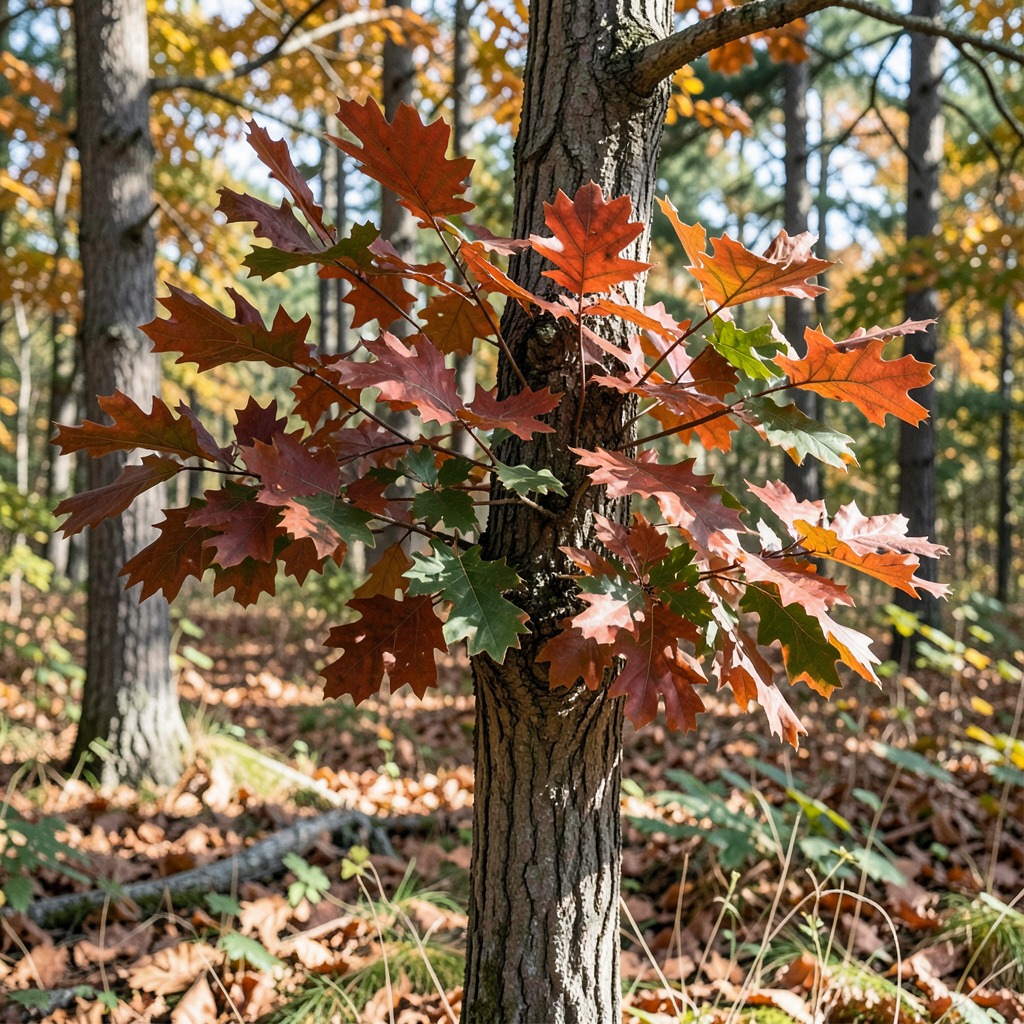
Planting a Northern Red Oak (Quercus rubra) requires careful attention to timing, site selection, and preparation. Following best practices ensures optimal growth and longevity for your tree.
Ideal Planting Conditions
1. Timing: The best time to plant Northern Red Oaks is in early spring or fall. This allows the tree to establish roots before extreme weather conditions.
2. Sunlight: Choose a location that receives at least 6 hours of direct sunlight daily. Full sun is ideal for robust growth.
3. Soil Type: Northern Red Oaks thrive in a variety of soil types, including:
- Acidic soils
- Loamy soils
- Well-drained sandy soils
Conduct a soil test to determine pH and nutrient levels. Amend soil as necessary to enhance fertility.
Step-by-Step Planting Guide
1. Site Preparation:
- Clear the area of weeds and debris.
- Dig a hole that is twice the width of the root ball and as deep as the root ball itself.
2. Planting:
- Place the oak sapling in the hole, ensuring the top of the root ball is level with the surrounding soil.
- Fill the hole with a mixture of native soil and compost to provide nutrients.
3. Watering:
- Water the tree thoroughly after planting. Ensure the entire area around the roots is saturated.
- For the first few years, provide deep watering every few weeks, especially during dry spells.
Planting Checklist
| Task | Details |
|---|---|
| Choose Location | At least 6 hours of sunlight |
| Soil Test | Check pH and nutrient levels |
| Hole Dimensions | Twice the width, same depth as root ball |
| Watering | Thoroughly after planting; deep watering for 2+ years |
| Mulching | Apply a layer of bark mulch around the base to retain moisture |
By adhering to these guidelines, you set the foundation for a thriving Northern Red Oak that enhances your landscape and supports local wildlife.
Watering and Soil Care for Your Northern Red Oak
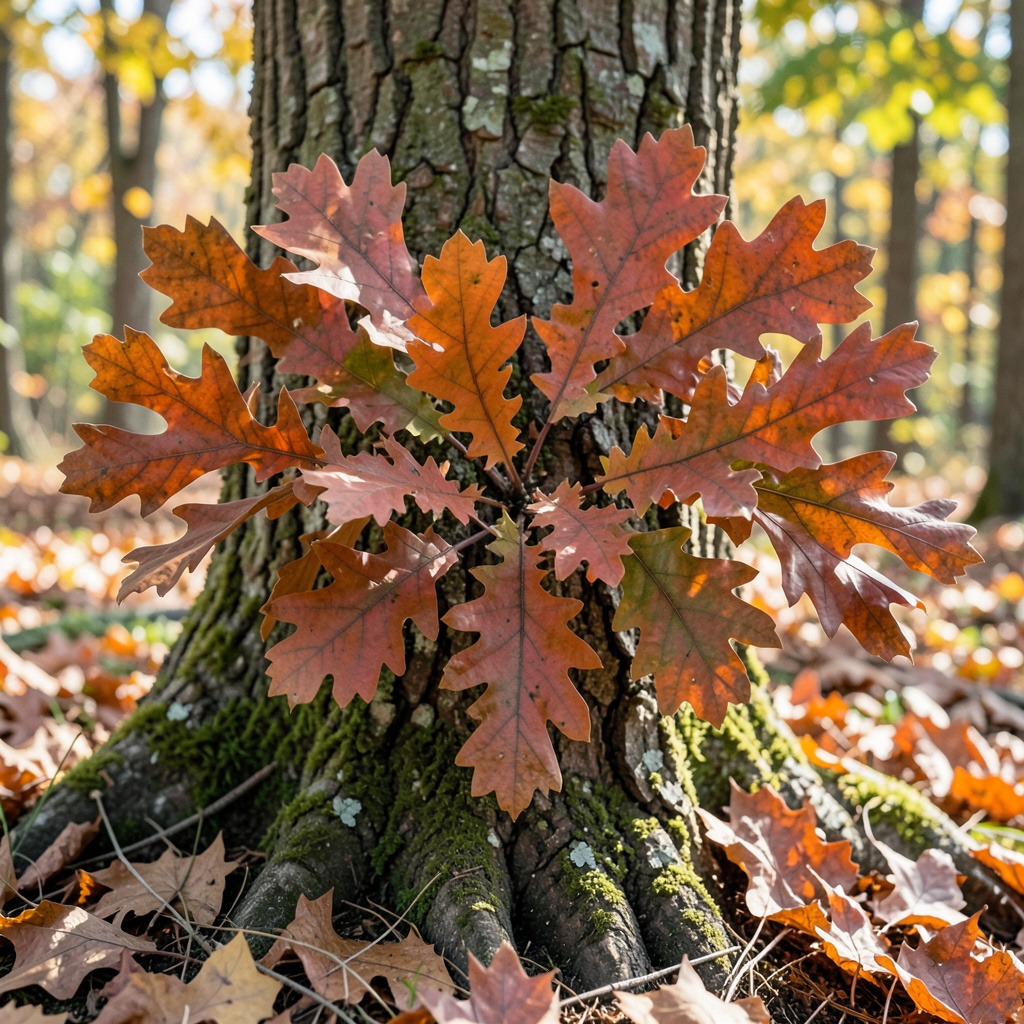
Proper watering and soil management are crucial for the health and growth of your Northern Red Oak. Understanding its specific needs helps ensure this majestic tree thrives in your landscape.
Watering Frequency and Techniques
Watering is essential, especially during the establishment phase.
- Young Trees (0-3 years): Water deeply once a week from April to October. Aim for 25-40 liters per session. This promotes a robust root system.
- Established Trees: Once established, Northern Red Oaks are moderately drought-tolerant. Water only during prolonged dry spells, particularly if they last more than three weeks.
- Watering Method: Always water at the drip line rather than the trunk. This encourages outward root growth and helps the tree access moisture more effectively.
Soil Composition and pH Preferences
Northern Red Oaks are adaptable to various soil types but thrive best in well-drained soils.
- Soil Types: They can grow in acidic, loamy, sandy, clay, or even moist soils. The key is good drainage.
- pH Range: Aim for a pH of 6.0 to 7.0. This range supports optimal nutrient absorption.
Soil Testing Framework:
1. Test the Soil: Use a soil test kit to check pH and nutrient levels.
2. Amendments: If the soil is too acidic (below 6.0), add lime to raise the pH. For alkaline soils (above 7.0), incorporate sulfur to lower it.
3. Organic Matter: Enhance soil structure and nutrient content by adding compost or well-rotted manure.
By following these guidelines, you can create an optimal growing environment for your Northern Red Oak, ensuring it reaches its full potential.
Fertilization Guidelines for Northern Red Oak
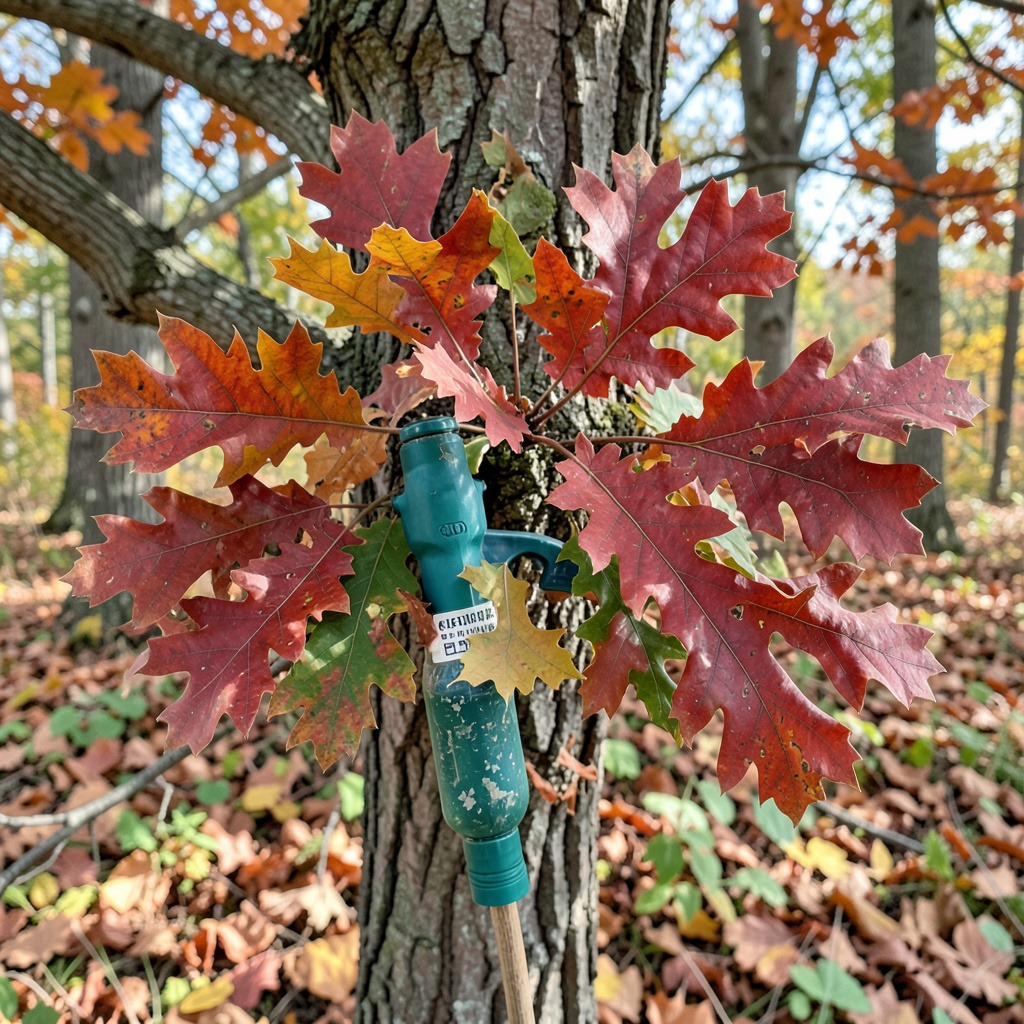
Fertilizing Northern Red Oak (Quercus rubra) is essential for promoting healthy growth, especially during its early stages. The right type of fertilizer, applied at the right time, can make a significant difference in the tree’s development.
Types of Fertilizers
Choosing the correct fertilizer is crucial for your Northern Red Oak. Here are the main types:
- NPK Fertilizers: These contain nitrogen (N), phosphorus (P), and potassium (K). A balanced formula like 12-4-8 or 12-6-6 is ideal for young trees.
- Slow-Release Fertilizers: These provide nutrients over an extended period, reducing the frequency of application.
- Organic Fertilizers: Composed of natural materials, these can improve soil health and provide a steady nutrient supply.
When and How to Fertilize
Timing and application methods are key for effective fertilization. Follow these guidelines:
- Young Trees (1-3 Years):
- When: Fertilize in early spring before new growth begins.
- How: Use a balanced NPK fertilizer. Apply at the rate of 1 pound per inch of trunk diameter, spread evenly around the root zone.
- Established Trees (4+ Years):
- When: Fertilize every 2-3 years in early spring.
- How: Apply slow-release fertilizer. Use the same rate as above but focus on distributing it across the entire root zone.
Fertilization Checklist
- Test Soil: Determine nutrient levels and pH.
- Select Fertilizer: Choose based on tree age and soil condition.
- Apply Before Growth: Ensure application occurs before the growing season.
- Water After Application: Water the area thoroughly to help nutrients penetrate the soil.
By adhering to these fertilization guidelines, you can support the healthy growth of your Northern Red Oak, ensuring it thrives in your landscape.
Pruning Northern Red Oak: Timing and Techniques
Pruning is essential for maintaining the health and structure of your Northern Red Oak (Quercus rubra). Proper pruning enhances air circulation, removes dead or diseased branches, and encourages a strong growth pattern.
When to Prune
The best time to prune Northern Red Oak trees is during late winter to early spring, before new growth begins. This timing minimizes stress on the tree and reduces the risk of pest infestations and disease transmission.
- Young Trees (1-5 years): Prune to establish a strong central leader and remove competing branches. Aim for late winter.
- Mature Trees (5+ years): Focus on removing dead, damaged, or crossing branches. Perform this in early spring to ensure healthy growth.
Pruning Techniques
Employ proper techniques to ensure the health of your tree during pruning. Here are some essential methods:
- Use Clean, Sharp Tools: This reduces the risk of disease transmission.
- Make Clean Cuts: Avoid tearing the bark. Cut just outside the branch collar to promote healing.
- Follow the 1/3 Rule: Do not remove more than one-third of the tree’s foliage in a single season to prevent shock.
Pruning Checklist
- Assess Tree Health: Check for signs of disease or damage before pruning.
- Identify Target Branches: Focus on weak, dead, or diseased branches.
- Schedule Routine Pruning: Set a yearly schedule based on tree growth and needs.
By following these guidelines, you can keep your Northern Red Oak healthy and thriving, ensuring its beauty and longevity in your landscape.
Managing Common Problems: Pests and Diseases
Northern Red Oaks, while resilient, can face challenges from pests and diseases. Understanding these issues allows for effective management, ensuring the health of your tree.
Common Pests and Their Management
Several pests commonly affect Northern Red Oak. Identifying them early is crucial for successful management. Here are some of the most significant:
- Caterpillars: This group includes species like cabbage loopers and armyworms. They can defoliate trees quickly. Regular monitoring is vital. If found, hand-picking or using insecticidal soap can be effective.
- Scale Insects: These pests appear as small, shell-like bumps on leaves and stems. They weaken trees by sucking sap. To manage scale, apply horticultural oil during the dormant season to suffocate them.
- Leaf Spot: Caused by various fungal pathogens, leaf spot can lead to premature leaf drop. If symptoms appear, improve air circulation around the tree and remove affected leaves. Fungicides may be necessary for severe cases.
Common Diseases and Symptoms
Northern Red Oaks are susceptible to several diseases. Recognizing symptoms early can prevent severe damage.
- Powdery Mildew: This fungal disease manifests as a white powdery coating on leaves. It thrives in warm, dry conditions. To manage it, ensure proper spacing for air circulation and apply fungicides if necessary.
- Anthracnose: This disease causes dark, sunken lesions on leaves and stems. It thrives in cool, wet conditions. Manage it by improving drainage and applying fungicides as needed.
- Leaf Spot: As mentioned earlier, various fungi cause leaf spots. Monitoring your tree during the growing season can help catch this early. Remove infected foliage and consider fungicidal treatment if the disease persists.
Integrated Pest Management Strategies
Implementing an Integrated Pest Management (IPM) strategy enhances your Northern Red Oak’s resilience. Here are key steps:
1. Regular Monitoring: Inspect your tree frequently for pests and symptoms of disease.
2. Cultural Practices: Promote healthy growth through proper watering, fertilization, and pruning. Healthy trees are less susceptible to pests and diseases.
3. Biological Controls: Encourage natural predators, such as ladybugs for aphids, to maintain a balanced ecosystem.
4. Chemical Controls: Use pesticides and fungicides only as a last resort. Choose targeted treatments to minimize harm to beneficial insects.
By proactively managing pests and diseases, you ensure the longevity and vibrancy of your Northern Red Oak.
Environmental Stressors and Their Solutions
Northern Red Oaks can face various environmental stressors that affect their health and growth. Recognizing these stressors and implementing effective solutions is crucial for maintaining a thriving tree.
Identifying Environmental Stressors
Several factors can negatively impact the Northern Red Oak:
- Soil Conditions: Poor drainage or compacted soil can lead to root rot.
- Temperature Extremes: Sudden temperature fluctuations can stress the tree.
- Drought: Extended dry periods can hinder growth and health.
- Pests and Diseases: Infestations or infections can weaken the tree’s defenses.
Solutions for Stress Management
To mitigate these environmental stressors, consider the following strategies:
- Soil Management:
- Conduct a soil test to determine pH and nutrient levels.
- Amend soil with organic matter to improve drainage and aeration.
- Watering Practices:
- Implement a deep watering schedule, especially during dry spells.
- Use mulch to retain soil moisture and regulate temperature.
- Temperature Protection:
- Plant in areas with some wind protection to reduce temperature extremes.
- Consider using shade cloths during unexpected heat waves.
- Pest and Disease Control:
- Regularly inspect leaves and branches for signs of pests or disease.
- Employ integrated pest management (IPM) strategies to maintain tree health.
Seasonal Checklist for Environmental Care
| Season | Action Item |
|---|---|
| Spring | Fertilize and check for pests. |
| Summer | Water deeply during dry spells. |
| Fall | Mulch around base for winter protection. |
| Winter | Inspect for signs of stress or damage. |
By implementing these practices, you can significantly reduce stress on your Northern Red Oak, ensuring its vitality and longevity.
Seasonal Care Schedule for Northern Red Oak
Maintaining your Northern Red Oak requires attention throughout the year. Following a seasonal care schedule ensures your tree remains healthy and vigorous. Below is a detailed checklist to guide you through each season.
Seasonal Tasks Overview
| Season | Action Item |
|---|---|
| Spring | Fertilize and check for pests. |
| Summer | Water deeply during dry spells. |
| Fall | Mulch around base for winter protection. |
| Winter | Inspect for signs of stress or damage. |
Monthly Care Checklist
- January: Inspect for signs of stress or damage. Prune any dead branches.
- February: Continue inspections and prepare for spring fertilization.
- March: Fertilize with a balanced fertilizer, focusing on nitrogen.
- April: Water thoroughly, ensuring moisture reaches the root zone.
- May: Check for pests; treat if necessary.
- June: Water deeply, especially during dry spells.
- July: Monitor for heat stress; provide additional water if needed.
- August: Continue watering; inspect leaves for any signs of disease.
- September: Begin preparing for fall; mulch around base to retain moisture.
- October: Rake fallen leaves and add them to mulch.
- November: Finalize mulching to protect roots during winter.
- December: Inspect tree for any winter damage; clear snow from branches if heavy.
This checklist provides actionable tasks to maintain the health of your Northern Red Oak across the seasons. Remember to adapt the care according to the specific conditions of your environment.
Frequently Asked Questions
These quick answers cover the most common questions about this topic, including key details, practical tips, and common concerns.
What are the downsides of a red oak tree?
While Northern Red Oaks are popular for their beauty and ecological benefits, they have some downsides. They can be susceptible to pests like caterpillars and scale insects, which may require management. Additionally, their large size may not be suitable for small yards, as they can overshadow other plants and limit sunlight.
Moreover, Northern Red Oaks have a relatively shallow root system, making them vulnerable to wind damage in storms. They also produce acorns, which can create a mess in the fall and attract wildlife, sometimes leading to unwanted visitors in residential areas.
What is the average lifespan of a northern red oak tree?
The average lifespan of a Northern Red Oak (Quercus rubra) is typically between 200 to 300 years. With proper care, including adequate watering, fertilization, and pest management, these trees can thrive for centuries. Their longevity makes them a valuable addition to landscapes, providing shade and habitat for wildlife over many generations.
What months do you not trim oak trees?
It is best to avoid pruning Northern Red Oaks during the late spring and summer months, particularly from April to August. During this time, the tree is actively growing, and pruning can stress it or expose it to pests and diseases. The ideal time for pruning is late winter to early spring, before new growth begins, which promotes healthy recovery and reduces the risk of disease transmission.
How to make an oak tree healthy again?
To restore the health of a struggling Northern Red Oak, start by assessing its environment. Check for issues like poor soil drainage, pest infestations, or diseases. Ensure the tree receives adequate water, especially during dry spells, and consider applying a balanced fertilizer to provide essential nutrients.
Additionally, remove any dead or diseased branches and improve air circulation around the tree to prevent fungal infections. Regular monitoring and care can help the tree regain its strength over time.
How often should I water my northern red oak?
Young Northern Red Oaks require deep watering once a week during their first few years, especially from April to October. Aim for 25-40 liters of water per session to encourage deep root growth. Established trees are more drought-tolerant and typically need watering only during prolonged dry spells, particularly if they go without rain for three weeks or more.
What soil conditions are best for northern red oaks?
Northern Red Oaks thrive in well-drained, acidic to neutral soils with a pH range of 6.0 to 7.0. They can adapt to various soil types, including sandy and loamy soils. Conducting a soil test can help determine nutrient levels and pH, allowing for the necessary amendments to support optimal growth.
Can I grow a northern red oak in a container?
Growing a Northern Red Oak in a container is possible, but it requires careful attention to size and care. Choose a large container to accommodate the tree’s root system, and ensure it has good drainage. Container-grown oaks will need more frequent watering and fertilization compared to those planted in the ground, as they can dry out quickly. Keep in mind that container growth may limit the tree’s overall size and lifespan.