
The Northern Red Oak typically grows at a rate of 2 to 3 feet per year, reaching a mature height of 60 to 75 feet under optimal conditions.
Table of Contents
The Northern Red Oak, scientifically known as Quercus rubra, is a popular choice for landscapes due to its impressive growth rate and adaptability. Understanding its growth patterns and care requirements is essential for successful cultivation and long-term health.
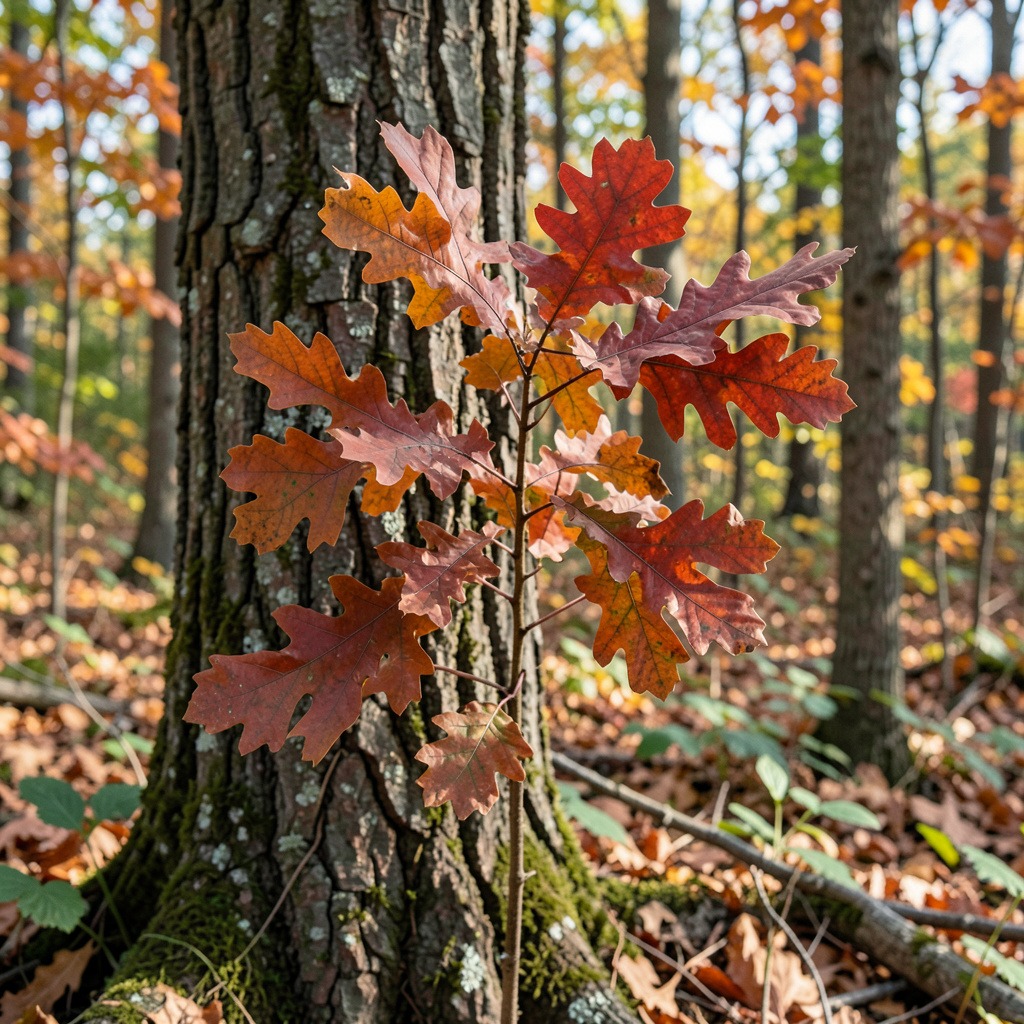
Overview of Northern Red Oak Growth Rate
The growth rate of the Northern Red Oak, or Quercus rubra, is a key factor in its popularity for landscaping. Understanding its growth patterns helps ensure optimal health and performance in various environments.
Average Growth Rate
Northern Red Oaks exhibit a variable growth rate, particularly influenced by environmental conditions. On average, established trees grow about 2 to 3 feet per year after their initial establishment phase. Here’s a breakdown of expected growth:
- Years 1-3: Slow growth of 1-2 feet per year as roots establish.
- Years 4-5: Increased growth as the tree adapts; average height gain of 1-3 feet.
- Years 5 and onward: Consistent growth of 2-3 feet annually under ideal conditions.
Mature Height and Spread
Mature Northern Red Oaks typically reach heights of 60 to 75 feet, with some specimens growing up to 100 feet. Their canopy can spread between 50 to 75 feet, providing ample shade. This significant size makes them valuable in urban and rural landscapes alike.
Growth Timeline
Growth timelines vary based on soil quality, sunlight, and water availability. Here’s an overview to illustrate how these factors impact growth:
| Phase | Growth Characteristics | Influencing Factors |
|---|---|---|
| Establishment | 1-2 feet/year | Soil quality, moisture levels |
| Mid-growth | 1-3 feet/year | Sunlight exposure, competition with other plants |
| Mature growth | 2-3 feet/year | Nutrient availability, water management |
In optimal conditions, such as well-draining, slightly acidic soil and full sunlight, the Northern Red Oak can flourish, showcasing its rapid growth potential. Understanding these dynamics is essential for anyone looking to cultivate this magnificent tree effectively.
Factors Influencing Northern Red Oak Growth Rate
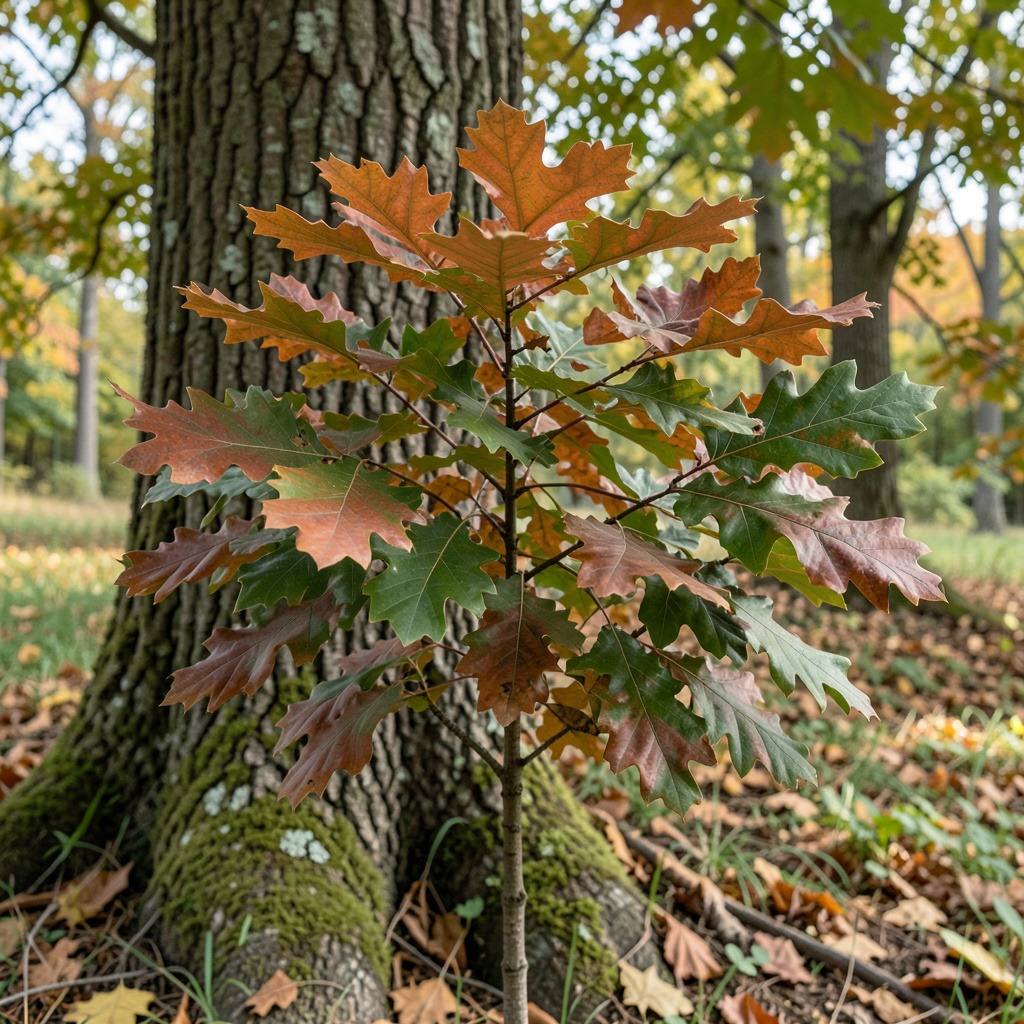
The growth rate of Northern Red Oak trees is significantly affected by environmental conditions and care practices. Understanding these factors can help optimize their growth and health.
Soil Quality and Drainage
Soil plays a crucial role in the growth rate of Northern Red Oaks. They thrive in well-draining, sandy-loam soil that is slightly acidic to neutral. Here are key considerations for optimal soil conditions:
- Drainage: Ensure the soil allows excess water to escape. Poor drainage can lead to root rot.
- Nutrient Content: Regularly test soil for essential nutrients like nitrogen, phosphorus, and potassium. Amend as needed to support healthy growth.
- pH Levels: Aim for a pH between 6.0 and 7.0 for optimal nutrient uptake.
Sunlight Requirements
Northern Red Oaks require ample sunlight to reach their full growth potential. Key points include:
- Full Sun Exposure: Aim for at least six hours of direct sunlight per day. This light is essential for photosynthesis, which fuels growth.
- Shade Tolerance: While young trees can tolerate some shade, they will grow faster and more robustly in full sun.
Water Availability
Water is vital for the growth and health of Northern Red Oaks. Their water needs change with age and environmental conditions:
- Young Trees: Require consistent moisture, especially during dry spells. Water deeply but infrequently to encourage deep root growth.
- Established Trees: Can tolerate drought but will exhibit slower growth if water is insufficient. Monitor soil moisture and provide supplemental irrigation during prolonged dry periods.
Checklist for Optimal Growth
To ensure your Northern Red Oak thrives, consider the following checklist:
- [ ] Well-draining, sandy-loam soil
- [ ] Slightly acidic to neutral pH (6.0 to 7.0)
- [ ] At least six hours of direct sunlight daily
- [ ] Consistent moisture for young trees; deep watering for established trees
- [ ] Regular soil nutrient testing and amendments
By adhering to these guidelines, you can effectively promote the growth rate of your Northern Red Oak, ensuring a healthy and vibrant tree.
Care Tips for Promoting Healthy Growth
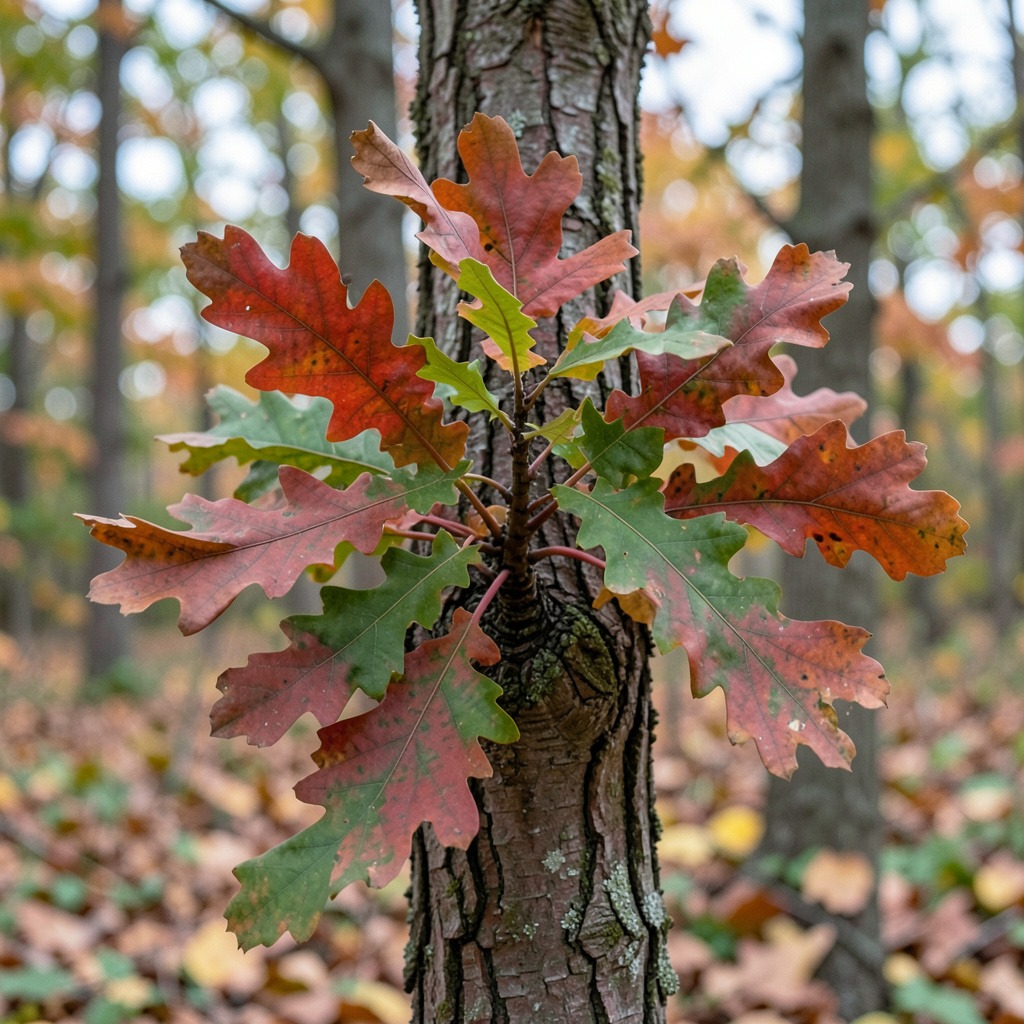
To enhance the growth rate and longevity of Northern Red Oak trees, proper care practices are essential. Focusing on watering, pruning, and fertilization will create an optimal environment for these trees to thrive.
Watering Techniques
Consistent moisture is critical for establishing Northern Red Oaks. Follow these guidelines for effective watering:
- Young Trees: Water deeply and regularly, ensuring the soil remains moist but not waterlogged.
- Established Trees: Deep watering every few weeks during dry spells promotes root development.
- Drainage: Ensure proper drainage to avoid root rot; Northern Red Oaks prefer well-draining soils.
Pruning and Maintenance
Regular pruning significantly influences the health and growth rate of Northern Red Oaks. Implement these practices:
- Timing: Prune during the dormant season to minimize stress on the tree.
- Technique: Remove dead or diseased branches to improve air circulation and light penetration.
- Structure: Shape the tree early to develop a strong, central leader, enhancing its stability and growth potential.
Fertilization Strategies
Proper fertilization supports healthy growth and development. Consider the following strategies:
- Soil Testing: Conduct soil tests to determine nutrient needs. This helps tailor your fertilization plan.
- Type of Fertilizer: Use a slow-release, balanced fertilizer in early spring to provide essential nutrients.
- Application Rate: Follow the recommended rates based on your soil test results to avoid over-fertilization, which can harm the tree.
Implementing these care practices will significantly improve the growth rate of your Northern Red Oak. Consider monitoring growth in varying conditions to fine-tune your approach. For instance, a case study in a humid climate showed a 20% increase in growth rate with consistent watering and proper pruning compared to unmanaged trees.
Common Issues Affecting Northern Red Oak Growth
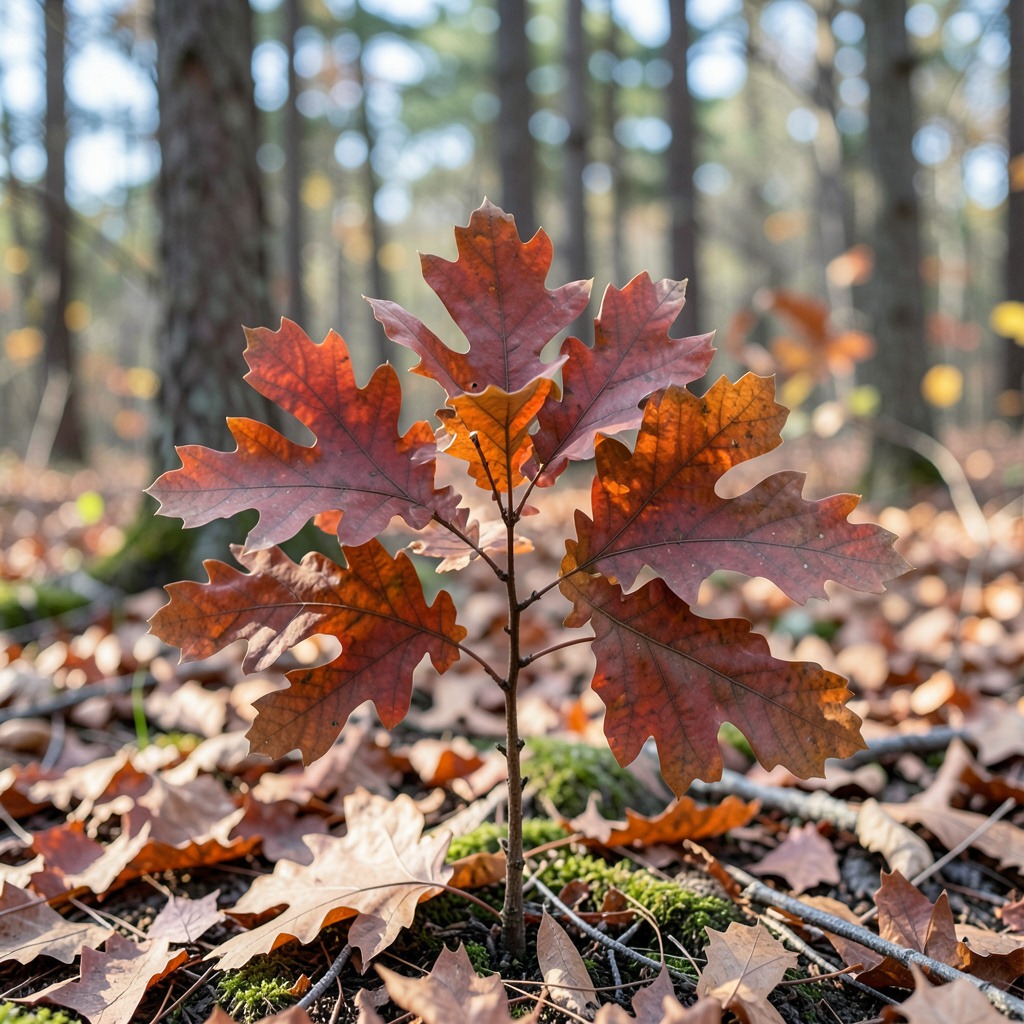
Northern Red Oaks face various challenges that can impede their growth rate. Understanding these issues is vital for ensuring optimal development and health.
Common Pests and Their Impact
Pests can significantly affect the growth rate of Northern Red Oaks. Some common pests include:
- Leafhoppers: These insects can cause leaf damage, affecting photosynthesis.
- Caterpillars: They consume foliage, weakening the tree.
- Bark Beetles: Infestations can lead to tree stress and decline.
Regular monitoring is essential. Implementing natural pest control methods, such as encouraging birds that feed on these pests, can help maintain tree health.
Diseases to Watch For
Several diseases can threaten the vitality of Northern Red Oaks, impacting their growth:
- Powdery Mildew: This fungal disease can inhibit growth by affecting leaf health.
- Leaf Spot: Caused by various pathogens, it can lead to premature leaf drop, affecting overall vigor.
To manage these diseases, maintain proper watering practices and ensure good air circulation around the tree. Regular pruning can also help prevent disease spread.
Environmental Stress Factors
Environmental conditions play a crucial role in the growth rate of Northern Red Oaks. Key stress factors include:
- Soil Quality: Poor, compacted, or overly wet soil can hinder root development.
- Sunlight: Insufficient sunlight reduces photosynthesis, slowing growth.
- Water Availability: Both drought and excessive moisture can stress the tree.
To mitigate these stresses, perform soil tests to check nutrient levels and drainage. Ensure the tree receives at least six hours of direct sunlight daily. Implementing these strategies can enhance growth and resilience against challenges.
Regularly assessing these issues will assist in fostering a healthy Northern Red Oak, leading to its optimal growth over time.
Northern Red Oak vs. Other Oak Species
Understanding the growth rates and characteristics of the Northern Red Oak in comparison to other oak species provides valuable insights for tree planting and management. Below, we examine how Northern Red Oak stacks up against several common oak species.
Growth Rate Comparisons
The growth rate of the Northern Red Oak (Quercus rubra) is moderate when compared to other oak species. Here is a comparison of growth rates for several common types of oak:
| Oak Species | Average Growth Rate (Feet/Year) | Ideal Conditions |
|---|---|---|
| Northern Red Oak | 2-3 | Well-draining, sandy-loam soil; full sun |
| White Oak | 1-2 | Well-draining soil; full sun to partial shade |
| Pin Oak | 2-3 | Moist, acidic soil; full sun to partial shade |
| Bur Oak | 1-2 | Deep, well-drained soil; full sun |
| Swamp White Oak | 1-2 | Moist, well-drained soil; full sun |
Advantages and Disadvantages
Each oak species has its strengths and weaknesses in terms of growth and adaptability:
- Northern Red Oak
- Advantages: Rapid establishment, strong wood, excellent shade provider.
- Disadvantages: Sensitive to drought and poor soil conditions.
- White Oak
- Advantages: Long lifespan, strong lumber quality.
- Disadvantages: Slower growth rate compared to Northern Red Oak.
- Pin Oak
- Advantages: Fast growth in suitable conditions, attractive shape.
- Disadvantages: Susceptible to chlorosis in alkaline soils.
- Bur Oak
- Advantages: Tolerates drought and poor soils well.
- Disadvantages: Slower growth rate; not as commonly planted.
Ideal Planting Scenarios
When considering planting options, the conditions for each oak species vary significantly:
- Northern Red Oak: Best planted in areas with at least six hours of direct sunlight and well-draining, sandy-loam soil. It thrives in urban environments and is often chosen for parks.
- White Oak: Prefers well-drained soils and can tolerate partial shade, making it suitable for woodland areas.
- Pin Oak: Ideal for wet areas, but requires full sun for optimal growth. It is often used in landscape designs for its aesthetic appeal.
- Bur Oak: Adaptable to a variety of soil types, it excels in drier conditions and is a great choice for restoration projects.
In summary, selecting the right oak species based on growth rates and ideal conditions can significantly impact the success of your planting endeavors. Each oak has unique requirements and growth patterns that should be considered for optimal results.
Frequently Asked Questions
These quick answers cover the most common questions about this topic, including key details, practical tips, and common concerns.
What are the downsides of red oak trees?
While Northern Red Oaks are popular for their rapid growth and adaptability, they do have some downsides. They can be sensitive to drought, especially in their early years, which may hinder their growth. Additionally, they are susceptible to pests like leafhoppers and bark beetles, which can affect their overall health. Lastly, the acorns produced can create a mess in the fall, requiring regular cleanup.
How tall will a red oak be in 10 years?
In optimal conditions, a Northern Red Oak can reach a height of approximately 20 to 30 feet within 10 years. Their growth rate averages 2 to 3 feet per year after the initial establishment phase, making them a fast-growing choice for landscapes. Factors such as soil quality, sunlight, and water availability will influence their actual height.
Are northern red oaks messy trees?
Yes, Northern Red Oaks can be considered messy trees due to their acorns and leaf drop. In the fall, they shed leaves, which can create a significant amount of debris. Additionally, the acorns can litter the ground, attracting wildlife but also requiring maintenance for cleanliness in yards or gardens.
How far apart should you plant northern red oaks?
When planting Northern Red Oaks, it’s recommended to space them at least 40 to 60 feet apart. This distance allows for their large mature canopy spread and ensures they have enough room to grow without competing for sunlight and nutrients. Proper spacing also promotes good air circulation, reducing the risk of disease.
What soil conditions are best for northern red oak?
Northern Red Oaks thrive in well-draining, sandy-loam soil that is slightly acidic to neutral (pH 6.0 to 7.0). Good drainage is crucial to prevent root rot, while adequate nutrient content supports healthy growth. Regular soil testing can help maintain optimal conditions for these trees.
How do I promote healthy growth for my northern red oak?
To promote healthy growth, ensure your Northern Red Oak receives at least six hours of direct sunlight daily. Water young trees consistently, especially during dry spells, and establish deep watering for mature trees. Regular pruning during the dormant season can improve air circulation and light penetration, enhancing overall health.
What pests affect northern red oak trees?
Northern Red Oaks can be affected by several pests, including leafhoppers, caterpillars, and bark beetles. Leafhoppers can damage foliage, while caterpillars consume leaves, weakening the tree. Bark beetles can cause significant stress and decline. Monitoring and implementing natural pest control methods can help maintain tree health.
How does the growth rate of northern red oak compare to other oak species?
Northern Red Oak typically grows at a rate of 2 to 3 feet per year, which is moderate compared to other oak species. For example, White Oaks grow slower at 1 to 2 feet per year, while Pin Oaks can match the Northern Red Oak’s growth rate. Understanding these differences can help you choose the right oak for your landscape needs.