
The northern red oak (Quercus rubra) is identified by its lobed leaves, dark ridged bark, and acorns.
Table of Contents
Understanding how to identify the northern red oak is essential for enthusiasts and landowners alike. This guide covers its defining characteristics, ecological importance, and care requirements, ensuring you can recognize and appreciate this remarkable tree.
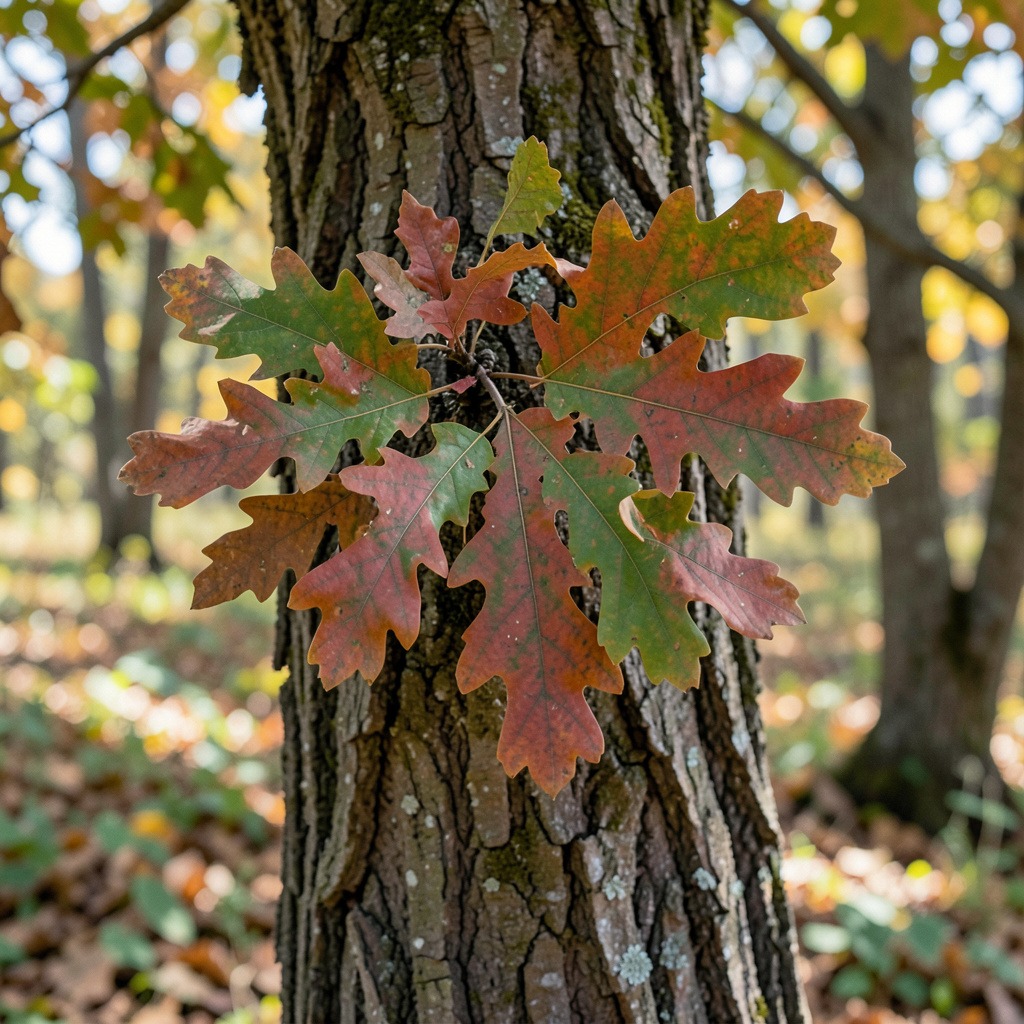
Key Identification Features of Northern Red Oak
Identifying the northern red oak (Quercus rubra) involves observing its distinct physical characteristics. This section details its leaves, bark, and acorns, which are essential for accurate recognition.
Leaf Characteristics
The leaves of the northern red oak are a key identifying feature. They have the following characteristics:
- Shape: The leaves are typically 5 to 9 inches long and deeply lobed. Each leaf has 7 to 11 pointed lobes, with bristle-like tips.
- Color: They are dark green and glossy on the upper side, while the underside is a lighter, fuzzy texture.
- Fall Color: In autumn, these leaves turn a vibrant red or reddish-brown, adding to their aesthetic appeal.
Bark Texture and Color
The bark of the northern red oak also plays a significant role in its identification:
- Color: The bark ranges from reddish-brown to dark gray.
- Texture: As the tree matures, the bark develops flat-topped ridges and deep furrows.
- Distinctive Features: Shiny stripes may appear in the center of the ridges, which can help differentiate it from other oak species.
Acorn Features
Acorns are another important element for identifying the northern red oak:
- Size: Acorns measure about 1 inch (25 mm) in length.
- Cap: They have a slightly knobby, flat cup-shaped cap that covers about one-third of the acorn.
- Maturity: Unlike white oaks, northern red oak acorns mature over two years, providing a unique aspect for identification.
Visual Identification Aids
To enhance your recognition skills, consider using visual aids. High-quality images showing the leaves, bark, and acorns of the northern red oak can provide clarity. For instance, a diagram illustrating leaf lobes or bark texture can greatly assist in field identification.
Growth Characteristics of Northern Red Oak

The northern red oak exhibits remarkable growth habits, making it a popular choice for both landscaping and forestry. Its adaptability to various environments enhances its identification as a key species in many North American ecosystems.
Typical Height and Width
Northern red oaks can reach impressive heights and widths, which are vital for identification.
- Height: Typically grows between 60 to 75 feet (18 to 23 meters).
- Width: Can spread 40 to 50 feet (12 to 15 meters) at maturity.
Growth Rate and Lifespan
This species is known for its rapid growth rate and longevity.
- Growth Rate: Under optimal conditions, northern red oaks can grow 2 to 3 feet (0.6 to 1 meter) per year.
- Lifespan: They can live for over 200 years, making them a long-term investment for any landscape.
Growth Rate Comparison Table
| Soil Type | Growth Rate (Feet per Year) | Notes |
|---|---|---|
| Sandy Loam | 3 | Excellent drainage, promotes growth. |
| Clay | 2 | Slower growth; prone to waterlogging. |
| Sandy Soil | 2.5 | Good aeration; supports rapid growth. |
| Poor Drainage | 1 | Growth significantly hampered. |
This table provides practical insights for potential planters. Understanding the soil’s impact on growth can aid in selecting suitable planting sites.
By observing these characteristics—height, width, growth rate, and environmental adaptability—one can efficiently identify the northern red oak in various landscapes.
Ecological Importance of Northern Red Oak
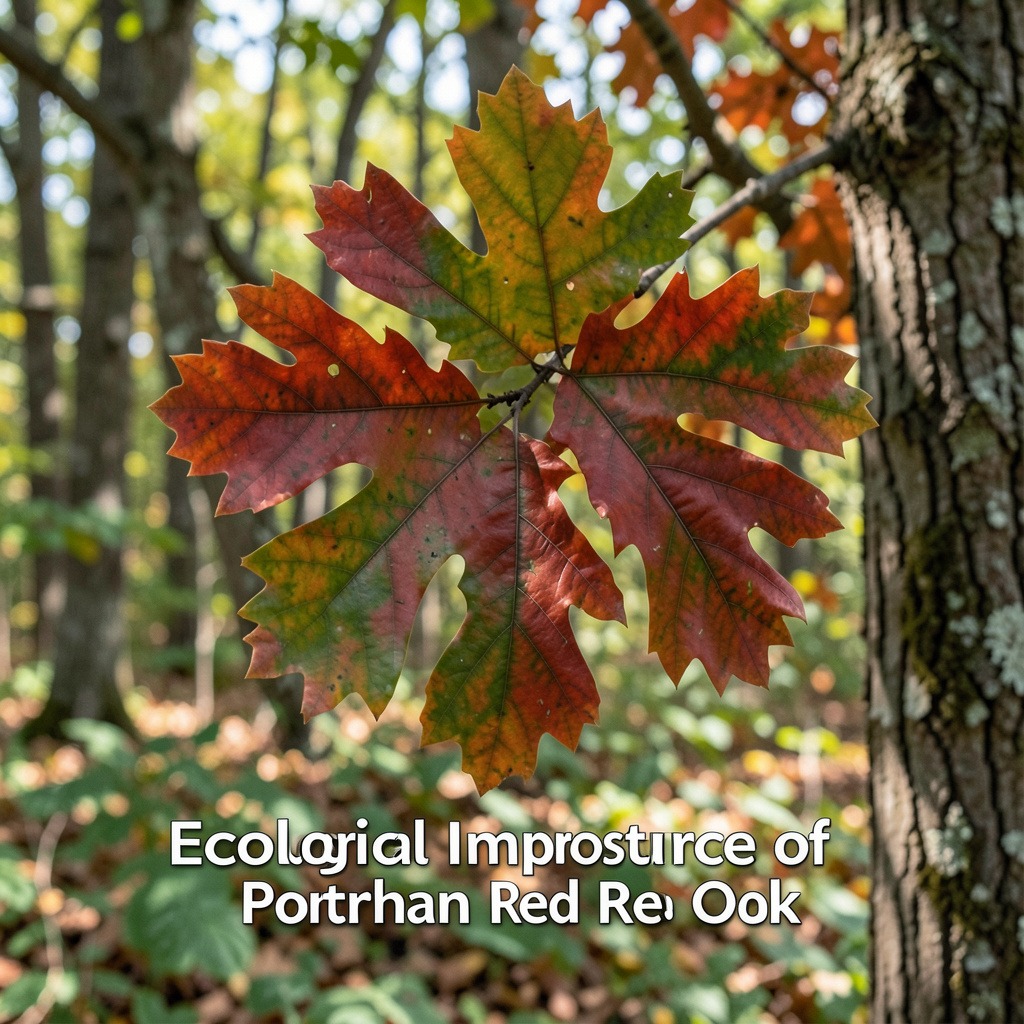
The northern red oak (Quercus rubra) plays a crucial role in local ecosystems. Its acorns serve as a significant food source for various wildlife, while its presence contributes to overall biodiversity.
Role in Wildlife Nutrition
Northern red oak acorns are a vital resource for many animals, including:
- Deer: They consume both acorns and twigs, especially during winter when food availability is limited.
- Birds: Species like wild turkeys and blue jays rely heavily on acorns during fall and winter months.
- Small Mammals: Squirrels and raccoons forage for acorns, aiding in their survival and nutrition.
This tree’s acorns are rich in fats and proteins, making them an ideal food source. However, the presence of tannins makes acorns less palatable for some species, influencing animal feeding habits and patterns.
Contribution to Biodiversity
The northern red oak supports a diverse array of life. It provides:
- Habitat: Its broad canopy offers shelter for various birds and mammals. The tree’s structure supports nests, while its foliage provides shade and protection.
- Fungal Associations: The roots of northern red oak interact with mycorrhizal fungi, improving nutrient uptake for the tree and increasing soil health. This relationship benefits other plant species in the vicinity.
- Insect Populations: The tree hosts numerous insects, which in turn attract insectivorous birds. This dynamic contributes to a balanced ecosystem.
In regions where the northern red oak is abundant, studies show an increase in wildlife populations. For instance, areas with high densities of these trees often report greater biodiversity, demonstrating their ecological significance.
Key Identification Features Related to Ecology
When identifying northern red oak, consider these ecological indicators:
- Acorns: Look for acorns that are about 1 inch long with a slightly knobby, cup-shaped cap. Their presence indicates the tree’s role in local wildlife nutrition.
- Foliage: The leaves are deeply lobed with pointed tips, which can signal healthy growth and habitat suitability for certain wildlife species.
- Bark: The dark reddish-brown bark with pronounced ridges can indicate the tree’s age and health, impacting its ecological contributions.
By recognizing these features, one can better understand how the northern red oak fits into its ecosystem and supports various forms of wildlife.
Care and Maintenance of Northern Red Oak
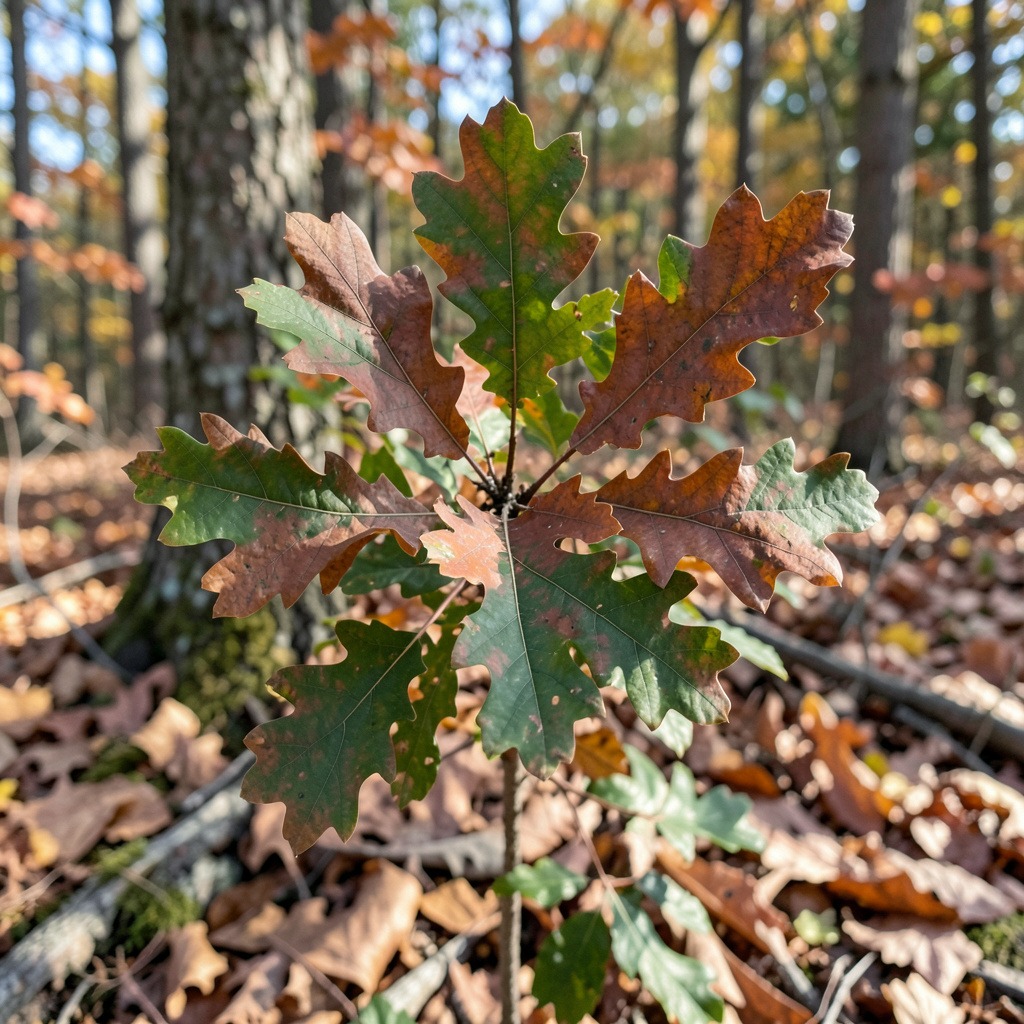
Caring for northern red oaks (Quercus rubra) involves understanding their specific planting requirements and common diseases. Proper care ensures healthy growth and longevity.
Ideal Planting Conditions
To thrive, northern red oaks require specific conditions:
- Soil Type: Choose acidic, well-drained soils such as clay, loamy, or sandy varieties. Poorly drained or alkaline soils can hinder root development and growth.
- Sunlight: These trees prefer full sun, requiring at least six hours of direct sunlight daily.
- Spacing: Plant oaks at least 30 feet apart to allow for their mature size and canopy spread.
Checklist for Planting:
- Select a site with full sun exposure.
- Test soil pH to confirm acidity (ideal pH is between 5.5 and 7).
- Ensure proper drainage to avoid waterlogging.
- Space trees appropriately to accommodate growth.
Common Diseases and Prevention
Northern red oaks are susceptible to several diseases. Recognizing and managing these can enhance tree health:
- Anthracnose: A fungal disease that causes leaf spots and defoliation. Improve air circulation and ensure adequate sunlight to mitigate this risk.
- Oak Wilt: This serious condition can kill a tree rapidly. Avoid wounding trees during the growing season, and consider professional treatment if symptoms appear.
- Leaf Blistering: Look for yellowish-green raised blisters on leaves. Improve growing conditions to prevent this issue.
Disease Management Tips:
- Regularly inspect leaves for signs of disease.
- Prune affected branches during dry weather to reduce humidity around the tree.
- Maintain healthy soil with organic matter to promote resilience against diseases.
By understanding these care essentials, you can ensure that your northern red oak remains a vital part of its ecosystem while thriving in your landscape.
Comparisons with Other Oak Species
Understanding how the northern red oak compares to similar species helps in accurate identification. The two primary species for comparison are the southern red oak and the white oak. Each has distinct characteristics that can aid in differentiating them.
Northern Red Oak vs. Southern Red Oak
| Feature | Northern Red Oak (Quercus rubra) | Southern Red Oak (Quercus falcata) |
|---|---|---|
| Leaf Shape | Pointed lobes with bristle tips | More rounded lobes, less pointed |
| Bark Texture | Dark reddish-brown, deeply ridged | Lighter brown, shallower ridges |
| Growth Habit | Grows up to 75 feet tall | Typically shorter, 50-70 feet |
| Acorn Characteristics | Acorns are shorter and stout | Acorns are longer and more elongated |
| Habitat Preference | Prefers well-drained, acidic soils | Tolerates a wider range of soils |
Northern Red Oak vs. White Oak
| Feature | Northern Red Oak (Quercus rubra) | White Oak (Quercus alba) |
|---|---|---|
| Leaf Shape | Sharp lobes with bristle tips | Rounded lobes without bristle tips |
| Bark Texture | Dark reddish-brown, shiny | Light gray, flaky and scaly |
| Growth Habit | Fast growth, up to 75 feet | Slower growth, typically 50-80 feet |
| Acorn Characteristics | Acorns mature in two years | Acorns mature in one year |
| Wood Characteristics | Strong, used for flooring | Dense, used for barrels and furniture |
Identification Tips
- Leaves: Look for the shape and lobe characteristics. Northern red oak leaves have pointed lobes, while white oak leaves are rounded.
- Bark: Examine the bark texture. The northern red oak features pronounced ridges, while the white oak’s bark is scaly.
- Acorns: The acorn shape is a quick identifier. Northern red oak acorns are shorter and stockier compared to the elongated acorns of the southern red oak.
By utilizing these comparison tables and identification tips, you can effectively distinguish northern red oak from its close relatives, enhancing your ability to recognize this important species in the field.
Frequently Asked Questions
These quick answers cover the most common questions about this topic, including key details, practical tips, and common concerns.
How much is a northern red oak worth?
The value of a northern red oak can vary significantly based on factors like size, quality, and market demand. Mature trees can be worth hundreds to thousands of dollars, especially if they are harvested for lumber. In general, high-quality timber from northern red oaks is sought after for furniture and flooring, making them a valuable asset.
What are the downsides of red oak trees?
While northern red oaks offer many benefits, they also have some downsides. They can be susceptible to diseases like oak wilt and anthracnose, which may require management. Additionally, their acorns can be a nuisance in residential areas, creating a mess during the fall. Lastly, their rapid growth can lead to weak wood, making them more prone to breakage in storms.
What is another name for northern red oak?
The northern red oak is scientifically classified as Quercus rubra. It is often simply referred to as “red oak,” but this name can also apply to other species, such as the southern red oak (Quercus falcata). To avoid confusion, it’s best to use the full scientific name when discussing this specific tree.
What is special about northern red oaks?
Northern red oaks are valued for their rapid growth, strong wood, and ecological benefits. They provide vital habitats for wildlife and produce acorns that support various animals. Additionally, their striking fall colors and impressive height make them popular choices for landscaping and reforestation projects.
What is the lifespan of a northern red oak?
Northern red oaks can live for over 200 years under optimal conditions. Their longevity makes them a long-term investment for landscapes and ecosystems. Proper care and management can help maximize their lifespan and health.
How do I identify a northern red oak tree?
To identify a northern red oak, look for its distinctive leaves, bark, and acorns. The leaves are deeply lobed with pointed tips and turn vibrant red in the fall. The bark is dark reddish-brown with deep ridges. Acorns are about 1 inch long with a knobby cap, maturing over two years. Observing these features will help you recognize this species in the wild.
What are the common diseases of northern red oak?
Common diseases affecting northern red oaks include oak wilt, anthracnose, and leaf blistering. Oak wilt is particularly dangerous and can lead to rapid tree death. Regular inspections and proper care, such as maintaining good air circulation and avoiding wounding the tree, can help prevent these issues.
What wildlife benefits from northern red oak?
Northern red oaks provide essential food and habitat for various wildlife species. Their acorns are a critical food source for deer, birds, and small mammals, especially during the winter months. The tree’s broad canopy also offers shelter for nesting birds and other animals, contributing to biodiversity in its ecosystem.