
The northern red oak leaf is characterized by its glossy, lobed shape with 7-11 pointed tips, providing essential habitat and food for wildlife while being a notable feature of the Quercus rubra tree.
Table of Contents
The northern red oak leaf, belonging to Quercus rubra, is not only a defining feature of this majestic tree but also plays a crucial role in its ecosystem. This guide will delve into its characteristics, ecological significance, and care tips.
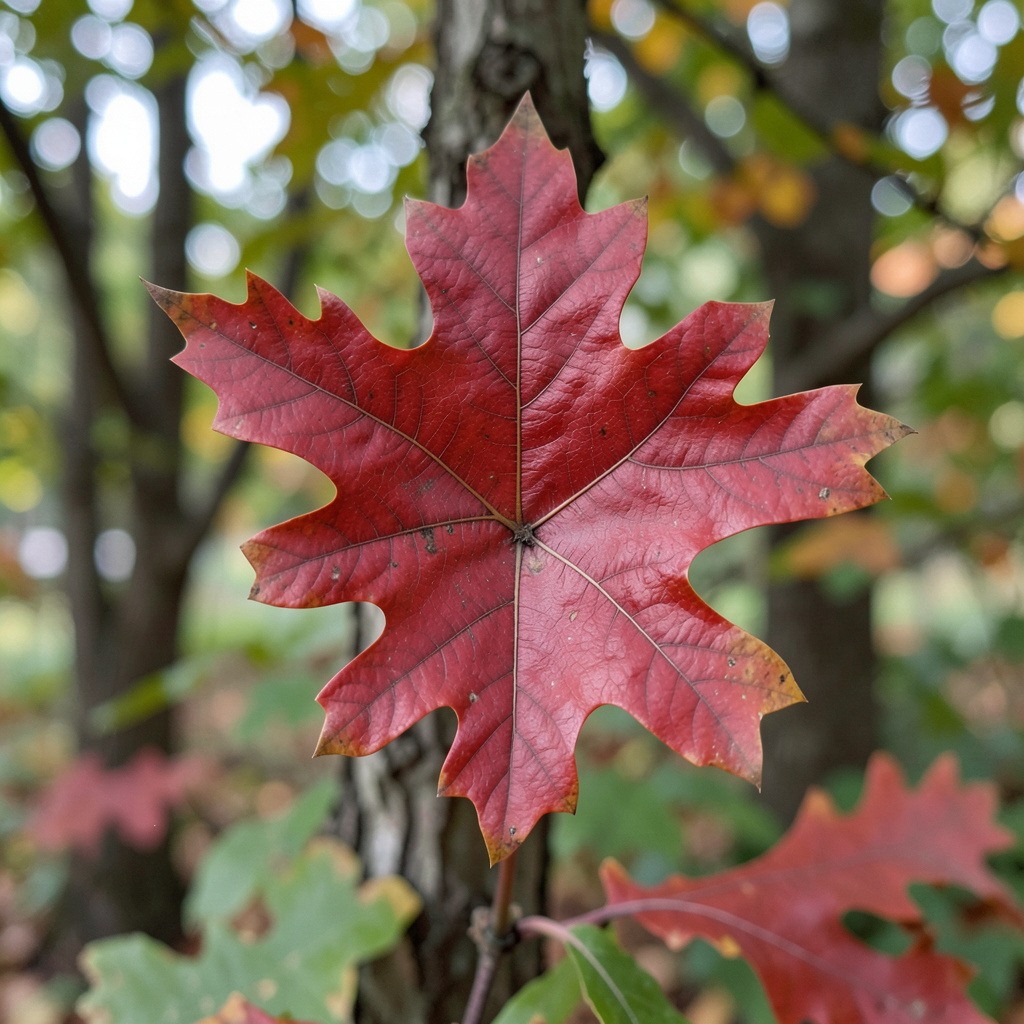
Identifying Northern Red Oak Leaves
The northern red oak leaf is a key identifier for Quercus rubra. Understanding its physical characteristics aids in recognizing this tree species and appreciating its role in the ecosystem.
Leaf Shape and Size
Northern red oak leaves are alternate, typically measuring 5 to 9 inches long. They are broadly obovate with seven to eleven lobes. Each lobe ends in a bristle, giving the leaf a distinctive serrated appearance. The sinuses between the lobes can vary greatly, ranging from shallow to deep, which can help differentiate them from other oak species.
Color Variations Throughout Seasons
The color of northern red oak leaves changes significantly with the seasons:
- Spring/Summer: Leaves are dark green and moderately shiny, providing a lush canopy.
- Autumn: They display vibrant colors, transitioning from brick red to scarlet, with some trees showing golden-yellow or yellow-brown hues. This seasonal change not only enhances aesthetic value but also signals the tree’s health and maturity.
Key Identification Features
To identify northern red oak leaves effectively, consider the following features:
- Lobe Count: Look for seven to eleven lobes.
- Bristled Tips: Each lobe should have a bristle at the tip.
- Leaf Arrangement: Leaves grow alternately along the twig.
- Color: Observe the leaf color during different seasons; the bright red in fall is a strong indicator of this species.
These characteristics not only help in identifying the northern red oak leaf but also contribute to understanding its ecological role. The unique adaptations of these leaves enable the tree to thrive in various conditions, making it a resilient species in North America.
The Ecological Importance of Northern Red Oak Leaves
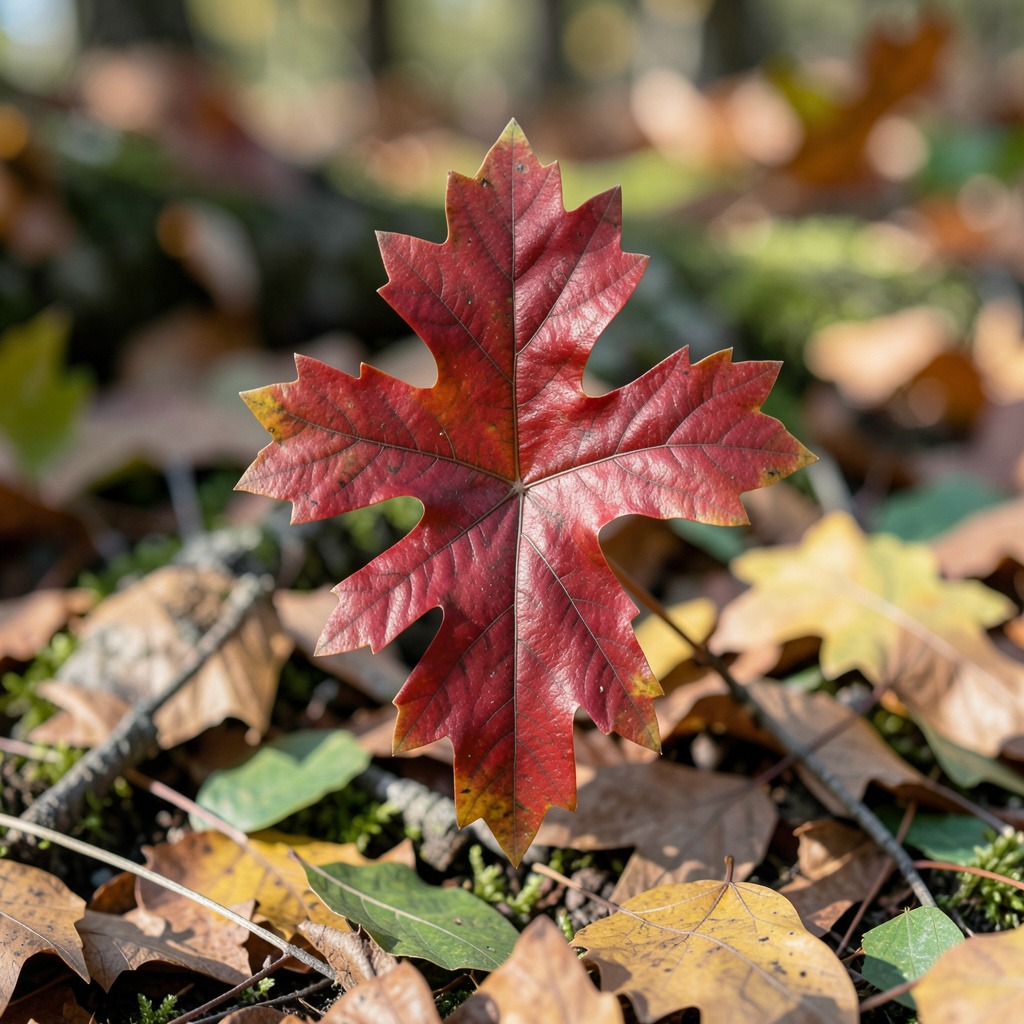
Northern red oak leaves play a crucial role in their ecosystem. They provide food, habitat, and support biodiversity in their surroundings.
Habitat for Wildlife
Northern red oak trees, with their distinctive leaves, create a supportive habitat for various wildlife. The acorns produced by these trees serve as a vital food source for many animals, including:
- Deer: They feed on the twigs and leaves, especially in winter.
- Squirrels: They rely on acorns for sustenance during the colder months.
- Birds: Species such as wild turkeys and various songbirds consume the acorns and find shelter in the tree’s branches.
The presence of northern red oaks in an area can significantly enhance local biodiversity. For example, a study showed that regions with abundant northern red oaks support larger populations of acorn-eating birds and mammals. This interdependence highlights the oak’s role in maintaining ecological balance.
Seasonal Benefits to Ecosystem
Northern red oak leaves contribute to the ecosystem throughout the seasons. In spring, their budding leaves provide early food for herbivores. As they mature, the leaves offer shade and habitat, promoting cooler microclimates below.
During fall, the vibrant red and brown foliage not only beautifies landscapes but also plays a critical ecological role. When leaves drop, they decompose and enrich the soil, enhancing nutrient availability for other plants. This process supports a healthy understory, essential for various insect species and ground-dwelling wildlife.
In summary, the northern red oak leaves are not just a defining feature of the tree; they are integral to sustaining wildlife populations and promoting ecological health.
Growth Conditions for Northern Red Oaks
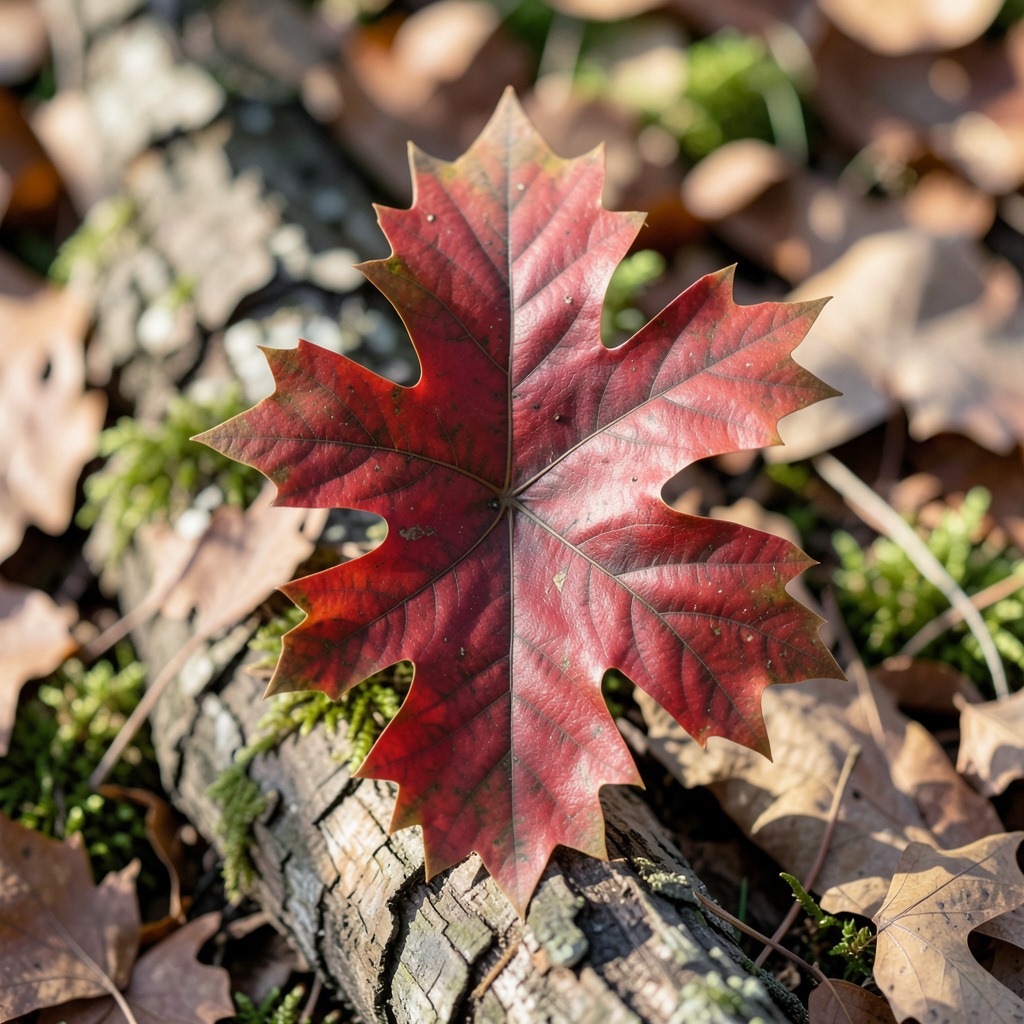
Northern red oaks thrive under specific conditions that ensure healthy leaf development and overall tree vitality. Understanding these requirements helps in maintaining their health and ecological benefits.
Soil Preferences
Northern red oaks prefer well-drained, loamy soils that are slightly acidic. Ideal pH levels range from 6.0 to 6.8. They can tolerate a variety of soil types but perform best in:
- Sandy soils: Promote good drainage.
- Clay soils: Retain moisture but should not be waterlogged.
- Loamy soils: Offer a balance of drainage and nutrient retention.
Sunlight and Water Requirements
These trees require full sun to partial shade for optimal growth. They thrive in areas receiving at least 6 hours of direct sunlight daily.
Watering is crucial, especially during the establishment phase. Here are key points for water needs:
- Young trees: Require consistent moisture. Water deeply once a week during dry spells.
- Mature trees: More drought-tolerant but benefit from regular rainfall.
- Avoid waterlogging: Too much water can lead to root rot, impacting leaf health.
Growth Rates and Lifespan
Northern red oaks grow relatively quickly, averaging 1 to 2 feet per year under ideal conditions. They can live for over 200 years, making them a long-term investment for any landscape.
Growth Checklist
To ensure optimal conditions for healthy leaves:
- Soil Check: Test pH and adjust as necessary.
- Sunlight Exposure: Ensure at least 6 hours of sunlight.
- Watering Schedule: Water young trees weekly; monitor rainfall for mature trees.
- Mulching: Apply mulch around the base to retain moisture and regulate soil temperature.
- Pruning: Remove dead or diseased branches to promote healthy growth and airflow.
By adhering to these conditions, gardeners can support the northern red oak’s leaf health and overall ecological contribution.
Timber and Economic Value of Northern Red Oak
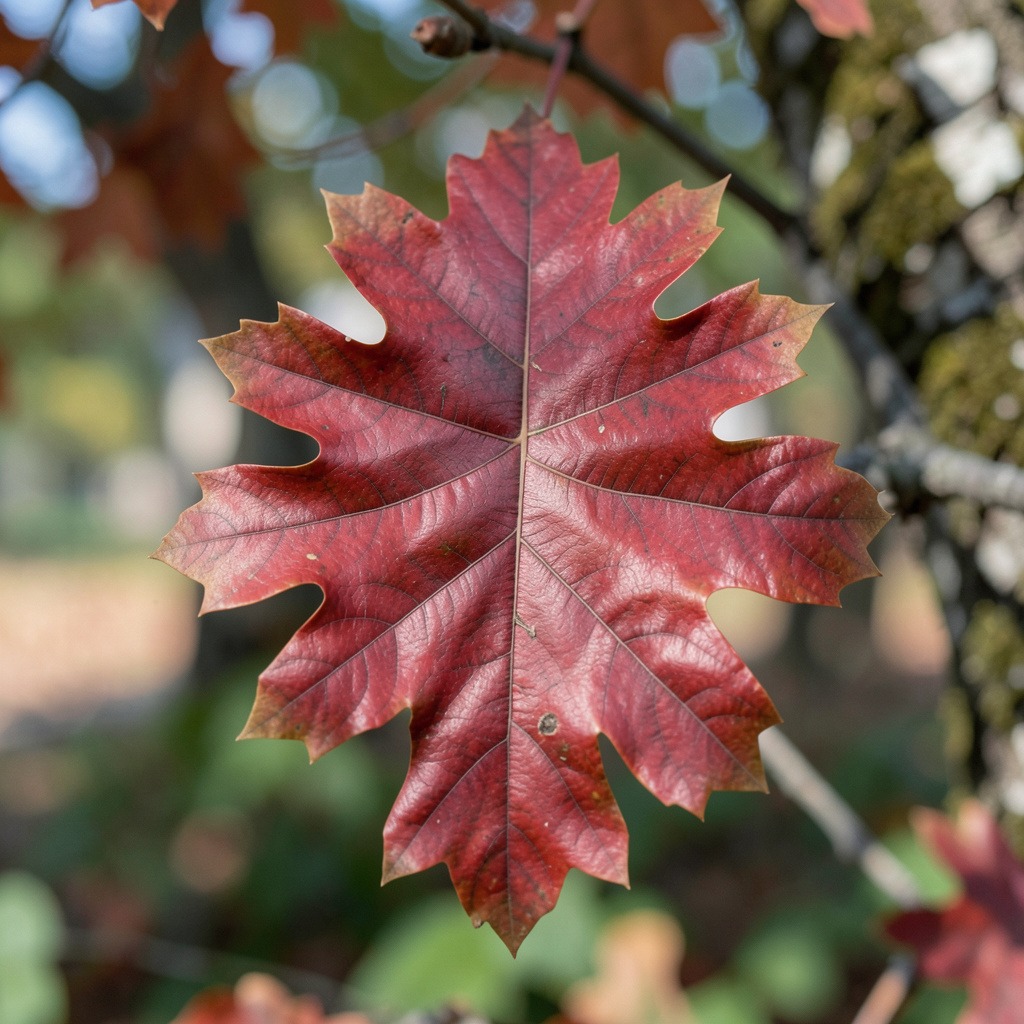
The northern red oak plays a crucial role in both the timber industry and local economies. Its timber is highly sought after for various applications, and the health of its leaves directly influences its economic value.
Uses of Northern Red Oak Timber
Northern red oak, known scientifically as Quercus rubra, is a premier hardwood species. Its timber is valued for:
- Furniture Production: The rich color and grain pattern make it ideal for high-quality furniture.
- Flooring and Millwork: Durable and aesthetically pleasing, red oak is a popular choice for flooring and interior trim.
- Veneer: It offers excellent characteristics for veneer applications, enhancing decorative surfaces.
In terms of economic impact, northern red oak contributes significantly to timber sales. In the United States, red oak accounts for approximately 15% of hardwood timber sales, translating to millions of dollars annually. This demand underscores the importance of maintaining healthy trees, as robust leaves support the overall vigor and productivity of the tree.
Economic Impact on Local Communities
The presence of northern red oak in local landscapes fosters economic activity in several ways:
- Job Creation: Timber harvesting and processing create jobs in rural areas, supporting local economies.
- Ecosystem Services: Healthy northern red oak trees improve air quality, prevent soil erosion, and provide habitats for wildlife, indirectly bolstering local tourism and recreation.
- Acorn Production: The acorns of northern red oak trees serve as food for various wildlife, which can attract nature enthusiasts and promote eco-tourism.
In summary, the economic significance of northern red oak extends beyond timber. Its leaves play a vital role in ensuring the tree’s health and, consequently, its contribution to local economies. Healthy leaves lead to better acorn production and more robust timber growth, creating a cycle that benefits both the environment and the economy.
Common Issues Affecting Northern Red Oak Leaves
Northern red oak leaves can be susceptible to various pests and diseases. Understanding these issues is vital for maintaining the health of the tree and ensuring its ecological contributions.
Common Pests
1. Leafhoppers: These small insects can cause leaf discoloration and curling. They feed on the sap, weakening the tree.
2. Caterpillars: Various caterpillars may infest northern red oaks, consuming leaves and reducing photosynthesis.
3. Acorn Weevils: These pests target acorns, but their presence can indicate broader health issues within the tree.
Common Diseases
1. Powdery Mildew: This fungal disease manifests as a white powder on leaves. It thrives in humid conditions and can weaken the tree.
2. Leaf Spot: Caused by various fungi, leaf spot results in dark spots on leaves, leading to premature leaf drop.
3. Oak Wilt: This severe fungal disease affects leaf health and can cause rapid decline. Symptoms include leaf wilting and premature drop.
Prevention and Treatment Strategies
- Regular Monitoring: Inspect leaves for signs of pests and diseases. Early detection is crucial.
- Cultural Practices:
- Ensure proper watering and soil drainage to reduce stress.
- Avoid overhead watering to minimize humidity around foliage.
- Organic Treatments:
- Use neem oil to combat pests like leafhoppers and caterpillars.
- Apply fungicides at the first sign of powdery mildew or leaf spot.
- Encourage Natural Predators: Attract birds to your garden, as they feed on many leaf pests, helping control their populations.
- Pruning: Remove infected leaves and branches during the dormant season to reduce disease spread. Always use clean tools to prevent infection.
By implementing these strategies, you can help protect northern red oak leaves and ensure the vitality of the tree.
Conclusion: The Significance of Northern Red Oak Leaves
Northern red oak leaves play a crucial role in identifying the species, supporting local ecosystems, and contributing to economic activities. Understanding their characteristics and functions enhances appreciation for this vital tree.
Identification Characteristics of Northern Red Oak Leaves
Northern red oak leaves are recognizable by their distinct lobed shape. Each leaf typically has 7 to 11 pointed lobes, and the margins are bristle-tipped. The leaves exhibit a dark green color in summer, turning vibrant shades of red and orange in autumn. This visual distinction aids in tree identification and promotes awareness of their ecological significance.
Ecological Importance of Northern Red Oak Leaves
The leaves of the northern red oak serve multiple ecological functions. They provide habitat and food for various wildlife, including deer, squirrels, and numerous bird species. The acorns, produced from these leaves, are particularly valuable as a food source. Furthermore, the foliage supports photosynthesis, contributing to carbon sequestration and improving air quality.
Timber and Economic Value of Northern Red Oak
The northern red oak is a significant player in the timber industry. Its wood is highly valued for furniture, flooring, and cabinetry. The leaves contribute indirectly to this economic value by supporting the overall health and growth of the tree. Healthy leaves lead to robust acorn production, which in turn fosters seed dispersal and forest regeneration.
In summary, northern red oak leaves are not just a defining feature of the tree; they are integral to its ecological role and economic significance. Recognizing their importance helps foster a deeper connection to this essential species.
Frequently Asked Questions
These quick answers cover the most common questions about this topic, including key details, practical tips, and common concerns.
What is the difference between red oak and northern red oak?
The primary difference between red oak (Quercus rubra) and northern red oak is geographical and ecological. Northern red oak typically refers to the species found in the northern parts of the United States and Canada, while red oak can refer to trees found in various regions. Northern red oak tends to have a more robust growth rate and can thrive in slightly colder climates. Additionally, northern red oaks often have a more pronounced fall color, showcasing vibrant reds and oranges.
How to identify a northern red oak leaf?
To identify a northern red oak leaf, look for its distinctive lobed shape, featuring 7 to 11 pointed lobes with bristle-tipped ends. The leaves are dark green in summer and turn vibrant red or orange in autumn. They grow alternately along the twig and can measure between 5 to 9 inches in length. Observing these characteristics will help you distinguish northern red oaks from other oak species.
Are northern red oaks good trees?
Yes, northern red oaks are excellent trees for landscaping and ecological purposes. They grow quickly, reaching heights of 60 to 75 feet with a broad canopy. Their acorns provide food for wildlife, making them beneficial for local ecosystems. Additionally, their strong wood is highly valued in the timber industry, enhancing their economic importance.
How much is a northern red oak worth?
The value of a northern red oak can vary based on size, quality, and market demand. On average, mature northern red oaks can be worth between $500 to $1,500 or more, depending on their height and trunk diameter. Factors such as timber quality and local market conditions also influence pricing.
What wildlife benefits from northern red oak?
Northern red oaks support a variety of wildlife. Their acorns are a crucial food source for deer, squirrels, and numerous bird species, including turkeys and woodpeckers. The tree’s foliage also provides shelter and nesting sites, promoting biodiversity in the area.
What are the common diseases of northern red oak?
Common diseases affecting northern red oaks include powdery mildew, leaf spot, and oak wilt. Powdery mildew appears as a white powder on leaves and thrives in humid conditions, while leaf spot results in dark spots that can lead to premature leaf drop. Oak wilt is a severe fungal disease that can rapidly decline tree health, causing wilting and leaf drop. Regular monitoring and proper care can help manage these issues.
When do northern red oaks drop their leaves?
Northern red oaks typically drop their leaves in late autumn, usually between late October and early November, depending on the climate and weather conditions. The vibrant fall colors often precede leaf drop, making them a beautiful addition to landscapes during this season.
Do you need help comparing northern red oak to other oak species?
If you’re trying to compare northern red oak with other oak species like pin oak or black oak, consider their leaf shapes, growth habits, and habitat preferences. For instance, pin oaks have more deeply lobed leaves and prefer wetter soils, while black oaks have a rougher bark and a slower growth rate. Understanding these differences can help you choose the best oak species for your landscape needs.