
The northern red oak can live up to 400 years under optimal conditions, with an average lifespan ranging from 200 to 300 years, making it one of the longer-living oak species.
Table of Contents
The northern red oak (Quercus rubra) is renowned for its resilience and longevity, often thriving in a variety of environments. This article delves into its lifespan, growth conditions, ecological significance, and care tips to ensure its health.
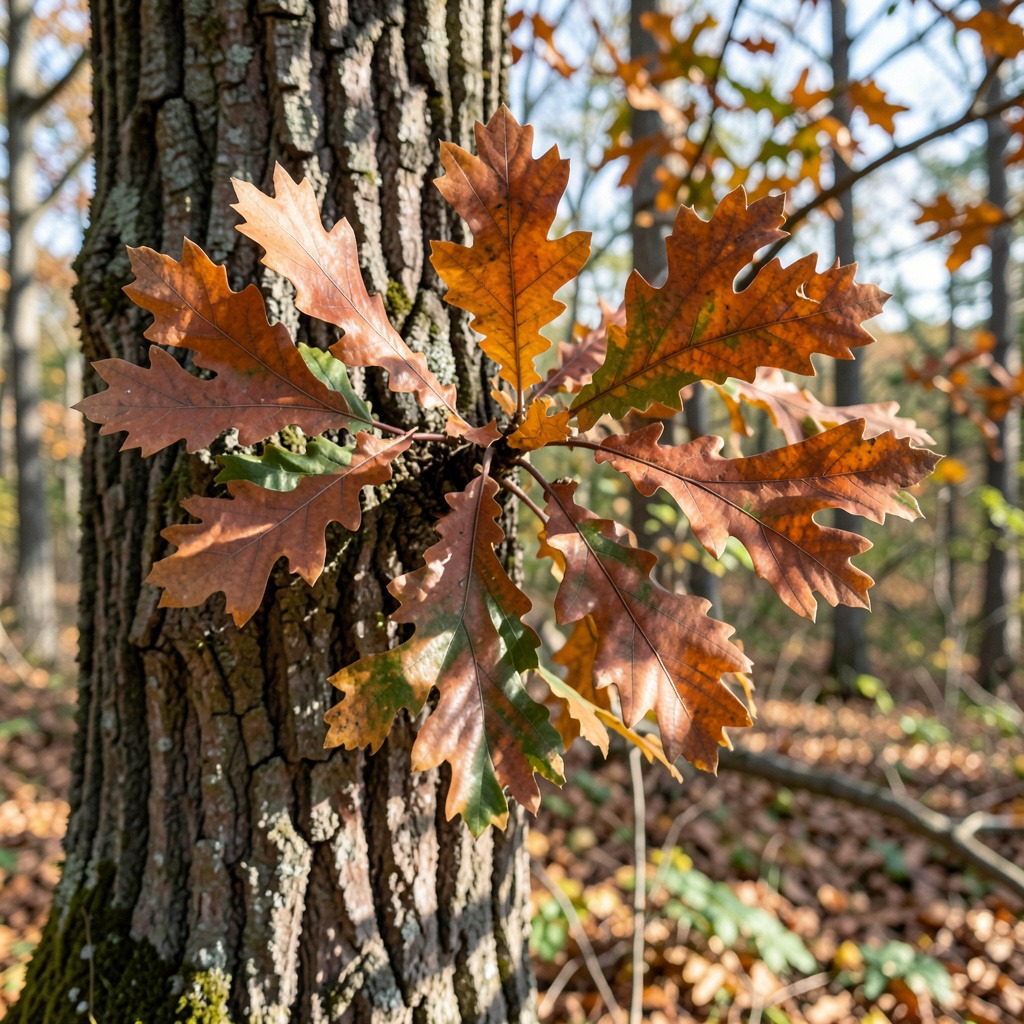
Lifespan of the Northern Red Oak
The northern red oak (Quercus rubra) is celebrated for its impressive lifespan, with many individuals living for several centuries. Understanding its growth conditions and the factors influencing longevity is essential for optimal care.
Average Lifespan of Northern Red Oak
Northern red oaks typically have an average lifespan of 200 to 300 years. However, under ideal conditions, some specimens can reach ages of up to 400 years. This longevity is attributed to their robust nature and adaptability to various environments.
Factors Influencing Lifespan
Several factors can impact the lifespan of northern red oaks:
- Soil Quality: They thrive in slightly acidic, well-drained soils. Poor soil conditions can shorten their lifespan.
- Water Availability: While they can tolerate occasional flooding, prolonged waterlogging can lead to root rot and decline.
- Pests and Diseases: The northern red oak is relatively resistant to pests, but it can still be affected by oak wilt and other diseases, which may reduce lifespan.
- Environmental Stress: Extreme weather conditions, such as prolonged drought or severe winter freezes, can negatively affect growth and longevity.
Records of Exceptional Lifespan
Notable examples of northern red oaks include trees that have been documented to live well beyond 300 years. For instance, some specimens in protected areas have shown remarkable resilience, thriving despite environmental challenges.
To promote longevity, it is crucial to plant northern red oaks in suitable locations, provide adequate care, and monitor for pests and diseases. Implementing these practices can help ensure these majestic trees continue to grace our landscapes for generations to come.
Growth Conditions for Northern Red Oak
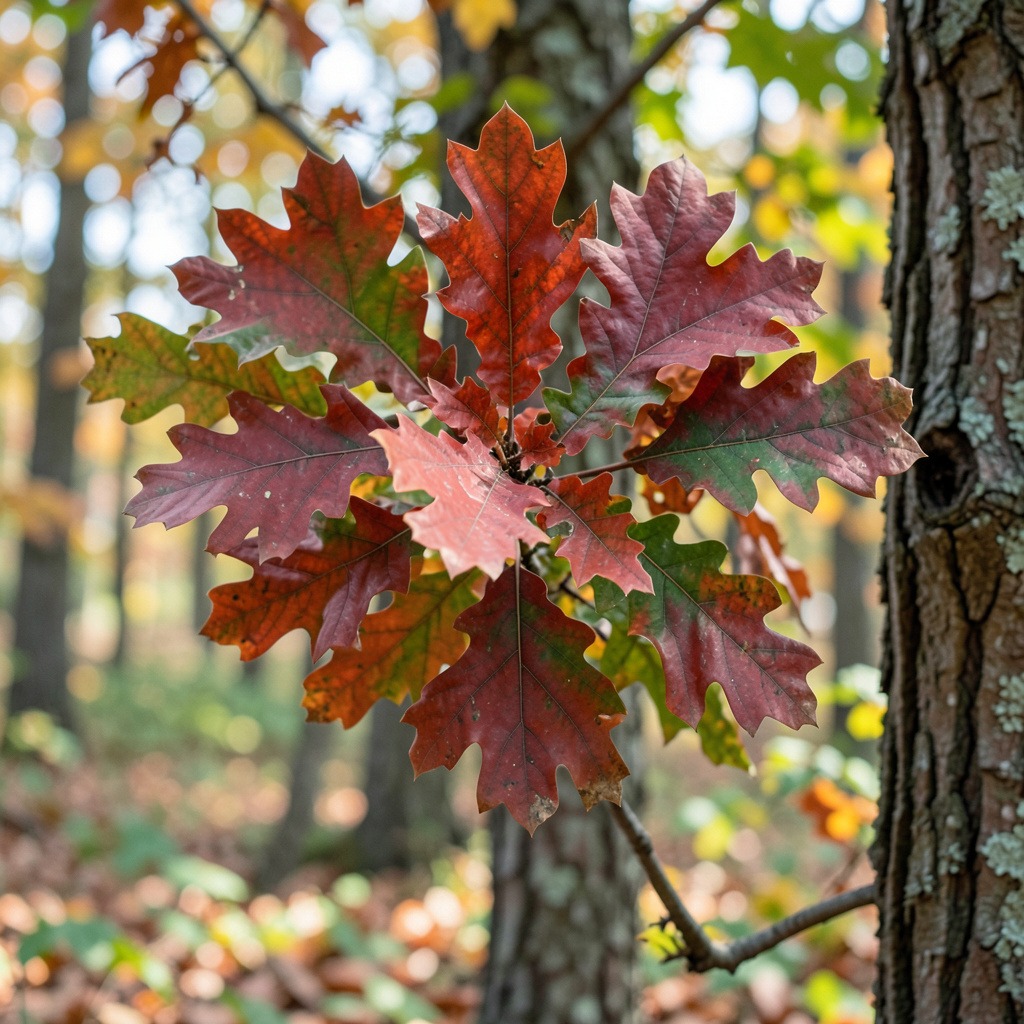
The northern red oak (Quercus rubra) thrives in specific growth conditions that significantly influence its lifespan and overall health. Understanding these requirements can help ensure that these trees reach their full potential, often living up to 400 years.
Preferred Soil Types
Northern red oaks prefer well-drained, loamy soils that are slightly acidic. The ideal pH range is between 5.5 and 6.5. Here are some key characteristics of suitable soil:
- Texture: Loamy or sandy soils are best.
- Drainage: Avoid heavy clay or poorly drained soils, which can lead to root rot.
- Nutrient Content: Fertile soils with organic matter promote healthy growth.
Ideal Sunlight and Water Requirements
These trees require ample sunlight and consistent moisture to thrive.
- Sunlight: Northern red oaks need full sun, ideally receiving at least six hours of direct sunlight daily.
- Water: They prefer moderate watering. While they can tolerate some drought, consistent moisture during dry spells is crucial for young trees.
Growth Rate Insights
The growth rate of northern red oaks can vary significantly based on environmental conditions. On average, these trees grow 1 to 2 feet per year under optimal conditions. Factors influencing growth include:
- Climate: Warmer, humid climates often promote faster growth.
- Competition: Planting in open spaces with minimal competition enhances growth rates.
- Care: Regular monitoring for pests and diseases can prevent growth stunting.
Checklist for Optimal Growth Conditions
- Soil: Ensure soil is loamy and slightly acidic.
- Sunlight: Confirm exposure to at least six hours of direct sunlight.
- Watering: Maintain consistent moisture, particularly for young trees.
- Spacing: Plant in areas with sufficient space to minimize competition.
By adhering to these growth conditions, gardeners and land managers can significantly enhance the lifespan and vitality of northern red oaks, ensuring these majestic trees flourish for generations.
Ecological Importance of the Northern Red Oak

The northern red oak (Quercus rubra) plays a critical role in its ecosystem. It supports a diverse array of wildlife and contributes significantly to biodiversity. Understanding its ecological importance enhances our appreciation of its lifespan and overall health.
Habitat and Biodiversity
Northern red oaks thrive in well-drained, loamy soils and are often found in mixed forests. They prefer slightly acidic conditions and can grow in a variety of habitats, from upland forests to moist lowlands. This adaptability contributes to their longevity, with lifespans reaching up to 400 years under optimal conditions.
- Soil Preference: Loamy, slightly acidic soils support healthy growth.
- Sunlight Needs: These trees require at least six hours of direct sunlight daily.
- Moisture Levels: Consistent moisture is vital, especially for young trees.
Wildlife Supported by Acorns
The acorns of the northern red oak are a vital food source for numerous wildlife species. While they contain higher levels of tannins, making them less palatable than white oak acorns, their nutritional value remains significant.
- Wildlife Species:
- Deer: Feed on acorns and twigs during the winter.
- Squirrels: Utilize acorns for sustenance and as a food reserve.
- Birds: Many species, including wild turkeys, depend on acorns for survival.
The acorns contribute to the food web, supporting not only herbivores but also predators that rely on these animals.
Role in Forest Ecosystems
Northern red oaks enhance forest structure and function. They provide habitat and resources that foster a diverse community of plants and animals.
- Shade: They create a canopy that regulates undergrowth conditions, promoting plant diversity.
- Soil Enrichment: Fallen leaves decompose to enrich the soil, supporting other plant life.
- Carbon Sequestration: Their large biomass contributes to carbon storage, mitigating climate change impacts.
By understanding these relationships, land managers can make informed decisions to promote the health of northern red oaks, thereby extending their lifespan and ecological contributions.
Common Pests and Diseases Affecting Northern Red Oak
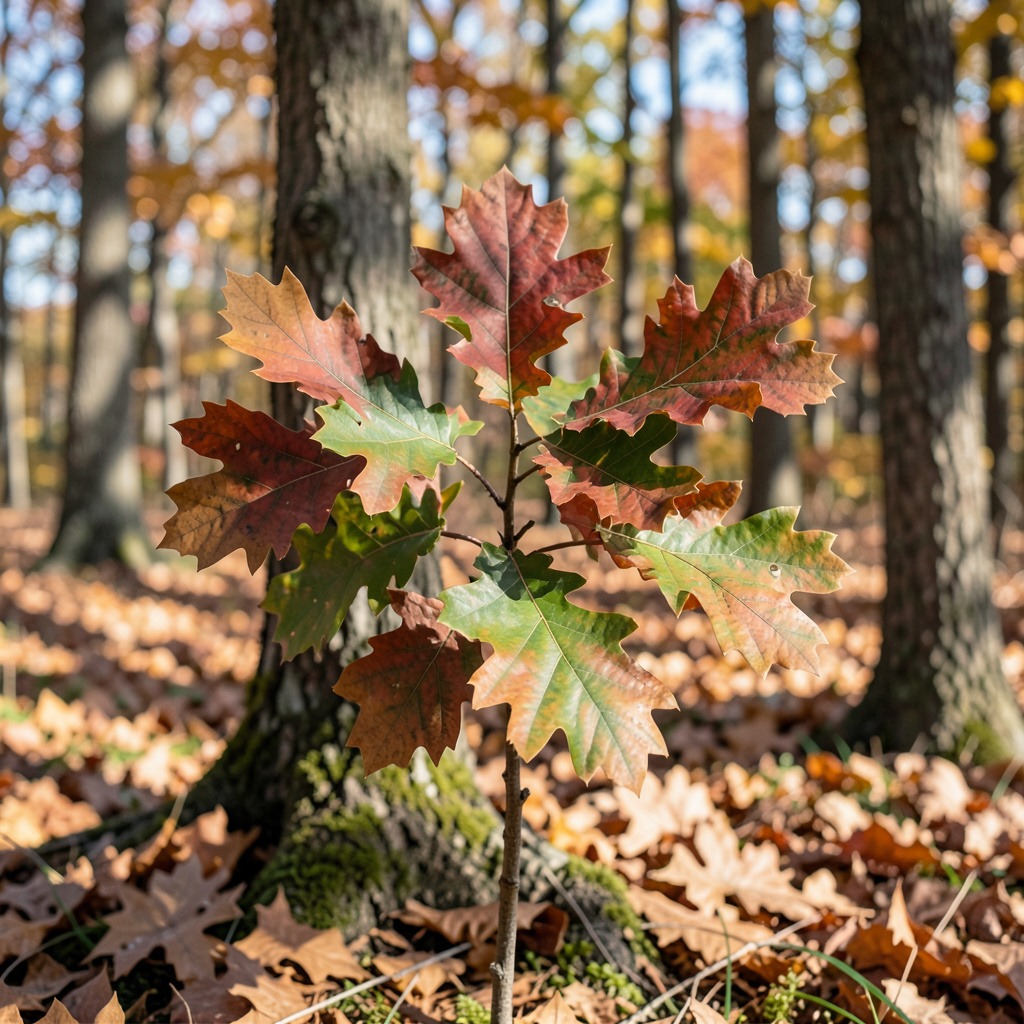
Northern red oaks are susceptible to various pests and diseases that can significantly impact their health and longevity. Understanding these threats is crucial for promoting their lifespan and maintaining their ecological role.
Common Pests and Their Effects
Several pests can affect northern red oaks, leading to reduced growth and vitality. Key pests include:
- Leafhoppers: These insects feed on leaf sap, causing yellowing and curling of leaves. Severe infestations can weaken the tree.
- Caterpillars: Various species may defoliate the tree, impacting photosynthesis and overall health.
Diseases to Watch For
Northern red oaks face several diseases that can compromise their lifespan. Notable diseases include:
- Oak Wilt: A fungal disease that causes leaf wilting and premature leaf drop. It can spread rapidly and is often fatal if untreated.
- Powdery Mildew: This fungal infection appears as a white coating on leaves, leading to reduced photosynthetic efficiency.
| Disease | Symptoms | Treatment Options |
|---|---|---|
| Oak Wilt | Wilting leaves, leaf drop | Pruning infected branches, fungicide treatment |
| Powdery Mildew | White powdery spots on leaves | Improve air circulation, fungicides |
Prevention and Treatment Strategies
To maintain the health of northern red oaks, consider the following strategies:
- Regular Monitoring: Inspect trees for early signs of pests and diseases.
- Proper Watering: Ensure adequate hydration, particularly during dry spells.
- Pruning: Remove dead or infected branches to prevent disease spread.
Implementing these strategies can enhance the lifespan of northern red oaks, ensuring they continue their vital role in the ecosystem.
Care Tips for Maintaining Healthy Northern Red Oak Trees
Caring for northern red oaks effectively can enhance their lifespan and ecological significance. Proper maintenance is crucial, especially in urban environments where conditions may differ from natural habitats.
Watering and Fertilization Guidelines
Northern red oaks require specific watering and fertilization practices to thrive.
- Establishment Phase: Water newly planted oaks deeply and regularly during the first few growing seasons. This helps establish a robust root system.
- Mature Trees: Once established, mature trees typically do not need supplemental watering unless under severe drought conditions.
- Fertilization: Apply a balanced fertilizer in early spring to support growth. Avoid over-fertilizing, as this can lead to nutrient imbalances.
Pruning Techniques for Longevity
Proper pruning can significantly extend the lifespan of northern red oaks.
- Timing: Prune during the dormant season, preferably late winter to early spring, to minimize stress on the tree.
- Technique: Remove dead or diseased branches and those that cross or rub against each other. Always cut at the branch collar to promote healing.
- Professional Advice: For larger trees, consider hiring an arborist. They can ensure that pruning is done correctly and safely.
Urban Planting Considerations
Planting northern red oaks in urban areas requires special considerations to ensure their health and longevity.
- Site Selection: Choose locations with ample sunlight and good soil drainage. Avoid areas with excessive pollution or compacted soil.
- Maintenance: Regularly check for pests and diseases, especially in urban settings where stress factors are higher.
- Case Study: In Chicago, a community implemented a program to plant northern red oaks along streets. They provided deep watering techniques and mulching to retain moisture, resulting in healthy trees that thrive in the urban heat.
By following these care tips, gardeners can ensure that their northern red oaks not only survive but flourish, contributing to the urban ecosystem for generations.
Comparing Northern Red Oak to Other Oak Species
The northern red oak (Quercus rubra) stands out among oak species for its lifespan, growth characteristics, and ecological contributions. Below, we compare it with southern red oak (Quercus falcata) and white oak (Quercus alba) to provide a clearer understanding of their differences.
Lifespan Comparisons
- Northern Red Oak: Can live up to 400 years under optimal conditions.
- Southern Red Oak: Typically has a shorter lifespan, ranging from 50 to 200 years.
- White Oak: Known for longevity, it can live between 200 to 600 years, often outliving other oak species.
Growth Rate Differences
- Northern Red Oak: Grows rapidly, especially in its early years, reaching heights of 60 to 75 feet. It can achieve a diameter of 2 to 3 feet in about 20 to 30 years.
- Southern Red Oak: Grows moderately fast, reaching similar heights but may take longer to achieve full maturity.
- White Oak: Grows slowly compared to the others, taking decades to reach its full potential size and girth.
Ecological Roles of Different Oaks
| Oak Species | Ecological Contribution | Habitat Preferences |
|---|---|---|
| Northern Red Oak | Provides habitat for various wildlife, including deer and birds. Its acorns are a vital food source. | Prefers well-drained, acidic soils and full sun. |
| Southern Red Oak | Offers food and shelter but has less wildlife appeal than northern red oak. | Thrives in a range of soil types, often in mixed hardwood forests. |
| White Oak | Supports numerous species due to its sweet acorns, which attract more wildlife. | Prefers deep, fertile soils often found in upland areas. |
In urban settings, the northern red oak’s rapid growth and substantial ecological benefits make it a preferred choice for landscaping. Meanwhile, understanding the differences in lifespan and growth can aid in selecting the right oak for specific environments. For example, if long-term shade and habitat are desired, the northern red oak may be the best option, especially in areas with suitable soil and light conditions.
Frequently Asked Questions
These quick answers cover the most common questions about this topic, including key details, practical tips, and common concerns.
What are the downsides of having a red oak tree?
While northern red oaks are resilient, they do have some downsides. They can be susceptible to pests like leafhoppers and caterpillars, which may weaken the tree. Additionally, oak wilt is a serious disease that can spread quickly and be fatal if not managed.
In urban settings, their large size can also be a concern. Roots may damage sidewalks or foundations, and their dense canopy can block sunlight to nearby plants. Regular maintenance and monitoring can help mitigate these issues.
How big is a 10-year-old oak tree?
A 10-year-old northern red oak typically reaches heights of 10 to 20 feet, depending on the growing conditions. Under optimal circumstances, they can grow about 1 to 2 feet per year. Their trunk diameter may range from 4 to 8 inches at this age.
Proper care, including adequate sunlight and moisture, can enhance growth rates, allowing these trees to flourish as they mature.
Why are my red oaks dying?
If your northern red oaks are showing signs of decline, several factors could be at play. Common issues include oak wilt, which causes wilting and premature leaf drop, and environmental stress from drought or poor soil conditions.
Inspect the tree for pests or signs of disease, such as discolored leaves or unusual growth patterns. Addressing these issues promptly can help improve the health of your trees.
How far should I plant a red oak tree from my house?
When planting a northern red oak, it’s advisable to space it at least 20 to 30 feet away from your house. This distance helps prevent potential damage from roots and falling branches as the tree matures.
Consider other structures and plants nearby as well, ensuring the oak has enough room to grow without competition for sunlight or nutrients.
What can be done to improve the longevity of a red oak tree?
To enhance the lifespan of your northern red oak, focus on proper planting and care. Choose a location with well-drained, slightly acidic soil and ensure it receives full sunlight for at least six hours a day.
Regularly monitor for pests and diseases, and prune dead or diseased branches to promote healthy growth. Providing adequate water, especially during dry spells, is crucial for young trees.
What is the average lifespan of a northern red oak?
The average lifespan of a northern red oak is typically between 200 to 300 years. However, under ideal conditions, some trees can live up to 400 years.
Factors such as soil quality, water availability, and environmental stressors play significant roles in determining their longevity. Proper care and monitoring can help maximize their lifespan.
Are you noticing any damage or symptoms?
If you notice yellowing leaves, wilting, or premature leaf drop, these may be signs of distress in your northern red oak. Look for pests, such as leafhoppers or signs of oak wilt, which can severely impact tree health.
Regular inspections can help you catch these issues early, allowing for timely intervention to protect your tree’s health.