
To successfully plant Northern Red Oak trees, choose a well-draining site with at least 6 hours of sunlight, and plant acorns 1-2 inches deep or saplings with sufficient spacing for growth.
Table of Contents
Northern Red Oak (Quercus rubra) is a majestic tree known for its stunning autumn color and ecological benefits. This guide covers essential techniques for planting and caring for these beautiful trees to ensure successful growth and longevity.
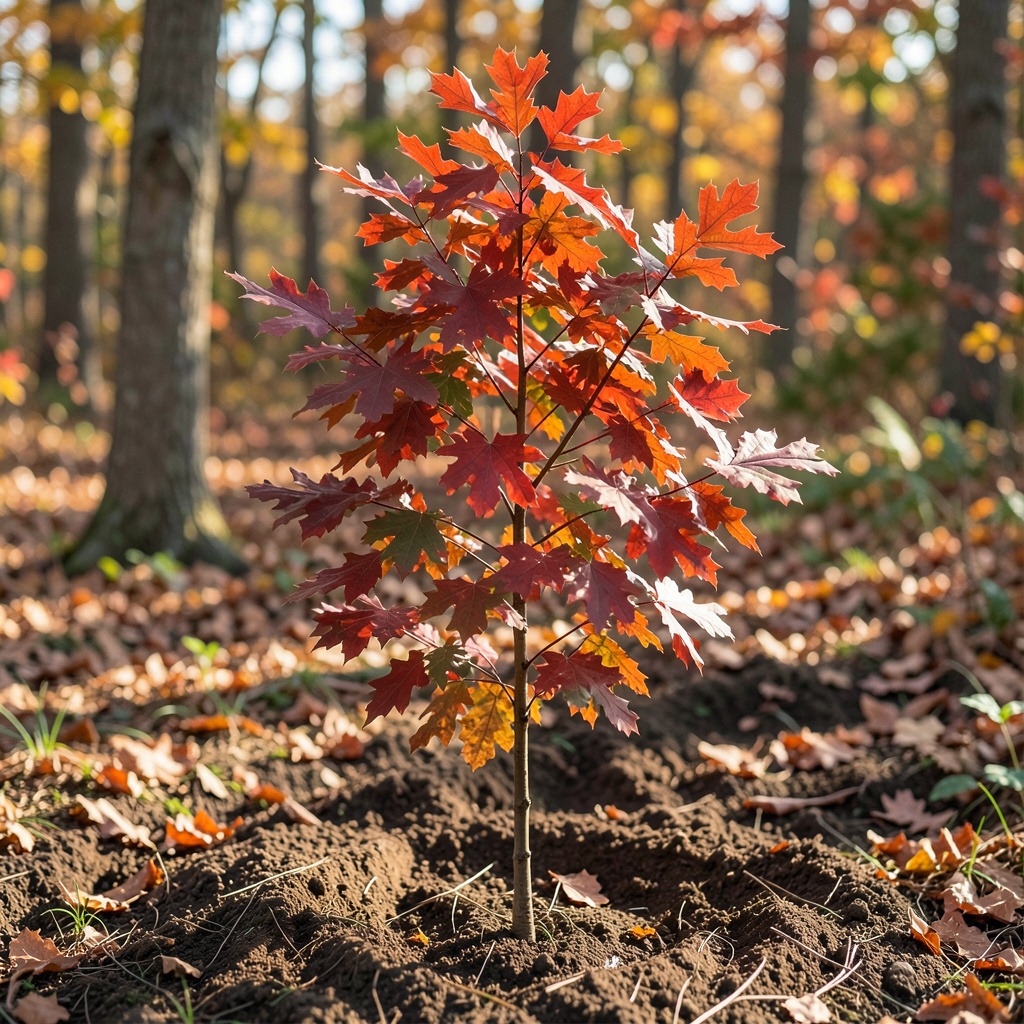
Understanding Northern Red Oak: Characteristics and Benefits
Northern Red Oak (Quercus rubra) is a versatile tree that offers significant ecological benefits while enhancing the beauty of landscapes. Understanding its unique characteristics is crucial for successful planting and care.
Key Features of Northern Red Oak
- Growth Habit: Northern Red Oaks can reach heights of 60 to 75 feet with a spread of 45 to 60 feet. They develop a broad, rounded crown and a strong trunk.
- Foliage: The tree features alternate, lobed leaves that turn a brilliant red in autumn, making it visually striking.
- Acorn Production: Acorns mature in about 18 months and serve as a vital food source for wildlife, including birds and mammals.
- Sunlight Requirements: These trees thrive in full sun, requiring at least six hours of direct sunlight daily for optimal growth.
Ecological Benefits of Planting Northern Red Oak
Planting Northern Red Oaks contributes positively to local ecosystems. They provide:
- Habitat: The tree supports various species, serving as a nesting site for birds and shelter for small mammals.
- Soil Improvement: Their root systems enhance soil structure and promote nutrient cycling, benefiting surrounding flora.
- Carbon Sequestration: As a large deciduous tree, Northern Red Oak captures carbon dioxide, helping mitigate climate change.
Case Study Example: In a suburban community, the introduction of Northern Red Oaks in parks led to an increase in local bird populations and improved soil health. Residents reported a noticeable enhancement in biodiversity, demonstrating the tree’s ecological importance.
Care and Maintenance Considerations
To ensure successful growth and longevity, consider these care tips:
- Soil Type: Northern Red Oaks are adaptable to various soil types, including loamy, sandy, and clay soils. Ensure proper drainage to prevent root rot.
- Watering: While established trees require minimal supplemental watering, young trees benefit from deep watering, especially in dry spells.
- Fertilization: Use a balanced fertilizer, such as 12-4-8, to support young saplings in their early growth stages.
By understanding these characteristics and ecological benefits, you can make informed decisions when planting and caring for Northern Red Oak trees.
Ideal Conditions for Planting Northern Red Oak
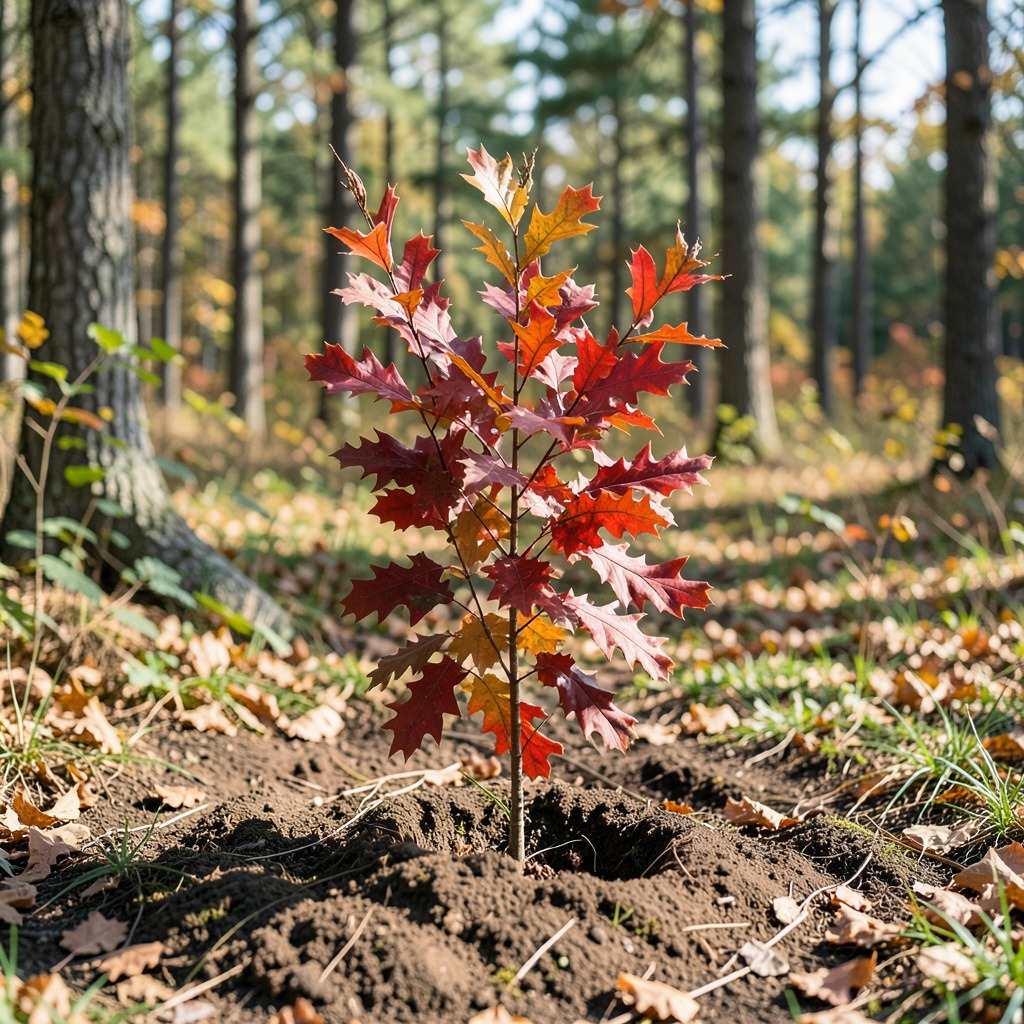
Successful planting of Northern Red Oak (Quercus rubra) requires careful attention to sunlight, soil type, and moisture levels. Ensuring these conditions are met will promote healthy growth and establishment.
Sunlight Requirements
Northern Red Oaks thrive best in full sun. They require a minimum of six hours of direct sunlight each day. Insufficient light can hinder their growth and overall health. Here are key points to remember:
- Optimal Sunlight: Aim for full sun exposure.
- Shade Tolerance: While they can tolerate partial shade, growth may be stunted.
Soil Preparation and Drainage
Soil quality is crucial for the success of your Northern Red Oak. They adapt to various soil types, but proper preparation is necessary for optimal growth.
Soil Types Suitable for Northern Red Oak
| Soil Type | Characteristics | Suitability |
|---|---|---|
| Clay | Heavy, retains moisture | Good with drainage amendments |
| Loamy | Balanced moisture and nutrients | Ideal for growth |
| Sandy | Drains quickly, may require additives | Acceptable with moisture retention strategies |
| Acidic | pH below 6.0 | Suitable, but monitor nutrient levels |
Checklist for Soil Preparation:
- Test soil pH; aim for 6.0 to 7.0 for optimal nutrient uptake.
- Amend heavy clay soils with sand or gypsum to improve drainage.
- Incorporate organic matter, such as compost, to enhance soil fertility.
- Ensure the planting site is well-drained to prevent root rot.
Moisture Levels
Moisture is critical during the establishment phase. While established Northern Red Oaks require little supplemental water, young saplings need consistent moisture.
- Initial Watering: Water thoroughly after planting to settle the soil around the roots.
- Ongoing Care: Monitor moisture levels for the first few months. Ensure the soil remains moist but not waterlogged.
By understanding and implementing these conditions, you can significantly increase the chances of a successful planting and healthy growth for your Northern Red Oak trees.
Step-by-Step Guide to Planting Northern Red Oak
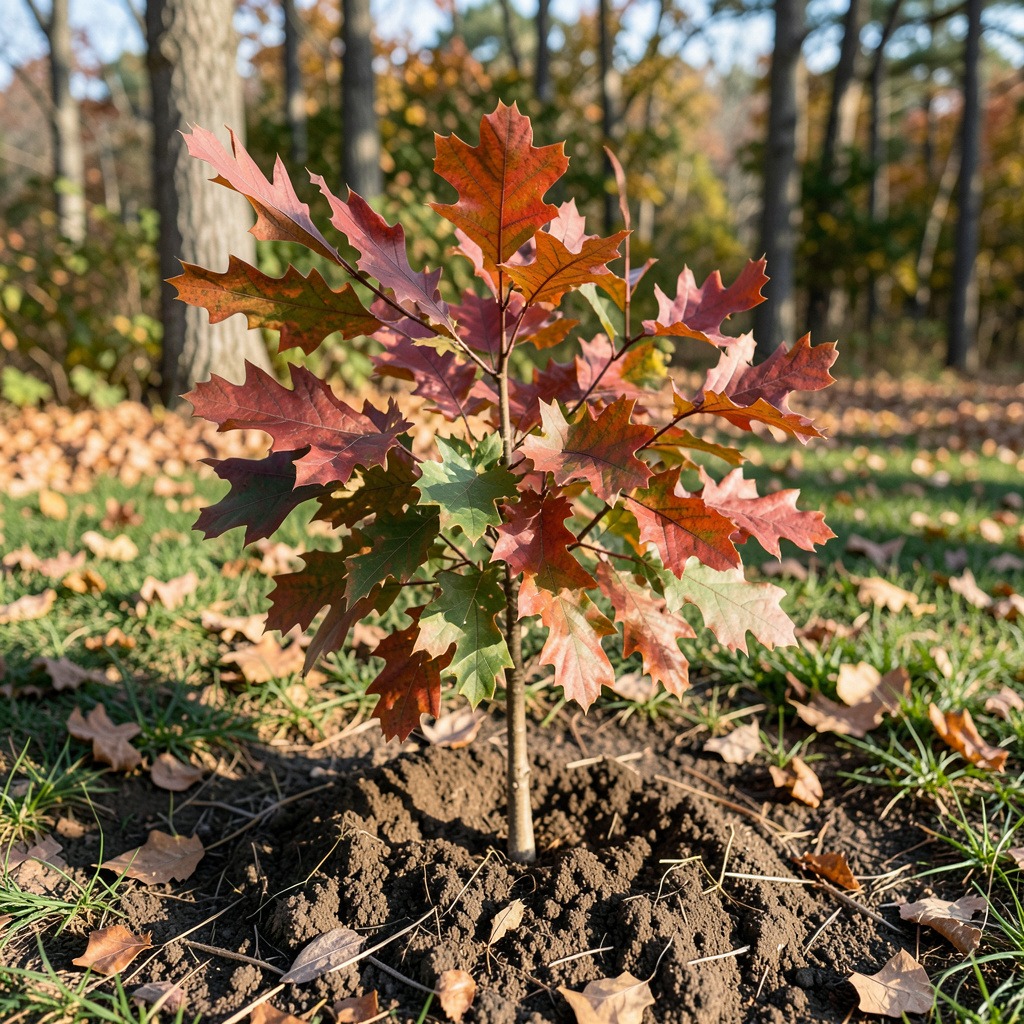
Planting a Northern Red Oak can provide shade and habitat for generations to come. Here’s a detailed guide to help you successfully plant and establish these majestic trees, whether you’re starting from acorns or saplings.
Planting from Acorns
1. Collect Acorns: Harvest acorns in the fall. Choose healthy, undamaged nuts.
2. Stratification: Place acorns in a damp paper towel. Seal in a plastic bag and refrigerate for at least 60 days. This cold stratification mimics winter conditions.
3. Prepare the Soil: Choose a well-drained location with full sun. Amend the soil with compost to enhance fertility.
4. Planting Depth: Once stratification is complete, plant the acorns 1-2 inches deep. Ensure they are spaced about 6-8 feet apart to allow room for growth.
5. Watering: Water thoroughly after planting to settle the soil. Keep the soil consistently moist until germination occurs, usually in spring.
Planting Saplings
1. Select a Sapling: Choose a healthy Northern Red Oak sapling. Look for a straight trunk and a robust root system.
2. Digging the Hole: Dig a hole twice as wide and the same depth as the root ball. This allows roots to spread easily.
3. Position the Sapling: Place the sapling in the center of the hole. The root collar should be level with the surrounding soil.
4. Backfill the Hole: Fill the hole with a mixture of native soil and compost. Avoid packing the soil too tightly, which can hinder root growth.
5. Water Generously: After planting, water the sapling thoroughly. Continue to monitor moisture levels, ensuring the soil stays moist but not waterlogged for the first few months.
Additional Considerations
- Spacing: Ideally, space saplings 30-40 feet apart to allow for mature growth. This helps avoid competition for resources.
- Mulching: Apply a layer of mulch around the base of the sapling to retain moisture and regulate soil temperature.
- Environmental Factors: Be mindful of your local climate. In dry areas, you may need to provide more frequent watering until the sapling is established.
By following these steps, you can effectively plant and nurture Northern Red Oaks, contributing to a healthier environment and creating a beautiful landscape for years to come.
Caring for Your Northern Red Oak Post-Planting
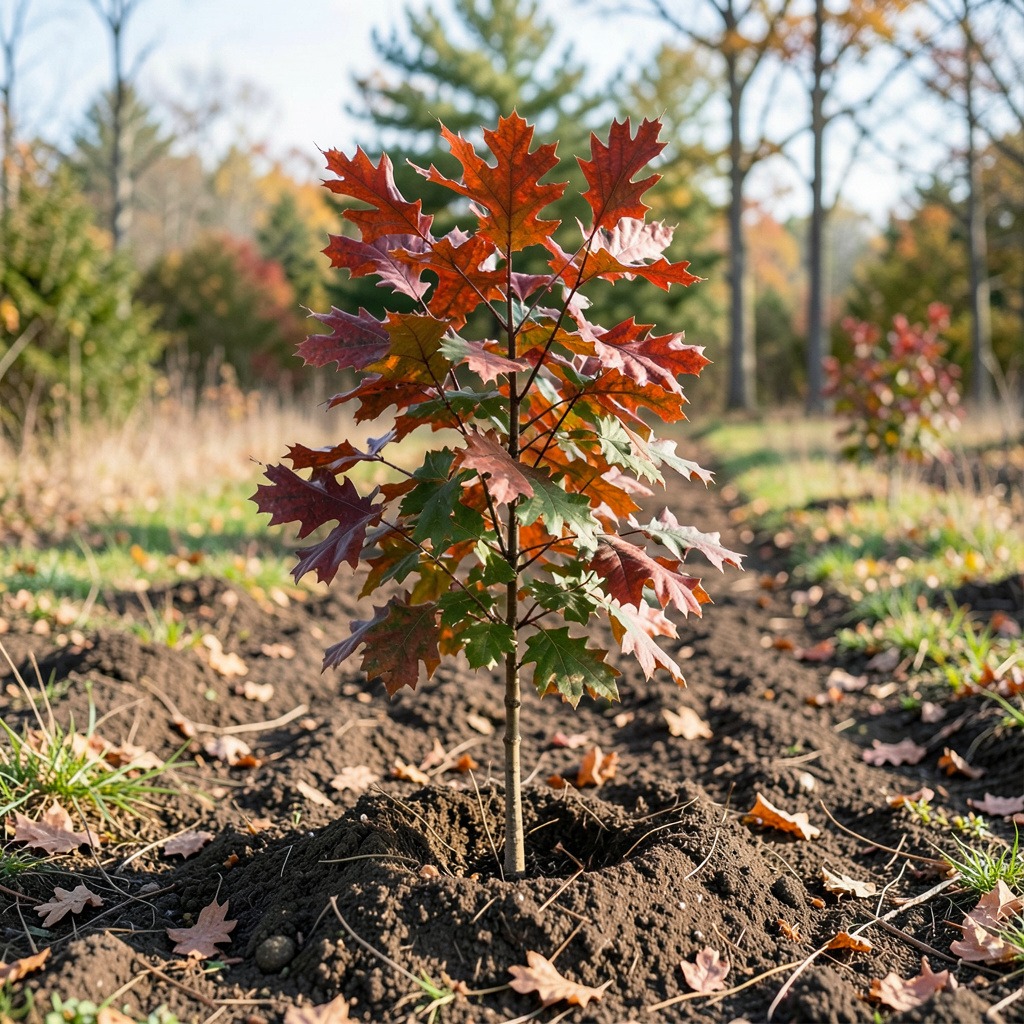
After planting your Northern Red Oak, ongoing care is essential to ensure healthy growth and longevity. Focus on proper watering, fertilization, and protection from pests to nurture your sapling effectively.
Watering Schedule and Techniques
Watering is crucial, especially during the establishment phase. Here are key points to consider:
- Initial Watering: Water thoroughly immediately after planting to settle the soil around the roots.
- Routine Watering: For the first few years, provide deep watering every 1-2 weeks during dry spells. Adjust frequency based on local rainfall.
- Moisture Check: Monitor soil moisture by checking the top 2 inches. If it’s dry, it’s time to water.
- Drought Conditions: In prolonged dry periods, increase watering frequency. Young trees are particularly vulnerable to drought stress.
Fertilization Needs
Fertilization supports your Northern Red Oak’s early growth. Follow these guidelines:
- Initial Fertilization: Apply a slow-release fertilizer with a balanced NPK ratio (e.g., 12-4-8) in early spring. This encourages root development.
- Annual Feeding: Continue to fertilize annually for the first few years. Follow the manufacturer’s instructions for application rates.
- Soil Testing: Conduct soil tests to determine nutrient levels and adjust fertilization practices accordingly.
Protection from Pests
Young Northern Red Oaks may face pest threats. Implement these strategies:
- Monitor for Pests: Regularly check for signs of pests such as aphids or oak wilt. Early detection is key.
- Natural Predators: Encourage beneficial insects that prey on pests. Ladybugs and lacewings can help control aphid populations.
- Physical Barriers: Use tree wraps or netting to protect young saplings from browsing animals like deer or rabbits.
Checklist for Ongoing Care
- Watering: Deep water every 1-2 weeks in dry conditions.
- Fertilization: Apply balanced fertilizer annually for the first few years.
- Pest Monitoring: Check for pests weekly; take action if needed.
By following these care guidelines, you can foster a thriving Northern Red Oak that contributes to your landscape for generations.
Common Issues in Northern Red Oak Planting and Care
Northern Red Oaks (Quercus rubra) can face several challenges during planting and maintenance. Understanding these issues helps ensure successful growth and long-term health.
Common Pests and Diseases
Pests and diseases can threaten the vitality of your Northern Red Oak. Here are some common threats:
- Oak Wilt: This fungal disease can spread rapidly through root systems. Early detection is crucial. Symptoms include wilting leaves and browning around the edges.
- Aphids: These small insects suck sap from leaves, weakening the tree. Look for sticky residue on leaves or a curling appearance.
- Bacterial Leaf Scorch: This condition causes leaf edges to turn brown and die back. It often results from environmental stressors.
Pest Management Strategies
When it comes to managing pests, consider these approaches:
| Strategy | Northern Red Oak | Other Oak Species |
|---|---|---|
| Natural Predators | Encourage ladybugs and lacewings to control aphids. | Similar benefits apply to other oak species, fostering a balanced ecosystem. |
| Physical Barriers | Use tree wraps to protect young saplings from deer. | Other oaks also benefit from this protection against browsing. |
| Chemical Controls | Use insecticidal soap for severe aphid infestations. | Ensure compatibility with other oak varieties before application. |
Troubleshooting Growth Issues
Northern Red Oaks may exhibit growth problems due to several factors:
- Insufficient Sunlight: Aim for at least 6 hours of direct sunlight daily. Lack of light can stunt growth.
- Poor Soil Drainage: Ensure your planting site has well-draining soil. Standing water can lead to root rot.
- Watering Practices: Over- or under-watering can hinder growth. Deep water every 1-2 weeks in dry conditions.
Decision Rule for Planting Depth
For optimal root establishment, plant acorns about 1-2 inches deep. A deeper planting can hinder germination, while too shallow can expose them to pests.
By addressing these common issues effectively, you can support your Northern Red Oak in thriving within your landscape.
FAQs About Northern Red Oak Planting
Understanding the specific needs of Northern Red Oak trees will enhance your planting and care efforts. Below are frequently asked questions that provide clarity on this process.
What is the ideal soil type for Northern Red Oak trees?
Northern Red Oaks are versatile and can thrive in various soil types. They prefer:
- Well-drained soil: Essential to prevent root rot.
- Soil pH: They adapt well to acidic, loamy, or sandy soils.
- Moisture levels: Ensure the soil is consistently moist but not waterlogged.
How should I care for young Northern Red Oak trees?
Caring for young saplings is crucial for their establishment. Key practices include:
- Watering: Deep water every 1-2 weeks during dry spells for the first two years.
- Fertilization: Use a balanced NPK fertilizer like 12-4-8 or 12-6-6 to support growth during the early years.
- Mulching: Apply a layer of mulch to retain moisture and suppress weeds.
What are common issues when planting Northern Red Oak trees?
Being aware of potential challenges can improve your success rate. Common issues include:
- Improper planting depth: Plant acorns 1-2 inches deep. Too deep can inhibit germination, while too shallow may expose them to pests.
- Inadequate sunlight: Ensure they receive at least 6 hours of direct sunlight daily.
- Water management: Avoid both over and under-watering to support healthy growth.
Can Northern Red Oaks be planted in containers?
While Northern Red Oaks can be grown in containers temporarily, they are not suited for long-term container growth due to their eventual size and root system. If you must use a container:
- Choose a large pot: Ensure it allows for some growth in the early years.
- Plan for transplanting: Be prepared to move the tree to the ground within a few years to avoid root binding.
What benefits do Northern Red Oak trees provide to the environment?
Northern Red Oaks are ecologically beneficial. They:
- Support wildlife: Their acorns are a food source for various birds and mammals.
- Improve air quality: As large trees, they absorb significant amounts of CO2 and release oxygen.
- Enhance biodiversity: They provide habitat for numerous species, contributing to ecosystem health.
Frequently Asked Questions
These quick answers cover the most common questions about this topic, including key details, practical tips, and common concerns.
How far apart should Northern Red Oaks be planted?
Northern Red Oaks should be planted approximately 30-40 feet apart. This spacing allows enough room for their expansive canopy to develop and prevents competition for resources like sunlight and nutrients. For acorns, plant them 6-8 feet apart to ensure proper growth and establishment.
What not to plant under an oak tree?
When planting under a Northern Red Oak, avoid species that require full sun or have shallow root systems. These include many flowering plants and shrubs, which may struggle in the shade created by the oak. Additionally, avoid planting invasive species that could compete with the oak for resources.
How quickly do Northern Red Oaks grow?
Northern Red Oaks are considered fast-growing trees. They can gain about 2-3 feet in height per year under optimal conditions. Generally, you can expect them to reach maturity in 20-30 years, depending on factors like soil quality, sunlight, and water availability.
Where is the best place to plant a red oak tree?
The best place to plant a Northern Red Oak is in an area that receives full sun, with at least six hours of direct sunlight daily. Look for well-drained soil that is rich in organic matter. Avoid low-lying areas where water may collect, as this can lead to root rot.
What are common pests affecting Northern Red Oak?
Common pests that can affect Northern Red Oaks include aphids, which suck sap from leaves, and oak wilt, a fungal disease that can spread quickly. Regular monitoring for signs of these pests, such as wilting leaves or sticky residue, is essential for early intervention and management.
When is the best time to plant Northern Red Oak?
The ideal time to plant Northern Red Oak is in the fall or early spring. Planting in the fall allows the tree to establish roots before winter, while early spring planting gives it a head start on growth as the weather warms up. Avoid planting during extreme heat or drought conditions.
What are alternatives to Northern Red Oak for landscaping?
If you’re considering alternatives to Northern Red Oak, look into species like the White Oak (Quercus alba) or the Red Maple (Acer rubrum). Both provide similar aesthetic and ecological benefits, such as shade and wildlife habitat, while adapting well to various soil types and conditions.