
Common problems with Northern Red Oak include diseases like oak wilt and pests such as borers.
Table of Contents
The Northern Red Oak (Quercus rubra) is a popular tree known for its beauty and growth. However, it faces various problems that can affect its health. Understanding these issues and their solutions is crucial for successful tree care.
Understanding Northern Red Oak (Quercus rubra)
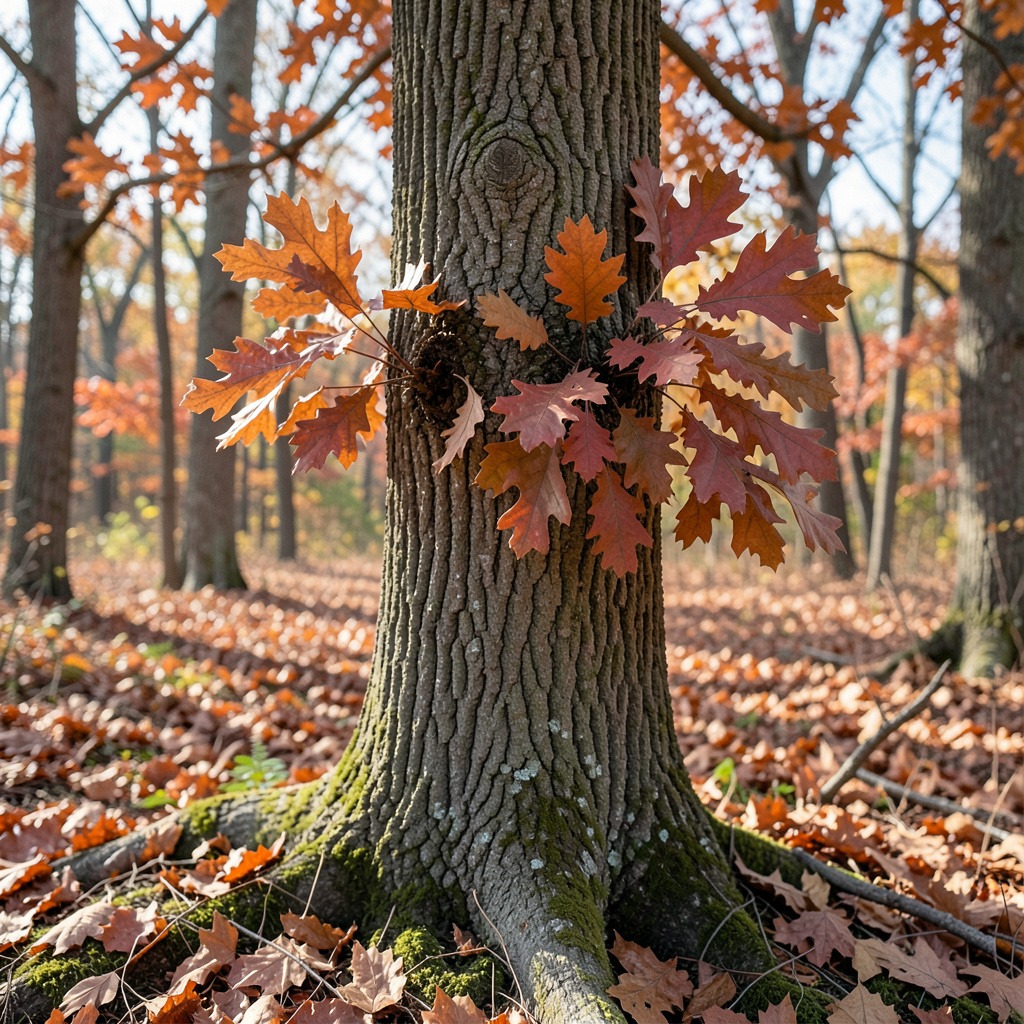
The Northern Red Oak is a prominent native tree in North America, valued not only for its beauty but also for its ecological contributions. Understanding its characteristics and care is essential to address common problems that may arise.
Characteristics of Quercus rubra
Quercus rubra, commonly known as the Northern Red Oak, can reach heights of 60 to 75 feet. It features a broad crown and distinctive lobed leaves that turn vibrant shades of red in the fall. This tree thrives in well-draining, acidic soils with a pH range of 4.5 to 6.5.
Key characteristics include:
- Growth Rate: Fast-growing, up to 3 feet per year under optimal conditions.
- Lifespan: Can live up to 300 years, making it a long-term investment in landscaping.
- Habitat: Prefers full sun but can tolerate partial shade, especially in its early years.
Ecological Importance
The Northern Red Oak plays a crucial role in local ecosystems. Its acorns are a significant food source for various wildlife, including squirrels, deer, and many bird species. Additionally, the tree provides essential habitat and shelter, contributing to biodiversity.
Benefits include:
- Soil Health: Its deep roots improve soil structure, enhancing water infiltration and preventing erosion.
- Carbon Sequestration: As a sizable tree, it absorbs carbon dioxide, helping to mitigate climate change.
- Aesthetic Value: The stunning fall foliage adds beauty to landscapes, making it a popular choice for both residential and commercial properties.
Understanding these attributes allows for better care and management, ensuring healthy growth and longevity. Regular monitoring for common issues such as oak wilt and pests is essential. For optimal tree health, consider using a Tree Health Care Kit to support your Northern Red Oak’s needs.
Common Diseases Affecting Northern Red Oak
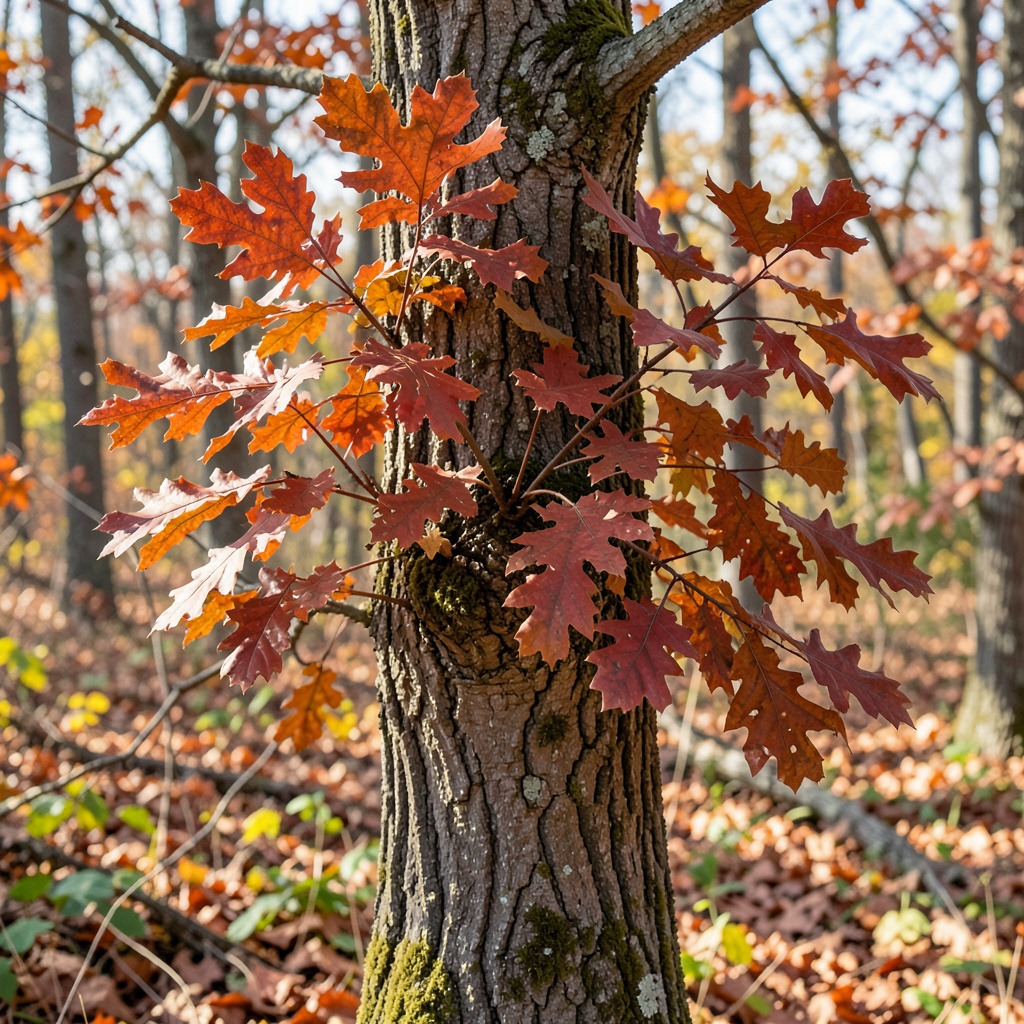
Northern Red Oak (Quercus rubra) faces several diseases that can impede its health and growth. Understanding these conditions, their symptoms, and management strategies is crucial for maintaining a thriving tree.
Oak Wilt: Identification and Treatment
Oak wilt is a serious fungal disease that affects Northern Red Oak. It disrupts the tree’s ability to transport water and nutrients, leading to rapid decline.
Symptoms:
- Wilting and browning of leaves, beginning at the top of the tree.
- Leaf drop in midsummer.
- Dark streaks in the wood under the bark.
Management Strategies:
- Avoid pruning during the growing season to prevent spore spread.
- Implement a protective treatment using fungicides in early spring.
- Remove infected trees promptly to minimize spread.
Leaf Blight: Symptoms and Management
Leaf blight, caused by fungal pathogens, affects the foliage of Northern Red Oak, diminishing its aesthetic appeal and overall health.
Symptoms:
- Dark, water-soaked spots on leaves.
- Premature leaf drop.
- Reduced photosynthesis due to leaf loss.
Management Strategies:
- Maintain proper sanitation by clearing fallen leaves and debris.
- Ensure adequate air circulation through proper spacing and pruning.
- Apply fungicides as needed, particularly during wet seasons.
Bacterial Leaf Scorch: Causes and Solutions
Bacterial leaf scorch is caused by bacterial infection and can lead to significant leaf damage.
Symptoms:
- Yellowing of leaf edges, progressing inward.
- Stunted growth and overall decline.
- Leaf drop in late summer or early fall.
Management Strategies:
- Regularly monitor soil moisture levels to avoid stress.
- Fertilize appropriately to strengthen tree health.
- Prune affected branches to improve air circulation.
Case Study: Effective Disease Management
In a local study, a community successfully managed oak wilt in their Northern Red Oaks by implementing a proactive monitoring system. They trained volunteers to inspect trees regularly for early signs of disease. This strategy allowed them to apply fungicides early and remove infected trees efficiently, resulting in a healthier urban forest.
Checklist for Monitoring Northern Red Oak Health
- Inspect leaves for discoloration or spots.
- Check for wilting or premature leaf drop.
- Monitor soil moisture and tree growth.
- Prune dead or diseased branches promptly.
By being vigilant and employing these management strategies, you can protect your Northern Red Oak from common diseases. For additional support, consider a Tree Health Care Kit to enhance your tree care efforts.
Pests that Harm Northern Red Oak
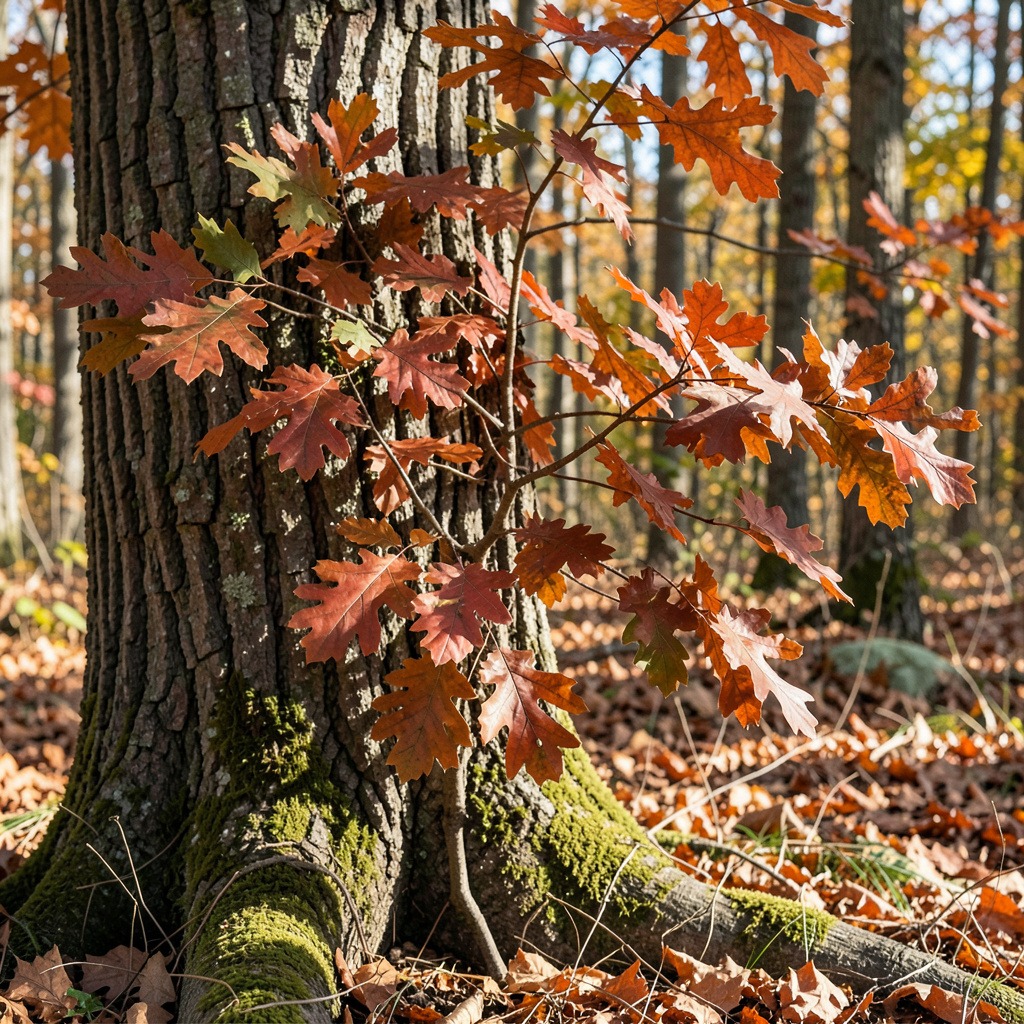
Northern Red Oaks (Quercus rubra) face various pest threats that can detrimentally affect their health. Understanding these pests, their signs, and control methods is crucial for maintaining a thriving tree.
Identifying Oak Borers
Oak borers are a significant threat to Northern Red Oaks. They are wood-boring insects that can weaken and ultimately kill a tree. Signs of an oak borer infestation include:
- Woodpecker Activity: Increased woodpecker activity often indicates the presence of borers.
- Boreholes: Small holes in the bark, typically less than 1/8 inch, are entry points for these pests.
- Frass: Sawdust-like material around the base of the tree or in the bark crevices indicates borer activity.
- Wilting or Browning Leaves: Affected trees may show signs of distress, such as wilting or premature leaf drop.
To manage oak borers:
1. Prune Affected Areas: Remove and destroy infested branches.
2. Use Insecticides: Apply targeted insecticides during the larval stage for effective control.
3. Promote Tree Health: Ensure adequate watering and nutrition to strengthen tree resilience.
Managing Infestations of Oak Processionary Moth
The Oak Processionary Moth poses a unique threat to Northern Red Oaks. This pest not only damages foliage but can also pose health risks to humans due to its irritating caterpillar hairs. Signs of infestation include:
- Silken Nests: Look for distinctive silken webs in the branches, particularly in late spring.
- Defoliation: Severe feeding can lead to significant leaf loss, affecting the tree’s vitality.
- Caterpillars: The presence of hairy caterpillars, often found in procession, is a clear indicator of this pest.
To manage Oak Processionary Moth infestations:
1. Manual Removal: Carefully remove nests before caterpillars emerge, using protective gear.
2. Insecticidal Treatments: Use appropriate insecticides during the caterpillar stage. Ensure treatments are applied correctly to minimize harm to beneficial insects.
3. Monitor Tree Health: Regularly inspect trees for signs of stress or damage and maintain proper care to bolster resistance.
Pest Management Checklist
- Inspect regularly for signs of pests.
- Keep an eye out for woodpecker activity and boreholes.
- Prune affected branches promptly.
- Use insecticides as needed but follow safe application guidelines.
- Maintain tree health with proper watering and nutrients.
By vigilantly monitoring for pests and employing these management strategies, you can protect your Northern Red Oak from significant damage. For comprehensive care, consider a Tree Health Care Kit to support your tree’s well-being.
Optimal Growing Conditions for Northern Red Oak
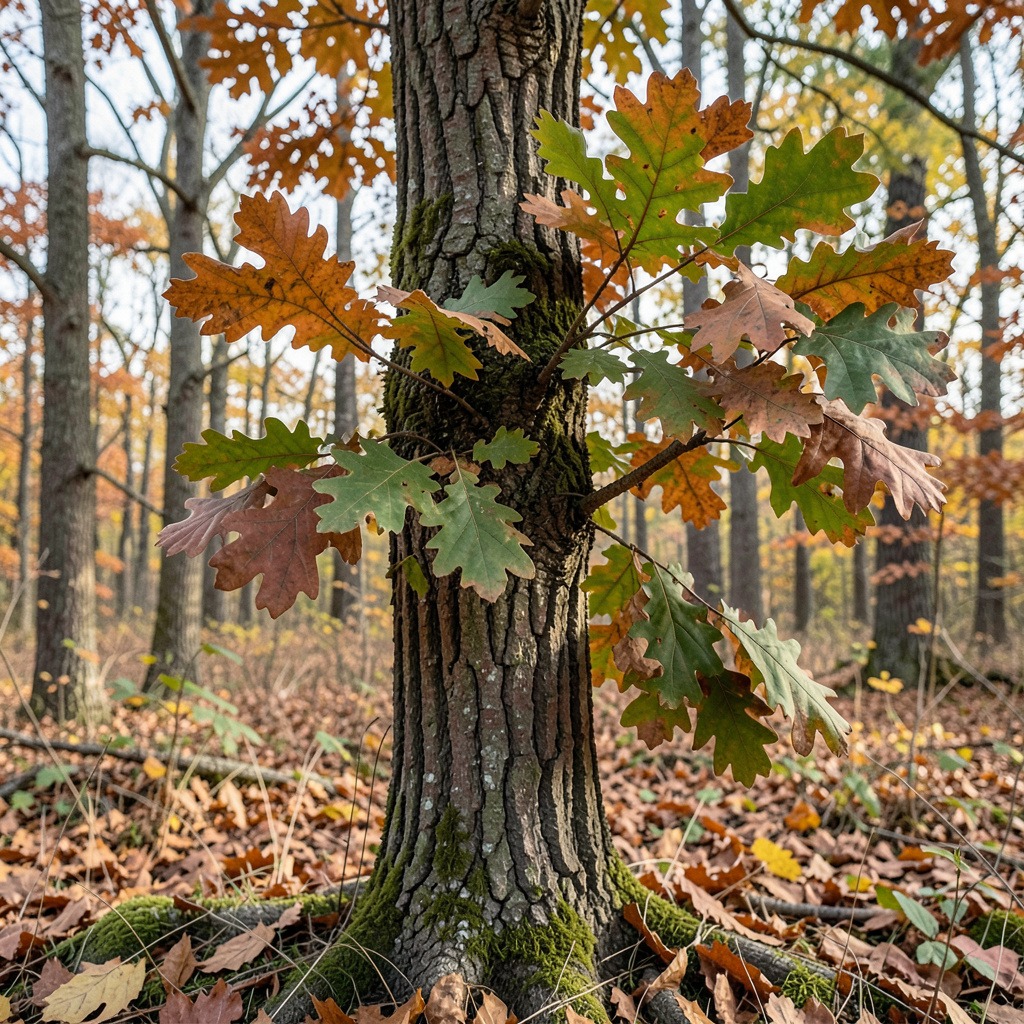
To ensure the health of the Northern Red Oak (Quercus rubra), it is crucial to provide the ideal conditions for planting and maintenance. Proper soil type, pH, light, and watering practices can significantly reduce health issues and promote robust growth.
Soil Type and pH Requirements
Northern Red Oaks thrive in well-draining, acidic to slightly acidic soils. The preferred soil pH ranges from 4.5 to 6.5. Here are key considerations:
- Soil Composition: Loamy or sandy-loam soils are optimal. They should retain moisture but drain well.
- pH Testing: Conduct a soil test before planting. Adjust pH using sulfur to lower it or lime to raise it if necessary.
- Soil Amendments: Avoid excessive amendments. Over-amending can inhibit root spread and lead to poor growth.
Light and Watering Needs
Proper light and watering are essential for young Northern Red Oaks:
- Light Requirements: These trees perform best in full sun, requiring at least 6 hours of direct sunlight daily. Partial shade is acceptable for young trees but may affect growth.
- Watering Schedule:
- Young Trees: Water deeply once a week for the first 2-3 years. Aim for 25-40 liters per session.
- Established Trees: They generally need less water but ensure they receive moisture during prolonged dry spells.
Step-by-Step Planting Guide
1. Choose the Right Time: Plant in late fall or early spring before bud break.
2. Dig the Hole: Make it twice as wide as the root ball but no deeper.
3. Planting Depth: Ensure the root collar is level with the soil surface.
4. Watering Post-Planting: Water thoroughly after planting. This helps eliminate air pockets.
By adhering to these guidelines, you can minimize the risk of common problems associated with Northern Red Oaks and promote their long-term health.
Signs of Distress in Northern Red Oak
Recognizing when a Northern Red Oak is in distress is vital for effective intervention. Symptoms can vary but typically manifest through visible changes in leaves, branches, and overall tree health.
Recognizing Wilting Leaves and Branch Dieback
Wilting leaves and branch dieback are primary indicators of distress in Northern Red Oaks.
- Wilting Leaves: Leaves may droop or curl, indicating insufficient water or root damage. This often occurs during hot, dry spells.
- Branch Dieback: If the tips of branches begin to die, it may signal serious underlying issues such as disease or pest infestations.
Understanding Leaf Spots and Other Symptoms
Leaf spots and discoloration often reflect specific diseases or environmental stressors.
- Leaf Spots: Dark or brown spots on leaves can indicate fungal infections like Oak Anthracnose.
- Yellowing Leaves (Chlorosis): If leaves turn yellow, the tree may lack essential nutrients or suffer from soil that is too alkaline.
- Premature Leaf Drop: If leaves fall early, it may signal stress from drought or pest damage.
Quick Reference Symptom Chart
| Symptom | Possible Cause |
|---|---|
| Wilting Leaves | Water deficiency, root damage |
| Branch Dieback | Disease, pest infestation |
| Leaf Spots | Fungal infections |
| Yellowing Leaves | Nutrient deficiency, alkaline soil |
| Premature Leaf Drop | Drought stress, pest damage |
Monitoring these symptoms can help in timely diagnosis and treatment, ensuring the health of your Northern Red Oak. Regular inspections will aid in understanding the tree’s needs and identifying potential problems early on.
Seasonal Care for Northern Red Oak
Maintaining the health of your Northern Red Oak (Quercus rubra) requires seasonal attention to care practices. Each season presents unique challenges and opportunities for promoting robust growth and preventing common problems.
Spring: Preparing for Growth
- Inspect for Damage: Check for winter damage, such as broken branches or signs of pests.
- Fertilization: Apply a balanced slow-release fertilizer in early April. Use about 500 grams per 2.5 centimeters of trunk diameter at the drip line to encourage growth.
- Watering: Ensure young trees receive consistent moisture; water deeply once a week if rainfall is insufficient.
Summer: Watering and Fertilizing
- Watering Needs: Established trees typically require minimal watering. However, during prolonged dry spells (over three weeks), water deeply at the drip line to encourage root expansion.
- Mulching: Apply a layer of organic mulch around the base to retain soil moisture and suppress weeds. This practice also helps regulate soil temperature.
- Pest Monitoring: Keep an eye out for pests such as the oak processionary moth. Report infestations to local authorities to manage them effectively.
Fall: Pruning and Leaf Care
- Pruning: Late fall is an ideal time for pruning. Remove dead or crossing branches to improve air circulation and reduce disease risk.
- Leaf Removal: Clear fallen leaves to prevent fungal diseases, such as leaf blight, from overwintering in leaf litter. Consider composting healthy leaves to enrich soil.
- Final Watering: Before the ground freezes, give your tree a final deep watering to ensure it enters dormancy well-hydrated.
Seasonal Maintenance Checklist
| Season | Action Item | Purpose |
|---|---|---|
| Spring | Inspect for damage | Early identification of issues |
| Fertilize | Boost growth | |
| Water young trees | Ensure establishment | |
| Summer | Deep watering during drought | Support root health |
| Apply mulch | Conserve moisture | |
| Monitor for pests | Prevent infestations | |
| Fall | Prune | Enhance air circulation and tree health |
| Remove leaves | Prevent disease spread | |
| Final deep watering | Prepare for winter |
By following these seasonal care practices, you can significantly reduce the likelihood of problems affecting your Northern Red Oak and promote its overall health and longevity.
Long-Term Health Strategies for Northern Red Oak
Maintaining the health of Northern Red Oak trees requires a proactive approach focused on regular monitoring and proper care. Implementing these strategies can help mitigate common problems and ensure long-term vitality.
Regular Monitoring for Health
Consistent observation is key to identifying issues early. Establish a routine for checking your Northern Red Oak for signs of distress.
- Inspect Leaves: Look for discoloration, spots, or premature leaf drop, which may indicate diseases like oak anthracnose or powdery mildew.
- Check for Pests: Monitor for signs of insect infestations, such as holes in leaves or the presence of sawdust around the base. Early detection of pests like oak borers can be crucial.
- Assess Growth Patterns: Note any stunted growth or irregular branch development, which could signal underlying health issues.
Nutrient Management and Soil Health
Healthy soil supports robust tree growth. Understanding and managing soil conditions are vital for the Northern Red Oak’s long-term health.
- Soil Testing: Conduct regular soil tests to determine pH and nutrient levels. Northern Red Oaks thrive in slightly acidic soil (pH 4.5 to 6.5). Adjust soil amendments based on test results.
- Fertilization: Apply a balanced, slow-release fertilizer during early spring for young trees. Mature trees typically require less fertilization if soil conditions are adequate.
- Mulching: Use organic mulch around the base to retain moisture, suppress weeds, and improve soil health over time. Keep mulch away from the trunk to prevent rot.
Checklist for Long-Term Care
Implement this checklist to guide your long-term care strategy for Northern Red Oak:
- Monthly Inspections: Regularly check for pests and diseases.
- Soil Testing: Annually assess soil health.
- Seasonal Fertilization: Apply fertilizer as needed in spring.
- Mulching: Maintain a 2-3 inch layer of mulch year-round.
- Watering Regimen: Ensure consistent moisture, especially in dry spells, to support young trees.
By following these long-term health strategies, you can significantly enhance the resilience of your Northern Red Oak and mitigate potential problems effectively.
Pros and Cons of Planting Northern Red Oak
The Northern Red Oak (Quercus rubra) is a popular choice for landscaping, valued for its rapid growth and striking autumn foliage. However, it is essential to consider both its advantages and challenges before planting.
Benefits of Northern Red Oak
1. Fast Growth Rate: The Northern Red Oak can grow up to 3 feet per year under optimal conditions, making it an excellent choice for those seeking quick shade.
2. Aesthetic Appeal: Its vibrant red and orange leaves in the fall provide significant visual interest, enhancing the beauty of any landscape.
3. Wildlife Support: The acorns produced by Northern Red Oaks are a vital food source for many species, including birds and mammals, contributing to local biodiversity.
4. Soil Improvement: As the tree matures, its leaf litter enriches the soil, promoting healthier growth in surrounding plants.
Challenges and Risks
1. Disease Susceptibility: Northern Red Oaks are prone to several diseases, particularly oak wilt, which can be fatal. Implementing preventative measures such as avoiding pruning during the growing season is critical.
2. Pest Threats: Pests like the oak processionary moth can defoliate trees and pose health risks to humans. Regular inspections and prompt action are essential for managing infestations.
3. Maintenance Requirements: These trees need consistent moisture during the establishment phase and may require fertilization and mulching to thrive. Neglecting these needs can lead to poor health and reduced growth.
Decision Factors
When considering planting a Northern Red Oak, evaluate the following:
- Space Availability: Ensure you have enough room for the tree to grow, as it can reach heights of 60 to 80 feet.
- Local Climate: Assess if your local climate supports the health of Northern Red Oaks, particularly regarding winter temperatures and humidity levels.
- Long-term Care Commitment: Be prepared for ongoing maintenance, including pest management and soil health monitoring.
By weighing these pros and cons, you can make an informed decision about incorporating Northern Red Oak into your landscape, ultimately enhancing both its beauty and ecological value.
Comparing Northern Red Oak with Other Oak Species
Understanding how Northern Red Oak (Quercus rubra) compares to other oak species is crucial for effective tree care. Each species faces unique health issues and maintenance requirements, which can significantly impact their longevity and appearance.
Red Oak vs. White Oak
Both Northern Red Oak and White Oak (Quercus alba) are prominent in North America, but they differ in several key aspects:
| Feature | Northern Red Oak (Quercus rubra) | White Oak (Quercus alba) |
|---|---|---|
| Growth Rate | Fast (up to 3 feet/year) | Moderate (1-2 feet/year) |
| Disease Susceptibility | High (especially to oak wilt) | Lower; more resistant to pathogens |
| Acorn Production | Larger acorns, preferred by wildlife | Smaller acorns, but more palatable |
| Soil Preference | Prefers acidic soils | Tolerates a wider pH range |
| Maintenance Needs | Regular pruning required | Less frequent maintenance needed |
Other Common Oak Species
In addition to Red and White Oaks, several other oak species share similar habitats but pose varied challenges:
- Pin Oak (Quercus palustris): Susceptible to chlorosis in alkaline soils. Requires frequent monitoring and care.
- Live Oak (Quercus virginiana): More drought-resistant but prone to fungal issues like powdery mildew in humid conditions.
- Bur Oak (Quercus macrocarpa): Generally hardy; however, it can suffer from galls and insects.
Key Maintenance Strategies
- Regular Inspections: Conduct routine checks for signs of distress such as yellowing leaves or unusual growths.
- Soil Testing: Test soil pH and amend as necessary to maintain optimal conditions for each species.
- Pruning Schedule: For Red Oaks, prune during dormant seasons to minimize disease risk. For White Oaks, avoid pruning in spring to prevent oak wilt.
By understanding these differences, you can better prepare for the specific problems associated with Northern Red Oak and other oak species. Tailoring your care approach based on the species will enhance not only their health but also your landscape’s overall vitality.
Alternatives to Northern Red Oak for Landscaping
If you’re considering alternatives to the Northern Red Oak (Quercus rubra) for your landscape, several tree species can offer similar benefits, including rapid growth and aesthetic appeal. Below are some viable options, along with their pros and cons.
Suitable Tree Alternatives
1. Sugar Maple (Acer saccharum)
- Pros:
- Attractive fall foliage with vibrant colors.
- Provides dense shade due to its broad canopy.
- Tolerates a range of soil types, thriving in well-drained loam.
- Cons:
- Slower growth rate compared to Red Oak.
- Susceptible to pests like the Asian Longhorned Beetle.
2. Black Oak (Quercus velutina)
- Pros:
- Similar growth habits and ecological benefits.
- Supports local wildlife by providing acorns.
- Adaptable to various soil conditions.
- Cons:
- Prone to oak wilt and other fungal diseases.
- Can be less visually striking than Red Oak.
3. White Oak (Quercus alba)
- Pros:
- Excellent for wildlife, providing acorns and habitat.
- More resistant to certain diseases than Red Oak.
- Beautiful, rounded crown and vibrant fall colors.
- Cons:
- Slower growth rate.
- Requires more space for optimal development.
Comparing Benefits and Drawbacks
| Tree Species | Growth Rate | Aesthetic Appeal | Disease Resistance | Wildlife Support |
|---|---|---|---|---|
| Northern Red Oak | Fast (up to 3 ft/year) | High (vibrant fall colors) | Moderate (susceptible to oak wilt) | Excellent (acorns) |
| Sugar Maple | Moderate (1-2 ft/year) | High (brilliant fall foliage) | Moderate (pest issues) | Good (some acorns) |
| Black Oak | Moderate (2-3 ft/year) | Moderate (less vibrant) | Low (high disease susceptibility) | Excellent (acorns) |
| White Oak | Slow (1-2 ft/year) | High (rounded crown) | High (better resistance) | Excellent (acorns) |
When selecting an alternative, consider your local climate, soil conditions, and the specific benefits you seek. Each tree species has unique characteristics that can complement your landscape while mitigating the potential issues associated with Northern Red Oak.
Conclusion: Ensuring the Health of Your Northern Red Oak
Maintaining the health of your Northern Red Oak (Quercus rubra) is essential for its longevity and vitality. By understanding common problems and implementing effective care strategies, you can protect this valuable tree.
Key Common Diseases
- Oak Wilt: A serious fungal disease that causes rapid wilting and browning of leaves. Preventive measures include avoiding pruning during the growing season.
- Powdery Mildew: Appears as white patches on leaves in humid conditions. While generally not harmful, it can be unsightly.
- Oak Anthracnose: Characterized by dark spots on leaves, it can weaken the tree over time but is manageable with proper care.
Proactive Pest Management
- Bark Beetles: Monitor for signs of infestation, such as frass (sawdust) near the base. Regular checks can help catch problems early.
- Galls: Caused by specific insects, these may not harm the tree significantly but can indicate underlying health issues. Consider consulting an expert if galls appear excessively.
Optimal Growing Conditions
- Soil pH: Aim for a pH between 4.5 and 6.5 to ensure nutrient availability.
- Watering: Newly planted trees need consistent moisture. Water deeply once a week, targeting the drip line to encourage healthy root development.
- Sunlight: Ensure your tree receives at least six hours of direct sunlight daily for optimal growth.
Maintenance Tips for Healthy Trees
- Regular Inspections: Look for signs of distress, such as yellowing leaves or stunted growth. Early detection is key to effective management.
- Mulching: Apply organic mulch around the base to retain moisture and regulate soil temperature.
- Pruning: Conduct regular pruning to remove dead or diseased branches, promoting better air circulation.
By implementing these strategies, you can enhance the resilience of your Northern Red Oak and mitigate potential problems. Proactive care not only ensures the health of the tree but also contributes positively to your landscape.
Frequently Asked Questions
These quick answers cover the most common questions about this topic, including key details, practical tips, and common concerns.
Is a northern red oak a good tree?
Yes, the Northern Red Oak (Quercus rubra) is an excellent tree for landscaping. It grows rapidly, often reaching heights of 60 to 75 feet, and provides beautiful fall foliage with vibrant red and orange leaves. Additionally, it supports local wildlife by producing acorns that many animals, including birds and squirrels, rely on for food.
However, it is important to consider its maintenance needs and susceptibility to diseases like oak wilt. With proper care and monitoring, a Northern Red Oak can thrive and enhance your landscape for generations.
How close can red oak be to a house?
When planting a Northern Red Oak, it’s advisable to place it at least 20 to 30 feet away from your house or other structures. This distance allows for the tree’s expansive root system and canopy to grow without causing damage to foundations or roofs. Additionally, it helps prevent potential issues with falling branches and leaves clogging gutters.
Consider the tree’s mature size and growth habits when selecting a planting site. Adequate spacing promotes healthy growth and reduces maintenance concerns.
Why are my red oaks dying?
If your Northern Red Oaks are dying, several factors could be at play. Common causes include diseases like oak wilt, pest infestations, or environmental stressors such as drought or poor soil conditions. Symptoms may include wilting leaves, premature leaf drop, and branch dieback.
To diagnose the issue, inspect the tree for visible signs of pests or disease. If you notice unusual leaf discoloration or spots, it may be time to consult a tree care professional for effective management strategies.
What is the average lifespan of a northern red oak tree?
Northern Red Oaks can live for an impressive 200 to 300 years under optimal conditions. Their longevity makes them a valuable addition to any landscape, providing shade and beauty for generations. However, their lifespan can be significantly reduced by diseases, pests, or poor growing conditions.
To ensure a long life for your Northern Red Oak, provide proper care, including regular monitoring for pests, appropriate watering, and maintaining healthy soil conditions.
What symptoms are you seeing (e.g., wilting leaves, branch dieback, leaf spots)?
Symptoms like wilting leaves, branch dieback, and leaf spots can indicate various issues affecting your Northern Red Oak. Wilting leaves may suggest insufficient water or root damage, while branch dieback often signals disease or pest problems. Leaf spots can indicate fungal infections such as oak anthracnose.
Regularly monitoring your tree for these symptoms is crucial. Early detection allows for prompt intervention, which can significantly improve the chances of recovery.
How fast is the decline happening (weeks vs. years)?
The speed of decline in a Northern Red Oak can vary depending on the underlying issue. For example, diseases like oak wilt can cause rapid decline within weeks, while other problems, such as nutrient deficiencies or pest infestations, may lead to gradual decline over years.
Monitoring your tree regularly will help you identify any changes in health. If you notice rapid deterioration, it’s essential to take action quickly to address the problem.
What are the common diseases affecting Northern Red Oak?
Common diseases affecting Northern Red Oak include oak wilt, leaf blight, and bacterial leaf scorch. Oak wilt is particularly concerning, as it can quickly spread and kill the tree. Symptoms include wilting leaves and dark streaks in the wood.
To manage these diseases, regularly inspect your tree for early signs of distress and consult with a tree care professional if you suspect a serious issue. Implementing preventive measures, such as avoiding pruning during the growing season, can also help protect your tree.
How can I tell if my Northern Red Oak is healthy?
To determine if your Northern Red Oak is healthy, check for vibrant green leaves free of spots or discoloration. Healthy trees typically have a full canopy with minimal leaf drop outside of the normal seasonal cycle. Additionally, strong, upright branches and a solid trunk without cracks or peeling bark are indicators of good health.
Regular monitoring and care, such as proper watering and nutrient management, will help maintain your tree’s health and resilience. If you notice any signs of distress, address them promptly to keep your tree thriving.