
The northern red oak (Quercus rubra) offers fast growth and aesthetic beauty, but it’s susceptible to disease and requires ample space, making it essential to weigh its pros and cons before planting.
The northern red oak, known scientifically as Quercus rubra, is a popular choice for landscaping due to its rapid growth and stunning fall color. However, like any tree, it has both advantages and disadvantages that must be considered.
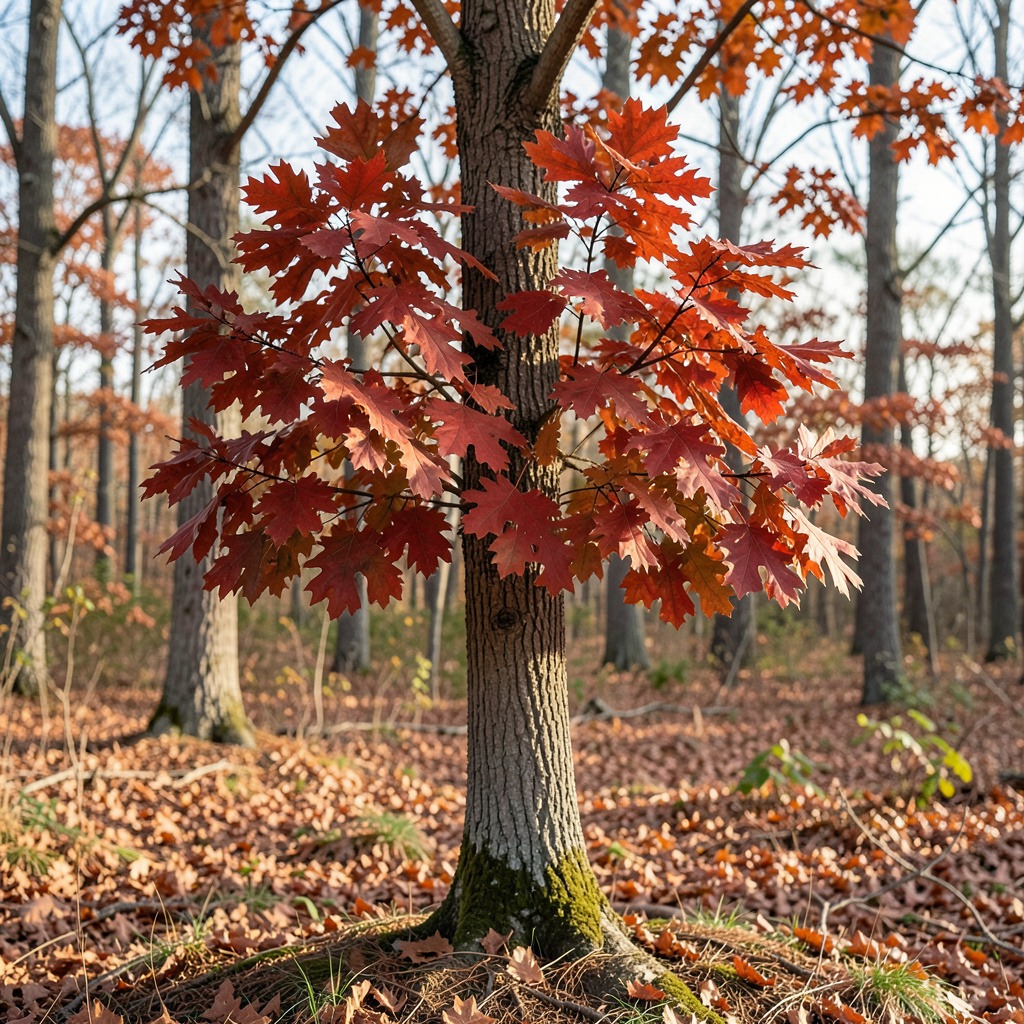
Understanding the Northern Red Oak
The northern red oak (Quercus rubra) is a significant species in North America, valued for its rapid growth, aesthetic appeal, and ecological importance. Understanding its characteristics and native habitat is essential for evaluating its pros and cons.
Scientific Classification and Characteristics
The scientific classification of the northern red oak places it within the Fagaceae family. Here are some key characteristics:
- Height: Can reach up to 80 feet.
- Crown Shape: Broad and rounded, providing ample shade.
- Leaves: Lobed, dark green in summer, turning vibrant red and orange in autumn.
- Acorns: Produces acorns that serve as a food source for wildlife.
These traits make Quercus rubra a prominent choice for landscapes looking for both beauty and functionality.
Native Range and Habitat
The northern red oak thrives across a wide range, from southeastern Canada to the eastern and central United States. It prefers:
- Soil Types: Well-drained, acidic soils but can adapt to loamy and clay soils.
- Sunlight: Full sun to partial shade, making it versatile in various landscaping situations.
- Hardiness Zones: Suitable for USDA zones 3 to 8, highlighting its adaptability to different climates.
Understanding these conditions helps in deciding where to plant a northern red oak. For example, if you live in a region with heavy clay soils, it may be beneficial to amend the soil for optimal growth.
Table of Contents
1. Fast Growth Rate: A Major Advantage

The northern red oak (Quercus rubra) is renowned for its impressive growth rate, making it a favored choice for homeowners and landscapers alike. Understanding its growth characteristics can help maximize its benefits in your landscape.
Growth Metrics
Northern red oaks can grow between 1 to 3 feet per year under optimal conditions. This is significantly faster than many other oak species, such as the white oak (Quercus alba), which typically grows only 1 to 1.5 feet annually. This rapid growth is particularly advantageous for those looking to establish shade quickly or enhance their property’s aesthetic appeal.
| Tree Species | Average Growth Rate |
|---|---|
| Northern Red Oak | 1 to 3 feet per year |
| White Oak | 1 to 1.5 feet per year |
| Bur Oak | 1 to 2 feet per year |
| Pin Oak | 2 to 3 feet per year |
Ideal Conditions for Growth
To achieve optimal growth, northern red oaks thrive in specific conditions:
- Soil Type: Prefers well-drained, acidic soils but can adapt to loamy and clay soils.
- Sunlight: Requires full sun for the best growth, although partial shade is tolerated.
- Watering: Needs consistent moisture, especially in the first few years after planting.
By ensuring these conditions are met, homeowners can facilitate rapid growth and establish a healthy, robust tree. For example, amending soil with organic matter can enhance drainage and nutrient availability, further promoting growth.
Practical Tips for Maximizing Growth
1. Plant in Spring or Fall: These seasons provide the ideal temperatures for root establishment.
2. Regular Watering: Water deeply during dry spells, especially in the early years.
3. Mulching: Apply mulch around the base to conserve moisture and suppress weeds.
4. Pruning: Conduct light pruning to remove competing branches and promote a strong structure.
These strategies can help maximize the northern red oak’s growth potential, making it an excellent choice for quick landscaping solutions.
2. Exceptional Aesthetic Appeal
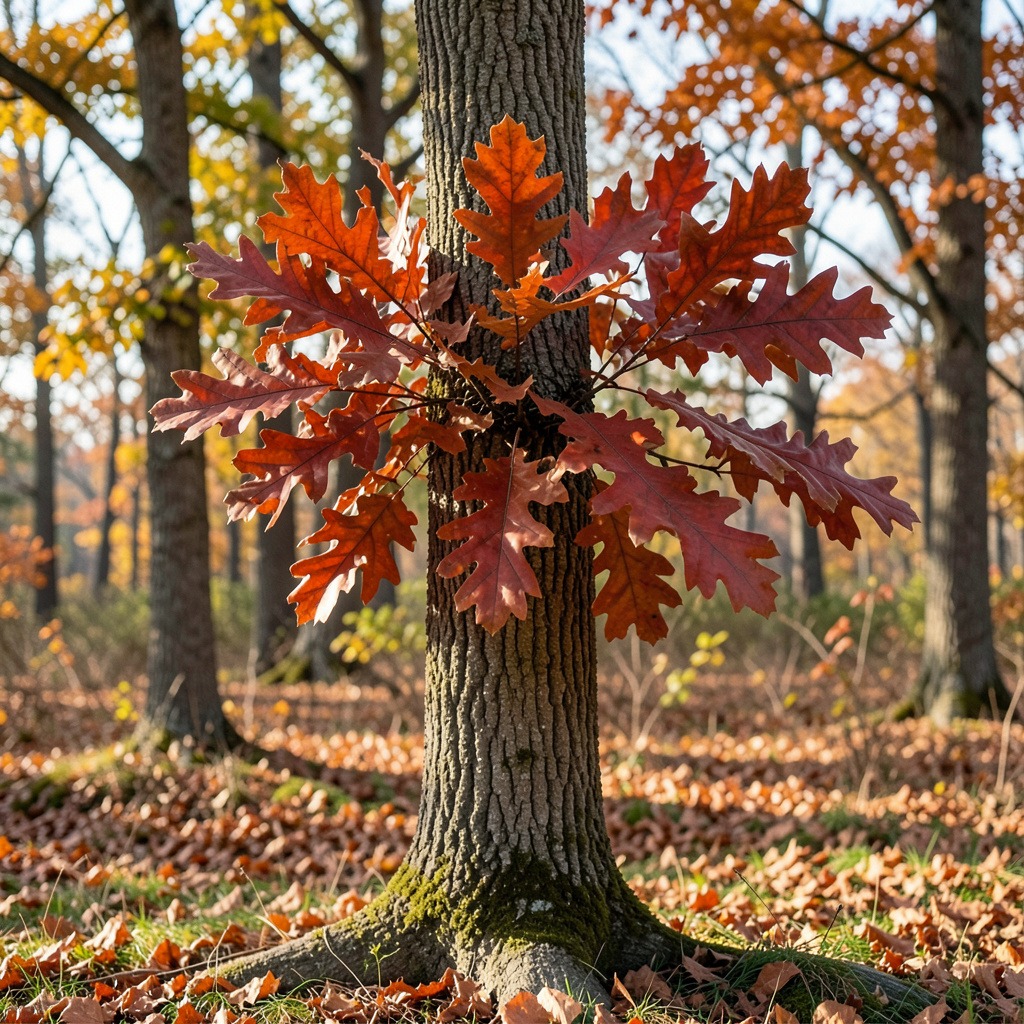
The northern red oak (Quercus rubra) is renowned for its striking visual characteristics, particularly its seasonal color changes and its adaptability in various landscaping designs. This tree not only enhances the beauty of outdoor spaces but also serves as a focal point in many gardens.
1. Seasonal Color Changes
One of the most captivating features of the northern red oak is its vibrant seasonal transformation. In spring, the leaves emerge as fresh green, providing a lush canopy. As summer progresses, the foliage remains a deep shade of green. However, it is autumn that showcases the tree’s true splendor. The leaves turn brilliant shades of red, orange, and brown, creating a spectacular display that can last several weeks. This dramatic color change not only enhances the aesthetic value of landscapes but also attracts attention and admiration from onlookers.
- Color Timeline:
- Spring: Fresh green leaves.
- Summer: Deep green foliage.
- Autumn: Vivid reds, oranges, and browns.
2. Landscaping Uses
The northern red oak is versatile in landscaping. It can serve multiple purposes, from providing shade to acting as a privacy screen. Its broad canopy offers excellent coverage, making it ideal for parks, residential areas, and large gardens. Additionally, the tree’s height—often reaching up to 80 feet—allows it to stand out as a prominent feature in any landscape.
- Landscaping Advantages:
- Shade Provider: Creates cool areas for relaxation.
- Visual Focal Point: Enhances landscape design.
- Wildlife Habitat: Attracts birds and other wildlife with its acorns.
Incorporating northern red oaks into your landscape can elevate the overall aesthetic and ecological value of your property. By selecting appropriate planting locations and ensuring proper care, homeowners can enjoy the breathtaking beauty of this tree for generations.
3. Wildlife Support and Ecological Benefits
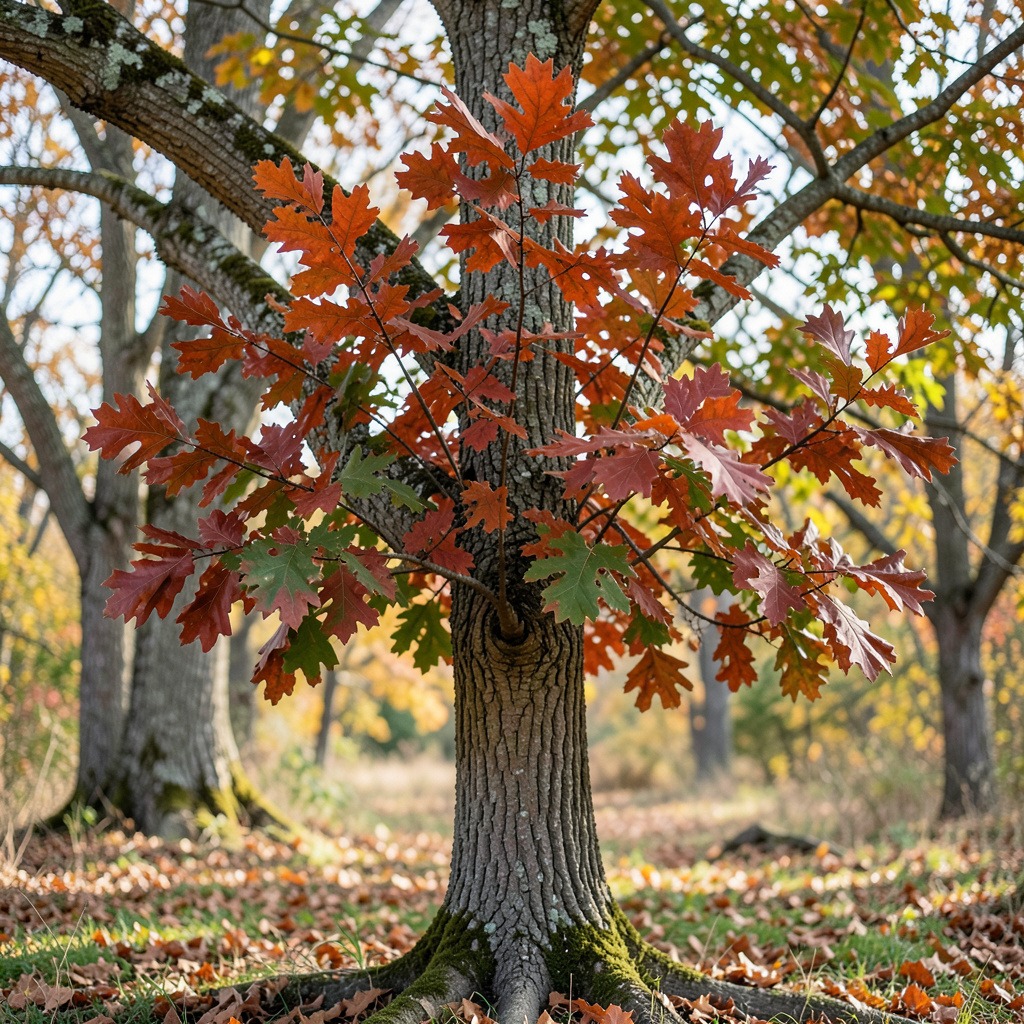
The northern red oak (Quercus rubra) plays a vital role in supporting local wildlife and enhancing ecological health. Its characteristics make it an indispensable part of various ecosystems, providing food and habitat for numerous species.
1. Food Source for Wildlife
Northern red oaks produce abundant acorns, a critical food source for various wildlife. The acorns are rich in fats and proteins, making them an excellent dietary option for:
- Birds: Species such as blue jays, woodpeckers, and squirrels rely heavily on acorns during fall and winter.
- Mammals: Deer, raccoons, and squirrels forage on the ground for fallen acorns, especially in late autumn when food sources are scarce.
The production of acorns can vary significantly from year to year, resulting in “mast years” where food availability dramatically increases. This phenomenon supports higher wildlife populations during those years.
2. Habitat Contributions
Beyond providing food, northern red oaks contribute significantly to habitat quality. They offer:
- Shelter: The dense foliage provides cover for nesting birds and small mammals, allowing them to escape predators.
- Biodiversity: The presence of red oaks enhances local biodiversity. Their leaves and bark host various insects, which in turn support birds and other wildlife that feed on them.
In ecological studies, areas with a higher density of northern red oaks have shown increased populations of birds and small mammals. Their broad canopy also moderates the microclimate beneath, creating a favorable environment for understory plants and animals.
Impact on Local Ecosystems
- Carbon Sequestration: Northern red oaks absorb carbon dioxide, helping mitigate climate change.
- Soil Health: Their leaf litter enriches the soil with organic matter, benefiting surrounding plant life.
When considering planting a northern red oak, evaluate the local wildlife needs. If your area is home to species that rely on acorns or dense tree cover, this tree can be a beneficial addition to your landscape.
Ultimately, the northern red oak not only enhances the aesthetic appeal of your property but also contributes to the ecological balance within your environment.
4. Shade Provision Benefits
Northern red oaks (Quercus rubra) are highly valued for their ability to provide substantial shade, which has significant benefits for residential spaces. Their fast growth rate and broad canopy make them ideal for creating comfortable outdoor environments.
1. Cooling Effects
The shade from northern red oaks contributes to cooling residential areas, especially during hot summer months. This natural cooling can lead to:
- Reduced Urban Heat: Trees lower surface temperatures in urban areas, mitigating the urban heat island effect.
- Energy Savings: By shading homes, northern red oaks can decrease air conditioning costs. Studies have shown that well-placed trees can reduce energy usage by up to 30%.
- Enhanced Comfort: Shade creates more enjoyable outdoor spaces, encouraging outdoor activities and social interactions.
2. Landscaping Strategies
Incorporating northern red oaks into landscaping plans can enhance both aesthetics and functionality. Consider these strategies:
- Placement: Positioning oaks on the south or west side of a house maximizes shade coverage during peak sunlight hours.
- Combined Planting: Pairing northern red oaks with smaller understory plants can create layered landscapes that provide diverse habitats and visual interest.
- Maintenance Consideration: Regular pruning is vital to maintain healthy growth and prevent weak branches, ensuring the tree continues to provide effective shade.
Practical Application
When deciding whether to plant a northern red oak, assess the following criteria:
- Space Availability: Ensure there is ample room for the tree’s mature canopy, which can spread 40-60 feet.
- Soil Type: Northern red oaks thrive in well-drained, slightly acidic soils. Conduct a soil test to confirm suitability.
- Local Climate: They adapt well to various climates, but evaluate how local weather patterns may affect growth.
By strategically integrating northern red oaks into your landscaping, you can harness their shade benefits while enhancing the ecological and aesthetic value of your property.
5. Challenges: Disease Susceptibility
Northern red oaks (Quercus rubra) are susceptible to several diseases that can affect their health and longevity. Understanding these conditions and implementing preventive measures is crucial for maintaining vibrant and resilient trees.
Common Diseases
1. Oak Wilt: This fungal disease spreads rapidly and can be fatal. It disrupts the tree’s vascular system, leading to wilting and leaf drop.
2. Powdery Mildew: A fungal issue characterized by a white, powdery substance on leaves, which can weaken the tree.
3. Bacterial Leaf Scorch: This disease causes leaf browning and premature drop, impacting overall tree vigor.
Prevention Strategies
To protect your northern red oak, follow this checklist:
- Pruning: Avoid pruning during the growing season to reduce the risk of introducing pathogens. Prune during late winter or early spring instead.
- Watering: Ensure proper watering, especially during dry spells, to reduce stress on the tree.
- Fertilization: Use a balanced fertilizer to promote healthy growth and resilience. Soil tests can help determine nutrient needs.
- Monitoring: Regularly inspect the tree for signs of disease or stress. Early detection is critical for effective management.
- Companion Planting: Consider planting disease-resistant species nearby to improve the local ecosystem’s health.
By implementing these strategies, you can mitigate the risk of disease and ensure your northern red oak thrives in your landscape.
6. Maintenance Requirements: What to Expect
Northern red oaks require regular maintenance to thrive and reach their full potential. Understanding their specific needs can help ensure a healthy and robust tree. Below are key maintenance tasks to consider.
Pruning Techniques
Pruning is essential for maintaining the structure and health of your northern red oak. Here are effective practices:
- Timing: Prune during late winter or early spring when the tree is dormant. This minimizes the risk of introducing pathogens and promotes healthy growth.
- Technique: Focus on removing dead or damaged branches. Thin out crowded areas to improve air circulation and light penetration.
- Tools: Use clean, sharp pruning shears or saws to prevent injury to the tree. Seal larger cuts with a tree wound dressing to protect against disease.
Watering and Fertilization
Proper watering and fertilization are crucial for the health of your northern red oak. Follow these guidelines:
- Watering: Ensure consistent moisture, especially during dry spells. Newly planted oaks need more frequent watering until established—about once a week.
- Fertilization: Apply a balanced fertilizer in early spring. Conduct soil tests to determine nutrient deficiencies and adjust your fertilization strategy accordingly.
- Mulching: Use organic mulch around the base to retain moisture and suppress weeds. Maintain a 2-3 inch layer of mulch, keeping it a few inches away from the trunk.
Seasonal Care Calendar
Implementing a seasonal care calendar can help you stay organized. Below is a simple outline of essential maintenance tasks throughout the year:
| Season | Tasks |
|---|---|
| Spring | Prune, apply fertilizer, mulch |
| Summer | Water regularly, check for pests |
| Fall | Inspect for diseases, clear debris |
| Winter | Plan for spring pruning |
By adhering to these maintenance requirements, you can enhance the growth and longevity of your northern red oak, ensuring it remains a valuable asset in your landscape.
7. Space and Infrastructure Considerations
When planting a northern red oak (Quercus rubra), understanding its space requirements and the potential impact of its root system on nearby structures is crucial. Proper planning will ensure healthy growth while minimizing damage to your property.
Root System Considerations
The northern red oak develops an extensive root system that can spread significantly as the tree matures. This characteristic can lead to potential issues, including:
- Disruption of nearby structures: Roots can invade foundations, sidewalks, and driveways.
- Water and nutrient competition: Roots may compete with other plants for resources.
To mitigate these risks, consider the following guidelines:
- Plant at least 20-30 feet away from structures: This distance allows room for root expansion without threatening nearby foundations.
- Monitor soil conditions: Ensure the soil is well-drained to promote healthy root growth and limit surface root proximity to structures.
Planting Distance from Structures
Determining the right planting distance from buildings and other structures is essential for the northern red oak’s success and the integrity of your property. Here are considerations to keep in mind:
- Mature Height: Northern red oaks can reach heights of 60-80 feet. Ensure that structures, such as homes or power lines, are not within this vertical space.
- Canopy Spread: The tree’s canopy can extend up to 60 feet. Avoid planting too close to avoid shading other plants or obstructing views.
Decision Framework for Planting Locations
Use this checklist to evaluate your planned planting site:
| Factor | Considerations |
|---|---|
| Distance from Structures | Minimum 20-30 feet away from foundations and walls |
| Soil Type | Well-drained, loamy soil preferred |
| Sunlight Exposure | Full sun to partial shade is ideal |
| Nearby Vegetation | Ensure adequate space for competition-free growth |
By carefully assessing these factors, you can successfully integrate a northern red oak into your landscape while protecting infrastructure and promoting the tree’s health.
8. Acorn Production: A Double-Edged Sword
Northern red oaks (Quercus rubra) are prolific producers of acorns, which play a significant role in local ecosystems. However, while acorn production supports wildlife, it can also pose challenges for homeowners.
Ecological Importance of Acorns
Acorns are a critical food source for various wildlife species. Birds, squirrels, deer, and other mammals rely on these nuts for sustenance, especially during winter months when food is scarce. The dense foliage of northern red oaks provides shelter, enhancing biodiversity in the area.
- Wildlife Benefits:
- Supports birds and small mammals.
- Attracts larger animals like deer.
- Contributes to the food web in local ecosystems.
Managing Acorn Accumulation
While beneficial for wildlife, the abundant acorns can accumulate on properties, creating a nuisance for homeowners. Here are strategies to manage acorn-related issues effectively:
- Regular Cleanup:
- Schedule periodic raking or gathering of acorns in the fall. This prevents them from becoming slippery and a tripping hazard.
- Mulching:
- Use acorns as mulch around garden beds. This can enrich the soil as they decompose while reducing the need for additional mulch.
- Planting Considerations:
- If considering planting a northern red oak, evaluate the space available. Properties with ample room may absorb the acorn drop better than smaller, confined spaces.
- Wildlife-Friendly Landscaping:
- Design areas of your yard to attract wildlife without direct interference with human activities. For example, a designated wildlife garden can coexist with the oak’s natural behavior.
By understanding both the ecological importance and the management strategies for acorn production, homeowners can enjoy the benefits of northern red oaks while mitigating potential drawbacks.
9. Comparisons: Northern Red Oak vs. Other Oaks
When considering the northern red oak (Quercus rubra), it’s essential to compare it with other oak species, such as white oak (Quercus alba) and bur oak (Quercus macrocarpa). Understanding the differences in growth, aesthetics, and care can help in making an informed planting decision.
1. Growth Rate Comparison
The growth rate of oak trees varies significantly between species. Here’s a quick comparison:
| Oak Species | Growth Rate | Mature Height | Lifespan |
|---|---|---|---|
| Northern Red Oak | 1-2 feet per year | 60-80 feet | 200-300 years |
| White Oak | 1-1.5 feet per year | 50-80 feet | 200-300 years |
| Bur Oak | 1-2 feet per year | 50-70 feet | 200-300 years |
- Northern Red Oak: Known for its fast growth, it can reach impressive heights relatively quickly, making it suitable for those who want immediate shade.
- White Oak: Grows slower but is highly valued for its wood quality and longevity.
- Bur Oak: Similar growth rate to the northern red oak, but with a broader canopy, offering ample shade.
2. Aesthetic Differences
The aesthetic qualities of these oak species also differ, influencing landscaping choices:
| Oak Species | Fall Color | Leaf Shape | Bark Texture |
|---|---|---|---|
| Northern Red Oak | Bright red to orange | Lobed, pointed | Dark, ridged |
| White Oak | Golden brown | Rounded lobes | Light gray, smooth |
| Bur Oak | Yellow-brown | Deeply lobed | Thick, furrowed |
- Northern Red Oak: Its vibrant fall foliage provides stunning seasonal color, enhancing landscape aesthetics.
- White Oak: Offers a more subdued golden hue in fall, appealing to those who prefer softer colors.
- Bur Oak: Known for its unique leaf shape and sturdy bark, it adds character to landscapes but may not have as vivid a fall display.
Decision Framework
When choosing among these species, consider the following:
- Space and Growth Needs: If rapid growth and shade are priorities, the northern red oak may be your best bet.
- Aesthetic Preferences: Decide what colors and forms appeal most for your landscape.
- Soil and Climate Adaptability: Assess which oak is best suited for your specific location and environmental conditions.
This comparative analysis serves as a guide for selecting the right oak species according to your landscaping goals and site conditions.
10. Ideal Growing Conditions for Northern Red Oak
To thrive, northern red oaks (Quercus rubra) require specific soil and climate conditions that support their rapid growth and overall health. Understanding these requirements is essential for successful planting and maintenance.
Soil Composition
Northern red oaks prefer well-drained soils with a slightly acidic to neutral pH. The best soil types include:
- Loamy Soil: A balanced mixture of sand, silt, and clay, providing excellent drainage and fertility.
- Sandy Soil: Quick-draining, but may require additional organic matter for moisture retention.
- Clay Soil: Compacted clay can hinder growth; however, amended clay soils can support healthy roots.
Checklist for Assessing Soil Conditions
1. pH Level: Aim for a pH between 6.0 and 7.0.
2. Drainage: Ensure that water does not pool after heavy rain.
3. Organic Matter: Incorporate compost to enhance soil fertility and structure.
4. Soil Texture: Test for a balance of sand, silt, and clay.
Climate Preferences
Northern red oaks are adaptable to a variety of climates, but they flourish best under certain conditions:
- Temperature: They thrive in USDA hardiness zones 3 to 8, withstanding temperatures as low as -40°F.
- Sunlight: Full sun is ideal. Aim for at least 6 hours of direct sunlight daily.
- Moisture: While they can tolerate drought, consistent moisture during dry spells is beneficial for young trees.
Decision Criteria for Planting
- Growing Zone: Confirm that your region falls within the appropriate hardiness zone.
- Sun Exposure: Evaluate your planting site for sufficient sunlight.
- Water Availability: Assess the site’s ability to retain moisture without becoming waterlogged.
By ensuring that you meet these soil and climate preferences, you can maximize the potential of your northern red oak trees, helping them to grow vigorously and enhance your landscape.
11. Conclusion: Weighing the Pros and Cons of Northern Red Oak
The northern red oak (Quercus rubra) presents a unique blend of advantages and challenges for those considering it for landscaping. Understanding these pros and cons will help you make an informed decision about including this majestic tree in your outdoor space.
Key Advantages of Northern Red Oak
- Fast Growth Rate: Red oaks can grow 1 to 3 feet per year, providing quick shade and visual impact.
- Aesthetic Appeal: Their striking fall color showcases vibrant reds and oranges, enhancing landscape beauty.
- Wildlife Support: Produces acorns that serve as a vital food source for various birds and mammals.
- Adaptability: Thrives in a range of soil types and conditions, making it suitable for various landscapes.
- Low Maintenance: Once established, red oaks require minimal care and are relatively disease-resistant compared to other species.
Key Disadvantages of Northern Red Oak
- Disease Susceptibility: Vulnerable to oak wilt and other diseases that can threaten tree health.
- Acorn Production: While beneficial for wildlife, the abundance of acorns can create a mess and attract pests.
- Space Requirements: Mature trees can reach heights of 60 to 80 feet, requiring ample room for growth.
- Root System Aggressiveness: The extensive root system may disrupt nearby structures or plants.
Decision-Making Framework
When considering whether to plant a northern red oak, evaluate the following criteria:
- Space Availability: Ensure you have sufficient area for the tree’s mature size.
- Soil Conditions: Test the soil for pH and drainage to confirm it aligns with red oak preferences.
- Local Climate: Assess whether your climate falls within the tree’s hardiness zones (3-8).
- Maintenance Commitment: Determine if you can manage potential disease threats and periodic care.
By weighing these pros and cons, you can better decide if the northern red oak is the right tree for your landscape, ensuring it meets both your aesthetic and ecological goals.
Frequently Asked Questions
These quick answers cover the most common questions about this topic, including key details, practical tips, and common concerns.
What are the downsides of having a red oak tree?
Northern red oaks can be susceptible to various diseases, such as oak wilt and powdery mildew. These issues can lead to decline or death if not managed properly. Additionally, their extensive root systems may disrupt nearby structures, including foundations and sidewalks.
Another downside is their acorn production, which, while beneficial for wildlife, can create a mess in your yard and attract pests. Regular cleanup may be necessary to maintain a tidy appearance.
Is a northern red oak a good tree?
Yes, a northern red oak is generally considered a good tree for landscaping. It offers rapid growth, reaching heights of 60 to 80 feet, and provides excellent shade. Its vibrant fall colors add aesthetic appeal, making it a favorite for many homeowners.
However, it’s essential to assess your specific conditions, such as soil type and available space, to ensure it thrives in your landscape.
How close can a red oak be to a house?
To prevent potential damage, a northern red oak should be planted at least 20 to 30 feet away from any structures. This distance allows for the tree’s mature height and extensive root system, minimizing the risk of foundation disruption or shading issues for nearby plants.
Why is red oak less desirable?
Red oak may be considered less desirable in some areas due to its susceptibility to diseases and pests. Its rapid growth can also lead to weaker wood, making it more prone to breakage during storms. Additionally, the abundant acorns can be a nuisance for homeowners, requiring regular cleanup.
Bur Oak or Red Oak: Which is better?
Choosing between bur oak and northern red oak depends on your specific needs. Bur oaks tend to have a broader canopy and can tolerate drier conditions better than red oaks. They also produce larger acorns, which some wildlife prefer.
On the other hand, northern red oaks grow faster and provide vibrant fall colors. If rapid growth and visual impact are priorities, red oak may be the better choice. Consider your landscape goals and local conditions when making a decision.
What diseases affect northern red oaks?
Northern red oaks are vulnerable to several diseases, including oak wilt, which can be fatal, and powdery mildew, which affects leaf health. Bacterial leaf scorch is another concern, leading to premature leaf drop. Regular monitoring and preventive care, such as proper pruning and watering, can help manage these risks.
When is the best time to plant a northern red oak?
The ideal time to plant a northern red oak is during the spring or fall. These seasons provide optimal temperatures for root establishment. Planting in early spring allows the tree to take advantage of the growing season, while fall planting helps it settle in before winter.
How to care for a northern red oak tree?
Caring for a northern red oak involves regular watering, especially during dry spells, and proper pruning to maintain its structure. Fertilizing in early spring can promote healthy growth, while mulching helps retain moisture and suppress weeds. Regular inspections for diseases and pests are also crucial for maintaining tree health.