
Northern red oak roots are generally shallow but extensive, providing stability and access to nutrients.
Table of Contents
Understanding the roots of the northern red oak (Quercus rubra) is essential for ensuring its health and successful growth. These roots play a vital role in nutrient absorption and stability, impacting the tree’s overall ecosystem.
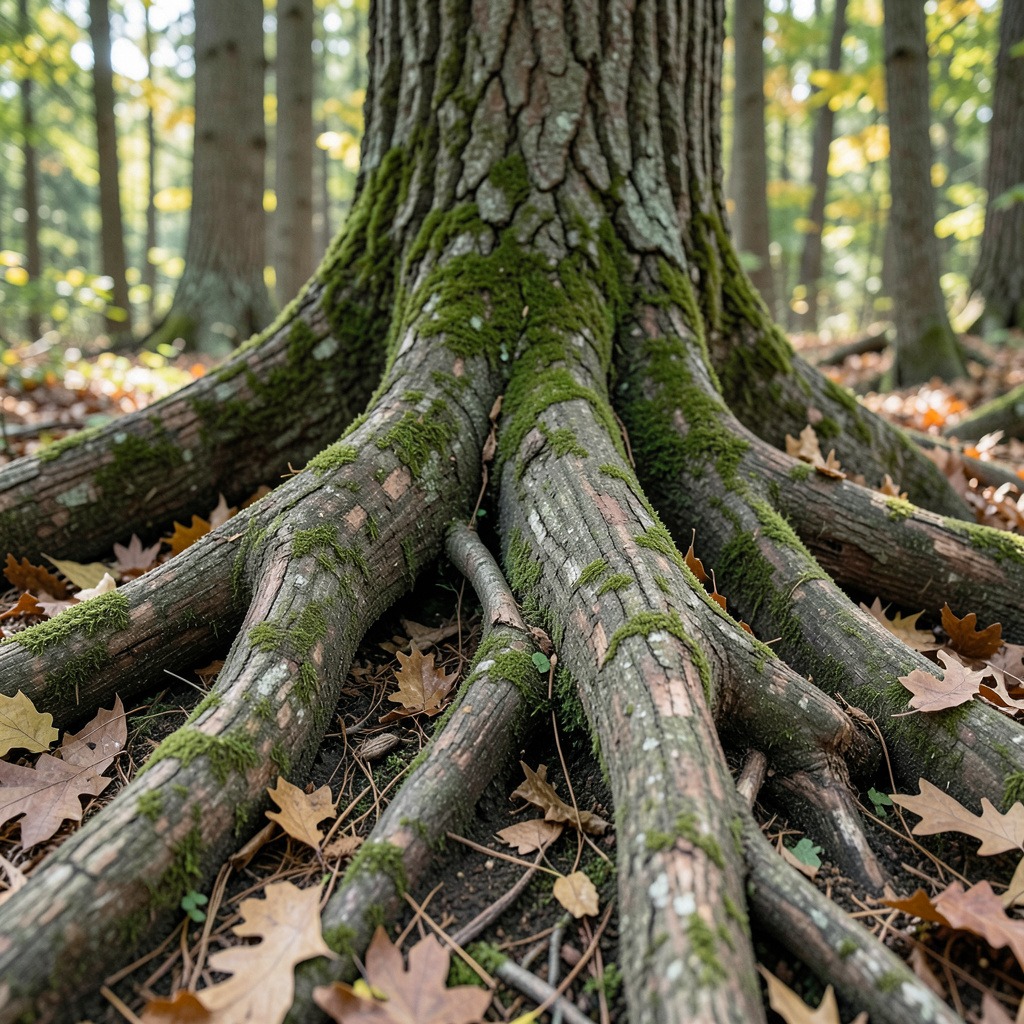
Understanding Northern Red Oak Roots
The roots of the northern red oak (Quercus rubra) are crucial for its stability and nutrient uptake. Understanding their structure and growth patterns aids in effective care for this species.
The Structure of Northern Red Oak Roots
Northern red oak roots exhibit a shallow but extensive root system. This structure allows the tree to access nutrients and moisture efficiently. Key characteristics include:
- Shallow Roots: Typically, the roots extend within the top 12 to 24 inches of soil.
- Wide Spread: Roots can spread outwards up to 50 feet from the trunk, depending on soil conditions.
- Fibrous Roots: These fine roots increase surface area for better absorption of water and nutrients.
Characteristics of Root Growth
Root growth in northern red oaks follows specific patterns influenced by environmental factors.
- Growth Rate: Northern red oaks are known for their rapid growth, especially in optimal conditions. This includes well-drained, loamy soils that retain moisture without waterlogging.
- Seasonal Variation: Root growth typically occurs in spring and fall, coinciding with active growth periods above ground. During summer, root growth may slow due to heat stress.
- Adaptability: Northern red oak roots have moderate tolerance to flooding but prefer well-drained sites. This adaptation allows them to thrive in diverse environments, including urban settings.
Comparative Analysis with Other Oak Species
When comparing northern red oak roots to those of other oak species, several distinctions emerge:
- Depth: While many oaks have deeper root systems, northern red oaks tend to remain shallower, making them less competitive in deep-soil environments.
- Spread: Compared to species like the white oak, which may have more extensive deep roots, northern red oak’s fibrous roots allow for rapid nutrient uptake in the upper soil layers.
- Ecological Role: Northern red oak roots play a significant role in soil stabilization. The shallow system helps prevent soil erosion, especially in hilly terrains.
These characteristics not only support the tree’s health but also enhance its ecological contributions, such as providing habitat and food for wildlife. Understanding these details helps in managing and cultivating northern red oak effectively.
The Importance of Root Health for Northern Red Oak
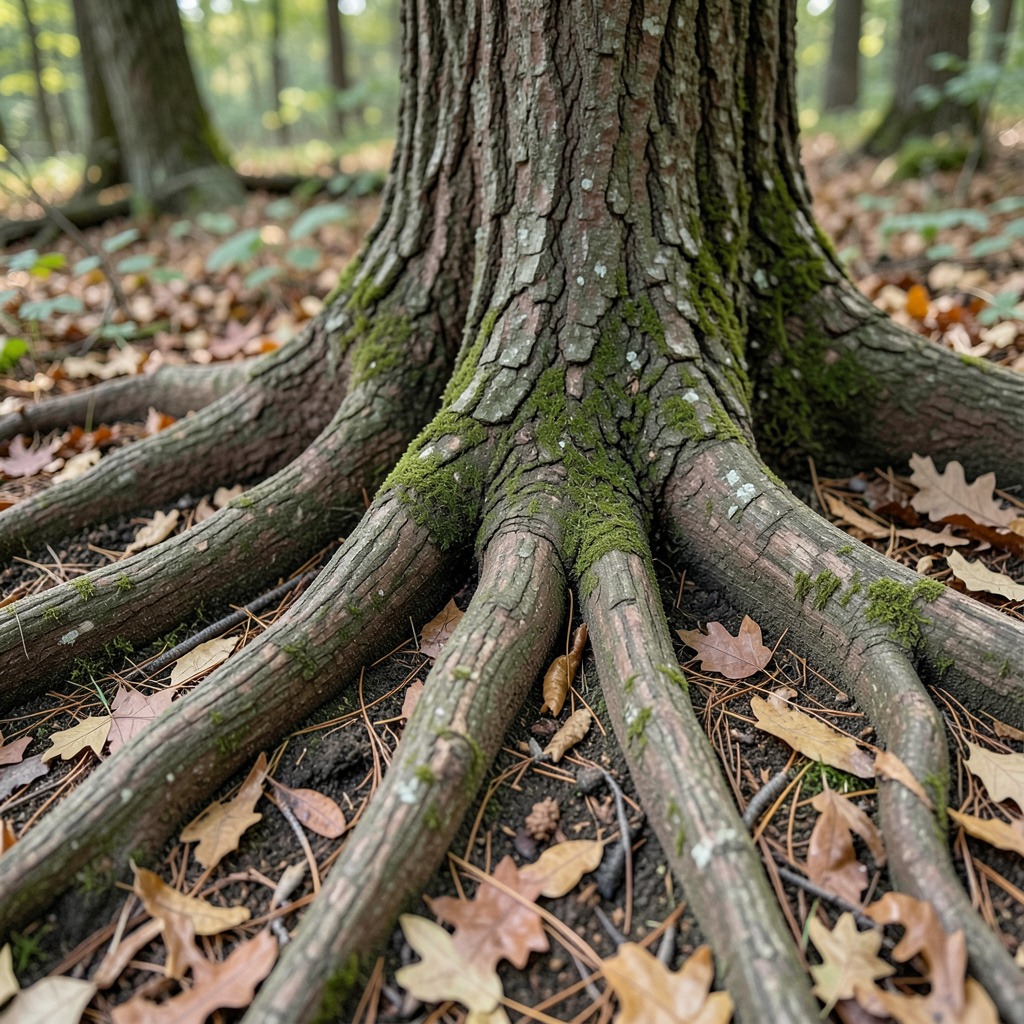
Healthy roots are crucial for the overall vitality of northern red oak trees. They impact nutrient absorption, stability, and the tree’s ability to thrive in its environment.
Nutrient Uptake and Tree Health
Northern red oak roots are primarily fibrous, enabling efficient nutrient absorption from the upper soil layers. This characteristic supports the tree’s growth and overall health. Here are key points regarding their nutrient uptake:
- Shallow Root System: The roots spread out rather than delving deep, allowing access to essential nutrients found in the topsoil.
- Adaptability: The roots can adjust to varying soil conditions, including pH and moisture levels, enhancing nutrient uptake.
- Soil Relationships: Healthy roots interact symbiotically with mycorrhizal fungi, increasing the efficiency of nutrient absorption.
Statistics indicate that trees with robust root systems exhibit a growth rate increase of up to 50% compared to those with compromised roots.
Stability and Support Mechanisms
The stability of northern red oak depends significantly on its root structure. Strong roots provide essential support, particularly in adverse weather conditions. Consider these aspects:
- Erosion Control: The shallow root system helps anchor the tree, preventing soil erosion, especially in hilly terrains.
- Wind Resistance: Well-established roots enhance the tree’s ability to withstand strong winds, reducing the risk of uprooting.
- Soil Interaction: The roots improve soil structure, promoting water retention and creating a healthier ecosystem for surrounding flora.
To maintain root health, consider these practical tips:
- Regular Watering: Ensure consistent moisture during the establishment phase, especially in dry seasons.
- Mulching: Apply organic mulch around the base to retain soil moisture and regulate temperature.
- Avoid Compaction: Prevent soil compaction around the root zone by limiting foot traffic and heavy machinery use.
By understanding the functions of northern red oak roots, landowners can promote healthier trees, ensuring their longevity and ecological benefits.
Soil and Habitat Preferences for Northern Red Oak Roots
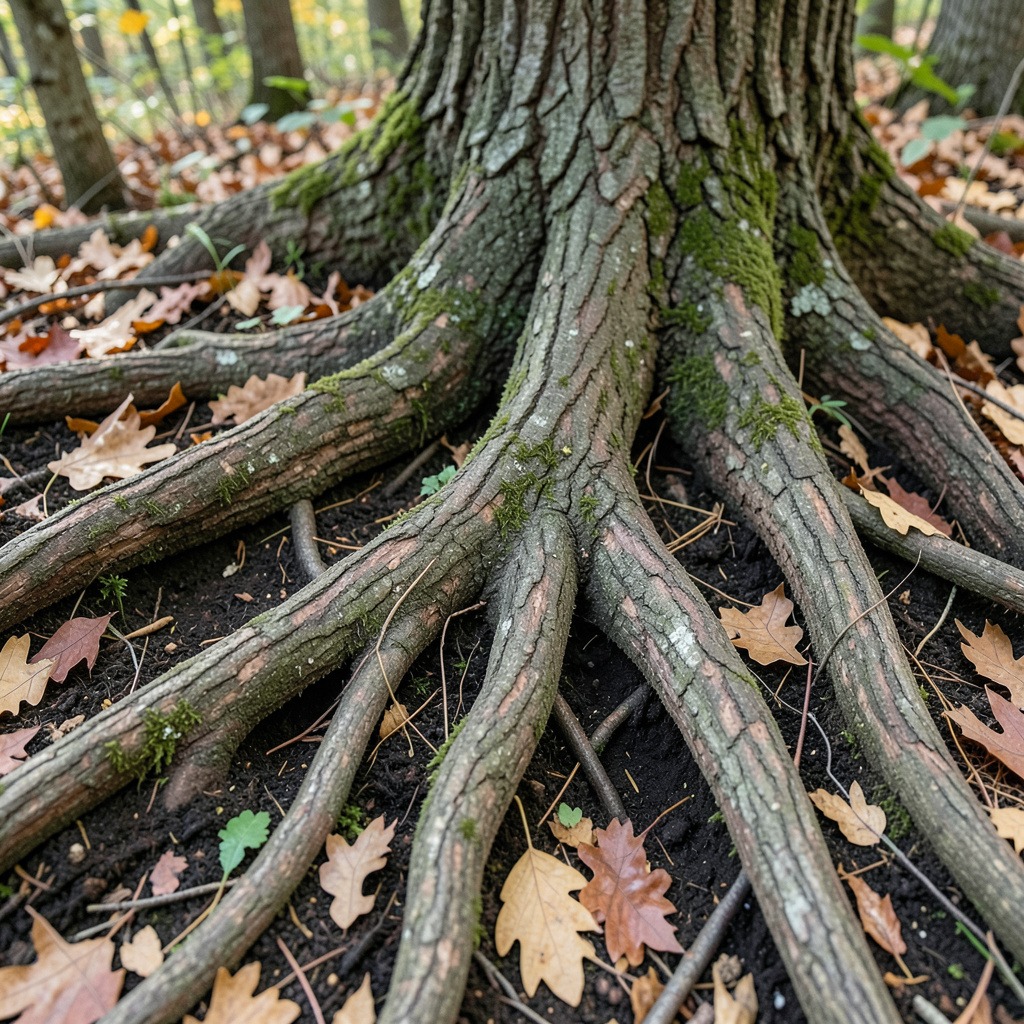
Northern red oak (Quercus rubra) thrives in specific soil and environmental conditions that promote robust root development. Understanding these preferences is crucial for successful planting and long-term care.
Ideal Soil Conditions
Northern red oak prefers well-drained, loamy soils rich in organic matter. The following characteristics define ideal soil conditions:
- Soil Texture: Loamy or sandy loam is ideal. Avoid heavy clay, which retains water and can lead to root rot.
- pH Level: Slightly acidic to neutral pH (between 6.0 and 7.0) optimizes nutrient availability.
- Nutrient Content: High organic matter content enhances soil fertility, supporting healthy root growth.
- Drainage: Good drainage is essential. Roots rot in overly saturated soils.
Environmental Factors Affecting Root Growth
Several environmental factors influence the growth of northern red oak roots:
- Moisture Levels: Consistent moisture during the establishment phase is critical. However, avoid waterlogged conditions.
- Temperature: Northern red oaks exhibit good heat tolerance, but extreme heat can stress roots. Protection during heat waves is beneficial.
- Light Availability: These trees are not shade-tolerant. They require sufficient sunlight for photosynthesis and root vitality.
Checklist for Assessing Soil Suitability
Use the following checklist to evaluate soil conditions before planting northern red oak:
- Is the soil well-drained?
- Does the soil have a slightly acidic to neutral pH?
- Is there sufficient organic matter?
- Are moisture levels consistent without waterlogging?
- Is there ample sunlight in the planting area?
By following these guidelines, you can optimize the growth and health of northern red oak roots, enhancing their ecological contributions and timber value.
Challenges and Issues with Northern Red Oak Roots
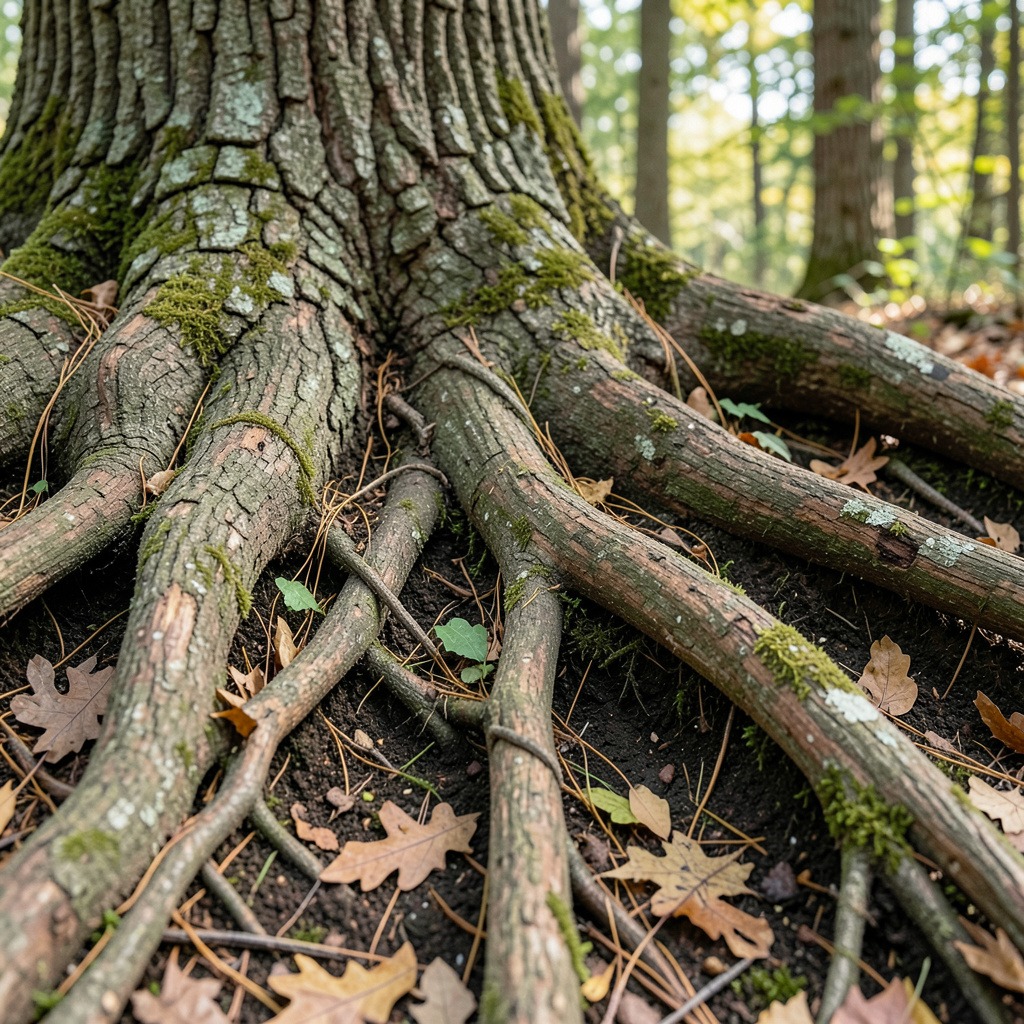
Northern red oak roots face several challenges that can affect their growth and overall health. Identifying these issues is crucial for effective management and care.
Common Pests Affecting Roots
Several pests can impact the roots of northern red oak trees. Understanding these pests can aid in their management.
- Leafhoppers: These insects feed on tree sap. They can weaken the tree, making it more susceptible to disease.
- Caterpillars: Various caterpillar species can defoliate the tree, impacting its root health indirectly by reducing photosynthesis.
- Oak Wilt: This fungal disease can disrupt water transport, leading to root decline. Symptoms include wilting leaves and premature leaf drop.
Diseases and Environmental Stresses
Diseases and environmental factors can severely affect the roots of northern red oak. Recognizing these challenges is vital for maintaining root vitality.
- Powdery Mildew: This fungal issue primarily targets leaves but can affect overall tree health, leading to root stress.
- Flooding: Prolonged exposure to excessive water can damage root systems. Northern red oak shows moderate resistance but can still suffer from decreased photosynthesis and nutrient transport.
- Heat Stress: High temperatures can affect root function. Northern red oak has adapted mechanisms, but extreme heat can still compromise root health.
Integrated Pest Management Strategies
To effectively manage pests and diseases affecting northern red oak roots, consider the following strategies:
- Regular Monitoring: Inspect trees for signs of pests or disease early. Focus on leaf health as it affects root vitality.
- Encourage Natural Predators: Birds and beneficial insects can help control pest populations.
- Proper Watering Practices: Ensure trees receive adequate moisture without waterlogging, especially during dry spells or heat waves.
By implementing these strategies, you can promote healthier roots in northern red oak, enhancing their resilience against pests and environmental stresses.
Comparison of Northern Red Oak Roots with Other Oak Species
The root systems of northern red oak (Quercus rubra) exhibit distinct characteristics compared to other oak species. Understanding these differences enhances our appreciation of their ecological roles and adaptability.
Root Depth and Spread in Various Oaks
The root structure of northern red oak typically features a shallow, widespread system. This design allows it to compete effectively in rocky or nutrient-poor soils. In contrast, other oak species, like the white oak (Quercus alba), develop deeper roots that delve more into the soil for moisture and nutrients.
| Oak Species | Root Depth | Root Spread | Characteristics |
|---|---|---|---|
| Northern Red Oak | Shallow (3-5 ft) | Wide (up to 50 ft) | Adapted to various soils; shallow roots enable quick establishment. |
| White Oak | Deep (up to 6 ft) | Moderate (30-40 ft) | Deep roots enhance drought resistance. |
| Southern Red Oak | Moderate (3-6 ft) | Wide (30-50 ft) | Similar to northern red oak, but thrives in warmer climates. |
| Black Oak | Deep (4-7 ft) | Moderate (30-40 ft) | Deep roots provide stability on slopes. |
Ecological Impacts of Different Root Systems
The root systems of different oak species significantly affect their ecological interactions. The shallow roots of northern red oak support rapid growth and establishment in disturbed areas, aiding in soil stabilization. In contrast, deeper-rooted species like white oak can access moisture during dry spells, which enhances their survival in drought conditions.
- Wildlife Interactions: Northern red oak acorns serve as vital food sources for wildlife. The shallow roots allow the tree to grow quickly, producing acorns sooner than many deep-rooted species.
- Soil Erosion Control: The wide-spreading roots of northern red oak help to prevent soil erosion, especially on slopes or in urban environments where soil stability is crucial.
By understanding these differences, land managers and homeowners can make informed decisions about planting and caring for oak species, particularly in urban settings where root adaptability is essential.
Conclusion and Best Practices for Managing Northern Red Oak Roots
Understanding how to effectively plant and care for northern red oak roots is crucial for their growth and overall health. These practices ensure stability, enhance ecological benefits, and support wildlife interactions.
Best Planting Practices
To successfully establish northern red oak trees, follow these guidelines:
- Soil Testing: Ensure the soil is slightly acidic, well-drained, and rich in organic matter.
- Site Selection: Choose a location with full sunlight, as northern red oak is not shade-tolerant.
- Planting Depth: Dig a hole that is twice the width of the root ball but no deeper than the root collar. This prevents root rot.
- Spacing: Maintain adequate distance between trees to allow for their expansive root systems.
Ongoing Care and Maintenance
Maintaining the health of northern red oak roots requires ongoing attention. Here’s a checklist for effective care:
- Watering: Water deeply during dry spells to encourage deep root growth. Young trees need consistent moisture.
- Mulching: Apply organic mulch around the base to retain soil moisture and regulate temperature.
- Fertilization: Use a balanced fertilizer in early spring to promote growth, especially in poorer soils.
- Monitoring for Pests: Regularly check for signs of pests or diseases that can affect root health.
Checklist for Successful Planting and Maintenance
| Task | Frequency | Purpose |
|---|---|---|
| Soil testing | Once per season | Ensures optimal nutrient levels |
| Watering | Weekly in summer | Supports root establishment and growth |
| Mulching | Annually | Conserves moisture and suppresses weeds |
| Fertilizing | Spring | Encourages healthy growth |
| Pest monitoring | Monthly | Detects issues before they become severe |
By adhering to these best practices, you can optimize the growth and stability of northern red oak roots, ensuring their longevity and ecological contributions.
Frequently Asked Questions
These quick answers cover the most common questions about this topic, including key details, practical tips, and common concerns.
Are red oak tree roots invasive?
Red oak tree roots are not considered invasive. They typically spread outwards rather than deep, which helps them access nutrients in the upper soil layers without aggressively competing with other plants. However, their extensive root systems can interfere with nearby structures if planted too close.
What tree has the most destructive roots?
Trees with particularly destructive roots include species like the black locust and silver maple. These trees can cause significant damage to sidewalks, foundations, and underground utilities due to their aggressive root systems. In comparison, northern red oak roots are less likely to cause such issues.
How far do red oak tree roots spread?
Northern red oak roots can spread up to 50 feet from the trunk, depending on soil conditions. Their shallow root systems typically extend within the top 12 to 24 inches of soil, allowing them to efficiently absorb moisture and nutrients while minimizing competition with deeper-rooted plants.
How close can an oak tree be to your house?
It is generally recommended to plant northern red oak at least 20 to 30 feet away from your house. This distance helps prevent potential damage to foundations and allows for adequate growth space for the tree’s extensive root system.
What are the best planting practices for northern red oak?
To plant northern red oak successfully, ensure the soil is well-drained and slightly acidic. Dig a hole twice the width of the root ball and plant at the same depth as it was in the nursery. Space trees adequately to allow for their wide root spread, and water thoroughly after planting to promote establishment.
How can I improve soil conditions for northern red oak?
To improve soil conditions, consider adding organic matter like compost to enhance fertility and drainage. Testing the soil pH can also help; aim for a slightly acidic pH between 6.0 and 7.0. Regular mulching can retain moisture and regulate temperature, further supporting root health.
What wildlife benefits from northern red oak acorns?
Northern red oak acorns are a vital food source for various wildlife, including deer, squirrels, and birds. These acorns provide essential nutrients and energy, especially during the fall and winter months when food sources are scarce.
What should readers know about challenges related to northern red oak roots in urban settings?
In urban environments, northern red oak roots may face challenges such as compacted soil, limited space, and competition for nutrients. Proper care, including regular watering and monitoring for pests, is essential to ensure healthy root development and tree stability in these conditions.