
The northern red oak (Quercus rubra) typically grows 60 to 75 feet tall and can spread between 50 to 75 feet, making it a large tree known for its rapid growth and impressive size.
The northern red oak, also known as Quercus rubra, is a prominent tree native to North America, celebrated for its impressive size and rapid growth. Understanding its dimensions and growth conditions is essential for effective planting and care.
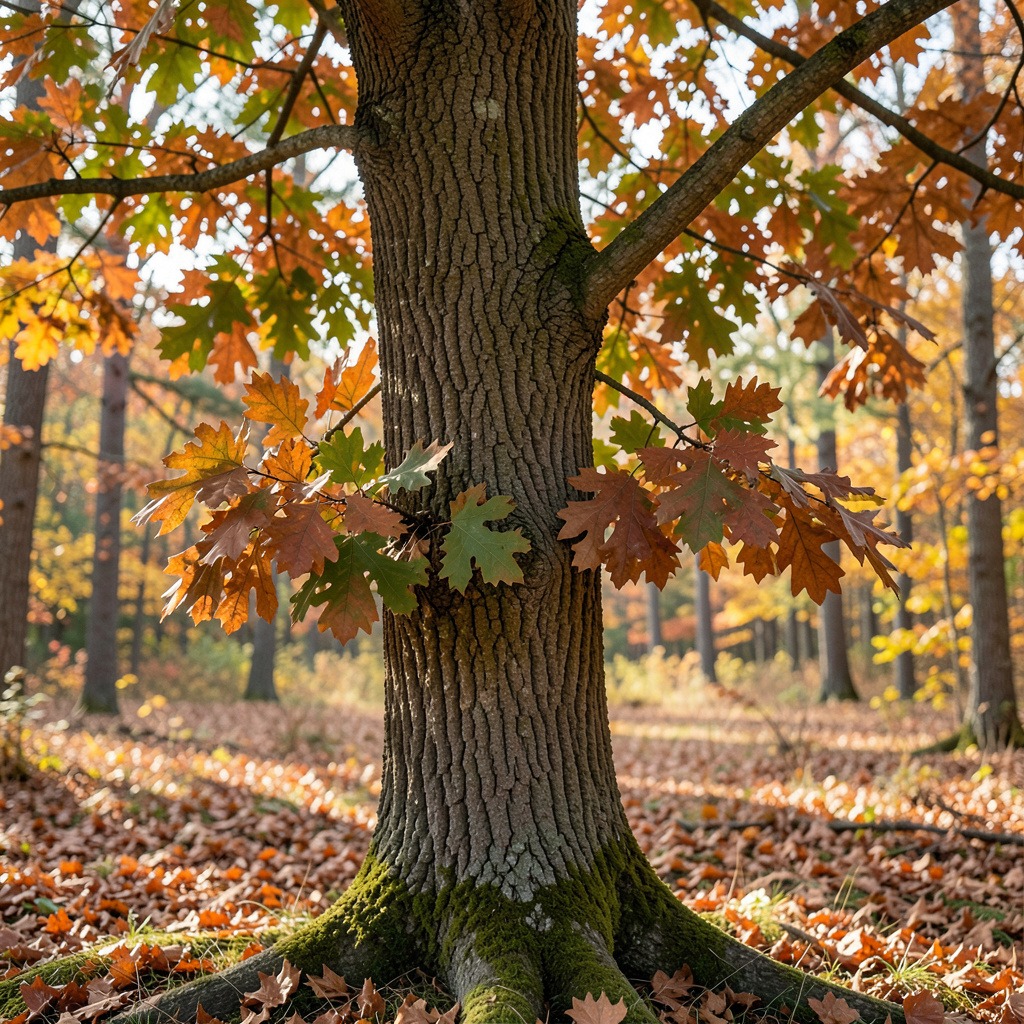
Growth Characteristics of Northern Red Oak
The northern red oak, Quercus rubra, is known for its impressive growth characteristics. Understanding its size and growth patterns can inform effective planting and care strategies.
Typical Height and Spread
Mature northern red oaks typically reach heights of 60 to 75 feet, with some individuals growing up to 100 feet. Their canopy spreads between 50 to 75 feet, creating a broad, rounded crown that provides ample shade. This significant size makes them ideal for both urban and rural landscapes.
Growth Rate Over Time
The growth rate of northern red oaks varies during their life stages:
- Years 1-5: Initial growth is slow, averaging 1 to 2 feet per year as the tree establishes its root system.
- Years 5-10: Growth accelerates to 2 to 3 feet per year under optimal conditions.
This growth pattern underscores the importance of proper care during the early years to ensure long-term health and height.
Environmental Factors Influencing Growth
Several factors affect the growth rate and size of northern red oaks:
Table of Contents
- Soil Type: They prefer well-draining, sandy-loam soil that is slightly acidic to neutral. Poor drainage can stunt growth.
- Sunlight: Full sun conditions (at least six hours daily) are essential for robust growth and strong foliage.
- Climate: Northern red oaks thrive in diverse climates, but extreme conditions, such as prolonged flooding or drought, can hinder growth.
Care Tips for Different Soil Types:
- Sandy Soil: Ensure consistent moisture without waterlogging.
- Clay Soil: Improve drainage by incorporating organic matter.
- Loamy Soil: Maintain moderate moisture levels for optimal growth.
By understanding these variables, gardeners can create ideal conditions for their northern red oaks, promoting healthy growth and maximum size.
Optimal Growing Conditions for Northern Red Oak
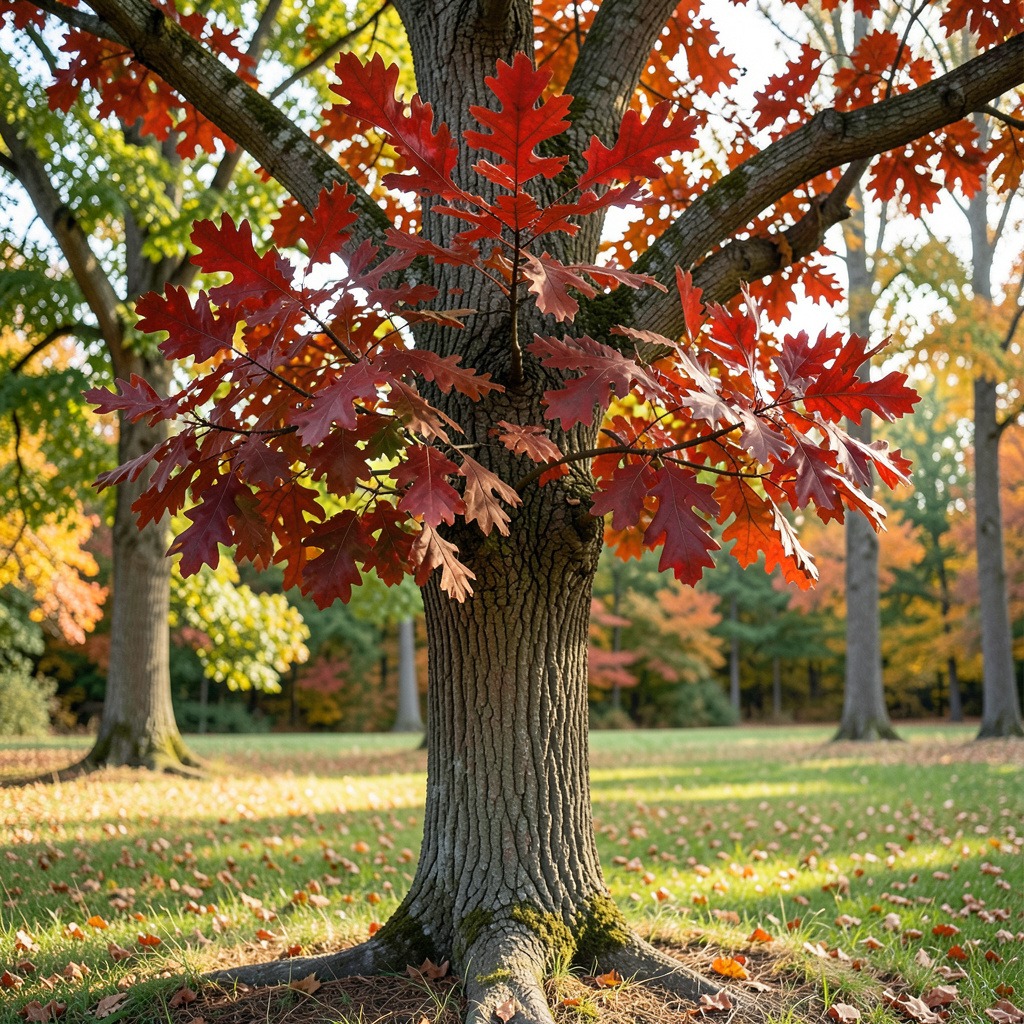
Understanding the optimal growing conditions for northern red oak (Quercus rubra) is crucial for achieving maximum size and health. These trees thrive in specific soil types, light conditions, and water availability, which directly influence their growth rate and overall vitality.
Soil Requirements
Northern red oaks prefer well-draining soil that is slightly acidic to neutral. The ideal soil types include:
- Sandy Soil: Provides good drainage but requires consistent moisture. Mulching helps retain moisture levels.
- Clay Soil: Tends to retain water; improve drainage by incorporating organic matter like compost or peat moss.
- Loamy Soil: Balances moisture retention and drainage, ideal for robust growth.
Checklist for Soil Preparation:
- Test soil pH; amend as needed to achieve a slightly acidic range (pH 6.0-7.0).
- Add organic matter to enhance nutrients and drainage.
- Ensure soil is deep enough to accommodate the root system as the tree matures.
Sunlight Needs
Northern red oaks require full sun for optimal growth. Aim for at least six hours of direct sunlight daily. This exposure promotes strong wood structure and vibrant foliage, contributing to the tree’s overall size.
Sunlight Growth Tip:
- Position the tree in an unobstructed area to maximize sunlight exposure. Avoid planting under large canopies of other trees that can hinder light access.
Water Availability
Watering is essential, especially during the establishment phase. Northern red oaks need consistent moisture but dislike soggy roots.
Watering Guidelines:
- Water deeply during dry spells, ensuring the soil is moist but not waterlogged.
- Use a drip irrigation system or soaker hoses for efficient water delivery.
By following these guidelines and adapting for different soil conditions, gardeners can promote healthy growth and maximize the size of their northern red oak trees.
Ecological Importance of Northern Red Oak
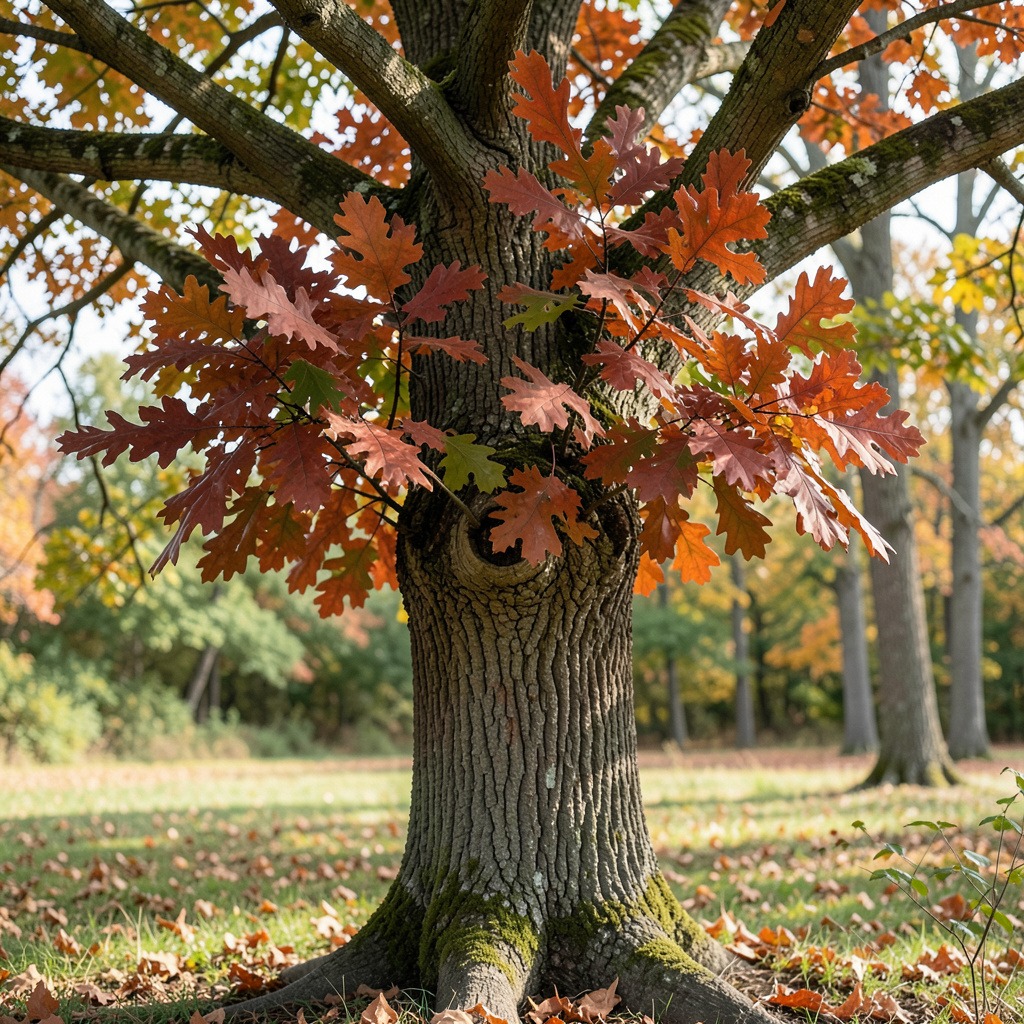
The northern red oak plays a vital role in its ecosystem. Its size and growth characteristics render it an essential component for wildlife and biodiversity.
Habitat for Wildlife
Northern red oaks offer critical habitat for various species. Their broad, rounded crowns provide shelter and nesting sites for birds and small mammals. The tree’s extensive root system also stabilizes the soil, preventing erosion and promoting a healthy ecosystem.
- Bird Species: Many birds rely on northern red oaks for nesting and foraging.
- Mammals: Squirrels and deer use these trees for shelter and food.
Acorn Production
Acorns from northern red oaks are a significant food source for wildlife. The size and abundance of acorns vary, contributing to the tree’s ecological importance.
- Nutritional Value: Acorns are rich in fats and proteins, making them a staple for many animals.
- Dispersal: Animals that consume acorns help in seed dispersal, promoting regeneration and growth of new trees.
Contribution to Ecosystems
The northern red oak contributes to the overall health of its environment. Its ability to thrive in various soil types enhances biodiversity.
- Soil Improvement: The tree improves soil quality through leaf litter, which enriches the ground with nutrients.
- Carbon Sequestration: As a large tree, it captures carbon, contributing to climate regulation.
Case Studies of Successful Northern Red Oak Plantings
In urban settings, planting northern red oaks has shown remarkable benefits. For instance, in a city park, a planted grove of northern red oaks quickly became a focal point for local wildlife. Birds, squirrels, and even butterflies were observed thriving in the area, demonstrating the tree’s ability to enhance urban biodiversity.
In rural areas, landowners have reported increased wildlife activity after introducing northern red oaks to their properties. The acorn production not only supports local fauna but also increases the ecological value of the land, creating a sustainable habitat.
By understanding the ecological importance of the northern red oak, gardeners and landowners can make informed decisions about planting and caring for these trees, ensuring they thrive and contribute to their environments effectively.
Common Pests and Challenges for Northern Red Oak
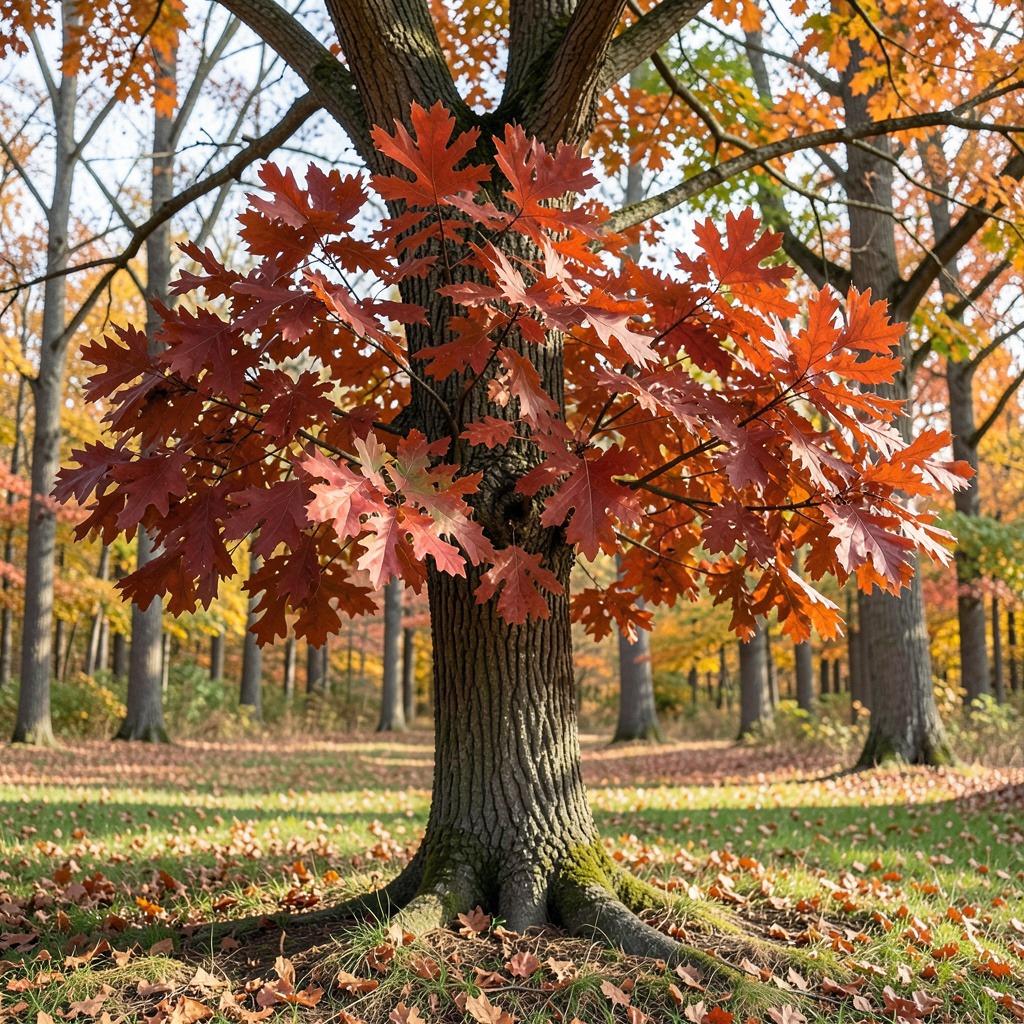
Northern red oaks, while resilient, can face various pests and diseases that threaten their health and growth. Understanding these challenges is crucial for maintaining the size and vitality of these majestic trees.
Common Pests to Watch For
1. Oak Leaf Roller: This caterpillar feeds on oak leaves, causing significant damage. Look for rolled leaves and webbing.
2. Red Oak Borer: A wood-boring beetle, it can weaken trees by tunneling through the trunk. Watch for sawdust and holes in the bark.
3. Scale Insects: These pests can sap the tree’s strength. They appear as small, white or brown bumps on branches and leaves.
Signs of Disease
1. Oak Wilt: This fungal disease spreads through roots and beetles, causing leaves to wilt and turn brown. Early detection is key.
2. Powdery Mildew: A superficial fungal growth that appears as a white coating on leaves. It can be managed with proper spacing and air circulation.
3. Anthracnose: This disease leads to leaf spots and premature leaf drop. Look for dark, sunken lesions on leaves.
Management Strategies
- Organic Solutions: Use neem oil or insecticidal soap to manage pests. These methods are environmentally friendly and effective against many common pests.
- Chemical Treatments: For severe infestations, chemical insecticides may be necessary. Always follow application guidelines to minimize harm to beneficial insects.
- Cultural Practices: Encourage healthy growth by providing optimal soil conditions and ensuring adequate sunlight. Regularly inspect trees for early signs of pests or disease.
Decision Rule for Treatment:
- Assess Severity: If more than 20% of foliage is affected, consider treatment.
- Monitor Growth: If trees are stunted or show signs of distress, investigate further for hidden issues.
By integrating these pest management strategies, you can help northern red oaks maintain their impressive size and health, ensuring they thrive in your landscape.
Comparisons with Other Oak Species
When considering the northern red oak, it is essential to compare its size, growth rate, and ecological benefits with those of other oak species, particularly the southern red oak. Such comparisons provide valuable insights for potential growers and landowners.
Size Comparisons
Northern red oaks (Quercus rubra) typically reach a mature height of 60 to 75 feet, with some specimens growing up to 100 feet tall. Their canopy spread can range from 50 to 75 feet, offering significant shade. In contrast, southern red oaks (Quercus falcata) generally grow to a height of 60 to 80 feet, with a spread of about 40 to 60 feet. This size difference makes the northern red oak a more substantial option for those seeking larger shade trees.
- Northern Red Oak: 60-100 ft tall, 50-75 ft spread
- Southern Red Oak: 60-80 ft tall, 40-60 ft spread
Growth Rate Differences
Both species exhibit similar growth rates, but the northern red oak becomes more established faster under optimal conditions. Once established, it can grow 2 to 3 feet per year. Southern red oaks also grow at a similar rate but may take longer to reach their full height due to varying environmental factors.
- Northern Red Oak: 2-3 ft growth per year after establishment
- Southern Red Oak: Similar growth rate, but may vary with local conditions
Ecological Roles
Both species play crucial roles in their ecosystems. Northern red oaks provide acorns that serve as a food source for various wildlife, including deer, squirrels, and birds. They also contribute to soil health and biodiversity. Southern red oaks offer similar ecological benefits but are often more suited to warmer, drier environments.
Decision Rule for Choosing Oak Species:
- Consider Local Climate: Choose northern red oaks for cooler climates and southern red oaks for warmer regions.
- Assess Space Requirements: Opt for northern red oaks if ample space for canopy spread is available.
This comparison highlights the strengths of the northern red oak in terms of size and growth potential, making it a valuable choice for landscapes aiming for both ecological benefits and aesthetic appeal.
Frequently Asked Questions
These quick answers cover the most common questions about this topic, including key details, practical tips, and common concerns.
How much space does a northern red oak need?
Northern red oaks typically need ample space to grow, requiring a minimum of 50 to 75 feet of clearance around their base. This space allows for their wide canopy and extensive root system, which can spread significantly as the tree matures. When planning to plant, ensure that nearby structures, other trees, or power lines are far enough away to avoid interference with the tree’s growth.
What are the pros and cons of a northern red oak tree?
Pros:
- Rapid Growth: Northern red oaks grow quickly, reaching heights of up to 100 feet.
- Wildlife Habitat: They provide food and shelter for various wildlife, including birds and mammals.
- Aesthetic Appeal: Their impressive size and beautiful foliage make them attractive landscape features.
Cons:
- Space Requirements: They need a large area for optimal growth, which may not be suitable for smaller yards.
- Messiness: They can drop acorns and leaves, which some may find messy, especially in the fall.
Are northern red oaks messy trees?
Yes, northern red oaks can be considered messy trees. They produce acorns in the fall, which can litter the ground and attract wildlife. Additionally, their leaves shed in autumn, creating a need for regular raking and cleanup. While some homeowners appreciate the natural look and wildlife benefits, others may find the maintenance challenging.
Is northern red oak fast-growing?
Yes, northern red oak is classified as a fast-growing tree. After establishing, it can grow 2 to 3 feet per year under ideal conditions. This rapid growth makes it a popular choice for those looking to quickly enhance their landscape with a large, stately tree.
What soil conditions are best for northern red oak?
Northern red oaks thrive in well-draining soil that is slightly acidic to neutral. Ideal soil types include sandy-loam, which provides good drainage while retaining moisture. Avoid planting in heavy clay soils without improving drainage, as poor conditions can stunt growth. Testing soil pH and amending it when necessary can help optimize growth conditions.
What wildlife benefits from northern red oak?
Northern red oaks are vital for wildlife. Their acorns serve as a high-energy food source for various animals, including deer, squirrels, and birds. The tree’s large branches also provide nesting sites and shelter for birds and small mammals, contributing to a diverse ecosystem in the area where they are planted.
What are common pests that affect northern red oak?
Common pests include the oak leaf roller, which can damage leaves, and the red oak borer, a wood-boring beetle that weakens the tree. Scale insects can also sap the tree’s strength. Regular inspections and prompt treatment can help manage these pests and maintain the health of your northern red oak.
What should readers know about visual aids for size comparison?
Visual aids can significantly enhance understanding of the size and growth potential of northern red oaks. Diagrams or comparison charts showing mature heights and canopy spreads relative to other common trees can help gardeners visualize their placement in a landscape. These aids can also illustrate the tree’s growth stages, aiding in planning for future space needs as the tree matures.