
The northern red oak tree (Quercus rubra) is a fast-growing, deciduous tree native to North America, known for its ecological value, beautiful fall color, and versatility in landscaping.
Table of Contents
The northern red oak tree is a majestic species that thrives across North America. This guide covers its characteristics, growth requirements, ecological benefits, and care tips, making it an excellent choice for both landscapes and wildlife.
Characteristics of the Northern Red Oak Tree
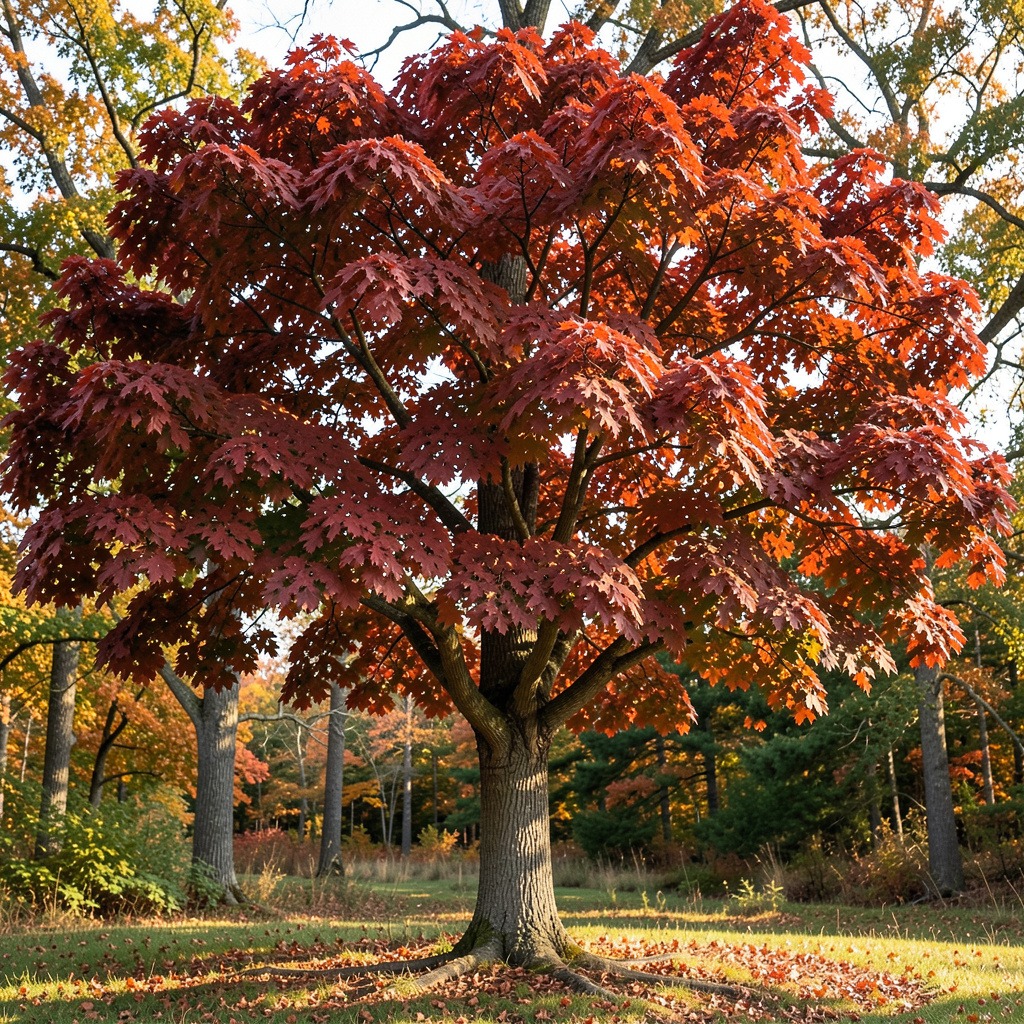
The northern red oak (Quercus rubra) is a robust deciduous tree recognized for its striking appearance and rapid growth. Understanding its physical traits, growth rate, and identification features is crucial for successful cultivation and appreciation.
Physical Appearance and Growth Rate
Northern red oak typically reaches heights of 60 to 75 feet, with some specimens exceeding 100 feet. Its trunk can grow up to 3 feet in diameter. The tree is known for its broad, rounded crown, which provides ample shade.
- Leaves: The leaves are lobed and can measure 5 to 9 inches long. They have a glossy green surface and turn vibrant red or orange in the fall.
- Bark: The bark is dark gray to black with shallow furrows and broad ridges, giving it a distinctive appearance as it matures.
- Growth Rate: This species is moderate to fast-growing, often adding 1 to 2 feet per year under optimal conditions.
Lifespan and Size
The northern red oak has a lifespan of 200 to 300 years, making it a long-lasting addition to any landscape. Mature trees typically reach a canopy width of 50 to 70 feet, contributing significantly to the ecosystem.
Identifying Features
Identifying the northern red oak is straightforward if you focus on its key features:
- Leaves: Look for deep lobes with pointed tips. The leaves are dark green on top and paler beneath.
- Acorns: The acorns are oval and about ¾ to 1 inch long, with a shallow cup that covers about one-quarter of the acorn.
- Bark: The dark, ridged bark is unique to the northern red oak, differentiating it from other oak species.
Visual Identification Tips
- Leaves: Inspect for 7 to 11 lobes and a glossy texture.
- Acorns: Check for the reddish-brown color and shallow cap.
- Bark: Observe the dark gray, furrowed texture.
Utilizing these identification features will enhance your ability to recognize and appreciate the northern red oak in its natural habitat or your landscape.
Growth and Care Guidelines for Northern Red Oak
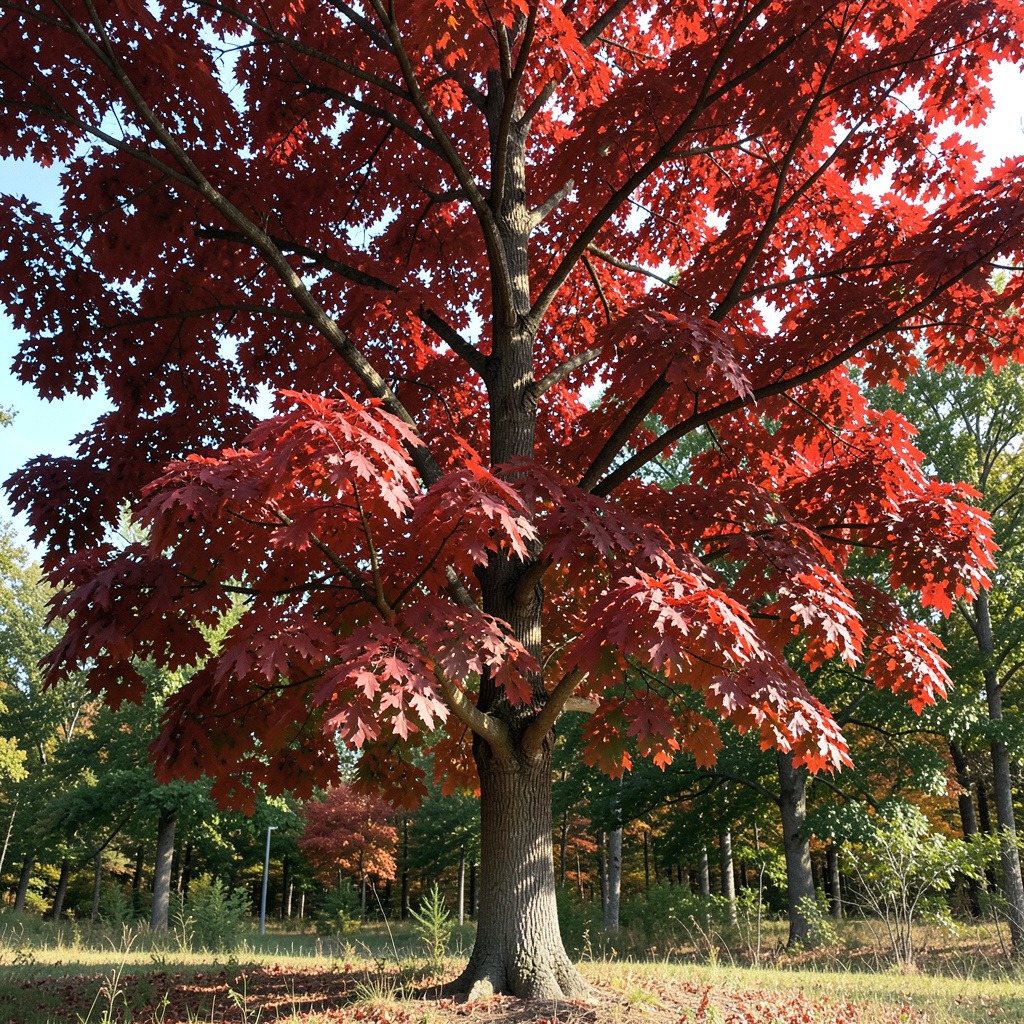
Caring for the northern red oak (Quercus rubra) involves understanding its specific growth conditions and maintenance needs. This tree thrives in suitable environments, ensuring healthy development and longevity.
Ideal Soil and Sunlight Conditions
Northern red oaks prefer well-drained, slightly acidic soils. They thrive in loamy or sandy textures but can tolerate a range of soil types. Key conditions include:
- pH Level: Aim for a pH between 4.5 and 6.5.
- Sunlight: Full sun is optimal, requiring at least six hours of direct sunlight daily.
- Drainage: Ensure good drainage to prevent root rot; avoid overly wet or compacted soils.
Watering and Fertilization Needs
Proper watering and fertilization are critical in the early years. Follow these guidelines:
- Initial Watering: Water newly planted trees deeply once a week until established.
- Established Trees: Older trees generally need little to no supplemental watering, but monitor during dry spells.
- Fertilization: Use a balanced, slow-release fertilizer in early spring. Avoid over-fertilizing, which can lead to excessive growth and vulnerability to pests.
Pruning and Maintenance Tips
Regular maintenance enhances the health and aesthetics of northern red oaks.
- Pruning:
- Prune during late winter or early spring before new growth begins.
- Remove dead or diseased branches and maintain a central leader.
- Mulching: Apply a 2-3 inch layer of mulch around the base to retain moisture and suppress weeds.
- Pest Management: Watch for common pests such as the gypsy moth and oak weevil. Implement integrated pest management strategies, such as encouraging natural predators and applying insecticidal soaps when necessary.
Care Checklist
- Soil Testing: Test soil pH annually.
- Watering Schedule: Establish a watering routine for new trees.
- Fertilizer Application: Fertilize in spring with a balanced formula.
- Pruning Schedule: Prune each winter to maintain health.
By following these guidelines, you can ensure your northern red oak thrives, contributing to the landscape’s beauty and ecological value.
Ecological Importance of Northern Red Oak
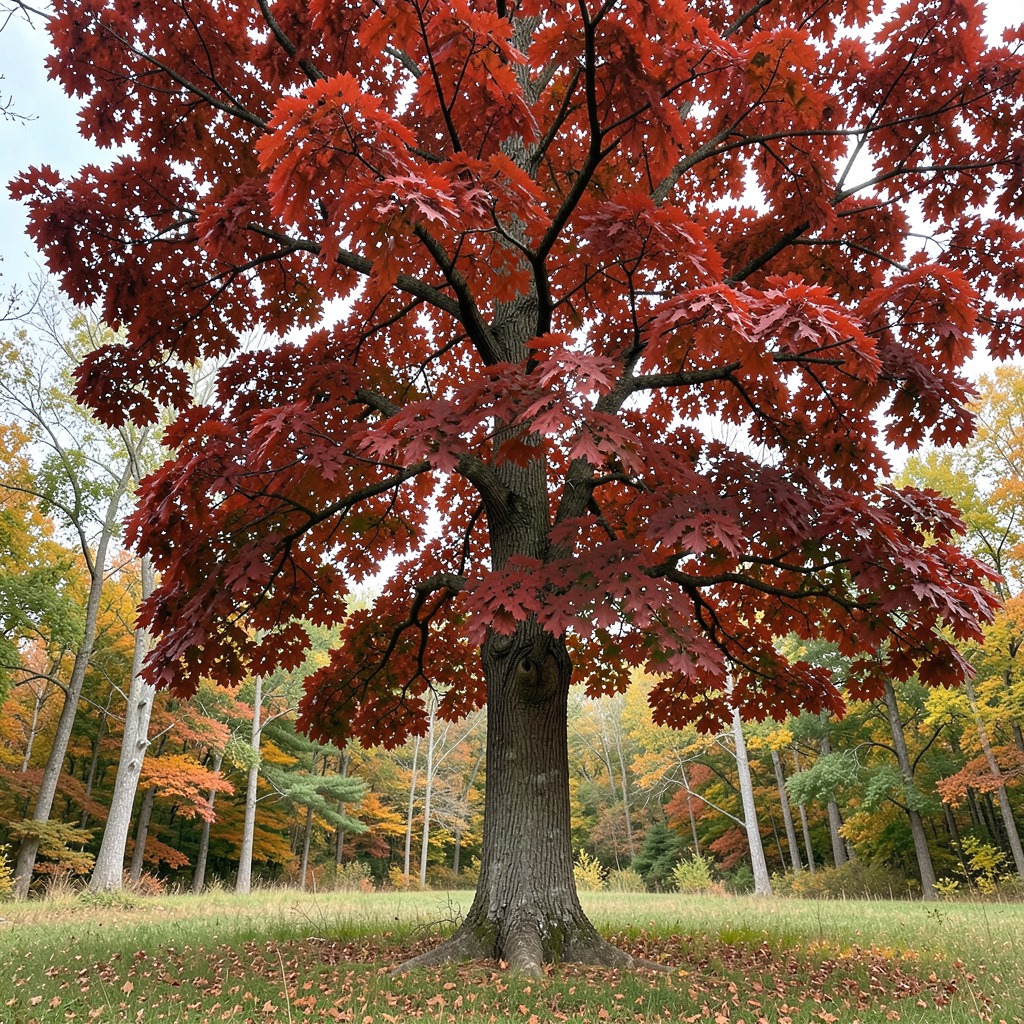
The northern red oak (Quercus rubra) plays a vital role in its ecosystem, enhancing biodiversity and providing habitat and food for various wildlife species. Its presence is essential for maintaining ecological balance in its native regions.
Wildlife Habitat and Food Source
Northern red oak trees serve as a critical habitat for numerous species. Their acorns are a significant food source for:
- Birds: Wild turkeys and squirrels rely heavily on acorns for sustenance.
- Mammals: Raccoons and deer consume acorns and young twigs, especially in winter.
Additionally, the dense foliage of northern red oaks offers shelter for birds and small mammals, creating a thriving habitat for diverse wildlife.
Contribution to Biodiversity
The northern red oak fosters biodiversity by supporting various organisms. Its leaves serve as food for caterpillars, which, in turn, are essential for birds during the breeding season. This tree also attracts pollinators like bees, enhancing local flora through cross-pollination.
Case Study: In urban areas, planting northern red oaks has improved local biodiversity. For example, a community project in a Midwestern city saw a significant increase in bird populations after introducing these trees, demonstrating their ecological value.
Uses of Northern Red Oak in Ecosystems
Northern red oak trees contribute to soil health and water retention. Their deep root systems help prevent soil erosion and improve drainage. Moreover, the decomposition of fallen leaves enriches the soil, providing nutrients for other plants.
Key Benefits:
- Soil Enrichment: Decomposing leaves add organic matter.
- Erosion Control: Deep roots stabilize soil.
- Water Retention: Canopies reduce water runoff, enhancing moisture availability.
In summary, the northern red oak is not just a tree; it is a cornerstone of its ecosystem, supporting wildlife and enriching the environment.
Common Pests and Diseases Affecting Northern Red Oak
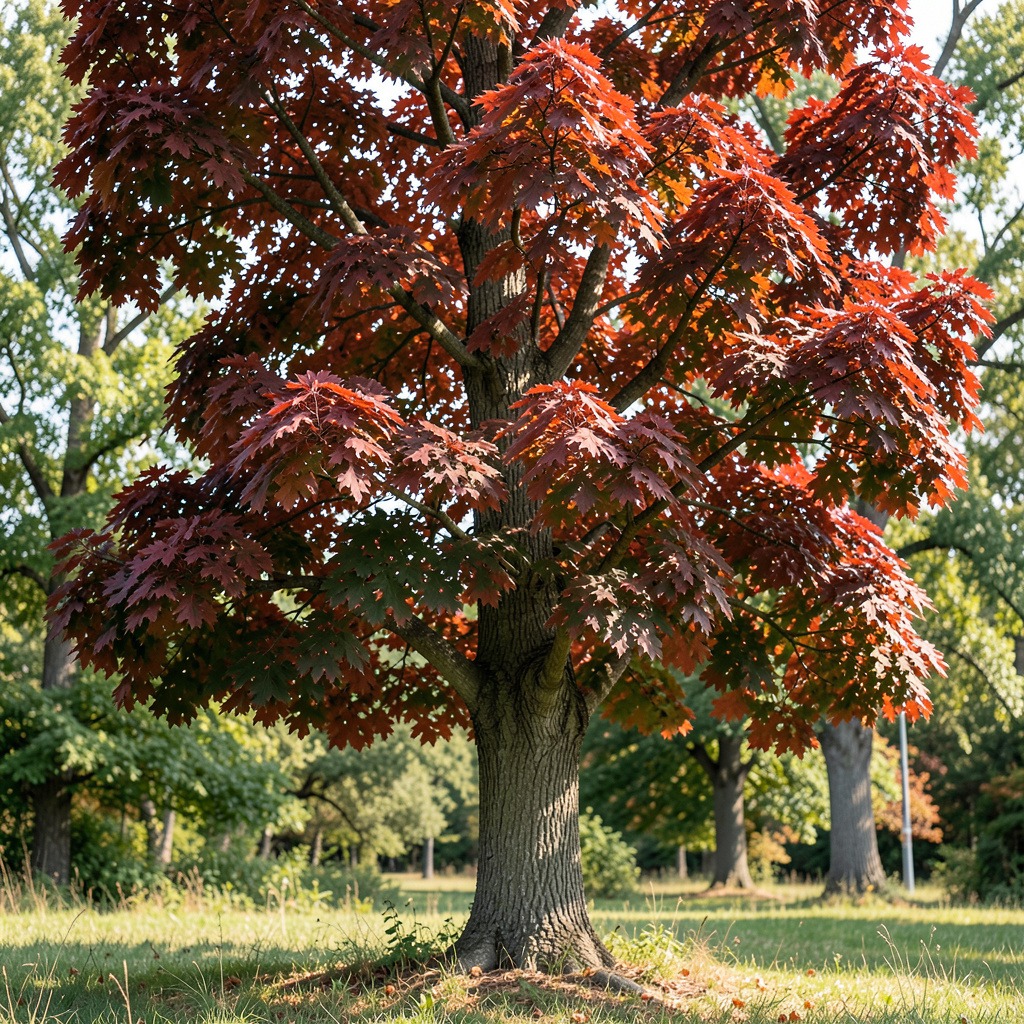
Northern red oak trees are susceptible to various pests and diseases that can affect their health and growth. Understanding these threats is essential for effective management and ensuring the longevity of these valuable trees.
Common Pests and Their Impact
Several pests target northern red oaks, leading to defoliation and stress.
- Imported Gypsy Moth: This insect defoliates trees, potentially leading to severe damage. Repeated defoliation can weaken trees, making them vulnerable to diseases.
- Variable Oakleaf Caterpillar: This caterpillar can cause significant leaf damage. Monitoring for their presence helps in timely intervention.
- Asiatic Oak Weevil: Affects seedlings by feeding on fine roots, which can stunt growth.
Diseases to Watch For
Northern red oaks face several diseases, which can compromise their health.
- Oak Wilt: This fungal disease leads to leaf drop, starting from the top of the tree. Its management requires prompt action to prevent spread.
- Powdery Mildew: This fungal infection appears as a white coating on leaves and can affect tree vitality. Maintaining tree health through proper care can minimize the risk.
Prevention and Treatment Strategies
Effective management strategies help mitigate the risks posed by pests and diseases.
- Regular Monitoring: Inspect trees for signs of pests or diseases. Early detection enables timely treatment.
- Cultural Practices: Water regularly and maintain proper pruning to promote tree health. Healthy trees are more resistant to pests and diseases.
- Integrated Pest Management (IPM): Utilize natural predators like birds to control pests. For severe infestations, consider targeted insecticides as a last resort.
- Quarantine Measures: If oak wilt is detected, remove infected trees to prevent further spread.
By implementing these strategies, you can enhance the resilience of northern red oak trees in your landscape. Regular care and vigilance are key to preserving their health and ecological benefits.
Comparing Northern Red Oak with Other Oak Species
Understanding the differences between northern red oak and other oak species enhances informed planting and care decisions. This section compares northern red oak (Quercus rubra) with southern red oak (Quercus falcata) and white oak (Quercus alba) in terms of growth habits, ecological roles, and uses.
Growth Differences
Northern red oak exhibits a moderate to fast growth rate, reaching heights of 60 to 75 feet. It thrives in various soil types but prefers well-drained, slightly acidic conditions. In contrast, southern red oak grows slightly taller, often exceeding 80 feet, and tolerates poorer soil conditions. White oak, known for its slow to moderate growth, typically reaches 50 to 80 feet and prefers well-drained, fertile soils.
| Feature | Northern Red Oak | Southern Red Oak | White Oak |
|---|---|---|---|
| Growth Rate | Moderate to fast | Fast | Slow to moderate |
| Height | 60-75 feet | Up to 80 feet | 50-80 feet |
| Soil Preference | Slightly acidic, well-drained | Tolerates poor soils | Well-drained, fertile |
| Hardiness Zones | 3-8 | 7-9 | 3-9 |
Ecological Roles
Ecologically, northern red oak serves as a critical habitat for wildlife. Its acorns are a significant food source for birds and mammals. Southern red oak also provides acorns but is less favored by some wildlife due to its tannin content. White oak’s acorns are sweeter and more palatable, making them highly sought after by a variety of species.
- Wildlife Benefits:
- Northern Red Oak: Supports diverse bird species and mammals.
- Southern Red Oak: Less favored due to higher tannin levels.
- White Oak: Highly attractive to wildlife for its sweeter acorns.
Uses in Landscaping
In landscaping, northern red oak is valued for its aesthetic appeal and rapid growth, making it suitable for urban settings. Southern red oak is often planted for its shade and ornamental qualities but requires more space due to its larger size. White oak is popular for its durability and strength in construction, especially in furniture and flooring.
- Landscaping Applications:
- Northern Red Oak: Fast growth, urban shade tree.
- Southern Red Oak: Large shade tree, ornamental use.
- White Oak: Construction, furniture, flooring.
These comparisons help identify the best oak species for specific applications, ensuring optimal growth and ecological benefits.
Alternatives to Northern Red Oak for Landscaping
When considering alternatives to the northern red oak for landscaping, it’s essential to evaluate growth rate, soil preferences, and ecological benefits. Several tree species can provide similar aesthetic and functional attributes, enhancing your landscape while supporting local wildlife.
Similar Native Trees
1. Sugar Maple (Acer saccharum)
- Growth Rate: Moderate
- Soil Preference: Prefers well-drained, fertile soils
- Wildlife Value: Supports birds and insects; sap can be harvested for syrup.
2. Black Oak (Quercus velutina)
- Growth Rate: Moderate to fast
- Soil Preference: Adapts to various soils but prefers sandy loam
- Wildlife Value: Acorns are a food source for many mammals and birds.
3. White Oak (Quercus alba)
- Growth Rate: Slow to moderate
- Soil Preference: Thrives in well-drained, slightly acidic soils
- Wildlife Value: Supports diverse wildlife through acorns and habitat.
Non-Native Alternatives
1. Red Maple (Acer rubrum)
- Growth Rate: Fast
- Soil Preference: Tolerates a range of soils, including wet conditions
- Wildlife Value: Provides nectar for pollinators and food for various animals.
2. Linden (Tilia spp.)
- Growth Rate: Moderate
- Soil Preference: Prefers fertile, moist soils, tolerates urban conditions
- Wildlife Value: Attracts bees and other pollinators due to fragrant flowers.
3. Tree of Heaven (Ailanthus altissima)
- Growth Rate: Very fast
- Soil Preference: Grows in poor soils and urban environments
- Wildlife Value: Provides habitat, though it can be invasive.
Factors to Consider When Choosing Alternatives
Selecting the right tree species involves understanding your landscaping goals. Consider the following factors:
- Growth Rate: Determine how quickly you want the tree to reach maturity.
- Soil Condition: Assess your soil type and drainage capabilities.
- Wildlife Impact: Choose trees that will benefit local fauna, supporting biodiversity.
- Space Availability: Ensure the selected species fits well within your designated area without overcrowding.
By evaluating these criteria, you can make informed decisions that align with your landscaping vision while ensuring ecological benefits similar to those offered by the northern red oak.
Frequently Asked Questions
These quick answers cover the most common questions about this topic, including key details, practical tips, and common concerns.
Is northern red oak a good tree?
Yes, the northern red oak (Quercus rubra) is an excellent tree choice for many landscapes. It grows quickly, reaching heights of 60 to 75 feet, and provides ample shade. Its vibrant fall color and ecological benefits, such as supporting wildlife, make it a popular option for homeowners and urban planners alike.
How quickly do northern red oak trees grow?
Northern red oaks are known for their moderate to fast growth rate. Under optimal conditions, they can grow 1 to 2 feet per year. This rapid growth makes them ideal for those looking to establish shade or enhance their landscape quickly.
What’s the difference between a red oak and a northern red oak?
The term “red oak” often refers to several species within the Quercus genus, including the northern red oak (Quercus rubra) and southern red oak (Quercus falcata). The northern red oak typically has a straighter trunk, grows taller, and is better suited for northern climates compared to the southern red oak, which thrives in warmer areas and has different acorn characteristics.
What are the downsides of having a red oak tree?
While northern red oaks offer many benefits, they can also have downsides. They may be susceptible to pests such as the gypsy moth and diseases like oak wilt. Additionally, their large size requires ample space, which may not be suitable for smaller yards. Lastly, their acorns can create a mess in the fall.
How do I identify a northern red oak tree?
To identify a northern red oak, look for its lobed leaves with pointed tips, which can measure 5 to 9 inches long. The bark is dark gray to black with shallow furrows. Additionally, the acorns are oval, about ¾ to 1 inch long, and have a shallow cup. Recognizing these features will help you distinguish it from other oak species.
What wildlife benefits from northern red oak trees?
Northern red oaks play a crucial role in supporting local wildlife. Their acorns are a vital food source for birds like wild turkeys and mammals such as squirrels and deer. The dense foliage also provides shelter for various species, enhancing biodiversity in the area.
What are the common pests and diseases of northern red oak?
Common pests affecting northern red oaks include the imported gypsy moth, which can cause severe defoliation, and the variable oakleaf caterpillar. Diseases like oak wilt can also threaten their health. Regular monitoring and timely intervention are essential for managing these issues and maintaining tree health.
What are the best soil conditions for northern red oak?
Northern red oaks thrive in well-drained, slightly acidic soils with a pH between 4.5 and 6.5. They prefer loamy or sandy soils but can tolerate a range of soil types. Ensuring good drainage is crucial to prevent root rot and promote healthy growth.