
The Northern Red Oak tree (Quercus rubra) exhibits a moderate growth rate in forest settings, typically growing between 1 to 2 feet per year under ideal conditions. Factors such as soil quality, sunlight, and competition with other trees can significantly influence this rate.
Understanding Northern Red Oak
The Northern Red Oak is a native hardwood tree found primarily in the eastern United States and parts of Canada. Known for its strong, durable wood and vibrant fall foliage, this species plays a critical role in forest ecosystems. It provides habitat and food for various wildlife, including birds, squirrels, and deer.
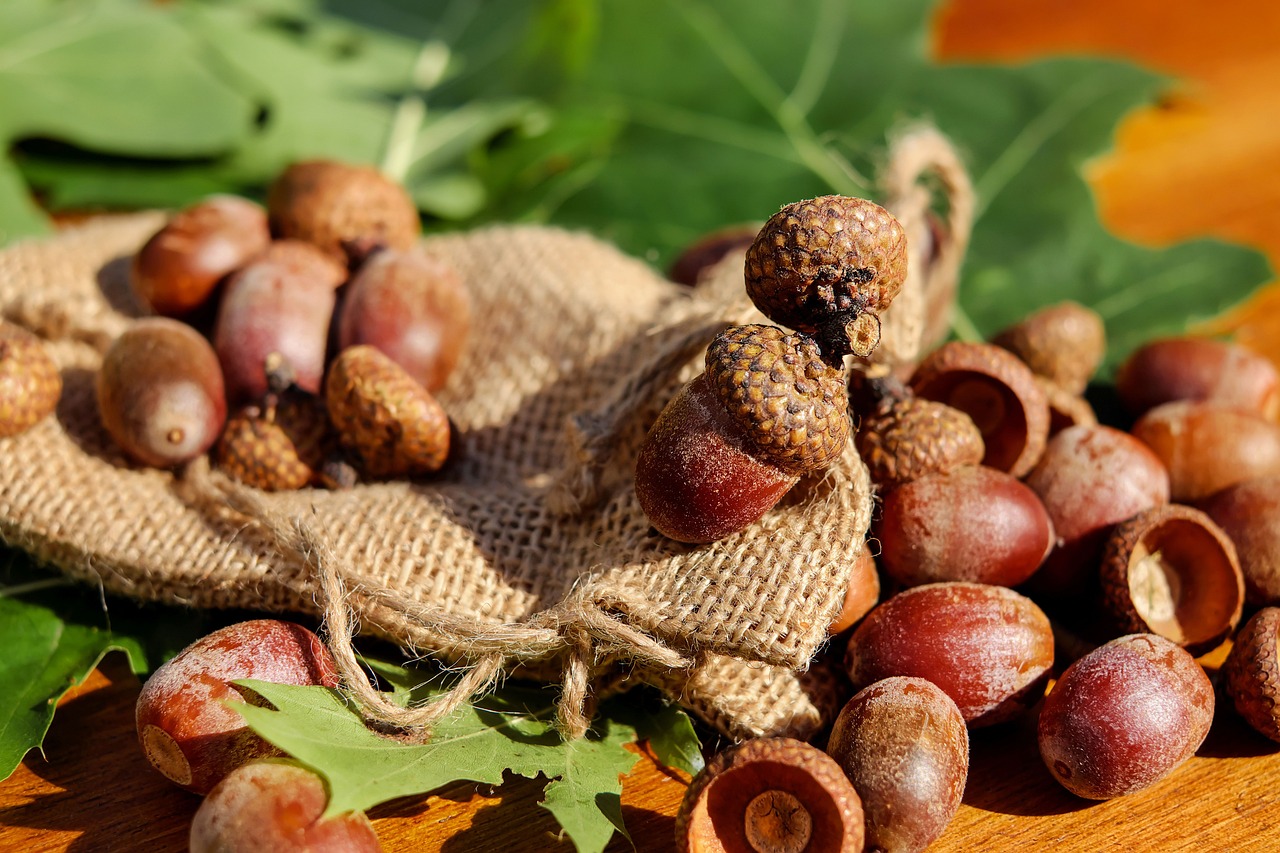
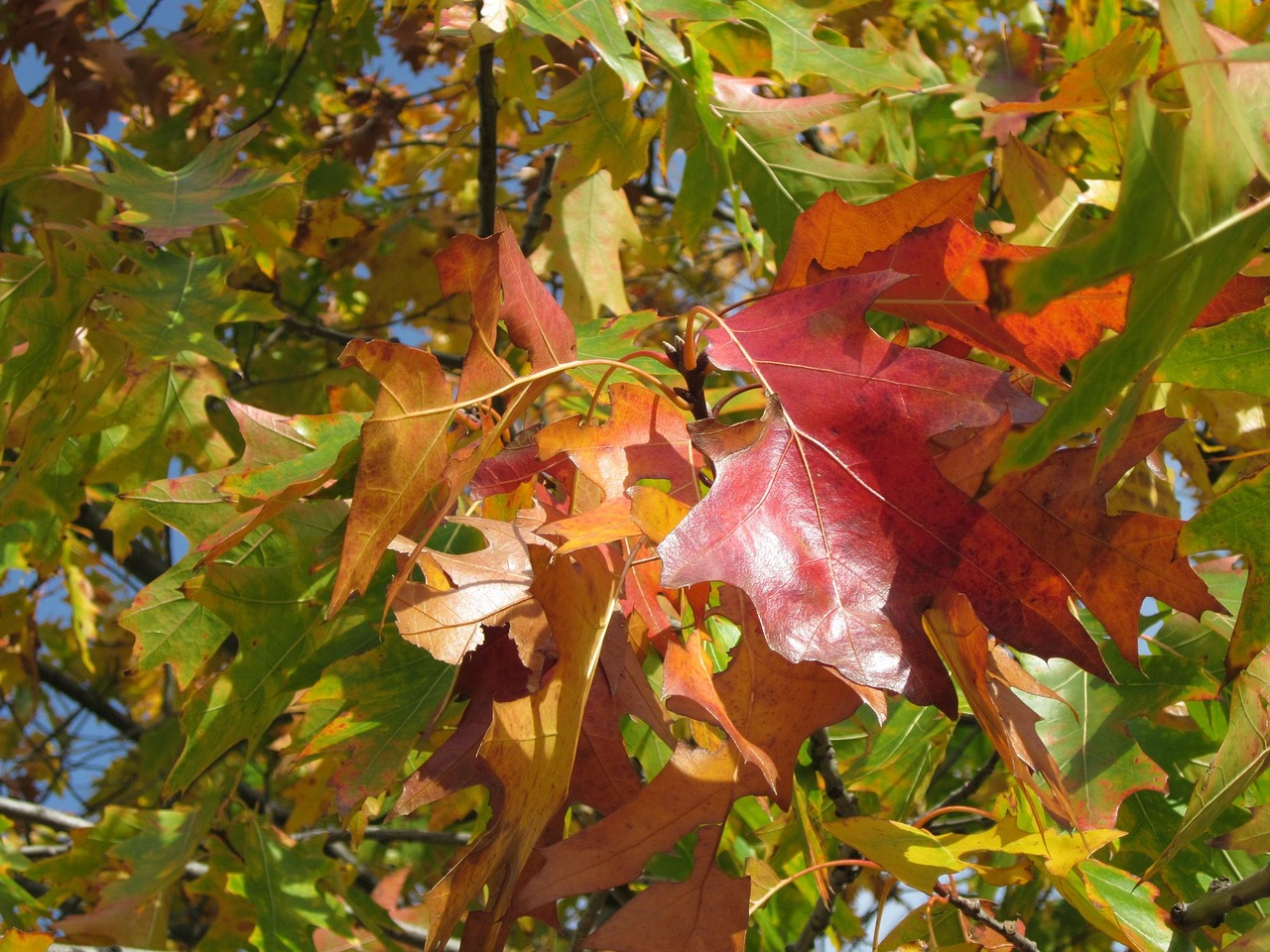
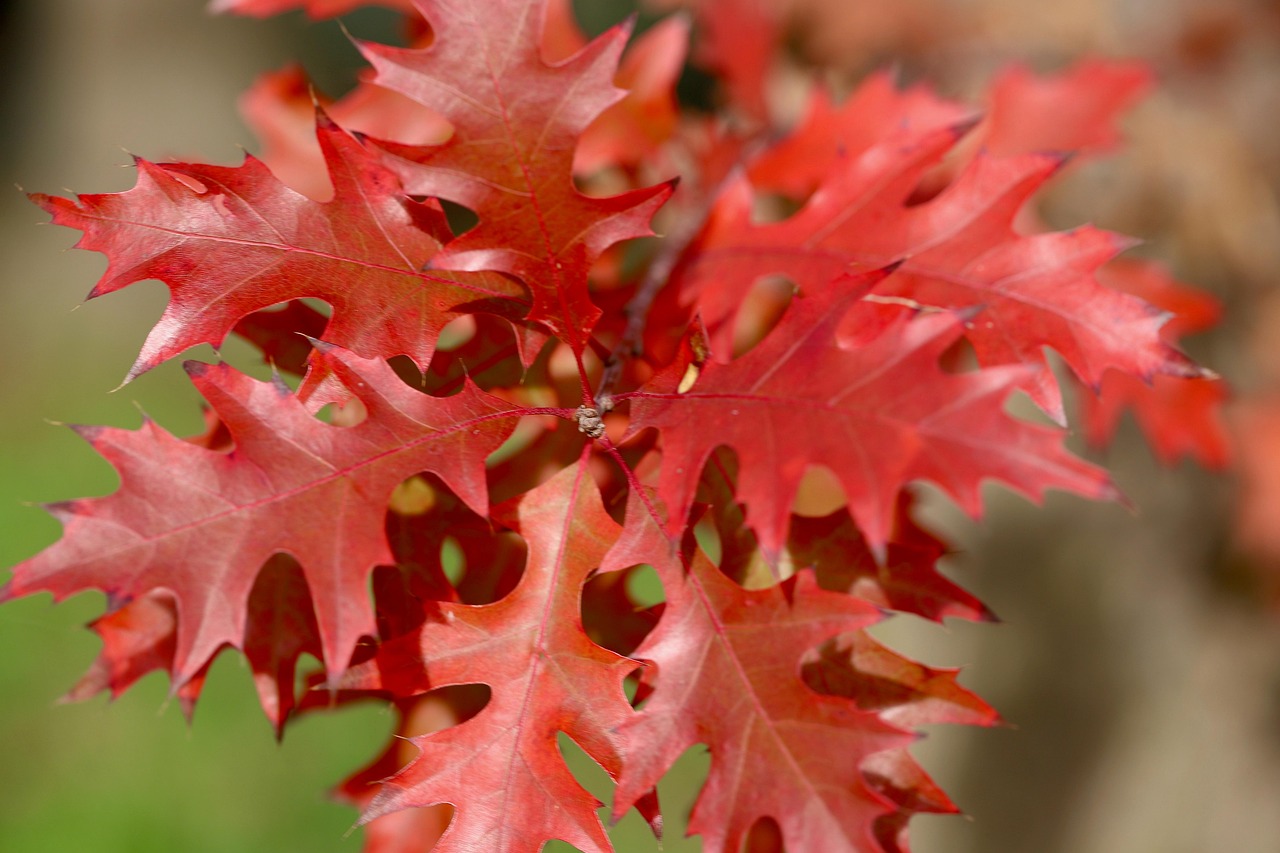
This tree can reach heights of 60 to 75 feet and has a broad, rounded crown. Its leaves are lobed with pointed tips, which turn from green to a brilliant red or orange in autumn. The acorns produced by the Northern Red Oak are an important food source for many animals.
Growth Conditions
The growth rate of Northern Red Oaks is influenced by several environmental factors. These include soil type, moisture availability, sunlight exposure, and competition with other vegetation. Northern Red Oaks thrive in well-drained, moist soils rich in organic material. They prefer full sun to partial shade, which can dramatically affect their growth rates.
In forest settings, competition for resources can hinder their growth. Trees that are overcrowded may struggle to access sunlight and nutrients, leading to slower growth rates. Understanding these dynamics is essential for forest management and conservation efforts.
Factors Affecting Growth Rate
Several key factors impact the growth rate of the Northern Red Oak in forest settings:
- Soil Quality: Nutrient-rich, well-aerated soil promotes better growth.
- Moisture Levels: Adequate water supply is crucial; both drought and waterlogged conditions can be detrimental.
- Light Availability: Full sun exposure leads to optimal photosynthesis and growth.
- Competition: Nearby vegetation can compete for light, nutrients, and water.
Growth Rate Comparison
To provide context for the Northern Red Oak’s growth rate, it is useful to compare it with other common tree species found in similar forest settings. Below is a table illustrating the average growth rates of selected tree species:
| Tree Species | Average Growth Rate (feet/year) |
|---|---|
| Northern Red Oak | 1 – 2 |
| Sugar Maple | 1 – 3 |
| White Pine | 2 – 3 |
| Black Cherry | 1 – 2 |
This table highlights that while the Northern Red Oak has a respectable growth rate, it is generally outpaced by fast-growing species like the White Pine. However, its unique ecological contributions justify its presence in diverse forest environments.
Long-Term Growth Potential
The long-term growth potential of the Northern Red Oak is significant. With proper care and favorable conditions, these trees can live for over 200 years. As they mature, their growth rate may slow down, but they continue to expand in girth and canopy size, which enhances their ecological value in forest settings.
Forest management practices that promote the health of Northern Red Oaks can lead to greater biodiversity and improved forest resilience. By managing competing vegetation and ensuring adequate resources, landowners and forestry professionals can help sustain healthy populations of this vital tree species.
Conclusion on Growth Rates
The study of Northern Red Oak’s growth rates within forest settings reveals much about its ecological role and adaptability. Understanding these growth dynamics allows for better management strategies that benefit both the trees and the overall health of the forest ecosystem.

Ecological Importance of the Northern Red Oak
The Northern Red Oak plays a pivotal role in its native ecosystems. Beyond its aesthetic and economic value, this tree species contributes significantly to biodiversity and habitat stability. Understanding its ecological importance helps highlight why conservation efforts are essential for maintaining healthy forest environments.
Habitat and Wildlife Support
Northern Red Oaks provide essential habitats for various species. The structure of these trees offers nesting sites and shelter for birds and mammals. Additionally, their acorns serve as a vital food source for numerous animals, including:
- Squirrels: Both Eastern Gray and Fox Squirrels rely heavily on acorns for sustenance.
- Deer: Acorns are a favored food in the fall, helping deer gain weight before winter.
- Birds: Species such as woodpeckers and jays often feed on acorns and nest in the tree’s canopy.
This tree’s ability to support a wide range of wildlife makes it a cornerstone of forest ecosystems. The presence of Northern Red Oaks can increase the diversity of animal species within a given area.
Impact on Soil Health
Northern Red Oaks positively influence soil health through their fallen leaves and organic matter. The leaf litter from these trees decomposes over time, enriching the soil and enhancing its nutrient content. This process can lead to:
- Increased Soil Fertility: Decomposing leaves add essential nutrients back into the soil.
- Improved Soil Structure: Organic matter enhances soil texture, promoting better water retention.
- Diversity of Microorganisms: The addition of organic material supports a rich community of soil microorganisms, which are crucial for nutrient cycling.
Healthy soil contributes to the overall vigor of the forest ecosystem, benefiting not only the Northern Red Oak but also various other plant species that coexist within the same environment.
Growth Rate Variability Factors
The growth rate of Northern Red Oak can vary widely based on several factors. Understanding these variables allows for effective management and cultivation practices. Key factors influencing growth rates include:
Genetic Variation
Different populations of Northern Red Oak may exhibit genetic variations that affect growth rates. Some trees may naturally grow faster due to inherited traits, while others may be slower-growing. Selecting seeds or saplings from fast-growing specimens can enhance the overall growth rate of planted forests.
Environmental Conditions
The specific environmental conditions in which a Northern Red Oak grows significantly affect its growth rate. Important aspects include:
- Climate: Temperature and precipitation patterns directly influence tree growth. Warmer temperatures and adequate rainfall generally promote faster growth.
- Elevation: Higher elevations may limit growth due to cooler temperatures and shorter growing seasons.
- Soil Composition: Soil type—such as clay, sand, or loam—affects water drainage and nutrient availability.
Competition with Other Flora
The presence of other plants can impact the growth of Northern Red Oaks significantly. In dense forests, competition for sunlight, water, and nutrients can slow down their growth rates. Techniques to manage competition include:
- Thinning: Removing some trees can improve light access and resources for remaining oaks.
- Controlled Burns: This practice can reduce underbrush that competes with young oaks for resources.
- Selective Planting: Strategically planting other species can create a balanced ecosystem rather than overwhelming competition.
Pest and Disease Considerations
Like all tree species, Northern Red Oaks are susceptible to various pests and diseases that can hinder their growth. Awareness of these threats is crucial for effective management. Common concerns include:
- Oak Wilt: A fungal disease that can kill trees quickly if not managed.
- Gypsy Moth: This invasive insect can defoliate oaks, leading to stress and reduced growth rates.
- Aphids: These small insects can weaken trees by sucking sap, impacting overall health.
Regular monitoring and timely interventions are necessary to protect Northern Red Oaks from these potential threats, ensuring their longevity and health within forest ecosystems.
Management Practices for Northern Red Oak
Effective management practices are essential for promoting the growth and health of Northern Red Oaks in forest settings. These practices help mitigate the impact of competition, pests, and diseases while ensuring that the trees thrive in their natural environment. Below are some recommended management strategies.
Site Preparation
Proper site preparation is crucial before planting Northern Red Oaks. This process involves assessing the land and ensuring optimal conditions for tree growth. Key steps include:
- Soil Testing: Conduct soil tests to determine pH levels and nutrient content. This information helps in amending the soil as needed.
- Clearing Undergrowth: Remove invasive species and competing vegetation that can hinder young oak trees.
- Leveling the Ground: Ensure the planting area is level to prevent water pooling, which can adversely affect root development.
Planting Techniques
The success of Northern Red Oak trees often hinges on effective planting techniques. Consider the following methods:
- Choosing the Right Time: Plant during the spring or fall when temperatures are moderate and moisture levels are optimal.
- Spacing: Space saplings adequately (typically 15 to 30 feet apart) to reduce competition and allow for healthy growth.
- Proper Planting Depth: Plant at the appropriate depth to ensure that the root collar is at soil level, preventing rot.
Watering and Fertilization
Watering and fertilization play a significant role in the growth rate of Northern Red Oaks, especially during their early years. Here are some guidelines:
Watering Practices
Young Northern Red Oaks require consistent moisture for optimal growth. Recommendations include:
- Initial Watering: Water newly planted trees thoroughly to establish root systems.
- Regular Monitoring: Check soil moisture regularly, especially during dry spells, and water as needed.
- Avoid Overwatering: Ensure proper drainage to prevent root rot, which can be detrimental to young trees.
Fertilization Guidelines
The use of fertilizers can enhance growth rates but should be approached with care. Key points to consider include:
- Soil Test Results: Base fertilization decisions on soil test results to avoid over-fertilization.
- Organic Options: Consider organic fertilizers to promote long-term soil health without harming beneficial microorganisms.
- Timing: Apply fertilizers in early spring when trees are actively growing.
Monitoring Growth and Health
Regular monitoring of Northern Red Oak trees is essential for identifying potential problems early. This includes assessing tree health, growth rates, and environmental conditions. Key aspects of monitoring include:
Growth Measurements
To track growth rates effectively, consider the following methods:
- Annual Measurements: Measure height and trunk diameter annually to assess growth trends.
- Visual Inspections: Regularly inspect trees for signs of disease, pests, or environmental stress.
- Record Keeping: Maintain records of measurements and observations to identify patterns over time.
Pest and Disease Monitoring
Pest and disease monitoring is crucial for maintaining healthy Northern Red Oaks. Strategies include:
- Regular Inspections: Check for signs of pests or disease, such as unusual leaf discoloration or damage.
- Using Traps: Employ traps for pests like gypsy moths to assess their presence in the area.
- Consulting Experts: Seek advice from forestry professionals or extension services if problems arise.
The Role of Community Engagement
The involvement of local communities can enhance conservation efforts for Northern Red Oaks. Community engagement can take various forms, such as educational programs, volunteer planting days, and partnerships with local organizations. Benefits include:
- Increased Awareness: Community members become more informed about the importance of preserving native trees.
- Biodiversity Support: Engaging local youth fosters a sense of stewardship for forest ecosystems.
- Resource Sharing: Collaborating with local organizations can provide additional resources and expertise for tree management initiatives.
Community involvement not only enhances tree health but also strengthens the bond between people and their natural surroundings, ensuring that future generations appreciate the value of Northern Red Oaks in forest settings.
Future Research Directions
As the significance of Northern Red Oaks in forest ecosystems becomes increasingly recognized, future research will be essential for understanding their growth dynamics and ecological roles better. Research directions may include:
- Climate Change Impact: Investigating how changing climate patterns affect the growth and health of Northern Red Oaks, as well as their resilience to environmental stressors.
- Genetic Studies: Analyzing genetic diversity within populations to identify traits associated with faster growth rates and disease resistance.
- Ecological Interactions: Studying the relationships between Northern Red Oaks and other flora and fauna to understand their role in promoting biodiversity.
By focusing on these areas, researchers can provide valuable insights that inform better management practices and conservation strategies for Northern Red Oaks and the ecosystems they inhabit.
Community Engagement Initiatives
In addition to fostering awareness, community engagement initiatives can also facilitate hands-on involvement in tree planting and care. Some effective initiatives include:
- Tree Adoption Programs: Local organizations can establish programs where community members adopt a Northern Red Oak tree, taking responsibility for its care and monitoring its growth over time.
- Workshops and Training: Hosting workshops that educate the public on proper tree care, pest management, and the ecological importance of oaks can empower communities to take action.
- School Partnerships: Collaborating with schools to incorporate tree planting into science curricula can instill a sense of responsibility in students while fostering an appreciation for nature.
These initiatives not only strengthen community bonds but also ensure that the importance of Northern Red Oaks is passed down through generations.
Economic Benefits of Northern Red Oak Management
The management of Northern Red Oak trees also has economic implications. Healthy forests contribute to local economies through various avenues, such as:
- Lumber Production: Northern Red Oak is highly valued for its strong wood, which is used in furniture, flooring, and cabinetry.
- Tourism: Well-managed forests attract tourists interested in hiking, birdwatching, and enjoying fall foliage, providing revenue for local businesses.
- Carbon Sequestration: Healthy forests act as carbon sinks, which can be financially beneficial through carbon credit programs aimed at reducing greenhouse gases.
Investing in the management of Northern Red Oaks not only supports ecological health but also enhances economic stability for local communities.
Final Thoughts
The Northern Red Oak tree stands as a vital component of forest ecosystems, showcasing impressive growth rates under optimal conditions. Its ability to support diverse wildlife, improve soil health, and contribute to community well-being underscores its importance. Effective management practices, community engagement, and ongoing research are crucial for preserving this species and its habitats.
As we look towards the future, integrating scientific knowledge with community efforts will be key to ensuring the longevity and health of Northern Red Oaks. By fostering a deeper understanding of their ecological role and implementing proactive management strategies, we can protect not only these magnificent trees but also the rich ecosystems they support. The preservation of Northern Red Oaks is not just about safeguarding a single species; it’s about maintaining the intricate web of life that thrives within our forests, benefiting both nature and humanity alike.
Ultimately, a commitment to the stewardship of Northern Red Oaks ensures that future generations will enjoy the beauty and benefits these trees provide. Through collaboration and education, we can enhance our forests and contribute to a sustainable future.