
Red oak trees, scientifically known as Quercus rubra, offer numerous benefits such as fast growth and wildlife support, but they also come with challenges like disease susceptibility and maintenance issues.
Table of Contents
As one of North America’s most popular trees, red oak (Quercus rubra) is cherished for its beauty and ecological benefits. However, before incorporating them into your landscape, it’s essential to weigh their pros and cons to make an informed decision.
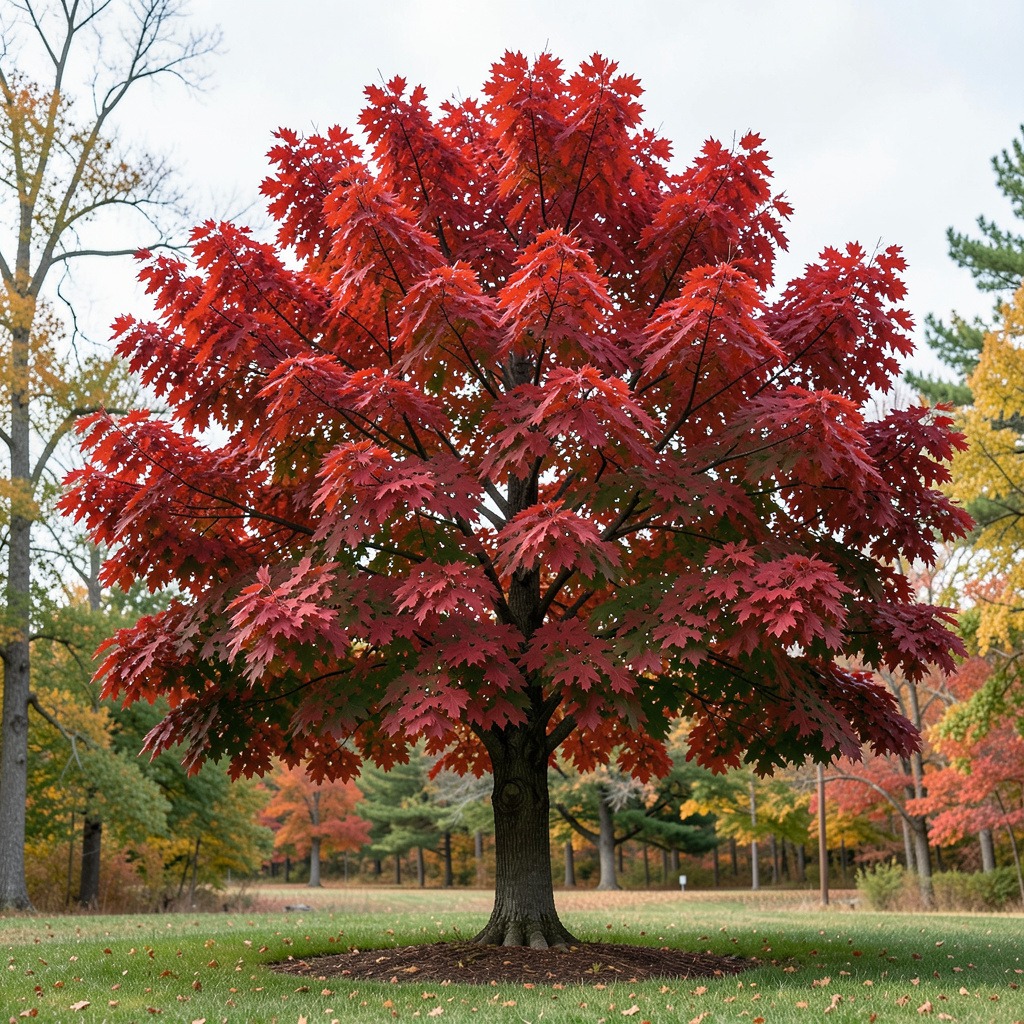
Understanding the Red Oak Tree
Quercus rubra, commonly known as the red oak tree, is a prominent species in North America. It is valued for its strength, beauty, and ecological contributions. Understanding its characteristics and significance can help you assess its pros and cons for your landscape.
What is Quercus rubra?
Quercus rubra is a deciduous hardwood tree that can reach heights of 60 to 75 feet. It features a broad, rounded crown and distinctive lobed leaves that turn vibrant shades of red and orange in autumn. The tree thrives in a variety of soil types, preferring well-drained, acidic conditions.
Key characteristics include:
- Growth Rate: Fast-growing, typically 2 to 3 feet per year.
- Lifespan: Can live for over 200 years.
- Acorns: Produces acorns that serve as a food source for wildlife.
Ecological Role of Red Oaks
Red oaks play a crucial role in supporting local ecosystems. Their acorns are a vital food source for many animals, including squirrels, deer, and various bird species. The dense foliage provides habitat and shelter, promoting biodiversity.
Additionally, red oaks contribute to soil health and erosion prevention. Their deep root systems improve water infiltration and prevent soil loss. As they decompose, the leaves enrich the soil with nutrients, benefiting surrounding plants.
Benefits and Challenges
When considering red oaks for your landscape, keep in mind the following benefits and challenges:
Benefits:
- Aesthetic Appeal: Striking autumn colors enhance visual interest.
- Wildlife Support: Attracts various species, contributing to ecological diversity.
- Shade Production: Provides cooling shade in urban environments.
Challenges:
- Disease Susceptibility: Vulnerable to pests like the two-lined chestnut borer and diseases such as oak wilt.
- Maintenance Requirements: Requires care to manage pests and ensure healthy growth.
- Acorn Production: Can lead to unwanted seedlings if not managed properly.
Decision-Making Tips for Planting
When deciding whether to plant a red oak, consider your local climate and soil conditions. Evaluate the space available, as these trees require ample room for growth. If your area is prone to oak wilt or pest issues, research preventive measures to ensure a healthy tree.
By understanding the characteristics and ecological importance of Quercus rubra, you can make a more informed decision about incorporating red oaks into your landscape.
1. Fast Growth Rate: A Major Advantage
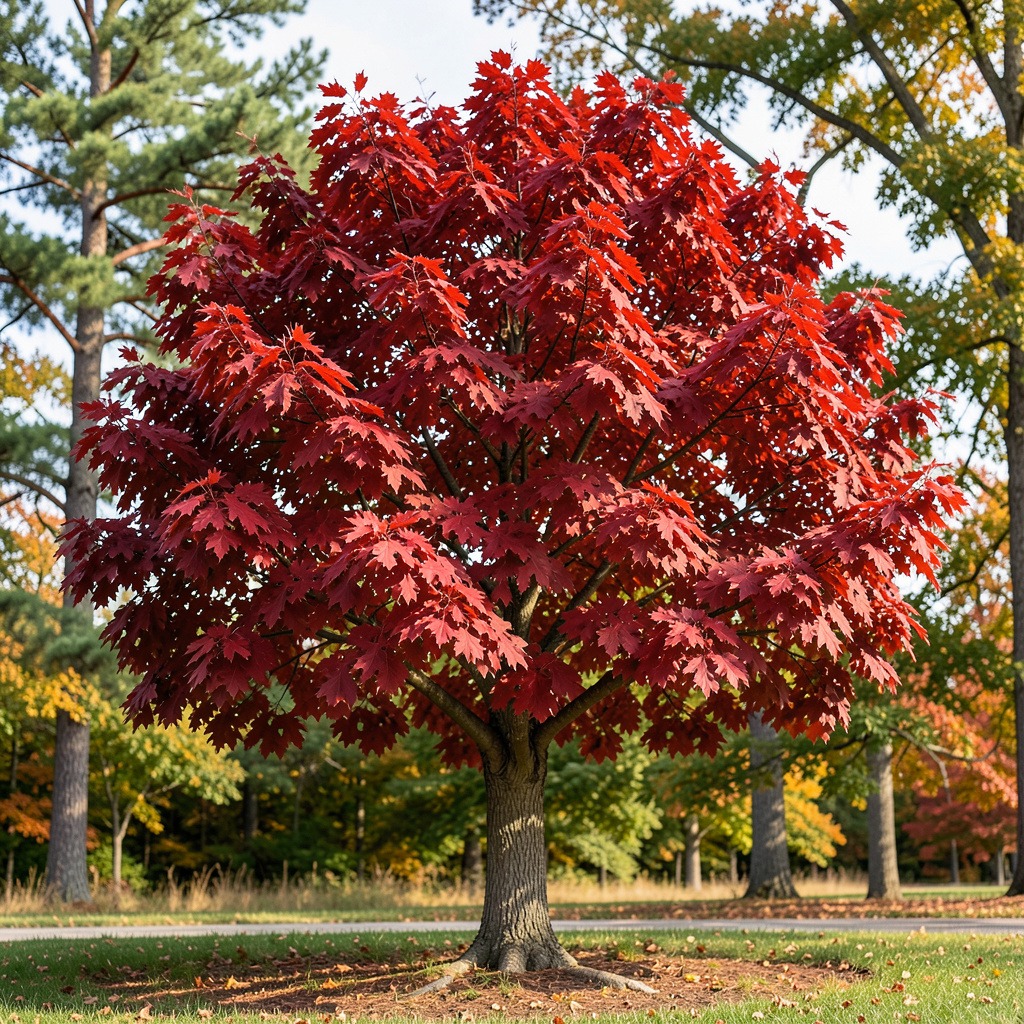
Red oak trees (Quercus rubra) are renowned for their impressive growth rate, making them a preferred choice for both landscaping and ecological purposes. Understanding this growth characteristic helps in planning and executing effective planting strategies.
Growth Rates Compared to Other Oaks
Red oaks can grow up to 2 feet per year under optimal conditions. In contrast, other common oak species, like white oaks, typically grow at a slower rate of about 1 to 1.5 feet annually. This rapid growth allows red oaks to reach heights of 60 to 75 feet within just a few decades, making them a quick solution for creating shade and visual barriers in landscapes.
| Tree Species | Average Growth Rate (Feet per Year) | Maximum Height (Feet) |
|---|---|---|
| Red Oak | 2 | 60-75 |
| White Oak | 1-1.5 | 50-80 |
| Pin Oak | 2 | 50-70 |
Implications for Landscaping
The fast growth rate of red oak trees offers several advantages for landscaping:
- Quick Shade: Ideal for homeowners wanting immediate relief from heat and sun exposure.
- Visual Barriers: Rapidly establishes privacy in urban settings.
- Wildlife Habitat: Provides immediate shelter and food sources for birds and other wildlife.
Homeowners can plant red oaks strategically to enhance their landscape’s aesthetics and functionality. However, it is crucial to consider maintenance needs due to their rapid growth. Young red oaks require regular pruning to develop strong structures and prevent weak branches, which may break during storms.
In regions with suitable conditions, red oaks can thrive and contribute significantly to the local ecosystem. Their adaptability to various soil types further supports their successful growth in diverse environments.
2. Exceptional Shade Provider
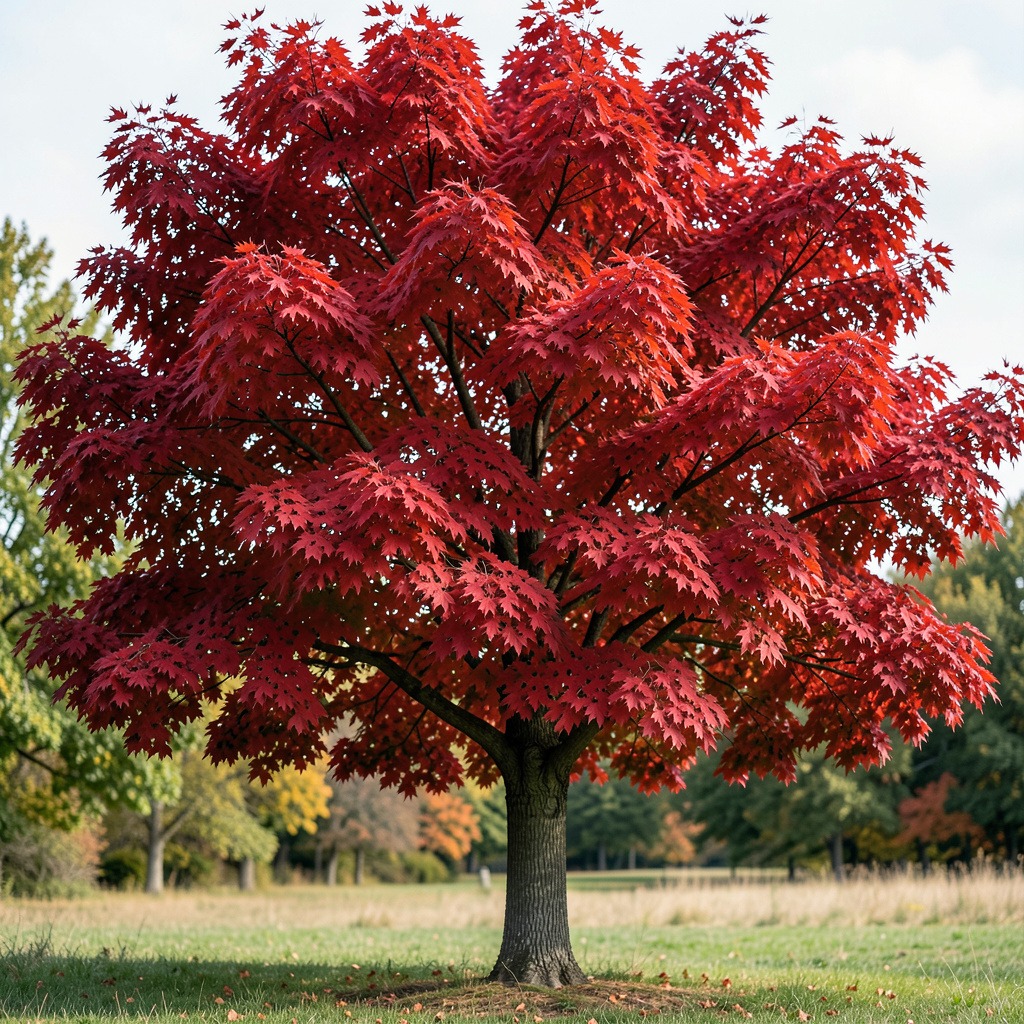
Red oak trees (Quercus rubra) are renowned for their ability to provide extensive shade, making them a valuable addition to any landscape. Their broad canopies and dense foliage create inviting outdoor spaces that enhance comfort and reduce energy costs.
Shade Benefits for Homeowners
- Cooling Effects: Red oak trees offer significant cooling benefits during hot summer months. By strategically planting them near homes, homeowners can enjoy reduced temperatures, which leads to lower air conditioning costs.
- Enhanced Outdoor Living: The shade provided by red oaks creates comfortable areas for outdoor activities. This promotes relaxation, dining, and recreation, transforming yards into functional spaces for family gatherings.
- Protection for Other Plants: The dense shade helps protect smaller plants from harsh sunlight. This can improve the overall health of a garden by preventing sunburn on delicate species.
Creating Comfortable Outdoor Areas
To optimize outdoor spaces using red oak shade, consider the following tips:
- Planting Location: Position red oaks on the west or south side of your home. This maximizes afternoon shade, reducing heat gain.
- Spacing: Allow ample space for their mature canopy. Red oaks can spread significantly, so avoid crowding them with other plants.
- Layering Plants: Combine red oaks with understory plants that thrive in shaded conditions. This creates a lush, multi-layered landscape that enhances biodiversity.
Decision-Making Tips
When deciding to plant red oaks, consider the following factors:
- Local Climate: Ensure your region supports the growth of red oaks. They thrive in well-drained soils and full sun exposure.
- Maintenance Needs: Regular pruning is essential to maintain healthy growth and prevent hazards from weak branches.
- Long-term Goals: Assess your landscape goals. Red oaks not only provide shade but also contribute to wildlife habitats by producing acorns, attracting various species to your yard.
These considerations ensure that red oak trees can effectively enhance your landscape while providing essential shade benefits.
3. Wildlife Habitat and Food Source
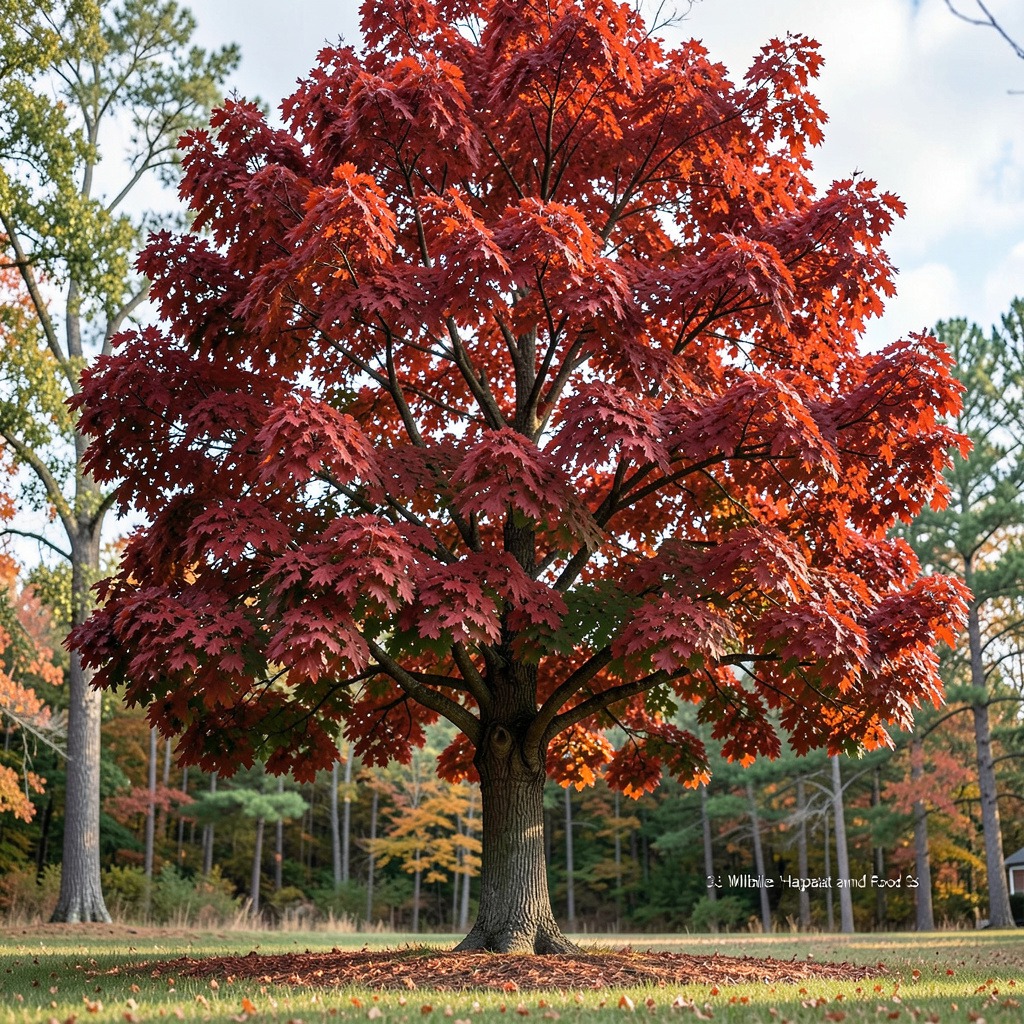
Red oak trees (Quercus rubra) are vital to local ecosystems. Their acorns and structural features support a diverse range of wildlife. Understanding these benefits can enhance your landscape’s ecological value.
Acorn Production and Wildlife
Red oaks produce abundant acorns, a key food source for various wildlife species. These acorns typically fall in the autumn, providing essential nutrition during colder months when food is scarce. Key species benefiting from red oak acorns include:
- Squirrels: They rely on acorns for energy, especially in winter.
- Deer: Acorns offer a high-calorie food source that helps deer maintain strength through the winter.
- Birds: Many bird species, including jays and woodpeckers, feed on acorns and use the trees for nesting.
The availability of acorns can influence local wildlife populations. For instance, a higher acorn yield can lead to increased deer and bird populations in your area.
Supporting Biodiversity
Red oak trees contribute significantly to biodiversity. Their large canopy provides shelter for various species. This habitat protects smaller animals from predators and harsh weather. The following benefits enhance local ecosystems:
- Shelter: The dense branches create safe nesting sites for birds and small mammals.
- Soil Enrichment: As red oak leaves decompose, they enrich the soil, promoting the growth of underbrush that supports insects and other wildlife.
- Ecosystem Balance: By attracting diverse wildlife, red oaks help maintain a balanced ecosystem, supporting pollinators and other critical species.
When planning your landscape, consider incorporating red oaks. Their dual role as a food source and habitat can significantly enhance your local environment.
4. Aesthetic Appeal: Seasonal Beauty
Red oak trees (Quercus rubra) are celebrated not only for their ecological benefits but also for their striking visual appeal throughout the seasons. Their vibrant foliage, particularly during autumn, makes them a favored choice for landscaping.
Autumn Foliage and Landscape Impact
In autumn, red oak trees transform into a breathtaking spectacle. Their leaves shift from deep green to brilliant shades of red, orange, and brown. This seasonal display can enhance any landscape, providing a dynamic backdrop for gardens and parks. Homeowners and landscapers often utilize red oaks as focal points due to their commanding presence.
- Color Palette: The transition of colors adds warmth and vibrancy to the surroundings, making red oaks ideal for creating picturesque autumn scenes.
- Contrast: The rich hues of red oaks contrast beautifully with evergreen trees, enriching the landscape’s visual diversity.
- Seasonal Interest: Unlike many trees that may fade in winter, red oaks retain their architectural elegance, ensuring year-round appeal.
Year-Round Beauty
Red oaks offer more than just autumn grandeur. Their aesthetic appeal extends throughout the entire year:
- Spring: Fresh green foliage emerges, providing a lush canopy that invites outdoor activities.
- Summer: The broad, symmetrical canopy offers ample shade, making them ideal for parks and residential areas.
- Winter: The smooth gray bark and distinct structure of bare branches create a striking silhouette against a winter sky.
Incorporating red oak trees into your landscape not only elevates its beauty but also provides practical benefits, such as shade and wildlife support. When planning your planting strategy, consider the visual changes that red oaks bring to your environment across the seasons. This can enhance both the aesthetic and ecological value of your property.
5. Disease Susceptibility: A Consideration
Red oak trees, while resilient, are susceptible to several diseases and pests. Understanding these threats is essential for effective management and long-term health of the trees.
Common Diseases
One major concern for red oaks is oak wilt, a fungal disease that can devastate entire populations. This disease spreads rapidly through root grafts and insect vectors, often leading to tree mortality within a single growing season. Symptoms include:
- Leaf discoloration: Leaves may turn brown or yellow.
- Defoliation: Loss of leaves, which weakens the tree.
- Dieback: Branches may start to die, impacting overall tree health.
Other common issues include:
- Powdery mildew: A fungal infection that creates a white powdery substance on leaves.
- Leaf spot: Brown or black spots on leaves that can lead to premature leaf drop.
- Pests: Gypsy moths and oak borers can cause significant damage by compromising the tree’s ability to transport water and nutrients.
Preventative Care Strategies
To maintain the health of red oak trees, consider implementing the following preventative measures:
- Regular monitoring: Check for signs of disease or pests, especially during the growing season.
- Proper spacing: Ensure trees have adequate space to promote airflow and reduce disease spread.
- Pruning: Remove dead or infected branches to minimize the risk of disease transmission.
- Soil health: Improve soil quality through organic amendments to support robust tree growth.
Disease Prevention Checklist
- [ ] Inspect trees regularly for early signs of disease or infestation.
- [ ] Maintain proper spacing between trees.
- [ ] Prune infected branches promptly.
- [ ] Apply fungicides or pesticides as needed, following label instructions.
- [ ] Ensure trees are planted in well-drained soil to prevent root rot.
With proactive care and vigilant monitoring, property owners can significantly reduce the risks associated with planting red oak trees.
6. Maintenance Requirements: What to Expect
Red oak trees require specific care to thrive and maintain their health. Understanding their maintenance needs can help property owners make informed decisions and ensure their trees flourish.
Pruning and Care Tips
Pruning is essential for red oak trees. It helps shape the tree, promotes healthy growth, and reduces the risk of safety hazards. Here are some key pruning and care tips:
- Timing: Prune during late winter or early spring before new growth begins.
- Tools: Use sharp, clean tools to make precise cuts and prevent disease spread.
- Technique: Remove dead or weak branches to improve air circulation and sunlight penetration.
Regular inspections for diseases and pests are also vital. This proactive approach enables early intervention, minimizing potential damage.
Seasonal Maintenance Duties
Maintaining red oaks involves seasonal tasks that cater to their growth cycle. Below is a sample maintenance schedule:
| Season | Maintenance Tasks |
|---|---|
| Spring | Prune branches; check for pests; fertilize if needed |
| Summer | Water during dry spells; monitor for signs of disease |
| Fall | Collect acorns and leaves; prepare for winter |
| Winter | Inspect tree structure; plan for spring pruning |
Sample Maintenance Schedule for New and Established Trees
For new red oak trees, follow this schedule:
- Year 1: Water weekly; mulch to retain moisture; prune lightly.
- Year 2: Continue watering; start annual pruning; apply fertilizer in spring.
- Year 3 and Beyond: Transition to seasonal maintenance; monitor health regularly.
For established trees, focus on maintaining their health through regular inspections and seasonal tasks. Balancing care with natural growth patterns ensures a robust tree that contributes to your landscape.
7. Acorn Production: A Double-Edged Sword
Acorns from red oak trees (Quercus rubra) serve as a critical food source for wildlife, but they can also present challenges for property owners. Understanding the dual nature of acorn production is essential for effective management.
Acorns as Food for Wildlife
Red oak acorns are highly nutritious and attract various wildlife species. Birds, squirrels, deer, and other animals rely on these acorns as a food source, especially during fall and winter months. This can enhance local biodiversity and contribute to a vibrant ecosystem.
- Wildlife Benefits:
- Supports local fauna, promoting ecological health.
- Provides a food source for foraging animals.
- Attracts beneficial pollinators during flowering seasons.
Potential Nuisance for Homeowners
While acorns support wildlife, they can also create inconveniences for homeowners. The sheer volume of acorns can lead to several issues:
- Debris Accumulation:
- Fallen acorns can clutter yards, driveways, and gardens.
- They may create a slipping hazard on hard surfaces.
- Maintenance Challenges:
- Regular clean-up is necessary, particularly in autumn.
- Accumulated acorns can block gutters and drainage systems.
Management Strategies for Acorn-Related Issues
To mitigate the challenges posed by acorn production, homeowners can adopt proactive management strategies:
1. Regular Cleanup: Schedule periodic removal of fallen acorns, particularly before heavy rains or storms.
2. Mulching: Use mulching techniques in gardens to cover acorns, reducing visibility and preventing germination.
3. Plant Selection: Consider planting red oaks in areas where acorns will be less disruptive, such as in naturalized areas or away from high-traffic zones.
4. Wildlife Management: Employ fencing or barriers to deter large wildlife from frequenting areas where acorns accumulate.
By understanding both the benefits and challenges of acorn production, property owners can make informed decisions about planting red oak trees. Balancing the ecological advantages with practical management will enhance the overall experience of having these trees in residential landscapes.
8. Ideal Growing Conditions: Where to Plant
Red oak trees (Quercus rubra) thrive under specific conditions that enhance their growth and overall health. Understanding these requirements is crucial for successful planting and long-term maintenance.
Soil and Light Requirements
Red oaks prefer well-drained, loamy soil rich in organic matter. Here are key points to consider:
- Soil pH: Aim for a pH between 6.0 and 7.0 for optimal growth.
- Drainage: Ensure the soil drains well to prevent root rot.
- Sunlight: Red oaks require full sun, ideally receiving 6 to 8 hours of direct sunlight daily. They do not tolerate shade well, making sunny locations essential.
Best Zones for Planting
Selecting the right planting zone is vital for the health of red oak trees. They flourish in USDA Hardiness Zones 3 through 8. Here are some guidelines for each zone:
- Zone 3: Northern regions with cold winters. Ensure protection from harsh winds and consider using mulch for root insulation.
- Zone 4: Suitable for areas with moderate winters. Well-drained soil is essential, and planting should occur in spring or fall.
- Zone 5: Ideal for red oaks. They thrive here with ample rainfall and nutrient-rich soil.
- Zone 6-8: Warmer climates allow for rapid growth. Ensure consistent moisture, especially during dry spells.
Planting Checklist
Before planting red oak trees, consider the following checklist:
- Select a location: Ensure full sun exposure and well-drained soil.
- Test soil conditions: Check pH and organic matter levels.
- Plan for space: Allow adequate room for growth, as these trees can reach heights of 60 to 75 feet.
- Watering plan: Establish a routine for watering, especially during the first few years.
By adhering to these growing conditions and guidelines, you can create a thriving environment for red oak trees, enhancing your landscape while providing ecological benefits.
9. Red Oak vs. White Oak: Key Differences
When considering oak trees for landscaping, red oaks and white oaks each offer unique benefits and challenges. Understanding their differences in growth, care, and ecological contributions can help you make an informed decision.
Growth Comparisons
- Growth Rate: Red oaks grow faster than white oaks, with a typical growth rate of up to 2 feet per year. White oaks generally grow at a slower rate, averaging about 1 foot per year.
- Mature Size: Both species can reach impressive heights, but red oaks often grow taller, reaching 60 to 75 feet, while white oaks typically reach 50 to 80 feet.
- Lifespan: White oaks tend to live longer, often exceeding 200 years, compared to red oaks, which have a lifespan of around 100 to 150 years.
Ecological Benefits Comparison
- Wildlife Support: Both trees provide habitat and food for wildlife. Red oaks produce more acorns in a shorter time, attracting various animals. White oaks, while slower to bear acorns, produce larger acorns that are a preferred food source for many species.
- Soil Adaptability: Red oaks adapt well to various soil types but prefer well-drained soils. White oaks thrive in a broader range of conditions and are more tolerant of clay soils.
- Shade and Aesthetic Appeal: Red oaks develop a dense canopy, offering quick shade. White oaks provide a more picturesque, rounded shape and have a lighter leaf color, enhancing landscape aesthetics.
Comparison Table
| Feature | Red Oak | White Oak |
|---|---|---|
| Growth Rate | Up to 2 feet/year | About 1 foot/year |
| Mature Height | 60 to 75 feet | 50 to 80 feet |
| Lifespan | 100 to 150 years | Over 200 years |
| Acorn Production | High, quicker to mature | Lower, larger acorns |
| Soil Preference | Well-drained | More tolerant of clay |
| Canopy Density | Dense | Rounded shape |
Care Tips for Urban Environments
- Red Oak: Requires regular pruning for structural integrity due to fast growth. Monitor for pests like gypsy moths and diseases such as oak wilt.
- White Oak: Benefits from less frequent pruning and is generally more resilient to pests, but still needs attention to prevent disease.
When selecting between red oak and white oak, consider your landscape goals, soil conditions, and desired maintenance level. Each species has its strengths, making them valuable additions to various environments.
10. Alternatives to Red Oak Trees
When considering tree species for landscaping, several alternatives to red oak trees (Quercus rubra) can fulfill similar roles. These options cater to various aesthetic and environmental needs, making them valuable choices for property owners.
Other Suitable Oak Species
1. White Oak (Quercus alba)
- Growth Rate: Slower than red oak but longer lifespan.
- Aesthetic Appeal: Beautiful autumn colors, strong and durable wood.
- Disease Resistance: More resilient to pests and diseases, making it a reliable choice.
2. Pin Oak (Quercus palustris)
- Growth Rate: Fast-growing, ideal for quick shade.
- Soil Adaptability: Thrives in wet conditions, suitable for low-lying areas.
- Wildlife Support: Attracts various birds and insects.
Non-Oak Alternatives
1. Maple Trees (Acer spp.)
- Growth Rate: Moderate to fast, depending on the species.
- Fall Foliage: Offers spectacular color changes in autumn.
- Ecological Benefits: Supports diverse wildlife, including birds and insects.
2. Sweetgum (Liquidambar styraciflua)
- Growth Rate: Rapid growth, providing quick shade.
- Unique Appearance: Star-shaped leaves and spiky fruit add visual interest.
- Adaptability: Performs well in a variety of soil types and moisture levels.
Decision-Making Framework for Selecting Alternatives
When choosing a tree species, consider the following criteria:
- Growth Rate: Determine how quickly you need shade or screening.
- Soil Conditions: Assess the soil type and drainage on your property.
- Aesthetic Preferences: Decide on desired colors and shapes throughout the seasons.
- Maintenance Level: Evaluate your willingness to manage pests and diseases.
- Wildlife Support: Consider how the tree will benefit local ecosystems.
By applying this framework, you can make informed decisions about which trees will best meet your landscaping goals while providing benefits similar to those of red oaks.
11. Decision Framework: Should You Plant a Red Oak?
When considering whether to plant a red oak tree (Quercus rubra), it is essential to weigh the benefits against the drawbacks. This section provides a structured framework to help you make an informed decision.
Key Takeaways
- Pros of Red Oak Trees:
- Fast Growth Rate: Red oaks can grow up to 2 feet per year, providing quick shade and visual screening.
- Aesthetic Appeal: Their beautiful foliage and structure enhance landscaping.
- Wildlife Support: They produce acorns, a valuable food source for various wildlife.
- Adaptability: Red oaks thrive in diverse soil conditions, from sandy to clay.
- Cons of Red Oak Trees:
- Disease Susceptibility: Red oaks are vulnerable to oak wilt and pest infestations, which can weaken or kill the tree.
- Shorter Lifespan: Compared to other oaks, red oaks may have a shorter lifespan.
- Maintenance Needs: They require consistent care, especially when young, to ensure structural integrity.
Final Recommendations
Consider the following checklist before planting red oaks:
- Growth Rate: Do you need a tree that establishes quickly?
- Soil Quality: Is your soil suitable for red oaks, given their adaptability to various conditions?
- Space and Light: Is there enough sunlight and space for a mature red oak to thrive?
- Ecosystem Impact: Will the addition of a red oak benefit local wildlife?
- Maintenance Commitment: Are you prepared to manage potential diseases and pests?
Decision-Making Checklist
| Factor | Considerations |
|---|---|
| Growth Rate | Need for quick shade? |
| Soil Conditions | Is your soil well-drained and suitable? |
| Aesthetic Preferences | Do you appreciate their seasonal beauty? |
| Maintenance Level | Can you commit to regular care? |
| Wildlife Benefits | Is supporting local ecosystems important to you? |
Utilizing this framework will help you evaluate whether a red oak tree aligns with your landscaping goals and environmental needs.
Frequently Asked Questions
These quick answers cover the most common questions about this topic, including key details, practical tips, and common concerns.
Is a red oak a good yard tree?
Yes, red oak trees (Quercus rubra) are excellent yard trees. They grow rapidly, reaching heights of 60 to 75 feet, which provides ample shade and enhances the aesthetic appeal of your landscape. Their striking autumn foliage adds vibrant colors, making them visually attractive throughout the seasons. Additionally, red oaks support local wildlife by producing acorns, which serve as a food source for various animals.
What are the downsides of having a red oak tree?
While red oaks offer many benefits, they also come with some drawbacks. They are susceptible to diseases like oak wilt and pests such as the two-lined chestnut borer, which can weaken or kill the tree. Maintenance is required to manage these issues, including regular inspections and pruning. Furthermore, their acorn production can lead to unwanted seedlings and debris in your yard, necessitating clean-up efforts.
Where is the best place to plant a red oak tree?
Red oak trees thrive in well-drained, loamy soils and prefer full sun, receiving at least 6 to 8 hours of direct sunlight daily. Choose a location with ample space, as these trees can spread significantly. Planting on the west or south side of your home can maximize shade during hot months. Ensure that the chosen site is free from competing vegetation and has good air circulation to reduce disease risk.
How tall will a red oak be in 10 years?
In optimal conditions, a red oak tree can grow 2 to 3 feet per year. Therefore, in 10 years, you can expect a red oak to reach heights of approximately 20 to 30 feet. This rapid growth makes them an excellent choice for homeowners looking for quick shade and visual barriers in their landscapes.
White Oak vs. Red Oak Trees: What Are the Differences?
Red oaks and white oaks differ in several key aspects. Red oaks grow faster, reaching heights of 60 to 75 feet, while white oaks typically grow to 50 to 80 feet but at a slower rate of about 1 foot per year. Red oaks produce more acorns quickly, while white oaks produce larger acorns that are highly favored by wildlife. Additionally, white oaks are generally more resistant to pests and diseases, making them a more resilient option.
What maintenance is required for red oak trees?
Red oak trees require regular maintenance to ensure their health and longevity. This includes annual pruning to remove dead or weak branches and improve air circulation. Regular inspections for signs of pests and diseases are also essential. In the first few years, consistent watering is crucial, especially during dry spells. Applying mulch can help retain moisture and suppress weeds around the base of the tree.
How do red oak trees support local wildlife?
Red oak trees are vital for local ecosystems as they produce abundant acorns, which serve as a food source for various wildlife, including squirrels, deer, and birds. The dense foliage provides shelter and nesting sites for many species, promoting biodiversity in your area. By planting red oaks, you contribute to a healthy habitat that supports both flora and fauna.
What diseases are red oak trees susceptible to?
Red oak trees are susceptible to several diseases, with oak wilt being one of the most significant threats. This fungal disease can spread rapidly and often leads to tree mortality. Other common issues include powdery mildew and leaf spot, which can affect the tree’s health and appearance. Regular monitoring and proper care, such as timely pruning and maintaining soil health, can help mitigate these risks.