
Northern red oak varieties, including Quercus rubra, are notable for their fast growth and adaptability across various soil types, serving as essential species in eastern North America’s ecosystems.
Table of Contents
Northern red oak, scientifically known as Quercus rubra, encompasses diverse varieties that thrive in different environments. This guide explores these varieties, their characteristics, ecological importance, and care tips to help you choose the right one for your landscape.
Understanding Northern Red Oak Varieties
Northern red oak, or Quercus rubra, is known by various names and classifications across different regions. Understanding these names and classifications helps in identifying and managing this important species effectively.
Common Names for Northern Red Oak
Northern red oak has several common names, which can vary by region. These include:
- Common Red Oak
- Eastern Red Oak
- Mountain Oak
- Gray Oak
These names help distinguish northern red oak from similar species, such as the southern red oak (Quercus falcata). The variation in names reflects local usage and ecological context.
Scientific Classification of Northern Red Oak
The scientific classification of northern red oak provides a clear framework for understanding its biological relationships.
- Kingdom: Plantae
- Phylum: Angiosperms
- Class: Eudicots
- Order: Fagales
- Family: Fagaceae
- Genus: Quercus
- Species: Quercus rubra
This classification places northern red oak within the broader oak family, which includes many other species known for their ecological and economic value.
Growth Characteristics and Care
Northern red oak typically exhibits moderate to fast growth. It can reach heights of 60 to 75 feet and a spread of 40 to 50 feet.
Care Tips:
- Soil Preference: Thrives in well-drained, slightly acidic soils.
- Sunlight: Prefers full sun for optimal growth.
- Watering: Established trees require moderate watering, especially in dry spells.
When selecting a variety, consider local climate and soil conditions. For instance, northern red oak performs best in regions with cold winters and moderate summers, making it suitable for northeastern U.S. landscapes.
Visual Identification Tips
To identify northern red oak, look for its distinctive characteristics:
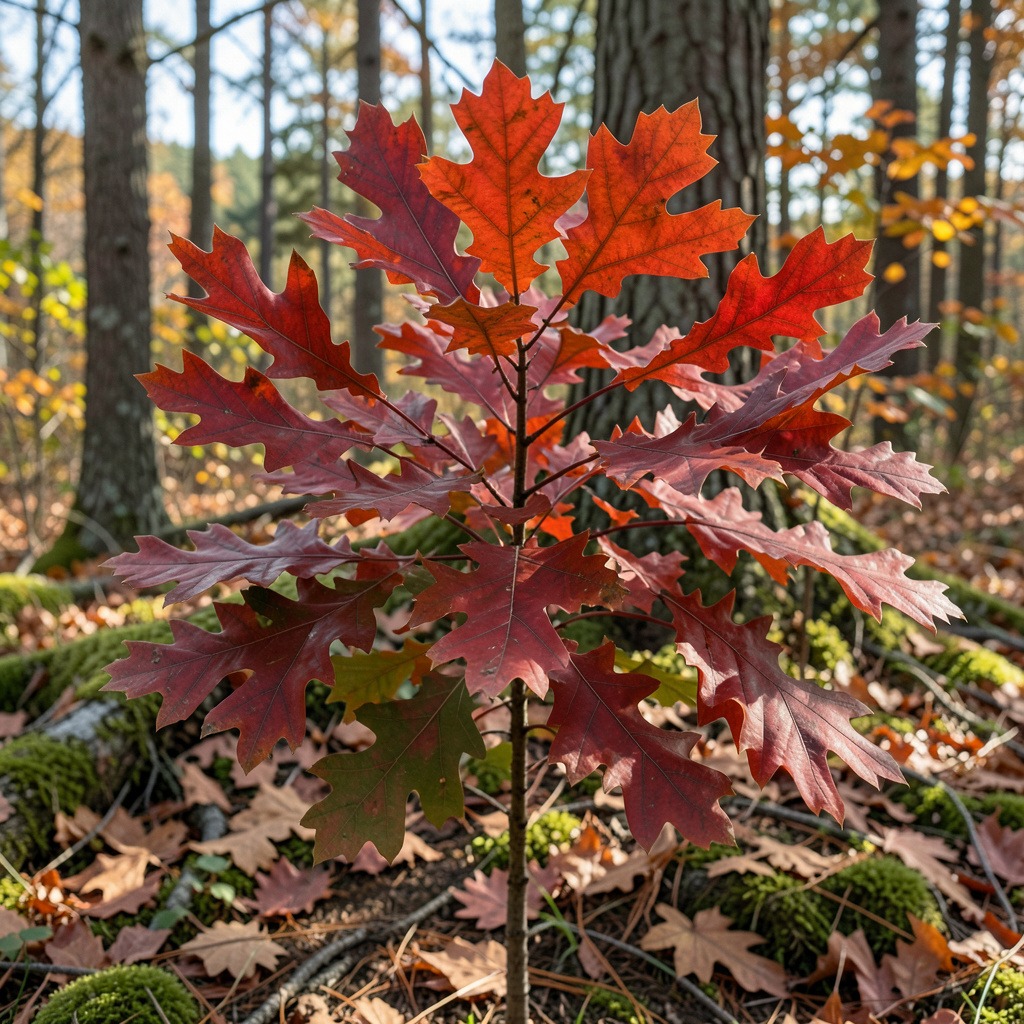
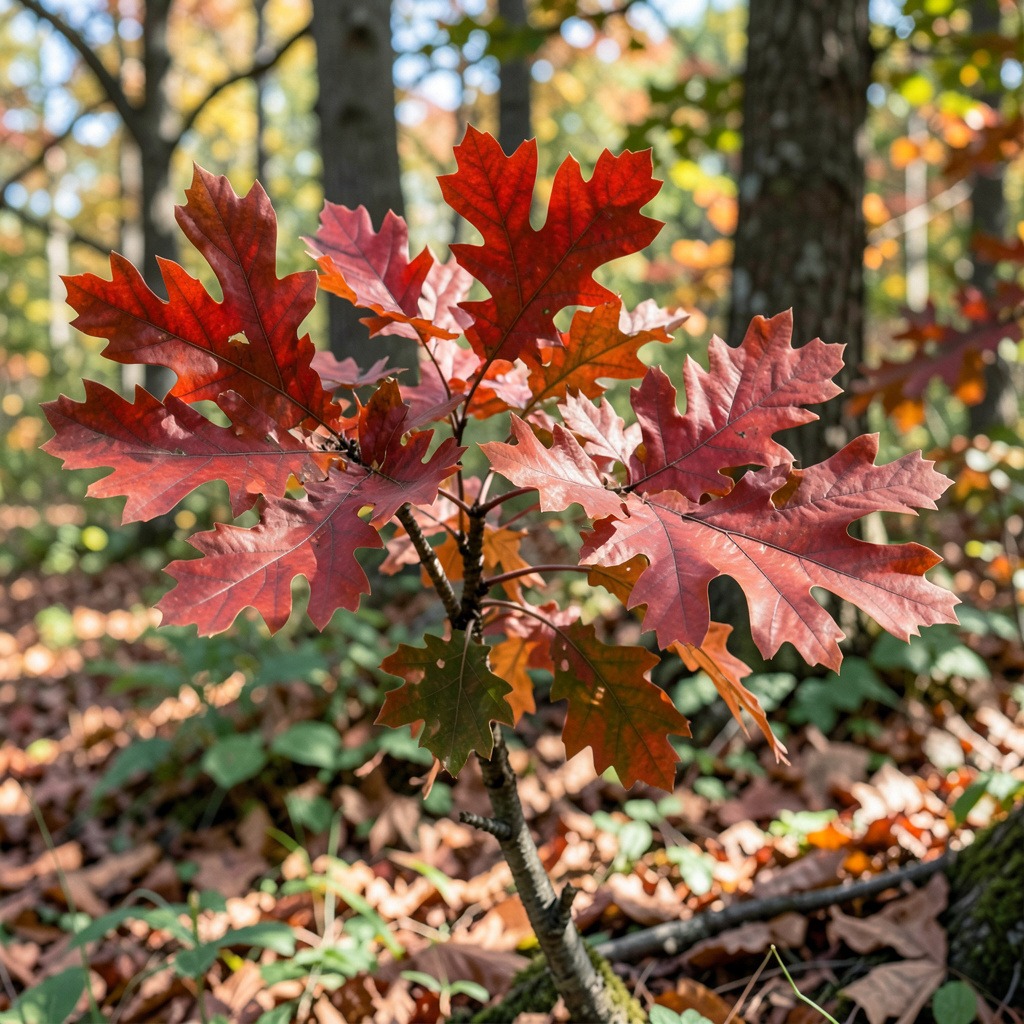
- Leaves: Lobed with pointed tips, turning vibrant red in autumn.
- Bark: Dark gray and furrowed, becoming scaly with age.
- Acorns: Acorns are typically 1 inch long, with a shallow cap.
These visual cues can help differentiate northern red oak from similar species, ensuring proper identification in the field or when planning landscapes.
Growth Characteristics of Northern Red Oak

Northern red oak (Quercus rubra) exhibits impressive growth characteristics, making it a popular choice for various landscapes. Understanding its growth rate, optimal soil conditions, and environmental needs is essential for successful cultivation.
Ideal Soil Conditions
Northern red oak thrives in well-drained, slightly acidic soils. It prefers a pH range of 5.5 to 6.5. Here are some key soil conditions for optimal growth:
- Soil Type: Loamy or sandy soils are ideal, but it can adapt to clay soils with proper drainage.
- Nutrient Content: Fertile soils with adequate organic matter promote vigorous growth.
- Drainage: Good drainage is crucial to prevent root rot and other moisture-related issues.
Sunlight and Water Requirements
Northern red oak grows best in full sun. It requires at least six hours of direct sunlight daily. Its water needs include:
- Watering: Young trees need regular watering during dry spells, especially in their first few years.
- Drought Tolerance: Once established, northern red oak demonstrates moderate drought resistance but benefits from consistent moisture.
Growth Rate Comparison
The growth rate of northern red oak varies among its varieties. The following table outlines the growth rates and habitat preferences of selected northern red oak varieties:
| Variety | Average Height | Annual Growth Rate | Soil Preference |
|---|---|---|---|
| Northern Red Oak (Quercus rubra) | 60-75 feet | 1-2 feet | Well-drained, acidic |
| Fastigiate Red Oak (Quercus rubra ‘Fastigiata’) | 40-50 feet | 1-2 feet | Well-drained, fertile |
| Swamp Red Oak (Quercus palustris) | 50-70 feet | 1-2 feet | Moist, poorly drained |
This table highlights that while all varieties grow at similar rates, their soil preferences can differ, affecting their suitability for specific landscapes.
By selecting the right variety based on these growth characteristics, one can ensure a thriving northern red oak presence in their landscape.
Ecological Importance of Northern Red Oak
Northern red oak (Quercus rubra) plays a crucial role in its ecosystem. Its acorns and habitat provide essential support for various wildlife species, making it a vital component of forest biodiversity.
Support for Wildlife Species
The northern red oak serves as a food source and habitat for numerous wildlife species. The acorns of this tree are particularly important, providing nourishment to animals such as:
- Wild Turkeys: They rely on acorns during the fall and winter months.
- Deer: These animals consume both the acorns and the twigs.
- Squirrels: They gather and store acorns for winter sustenance.
- Raccoons: These omnivores benefit from the abundant acorn supply.
This tree’s foliage and structure also offer shelter for birds and small mammals, enhancing overall biodiversity.
Acorn Production and Ecosystem Benefits
Northern red oak is known for its prolific acorn production. Each tree can produce thousands of acorns annually, which contributes significantly to local food webs. Acorns serve not only as food but also promote seed dispersal, aiding in forest regeneration.
- Ecosystem Benefits:
- Acorns support various species, ensuring a balanced ecosystem.
- The tree’s presence improves soil health through leaf litter decomposition.
- Its deep roots help prevent soil erosion, particularly in hilly areas.
Understanding the ecological importance of northern red oak varieties can guide effective planting and conservation strategies. For instance, selecting specific varieties based on local wildlife needs can enhance habitat quality.
Comparing Northern and Southern Red Oak
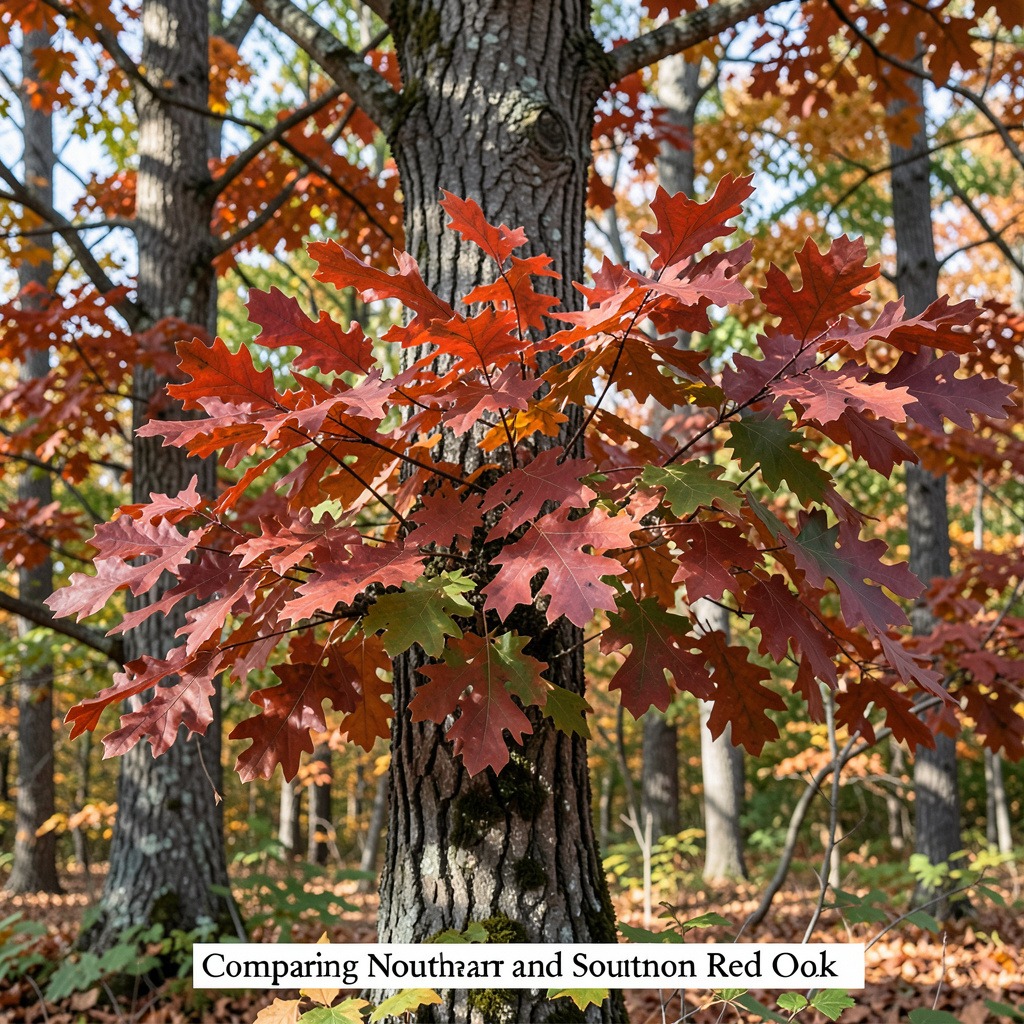
Northern and southern red oaks, while both members of the Quercus genus, exhibit distinct differences in growth patterns, habitat preferences, and uses. Understanding these differences is crucial for effective landscaping and ecological conservation.
Growth Differences
| Characteristic | Northern Red Oak (Quercus rubra) | Southern Red Oak (Quercus falcata) |
|---|---|---|
| Growth Rate | Moderate to rapid; up to 2 feet annually | Moderate; typically slower than northern |
| Mature Height | 60-75 feet | 50-80 feet |
| Trunk Diameter | 2-3 feet | 1-2 feet |
| Leaf Size | Larger, pointed lobes | Smaller, rounded lobes |
| Acorn Size | 0.5-1 inch | Smaller, typically less than 0.5 inch |
Northern red oak tends to grow taller and faster than its southern counterpart, making it more suitable for quickly establishing shade in urban settings. In contrast, southern red oak may take longer to reach maturity but can adapt to a variety of soil types.
Habitat Preferences
| Characteristic | Northern Red Oak (Quercus rubra) | Southern Red Oak (Quercus falcata) |
|---|---|---|
| Soil Preference | Prefers well-drained, slightly acidic soils | Tolerates a wider range of soil types, including sandy or clay soils |
| Climate Adaptation | Thrives in cooler northern climates | Better suited for warmer southern climates |
| Moisture Requirements | Requires moderate moisture levels | More drought-resistant once established |
Northern red oak is commonly found in the eastern and central United States, particularly in regions with cooler climates. Southern red oak thrives in warmer, southern environments and often exhibits greater drought tolerance.
Decision Framework
When selecting between northern and southern red oak varieties, consider the following:
- Growth Rate Needs: Choose northern red oak for faster growth and immediate shade.
- Soil Conditions: Opt for southern red oak if your site has variable soil types or poorer drainage.
- Climate Compatibility: Assess your local climate; northern red oak is ideal for cooler areas, while southern red oak suits warmer regions.
By understanding these distinctions, you can make informed decisions about which oak variety best suits your landscaping or ecological restoration needs.
Common Issues and Pests Affecting Northern Red Oak
Northern red oak (Quercus rubra) is susceptible to various pests and diseases that can impact its health and growth. Understanding these issues and implementing effective management strategies is crucial for maintaining healthy trees.
Identifying Common Pests
Several pests commonly affect northern red oak, leading to weakened trees and reduced vitality. Here are some notable ones:
- Imported Gypsy Moth: This defoliator can severely damage leaves, leading to stress and increased vulnerability to diseases.
- Variable Oakleaf Caterpillar: This species feeds on foliage and can cause significant leaf loss.
- Asiatic Oak Weevil: Primarily affects seedlings by feeding on fine roots, stunting growth.
- Powdery Mildew: A fungal disease that manifests as white powder on leaves, indicating poor health and water stress.
- Oak Wilt: A severe fungal disease that causes leaf drop and dieback, particularly affecting the upper canopy.
Checklist for Identifying Pests:
- Look for leaf discoloration or distortion.
- Check for missing foliage or defoliation.
- Observe for white powdery spots on leaves.
- Monitor for wilting or leaf drop patterns.
Management Strategies
Effective management is vital to mitigate the impact of pests and diseases on northern red oak. Here are several strategies to consider:
- Regular Monitoring: Inspect trees regularly for early signs of pest activity or disease symptoms.
- Cultural Practices: Ensure proper watering and soil management to promote healthy growth and resilience.
- Biological Control: Encourage natural predators, such as birds, to control pest populations.
- Pruning: Remove infected branches to prevent the spread of diseases like oak wilt.
- Fungicides: Use appropriate fungicides for powdery mildew and other fungal diseases, following label instructions.
Decision Framework for Management:
- If you notice leaf loss without visible pests, consider checking for diseases like powdery mildew or oak wilt.
- In urban settings, where space is limited, prioritize tree health by implementing integrated pest management strategies that include cultural practices and biological controls.
By staying vigilant and applying these management strategies, you can support the health of northern red oak varieties and ensure their ecological benefits thrive.
Visual Identification Tips for Northern Red Oak
Identifying northern red oak (Quercus rubra) in the wild requires attention to specific characteristics. Focus on the leaf shape, bark texture, and acorn features for accurate identification.
Leaf Characteristics
Northern red oak leaves are distinctive. They typically exhibit the following features:
- Shape: The leaves are lobed with pointed tips, usually consisting of 7 to 11 lobes.
- Size: Each leaf can grow up to 8 inches long and 6 inches wide.
- Color: In spring and summer, the leaves are a rich green, turning a vibrant red in autumn.
Bark Texture and Acorn Features
Bark and acorns provide additional identification clues:
- Bark: The bark of mature northern red oaks is dark gray and has broad, shallow fissures. It often appears flaky.
- Acorns: The acorns are brown, barrel-shaped, and about 1 inch long, with a distinctive knobby cap covering about one-third of the acorn’s surface.
Quick Identification Checklist
- Leaf Shape: Look for lobed leaves with pointed tips.
- Bark Texture: Check for dark gray bark with shallow fissures.
- Acorns: Identify acorns with knobby caps that are barrel-shaped.
Familiarizing yourself with these features will enhance your ability to identify northern red oak varieties in various habitats.
Frequently Asked Questions
These quick answers cover the most common questions about this topic, including key details, practical tips, and common concerns.
Is there a difference between a red oak and a northern red oak?
Yes, there is a difference. The term “red oak” generally refers to a group of oak species, including both northern red oak (Quercus rubra) and southern red oak (Quercus falcata). Northern red oak is typically found in cooler northern climates and tends to grow faster and taller than its southern counterpart. It also has larger, more pointed lobes on its leaves and produces larger acorns.
What not to plant under an oak tree?
Avoid planting shallow-rooted plants or those that require a lot of moisture under oak trees. Species like annual flowers or plants with aggressive root systems can compete with the oak for nutrients and water. Additionally, avoid planting any species that may attract pests or diseases that could harm the oak, such as certain fruit trees.
What are the pros and cons of a northern red oak tree?
Pros: Northern red oak is fast-growing, reaching heights of 60 to 75 feet. It provides excellent shade and supports wildlife through its acorns. It adapts well to various soil types, making it suitable for many landscapes.
Cons: The tree can be susceptible to pests like the gypsy moth and diseases such as oak wilt. Its large size may not be suitable for smaller yards, and it requires space for its expansive root system.
Are there different varieties of red oak trees?
Yes, there are several varieties of red oak trees, including the northern red oak and southern red oak. Other notable varieties include the fastigiate red oak, which grows in a columnar shape, and the swamp red oak, which thrives in wetter conditions. Each variety has unique characteristics, such as growth rate, size, and habitat preference.
How can I identify a northern red oak?
To identify a northern red oak, look for its lobed leaves with pointed tips, which can grow up to 8 inches long. The bark is dark gray and furrowed, becoming flaky with age. Additionally, the acorns are about 1 inch long, with a distinctive knobby cap. These features help differentiate it from similar oak species.
What are the best soil conditions for northern red oak?
Northern red oak thrives in well-drained, slightly acidic soils with a pH of 5.5 to 6.5. It prefers loamy or sandy soils but can adapt to clay soils if they have proper drainage. Ensuring adequate fertility and organic matter in the soil will promote vigorous growth.
What wildlife benefits from northern red oak trees?
Northern red oak trees provide essential habitat and food for various wildlife species. Their acorns are a vital food source for animals like deer, squirrels, and wild turkeys, especially in the fall and winter. The tree’s foliage also offers shelter for birds and small mammals, contributing to forest biodiversity.
What are the common pests that affect northern red oak?
Common pests include the imported gypsy moth, which can defoliate the tree, and the variable oakleaf caterpillar, known for its leaf-feeding behavior. The asiatic oak weevil primarily affects young trees by damaging roots. Additionally, oak wilt is a serious fungal disease that can lead to tree decline and death. Regular monitoring and management are essential to protect northern red oak from these threats.