
Norway maple care involves proper planting, watering, fertilization, pruning, and pest management to ensure healthy growth and mitigate invasiveness.
Table of Contents
Caring for Norway maples (Acer platanoides) requires a thorough understanding of their specific needs and potential challenges. This guide will cover essential aspects of planting, maintenance, and troubleshooting common issues to help you cultivate a thriving tree.
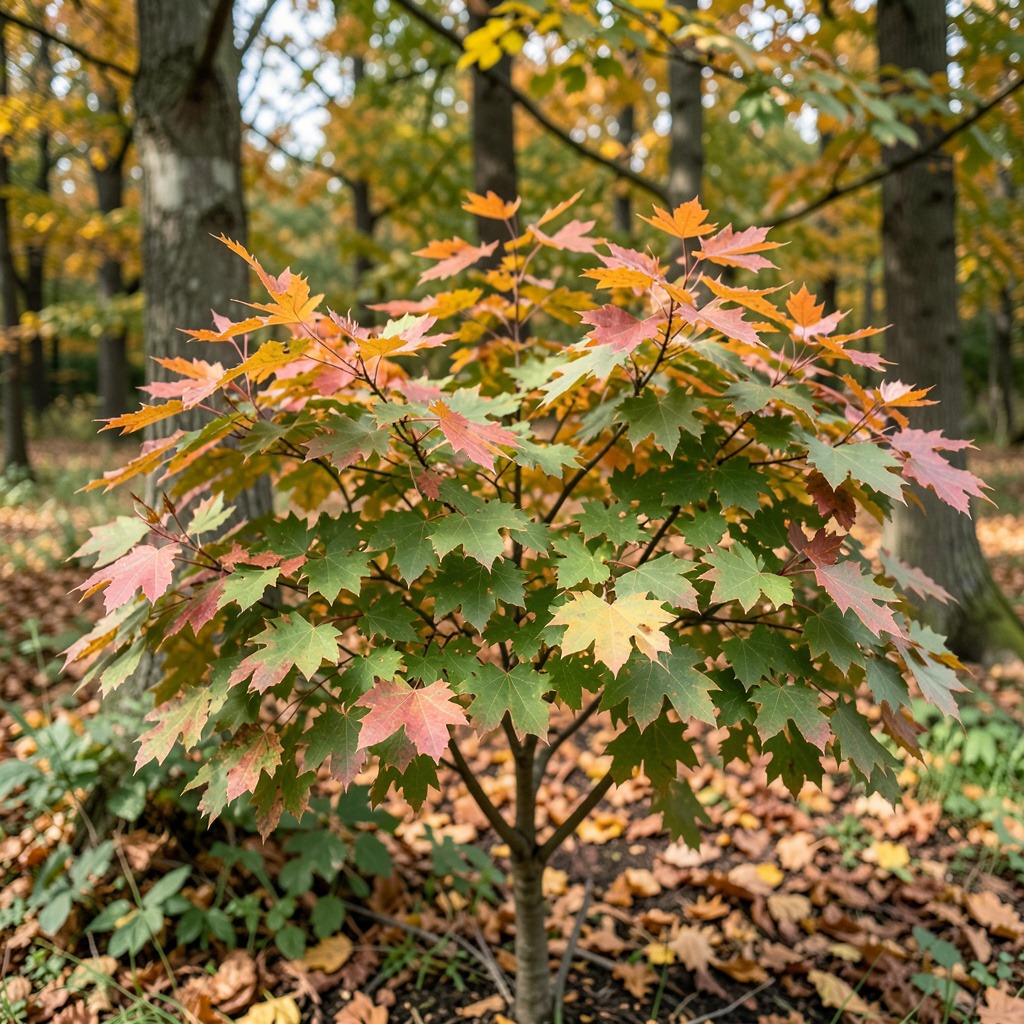
Understanding Norway Maple and Its Characteristics
Norway maple (Acer platanoides) is a deciduous tree known for its adaptability and aesthetic appeal. Understanding its characteristics and common cultivars is essential for effective care and maintenance.
Overview of Norway Maple Characteristics
Norway maple is native to Europe and parts of Asia. It thrives in a variety of soil types and is particularly valued for its resistance to pollution and drought. Here are some key physical characteristics:
- Height: Typically grows 40 to 60 feet tall.
- Spread: Can reach a width of 30 to 50 feet.
- Leaves: Large, dark green, and palmately lobed with a smooth margin.
- Fall Color: Displays vibrant yellow to orange foliage in autumn.
- Bark: Smooth and grayish when young, becoming furrowed with age.
These features make the Norway maple a popular choice for urban landscapes.
Common Cultivars of Norway Maple
Various cultivars of Norway maple cater to different landscape needs. Here are some notable ones:
- Emerald Queen: Known for its dense canopy and bright green leaves. It is ideal for providing shade.
- Crimson King: Features deep burgundy leaves throughout the growing season, adding dramatic color to gardens.
- Columnar Norway Maple: Grows upright with a narrow profile, suitable for smaller spaces or as a street tree.
Each cultivar presents unique care requirements, particularly regarding pruning and sunlight exposure. For example, the Crimson King may require more sunlight to maintain its vibrant color compared to the Emerald Queen.
Historical Context and Introduction to North America
Norway maple was introduced to North America in the 18th century as an ornamental tree. Its rapid growth and beautiful foliage quickly made it a favorite among landscapers. However, this popularity has led to concerns about its invasiveness. In several regions, it outcompetes native species, disrupting local ecosystems.
When selecting a Norway maple for your landscape, consider both aesthetic preferences and ecological impacts. Make sure to choose cultivars suitable for your specific environment and be prepared to manage their growth responsibly.
Planting Norway Maple: Best Practices
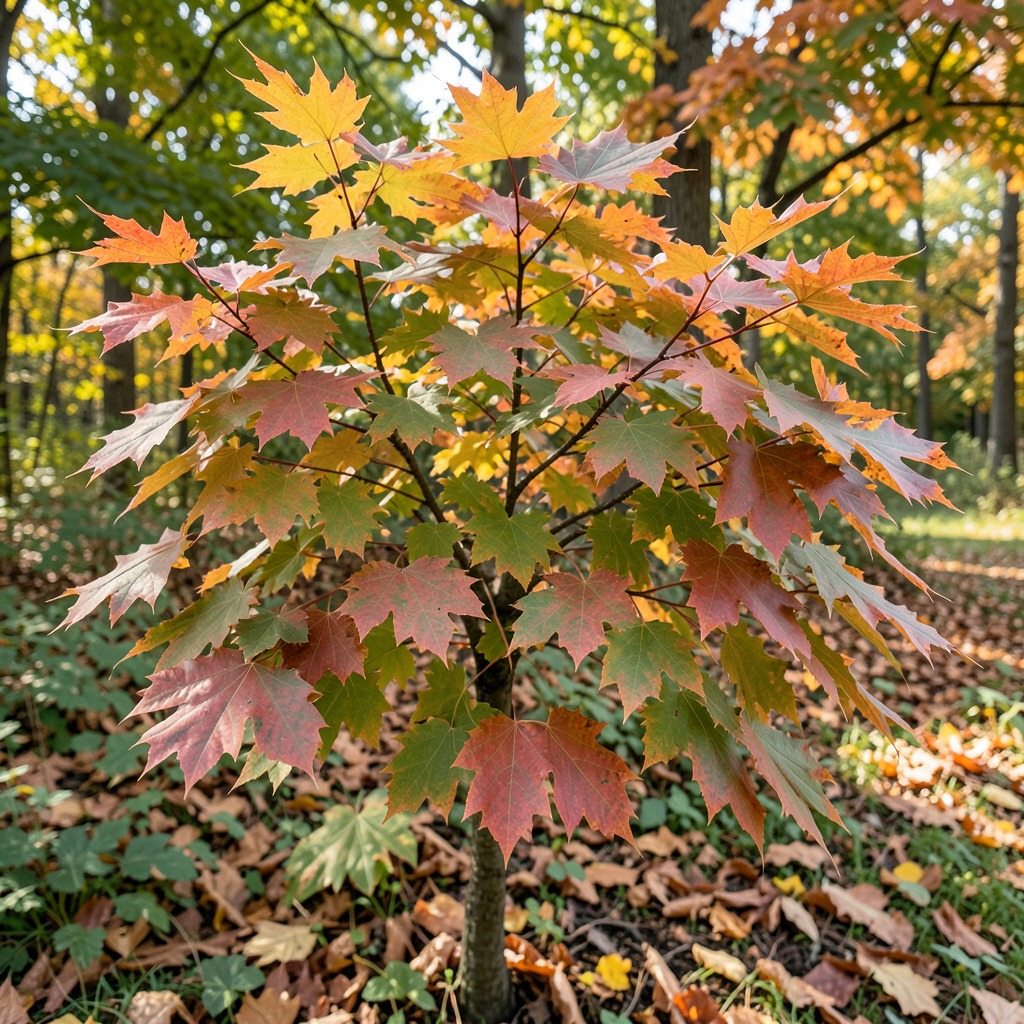
Successfully establishing a Norway maple requires careful attention to location, soil, and planting techniques. Follow these guidelines to ensure optimal growth and health.
Selecting the Right Location
Norway maples thrive in a variety of conditions, but choosing the right site is crucial. Consider the following factors:
- Sunlight: Select a location that receives full sun to partial shade. Ideally, aim for at least 6 hours of sunlight daily.
- Space: Ensure ample space for the tree to grow. Norway maples can reach heights of 40 to 50 feet and spread up to 35 feet wide.
- Accessibility: Avoid planting near structures or underground utilities to minimize potential damage.
Ideal Soil Conditions
The soil quality significantly affects the establishment of Norway maples. Focus on these soil characteristics:
- Type: Norway maples prefer loamy, well-draining soil but can adapt to clay or sandy soils.
- pH Level: Aim for a soil pH between 6.0 and 7.5. Test the soil if uncertain.
- Nutrient Content: Ensure the soil is rich in organic matter. Amending with compost can improve fertility and drainage.
Step-by-Step Planting Process
Follow these detailed steps for planting your Norway maple:
1. Timing: The best time to plant is in early spring or fall when temperatures are moderate.
2. Digging the Hole:
- Dig a hole twice as wide as the root ball and slightly shallower than its height.
- Loosen the soil at the bottom to encourage root growth.
3. Planting:
- Place the tree in the center of the hole, ensuring that the top of the root ball is level with the surrounding soil.
- Backfill with native soil, removing air pockets as you go.
4. Watering:
- Water thoroughly after planting to settle the soil and give the roots a good start.
- Keep the soil consistently moist for the first few months.
5. Mulching:
- Apply a 2-3 inch layer of organic mulch around the base. This conserves moisture and suppresses weeds.
Regional Planting Considerations
When planting Norway maples, consider your regional climate:
- Cool Climates: In northern areas, aim for spring planting to give the tree a full growing season before winter.
- Warm Climates: In southern regions, fall planting may be more suitable to avoid summer heat stress.
By adhering to these best practices, you can ensure a healthy start for your Norway maple, maximizing its potential for growth and beauty in your landscape.
Watering and Fertilization Needs of Norway Maple
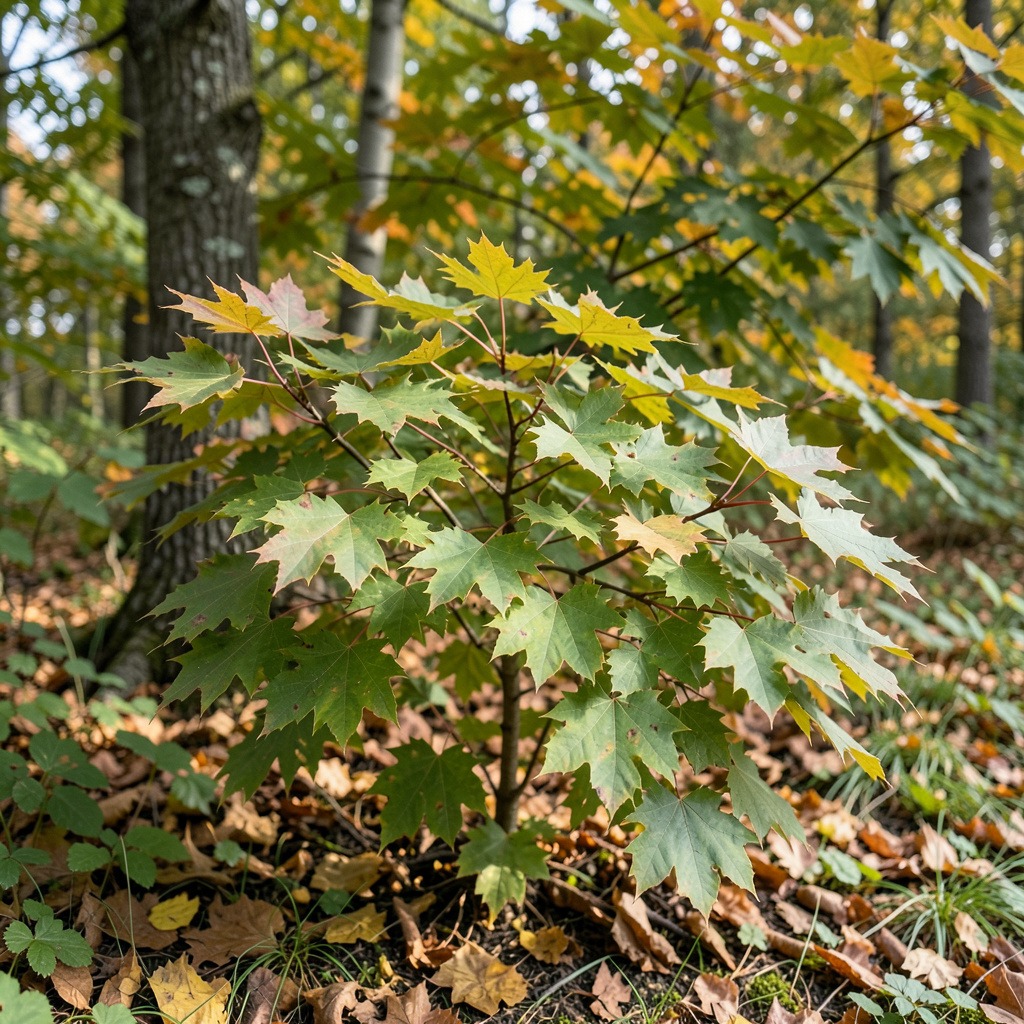
Proper watering and fertilization are vital for the healthy growth of Norway maples (Acer platanoides). These practices ensure that the tree establishes strong roots and maintains vibrant foliage.
Watering Guidelines for Different Growth Stages
Watering requirements vary as the tree matures:
- Young Trees (First Two Years): Water deeply once a week, providing around 10 liters (or about 2.5 gallons) per inch of trunk diameter. Ensure consistent moisture, especially from April to October.
- Mature Trees: These trees are drought-tolerant. They rarely require supplemental watering unless experiencing prolonged dry spells lasting over three weeks. Begin to reduce watering in late September to help the tree prepare for winter.
Fertilization Schedule and Recommendations
A structured fertilization schedule can enhance growth and health:
- Young Trees (Year 1-2): Apply a balanced fertilizer (e.g., 10-10-10) in early spring as new growth begins. Follow with a second application in mid-summer.
- Established Trees (Year 3 and Beyond): Fertilize every 2-3 years with a slow-release, nitrogen-rich fertilizer in early spring. This supports healthy foliage and overall tree vigor.
| Growth Stage | Fertilization Timing | Fertilizer Type |
|---|---|---|
| Young Trees | Early Spring, Mid-Summer | Balanced Fertilizer (10-10-10) |
| Established Trees | Every 2-3 Years, Early Spring | Slow-release Nitrogen-rich Fertilizer |
Signs of Overwatering or Nutrient Deficiency
Monitoring the tree’s health is crucial:
- Overwatering: Yellowing leaves, wilting, or a mushy bark may indicate excessive water. Ensure proper drainage and adjust watering schedules accordingly.
- Nutrient Deficiency: Signs include stunted growth, pale leaves, or leaf drop. If these symptoms arise, consider a soil test to determine nutrient levels and adjust fertilization as needed.
By adhering to these watering and fertilization practices, you can promote robust growth and a thriving Norway maple in your landscape.
Pruning and Maintenance of Norway Maple
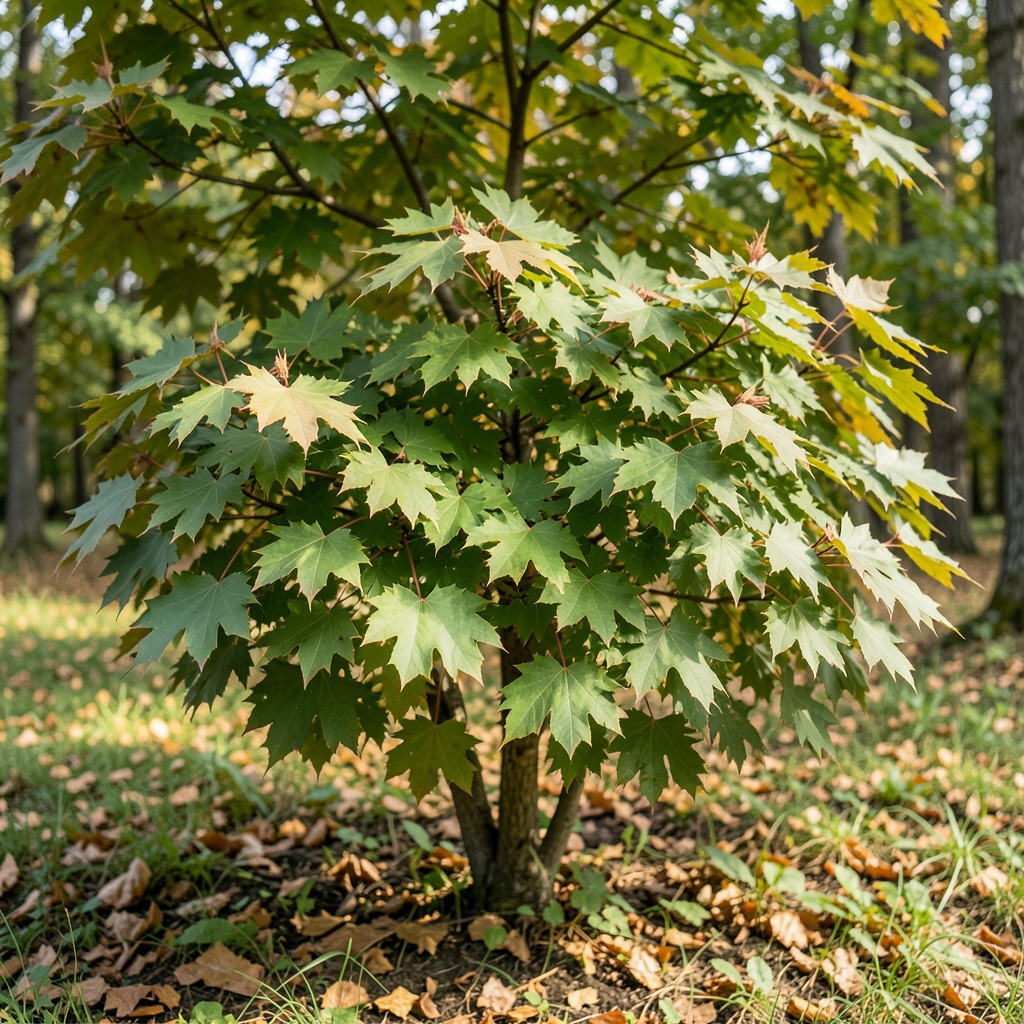
Effective pruning and maintenance are essential for the health and longevity of Norway maple trees (Acer platanoides). Proper techniques enhance their structure and promote vigorous growth.
When and How to Prune Norway Maple
Pruning Norway maples is crucial for maintaining their shape and health. The best time to prune is late winter or early spring before new growth begins. This timing minimizes stress and encourages robust growth.
Pruning Techniques:
- Remove Dead or Diseased Branches: Cut back to healthy wood. This prevents the spread of disease.
- Thin Out Crowded Areas: Selectively remove branches to improve air circulation and light penetration.
- Shape the Canopy: Aim for a balanced shape. Trim back any overly long branches to maintain a uniform look.
Example:
When pruning, remove any branches that cross or rub against each other. This will reduce wounds and the risk of infection.
Seasonal Maintenance Tasks
Maintaining a Norway maple involves various seasonal tasks to ensure optimal growth and health.
Seasonal Checklist:
- Spring:
- Inspect for pests and diseases.
- Apply a balanced fertilizer if necessary.
- Summer:
- Monitor soil moisture; adjust watering as needed.
- Check for signs of stress, like wilting leaves.
- Fall:
- Rake and dispose of fallen leaves to reduce disease risk.
- Prepare for winter by mulching around the base to retain moisture.
Tools and Techniques for Effective Pruning
Using the right tools and techniques will enhance the effectiveness of your pruning efforts.
Recommended Tools:
- Pruning Shears: For small branches.
- Loppers: For medium branches up to 1.5 inches.
- Pruning Saw: For larger branches.
Pruning Technique Tips:
- Angle Cuts: Make cuts at a 45-degree angle to promote quick healing.
- Clean Tools: Always use sterilized tools to prevent disease transfer.
By adhering to these pruning and maintenance practices, you can ensure a thriving and aesthetically pleasing Norway maple in your landscape.
Managing Pests and Diseases in Norway Maple
Norway maples are susceptible to various pests and diseases that can compromise their health. Understanding these threats and implementing effective management strategies is crucial for maintaining a healthy tree.
Common Pests: Identification and Control
Norway maples can fall prey to several pests. The most notable include:
- Norway Maple Aphids (Periphyllus lyropictus): These small, greenish-yellow insects can cause significant damage. They feed on the sap, leading to foliar browning, wrinkling, and premature leaf drop. Control methods include introducing predatory insects like ladybugs or using insecticidal soap.
- Scale Insects: These pests attach to the bark and suck sap, weakening the tree. A horticultural oil can effectively smother them.
- Spider Mites: They thrive in hot, dry conditions and can cause leaf discoloration. Regular misting and maintaining soil moisture can help deter them.
Control Comparison: For eco-friendly options, consider introducing beneficial insects or using organic sprays. Chemical solutions, while effective, can have broader environmental impacts.
Diseases Affecting Norway Maple and Treatment Options
Several diseases threaten Norway maples, including:
- Anthracnose: This fungal disease causes leaf spots and premature leaf drop. Improve air circulation and avoid overhead watering to reduce humidity around the tree.
- Verticillium Wilt: A soil-borne fungus that affects the vascular system, leading to wilting and branch dieback. There’s no cure, so the best approach is prevention through soil management and selecting resistant cultivars.
- Canker Diseases: Caused by various fungi, cankers appear as sunken areas on the bark. Pruning infected branches and applying fungicides can help manage this issue.
Treatment Insight: Regular monitoring and early identification are key. Use a seasonal care checklist to ensure timely interventions.
Preventative Measures for Tree Health
Maintaining the health of your Norway maple requires proactive measures:
1. Regular Inspections: Check for signs of pests or disease, especially during the growing season.
2. Proper Watering: Ensure deep watering during dry spells to enhance root strength.
3. Fertilization: Use a balanced fertilizer in early spring to promote vigorous growth.
4. Mulching: Apply mulch around the base to retain moisture and prevent weed competition.
By following these guidelines, you can help ensure the longevity and vitality of your Norway maple.
Invasiveness and Environmental Impact of Norway Maple
Norway maple (Acer platanoides) is admired for its aesthetic qualities, but it poses significant ecological challenges in various regions. Understanding its invasive nature and implementing responsible management practices is crucial for maintaining local biodiversity.
Reasons for Invasiveness
Norway maple’s invasive potential arises from several key characteristics:
- Rapid Growth: This tree grows quickly, allowing it to outcompete slower native species for resources.
- Dense Canopy: Its broad leaves create a dense canopy that shades the ground, hindering the growth of underbrush and native plants.
- Seed Production: Norway maple produces copious amounts of seeds, which can disperse widely and establish in diverse environments.
These traits contribute to its ability to dominate landscapes, particularly in urban areas where native flora may already be under stress.
Ecological Considerations for Planting
Before introducing Norway maple to new areas, consider the following ecological impacts:
- Displacement of Native Species: In areas where Norway maple thrives, it can significantly reduce the populations of native plants, altering local ecosystems.
- Soil Alteration: Its leaf litter can change soil chemistry, affecting nutrient availability and the growth of other plants.
- Wildlife Impact: The introduction of this species can disrupt existing animal habitats reliant on native plants for food and shelter.
Case studies have shown that in regions where Norway maple proliferates, local biodiversity often suffers. For example, in parts of New England, the prevalence of Norway maple has led to a decline in native wildflowers and shrubs.
Responsible Management Practices
To mitigate the ecological risks associated with Norway maple, adopt these management strategies:
- Regular Monitoring: Frequently check for new saplings and remove them promptly to prevent establishment.
- Selective Planting: Choose native alternatives when landscaping to support local ecosystems.
- Community Education: Engage with local gardening groups to raise awareness about the potential impacts of Norway maple.
Implementing these practices can help ensure that Norway maple does not negatively affect regional biodiversity while still allowing for its aesthetic benefits in controlled environments.
Conclusion and Maintenance Recap
Proper care for Norway maple (Acer platanoides) ensures its beauty and health while mitigating its invasive potential. By following best practices in planting, maintenance, and pest management, you can enjoy this striking tree in your landscape.
Key Care Areas
- Planting Techniques: Choose a location with well-drained soil and full sunlight. Dig a hole twice the width of the root ball but no deeper than the root system.
- Watering and Fertilization: Water deeply but infrequently. During dry spells, provide one inch of water per week. Fertilize with a balanced fertilizer in early spring.
- Pruning Methods: Prune in late winter or early spring to promote healthy growth. Remove dead or crossing branches to improve air circulation.
- Pest and Disease Management: Monitor for common pests like aphids and scale. Treat infestations promptly with insecticidal soap or horticultural oils.
- Environmental Adaptability: Norway maples thrive in various soil types but prefer slightly acidic to neutral pH. Ensure proper drainage to prevent root rot.
- Invasiveness Concerns: Regularly check for seedlings and remove them to prevent spread. Opt for alternative native species when possible for landscaping.
- Troubleshooting Common Issues: If leaves turn yellow or drop prematurely, check for overwatering or nutrient deficiencies.
Seasonal Care Checklist
- Spring: Fertilize, prune, and inspect for pests.
- Summer: Water as needed and check for signs of stress.
- Fall: Rake leaves and prepare for winter.
- Winter: Protect young trees from harsh weather and monitor for rodent damage.
By implementing these strategies, you can maintain a healthy Norway maple that enhances your landscape while respecting local ecosystems.
Frequently Asked Questions
These quick answers cover the most common questions about this topic, including key details, practical tips, and common concerns.
Why are Norway maples undesirable?
Norway maples (Acer platanoides) are considered undesirable in many regions due to their invasive nature. They grow rapidly and produce a large number of seeds, allowing them to outcompete native plants for sunlight, water, and nutrients. Their dense canopy shades the ground, preventing the growth of underbrush and reducing biodiversity. This can disrupt local ecosystems and harm wildlife that depend on native flora.
What is the average lifespan of a Norway maple tree?
The average lifespan of a Norway maple is typically between 30 to 50 years. However, with proper care and maintenance, some specimens can live longer. Factors such as soil quality, watering practices, and pest management can significantly influence their longevity.
Why are my Norway maple leaves turning brown?
Brown leaves on a Norway maple can indicate several issues. Common causes include drought stress, overwatering, or nutrient deficiencies. If leaves are browning at the edges, it may be a sign of insufficient water. Conversely, yellowing followed by browning can suggest overwatering or root rot. Inspect the soil moisture and adjust your watering routine accordingly.
Is Norway maple a good tree?
Norway maple can be a good tree for certain landscapes due to its fast growth, attractive foliage, and ability to tolerate pollution. However, its invasiveness makes it less suitable for areas where preserving native species is a priority. Consider the ecological impact before planting and weigh it against your landscaping needs.
What are the best conditions for planting Norway maple?
Norway maples thrive in full sun to partial shade and prefer well-drained, loamy soil with a pH between 6.0 and 7.5. They can adapt to various soil types but perform best when provided with adequate space for growth. Aim to plant in early spring or fall for optimal establishment.
How often should I water my Norway maple?
Water young Norway maples deeply once a week, providing about 10 liters (2.5 gallons) per inch of trunk diameter. For mature trees, supplemental watering is usually unnecessary unless experiencing prolonged dry spells. Monitor soil moisture, especially during the growing season, to ensure the tree remains hydrated.
What should I do if my Norway maple is infested with pests?
If your Norway maple is infested with pests like aphids or scale insects, act quickly. Introduce beneficial insects like ladybugs or apply insecticidal soap to control the population. Regular inspections and early intervention are key to preventing severe damage and keeping your tree healthy.