
The Norway maple tree typically exhibits a growth rate of 1 to 3 feet per year, depending on environmental conditions and care.
The Norway maple, known for its rapid growth and adaptability, is a popular choice for various landscapes. Understanding its growth rate and the factors that influence it can help you maximize its potential in urban and residential settings.
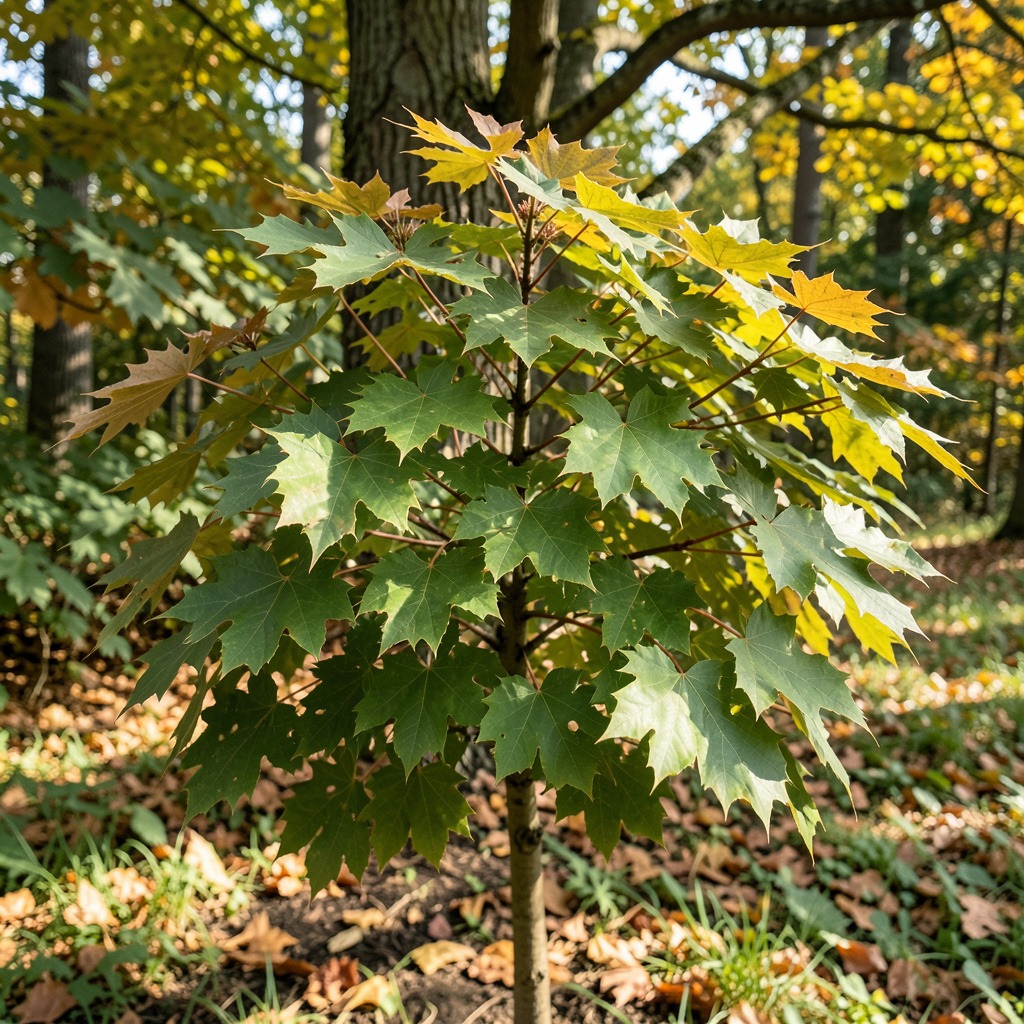
Overview of Norway Maple Characteristics and Growth Rate
The Norway maple (Acer platanoides) is a versatile tree known for its robust growth and adaptability to various environments. This section explores its general characteristics and typical growth rate, including average height and spread over the years.
General Characteristics of Norway Maple
Norway maple has several defining features:
- Leaves: Large, broad, and dark green with a palmate shape.
- Bark: Smooth and gray when young; becomes furrowed as it matures.
- Flowers: Yellow-green clusters appear in early spring, followed by winged seeds.
- Adaptability: Thrives in a range of soil types, including compacted urban soils.
These characteristics make it a popular choice for urban landscapes and gardens.
Average Growth Rate and Height
Norway maples exhibit a moderate to fast growth rate. They typically grow:
- Annual Growth Rate: 13 to 24 inches per year.
- Mature Height: Up to 40-50 feet.
- Mature Spread: 30-50 feet wide.
Over a span of 30 years, a Norway maple can reach its full height and spread. This rapid development is advantageous for providing shade and improving air quality in urban settings.
Table of Contents
Benefits of Rapid Growth
The quick growth of Norway maples offers several benefits:
- Shade Provider: Ideal for cooling urban areas during hot summers.
- Erosion Control: Their root systems help stabilize soil and prevent erosion.
- Aesthetic Appeal: Offers ornamental value with vibrant fall colors.
In urban settings, the Norway maple’s ability to thrive in less-than-ideal soil conditions enhances its value, making it a reliable choice for landscaping.
By understanding these characteristics and growth metrics, you can effectively plan for the cultivation and maintenance of Norway maple trees in various environments.
Factors Influencing Norway Maple Growth Rate
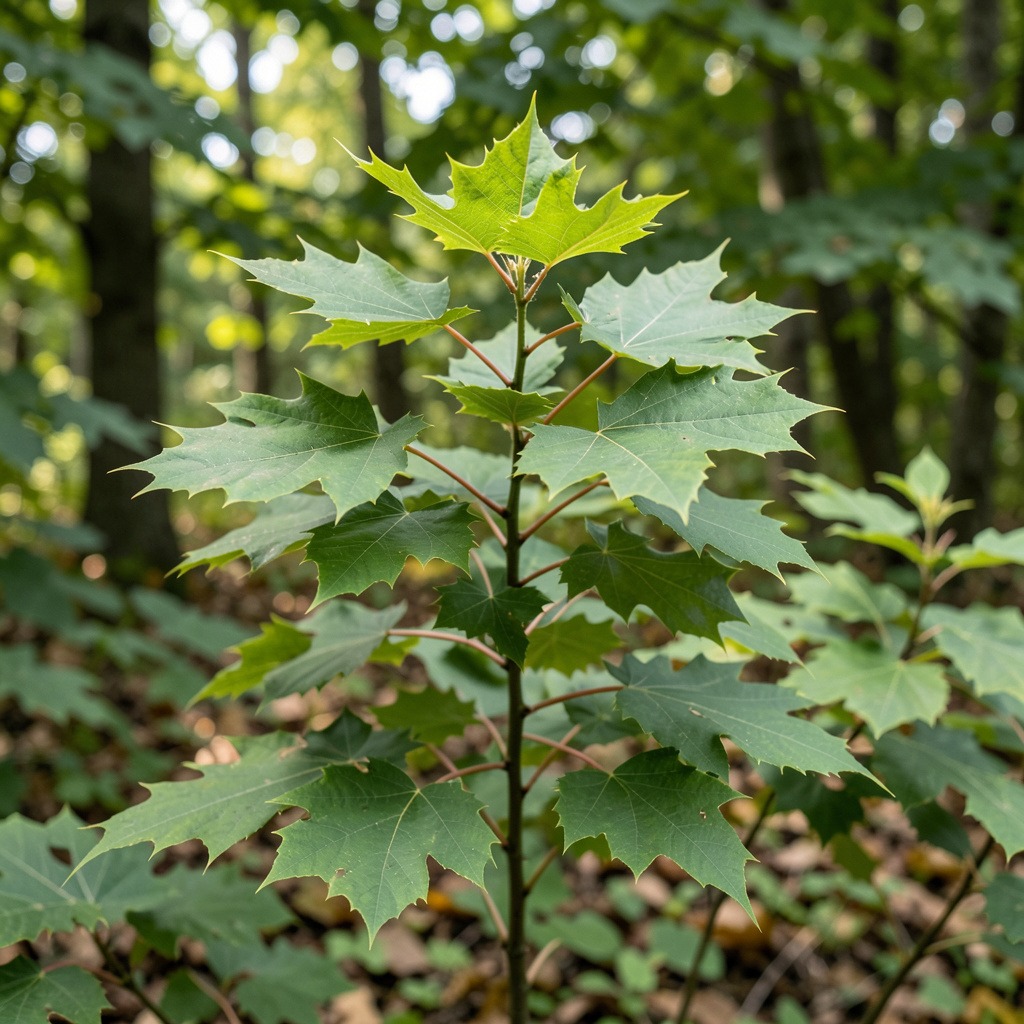
The growth rate of Norway maples (Acer platanoides) is significantly affected by environmental factors. Understanding these elements can help optimize their growth in various settings.
Soil Quality and Composition
The type and quality of soil play a critical role in the growth of Norway maples. They thrive in well-drained, fertile soils that are deep enough to support root development. Here’s a checklist for ideal soil conditions:
- pH Level: Aim for a neutral to slightly acidic pH (6.0 to 7.0).
- Soil Texture: Prefer loamy or sandy loam soils. Avoid heavy clay.
- Drainage: Ensure soil drains well to prevent root rot.
- Nutrient Content: Incorporate organic matter to enhance fertility.
Different soil types can impact growth rates. For example, sandy soils allow for quicker drainage but may require more frequent watering to maintain moisture levels, whereas clay soils retain water but may lead to root suffocation.
Climate and Weather Considerations
Norway maples are well-suited to climates with cool summers and mild winters. They prefer regions with:
- Temperature Range: Optimal growth occurs in temperate climates, typically between 60°F and 80°F.
- Frost Tolerance: These trees can withstand mild frosts, but late spring frosts can damage new growth.
In urban environments, Norway maples adapt well to variable climate conditions, making them resilient choices for city landscaping. Their ability to withstand temperature fluctuations can contribute positively to their overall growth rate.
Sunlight and Water Needs
Sunlight and water are crucial for the healthy growth of Norway maples. They require:
- Sunlight: Full sun to partial shade for at least 4-6 hours daily.
- Water Availability: Regular watering, especially during dry spells. Aim for consistent moisture without waterlogging.
A consistent supply of water and adequate sunlight significantly enhances growth rates. Trees in shaded areas may grow slower and develop weaker structures.
| Soil Type | Drainage | Nutrient Retention | Growth Rate Impact |
|---|---|---|---|
| Sandy Loam | Good | Moderate | Faster growth with care |
| Clay | Poor | High | Slower growth, risk of rot |
| Loamy | Excellent | High | Optimal growth conditions |
By managing these environmental factors, you can ensure that your Norway maple trees achieve their full growth potential, making them a valuable addition to any landscape.
Caring for Norway Maple Trees to Enhance Growth
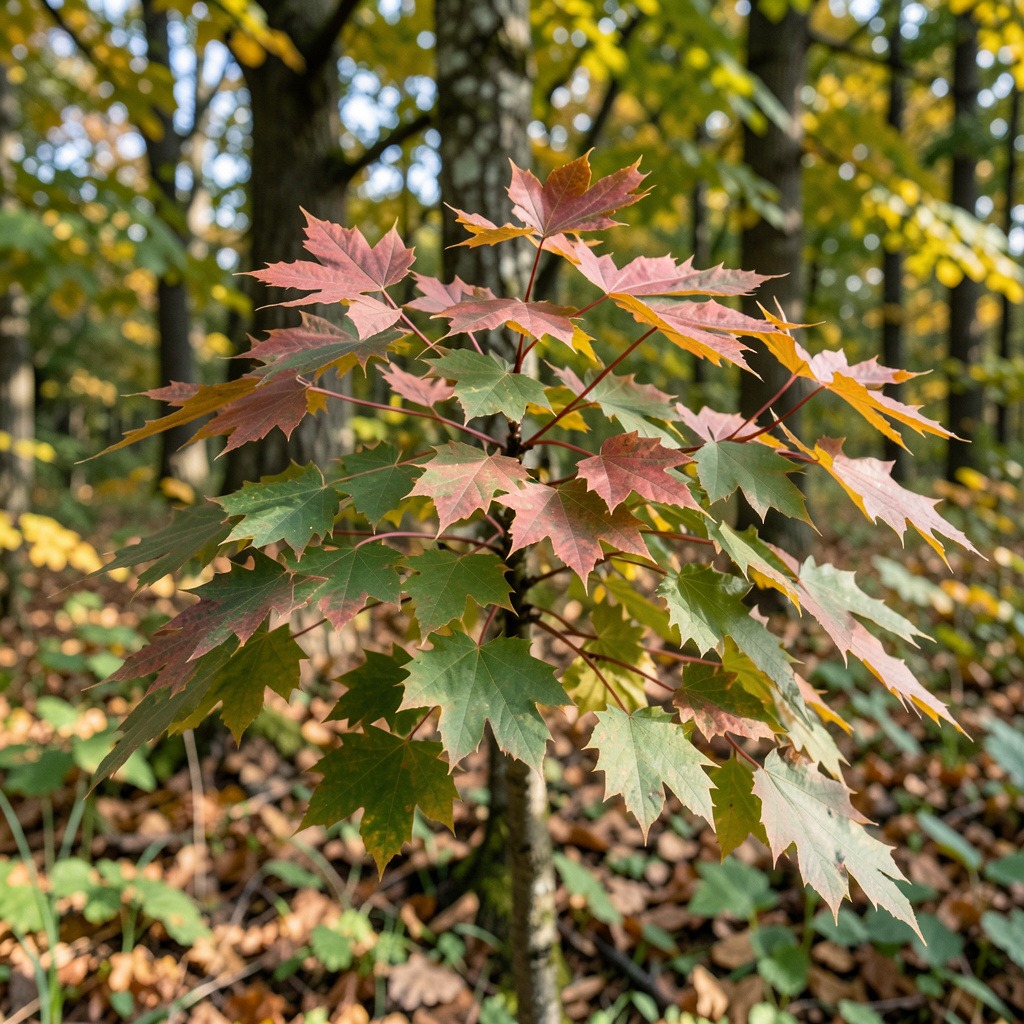
Proper care is crucial for maximizing the growth rate of Norway maple trees. Implementing effective watering, fertilizing, and pruning strategies will promote robust health and optimal growth.
Watering and Fertilization Strategies
Watering and fertilization play vital roles in the growth of Norway maples. Here are key practices:
- Watering:
- Establish a deep watering routine, especially during dry spells. Young trees need about 10-20 gallons of water per week.
- Avoid overwatering, which can lead to root rot. Ensure soil drains well.
- Fertilization:
- Apply a balanced, slow-release fertilizer in early spring. Look for a nitrogen-phosphorus-potassium (N-P-K) ratio of 10-10-10.
- Conduct a soil test every few years to determine nutrient needs. Adjust fertilization accordingly.
Pruning Techniques for Optimal Growth
Pruning promotes healthy growth and improves air circulation, which is essential for Norway maples. Follow these techniques:
- Timing:
- Prune in late winter or early spring before new growth begins. Avoid summer pruning to minimize stress.
- Methods:
- Remove dead or crossing branches to enhance light penetration.
- Shape the tree to maintain a central leader. This improves structural integrity and growth.
Seasonal Care Tips
Adopting seasonal care practices can significantly influence growth. Here’s a calendar to guide maintenance:
| Season | Task | Description |
|---|---|---|
| Spring | Fertilize | Apply slow-release fertilizer. |
| Late Winter | Prune | Remove dead branches. |
| Summer | Water | Ensure consistent deep watering. |
| Fall | Mulch | Apply mulch to retain moisture and suppress weeds. |
Implementing these care practices will enhance the growth rate of your Norway maple trees, allowing them to thrive in various environments.
Urban Tolerance and Environmental Benefits of Norway Maple
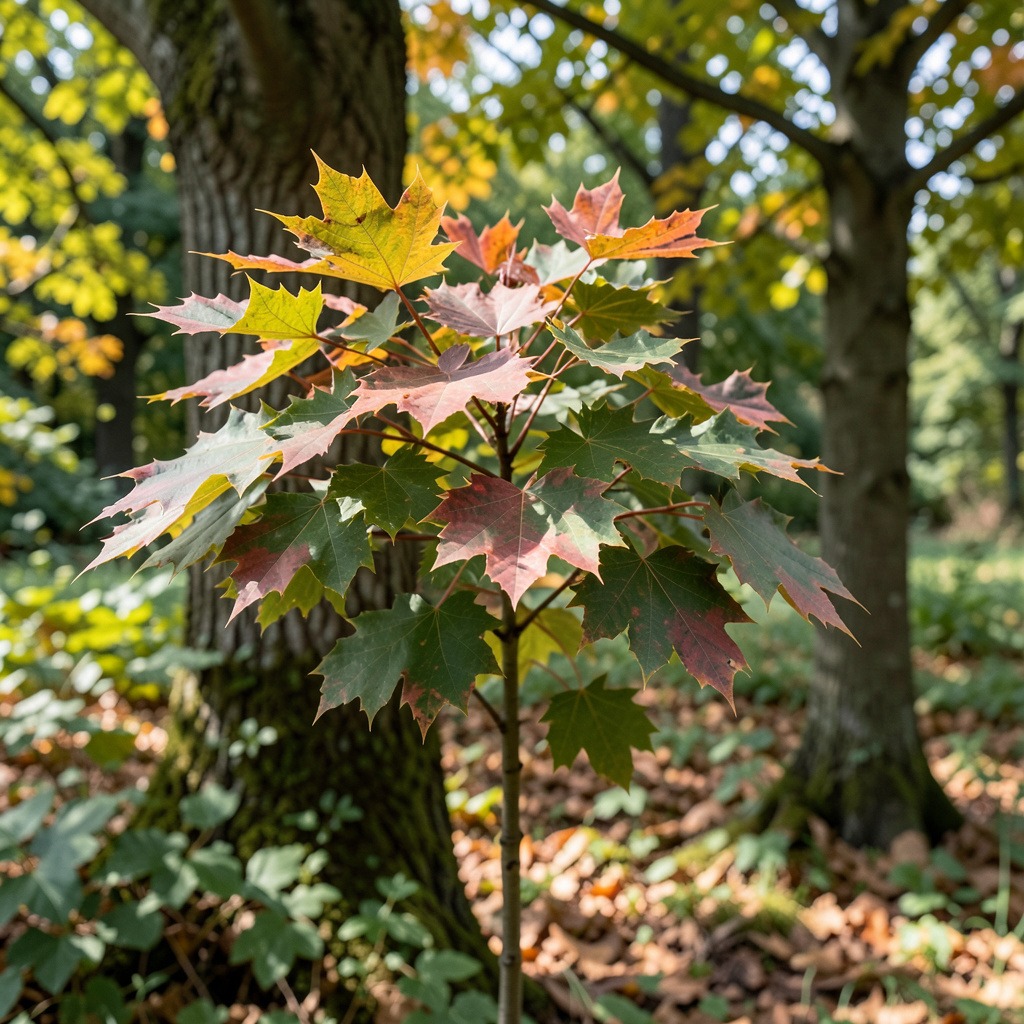
Norway maples are exceptionally well-suited for urban environments. Their adaptability to poor soil conditions and rapid growth contribute significantly to urban ecology.
Adaptability to Urban Conditions
Norway maples thrive in compacted and disturbed soils, making them ideal for urban landscapes. They can tolerate conditions that many native species cannot, such as:
- Poor Soil Quality: They grow well in degraded soils often found in cities.
- Pollution Resistance: Their robust nature allows them to withstand urban pollution.
- Drought Tolerance: Once established, they require less water than many other tree species.
Ecological Benefits
Planting Norway maples in urban areas offers various ecological advantages:
- Air Quality Improvement: They effectively absorb carbon dioxide and release oxygen, which helps mitigate pollution.
- Urban Heat Island Mitigation: Their canopy provides shade, reducing temperatures in surrounding areas.
- Biodiversity Support: Norway maples attract various wildlife, enhancing urban biodiversity.
Real-life examples illustrate their positive impact. For instance, in cities like Minneapolis, Norway maples have been incorporated into green spaces, improving air quality and providing shade for recreational areas. Their rapid growth rate enables them to quickly establish a green canopy, further benefiting the local ecosystem.
Challenges and Considerations
While Norway maples offer numerous benefits, they also present challenges:
- Invasive Potential: They can become invasive in certain areas, outcompeting native species.
- Pest Management: Regular monitoring for pests, such as aphids and scale insects, is necessary to maintain tree health.
To maximize the benefits while minimizing challenges, urban planners should consider Norway maples’ growth characteristics and potential ecological impact when designing green spaces.
Common Pests and Diseases Affecting Norway Maple Growth
Norway maple trees can face several pest and disease challenges that may hinder their growth rate and overall health. Early identification and effective management strategies are essential for maintaining robust Norway maples.
Common Pests and Their Impact
Norway maples are susceptible to various pests, including:
| Pest | Description | Management Strategy |
|---|---|---|
| Aphids | Small, sap-sucking insects that weaken trees. | Introduce natural predators like ladybugs; use insecticidal soap if necessary. |
| Scale Insects | These pests attach to stems and leaves, draining nutrients. | Apply horticultural oil to suffocate insects; prune heavily infested areas. |
| Leafhoppers | These insects can transmit diseases and damage foliage. | Use insecticidal soap or neem oil; maintain tree health to reduce susceptibility. |
| Spider Mites | Tiny arachnids that create webbing and cause leaf discoloration. | Increase humidity around the tree; use miticides if infestations are severe. |
Diseases Affecting Norway Maples
Several diseases can affect Norway maples, including:
- Anthracnose: Fungal disease causing leaf spots and premature leaf drop. Manage by ensuring proper air circulation and removing infected leaves.
- Verticillium Wilt: A soil-borne fungus that disrupts nutrient flow, leading to wilting and yellowing of leaves. There is no cure, so prevention through healthy soil and proper watering is key.
- Fungal Leaf Spots: These can result from excess moisture and poor air circulation. Improve drainage and remove fallen debris to minimize outbreaks.
Preventive Measures and Treatments
To effectively manage pests and diseases, consider the following preventive measures:
- Regular Monitoring: Inspect trees frequently for signs of distress or infestation. Early detection is vital.
- Soil Health: Maintain good soil quality through organic amendments. Healthy trees are more resilient to pests and diseases.
- Watering Practices: Avoid overwatering, which can lead to root rot and fungal diseases. Deep, infrequent watering encourages strong root systems.
Diagnostic Checklist for Identifying Issues Early
1. Leaf Discoloration: Check for yellowing or browning leaves.
2. Wilting: Monitor for signs of wilting, especially during warm weather.
3. Visible Insects: Look for pests on leaves and stems.
4. Webbing: Inspect for spider mite webs on foliage.
5. Fungal Growth: Identify any unusual spots or growths on leaves or bark.
Taking proactive measures can significantly enhance the growth rate and health of Norway maple trees while preventing potential setbacks from pests and diseases.
Conclusion: Maximizing the Growth Potential of Norway Maples
Understanding the growth rate and care requirements of Norway maples is essential for achieving optimal health and performance. These trees exhibit adaptability to urban environments, making them a popular choice for landscaping.
Key Factors Influencing Growth Rate
- Soil Quality: Norway maples thrive in well-drained, fertile soils. Poor soil conditions can inhibit growth.
- Water Availability: These trees require regular moisture, particularly in the early stages. Deep watering encourages robust root systems.
- Sunlight Exposure: Adequate sunlight is crucial. Aim for at least six hours of direct sunlight daily for optimal growth.
Care Requirements for Optimal Growth
1. Pruning: Regular pruning helps maintain a strong framework. It also reduces disease risk and enhances airflow.
2. Fertilization: Use a balanced fertilizer in spring to provide essential nutrients. This promotes vigorous growth.
3. Pest Management: Monitor for pests such as aphids and scale. Early intervention can prevent infestations that slow growth.
Comparative Growth Rates
Norway maples typically grow at a moderate pace, faster than red maples but slower than silver maples. In urban settings, their tolerance for compacted soil allows for consistent growth where other species may struggle.
Decision Framework for Landscaping
When considering Norway maples for landscaping, evaluate their growth rate and care needs against alternatives like silver or red maples. Factors such as your local climate, soil conditions, and intended use should guide your decision.
This comprehensive understanding of Norway maple growth rates and care practices allows for informed choices that enhance their contribution to urban landscapes.
Frequently Asked Questions
These quick answers cover the most common questions about this topic, including key details, practical tips, and common concerns.
What is the average growth rate of a Norway maple tree?
The average growth rate of a Norway maple (Acer platanoides) is between 1 to 3 feet per year, depending on environmental conditions and care. Under optimal circumstances, these trees can reach heights of 40 to 50 feet with a spread of 30 to 50 feet.
How can I improve the growth rate of my Norway maple?
To enhance the growth rate of your Norway maple, ensure it receives adequate sunlight—at least 4-6 hours daily. Regular watering is crucial, especially during dry spells; aim for deep watering to promote strong root systems. Additionally, applying a balanced, slow-release fertilizer in early spring can provide essential nutrients for vigorous growth.
What are the best soil conditions for Norway maples?
Norway maples thrive in well-drained, fertile soils with a pH level between 6.0 and 7.0. They prefer loamy or sandy loam soils, as these provide good drainage while retaining necessary moisture and nutrients. Avoid heavy clay soils, which can lead to root rot.
Are Norway maples invasive in my area?
Yes, Norway maples can be invasive in certain regions. They are known to outcompete native species for resources, particularly in areas where they spread unchecked. It’s essential to check local guidelines and consider the ecological impact before planting them in your landscape.
How do I identify a Norway maple tree?
Norway maples are characterized by their large, broad leaves with a palmate shape, smooth gray bark that becomes furrowed with age, and yellow-green flowers that bloom in early spring. The tree also produces distinctive winged seeds known as samaras.
What pests and diseases affect Norway maples?
Common pests affecting Norway maples include aphids, scale insects, and spider mites, which can weaken the tree by sucking sap. Diseases like anthracnose and verticillium wilt can also impact their health. Regular monitoring and early intervention are crucial for managing these threats.
How often should I prune my Norway maple?
Prune your Norway maple in late winter or early spring, before new growth begins. Regular pruning helps maintain a strong structure and improves air circulation. Remove dead or crossing branches to promote healthy growth and reduce the risk of disease.
What are the benefits of planting Norway maples in urban areas?
Norway maples offer numerous benefits in urban settings. They provide shade, helping to cool surrounding areas, and improve air quality by absorbing carbon dioxide. Their adaptability to poor soil conditions and resilience to urban pollution make them ideal for city landscaping.