
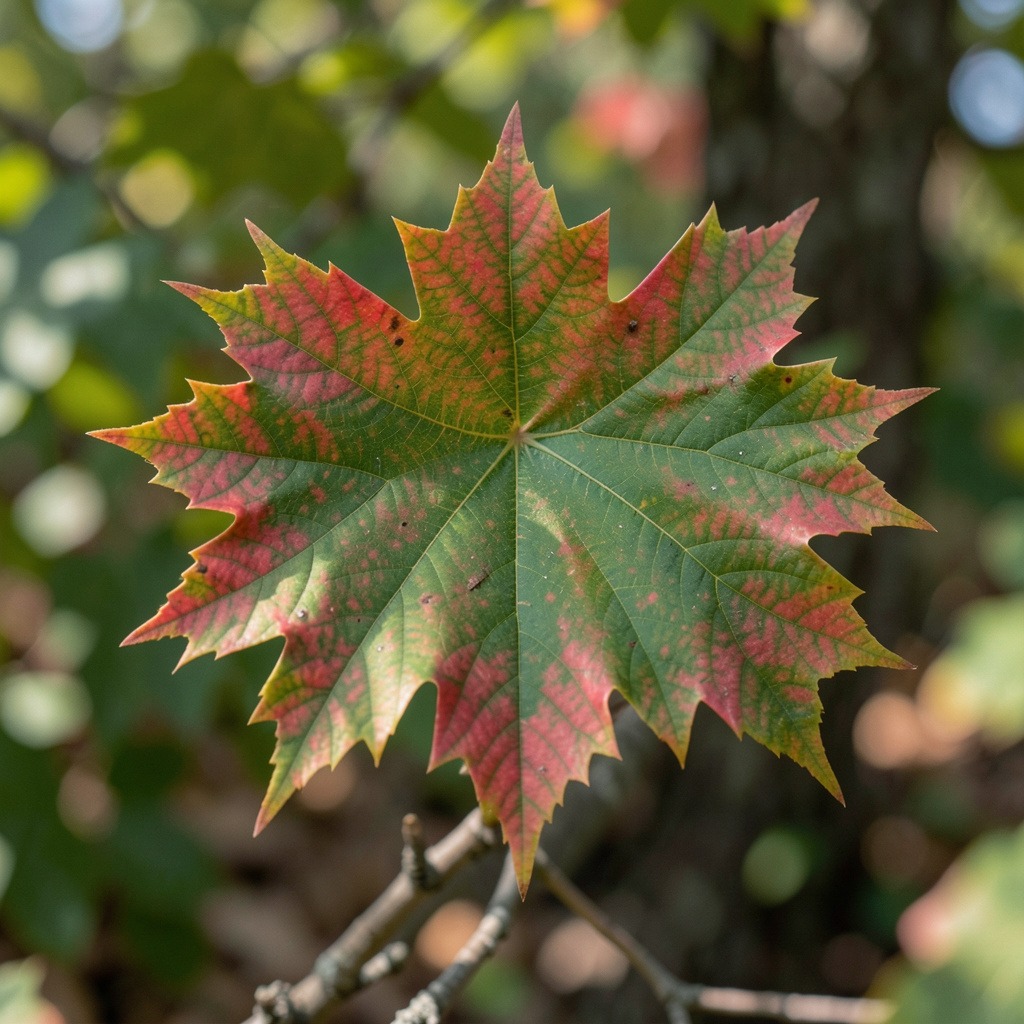
The Norway maple leaf, from the tree Acer platanoides, is characterized by its five to seven lobes and a smooth margin.
Table of Contents
The Norway maple leaf is a distinctive feature of the Acer platanoides tree, known for its lobed shape and milky sap. This guide explores its identification, ecological implications, and comparison with other maple species to enhance your understanding.
Identification of the Norway Maple Leaf
The Norway maple leaf has unique characteristics that distinguish it from other maple species. Understanding these features is essential for accurate identification.
Leaf Shape and Lobing
Norway maple leaves are typically large, measuring between 5 to 10 inches across. They are palmate, meaning they radiate from a single point. Each leaf usually has five to seven lobes, which taper to sharp points. The lobes have a more triangular shape compared to those of sugar maples, which often appear rounder.
- Key Features:
- Number of Lobes: 5 to 7
- Lobe Shape: Triangular (acuminate)
- Lobe Margin: Pointed with fine teeth
Color and Texture
The leaves are dark green and glossy on the upper surface, while the underside is paler. In autumn, the foliage typically turns yellow, although some cultivars exhibit red or orange hues. This seasonal change can help differentiate Norway maples from other species, like the sugar maple, which usually displays brighter orange colors.
- Seasonal Color Change:
- Summer: Dark green, glossy
- Autumn: Yellow; some cultivars may show red or orange
Sap Characteristics
A notable feature of Norway maple leaves is their milky sap, which can be observed when the petiole (leaf stem) is cut. This distinguishes them from sugar maples, which produce clear sap.
- Sap Properties:
- Norway Maple: Milky sap
- Sugar Maple: Clear sap
Identification Comparison Chart
| Feature | Norway Maple (Acer platanoides) | Sugar Maple (Acer saccharum) |
|---|---|---|
| Leaf Shape | Triangular lobes | Rounder lobes |
| Number of Lobes | 5 to 7 | 3 to 5 |
| Autumn Color | Yellow, some red | Bright orange |
| Sap | Milky | Clear |
By recognizing these distinctive traits, one can reliably identify the Norway maple leaf. This knowledge is critical for anyone involved in ecology, horticulture, or land management, particularly in regions where this species may be invasive.
Ecological Impact of Norway Maple
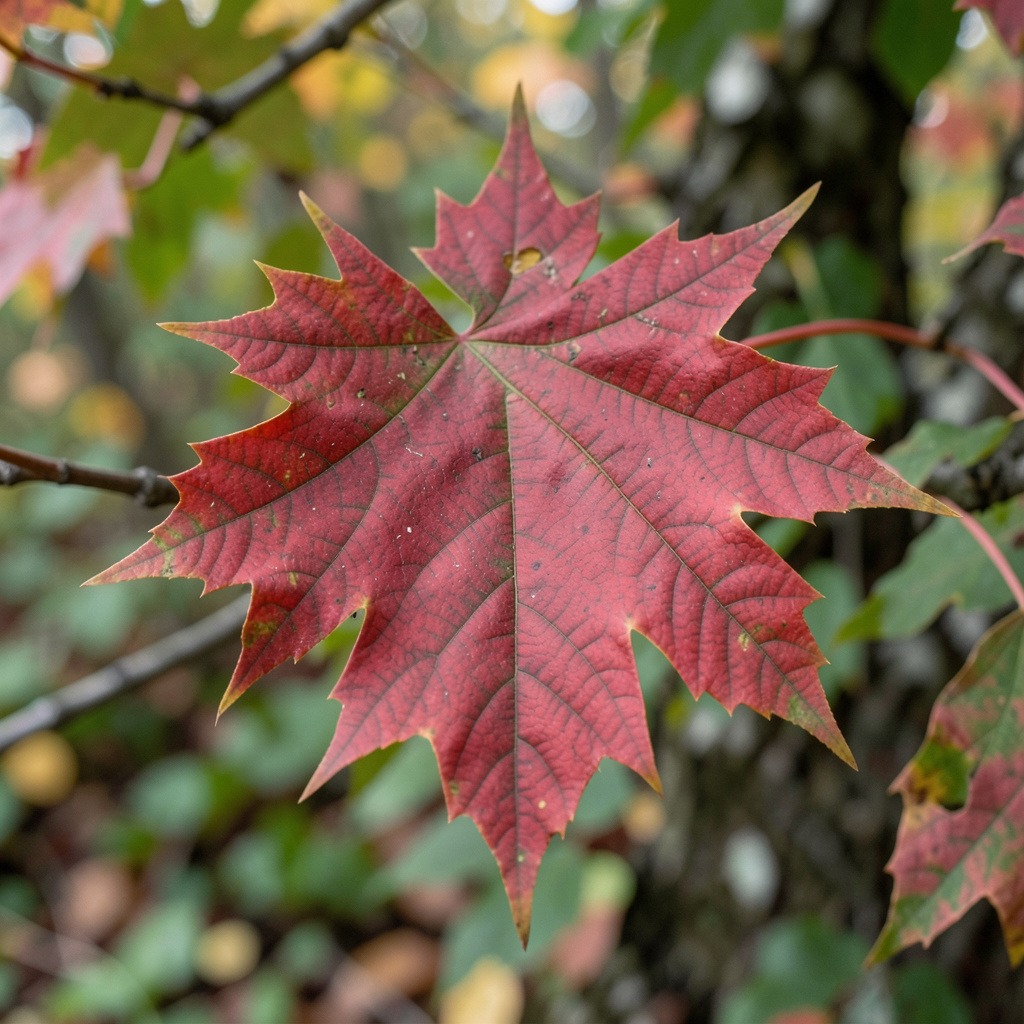
The Norway maple (Acer platanoides) poses significant ecological challenges as an invasive species in North America. Its rapid spread and aggressive growth habits disrupt native ecosystems, threatening local flora and fauna.
Definition of Invasive Species
An invasive species is one that is non-native to the ecosystem and whose introduction causes or is likely to cause economic or environmental harm. Norway maple fits this definition due to its ability to outcompete native species for resources.
Impact on Native Ecosystems
Norway maple’s dense canopy limits sunlight, inhibiting the growth of understory plants. This shading effect reduces biodiversity, as fewer species can thrive beneath its branches.
- Competition for Resources: Norway maples absorb moisture and nutrients from the soil, making it difficult for native plants to survive.
- Chemical Inhibition: While controversial, there are claims that Norway maples may release allelopathic chemicals that further suppress the growth of nearby native plants.
- Altered Habitat: The tree’s presence can lead to a decline in native insect populations, which impacts bird species that rely on these insects for food.
Management Strategies
Effective management of Norway maple is crucial for restoring native ecosystems. Here are practical strategies:
- Early Detection: Monitor areas for new Norway maple seedlings, which can sprout in shaded environments.
- Mechanical Removal: Hand-pulling or cutting down small saplings can prevent them from maturing. Ensure to remove the roots to prevent regrowth.
- Chemical Control: Herbicides can be effective when applied to cut stumps, but care must be taken to avoid harming native plants.
- Replanting Native Species: After removal, consider planting native alternatives that can thrive in the same environment, such as red maple (Acer rubrum) or black oak (Quercus velutina).
Case Study Example
In regions like New York, where Norway maple has overrun native woodlands, land management agencies have implemented removal programs. They combine mechanical and chemical methods with public education campaigns to promote the planting of native species. These efforts have shown promise in restoring biodiversity and improving ecosystem health.
By understanding the ecological impact of Norway maple and employing strategic management techniques, conservation efforts can mitigate its invasive effects and promote native biodiversity.
Comparison with Other Maple Species
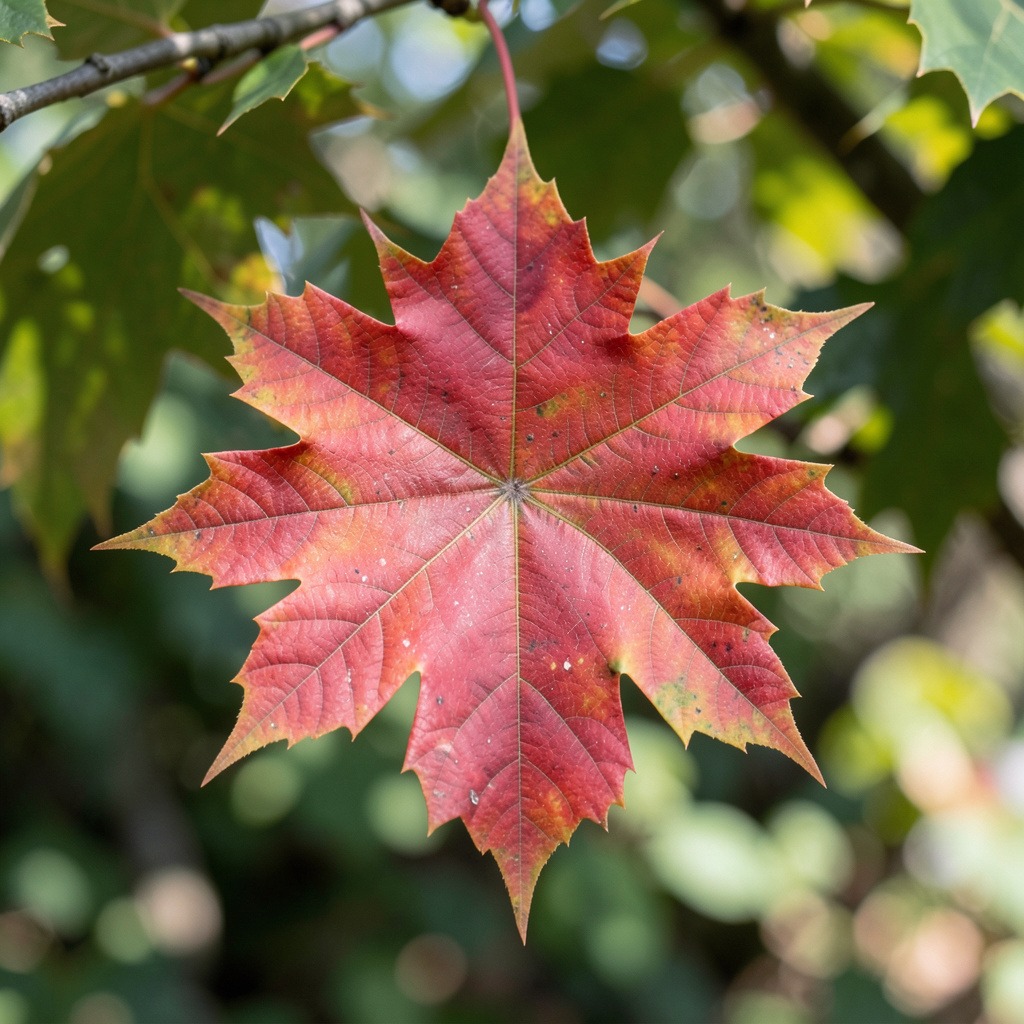
Understanding the differences between Norway maple, sugar maple, and black maple can help in identifying these species and appreciating their ecological roles. Each species has distinct leaf characteristics, sap properties, and ecological impacts.
Leaf Characteristics Comparison
- Norway Maple (Acer platanoides): Typically has 5 to 7 lobes, commonly 7. The lobes are acutely pointed and have a smooth margin.
- Sugar Maple (Acer saccharum): Usually features 5 lobes with broader, rounded tips. The margins are finely serrated.
- Black Maple (Acer nigrum): Generally has 3 to 5 lobes, with the lower lobes less prominent. The leaves may appear droopy.
| Characteristic | Norway Maple | Sugar Maple | Black Maple |
|---|---|---|---|
| Number of Lobes | 5-7 | 5 | 3-5 |
| Lobes Shape | Pointed | Rounded | Droopy |
| Leaf Margin | Smooth | Serrated | Serrated |
Sap and Bud Differences
The sap and bud characteristics of these maples are also telling:
- Norway Maple: Produces white, milky sap. The buds are blunt and large.
- Sugar Maple: Features clear sap. The buds are sharp and smaller than those of Norway maple.
- Black Maple: Similar sap properties to sugar maple but with slightly larger buds.
Ecological Roles of Each Species
Each maple species plays a unique role in its ecosystem:
- Norway Maple: Considered invasive in many regions, it competes aggressively with native vegetation. Its dense canopy limits sunlight to the understory, inhibiting growth of native plants.
- Sugar Maple: A keystone species in North American forests, supporting diverse wildlife. It provides habitat and food for numerous species.
- Black Maple: Shares similar ecological roles with sugar maple but is less prevalent and often found in mixed forests.
Understanding these differences not only aids in identification but also informs management strategies for mitigating the ecological impact of invasive species like Norway maple.
Historical Context and Cultural Significance
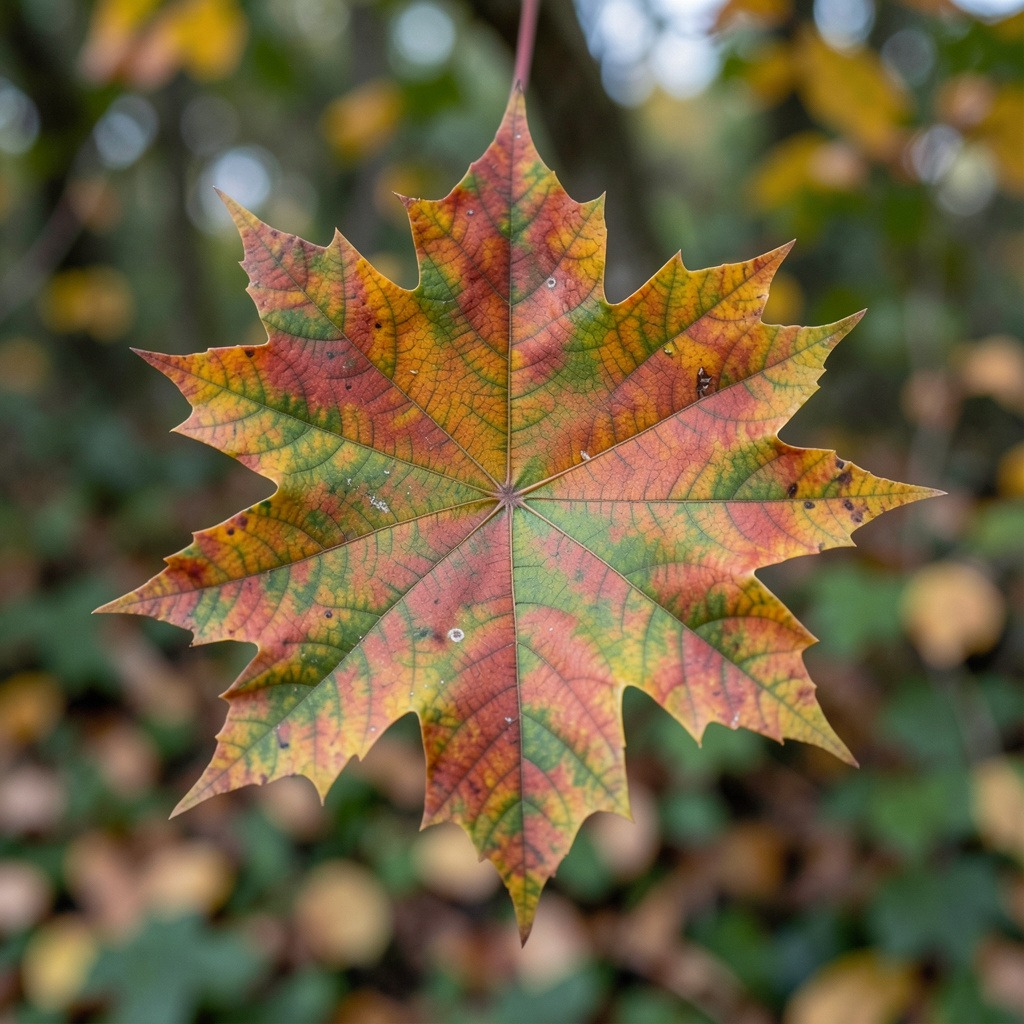
The Norway maple, or Acer platanoides, has a rich history in North America, where it was introduced as an ornamental tree. Its unique leaf characteristics and adaptability have made it a popular choice in urban landscapes.
Introduction to North America
Norway maple was introduced to North America between 1750 and 1760, primarily for its shade and aesthetic appeal. Initially, its rapid growth and vibrant foliage attracted landscapers and city planners. The tree flourished in various climates across the continent, particularly in the northeastern United States and Canada.
Uses in Landscaping
The Norway maple’s dense canopy provides excellent shade, making it a favored choice for urban environments. Its broad leaves offer substantial coverage, and the tree’s resilience to urban stressors, such as pollution and compacted soil, enhances its popularity. However, its invasive nature poses significant challenges.
- Shade Provision: Ideal for parks and streetscapes.
- Aesthetic Value: Bright yellow foliage in autumn.
- Urban Resilience: Tolerates poor soil and urban conditions.
Current Cultural Perceptions
Today, the perception of Norway maple is mixed. While it is still valued for its beauty and shade, awareness of its invasive potential has grown. Many experts advocate for native alternatives to protect local ecosystems. Urban forestry initiatives increasingly focus on managing Norway maple populations to preserve biodiversity.
For example, cities like New York and Boston have started programs to replace Norway maples with native species, making a concerted effort to restore ecological balance. This shift reflects a growing understanding of the need for sustainable landscaping practices.
Frequently Asked Questions
These quick answers cover the most common questions about this topic, including key details, practical tips, and common concerns.
What are the identifying features of the Norway maple leaf?
Norway maple leaves are large, measuring 5 to 10 inches across, with five to seven lobes that taper to sharp points. They are dark green and glossy on top, with a paler underside. In the fall, they typically turn yellow, though some cultivars may exhibit red or orange hues. A key identifying feature is the milky sap produced when the leaf’s petiole is cut, distinguishing it from sugar maple, which has clear sap.
How can I manage Norway maple in my garden?
To manage Norway maple, start with early detection of seedlings, especially in shaded areas. Mechanical removal, such as hand-pulling or cutting saplings, is effective, but ensure roots are removed to prevent regrowth. Chemical control using herbicides can be applied to cut stumps, but caution is needed to protect surrounding native plants. After removal, consider replanting with native species to restore ecological balance.
Why is Norway maple considered a problem in North America?
Norway maple is classified as an invasive species due to its rapid growth and ability to outcompete native plants for resources. Its dense canopy limits sunlight, hindering the growth of understory flora and reducing biodiversity. Additionally, it may release chemicals that suppress nearby native plants, further disrupting local ecosystems and negatively impacting wildlife that depend on native vegetation.
What are the differences between Norway maple and sugar maple?
Norway maple typically has five to seven pointed lobes, while sugar maple usually has five rounded lobes with serrated margins. The sap from Norway maple is milky, whereas sugar maple produces clear sap. In terms of ecological impact, Norway maple is invasive and can disrupt local ecosystems, while sugar maple is a keystone species that supports diverse wildlife.
When is the best time to plant Norway maple?
The ideal time to plant Norway maple is during the early spring or fall when temperatures are cooler and rainfall is more abundant. This timing allows the tree to establish roots before the heat of summer or the frost of winter. Ensure that the planting site has well-drained soil and adequate sunlight for optimal growth.
What diseases commonly affect Norway maple?
Norway maple can be susceptible to several diseases, including tar spot, which causes black spots on leaves, and powdery mildew, which appears as a white powdery coating. Additionally, it can be affected by root rot, particularly in poorly drained soils. Regular monitoring and maintaining good cultural practices can help mitigate these issues.
What should readers know about the historical context of its introduction to North America?
Norway maple was introduced to North America between 1750 and 1760 primarily for its ornamental value and shade. Initially, it was favored for urban landscaping due to its rapid growth and resilience in various climates. However, its invasive nature has led to ecological challenges, prompting discussions about replacing it with native alternatives to restore local biodiversity.