
The Norway maple can live between 60 to 250 years, depending on factors like environmental conditions, genetic variation, and tree health, with urban settings often reducing its lifespan to around 60 years.
The Norway maple (Acer platanoides) is known for its adaptability and fast growth, but its lifespan varies significantly based on several factors. Understanding these can help ensure the health and longevity of this popular tree species.
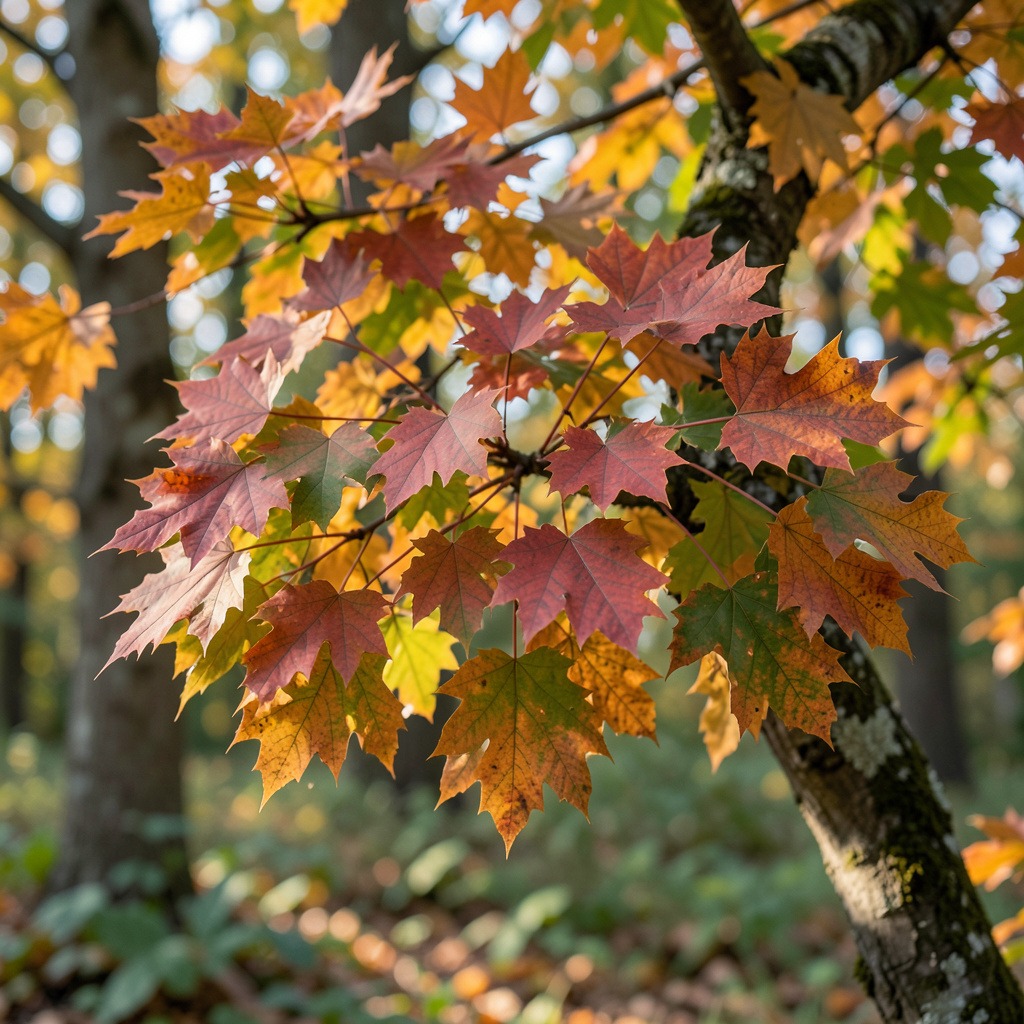
Overview of Norway Maple Lifespan
The lifespan of the Norway maple (Acer platanoides) typically ranges from 30 to 100 years. However, this variation largely depends on environmental conditions, tree health, and care practices.
Factors Influencing Lifespan
1. Environmental Conditions
Norway maples thrive in diverse climates but exhibit different lifespans based on their surroundings. In urban settings, they often face stress from pollution and limited space, which can reduce their lifespan compared to those in more natural environments.
2. Tree Health
Overall health significantly impacts longevity. Healthy trees, free from pests and diseases, can live longer. Common threats include:
Table of Contents
- Root rot: Caused by waterlogged soil.
- Leaf spot diseases: Affecting foliage and photosynthesis.
- Insect infestations: Such as aphids and borers, which weaken the tree.
3. Genetic Variation
Different cultivars of Norway maple may exhibit varying lifespans. Those selected for ornamental traits may not have the same resilience as wild types, potentially leading to shorter lifespans.
Urbanization and Lifespan
Urban environments pose unique challenges that can affect the lifespan of Norway maples. Factors include:
- Soil Compaction: Reduces root growth and access to nutrients.
- Limited Water Supply: Urban trees often compete for resources, which can shorten their life.
- Pollution: Air and soil pollutants can stress trees, leading to earlier decline.
Practical Example
Consider a Norway maple planted in a suburban yard versus one in a city park. The suburban tree, with regular care, adequate space, and better soil conditions, might reach 80 years. In contrast, the park tree, subject to pollution and root competition, may only last 40 years.
By understanding these factors, you can enhance the longevity of Norway maples through appropriate care and environmental considerations.
Factors Influencing the Lifespan of Norway Maples
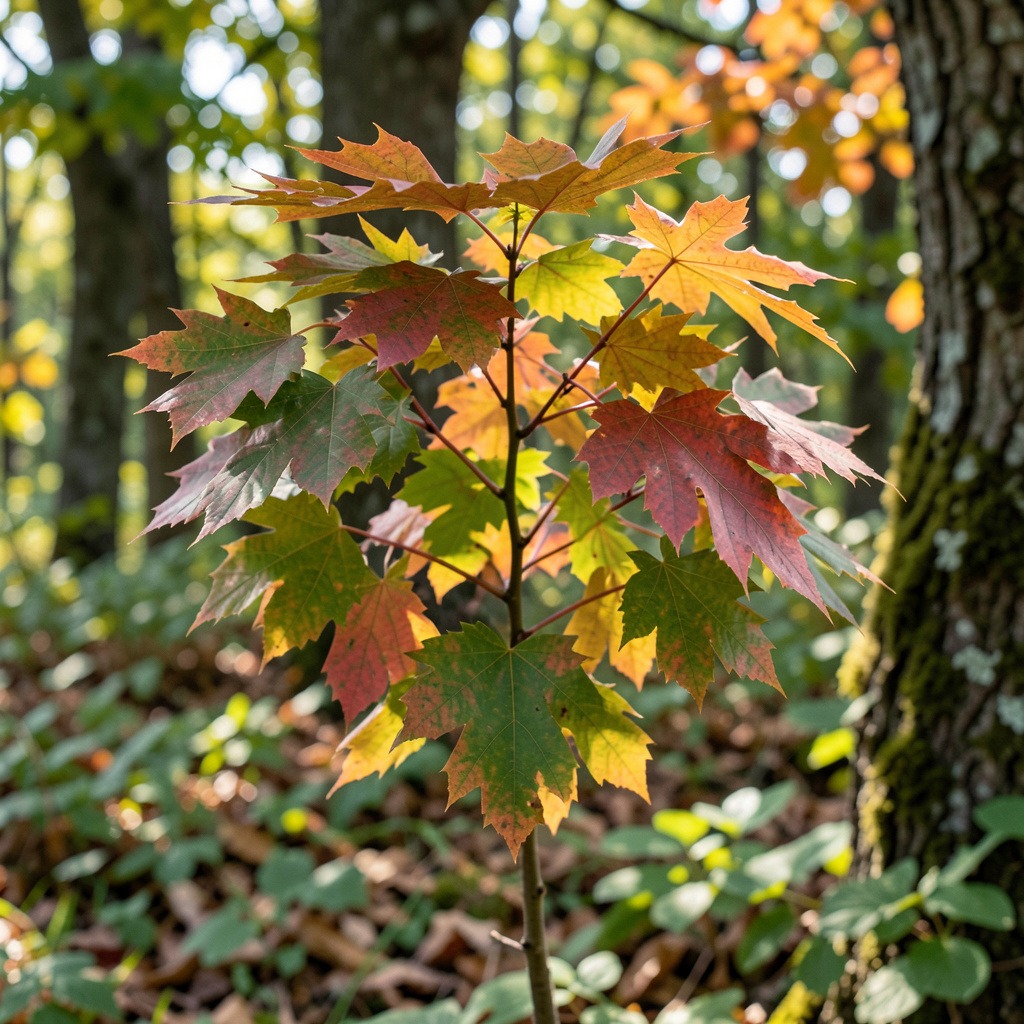
The lifespan of Norway maples is determined by several interrelated factors, including environmental conditions, genetic variation, and tree health. Understanding these influences can help in managing these trees effectively for a longer life.
Environmental Conditions and Their Impact
Environmental factors play a crucial role in the lifespan of Norway maples. These trees thrive in well-drained soils and can tolerate varying soil types, including clay and sandy soils. However, extreme conditions can be detrimental.
- Soil Quality: Moist, well-drained soil promotes healthy growth. Compacted or poor-quality soil can hinder root development.
- Pollution: Urban environments often expose trees to higher levels of air and soil pollutants. This stress can significantly reduce their lifespan.
- Climate Extremes: Norway maples are susceptible to harsh weather conditions, including extreme heat and severe winters. These factors can weaken trees and lead to a shorter life.
For example, a Norway maple planted in a suburban area with rich, loamy soil may live up to 150 years, while one in a polluted urban setting might only reach 40 years.
The Role of Genetics in Lifespan
Genetic variation among Norway maples can also affect their longevity. Different cultivars may exhibit distinct traits that influence resilience and adaptability.
- Genetic Diversity: Trees with a broader genetic base may resist diseases and pests more effectively.
- Cultivar Selection: Choosing specific cultivars known for resilience can enhance lifespan. Some varieties may be better suited for certain environments than others.
For instance, cultivars that are more resistant to diseases like verticillium wilt can significantly extend their lifespan in environments where such threats are prevalent.
Tree Health Management Practices
Proper care is essential for maximizing the lifespan of Norway maples. Regular maintenance can mitigate the effects of environmental stressors.
- Pruning: Regular pruning helps maintain structure and removes dead or diseased branches. This practice not only improves aesthetics but also promotes better air circulation and sunlight penetration.
- Watering: Adequate watering, especially during dry spells, supports healthy growth and stress reduction.
- Fertilization: A balanced nutrient supply can enhance growth and resilience. Soil testing can identify nutrient deficiencies.
By implementing these practices, you can significantly improve the health and longevity of Norway maples, ensuring they thrive for generations.
Urbanization and Its Effects on Norway Maple Lifespan
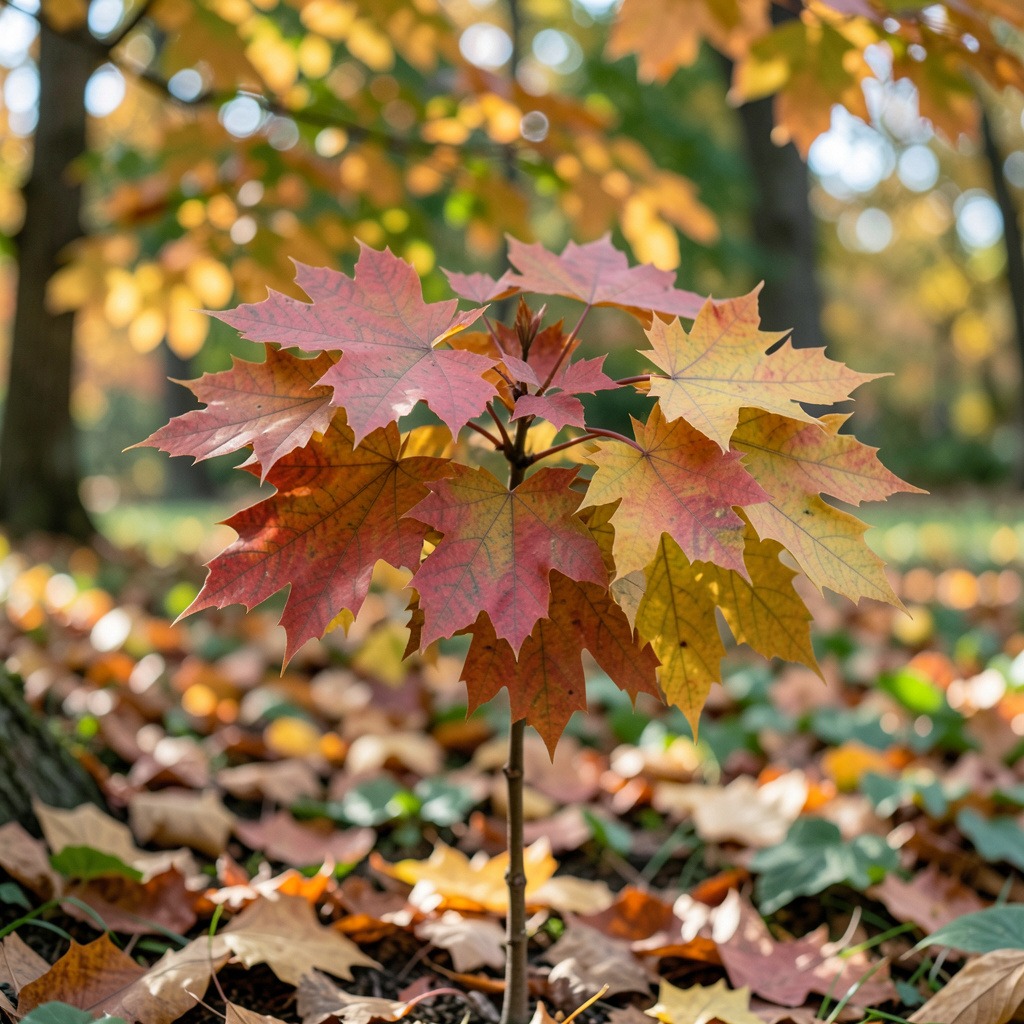
Urban environments create unique challenges for the health and longevity of Norway maples. Factors such as space limitations, pollution, and root competition significantly impact their lifespan.
Challenges of Urban Planting
1. Limited Root Space: Norway maples require ample space for root growth. In urban settings, confined planting areas can restrict root expansion. This limitation can lead to nutrient deficiency and reduced tree vitality.
2. Pollution Stress: Urban pollution, including air and soil contaminants, can adversely affect Norway maples. Elevated levels of pollutants may weaken their immune systems, making them susceptible to diseases.
3. Root Competition: Norway maples often compete for resources with surrounding vegetation. Their shallow root system can inhibit the growth of grass and other plants, but in urban landscapes, they may face competition from concrete and other landscaping features that limit access to essential nutrients and water.
Mitigating Urban Stress Factors
To enhance the lifespan of Norway maples in urban settings, consider the following strategies:
- Select Appropriate Planting Sites: Choose locations with sufficient space and minimal competition from other roots or structures.
- Improve Soil Quality: Conduct soil tests to identify deficiencies. Amend soil with organic matter to enhance nutrient availability.
- Implement Irrigation: Regular watering, especially during dry spells, can alleviate stress from limited water availability.
- Monitor Tree Health: Regular inspections can help identify early signs of decline. Look for symptoms such as leaf discoloration or stunted growth.
Case Study Insight: In a recent urban planting project, Norway maples were successfully integrated into a city park. By ensuring adequate soil amendments and monitoring irrigation, the trees thrived and demonstrated a lifespan significantly longer than those in less favorable conditions.
By addressing the unique challenges of urban environments, you can significantly improve the health and longevity of Norway maples, ensuring their continued presence in urban landscapes.
Common Diseases and Pests Affecting Norway Maples
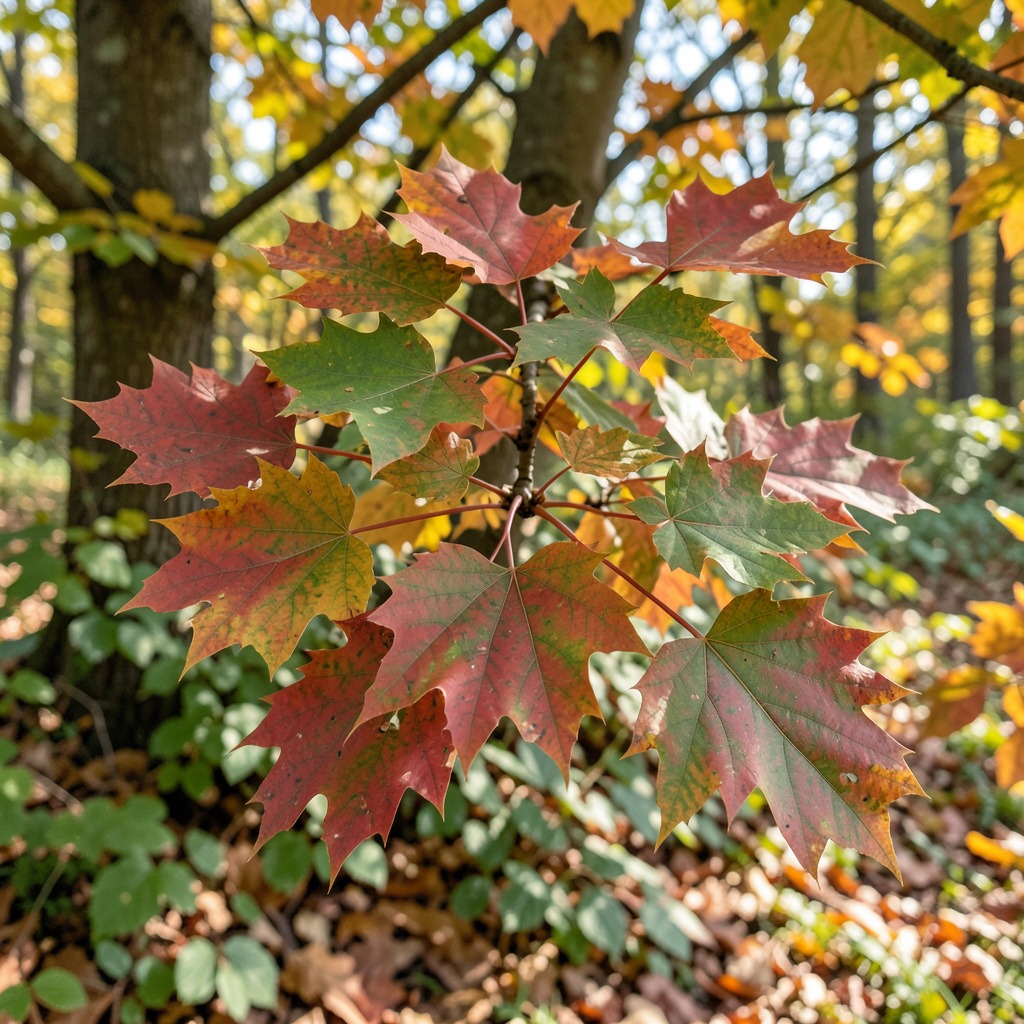
Norway maples, while robust, are susceptible to various diseases and pests that can shorten their lifespan. Understanding these threats and implementing effective management strategies is crucial for maintaining tree health.
Recognizing Symptoms of Decline
Identifying early symptoms of disease or pest infestation is essential for effective intervention. Common signs include:
- Leaf Discoloration: Yellowing or browning leaves may indicate stress or disease.
- Stunted Growth: Trees that fail to grow as expected may be struggling with root or nutrient issues.
- Wilting Leaves: This can signal water stress or root problems.
- Visible Pests: Aphids or scale insects may be present on the leaves or stems.
Treatment and Prevention Strategies
Managing diseases and pests effectively can enhance the longevity of Norway maples. Here are practical strategies:
- Regular Inspections: Check for signs of disease or pests during the growing season.
- Proper Pruning: Remove infected branches to prevent the spread of disease. Prune during the dormant season to minimize stress.
- Nutrient Management: Ensure the tree receives adequate nutrients. A balanced fertilizer can boost overall health.
- Watering Practices: Maintain consistent moisture levels, especially during dry spells.
- Disease-Specific Treatments:
- Verticillium Wilt: Use resistant varieties or improve soil drainage.
- Tar Spot: Remove fallen leaves to reduce spore production.
- Aphids: Introduce beneficial insects or use insecticidal soap as needed.
By implementing these strategies, you can significantly improve the health and lifespan of your Norway maple. Regular monitoring and proactive care will help mitigate the risks posed by diseases and pests.
Pruning and Care Tips for Extending Lifespan
Proper pruning and care are essential for maximizing the lifespan of Norway maples. These practices not only promote healthy growth but also help prevent diseases and structural issues.
Pruning Techniques for Healthy Growth
Pruning is vital for maintaining the shape and health of Norway maples. Here are key techniques:
- Timing: Prune during the dormant season, typically late winter to early spring. This minimizes stress and allows for better healing.
- Method: Focus on removing dead, damaged, or diseased branches. Thin out crowded areas to improve air circulation and light penetration.
- Angle Cuts: Make clean cuts at a slight angle to prevent water accumulation, which can lead to rot.
Pruning Checklist
- Remove any crossing branches.
- Cut back any vertical shoots that disrupt canopy balance.
- Maintain a central leader for strong structural integrity.
Nutrient Requirements for Optimal Health
Nutrient management significantly impacts the longevity of Norway maples. Implement the following practices:
- Fertilization: Use a balanced fertilizer in early spring. This boosts growth and strengthens the tree against pests and diseases.
- Soil Quality: Test soil pH and nutrient levels annually. Adjust with amendments as needed to maintain a healthy growing environment.
- Watering: Ensure consistent moisture, particularly during dry spells. Deep watering encourages strong root development.
Nutrient Management Tips
- Apply organic mulch around the base to retain moisture and improve soil health.
- Monitor for signs of nutrient deficiency, such as yellowing leaves, indicating a need for additional nutrients.
By adopting these pruning and care techniques, you can significantly enhance the lifespan of your Norway maple, ensuring it thrives in your landscape for many years.
Comparing Norway Maple Lifespan with Other Maple Species
Norway maples (Acer platanoides) are notable for their longevity, often living between 40 to 100 years under optimal conditions. However, their lifespan can vary significantly compared to other common maple species.
Lifespan Comparison
| Maple Species | Average Lifespan | Growth Rate |
|---|---|---|
| Norway Maple | 40-100 years | Moderate |
| Sugar Maple | 75-100 years | Slow |
| Red Maple | 30-50 years | Fast |
| Silver Maple | 50-70 years | Very Fast |
- Norway Maple (Acer platanoides): Known for its adaptability, it thrives in urban settings. It generally has a moderate growth rate and can live up to 100 years when well-cared for.
- Sugar Maple (Acer saccharum): Often considered the gold standard for longevity, sugar maples can reach 100 years. However, they grow slowly, making them less suitable for quick landscaping needs.
- Red Maple (Acer rubrum): This species has a shorter lifespan, averaging 30 to 50 years. It grows rapidly, making it a popular choice for quick shade.
- Silver Maple (Acer saccharinum): While it can live 50 to 70 years, its very fast growth may lead to structural weaknesses, affecting its longevity.
Factors Influencing Lifespan
- Environmental Conditions: Norway maples are resilient to varying soil types and conditions, unlike sugar maples, which prefer well-drained soils. This environmental adaptability can extend their lifespan.
- Urbanization Impact: Norway maples are often used in urban landscapes due to their tolerance for pollution and compacted soils. This contrasts with the sugar maple, which may decline in urban settings.
- Genetic Variation: Different cultivars of Norway maple may exhibit varying growth rates and lifespans. For instance, some cultivars may show enhanced resistance to pests and diseases, contributing to longevity.
By understanding the lifespan and growth characteristics of Norway maples compared to other species, you can make informed decisions when selecting trees for your landscape.
Signs of Decline and Remediation Options for Norway Maples
Norway maples can exhibit several signs of decline, which can significantly shorten their lifespan if not addressed promptly. Recognizing these signs early is crucial for effective remediation and maintaining tree health.
Common Signs of Decline
1. Leaf Discoloration: Yellowing leaves can indicate nutrient deficiencies or disease.
2. Stunted Growth: A lack of new growth may signal poor health or root issues.
3. Fungal Growth: Presence of fungi on the trunk or soil can indicate rot or disease.
4. Bark Cracking: Cracks in the bark may suggest environmental stress or internal decay.
5. Insect Infestation: High populations of aphids or scale insects can weaken the tree.
Remediation Options
To maintain the health and longevity of Norway maples, consider the following remediation strategies:
- Soil Testing: Conduct soil tests to identify nutrient deficiencies. Amend the soil accordingly with fertilizers rich in nitrogen, phosphorus, and potassium.
- Pruning: Regularly prune to remove dead or diseased branches. This encourages healthy growth and improves air circulation.
- Pest Management: Monitor for pests. Use insecticidal soaps or neem oil for treatment. Ensure to follow application guidelines for best results.
- Watering Practices: Deep watering during dry spells helps establish a robust root system. Avoid overwatering to prevent root rot.
- Mulching: Apply mulch around the base to retain moisture and suppress weeds. Ensure it is not piled against the trunk to prevent rot.
Decision Framework for Remediation
When assessing the health of your Norway maple, use the following checklist:
- Inspect Leaves: Check for discoloration or spots.
- Assess Growth: Measure growth rates annually.
- Examine Bark: Look for cracks or peeling.
- Check for Pests: Identify and quantify any pest populations.
- Evaluate Soil: Test for nutrient levels and pH balance.
By following these guidelines, you can effectively address signs of decline and enhance the lifespan of your Norway maple. For example, a tree showing slight leaf discoloration may thrive with a simple adjustment in watering and fertilization, while a tree with significant bark cracking may require more intensive intervention, such as pest control or even removal if decay is severe.
Frequently Asked Questions
These quick answers cover the most common questions about this topic, including key details, practical tips, and common concerns.
What are the disadvantages of Norway maples?
Norway maples have several disadvantages, particularly their status as an invasive species in some areas. They can outcompete native plants for resources, leading to decreased biodiversity. Additionally, their shallow root systems may cause structural issues in urban environments, such as sidewalk lifting.
Furthermore, Norway maples are susceptible to various diseases and pests, including leaf spot diseases and aphid infestations, which can negatively impact their health and longevity. Their dense canopy can also limit light for understory plants, affecting overall ecosystem health.
How big is a 30-year-old Norway maple tree?
A 30-year-old Norway maple typically reaches heights of 30 to 50 feet, with a spread of 25 to 40 feet. Growth can vary based on environmental conditions and care practices. In optimal conditions, they may grow larger, while those in urban settings might be smaller due to space and resource limitations.
Is a Norway maple a fast-growing tree?
Yes, Norway maples are considered fast-growing trees. They can grow up to 2 to 3 feet per year under ideal conditions. This rapid growth makes them popular for quick shade and landscaping, but it also means they may require more frequent maintenance to ensure long-term health.
Why are my Norway maple leaves turning brown?
Browning leaves on Norway maples can result from several factors. Common causes include environmental stress from drought, nutrient deficiencies, or root problems. Additionally, diseases like leaf spot or pest infestations can also lead to leaf discoloration.
To address browning leaves, check soil moisture and ensure your tree is receiving adequate nutrients. Regular inspections for pests or diseases will also help identify any underlying issues early on.
How can I spot early signs of decline in my Norway maple?
Early signs of decline in Norway maples include yellowing leaves, stunted growth, and visible pests. You may also notice leaf drop or wilting, which can indicate stress. Regular inspections are crucial; look for signs of fungal growth or bark cracking, which can signal deeper issues.
If you observe these symptoms, consider adjusting watering practices, checking for pests, and assessing soil health. Timely intervention can help restore your tree’s vitality.
What are common diseases affecting Norway maples?
Norway maples are susceptible to several diseases, including verticillium wilt, tar spot, and leaf spot diseases. Verticillium wilt causes wilting and yellowing leaves, while tar spot leads to unsightly black spots on foliage. Leaf spot diseases can weaken trees by affecting photosynthesis.
Regular monitoring and proper care, such as pruning and maintaining soil health, can help prevent these diseases. If you notice severe symptoms, consider consulting a tree care professional for targeted treatment options.
When is the best time to prune Norway maples?
The best time to prune Norway maples is during their dormant season, typically late winter to early spring. Pruning during this time minimizes stress on the tree and allows for better healing. Focus on removing dead or diseased branches and thinning crowded areas to improve air circulation.
Avoid heavy pruning in the fall, as this can stimulate new growth that may not survive winter. Regular maintenance helps maintain tree structure and health over the long term.