
To successfully plant Norway maple (Acer platanoides), choose a well-drained location, ideally in full sun.
Table of Contents
Norway maple (Acer platanoides) is a popular choice for landscaping due to its beauty and resilience. However, proper planting techniques are essential to ensure its health and minimize potential invasiveness. This guide covers everything you need to know for successful Norway maple planting.
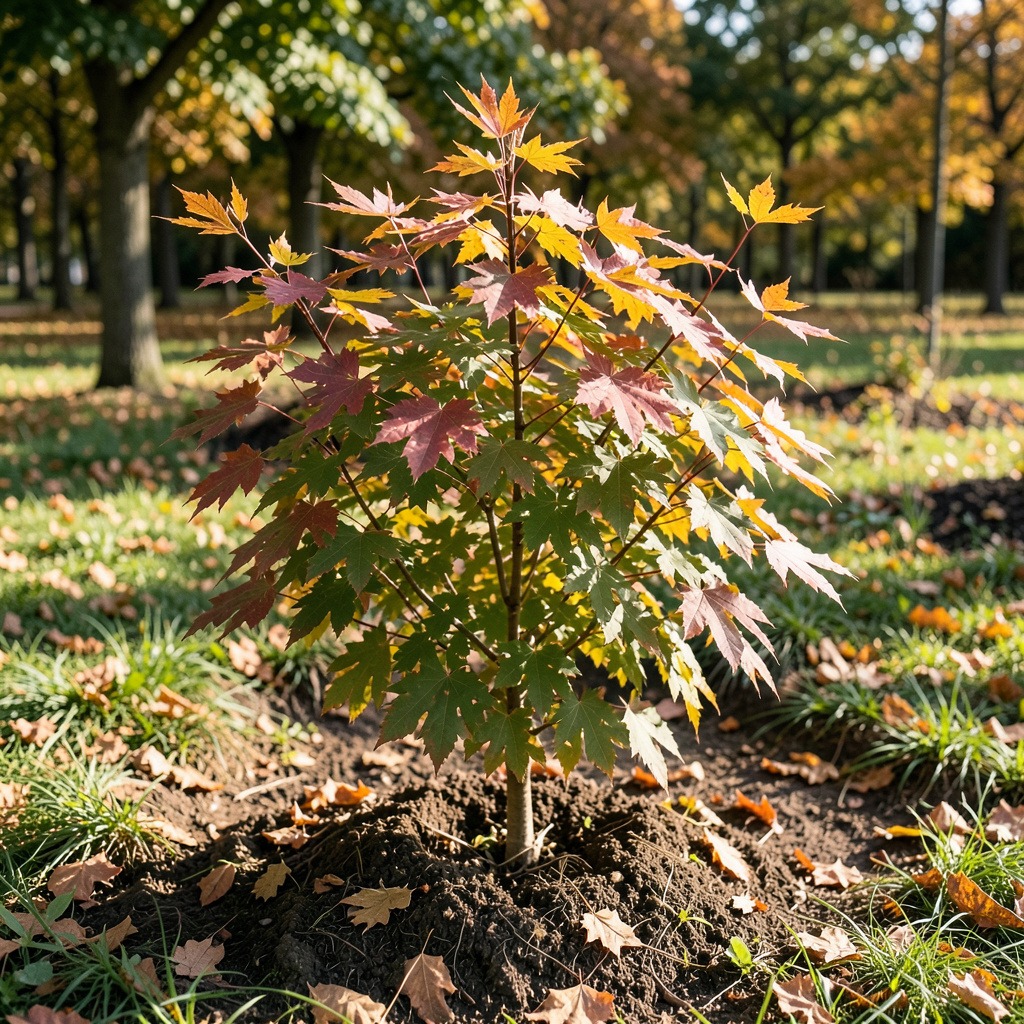
Understanding Norway Maple and Its Characteristics
Norway maple (Acer platanoides) is known for its adaptability and aesthetic appeal. However, understanding its characteristics and growth habits is crucial for successful planting and care.
Characteristics of Norway Maple
Norway maple features a broad, dense canopy, making it an excellent shade tree. Its leaves are dark green and lobed, turning vibrant yellow in autumn. This tree can grow up to 50 feet tall and 40 feet wide, depending on the environment.
- Foliage: Dark green leaves, 5-7 lobes, turn yellow in the fall.
- Height: Typically reaches 40-50 feet.
- Width: Spreads about 30-40 feet.
- Root System: Shallow and fibrous, which can lead to competition with grass and other plants.
Growth Habits and Ecology
Norway maple is highly adaptable, thriving in various soil types and conditions. It prefers well-drained soil and full sun but can tolerate partial shade. Its growth rate is moderate to fast, making it a quick option for shade.
- Sunlight: Prefers full sun, tolerates partial shade.
- Soil Type: Well-drained, adaptable to heavy clay or sandy soils.
- Growth Rate: Moderate to fast, often reaching maturity within 20-30 years.
The tree’s shallow root system can inhibit the growth of other vegetation beneath it. This characteristic can lead to ecological challenges, particularly in urban settings where native species compete for resources.
Importance in Landscaping
In landscaping, Norway maple serves both functional and aesthetic purposes. Its dense canopy provides shade, making it ideal for parks and residential areas. However, its invasive tendencies pose significant concerns.
- Shade Provider: Excellent for creating shaded areas in gardens and parks.
- Urban Resilience: Tolerates pollution and challenging growing conditions.
- Invasiveness: Can outcompete native plants, leading to biodiversity loss.
When considering Norway maple for your landscape, weigh its benefits against potential ecological impacts. Understand local regulations regarding its planting and manage its spread actively to maintain a balanced ecosystem.
Optimal Conditions for Planting Norway Maple
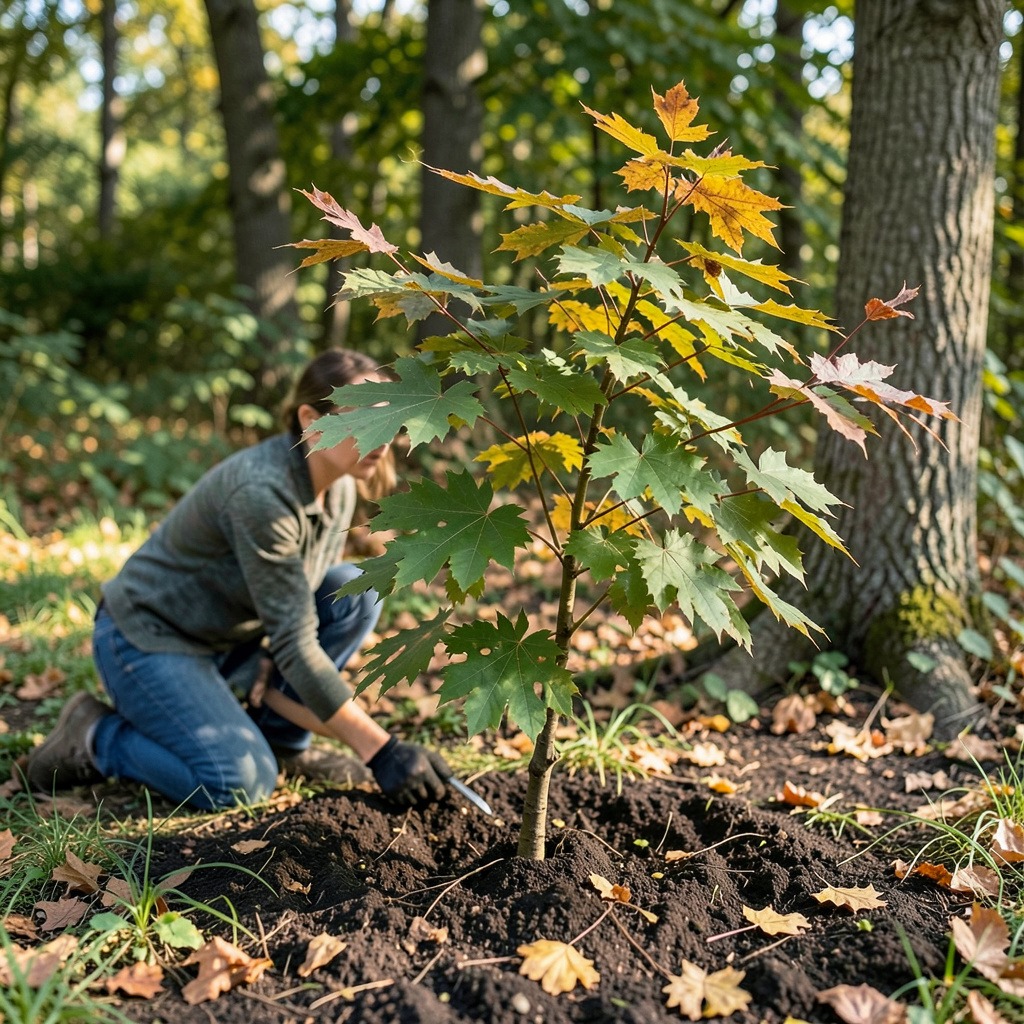
To ensure the successful growth of Norway maple (Acer platanoides), it is crucial to meet specific soil and sunlight requirements. This section outlines the optimal conditions for planting these trees, including soil types, exposure to sunlight, and spacing recommendations.
Ideal Soil Conditions
Norway maple thrives in various soil types but prefers well-drained environments. Here are the key soil requirements:
- Soil Type: Accepts clay, loam, and sandy soils.
- pH Level: Tolerates a pH range of 5.0 to 7.5.
- Drainage: Good drainage is essential to prevent root rot. Avoid waterlogged areas.
- Urban Adaptability: Resistant to compacted urban soils, making it suitable for city landscapes.
Checklist for Soil Preparation:
- Test soil pH and type.
- Amend heavy clay soils with organic matter to improve drainage.
- Dig a hole twice the width of the root ball but no deeper than the root ball itself.
Sunlight and Watering Needs
Proper sunlight exposure is vital for the Norway maple’s health and aesthetic appeal.
- Sunlight Exposure: Prefers full sun (4-6 hours of direct sunlight daily) but tolerates partial shade.
- Watering: Regular watering is necessary, especially during dry spells. Young trees require more frequent watering until established.
Watering Guidelines:
- Water deeply rather than frequently to encourage deep root growth.
- Monitor soil moisture; the top inch should dry out between waterings.
Planting Depth and Spacing
Correct planting depth and spacing are crucial for optimal growth and health.
- Spacing: Position Norway maples at least 25-30 feet apart to allow for mature growth.
- Planting Depth: Ensure the root flare is level with the soil surface. Planting too deep can lead to girdling roots.
Example Planting Scenario:
- In an urban setting, space trees 30 feet apart to mitigate competition for resources and allow for proper canopy development.
- When planting multiple trees, consider their mature width to prevent overcrowding.
By adhering to these guidelines, you can create a thriving environment for your Norway maple, balancing its growth potential with care for surrounding plants.
When to Plant Norway Maple: Timing Is Key
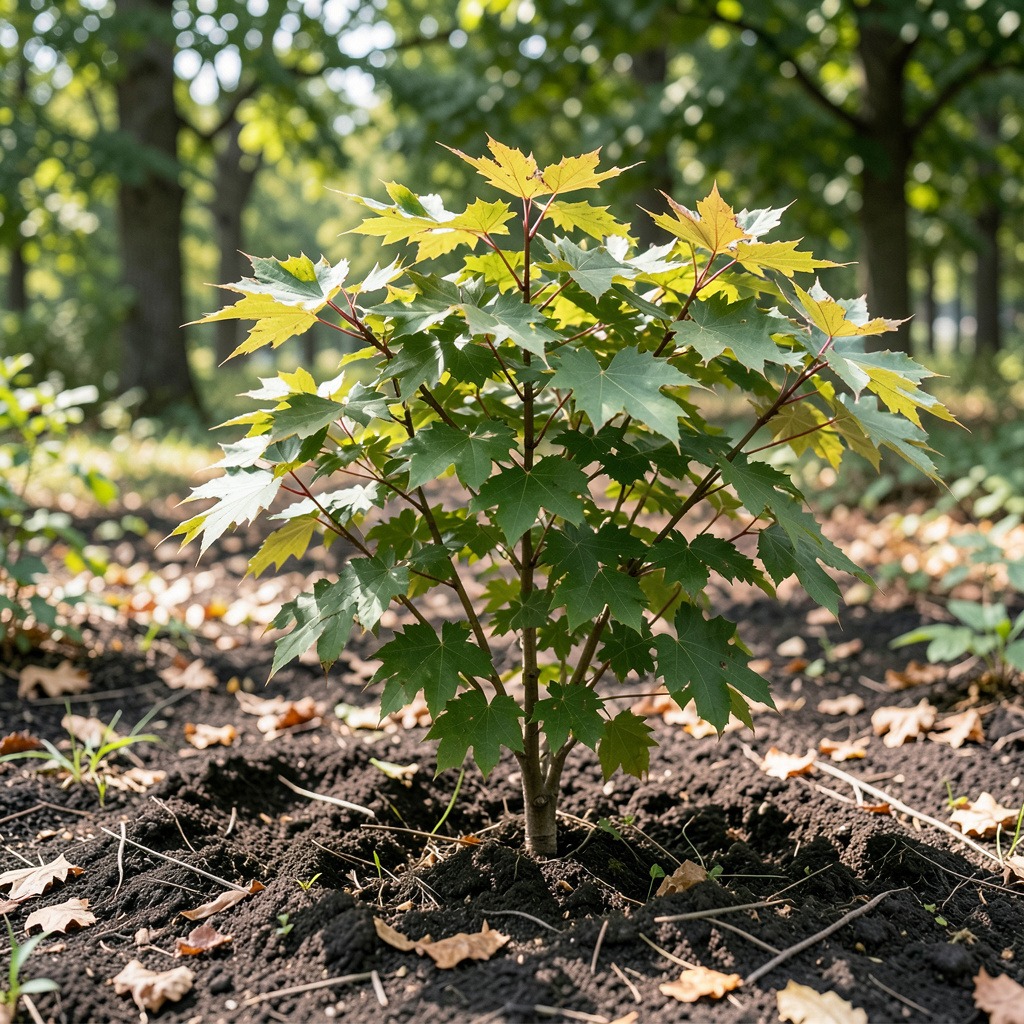
Timing plays a crucial role in the successful planting of Norway maples (Acer platanoides). Understanding seasonal considerations and climate effects can significantly improve the tree’s establishment and growth.
Best Months for Planting
The ideal times for planting Norway maples vary by region, but generally, spring and fall are the most favorable.
- Spring (March to May): This is the most recommended time. The soil is warming, and there is ample rainfall, which supports root development.
- Fall (September to November): Planting in early fall allows trees to establish roots before winter dormancy. However, avoid late fall planting, which may expose young trees to harsh winter conditions.
Regional Planting Calendar:
| Region | Best Planting Months |
|---|---|
| Northern climates | Late April to June |
| Central climates | March to June, September to October |
| Southern climates | February to April, September |
Effects of Climate on Planting Timing
Climate significantly influences the success of Norway maple planting. Consider the following factors:
- Temperature: Norway maples thrive in cold conditions but require protection from extreme heat and drought during the summer months.
- Soil Moisture: Ensure the soil remains moist after planting. Spring rains typically provide adequate moisture, while fall plantings may require additional watering.
Example Scenario: In a northern region, a gardener should plan to plant Norway maples in mid to late April. This timing maximizes the tree’s chances of thriving through the summer and establishing a strong root system before winter.
By adhering to these planting timelines and considering local climate conditions, you can enhance the vitality and longevity of your Norway maple trees.
Caring for Your Norway Maple After Planting
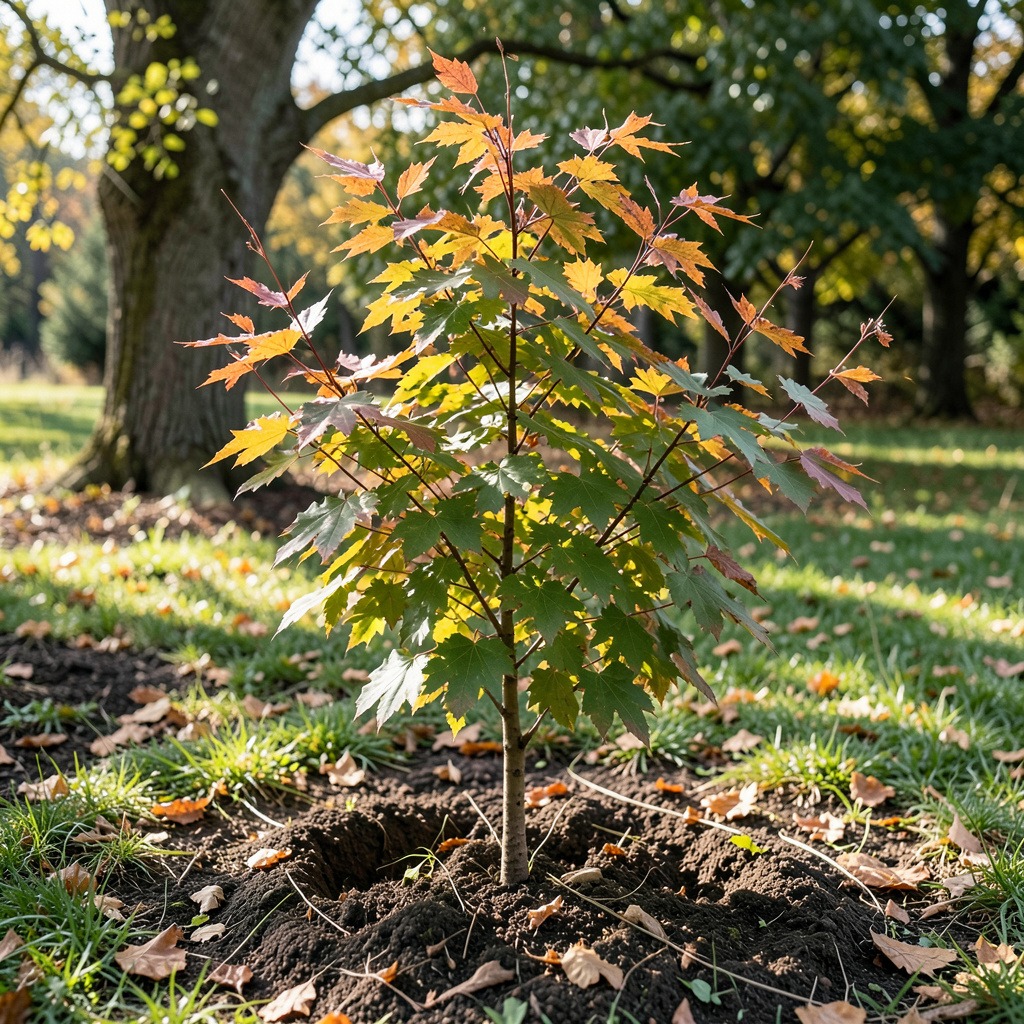
Caring for your Norway maple is essential to ensure its health and longevity. This section outlines key routines for both young and mature trees, focusing on watering, fertilization, and pruning.
Watering and Fertilization Guidelines
Young Norway maples require consistent moisture, especially during their first two growing seasons. Follow these guidelines for effective watering:
- Frequency: Water deeply once a week from April to October.
- Amount: Provide approximately 10 liters of water per inch of trunk diameter.
- Mature Trees: Once established, Norway maples are drought-tolerant. Water only during extended dry spells lasting more than three weeks.
- Fall Preparation: Reduce watering in late September to help the tree harden off before winter.
Fertilization is also crucial. Use a balanced slow-release fertilizer in early spring, following the manufacturer’s instructions. This promotes healthy growth during the growing season.
Pruning Techniques for Health
Pruning is vital for maintaining the shape and health of your Norway maple. Implement the following techniques:
- Timing: Prune in late winter or early spring before new growth starts.
- Technique: Remove dead or damaged branches first, then thin out crowded areas to improve air circulation.
- Size Control: Limit pruning to 20% of the canopy each season to avoid shock.
Regular pruning not only enhances aesthetics but also helps prevent pests and diseases by improving airflow.
Seasonal Maintenance Tips
Adjust your care routines with the changing seasons. Here’s a breakdown of seasonal maintenance:
| Season | Task | Details |
|---|---|---|
| Spring | Fertilization and Watering | Apply slow-release fertilizer; water regularly. |
| Summer | Pest Monitoring | Check for signs of pests like aphids or scale. |
| Fall | Water Reduction | Cut back on watering to prepare for winter. |
| Winter | Dormant Pruning | Remove any dead branches and assess tree health. |
By following these guidelines, you can ensure your Norway maple thrives in your landscape.
Managing Pests and Diseases in Norway Maple
Norway maple (Acer platanoides) is susceptible to various pests and diseases that can affect its health. Understanding these threats is essential for successful planting and care.
Common Pests and Their Management
Norway maples can attract several pests, which may compromise their vitality. Here are some of the most common pests and their management strategies:
- Aphids: Small, soft-bodied insects that suck sap from leaves.
- Management: Use insecticidal soap or introduce natural predators like ladybugs.
- Gall Mites: Tiny arachnids that cause leaf deformities.
- Management: Prune affected areas and maintain tree health to reduce infestations.
- Caterpillars: Larvae of moths and butterflies that can defoliate trees.
- Management: Hand-pick or use appropriate insecticides if infestations are severe.
Identifying Diseases in Norway Maple
Diseases can significantly impact the growth and appearance of Norway maples. Key diseases to watch for include:
- Verticillium Wilt: A soil-borne fungus that causes wilting and yellowing of leaves.
- Tar Spot: Fungal disease that creates dark spots on leaves, leading to premature leaf drop.
- Honey Fungus: A root disease that can kill trees by decaying their roots.
Diagnostic Checklist for Diseases:
- Look for wilting leaves or branches.
- Check for discolored or spotted foliage.
- Examine the root zone for signs of decay.
Prevention Strategies
Preventing pests and diseases is crucial for maintaining healthy Norway maples. Consider these strategies:
- Site Selection: Plant in well-drained soil with adequate sunlight to promote strong growth.
- Regular Monitoring: Inspect trees frequently for signs of pests or diseases.
- Cultural Practices: Maintain proper watering and mulching to support tree health.
By employing these management strategies, you can ensure your Norway maple remains healthy and vibrant throughout its growth.
Considerations Regarding Norway Maple’s Invasiveness
Norway maple (Acer platanoides) has garnered attention for its invasive qualities and ecological implications. Understanding these aspects is crucial for responsible planting and landscaping decisions.
Why Norway Maple Is Considered Invasive
Norway maple is a non-native species that can dominate local ecosystems. Here are key reasons for its invasive reputation:
- Aggressive Growth: It reproduces quickly, forming dense colonies that overwhelm native flora.
- Shade Competition: Its broad canopy blocks sunlight, inhibiting the growth of understory plants and seedlings.
- Root System: The shallow, fibrous roots often displace native species and can even choke the parent tree over time.
These traits make Norway maple a challenging addition to diverse landscapes, particularly where native species need protection.
Comparing Norway Maple with Native Species
When evaluating the ecological impact of Norway maple, it’s essential to compare it with native maple species, such as the Sugar Maple (Acer saccharum) and Red Maple (Acer rubrum).
| Feature | Norway Maple | Sugar Maple | Red Maple |
|---|---|---|---|
| Growth Rate | Fast | Moderate | Moderate to Fast |
| Shade Tolerance | High | Moderate | High |
| Root Competition | Aggressive | Moderate | Limited |
| Ecological Benefits | Limited | Enhances soil health | Attracts diverse wildlife |
Key Takeaway: While Norway maple offers quick growth, it lacks the ecological benefits seen in native maples. Choosing native species fosters biodiversity and supports local ecosystems, making them a preferable option for sustainable landscaping.
Alternatives to Norway Maple for Landscaping
When considering alternatives to Norway maple, it’s essential to evaluate their growth habits, ecological benefits, and suitability for your landscaping goals. Below are native tree species that can provide similar aesthetic qualities while supporting local ecosystems.
Native Alternatives to Consider
1. Sugar Maple (Acer saccharum)
- Growth Rate: Moderate.
- Shade Tolerance: High.
- Ecological Benefits: Enhances soil health and attracts diverse wildlife.
2. Red Maple (Acer rubrum)
- Growth Rate: Moderate to fast.
- Shade Tolerance: High.
- Ecological Benefits: Supports a range of wildlife and improves soil quality.
3. Silver Maple (Acer saccharinum)
- Growth Rate: Fast.
- Shade Tolerance: Moderate.
- Ecological Benefits: Provides habitat for birds and insects but can be invasive in certain areas.
Pros and Cons of Alternatives
| Tree Species | Pros | Cons |
|---|---|---|
| Sugar Maple | Beautiful fall foliage; promotes biodiversity. | Slower growth compared to Norway maple. |
| Red Maple | Fast growth; adaptable to various soil types. | Can suffer from pests like aphids. |
| Silver Maple | Rapid growth; excellent for quick shade. | Shallow roots can cause structural issues. |
Key Takeaway: While Norway maple provides quick growth, its ecological drawbacks make native species more favorable for sustainability. When selecting a tree, consider factors such as growth rate, shade tolerance, and ecological impact. Prioritize species that enhance local biodiversity for a healthier landscape.
Frequently Asked Questions
These quick answers cover the most common questions about this topic, including key details, practical tips, and common concerns.
How quickly do Norway maples grow?
Norway maples (Acer platanoides) are known for their moderate to fast growth rate. They can reach heights of 40 to 50 feet within 20 to 30 years under optimal conditions. This rapid growth makes them a popular choice for providing shade quickly in landscaping.
Why not plant Norway maple?
Norway maple is considered invasive in many regions due to its aggressive growth and ability to outcompete native plants. Its shallow roots can displace other vegetation, leading to biodiversity loss. Additionally, its dense canopy can block sunlight from reaching the ground, inhibiting the growth of understory plants.
What is the best month to plant Norway maple?
The best months to plant Norway maple are typically in early spring (March to May) or early fall (September to November). Spring planting allows the tree to establish roots during the growing season, while fall planting gives it a head start before winter dormancy.
How far to plant Norway maple from the house?
When planting Norway maple, it’s recommended to place them at least 25 to 30 feet away from your house. This distance helps prevent potential damage to your home’s foundation and minimizes competition for resources with nearby plants.
What are common problems with Norway maple?
Common problems associated with Norway maple include susceptibility to pests like aphids and gall mites, as well as diseases such as Verticillium wilt and tar spot. These issues can affect the tree’s health and appearance, so regular monitoring and management are essential.
What are the best cultivars of Norway maple?
Some of the best cultivars of Norway maple include ‘Crimson King,’ known for its deep purple foliage, and ‘Emerald Queen,’ which has a dense canopy and excellent resistance to pests. These cultivars are often chosen for their aesthetic appeal and adaptability in urban settings.
When is the best time to prune Norway maple?
The best time to prune Norway maple is in late winter or early spring, just before new growth begins. This timing minimizes stress on the tree and allows for better healing. Avoid heavy pruning during the growing season, as it can shock the tree and impact its health.