
Norway maples often face issues such as invasive growth, root damage, susceptibility to pests and diseases, and environmental stress, impacting their health and surrounding ecosystems.
Table of Contents
Norway maples, while popular for their aesthetic appeal and shade, can present several significant problems. Understanding these issues is crucial for effective management and maintaining the health of both the tree and its surrounding environment.
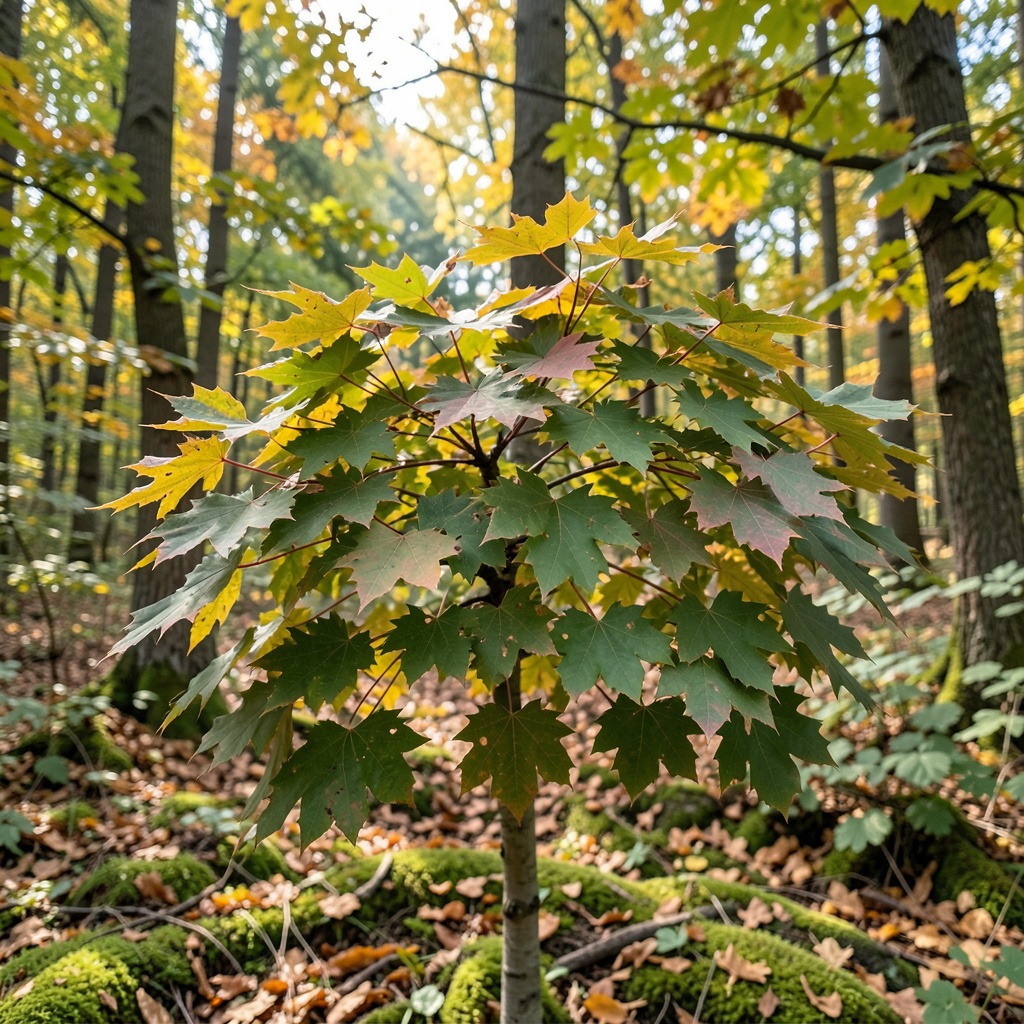
Understanding Norway Maple Problems
Norway maples are not only popular for their shade but also pose several significant environmental concerns. These trees exhibit invasive characteristics that can adversely affect local ecosystems.
Invasive Characteristics of Norway Maples
Norway maples (Acer platanoides) are known for their aggressive growth and prolific seed production. A single tree can produce thousands of seeds each year, allowing them to spread rapidly. This invasive nature can lead to several issues:
- Crowding Out Native Species: Norway maples often outcompete native plants for resources, disrupting local biodiversity.
- Altered Soil Chemistry: The leaf litter from Norway maples is high in sugars, which can affect soil nutrient levels and inhibit the growth of other plant species.
- Disruption of Animal Habitats: As they dominate areas, these trees can alter habitats, making it difficult for native wildlife to thrive.
Impact on Local Ecosystems
The ecological impact of Norway maples is significant. Their invasive tendencies can lead to:
- Reduced Biodiversity: Native flora and fauna struggle to survive in areas dominated by Norway maples. Over time, this leads to a decline in biodiversity.
- Altered Water Flow: Dense root systems and canopies can alter water absorption and drainage patterns, affecting surrounding plant life and soil health.
- Increased Pest Populations: The lack of diversity in an ecosystem can lead to a rise in pest populations, as natural predators may be eliminated.
Statistics on Invasiveness:
- Norway maples can produce up to 10,000 seeds annually, making them a formidable competitor in various environments.
- Studies suggest that areas with high densities of Norway maples can see declines in native plant populations by over 50%.
Understanding these issues is essential for effective management strategies. Homeowners and arborists should assess the presence of Norway maples and consider their ecological impact when planning landscaping or tree care.
Root Problems with Norway Maples
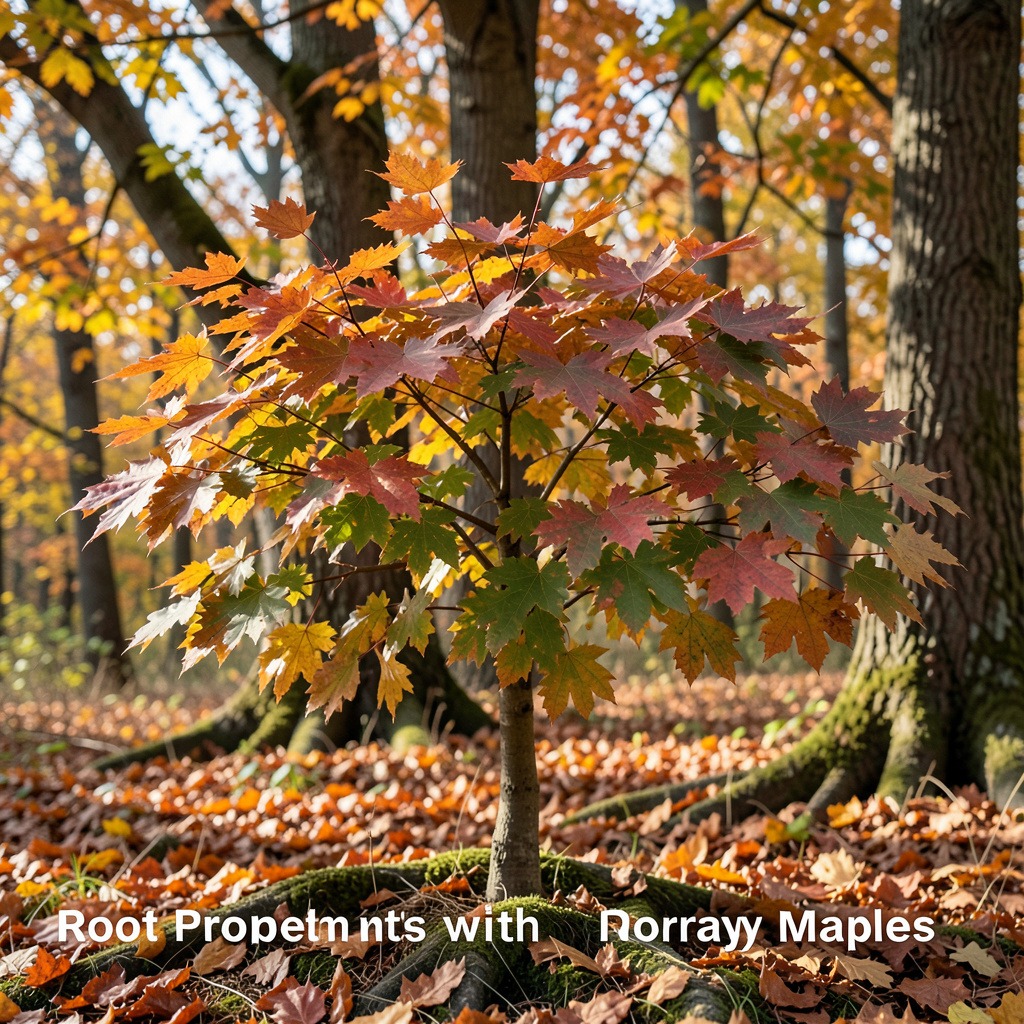
Norway maples are known for their aggressive root systems, which can lead to significant issues for both the tree’s health and surrounding infrastructure. Understanding these problems is essential for effective management.
Identifying Root Issues
Norway maples often develop shallow root systems, which can cause several issues:
- Girdling Roots: These roots circle the trunk and can strangle the tree, leading to reduced nutrient and water uptake. Girdling roots often start in the nursery when roots grow in confined spaces, such as plastic pots.
- Surface Roots: Shallow roots can disrupt soil and damage lawns, patios, and sidewalks. This creates uneven surfaces and can lead to costly repairs.
- Invasive Growth: Norway maples can spread aggressively, leading to root competition with nearby plants. This can negatively impact the health of other vegetation.
Impact of Root Problems on Structures
The aggressive root growth of Norway maples poses threats to infrastructure:
- Structural Damage: Roots can lift sidewalks, driveways, and even foundations if trees are planted too close to these structures.
- Maintenance Costs: Repairing damaged infrastructure can be expensive and time-consuming. Homeowners should consider root growth when planting Norway maples near buildings.
Checklist for Identifying Root Damage
To assess root damage in Norway maples, consider the following steps:
1. Visual Inspection: Look for surface roots and signs of girdling.
2. Measure Proximity: Check how close the roots are to nearby structures.
3. Assess Tree Health: Observe for stunted growth or yellowing leaves, which may indicate root stress.
4. Consult an Arborist: For severe cases, professional evaluation may be necessary.
By understanding these root issues, homeowners can make informed decisions regarding the care and management of their Norway maples.
Common Pests Affecting Norway Maples
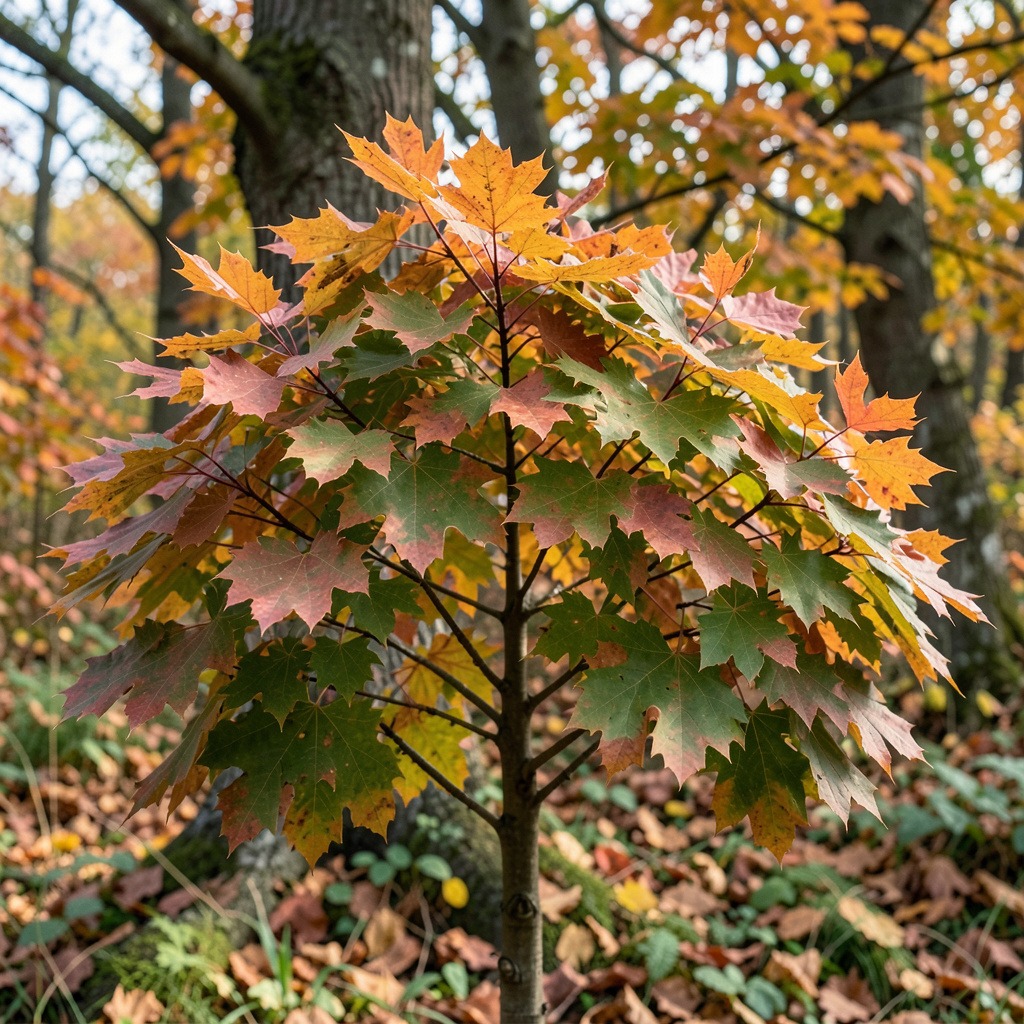
Norway maples are susceptible to various pests that can significantly impact their health and appearance. Understanding these pests and their management is crucial for maintaining robust trees.
Common Pests and Their Symptoms
1. Aphids
- Small, soft-bodied insects that suck sap from leaves.
- Symptoms include yellowing leaves, stunted growth, and a sticky residue (honeydew) on foliage.
2. Scale Insects
- These pests attach themselves to branches and leaves, resembling small bumps.
- Infestations can lead to leaf yellowing and branch dieback.
3. Spider Mites
- Tiny arachnids that thrive in hot, dry conditions.
- Symptoms include webbing on leaves and speckled yellowing.
4. Leafhoppers
- Jumping insects that feed on sap and can spread diseases.
- Look for leaf curling and discoloration.
Effective Pest Control Methods
Managing pests on Norway maples requires a targeted approach. Consider the following strategies:
- Cultural Controls
- Maintain tree health through proper watering and fertilization.
- Prune out heavily infested branches to reduce pest populations.
- Biological Controls
- Introduce natural predators, such as ladybugs for aphids.
- Use nematodes to target soil-dwelling pests.
- Chemical Controls
- Insecticidal soaps can effectively eliminate soft-bodied pests like aphids and spider mites.
- Systemic insecticides may be necessary for severe infestations but should be used judiciously to minimize environmental impact.
Organic vs. Chemical Pest Control
When managing pests on Norway maples, both organic and chemical methods have their pros and cons:
| Control Method | Advantages | Disadvantages |
|---|---|---|
| Organic | Safer for beneficial insects; environmentally friendly. | May require more frequent applications. |
| Chemical | Rapid and effective for severe infestations. | Potential harm to non-target species; environmental concerns. |
Decision Framework: When choosing between organic and chemical methods, assess the severity of the infestation, the tree’s overall health, and the surrounding ecosystem. For minor issues, start with organic options. Reserve chemical treatments for significant infestations where rapid action is essential.
Diseases Affecting Norway Maples
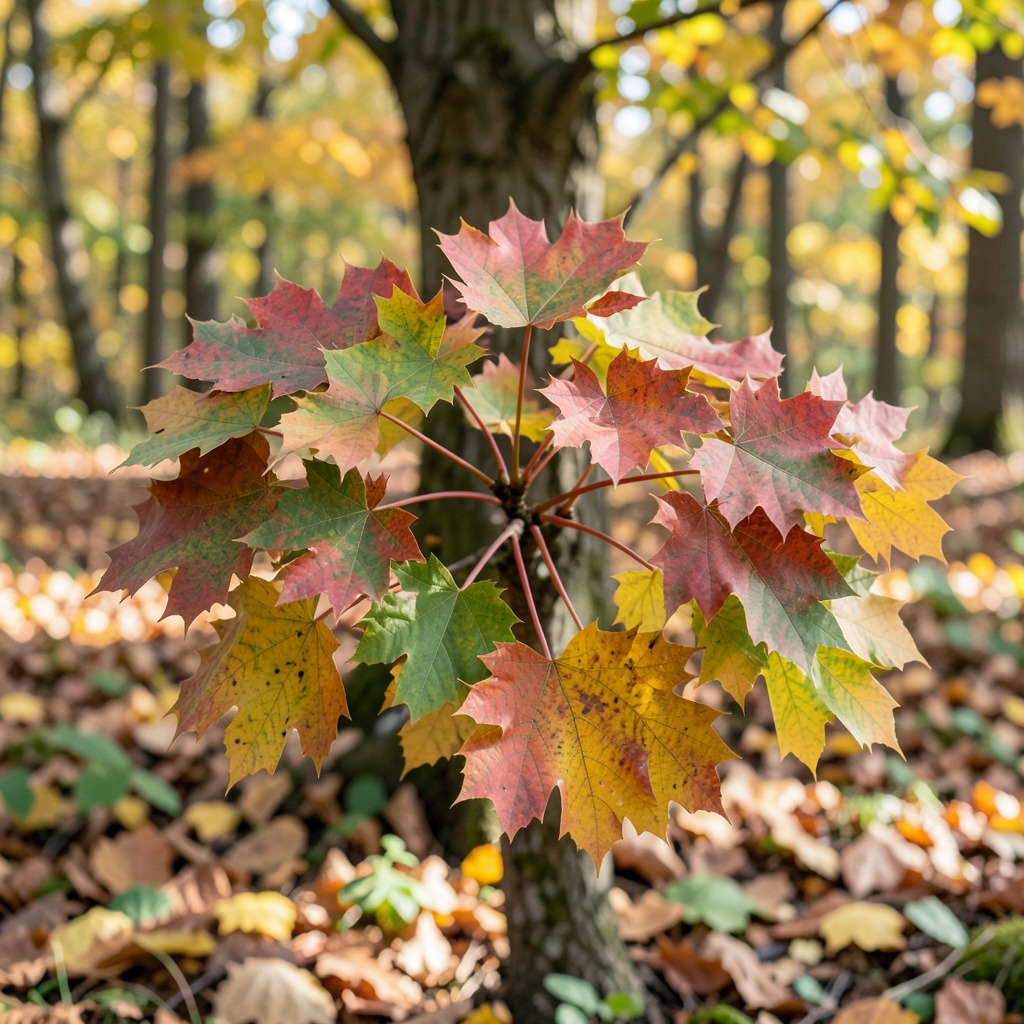
Norway maples are susceptible to several diseases that can significantly impact their health and aesthetics. Understanding these diseases and their management is crucial for maintaining robust trees.
Common Diseases and Their Effects
1. Verticillium Wilt
This soil-borne fungus infects the root system. Symptoms include wilting leaves and dieback in sections of the tree. Affected trees may exhibit yellowing foliage and stunted growth. Verticillium wilt is often fatal, especially in stressed trees.
2. Anthracnose
Caused by a fungal pathogen, anthracnose appears during cool, wet springs. Symptoms include dark, sunken lesions on leaves, leading to premature leaf drop. Healthy trees can usually tolerate this disease without long-term effects.
3. Girdling Roots
While not a disease in the traditional sense, girdling roots can strangle the trunk and lead to tree decline. This issue often originates in the nursery when roots circle in pots. Regular checks can help identify and manage this problem early.
Treatment Strategies for Infected Trees
- Verticillium Wilt Management
Unfortunately, there is no cure for verticillium wilt. The best approach is prevention. Ensure proper planting techniques and maintain tree health through appropriate watering and fertilization. If a tree is infected, immediate removal may be necessary to prevent spreading.
- Anthracnose Treatment
For anthracnose, improve air circulation by pruning overcrowded branches. Chemical fungicides can also be effective, particularly in severe cases. Ensure trees are well-nourished to enhance their resilience against this disease.
- Girdling Roots Intervention
For trees with girdling roots, carefully excavate the soil around the base to expose the roots. Prune away any circling roots. This should ideally be done by a certified arborist to avoid further damage to the tree.
Real-World Example: Successful Disease Management
In a case study from an urban park, Norway maples showed signs of verticillium wilt. The park management team implemented a rigorous health assessment protocol. They removed infected trees and replaced them with disease-resistant species, significantly improving the overall tree health in the park over the following years. Regular monitoring and timely interventions led to a 40% reduction in disease incidence among the remaining Norway maples.
By employing these management strategies, tree owners can effectively address the common diseases that affect Norway maples, ensuring their longevity and vitality.
Environmental Stress Factors for Norway Maples
Environmental factors significantly impact the health of Norway maples. Soil conditions, moisture levels, and other ecological elements can lead to various problems, including root issues and pest susceptibility. Understanding these factors is crucial for maintaining healthy trees.
Identifying Environmental Stress Signs
Norway maples display specific symptoms when experiencing environmental stress. Look for the following signs:
- Leaf Scorch: Crispy, brown edges on leaves indicate sun scorch, often due to high temperatures and inadequate moisture.
- Stunted Growth: Noticeable lack of vertical growth may point to poor soil conditions or nutrient deficiencies.
- Wilting Leaves: Leaves that droop or curl suggest insufficient water availability.
- Root Problems: Surface roots may cause uneven ground and can lead to girdling if not managed properly.
Optimizing Soil Conditions for Health
Maintaining optimal soil conditions is essential for Norway maple health. Here’s how to ensure your soil supports these trees effectively:
- Soil pH: Aim for a slightly acidic to neutral pH (6.0 to 7.0). Regular soil testing can help monitor pH levels.
- Moisture Management: Ensure consistent moisture but avoid overwatering. Use mulch to retain moisture and regulate soil temperature.
- Nutrient Balance: Fertilize with a balanced fertilizer to support healthy growth. Focus on nitrogen, phosphorus, and potassium.
- Aeration: Periodically aerate compacted soil to improve root access to oxygen and nutrients.
Decision Framework for Assessing Soil Health
1. Conduct Soil Tests: Regularly test your soil for pH and nutrient levels.
2. Monitor Moisture Levels: Use a moisture meter to check soil saturation.
3. Observe Tree Health: Assess leaf condition and growth patterns.
4. Adjust Care Accordingly: Based on your findings, modify watering, fertilization, or pH adjustments as needed.
By closely monitoring environmental conditions and implementing these strategies, you can mitigate common problems associated with Norway maples, enhancing their resilience and longevity.
Alternatives to Norway Maples
When considering alternatives to Norway maples, native tree species offer significant advantages. These trees enhance local biodiversity, support wildlife, and are often better suited to the regional climate and soil conditions.
Why Choose Native Alternatives?
Native trees are adapted to local environments. They require less maintenance and are more resilient to local pests and diseases compared to Norway maples. Furthermore, they promote ecological balance by providing habitat and food for indigenous wildlife.
Recommended Native Tree Species
The following native tree species serve as excellent alternatives to Norway maples:
| Tree Species | Benefits |
|---|---|
| Red Maple (Acer rubrum) | Vibrant fall color, attracts birds, and tolerates wet soils. |
| Sugar Maple (Acer saccharum) | Provides beautiful foliage and produces sap for syrup. |
| Eastern Redbud (Cercis canadensis) | Early spring blossoms, supports pollinators, and has a compact size. |
| White Oak (Quercus alba) | Long lifespan, supports diverse wildlife, and offers strong wood. |
| Black Cherry (Prunus serotina) | Produces edible fruit, attracts various bird species, and tolerates poor soils. |
Comparison of Benefits
- Ecosystem Support: Native trees contribute to local ecosystems by providing food and habitat for wildlife. Norway maples, as an invasive species, can disrupt these ecosystems.
- Resilience: Native trees are more resistant to local pests and diseases, reducing the need for chemical treatments. Norway maples often suffer from various pests and root issues.
- Aesthetic Value: Many native species offer stunning seasonal displays, enhancing landscape beauty without the problems associated with Norway maples.
By opting for native trees, homeowners can foster healthier ecosystems while avoiding the common problems linked to Norway maples.
Frequently Asked Questions
These quick answers cover the most common questions about this topic, including key details, practical tips, and common concerns.
What are the disadvantages of Norway maples?
Norway maples are known for their invasive growth, which can outcompete native species and reduce biodiversity. Their aggressive root systems can also cause structural damage to sidewalks and foundations. Additionally, they are susceptible to various pests and diseases, which can affect their health and aesthetics.
Should I cut down my Norway maple tree?
Consider removing your Norway maple if it shows significant signs of disease, structural damage, or if it’s causing issues with nearby infrastructure. If the tree is located close to your home or other structures, its invasive roots may pose a risk. Consulting an arborist can help you make an informed decision.
What is the average lifespan of a Norway maple tree?
Norway maples typically have a lifespan of 30 to 50 years, although some can live longer under optimal conditions. Their longevity can be affected by environmental stress, pest infestations, and diseases. Regular care and monitoring can help extend their life.
Are Norway maples a good tree?
While Norway maples provide excellent shade and have beautiful fall foliage, their invasive nature makes them less desirable in many landscapes. They can disrupt local ecosystems and pose risks to nearby plants and structures. Native tree species are often recommended as better alternatives for ecological health.
How can I prevent Norway maple problems?
To prevent issues with Norway maples, maintain proper tree health through regular watering, fertilization, and pruning. Monitor for pests and diseases early, and manage soil conditions to support healthy root development. Avoid planting them near structures to mitigate root damage.
What should I do if my Norway maple is infested with pests?
If you notice pest infestations, such as aphids or spider mites, start with cultural controls like pruning affected branches and improving tree health. For severe infestations, consider using insecticidal soaps or systemic insecticides. Always follow label instructions and consider the environmental impact of chemical treatments.
When should I prune my Norway maple?
The best time to prune Norway maples is in late winter or early spring before new growth begins. This timing helps minimize stress on the tree and reduces the risk of pest infestations. Avoid pruning during the fall, as this can lead to increased susceptibility to diseases.
What are good alternatives to Norway maples?
Consider native tree species such as Red Maple, Sugar Maple, or Eastern Redbud as alternatives to Norway maples. These trees are better suited to local ecosystems, require less maintenance, and provide habitat for wildlife. They also enhance biodiversity without the invasive problems associated with Norway maples.