
The Norway maple offers rapid growth and shade but is often criticized for its invasive nature, which disrupts local ecosystems and poses management challenges for homeowners.
Understanding the pros and cons of Norway maple trees is essential for homeowners and landscapers. While they provide quick shade and aesthetic appeal, their invasive characteristics can threaten local flora and complicate landscape management. This guide explores these factors in depth.
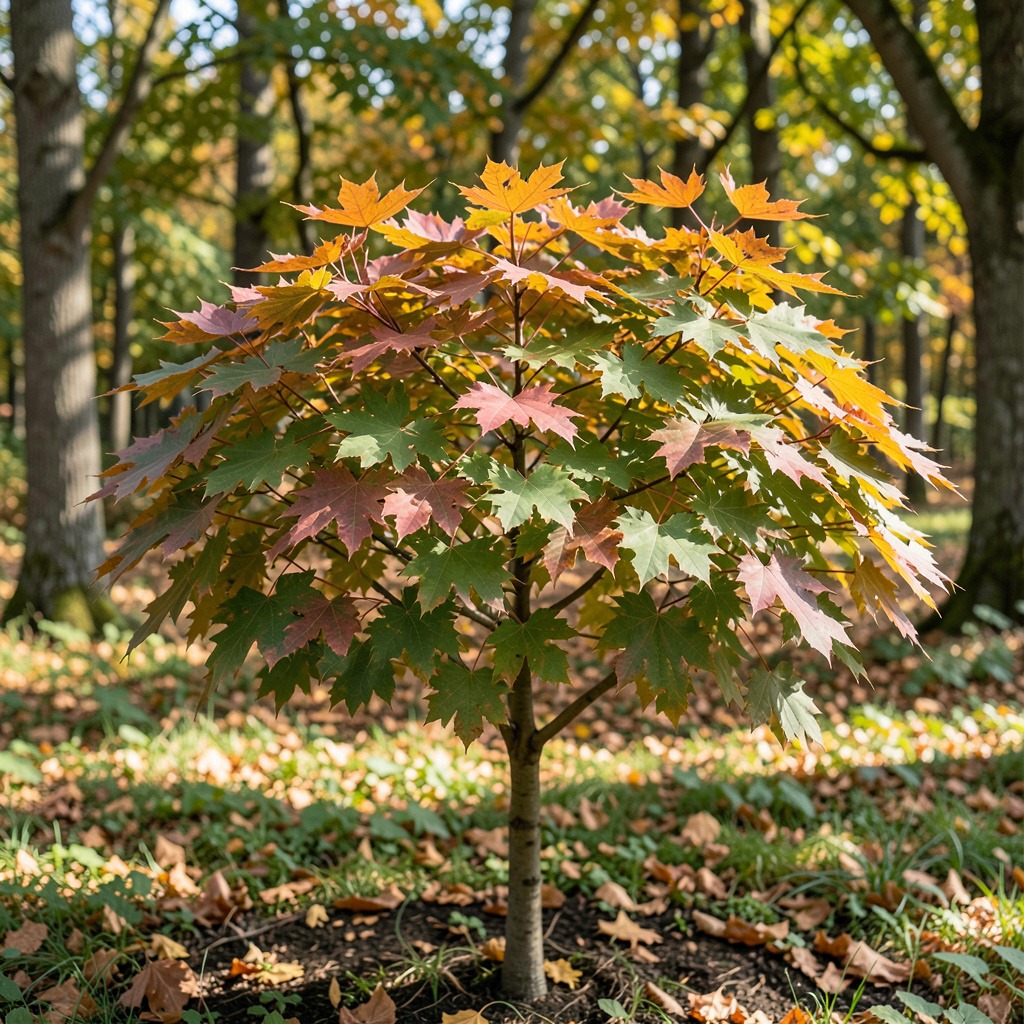
Understanding the Norway Maple Tree
The Norway maple is a versatile tree that has gained popularity in urban landscapes due to its rapid growth and adaptability. However, its invasive nature poses significant challenges to local ecosystems.
Origin and Characteristics
Norway maple (Acer platanoides) originates from Europe and was introduced to North America in the 18th century. It quickly became favored for its dense shade and robust growth. Here are key characteristics:
- Growth Rate: Norway maple can grow up to 50 feet tall and 40 feet wide, reaching maturity in as little as 20 years.
- Leaf Structure: It features broad, dark green leaves that turn yellow in the fall.
- Seed Production: The tree produces large quantities of samaras, which can disperse over considerable distances, aiding its invasive spread.
This rapid growth and prolific seed production enable the Norway maple to out-compete native species, altering local flora dynamics.
Uses in Landscaping
Norway maples are commonly used in urban environments for several reasons:
- Shade Provision: They offer substantial shade, making them suitable for parks and residential areas.
- Tolerance to Poor Soils: These trees thrive in a variety of soil conditions, including compacted and urban soils.
- Aesthetic Appeal: Their lush foliage and symmetrical growth make them visually appealing.
However, their invasive tendencies can disrupt local ecosystems, making it crucial for homeowners to consider both benefits and drawbacks before planting.
Table of Contents
Popular Cultivars
Several cultivars of Norway maple are available, each with unique characteristics. Notable examples include:
- ‘Crimson King’: This cultivar features deep burgundy leaves, adding color to landscapes.
- ‘Columnar’: A narrow growth habit makes this ideal for small spaces.
- ‘Emerald Queen’: Known for its vibrant green foliage, it also provides excellent shade.
When selecting a cultivar, consider its growth habits and potential impact on the surrounding environment to make an informed decision.
Decision Framework for Homeowners
When contemplating the planting of Norway maple, consider the following factors:
1. Landscape Size: Assess if the available space can accommodate its mature size.
2. Ecosystem Impact: Evaluate the presence of native species that may be affected by its growth.
3. Maintenance Needs: Prepare for potential structural issues, such as girdling roots, that may require expert intervention.
By weighing these factors, homeowners can make informed decisions on whether to plant or manage Norway maple trees effectively.
Pros of Norway Maple
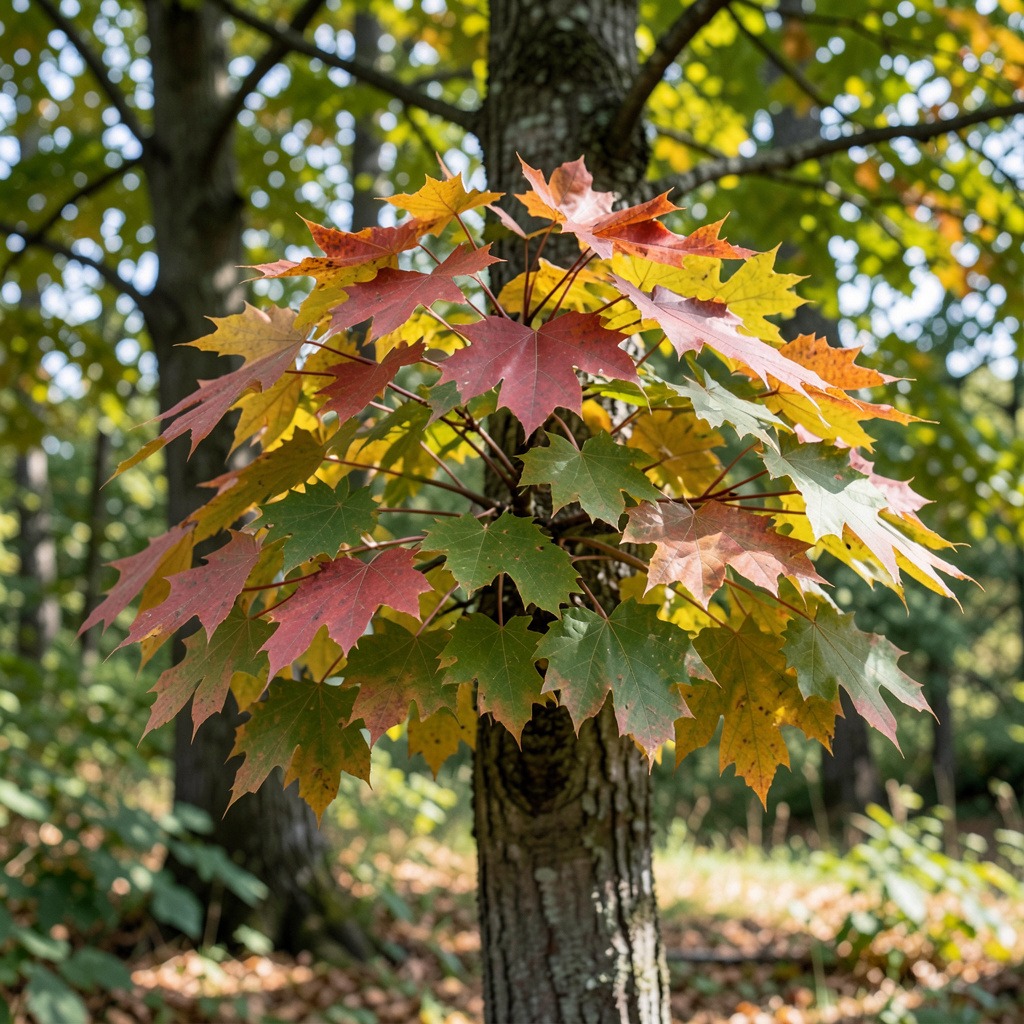
Norway maple offers several advantages that make it appealing for landscaping. Its aesthetic qualities, rapid growth, and adaptability to urban conditions are significant factors for homeowners considering this tree.
Aesthetic and Functional Qualities
Norway maple is valued for its striking appearance. Its broad, lush canopy provides a vibrant green backdrop in residential landscapes. In the fall, its leaves turn a brilliant yellow, adding seasonal color. Here are some key aesthetic features:
- Canopy Size: Mature trees can reach widths of 40-60 feet, creating ample shade.
- Leaf Shape: The large, palmate leaves are visually appealing and offer a unique texture.
- Bark Texture: The smooth gray-brown bark adds interest, particularly in winter.
These features make Norway maple a popular choice for creating focal points in gardens and parks.
Fast Growth Rate and Shade Provision
One of the most notable benefits of Norway maple is its fast growth rate. This tree can grow up to 3 feet per year under optimal conditions. Rapid growth allows homeowners to enjoy shade and privacy sooner than with slower-growing alternatives.
- Shade Provision: The dense foliage provides significant shade, making it ideal for properties looking to cool outdoor spaces.
- Privacy Screens: Norway maples can be used effectively as natural privacy barriers, growing quickly to shield homes from neighbors.
Adaptability to Urban Environments
Norway maple thrives in urban settings. It tolerates poor soil conditions and compacted earth, making it suitable for city landscapes.
- Pollution Resistance: This tree can withstand air pollutants, which is beneficial in metropolitan areas.
- Drought Tolerance: Once established, Norway maples require less water than many other tree species, reducing maintenance needs.
Comparison of Norway Maple with Native Alternatives
| Feature | Norway Maple | Sugar Maple | Red Maple |
|---|---|---|---|
| Growth Rate | Fast (up to 3 ft/year) | Moderate (1-2 ft/year) | Fast (up to 3 ft/year) |
| Shade Provision | Excellent | Good | Very Good |
| Soil Tolerance | High | Moderate | Moderate |
| Aesthetic Appeal | High | Very High | High |
In urban settings, Norway maple shines for its resilience and quick establishment, making it a viable option despite its invasive reputation. Homeowners must weigh these benefits against potential ecological impacts, but for immediate landscaping needs, it offers significant advantages.
The Invasive Nature of Norway Maple
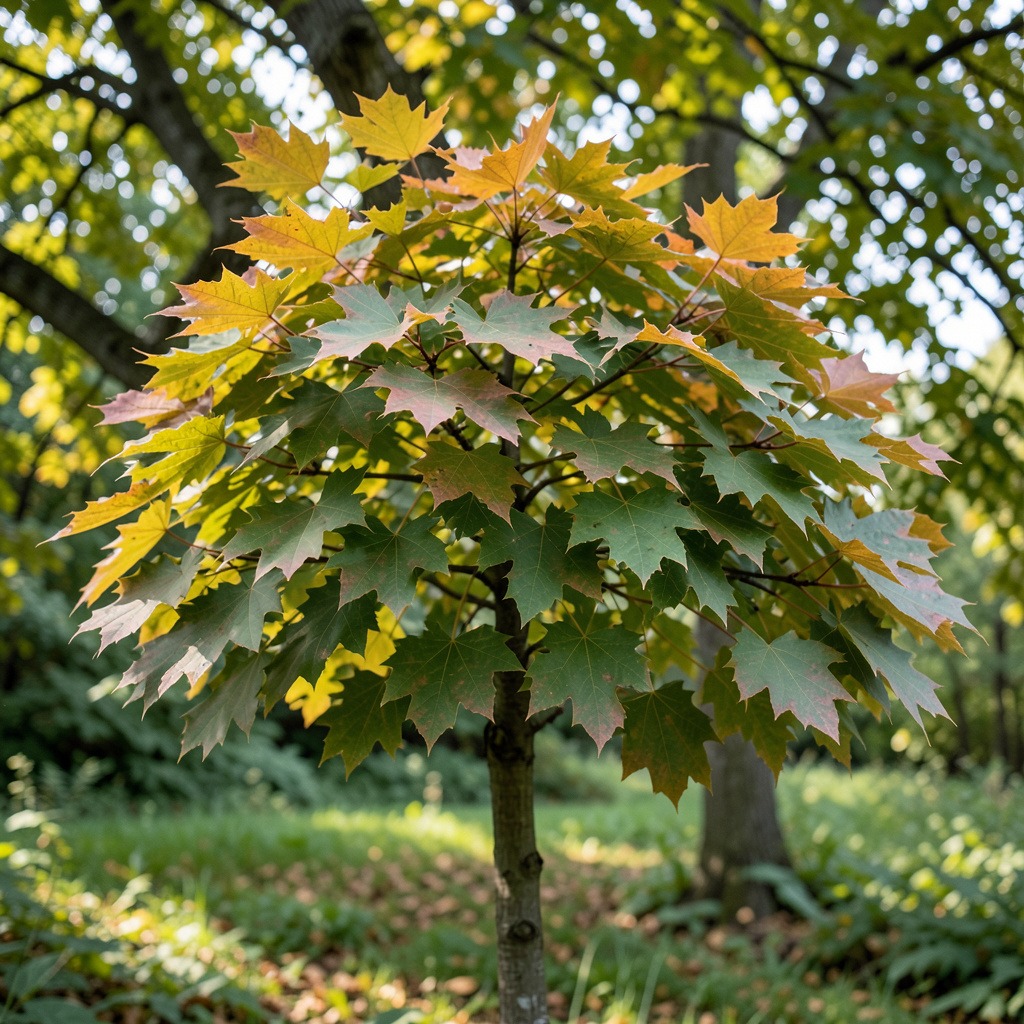
Norway maple (Acer platanoides) is a fast-growing tree that is widely recognized as an invasive species in many regions of the northeastern United States. Its ability to thrive in diverse conditions allows it to outcompete native flora, leading to significant ecological disturbances.
Ecological Impact
Norway maple poses several threats to local ecosystems:
- Disruption of Native Flora: Its dense canopy blocks sunlight, preventing the growth of understory plants, grasses, and shrubs. This lack of vegetation can lead to soil erosion and loss of biodiversity.
- Resource Competition: The tree’s shallow, aggressive root system competes for water and nutrients, often choking out native plants that are essential for local wildlife.
- Wildlife Habitat Decline: Many native species depend on specific plants for food and shelter. The proliferation of Norway maple reduces the availability of these resources, negatively impacting local fauna.
Management Strategies for Homeowners
For homeowners with Norway maple on their property, effective management is crucial. Here are strategies to consider:
1. Assessment: Evaluate the extent of Norway maple’s growth. If it covers a significant area and impacts native species, action may be necessary.
2. Professional Consultation: Engage a certified arborist to assess the health of the tree and its impact on the landscape. They can provide tailored advice.
3. Removal: If necessary, consider removing Norway maple. This is especially important if it is crowding out native plants.
- Method: Cut the tree down, ensuring to remove the stump to prevent regrowth.
- Herbicide Use: Apply a targeted herbicide to prevent sprouting if the tree is large.
4. Replanting: Replace Norway maple with native alternatives such as:
- Sugar Maple (Acer saccharum): Offers vibrant fall colors and supports local wildlife.
- Red Maple (Acer rubrum): Known for its resilience and adaptability.
Alternatives to Consider
When deciding to replace a Norway maple, consider these native species:
- Sugar Maple: Thrives in similar conditions and provides critical habitat for various wildlife.
- Red Maple: An excellent choice for its fast growth and aesthetic appeal.
- Black Maple (Acer nigrum): Another native option that supports local ecosystems.
By weighing the pros and cons of Norway maple against its ecological impact, homeowners can make informed decisions regarding tree management and landscape planning.
Common Problems Associated with Norway Maple
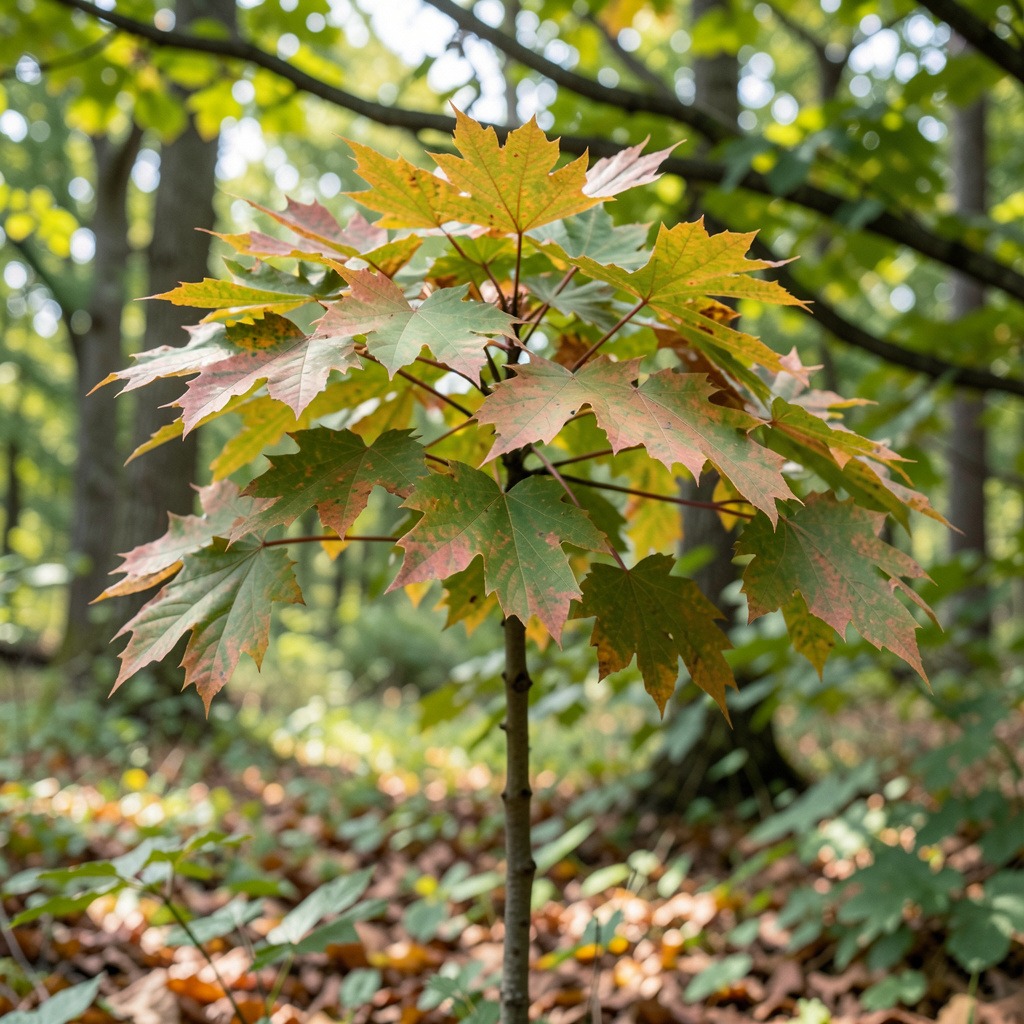
Homeowners often encounter several significant issues with Norway maples. These problems stem from the tree’s structural weaknesses, invasive root system, and susceptibility to diseases and pests.
Weak Structural Integrity
Norway maples frequently exhibit weak structural integrity. Their growth habit often leads to:
- Brittle Wood: This can result in branch breakage during storms or high winds.
- Weak Unions: Branches may not connect securely to the trunk, increasing the risk of failure.
- Girdling Roots: Roots that encircle the trunk can strangle the tree, leading to decline and possible death.
Homeowners should monitor their trees for signs of weakness. Regular inspections can help identify problems early. Consulting an arborist for structural assessments is advisable.
Root Complications
The root system of the Norway maple can create challenges for surrounding plants and landscaping. Key issues include:
- Shallow Roots: These can compete aggressively with other plants, inhibiting their growth.
- Surface Roots: These can lead to uneven lawns and damage hardscapes like patios.
- Root Toxins: Some studies suggest that Norway maples may release chemicals that inhibit the growth of nearby plants.
To manage root complications, consider planting ground covers or low-maintenance plants that can coexist with Norway maples. This approach can help mitigate the tree’s invasive tendencies.
Diseases and Pests
Norway maples are susceptible to various diseases and pests, impacting their health and longevity. Common issues include:
- Fungal Diseases: Conditions such as anthracnose can lead to leaf drop and poor vigor.
- Insect Infestations: Aphids and scale can weaken trees and create sticky residues on leaves.
- Environmental Stress: Drought or poor soil conditions can exacerbate these issues.
Preventative care is crucial. Regularly inspect your Norway maples for early signs of disease or pest infestations. Implementing good cultural practices, such as proper watering and mulching, can bolster tree health and resilience.
Decision Framework for Homeowners
When considering whether to plant or maintain Norway maples, homeowners should evaluate:
- Landscape Goals: Do you prioritize aesthetics or ecological balance?
- Surrounding Flora: Are native species more suitable for your area?
- Maintenance Commitment: Are you prepared to manage potential issues?
By weighing these factors, homeowners can make informed decisions regarding Norway maples in their landscapes.
When to Consider Planting or Removing a Norway Maple
Deciding whether to plant or remove a Norway maple involves evaluating various environmental and aesthetic factors. Homeowners must weigh the tree’s invasive characteristics against their landscape goals.
Factors to Consider for Planting
1. Landscape Goals:
- Are you aiming for a visually appealing space, or do you prioritize ecological balance? If native species support local wildlife more effectively, consider alternatives.
2. Site Conditions:
- Norway maples thrive in poor soil and urban environments, but their shallow roots can inhibit growth of surrounding plants. Assess whether your site can sustain them without detriment to other flora.
3. Maintenance Commitment:
- Understand the ongoing care they require. Norway maples may need regular monitoring for girdling roots and pest infestations.
Signs It’s Time to Remove
1. Invasive Spread:
- If Norway maples are overtaking native plants in your area, removal is advisable. Their canopy can block sunlight, preventing native seedlings from thriving.
2. Poor Health:
- Look for signs of girdling roots or dieback. These issues can compromise the tree’s stability and health, making removal necessary.
3. Impact on Surrounding Flora:
- If you notice a decline in local biodiversity, it may be time to consider removal. Norway maples can outcompete native species for resources.
Long-term Landscape Goals
- Ecological Support:
- Prioritize planting native trees like sugar maples or red maples. These species enhance local ecosystems and provide better habitats for wildlife.
- Aesthetic Considerations:
- Consider how the tree fits into your overall landscape design. Native alternatives often offer vibrant colors and support local fauna.
Decision Checklist for Homeowners
- Evaluate Your Goals:
- What is your primary reason for planting? Aesthetics or ecology?
- Assess Site Conditions:
- Is your soil suitable for Norway maples? Will it impact your garden?
- Monitor Local Flora:
- Are native species declining in your area?
- Plan for Maintenance:
- Are you ready to manage potential issues with Norway maples?
By using this checklist, homeowners can make informed decisions regarding the presence of Norway maples in their landscapes.
Native Tree Alternatives to Norway Maple
Considering the drawbacks of Norway maple, many homeowners seek native alternatives that offer similar aesthetic and functional benefits without the invasive risks. These native trees can enhance your landscape while supporting local ecosystems.
Benefits of Choosing Native Trees
Native trees typically require less maintenance and are adapted to local soil and climate conditions. They provide habitat and food for native wildlife, promoting biodiversity. Additionally, native trees often have deeper root systems that help prevent soil erosion and improve soil health.
Recommended Native Alternatives
Here are some excellent native tree options that can replace Norway maples in your landscape:
| Native Tree | Benefits | Growth Rate |
|---|---|---|
| Sugar Maple | Provides vibrant fall color; supports local wildlife | Moderate |
| Red Maple | Tolerates wet soils; offers beautiful spring blooms | Fast |
| Black Cherry | Provides fruit for wildlife; has attractive bark | Moderate to Fast |
| Eastern Redbud | Produces stunning spring flowers; attracts pollinators | Moderate |
Planting Tips for Native Trees
1. Site Selection: Choose a location that offers adequate sunlight and space for growth.
2. Soil Preparation: Ensure the soil is well-draining and enriched with organic matter.
3. Watering: Water young trees regularly until established. Adjust frequency based on rainfall.
4. Mulching: Apply a layer of mulch around the base to retain moisture and suppress weeds.
5. Monitoring Growth: Regularly check for pests and diseases. Prune as needed to maintain shape and health.
By opting for these native alternatives, homeowners can enhance their landscapes while contributing positively to the local ecosystem.
Frequently Asked Questions
These quick answers cover the most common questions about this topic, including key details, practical tips, and common concerns.
What are the disadvantages of Norway maples?
Norway maples are known for their invasive nature, which can disrupt local ecosystems. They produce a high volume of seeds that can outcompete native plants for resources, leading to a decline in biodiversity. Additionally, their shallow root systems can choke out other vegetation and cause structural issues in landscapes, such as uneven lawns or damage to hardscapes.
Other disadvantages include their susceptibility to diseases like anthracnose and pests such as aphids. These issues can affect the tree’s health and longevity, requiring ongoing maintenance and care.
How far to plant Norway maple from house?
When planting a Norway maple, it is recommended to place it at least 20-30 feet away from your house. This distance helps prevent potential damage from the tree’s extensive root system and reduces the risk of branches interfering with your roof or windows as the tree matures.
Proper spacing also allows for adequate sunlight and air circulation around the tree, promoting healthy growth and minimizing potential structural issues.
Should Norway maples be removed?
Yes, Norway maples should be considered for removal if they are overtaking native plants or causing structural problems in your landscape. Their invasive tendencies can lead to significant ecological disruptions, making it essential to evaluate their impact on local flora.
If you notice a decline in biodiversity or if the tree is exhibiting poor health, such as girdling roots or dieback, removal may be necessary. Consulting a certified arborist can help determine the best course of action.
What is the average lifespan of a Norway maple tree?
Norway maples typically have an average lifespan of 30 to 50 years. However, their longevity can be affected by environmental conditions, such as soil quality and exposure to diseases or pests.
Regular maintenance, including monitoring for structural issues and health problems, can help extend their lifespan and ensure they remain a viable part of your landscape for as long as possible.
Is this tree a Norway Maple and should it be removed?
To identify a Norway maple, look for its broad, dark green leaves that turn yellow in fall, and its dense canopy. If the tree is invasive and outcompeting native plants, it may be wise to consider removal.
Assess the ecological impact it has on your garden and surrounding area. If it’s causing harm to local flora or creating structural issues, removal could be beneficial for your landscape.
Crimson Sentry Norway Maple: Best Red Tree or Big Mistake?
The Crimson Sentry Norway maple is known for its striking burgundy leaves, making it visually appealing in landscapes. However, its invasive characteristics are similar to those of other Norway maples.
If you are considering this cultivar, weigh its aesthetic benefits against the potential ecological impact. Opting for native alternatives may provide similar beauty without the invasive risks associated with Norway maples.
How to manage Norway maple effectively?
Managing Norway maple involves regular monitoring and maintenance. Keep an eye out for girdling roots and signs of disease or pest infestations.
If necessary, consult a certified arborist for advice on pruning or structural support. In cases where removal is needed, ensure to remove the stump to prevent regrowth, and consider replanting with native species to restore the ecosystem.
When is the best time to remove Norway maple?
The best time to remove Norway maple is during late fall or early winter when the tree is dormant. This timing minimizes stress on the tree and surrounding vegetation.
If you notice significant ecological disruption or structural issues, it’s important to act promptly. Early intervention can help prevent further damage and allow for effective replanting with native alternatives.