
Norway maple roots are primarily shallow and aggressive, often spreading extensively, which can pose risks to nearby structures and native plants due to their invasive nature and competition for resources.
Table of Contents
Norway maples are notable for their aggressive root systems, which can spread widely and disrupt local ecosystems. Understanding these roots is crucial for effective planting and management, especially to mitigate potential damage to structures and surrounding vegetation.
Characteristics of Norway Maple Roots
Norway Maple roots exhibit distinct characteristics that set them apart from other maple species. Their depth and spread pose unique challenges for landscaping and infrastructure.
Depth of Norway Maple Roots
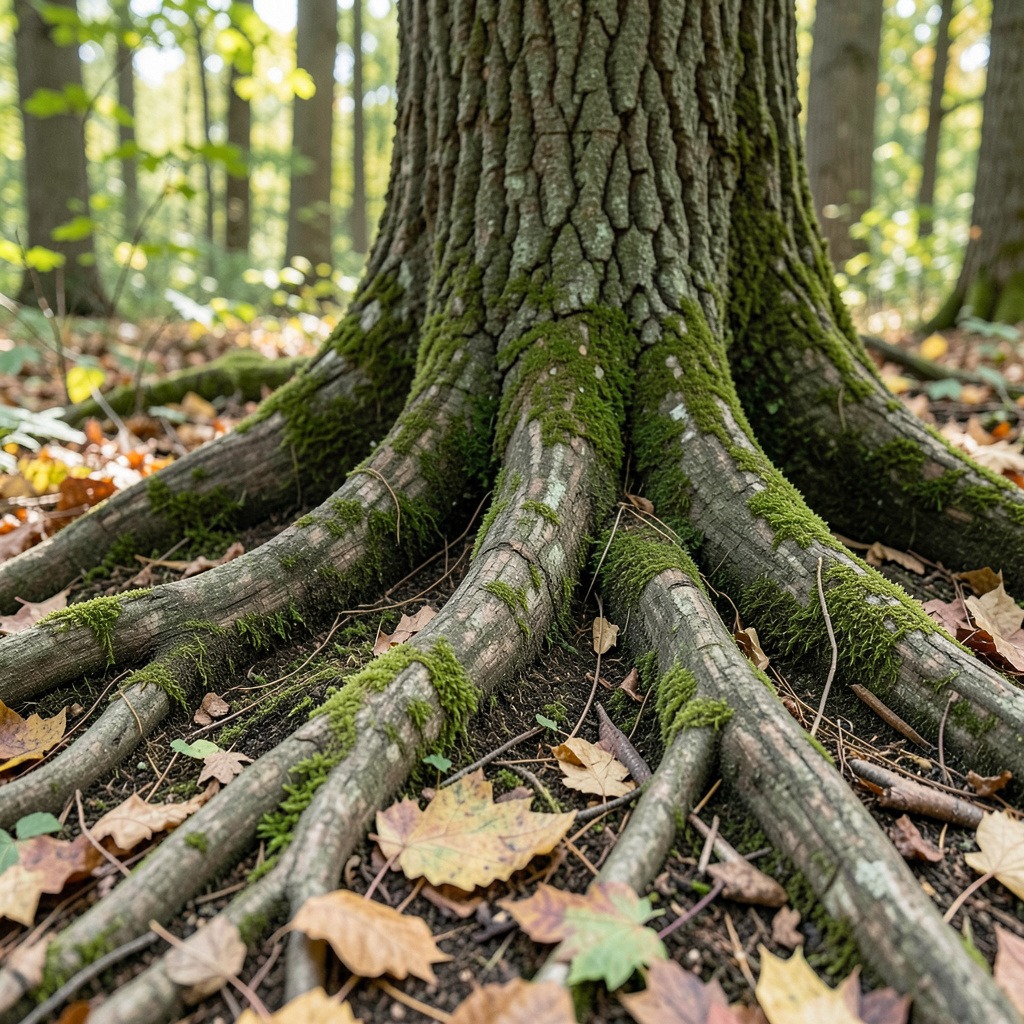
Norway Maple roots are primarily shallow. They typically grow in the top 2 feet (60 cm) of soil. This shallow root system can lead to surface roots that disrupt soil and grass above. The roots often extend horizontally, making them susceptible to damaging nearby structures.
- Shallow Root Impact: The shallow roots can interfere with lawn growth and other plants, as they compete for moisture and nutrients.
- Root Exposure: In compacted or low-oxygen soils, these roots may surface, leading to potential trip hazards and lawn maintenance challenges.
Spread of Norway Maple Roots
The spread of Norway Maple roots is extensive. Their roots can extend up to three times the width of their canopy. This aggressive growth pattern can create problems for nearby plants and infrastructure.
- Root Spread Example: A mature Norway Maple with a 50-foot canopy can have roots reaching over 100 feet from the trunk.
- Invasive Nature: The roots are known for their invasive qualities, often damaging foundations, sidewalks, and other structures.
Shallow vs. Deep Root Systems
Comparing Norway Maple roots to those of other maple species highlights significant differences.
- Norway Maple vs. Sugar Maple: While Norway Maples have shallow and aggressive roots, Sugar Maples typically develop deeper, less invasive root systems. This makes Sugar Maples more suitable for urban planting where space and foundation integrity are concerns.
- Management Considerations: When choosing a tree for landscaping, consider the root characteristics and their potential impact. Norway Maples may require more space and careful management to avoid damaging infrastructure.
In summary, understanding the root characteristics of Norway Maples is essential for effective landscape management. Their shallow, widespread roots can lead to problems for surrounding plants and structures, making careful planting and maintenance necessary.
Invasive Nature of Norway Maple Roots
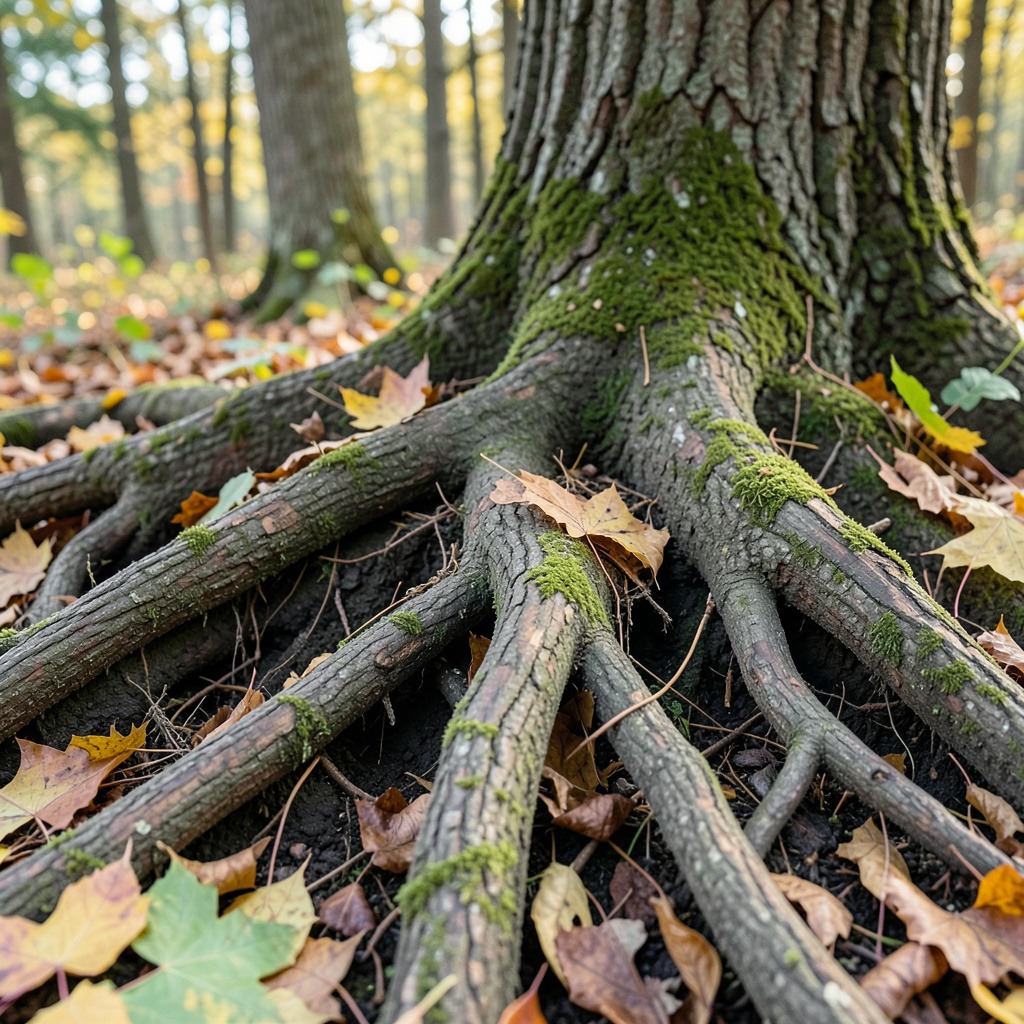
Norway Maple trees (Acer platanoides) are considered invasive due to their aggressive root systems and their detrimental effects on native plant species and ecosystems.
Impact on Native Species
The roots of Norway Maples grow shallowly and spread widely, often dominating the space around them. This can severely limit the growth of native plants.
- Resource Competition: Norway Maples compete with native flora for water and nutrients.
- Reduced Biodiversity: Their dense canopies block sunlight, inhibiting understory growth. This leads to a decline in native species that rely on sunlight for photosynthesis.
- Case Example: In parts of the northeastern United States, areas dominated by Norway Maples have seen a significant decrease in native saplings. Studies indicate that the presence of Norway Maples can reduce native plant diversity by over 50%.
Root Toxins and Their Effects
Research suggests that Norway Maples may release allelopathic chemicals from their roots. These chemicals inhibit the germination and growth of nearby plants.
- Chemical Impact: The root exudates can affect the soil microbiome, further hindering the growth of native species.
- Example of Inhibition: Areas where Norway Maples are prevalent often show a marked decrease in the survival rates of native seedlings, such as oak and hickory, due to these toxic effects.
Regeneration Issues Related to Invasion
The aggressive nature of Norway Maple roots complicates regeneration efforts for native tree species.
- Displacement of Young Trees: Young native trees struggle to establish themselves in areas dominated by Norway Maples.
- Ecosystem Imbalance: As Norway Maples proliferate, they create dense, monotypic stands that can lead to ecosystem collapse. This monoculture prevents the natural regeneration of diverse plant communities.
Checklist for Managing Norway Maple Invasions:
- Monitor Growth: Regularly assess the spread of Norway Maples in local ecosystems.
- Remove Invasive Specimens: Implement removal strategies for Norway Maples in affected areas.
- Encourage Native Planting: Promote the planting of native species to restore ecological balance.
- Educate the Community: Raise awareness about the risks associated with planting Norway Maples.
Understanding the invasive nature of Norway Maple roots is crucial for effective ecosystem management. Their capacity to outcompete native species can lead to long-term ecological consequences.
Guidelines for Planting Norway Maples
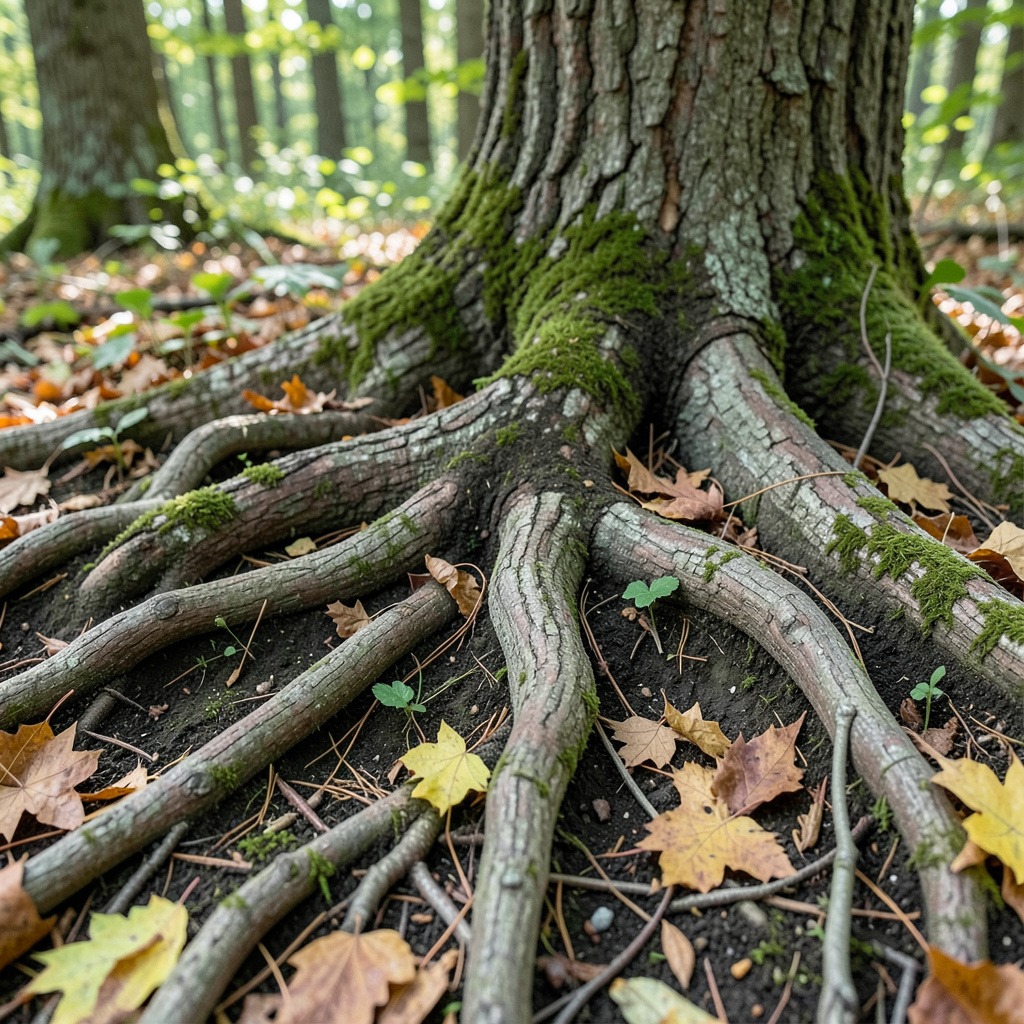
Planting Norway Maples requires careful consideration of their root systems and potential impacts on surrounding structures and ecosystems. Proper guidelines help mitigate risks associated with their invasive nature.
Recommended Planting Distances
Norway Maples have shallow, wide-spreading root systems that can extend up to three times the tree’s canopy width. To prevent damage to nearby structures, follow these recommended planting distances:
- Minimum Distance from Foundations: 15-25 feet
- Minimum Distance from Sidewalks and Driveways: 10-15 feet
- Distance from Other Trees: At least 20 feet to reduce competition for resources
Ideal Soil Conditions
Norway Maples thrive in various soil conditions, but optimal growth occurs in well-drained, loamy soils. Consider these factors for successful planting:
- Soil Type: Loamy or sandy soils with good drainage are ideal.
- pH Level: Slightly acidic to neutral pH (6.0 to 7.5) is preferred.
- Moisture: Ensure the soil retains moisture but does not become waterlogged.
Common Mistakes to Avoid
Avoiding common pitfalls can enhance the success of your Norway Maple planting. Keep these tips in mind:
- Neglecting Spacing: Underestimating root spread can lead to foundation damage.
- Poor Soil Preparation: Failing to amend soil can hinder growth and health.
- Ignoring Invasiveness: Planting without considering the tree’s potential to outcompete native species can disrupt local ecosystems.
Checklist for Best Practices
- Select a suitable location: Ensure adequate distance from structures and other trees.
- Prepare the soil: Test and amend soil for optimal pH and drainage.
- Water adequately: Establish a watering schedule, especially during dry periods.
- Monitor growth: Regularly check for signs of invasiveness or root damage.
By adhering to these planting guidelines, you can ensure the healthy growth of Norway Maples while minimizing their impact on surrounding environments.
Common Issues Related to Norway Maple Roots
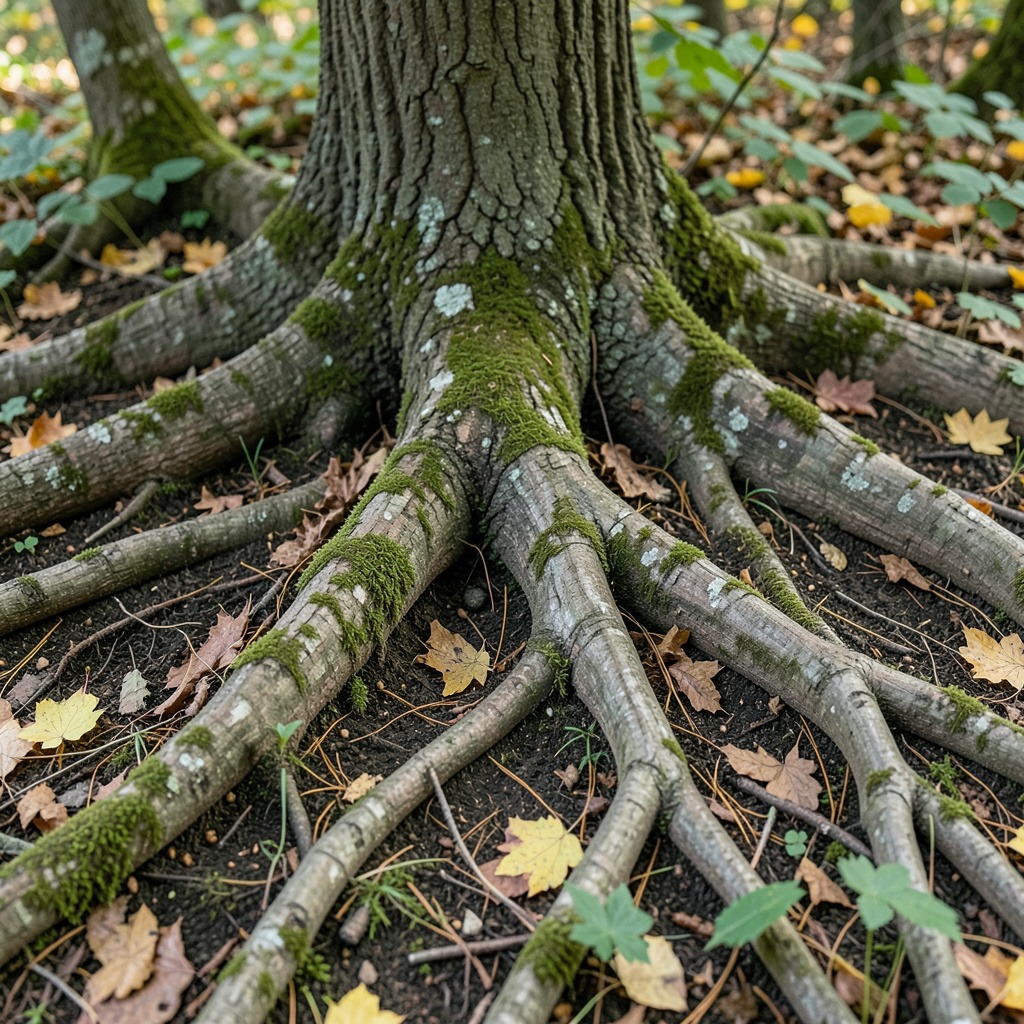
Norway maples are known for their expansive root systems, which can lead to significant issues for both structures and surrounding vegetation. Understanding these risks is essential for effective management.
Foundation Damage Risks
Norway maple roots can create problems for nearby foundations. Their roots do not need to physically penetrate concrete to cause damage. Instead, they can extract moisture from the surrounding soil, leading to soil shrinkage and foundation settling. This can manifest in various ways:
- Cracks in Foundation: Visible fissures may develop in walls or floors.
- Uneven Floors: Settling can cause floors to slope or become uneven.
- Door Misalignment: Doors may stick or fail to close properly.
In severe cases, homes may require costly repairs if the foundation is significantly affected. Homeowners should maintain at least 100 feet of distance from Norway maples to mitigate these risks.
Symptoms of Root Damage
Identifying root damage early can prevent costly repairs. Homeowners should look for these symptoms:
- Wilting Plants: Nearby plants may struggle due to moisture depletion.
- Surface Roots: Roots that emerge above the soil can indicate stress.
- Changes in Soil Moisture: Noticeably dry soil around the tree can be a sign of aggressive root systems.
For instance, a homeowner with a Norway maple planted too close to their house may notice that their garden plants are wilting while the tree flourishes. This imbalance is often a direct result of the tree’s roots monopolizing soil moisture.
Prevention Strategies
To minimize the risks associated with Norway maple roots, consider the following strategies:
- Choose Appropriate Locations: Plant Norway maples at a safe distance from structures.
- Monitor Soil Conditions: Regularly check soil moisture levels around the tree and nearby plants.
- Consider Alternative Species: If planting near structures, opt for non-invasive species like Sugar Maples or Red Maples, which have deeper root systems.
By implementing these strategies, homeowners can effectively manage the risks associated with Norway maple roots and protect their property and landscape.
Comparing Norway Maple Roots with Other Maple Species
Understanding the root systems of Norway Maple in relation to other maple species is crucial for effective landscaping and risk management. This comparison highlights the unique characteristics of Norway Maple roots and their implications.
Norway Maple vs. Silver Maple
Both Norway Maple and Silver Maple are known for their shallow, invasive root systems. However, there are distinct differences:
| Characteristic | Norway Maple | Silver Maple |
|---|---|---|
| Root Depth | Shallow, typically within 24 inches | Shallow, often within 24 inches |
| Root Spread | Up to three times branch circumference | Can extend over 100 feet |
| Invasiveness | Moderate; can damage foundations | High; frequently damages structures |
| Soil Preference | Tolerates compacted soils | Prefers well-drained soils |
Norway Maple vs. Sugar Maple
Sugar Maple is often favored for its deeper root system and environmental benefits. Here’s how they compare:
| Characteristic | Norway Maple | Sugar Maple |
|---|---|---|
| Root Depth | Shallow, within 24 inches | Deeper, often exceeding 24 inches |
| Root Spread | Up to three times branch circumference | Similar spread, but roots are deeper |
| Invasiveness | Considered invasive | Non-invasive |
| Soil Preference | Tolerates poor conditions | Prefers rich, well-drained soils |
Choosing the Right Maple for Your Landscape
Selecting the appropriate maple species is essential based on root characteristics and potential impacts. Consider the following guidelines:
- Distance from Structures: Plant Norway Maples at least 100 feet away from buildings to minimize damage risks.
- Soil Conditions: Evaluate soil type and moisture levels to determine suitability.
- Ecological Impact: Consider alternatives like Sugar Maples if invasive root systems are a concern.
By understanding the differences between Norway Maple and other maple species, homeowners can make informed decisions that enhance their landscapes while mitigating risks associated with root systems.
Alternatives to Norway Maple
When considering tree options for your landscape, it’s essential to explore non-invasive alternatives to the Norway Maple. Several species offer similar aesthetics without the invasive root issues that can damage foundations and disrupt local ecosystems.
Non-Invasive Tree Alternatives
Here are some excellent alternatives to Norway Maple that provide similar benefits without the risks associated with invasive roots:
- Sugar Maple (Acer saccharum): Known for its stunning fall color and strong wood. It thrives in a variety of soil types and has a deeper root system.
- Red Maple (Acer rubrum): This tree is adaptable and provides vibrant red foliage in the fall. Its roots are less aggressive compared to Norway Maple.
- Eastern Redbud (Cercis canadensis): A smaller ornamental tree, it offers beautiful pink flowers in spring and has a non-invasive root system.
- American Hornbeam (Carpinus caroliniana): This native tree has attractive foliage and a dense canopy while maintaining a manageable root system.
Benefits of Choosing Native Species
Opting for native trees provides ecological advantages. Native species typically require less maintenance and are more resistant to local pests and diseases. Additionally, they support local wildlife, contributing to biodiversity.
- Lower Maintenance: Native trees often adapt better to local soil and climate conditions, reducing care needs.
- Wildlife Support: They provide habitat and food for native birds, insects, and other fauna.
- Ecosystem Health: Native trees contribute to the overall health of the local ecosystem.
How to Select the Right Tree for Your Space
Selecting the right tree involves considering your landscape’s specific needs. Here’s a simple decision framework to guide your choice:
1. Assess Space Available: Determine the mature size of the tree and ensure you have enough room.
2. Evaluate Soil Conditions: Test soil type and moisture levels to find a species that thrives in your environment.
3. Consider Aesthetic Goals: Decide what visual characteristics you desire, such as leaf color and flowering patterns.
4. Check for Local Invasiveness: Research local regulations regarding tree planting to avoid invasive species.
By following these guidelines, you can select a tree that enhances your landscape while avoiding the potential pitfalls associated with Norway Maple roots.
Frequently Asked Questions
These quick answers cover the most common questions about this topic, including key details, practical tips, and common concerns.
What are the characteristics of Norway Maple roots?
Norway Maple roots are primarily shallow and aggressive, typically growing within the top 2 feet of soil. They can spread extensively, often reaching up to three times the width of the tree’s canopy. This extensive root system can disrupt nearby plants and structures, making them a significant consideration for landscaping.
How far should I plant a Norway Maple from my house?
To prevent damage from Norway Maple roots, it’s recommended to plant them at least 15-25 feet away from your house. This distance helps mitigate risks such as foundation damage and moisture depletion from the surrounding soil. Additionally, maintain a distance of 10-15 feet from sidewalks and driveways to avoid potential disruptions.
Why are Norway Maples considered invasive?
Norway Maples are deemed invasive due to their aggressive growth and ability to outcompete native plant species for resources. Their shallow roots spread widely, monopolizing moisture and nutrients, which can lead to a decline in biodiversity. They may also release chemicals that inhibit the growth of nearby plants, further disrupting local ecosystems.
What risks do Norway Maple roots pose to structures?
The roots of Norway Maples can cause significant issues for structures, including foundation damage. They can extract moisture from the soil, leading to soil shrinkage and potential settling of foundations. Symptoms of root damage include cracks in walls, uneven floors, and misaligned doors, which may necessitate costly repairs.
How can I effectively manage Norway Maple roots?
Managing Norway Maple roots involves strategic planting and regular monitoring. Plant these trees at appropriate distances from structures and other plants to minimize competition and damage. Regularly assess soil moisture levels and consider removing invasive specimens if they threaten local ecosystems. Employing root barriers can also help control their spread.
What are some alternatives to planting Norway Maple?
If you’re looking for non-invasive alternatives to Norway Maple, consider trees like Sugar Maple, Red Maple, Eastern Redbud, or American Hornbeam. These species offer similar aesthetic benefits without the aggressive root systems that can damage foundations and disrupt local flora. Choosing native species can also enhance biodiversity and support local wildlife.
When is the best time to plant Norway Maple trees?
The ideal time to plant Norway Maple trees is during the early spring or fall. Planting in these seasons allows the tree to establish roots before the stress of summer heat or winter cold. Ensure that the soil is adequately prepared and that you provide sufficient water during dry periods to support healthy growth.
What should readers know about visual diagrams of root systems?
Visual diagrams of root systems can provide valuable insights into the growth patterns of Norway Maples. These diagrams illustrate the depth and spread of roots, helping homeowners understand potential impacts on landscaping and structures. Such visuals can also aid in making informed decisions about planting distances and management strategies.