
Norway maple (Acer platanoides) typically grows between 40 to 70 feet tall and 30 to 60 feet wide, making it a large deciduous tree popular for its rapid growth and dense shade.
Norway maple, scientifically known as Acer platanoides, is a large deciduous tree renowned for its impressive size and rapid growth. Understanding its dimensions and growth characteristics is essential for landscaping decisions and ecological considerations.
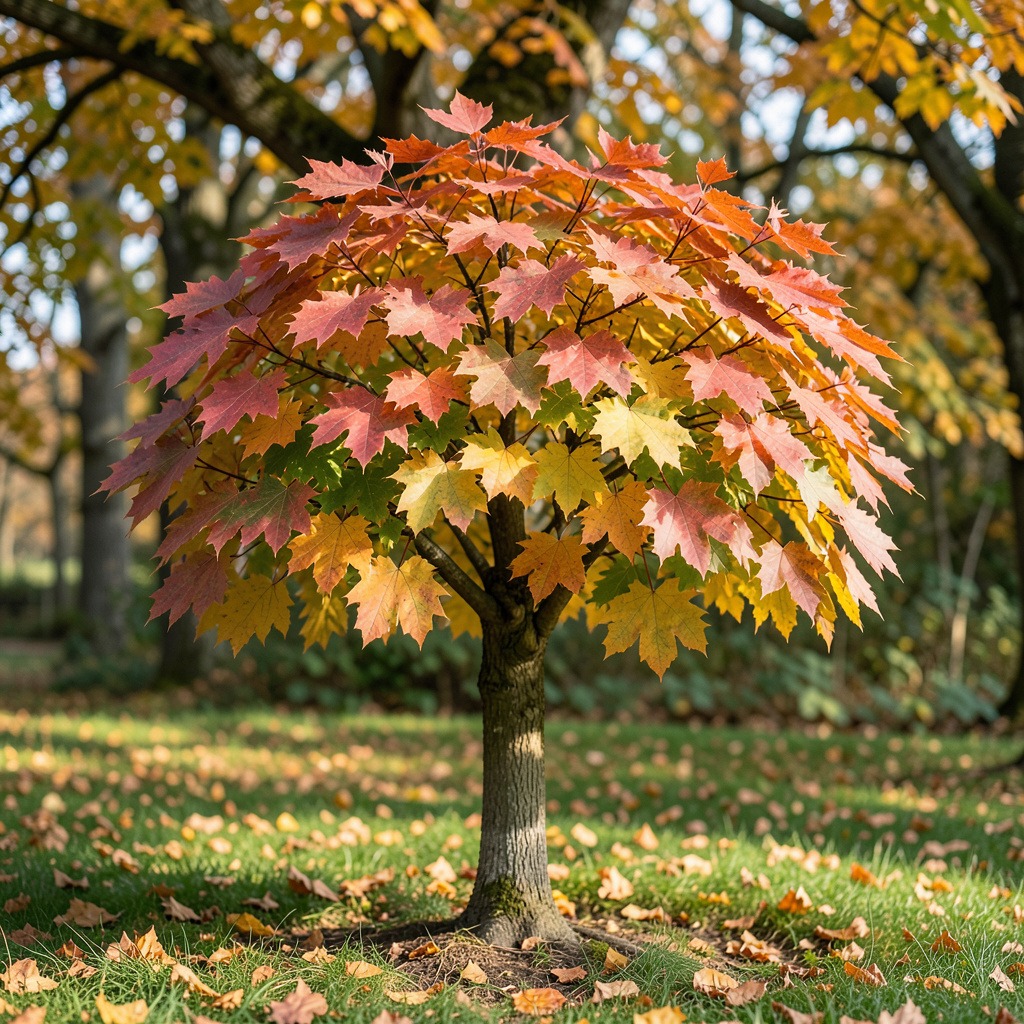
Understanding Norway Maple Size and Growth Characteristics
Norway maple (Acer platanoides) is notable for its substantial size and rapid growth, making it an appealing choice for landscaping. However, understanding its dimensions and growth patterns is crucial for effective management and ecological planning.
Average Height and Spread
Norway maples typically reach impressive heights and widths.
- Average Height: 40 to 70 feet
- Average Spread: 40 to 60 feet
These dimensions can vary significantly based on environmental factors and care practices. For instance, in optimal conditions, some specimens may even exceed these averages.
Growth Rate and Lifespan
Norway maples are classified as fast-growing trees. They can gain up to 3 feet in height per year under ideal conditions.
- Maturity Age: Generally, they reach full size in about 20 to 30 years.
- Lifespan: Norway maples can live for over 100 years, contributing to their long-term presence in landscapes.
The growth rate can be influenced by soil quality, moisture levels, and sunlight exposure. Below is a comparative table illustrating growth rates under various conditions:
Table of Contents
| Soil Type | Climate Type | Growth Rate (Feet/Year) |
|---|---|---|
| Sandy Loam | Temperate | 2-3 |
| Clay | Humid Subtropical | 1-2 |
| Well-drained Loam | Cool Oceanic | 3-4 |
| Poor Drainage | Continental | 0.5-1 |
Environmental Factors Influencing Growth
Several environmental factors significantly impact the growth of Norway maples:
- Soil Quality: Well-drained soils yield better growth. Poor drainage can stunt development.
- Light Conditions: Norway maples thrive in full sun but can adapt to partial shade.
- Water Availability: Consistent moisture is crucial, especially during early growth stages.
When selecting Norway maple for landscaping, consider these factors to ensure optimal growth and health. Additionally, monitor for competing vegetation, as Norway maples can inhibit the growth of nearby plants, affecting the overall ecosystem.
Invasive Nature and Ecological Impact of Norway Maple
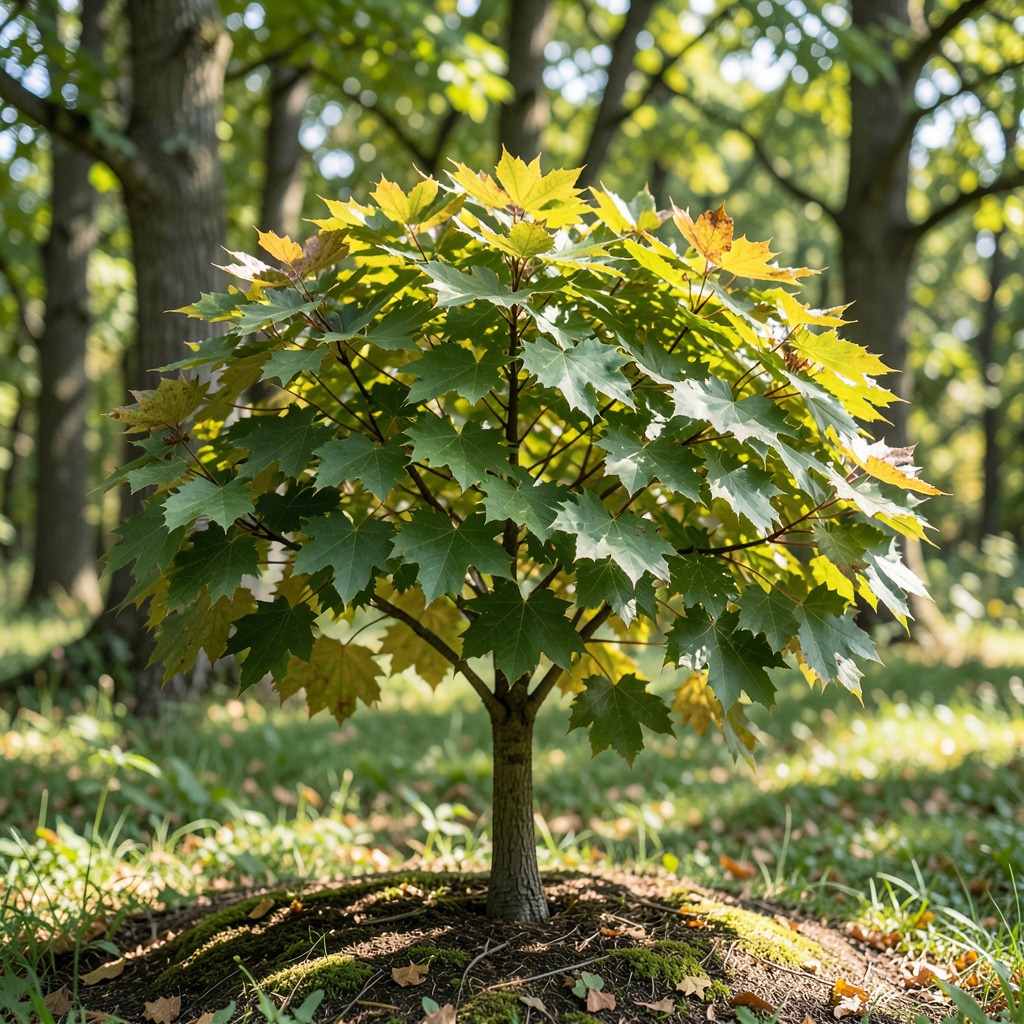
The Norway maple (Acer platanoides) is recognized not only for its impressive size but also for its invasive characteristics. Understanding its invasive nature is crucial for homeowners considering this tree for their landscapes, as it can significantly impact local ecosystems.
Invasive Status in North America
Norway maple is classified as an invasive species in many regions of North America. It was introduced as an ornamental tree, but it has since escaped cultivation. Its rapid growth and ability to produce numerous wind-carried seeds allow it to spread quickly, often dominating local flora.
- Invasive Characteristics:
- Grows dense shade, restricting sunlight to understory plants.
- Competes aggressively for resources, particularly moisture.
- Alters soil chemistry through root exudates, potentially inhibiting native plant growth.
Ecological Consequences of Planting
Planting Norway maple can lead to significant ecological changes. Its ability to outcompete native species disrupts local biodiversity and alters habitat structures.
- Impact on Local Ecosystems:
- Reduces diversity of native plants, which are often less aggressive.
- Impairs growth of understory vegetation, affecting local wildlife.
- Alters soil nutrient levels, which can affect surrounding flora.
Effective Management Practices
To mitigate the invasiveness of Norway maple, homeowners should consider several management strategies. These practices can help balance the benefits of planting Norway maple while minimizing negative ecological impacts.
- Management Strategies:
- Regularly monitor for seedling growth and remove them promptly.
- Limit planting in areas where native trees thrive to avoid competition.
- Consider alternative species that provide similar benefits without the invasive traits.
Decision-Making Framework for Homeowners
When deciding whether to plant Norway maple, consider the following:
- Benefits:
- Rapid growth and shade provision.
- Attractive fall foliage.
- Risks:
- Potential to dominate and disrupt local ecosystems.
- Legal restrictions in some regions.
A checklist for assessing whether to plant Norway maple includes:
- Evaluate your local ecosystem’s health.
- Assess the presence of native plants and their needs.
- Consider local regulations regarding invasive species.
By understanding these factors, homeowners can make informed decisions about incorporating Norway maple into their landscapes.
Cultivars of Norway Maple and Their Unique Sizes
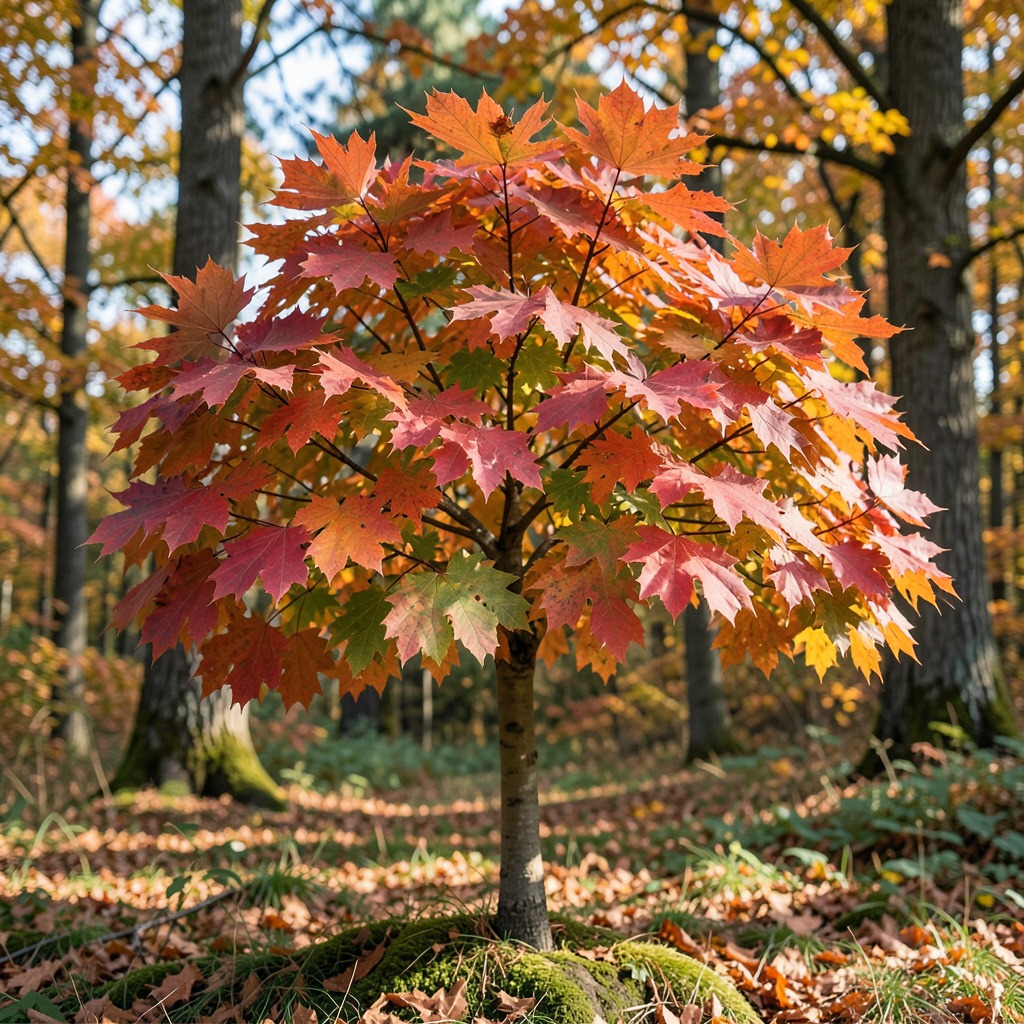
Norway maple, known scientifically as Acer platanoides, features various cultivars that exhibit distinct growth characteristics. Understanding these cultivars helps in selecting the right tree for your landscape needs.
Popular Cultivars and Their Dimensions
Here are some well-known cultivars of Norway maple, along with their average height and spread:
| Cultivar | Average Height | Average Spread |
|---|---|---|
| ‘Crimson King’ | 30-40 feet | 30-40 feet |
| ‘Emerald Queen’ | 40-50 feet | 30-40 feet |
| ‘Columnar’ | 40-50 feet | 15-20 feet |
| ‘Golden Full Moon’ | 30-35 feet | 25-30 feet |
| ‘Royal Red’ | 30-40 feet | 25-35 feet |
These cultivars vary in size and growth form, allowing for flexibility in landscape design.
Comparison with Native Maple Species
When comparing Norway maple to native maple species, significant size differences emerge. For instance, the sugar maple (Acer saccharum) typically reaches 60-75 feet in height with a spread of 40-50 feet. In contrast, Norway maples generally grow to around 60-70 feet with a spread of 40-60 feet.
| Species | Average Height | Average Spread |
|---|---|---|
| Norway Maple | 60-70 feet | 40-60 feet |
| Sugar Maple | 60-75 feet | 40-50 feet |
| Red Maple | 40-60 feet | 30-40 feet |
Norway maples are noted for their rapid growth, making them a popular choice for quick shade.
Choosing the Right Cultivar for Your Landscape
Selecting the right cultivar depends on your landscape goals and space constraints. Consider the following factors:
- Space Availability: Ensure the cultivar’s mature size fits your landscape.
- Growth Rate: Choose faster-growing varieties for immediate shade.
- Color Preferences: Select cultivars like ‘Crimson King’ for unique foliage.
By evaluating these criteria, you can choose a Norway maple cultivar that aligns with your landscaping vision.
Care Instructions for Norway Maple Trees

Proper care is essential to maintain the health and size of Norway maples. Understanding their growth requirements will help you manage their rapid development and invasive tendencies effectively.
Pruning Techniques for Size Control
Regular pruning is crucial for managing the size of Norway maples. Follow these techniques:
- Timing: Prune in late winter or early spring before new growth begins. This timing minimizes stress and promotes vigorous growth.
- Technique: Use clean, sharp tools to make clean cuts. Remove any dead, damaged, or crossing branches to improve airflow.
- Shape Maintenance: Aim for an open center to allow sunlight penetration. This encourages healthy foliage and prevents overcrowding.
Ideal Growing Conditions
Norway maples thrive in specific environmental conditions that support their growth. Ensure the following:
- Soil Type: Well-drained, loamy soil is ideal. They tolerate a range of soil pH levels but prefer slightly acidic to neutral.
- Sunlight: Full sun to partial shade is optimal. However, they grow best with at least six hours of direct sunlight daily.
- Watering: Regular watering is essential, especially during dry spells. Maintain consistent moisture without waterlogging the roots.
Common Problems and Solutions
Norway maples can face several challenges that affect their growth and size. Address these issues promptly:
- Invasiveness: Their rapid growth can lead to overcrowding. Limit their spread by monitoring seedlings and removing them as needed.
- Pests and Diseases: Watch for aphids and verticillium wilt. Early detection and treatment will help maintain tree health.
- Foliage Issues: Yellowing leaves may indicate nutrient deficiencies. Conduct soil tests and amend accordingly.
Checklist for Best Practices in Caring for Norway Maples
- [ ] Prune in late winter or early spring.
- [ ] Use clean and sharp pruning tools.
- [ ] Monitor for invasive seedlings and manage them.
- [ ] Ensure well-drained soil and adequate sunlight.
- [ ] Water regularly, especially during dry periods.
- [ ] Check for pests and diseases regularly.
By following these care instructions, you can effectively manage the growth and health of your Norway maple trees, ensuring they remain a beneficial addition to your landscape.
Frequently Asked Questions
These quick answers cover the most common questions about this topic, including key details, practical tips, and common concerns.
Why not plant Norway maple?
Norway maple is considered an invasive species in many areas of North America. Its rapid growth allows it to outcompete native plants for resources like sunlight and moisture, disrupting local ecosystems. This can lead to reduced biodiversity, as it shades out understory plants and alters soil chemistry, making it difficult for native species to thrive.
Additionally, Norway maple produces a large number of seeds that can easily spread, leading to unwanted seedlings in gardens and natural areas. Homeowners should weigh these ecological impacts against the benefits of planting this tree.
How far to plant Norway maple from a house?
When planting a Norway maple, it’s recommended to place it at least 20 to 30 feet away from your house. This distance helps prevent potential damage to foundations and ensures that the tree has enough space to grow without interfering with structures, power lines, or other plants.
Consider the mature size of the tree when determining the planting distance. Norway maples can spread widely, so allowing adequate space is crucial for long-term health.
Is a Norway maple a good tree for landscaping?
Norway maple can be a good choice for landscaping due to its rapid growth and ability to provide dense shade. It is particularly valued for its attractive fall foliage and resilience in various soil types. However, its invasive nature can pose challenges, particularly in areas where native biodiversity is a priority.
If you choose to plant a Norway maple, it’s essential to implement management practices to control its spread and minimize its impact on local ecosystems.
What is the average lifespan of a Norway maple tree?
Norway maples typically have a long lifespan, often exceeding 100 years under optimal conditions. They reach maturity in about 20 to 30 years, at which point they can attain their full height and spread.
Proper care, including regular monitoring for pests and diseases, can help ensure that these trees live long and healthy lives.
Are you looking for information on root systems or invasive management?
Yes, Norway maples have extensive root systems that can spread widely. These roots can compete aggressively with nearby plants for nutrients and water, further contributing to their invasive nature.
To manage their invasiveness, homeowners should regularly monitor for seedlings and remove them promptly. Consider planting Norway maples in areas where they won’t outcompete native species, and explore alternatives that provide similar benefits without the invasive traits.
Do you need help identifying a specific cultivar of Norway maple?
Identifying Norway maple cultivars can help you select the right tree for your landscape. Some popular cultivars include ‘Crimson King,’ known for its dark purple leaves, and ‘Columnar,’ which has a more upright growth habit.
Each cultivar varies in size and growth characteristics, so understanding these differences can guide your choice based on available space and aesthetic preferences.
When to plant Norway maple?
The best time to plant Norway maple is in the spring or fall when temperatures are moderate. Planting during these seasons allows the tree to establish roots before facing the stress of summer heat or winter cold.
Ensure that the soil is well-drained and that the tree receives adequate sunlight to support its growth during the establishment phase.