
The Norway maple tree (Acer platanoides) is a deciduous shade tree known for its adaptability, beautiful fall colors, and invasive tendencies in some regions, particularly in North America.
Table of Contents
The Norway maple is a popular deciduous tree valued for its aesthetic appeal and resilience. This guide covers its growth and care, ecological impact, identification features, and cultivars to help you make informed decisions about planting and maintaining this tree.
Understanding the Norway Maple Tree
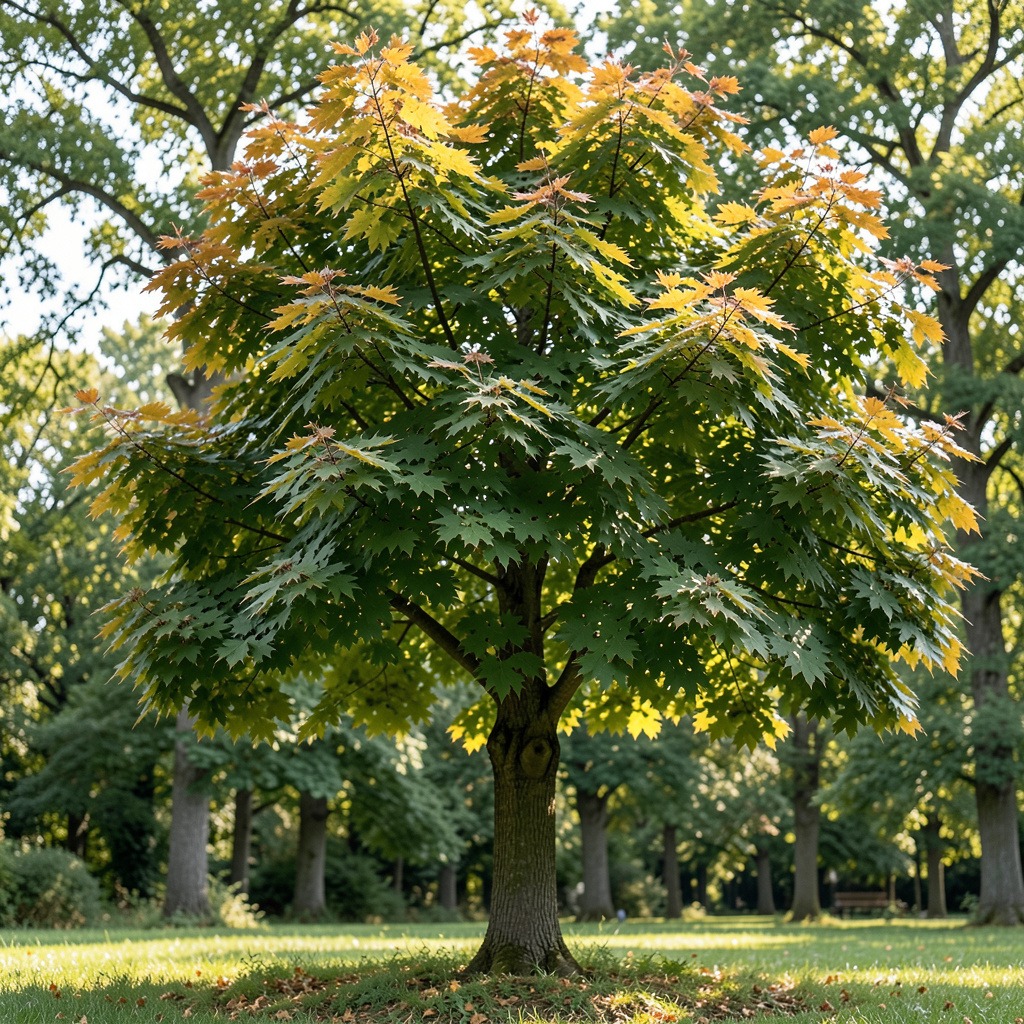
The Norway maple (Acer platanoides) is a large, deciduous tree known for its adaptability and significant presence in urban landscapes. Its unique characteristics and invasive tendencies make it a noteworthy species for both gardeners and ecologists.
Characteristics of the Norway Maple
Norway maples are distinguished by their:
- Leaf Structure: The tree features five-lobed leaves that are sharply pointed and range from medium to dark green in summer. In autumn, the foliage turns vibrant shades of yellow, orange, and brown.
- Sap: Unlike other maples, Norway maples exude a milky sap when cut, which serves as a key identification feature.
- Flowers and Seeds: In spring, before the leaves emerge, clusters of small yellow flowers appear, followed by distinctive two-winged samaras that facilitate seed dispersal.
These traits contribute to the tree’s aesthetic value, making it a popular choice for shade in parks and residential areas.
Native Range and Distribution
Originally native to Europe and western Asia, the Norway maple was introduced to North America in the mid-18th century. Its introduction to the northeastern United States occurred between 1750 and 1760, primarily as an ornamental shade tree. Over time, it spread to various regions, notably the Pacific Northwest, southern Ontario, and parts of New England.
Uses in Landscaping
Norway maples serve multiple purposes in landscaping:
- Shade Provision: Their dense canopy offers substantial shade, making them ideal for parks and residential areas.
- Ornamental Value: The tree’s striking fall color enhances the visual appeal of landscapes.
- Urban Adaptability: Norway maples tolerate a range of soil types and urban conditions, which has led to their widespread use in city environments.
Despite their benefits, it is essential to consider their invasive characteristics. Norway maples can outcompete native plants and inhibit the growth of local flora, particularly in forest understories. This has raised concerns in various states, leading to restrictions on their planting in certain areas.
Understanding these aspects of the Norway maple can help you make informed decisions about planting and management in your landscape.
How to Grow and Care for Norway Maple Trees
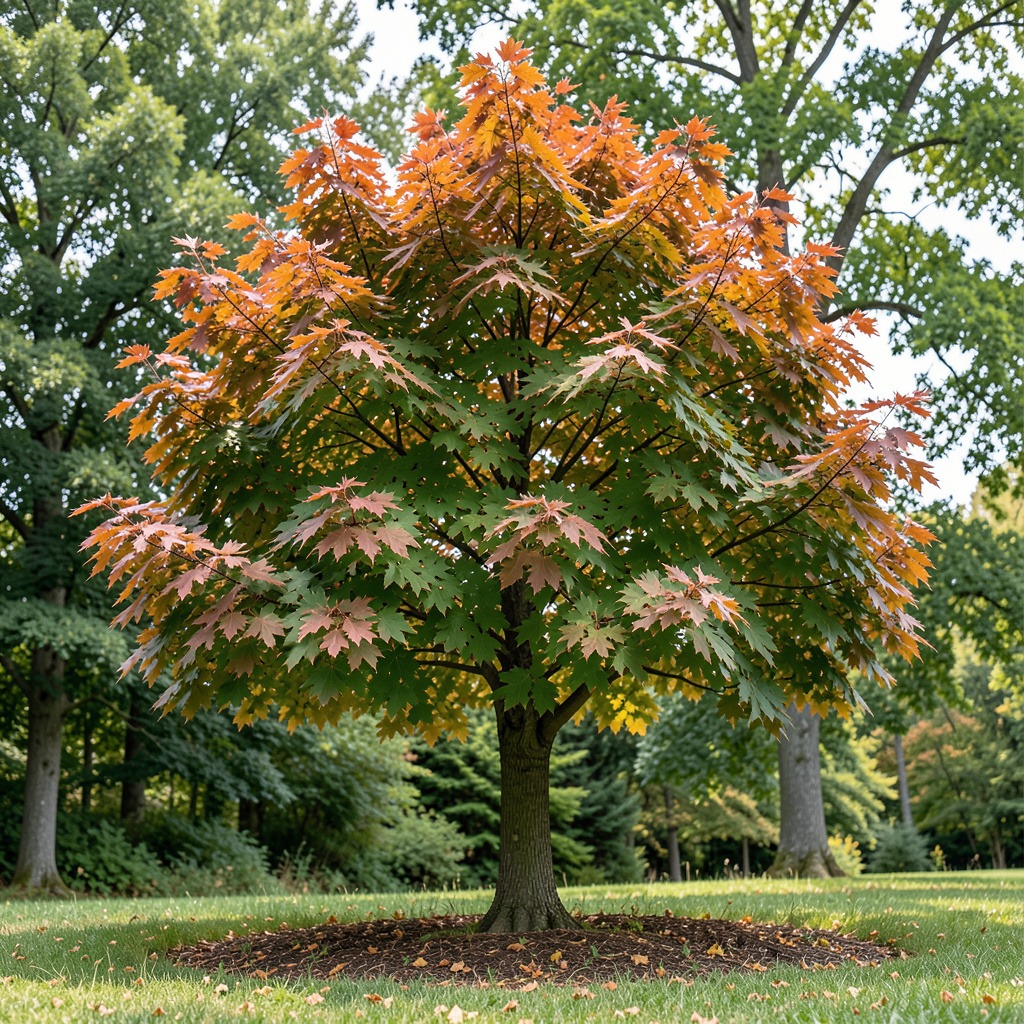
Caring for Norway maple trees involves understanding their unique requirements and potential challenges. This section outlines essential practices for successful cultivation.
Best Soil and Watering Practices
Norway maples thrive in well-drained, loamy soil with a pH between 6.0 and 7.5. They prefer moist conditions but can tolerate brief periods of drought.
- Soil Preparation: Amend soil with organic matter to enhance drainage and fertility.
- Watering: Water deeply and regularly, especially during dry spells. Aim for about 1 inch of water per week.
- Mulching: Apply a layer of organic mulch around the base to retain moisture and suppress weeds.
Pruning Techniques for Health
Proper pruning enhances the health and appearance of Norway maples. Focus on the following techniques:
- Timing: Prune in late winter or early spring before new growth begins.
- Technique: Remove dead, damaged, or crossing branches to improve air circulation.
- Crown Management: Thin the canopy to allow light penetration, which encourages healthy growth.
Common Maintenance Mistakes to Avoid
Avoiding common pitfalls can lead to healthier Norway maples. Here are some key mistakes:
- Overwatering: Ensure the soil has good drainage. Overly saturated soil can lead to root rot.
- Neglecting Fertilization: Use a balanced fertilizer in early spring to promote robust growth.
- Ignoring Pests: Monitor for common pests like aphids and scale. Early intervention can prevent severe damage.
Seasonal Care Checklist
| Season | Tasks |
|---|---|
| Spring | Prune trees; apply balanced fertilizer. |
| Summer | Water regularly; check for pests. |
| Fall | Rake leaves; prepare tree for winter. |
| Winter | Inspect for damage; plan for spring pruning. |
Unique Cultivar Considerations
Different cultivars of Norway maple may have specific needs. Here are a few examples:
- Crimson King: Requires full sun for optimal color; sensitive to drought.
- Deborah: Prefers slightly acidic soil; benefits from additional moisture.
- Emerald Queen: Thrives in various conditions; more tolerant of urban pollution.
Understanding these care techniques ensures a healthy Norway maple, promoting its beauty and longevity in your landscape.
Identifying Norway Maple: Key Features
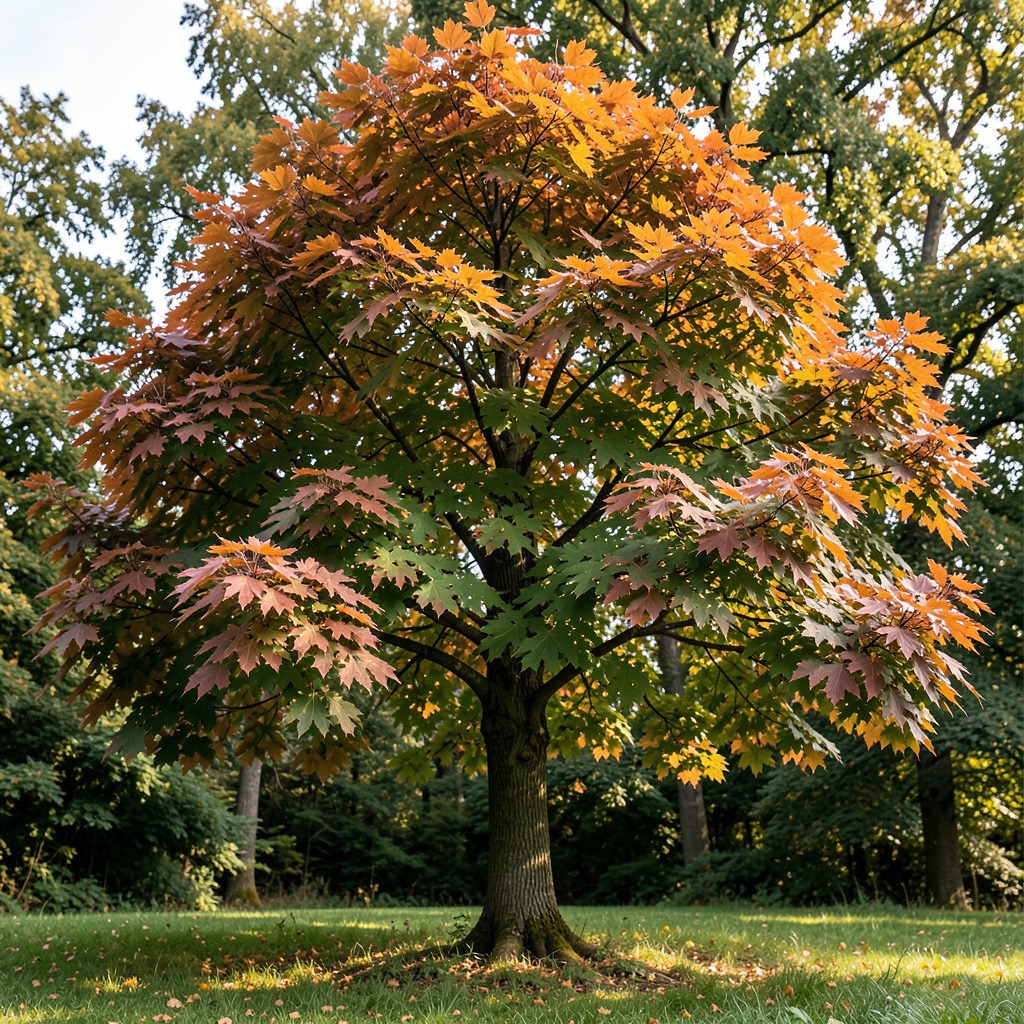
Identifying a Norway maple (Acer platanoides) involves examining its distinctive leaves, bark, flowers, and seeds. Understanding these characteristics can help differentiate it from similar species.
Leaf and Bark Characteristics
Norway maple leaves are one of the most recognizable features. They have the following traits:
- Shape: Opposite, five-lobed leaves with a more triangular and acuminate shape.
- Color: Dark green on top, paler underneath.
- Sap: Milky sap in the petioles distinguishes them from other maples.
- Bark: Smooth and grayish when young, developing criss-crossing grooves as it matures.
When identifying, look for the pointed terminal buds and the arrangement of leaves in pairs. These features set Norway maple apart from other species.
Flowering and Seed Production
Norway maple produces small yellow flowers in spring before leaf emergence. Here are key points about its flowering and seeds:
- Flowering Time: Blooms last for 2–3 weeks in early spring.
- Seed Characteristics: Paired seeds with wings that form nearly a straight line, facilitating their dispersal.
- Germination: Seeds sprout early in spring, often before other maples, allowing for quicker establishment.
These flowering and seed traits contribute to its invasive nature, as it can produce a large number of seeds that germinate readily.
Comparing Norway Maple with Other Maples
To distinguish Norway maple from similar species, consider these comparisons:
- Sugar Maple (Acer saccharum):
- Leaf Shape: More rounded lobes; lacks milky sap.
- Bark Texture: More shaggy compared to Norway maple’s smoother bark.
- Red Maple (Acer rubrum):
- Leaf Characteristics: Toothed edges and a different leaf arrangement.
- Silver Maple (Acer saccharinum):
- Leaf Shape: Narrower lobes and a lighter color.
Using these comparisons can help clarify identification, especially in mixed environments where several maple species coexist.
The Invasive Nature of Norway Maple
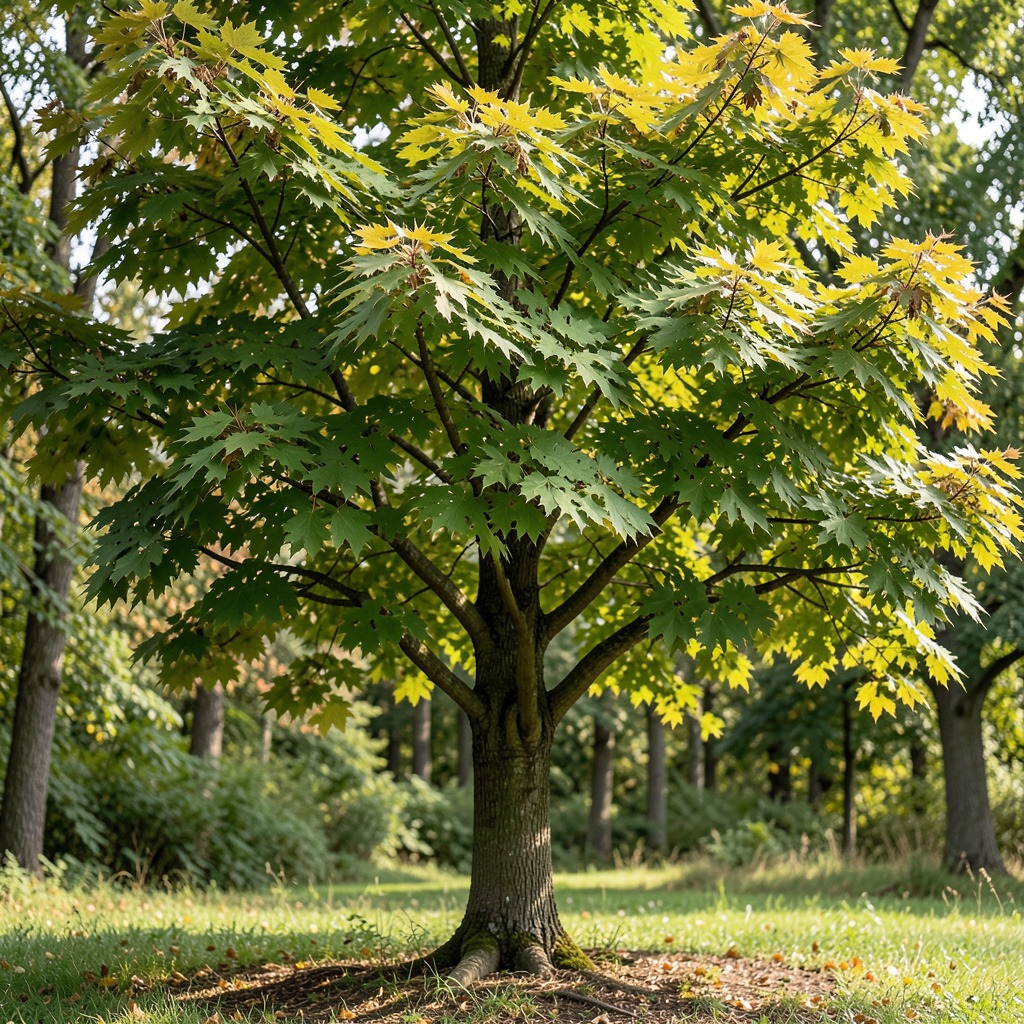
The Norway maple (Acer platanoides) significantly impacts local ecosystems due to its invasive characteristics. Understanding its effects is crucial for managing its presence in non-native regions.
Regions Affected by Invasion
Norway maple has established itself in various regions, particularly in northeastern North America and the Pacific Northwest. Its adaptability allows it to thrive in urban environments and disturbed areas. Key locations include:
- Southern Ontario
- New England states
- Urban areas in the Midwest
These regions face challenges as Norway maple outcompetes native flora for resources.
Ecological Impact on Native Flora
Norway maple’s growth habits disrupt local ecosystems. It exhibits the following ecological impacts:
- Root Competition: Its shallow root system deprives surrounding plants of moisture and nutrients.
- Canopy Coverage: The dense foliage blocks sunlight, inhibiting understory growth of native species.
- Chemical Allelopathy: Some studies suggest that Norway maple may release chemicals that suppress the growth of nearby plants, although this is still debated.
These factors contribute to a decline in biodiversity, as native species struggle to survive under Norway maple’s dominance.
Management Strategies for Control
Effective management of Norway maple’s invasive tendencies is essential. Here are some strategies that have proven successful:
- Mechanical Removal: Regularly cutting down Norway maples can help reduce their spread. Ensure that roots are removed to prevent regrowth.
- Herbicide Application: Targeted use of herbicides can effectively manage Norway maple populations, especially in dense infestations.
- Community Awareness: Educating local communities about the risks of planting Norway maple can help prevent further spread.
Case Study Example:
In urban settings, municipalities have implemented programs combining mechanical removal and community education. These initiatives have led to a notable decrease in Norway maple populations, allowing native species to reestablish.
With these strategies, it is possible to mitigate the long-term ecological impacts of Norway maple and protect native ecosystems.
Common Pests and Diseases Affecting Norway Maples
Norway maples are susceptible to various pests and diseases that can affect their health and longevity. Identifying these threats early is crucial for effective management.
Key Pests to Watch For
Several pests target Norway maples, causing damage that can lead to decline. Regular monitoring can help catch infestations early.
- Norway Maple Seedminer (Ectoedemia sericopeza): This moth’s larvae tunnel into seeds, reducing seed viability.
- Aceria pseudoplatani (Felt Gall Mite): This mite causes felt-like galls on leaf undersides, affecting leaf health.
- Aphids: These small insects suck sap from leaves, leading to yellowing and distortion.
Common Diseases and Their Treatments
Norway maples can also suffer from diseases that may compromise their vigor. Awareness and timely treatment are essential.
- Powdery Mildew (Uncinula bicornis): Characterized by white powdery spots on leaves. Treat with fungicides and ensure proper air circulation.
- Verticillium Wilt: This soil-borne fungus causes wilting and yellowing of leaves. Management includes improving soil drainage and avoiding overwatering.
- Tar Spots (Rhytisma acerinum): While cosmetic, dark spots on leaves can reduce aesthetic value. Rake fallen leaves to limit spread.
Preventative Care Tips
Implementing preventive measures can help reduce the risk of pests and diseases.
- Regular Inspection: Check leaves and branches for signs of pests or diseases.
- Proper Watering: Avoid overwatering to prevent root rot and fungal diseases.
- Healthy Soil: Maintain good soil health with organic matter to promote tree resilience.
Checklist for Norway Maple Care
- [ ] Inspect regularly for pests.
- [ ] Monitor for disease symptoms.
- [ ] Use fungicides appropriately.
- [ ] Maintain optimal watering practices.
- [ ] Ensure proper pruning to enhance air circulation.
By staying vigilant and employing these management strategies, you can protect your Norway maple and promote its health in your landscape.
Choosing the Right Cultivar of Norway Maple
Selecting the appropriate cultivar of Norway maple (Acer platanoides) is crucial for optimizing landscape aesthetics and health. Different cultivars adapt to various climates and serve unique purposes in gardens and urban settings.
Popular Cultivars and Their Features
Here are some notable cultivars of Norway maple, each with distinct characteristics:
| Cultivar | Features | Ideal Growth Conditions |
|---|---|---|
| ‘Globosum’ | Dense, rounded crown; minimal leader | Urban environments, compact spaces |
| ‘Columnare’ | Columnar form; grows tall and narrow | Suitable for tight spaces and formal landscapes |
| ‘Crimson King’ | Deep purple leaves; striking foliage | Full sun; prefers well-drained soil |
| ‘Drummondii’ | Green leaves edged with cream; bright crown | Adaptable; prefers partial shade |
| ‘Emerald Queen’ | Bright green foliage; fast growth | Tolerates urban conditions; well-drained soil |
Cultivar Selection Based on Climate
When selecting a cultivar, consider your local climate. Norway maples thrive in various conditions but some cultivars perform better in specific environments:
- Cooler Climates: ‘Crimson King’ and ‘Drummondii’ excel in colder regions, offering vibrant colors and resilience against frost.
- Urban Areas: ‘Globosum’ and ‘Columnare’ are ideal for urban settings due to their compact growth and adaptability to pollution.
- Drought-Prone Regions: ‘Emerald Queen’ demonstrates better drought tolerance, making it suitable for areas with less rainfall.
Pros and Cons of Each Cultivar
Understanding the strengths and weaknesses of each cultivar aids in making informed decisions. Here’s a breakdown:
- ‘Globosum’
- Pros: Space-efficient; low maintenance.
- Cons: Limited height; may not provide as much shade.
- ‘Columnare’
- Pros: Excellent for narrow spaces; striking vertical growth.
- Cons: Requires regular pruning to maintain shape.
- ‘Crimson King’
- Pros: Unique color; visually appealing.
- Cons: May require more sunlight; sensitive to extreme heat.
- ‘Drummondii’
- Pros: Attractive foliage; good for mixed landscapes.
- Cons: Slightly slower growth rate.
- ‘Emerald Queen’
- Pros: Fast-growing; adaptable to various soils.
- Cons: Can become invasive if not managed properly.
Selecting the right cultivar of Norway maple ensures that you meet your aesthetic goals while accommodating the specific conditions of your landscape.
Conclusion: The Norway Maple’s Role in Urban Landscapes
Norway maple trees play a significant role in urban environments due to their adaptability and aesthetic appeal. However, their invasive tendencies require careful consideration by potential planters.
Ecological Impact of Norway Maple
- Invasive Characteristics: Norway maples can outcompete native plants for light and moisture. Their shallow root systems often prevent other vegetation from thriving beneath them.
- Seed Production: These trees begin producing seeds at around ten years of age, with significant quantities emerging after twenty years. This rapid reproduction contributes to their invasive status.
- Chemical Inhibition: Some studies suggest Norway maples may release allelopathic chemicals that suppress the growth of surrounding plants, although this remains a debated topic.
Best Practices for Urban Planting
When considering Norway maples for urban landscapes, planners should evaluate the following:
- Site Conditions: Assess soil type, moisture levels, and sunlight availability. Norway maples thrive in a variety of conditions but prefer well-drained soil.
- Spacing: Allow adequate space for growth; their extensive canopies can shade out other desirable plants.
- Maintenance: Regular pruning can maintain their shape and health, reducing the risk of becoming overly invasive.
Responsible Planting Considerations
Urban planners should prioritize the following strategies:
- Monitoring Growth: Regularly assess the growth of Norway maples in urban settings to mitigate their invasive spread.
- Cultivar Selection: Opt for specific cultivars that offer desirable traits while minimizing invasive tendencies. For instance, ‘Crimson King’ and ‘Emerald Queen’ are popular choices but require management.
- Public Awareness: Educate the community about the potential ecological impacts of Norway maples to foster responsible stewardship.
By understanding both the benefits and challenges of planting Norway maples, urban planners can make informed decisions that enhance landscape aesthetics while protecting local ecosystems.
Frequently Asked Questions
These quick answers cover the most common questions about this topic, including key details, practical tips, and common concerns.
What are the best conditions for growing Norway maple?
Norway maple trees thrive in well-drained, loamy soil with a pH of 6.0 to 7.5. They prefer moist conditions but can tolerate short droughts. Full sun to partial shade is ideal for optimal growth. Regular watering, especially during dry spells, helps maintain their health and vigor.
How do I identify a Norway maple tree?
You can identify a Norway maple by its distinctive five-lobed leaves that are dark green above and paler underneath. One unique feature is its milky sap, which distinguishes it from other maples. The tree also has smooth grayish bark when young, which develops grooves as it matures. In spring, look for small yellow flowers that appear before the leaves, followed by paired seeds known as samaras.
What are the benefits of planting Norway maple?
Norway maples provide excellent shade due to their dense canopy, making them suitable for parks and residential areas. Their striking fall colors enhance landscape aesthetics, transitioning to vibrant yellows, oranges, and browns. Additionally, they adapt well to various urban conditions, making them resilient choices for city environments.
Is Norway maple invasive in my area?
Yes, Norway maple is considered invasive in many regions, particularly in northeastern North America and the Pacific Northwest. It can outcompete native plants for resources, leading to a decline in local biodiversity. It’s essential to check local regulations before planting, as some areas have restrictions on its cultivation.
How can I manage Norway maple pests?
Common pests affecting Norway maples include aphids, scale, and the Norway maple seedminer. Regularly inspect your trees for signs of these pests. You can manage infestations by applying insecticidal soap or horticultural oil. Additionally, maintaining tree health through proper watering and fertilization can enhance their resistance to pests.
When is the best time to prune Norway maple?
The best time to prune Norway maple is in late winter or early spring before new growth begins. This timing helps minimize stress on the tree and allows for better healing. Focus on removing dead, damaged, or crossing branches to improve air circulation and overall health.
What are the ecological impacts of Norway maple?
Norway maple can significantly disrupt local ecosystems by outcompeting native plants for light and nutrients. Its dense canopy limits sunlight to the understory, inhibiting the growth of other species. Additionally, its shallow root system can deplete soil moisture and nutrients, further affecting biodiversity in the area.
What should readers know about alternatives to Norway maple?
If you’re looking for native alternatives to Norway maple, consider trees like the red maple (Acer rubrum) or sugar maple (Acer saccharum). These species provide similar shade and aesthetic benefits without the invasive tendencies. Other shade trees suitable for similar conditions include oaks and elms, which can enhance local biodiversity while still offering desirable landscape features.