
Norway maple trees offer fast growth and aesthetic appeal but are considered invasive, causing ecological harm and landscape damage.
The Norway maple, known for its rapid growth and lush foliage, is a popular choice for landscaping. However, its invasive nature raises concerns about ecological balance and landscape integrity. This guide explores the pros and cons of Norway maple trees to inform your decision-making.
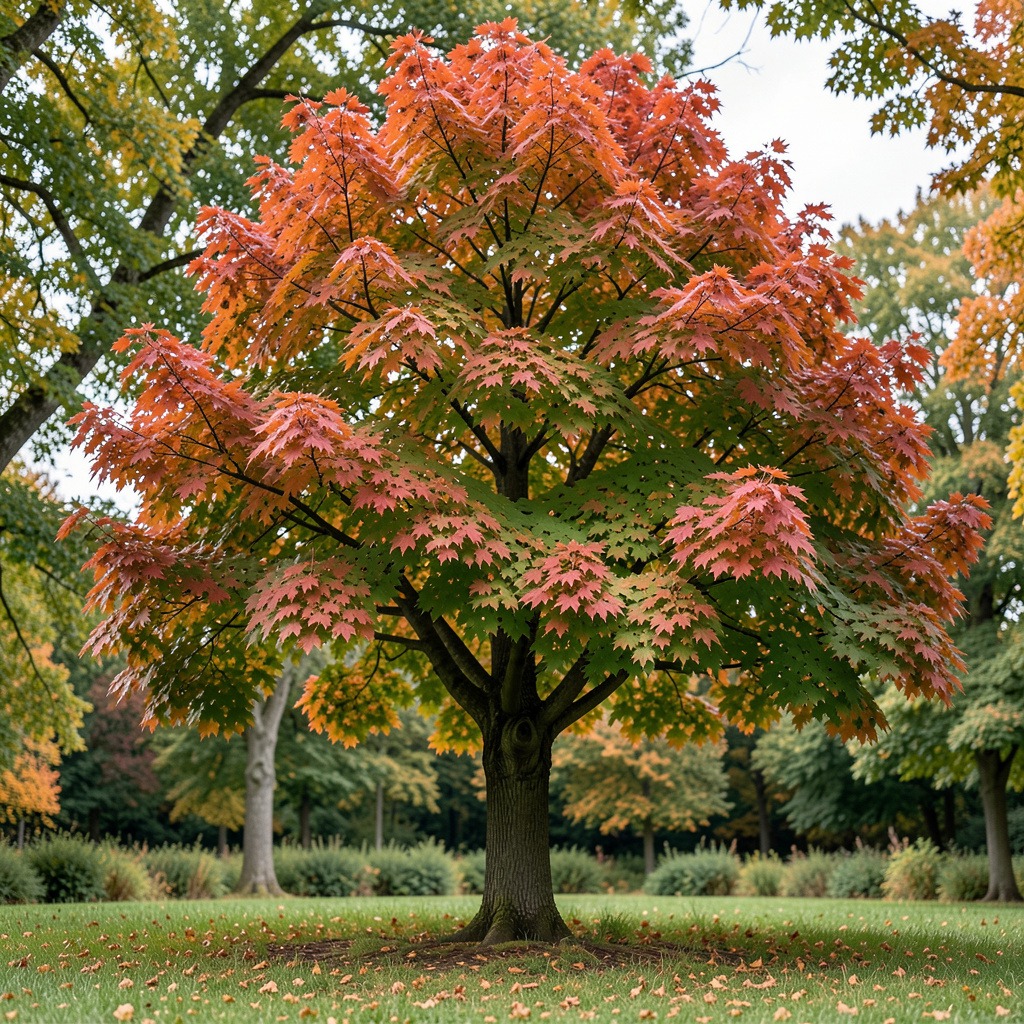
Overview of Norway Maple Trees
The Norway maple (Acer platanoides) is a deciduous tree valued for its rapid growth and dense canopy. However, its invasive traits and impact on local ecosystems raise significant concerns for homeowners and landscapers.
Characteristics of Norway Maple Trees
Norway maples are known for their broad, dark green leaves that turn yellow in the fall. They typically reach heights of 40 to 60 feet, but under optimal conditions, they can grow as tall as 90 feet. Their branches grow in an opposite arrangement, and the bark transitions from olive-brown to gray as it matures.
Growth Rate and Size
Norway maples are fast-growing, often adding 2 to 3 feet of height per year. This rapid growth makes them appealing for immediate shade and aesthetic purposes. However, their size and growth habits can lead to structural issues.
Common Uses in Landscaping
Homeowners often use Norway maples for shade and ornamental purposes. They are commonly planted in urban areas, parks, and residential landscapes. Their ability to thrive in various soil types and conditions makes them a popular choice. However, their invasive nature means they can outcompete native species, leading to long-term ecological impacts.
Key Uses:
Table of Contents
- Urban shade trees
- Street plantings
- Decorative landscaping in parks
When considering Norway maples, weigh their aesthetic appeal against their potential to disrupt local ecosystems. For a more sustainable choice, consider native alternatives like the sugar maple (Acer saccharum), which not only offers similar beauty but also supports local wildlife.
Invasive Characteristics of Norway Maple
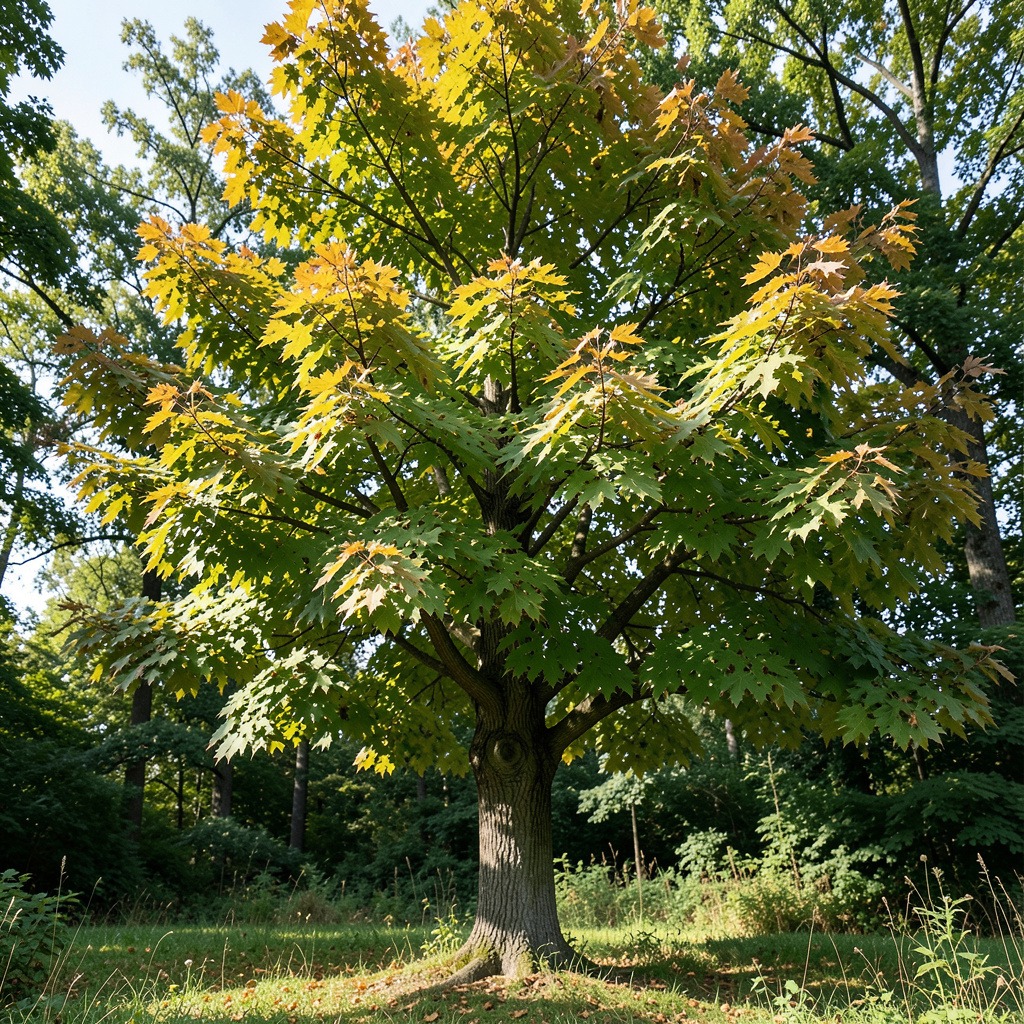
Norway maples are considered invasive due to their aggressive growth and ability to outcompete native flora. Understanding how these trees spread and their ecological impacts is essential for homeowners and landscape managers.
How Norway Maple Spreads
Norway maples spread primarily through seed dispersal. Their seeds are lightweight and can be carried by wind or animals. Once established, these trees can produce a significant number of seeds each year, leading to dense populations in both urban and wild areas. Their rapid growth enables them to dominate landscapes quickly, often shading out other species.
Ecological Impacts on Native Flora
The ecological ramifications of Norway maples are profound. Their dense canopies block sunlight, hindering the growth of native plants beneath them. This not only creates bare soil but also leads to increased erosion. As Norway maples proliferate, they disrupt local ecosystems by:
- Displacing native species such as sugar maples and red maples.
- Altering habitat quality for birds and insects that rely on native plants for food and shelter.
- Potentially releasing root toxins that inhibit the growth of competing flora.
Displacement of Native Species
The encroachment of Norway maples can significantly diminish biodiversity. In wooded areas, they can outcompete native trees, leading to a decline in species variety. This displacement can cause long-term ecological imbalances, affecting everything from soil health to wildlife populations.
Comparison of Norway Maples with Native Alternatives:
| Feature | Norway Maple | Native Species (e.g., Sugar Maple) |
|---|---|---|
| Growth Rate | Fast | Moderate |
| Canopy Density | Dense | Moderate |
| Ecological Impact | High (invasive) | Low (supportive of local ecosystems) |
| Maintenance Needs | High (root issues, invasive) | Moderate (minimal invasive traits) |
Homeowners should consider these factors when selecting trees for their landscapes. Opting for native species can foster a healthier ecosystem and maintain biodiversity in the area.
Aesthetic Appeal of Norway Maple Trees
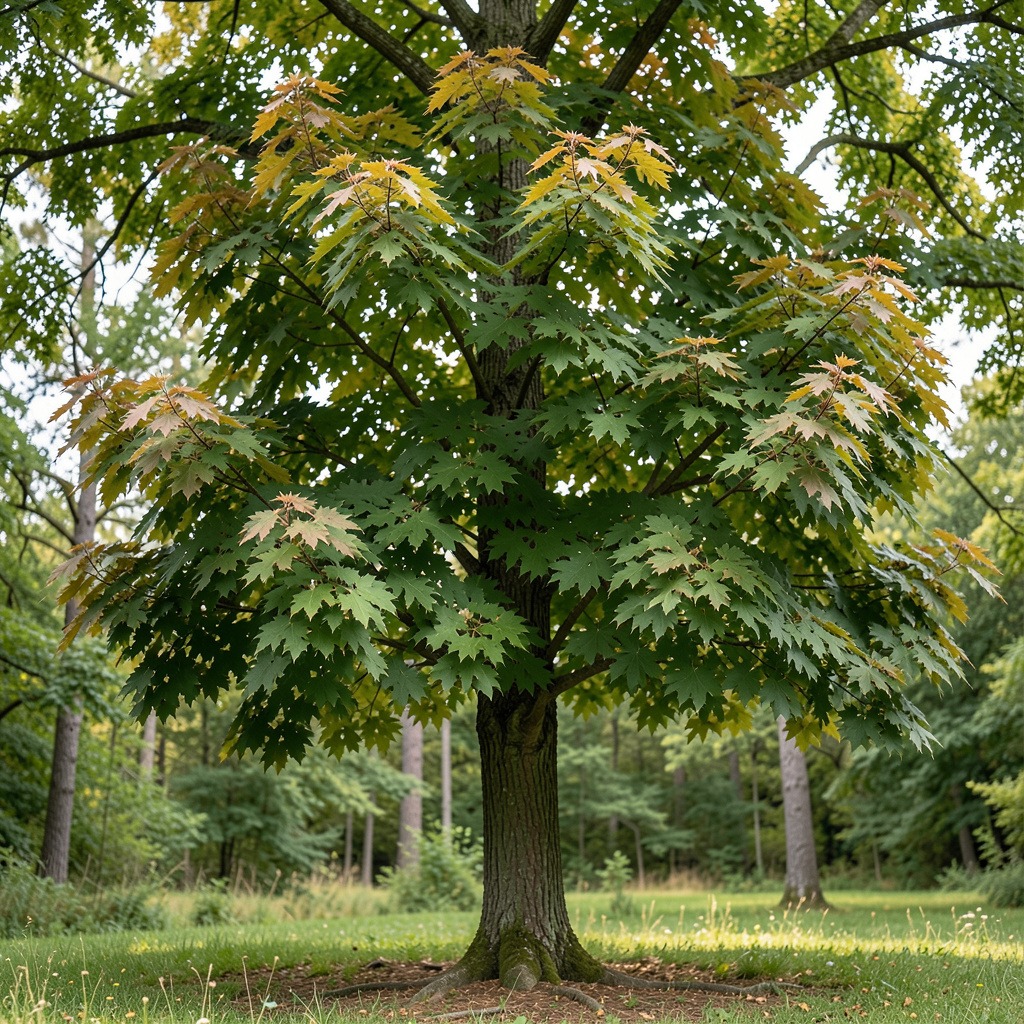
Norway maple trees are known for their striking appearance and ability to provide ample shade. Their vibrant foliage and quick growth make them appealing choices for many landscapes.
Foliage Color and Seasonal Changes
Norway maples display a rich palette throughout the seasons. In spring, their leaves emerge in a bright green, transitioning to a deeper green in summer. By autumn, they transform into brilliant shades of yellow and gold, creating a stunning visual display. This seasonal color variation enhances the aesthetic value of any landscape.
- Spring: Bright green foliage
- Summer: Deep green, providing a lush canopy
- Autumn: Vivid yellow and gold leaves
Shade Provision in Landscapes
One of the most significant benefits of Norway maples is their dense canopy, which offers substantial shade. This feature makes them ideal for creating cool, comfortable outdoor spaces. Homeowners can utilize these trees to reduce heat in urban settings, making patios and gardens more enjoyable.
- Canopy Height: Norway maples can grow between 40 to 60 feet tall, depending on conditions.
- Shade Coverage: Their broad leaves provide excellent coverage, making them suitable for parks and residential areas.
Considerations for Urban Planting
While Norway maples offer aesthetic benefits, urban planting requires careful consideration. Their fast growth and dense shade can create challenges. For instance, the extensive root system may lift sidewalks or disrupt nearby plants.
- Root System Awareness: Monitor for surface roots that can damage lawns and hardscapes.
- Tree Placement: Consider spacing and surrounding vegetation when planting to minimize potential conflicts.
In summary, the aesthetic appeal of Norway maples lies in their vibrant foliage and shade provision. Homeowners should balance these advantages with the potential challenges they may pose in urban environments.
Common Problems with Norway Maple Trees
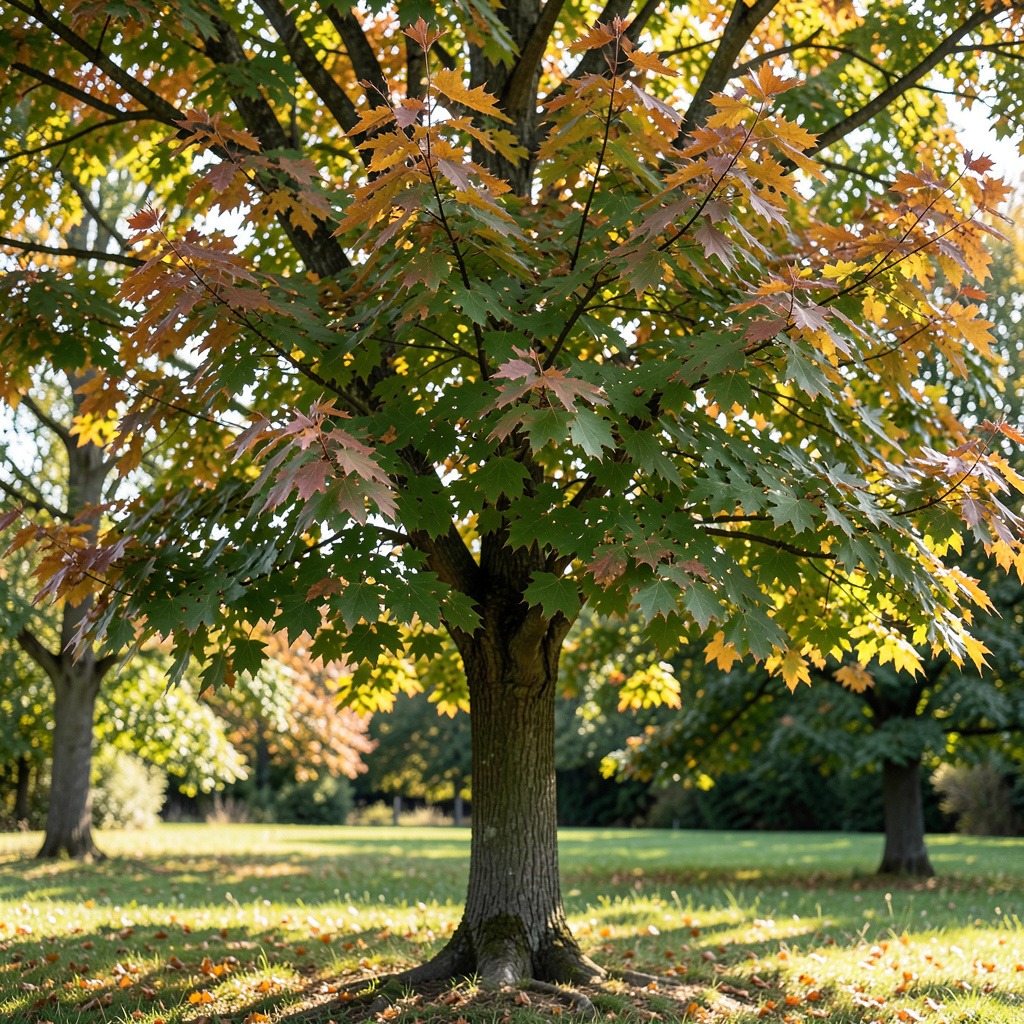
Norway maples present several challenges for homeowners, particularly related to their root systems and structural integrity. Understanding these issues is crucial for effective tree management.
Root System and Landscape Damage
The root system of Norway maples is notoriously aggressive. It tends to grow shallow and fibrous, which can lead to significant landscape damage. This root structure:
- Lifts sidewalks and driveways.
- Prevents grass and other plants from thriving underneath the tree.
- Frequently girdles, or strangles, its own trunk, leading to serious health issues for the tree.
Homeowners should monitor for surface roots that disrupt lawns and hardscapes. Regular inspections can help identify potential problems early.
Susceptibility to Storm Damage
Norway maples possess weak unions and brittle wood, making them vulnerable during storms. This structural weakness can lead to:
- Branch breakage in heavy winds.
- Increased risk of tree failure, especially in mature specimens.
To mitigate these risks, consider the following:
- Regularly prune to remove dead or weak branches.
- Consult with an arborist for advanced techniques such as cabling to support weak branches.
Regular Maintenance Needs
Maintaining a healthy Norway maple requires consistent care. Here are key steps homeowners can take:
- Monitor Growth: Regularly inspect for girdling roots and other structural issues.
- Prune Annually: Keep the tree’s shape and remove any damaged limbs.
- Fertilize Wisely: Use appropriate fertilizers to boost health, especially in poor soil conditions.
Health and Stability Checklist
Use this checklist to assess the health of your Norway maple:
- Are roots visible on the surface?
- Is the trunk free of girdling roots?
- Are there dead or broken branches?
- Is the tree showing signs of stress (e.g., leaf drop or discoloration)?
Regular attention to these factors can help maintain the stability of Norway maples and mitigate their potential problems.
Managing and Removing Norway Maples
Homeowners must approach the management and potential removal of Norway maples thoughtfully. These trees present unique challenges and require specific strategies to maintain health or to decide on removal.
Care and Maintenance Tips
To keep Norway maples healthy and mitigate their invasive tendencies, follow these care tips:
- Monitor Root Systems: Regularly check for visible surface roots. These can disrupt lawns and gardens.
- Annual Pruning: Shape the tree and remove any dead or damaged branches to promote healthy growth.
- Fertilization: Use fertilizers specifically designed for soil conditions where Norway maples thrive, particularly in poor soils.
When to Consider Removal
Deciding to remove a Norway maple can be based on several factors:
- Invasive Spread: If the tree is overpopulating your yard or nearby areas, consider removal.
- Landscape Damage: Surface roots causing damage to patios or lawns may necessitate removal.
- Health Issues: Trees with significant girdling roots or other health problems should be evaluated for removal.
Professional Help and DIY Removal Strategies
Homeowners can choose between professional removal services or DIY strategies. Here are some options for both:
Professional Help:
- Consult an Arborist: An expert can assess the tree’s health and provide tailored recommendations.
- Safe Removal Techniques: Professionals have the tools and knowledge to remove Norway maples efficiently, minimizing damage to surrounding plants.
DIY Removal Strategies:
- Cutting Technique: For small trees, cut the trunk close to the ground.
- Root Removal: After cutting, dig out as much of the root system as possible. This can prevent regrowth.
- Chemical Treatment: Apply herbicides to the cut stump to inhibit regrowth, but be cautious of potential impacts on surrounding soil and plants.
Decision Framework for Homeowners
To guide the decision on whether to keep or remove Norway maples, consider these questions:
- Does the tree contribute positively to your landscape?
- Are you facing issues with invasive spread?
- Is the tree causing damage to property or competing with native species?
By evaluating these factors, homeowners can make informed choices about managing Norway maples effectively.
Native Alternatives to Norway Maple
Homeowners seeking to replace Norway maples can benefit from selecting native tree species. Native trees provide ecological advantages, support local wildlife, and often require less maintenance.
Benefits of Choosing Native Trees
Native trees offer numerous benefits over Norway maples:
- Ecological Stability: Native trees promote biodiversity and support local ecosystems.
- Wildlife Support: They provide food and habitat for native birds and insects.
- Lower Invasiveness: Unlike Norway maples, native species do not disrupt local flora.
Comparing Norway Maple to Native Alternatives
| Feature | Norway Maple | Native Alternatives |
|---|---|---|
| Growth Rate | Fast-growing | Varies; typically moderate |
| Invasiveness | Highly invasive | Non-invasive |
| Wildlife Support | Limited | High (provides habitat and food) |
| Root System Issues | Aggressive, can cause damage | Generally less problematic |
| Maintenance Needs | High (pruning, monitoring needed) | Moderate (depends on species) |
Recommended Native Species
Consider these native alternatives to Norway maple:
- Sugar Maple (Acer saccharum): Offers stunning fall color and supports wildlife.
- Red Maple (Acer rubrum): Adapts well to various soils and attracts pollinators.
- Silver Maple (Acer saccharinum): Fast-growing and provides excellent shade without invasive traits.
- Black Cherry (Prunus serotina): Supports numerous bird species and has beautiful blooms.
Choosing native trees enhances your landscape while supporting ecological health. Evaluate the specific conditions of your site to select the best alternatives.
Frequently Asked Questions
These quick answers cover the most common questions about this topic, including key details, practical tips, and common concerns.
What are the disadvantages of Norway maples?
Norway maples are considered invasive due to their aggressive growth and ability to outcompete native species. They can disrupt local ecosystems by shading out other plants and altering habitat quality for wildlife. Additionally, their shallow root systems can cause damage to sidewalks and other structures, leading to costly repairs.
Are Norway maples a good tree?
While Norway maples provide quick shade and have attractive foliage, their invasive nature and potential for landscape damage raise concerns. They can dominate spaces, displacing native flora and affecting biodiversity. Homeowners should weigh their aesthetic benefits against their ecological impact.
What is the average lifespan of a Norway maple tree?
Norway maples typically have a lifespan of 30 to 50 years. However, factors such as environmental conditions, tree care, and structural integrity can influence their longevity. Regular maintenance, including pruning and monitoring for root issues, can help extend their life.
How far should you plant a Norway maple from your house?
It is recommended to plant Norway maples at least 20 to 30 feet away from your house. This distance helps prevent potential damage from their aggressive root systems and allows for adequate canopy growth without interfering with structures. Always consider the mature size of the tree when determining planting location.
What native tree alternatives can I plant instead of Norway maple?
Consider planting native alternatives like the sugar maple, red maple, or black cherry. These trees offer similar aesthetic benefits, such as vibrant fall colors and shade, while supporting local wildlife and ecosystems. Native trees typically have less invasive growth habits and require less maintenance.
When should I consider removing a Norway maple?
Consider removal if the tree is causing significant landscape damage, such as lifting sidewalks or competing aggressively with native plants. Additionally, if the tree shows signs of health issues, like girdling roots or structural weakness, it may be time to consult an arborist for evaluation.
Is this tree a Norway Maple and should it be removed?
To identify a Norway maple, look for its broad, dark green leaves with a distinctive shape and its dense canopy. If it is displacing native species or causing damage, removal may be advisable. Consult with a local expert for confirmation and guidance on the best course of action.