
Norway maple varieties, or Acer platanoides cultivars, include popular types like Crimson King, Columnare, and Cleveland.
Table of Contents
Norway maples are favored for their rapid growth, shade provision, and vibrant autumn colors. This guide explores various Norway maple varieties, their distinct features, care requirements, and the ecological considerations surrounding their use in landscaping.
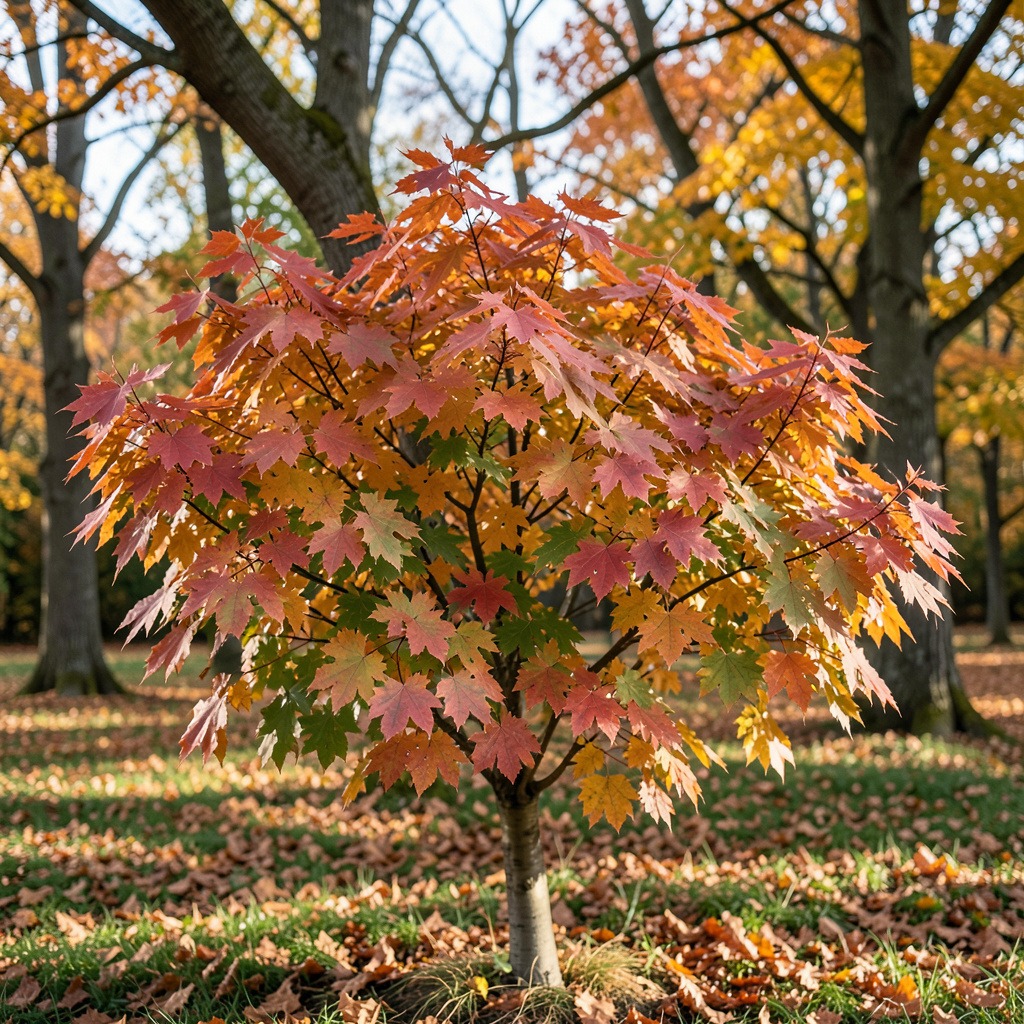
Overview of Norway Maple Varieties
Norway maples, classified as Acer platanoides, are popular for their rapid growth and ability to provide dense shade. They are commonly used in urban landscapes for their aesthetic appeal and hardiness. This section examines various cultivars and their unique traits.
Key Norway Maple Cultivars
Several cultivars of Norway maple offer distinct advantages for landscaping:
- Crimson King: Known for its deep burgundy leaves, this variety retains its color throughout the growing season. It is ideal for creating striking visual contrasts in gardens.
- Emerald Queen: This cultivar features bright green foliage that turns golden-yellow in autumn. Its upright growth habit makes it suitable for narrow spaces.
- Columnar Norway Maple: As the name suggests, this variety grows tall and narrow, making it perfect for urban settings with limited space.
- Golden Globe: This cultivar has a rounded crown and produces yellow-green leaves. It is excellent for adding a unique character to landscapes.
Unique Characteristics of Each Variety
Each Norway maple cultivar possesses specific traits that cater to different landscaping needs:
- Growth Rate: Most Norway maples grow rapidly, typically 1 to 2 feet per year. This makes them suitable for quick shade.
- Foliage Color: The leaf color varies significantly among cultivars, ranging from deep burgundy to vibrant green. This diversity allows for tailored landscape designs.
- Canopy Shape: The shape of the canopy can influence how much sunlight reaches the ground. For example, the Columnar variety allows for more light below, accommodating understory plants.
- Soil Tolerance: Norway maples adapt well to various soil types, including urban soils that may be compacted or less fertile. This resilience is key for city planting.
Decision Framework for Selecting Norway Maple Varieties
When choosing a Norway maple cultivar, consider the following factors:
1. Space Availability: Use columnar varieties for tight spaces and broader varieties for larger gardens.
2. Aesthetic Goals: Select based on desired leaf color and shape for visual impact.
3. Growth Conditions: Assess soil type and moisture levels, as some varieties perform better in specific conditions.
By understanding these characteristics, gardeners can make informed decisions to enhance their landscapes with Norway maples while considering their ecological impact.
Planting and Care Tips for Norway Maples
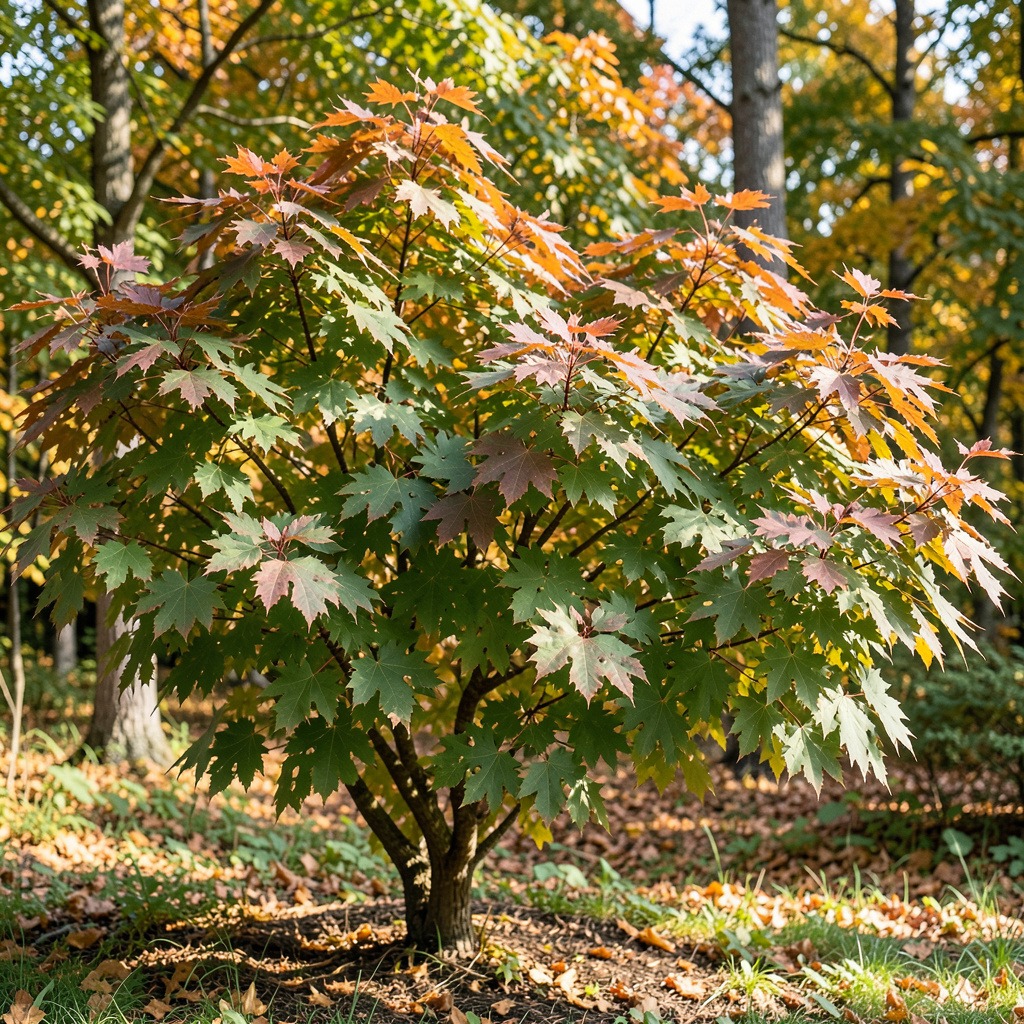
To ensure the health and longevity of Norway maples, it is essential to follow specific planting and care guidelines. These practices will help maintain the tree’s vigor and aesthetic appeal in your landscape.
Ideal Planting Conditions
When planting Norway maples, consider the following conditions:
- Soil Type: Norway maples thrive in well-drained, loamy soil. They tolerate a range of soil types, including clay and sandy soils, but avoid compacted or overly wet areas.
- Sunlight: Choose a location that receives full sun to partial shade. These trees prefer at least 6 hours of direct sunlight daily.
- Space: Ensure adequate spacing for mature growth. For standard varieties, allow at least 30 feet between trees, while columnar varieties need about 10 feet.
Watering and Fertilizing Best Practices
Proper watering and fertilization are crucial for Norway maples:
- Watering:
- During the first year, water deeply once a week. This helps establish strong roots.
- In subsequent years, water during dry spells, ensuring the soil stays moist but not soggy.
- Fertilizing:
- Apply a balanced, slow-release fertilizer in early spring. This promotes healthy growth.
- Avoid high-nitrogen fertilizers, which can encourage excessive leaf growth at the expense of root development.
Pruning Techniques for Healthy Growth
Regular pruning supports the overall health of Norway maples:
- Timing: Prune during late winter or early spring before new growth begins.
- Technique: Remove dead or damaged branches and maintain an open canopy to improve air circulation.
- Frequency: Perform light pruning annually to shape the tree and remove any crossing branches.
Seasonal Care Calendar
To keep your Norway maple thriving, follow this seasonal care calendar:
| Season | Activity |
|---|---|
| Spring | Fertilize and prune before new growth. |
| Summer | Water during dry spells; monitor for pests. |
| Fall | Rake fallen leaves and check for diseases. |
| Winter | Prune as needed; protect young trees from snow and ice. |
By following these planting and care tips, you can help your Norway maple varieties flourish while enhancing your landscape’s beauty.
Invasive Nature of Norway Maples: Ecological Considerations
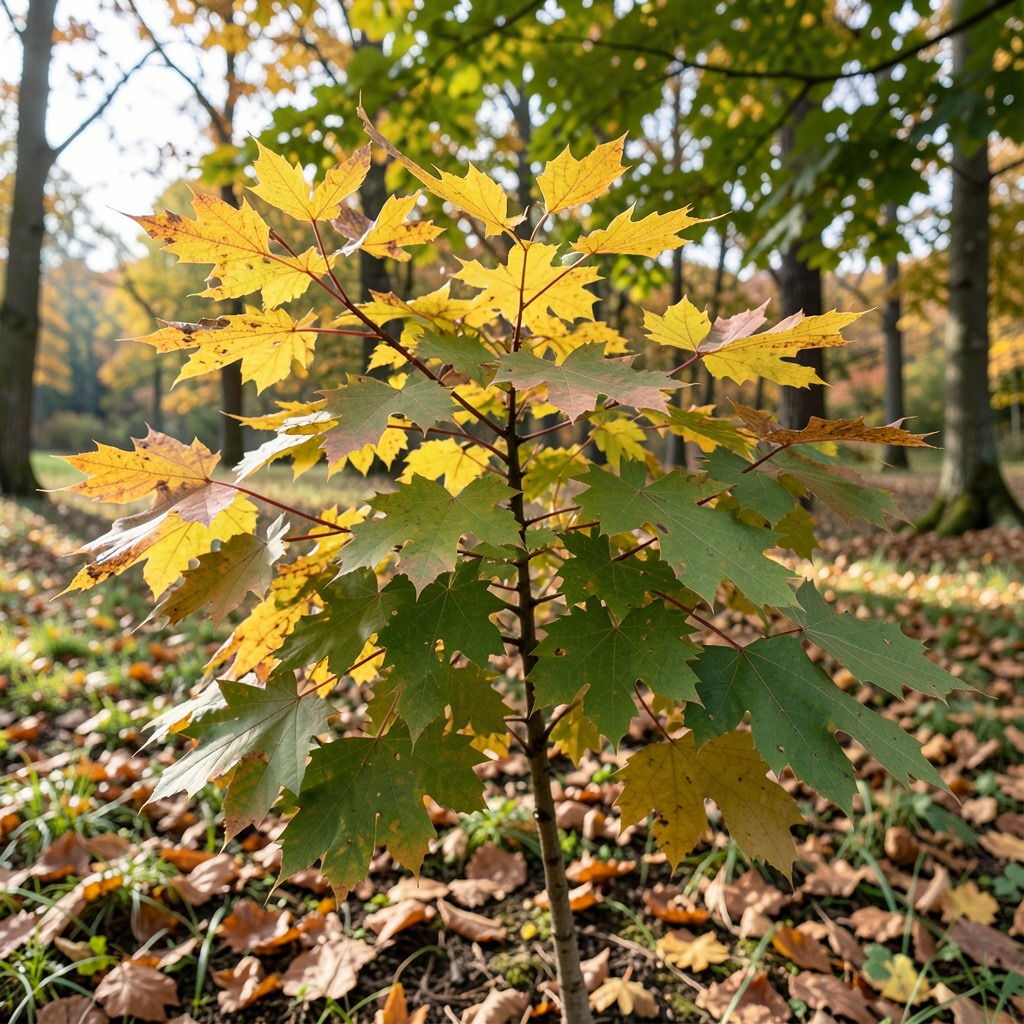
Norway maples, while popular for their aesthetic appeal, pose significant ecological challenges in certain regions. Their classification as invasive species raises concerns about their impact on local ecosystems.
Why Are Norway Maples Considered Invasive?
Norway maples (Acer platanoides) contribute to ecological disruption in several ways:
- Aggressive Growth: They establish quickly, often outcompeting native plants for resources.
- High Seed Production: A mature Norway maple can produce thousands of seeds annually. This high germination rate facilitates rapid spread.
- Root Competition: Their shallow root systems inhibit the growth of native vegetation by monopolizing moisture and nutrients.
- Dense Canopy: The thick foliage limits sunlight for understory plants, further suppressing biodiversity.
These traits allow Norway maples to form dense stands, which can dominate landscapes in urban and natural settings.
Managing Their Spread in Urban Areas
Effective management strategies are crucial for mitigating the invasive nature of Norway maples. Here are key tactics:
1. Plant Alternatives: Choose native tree species or non-invasive cultivars that support local wildlife and ecosystems.
2. Monitor Growth: Regularly inspect areas with Norway maples for seedling emergence and remove them promptly.
3. Pruning and Removal: In urban landscapes, prune trees to maintain health and remove unwanted saplings to prevent spread.
4. Public Awareness: Educate the community about the invasive nature of Norway maples and promote responsible planting practices.
Case Study: Successful Landscaping Alternatives
An urban park in Massachusetts successfully replaced Norway maples with native oaks and elms. This transition not only restored local biodiversity but also enhanced the park’s overall aesthetic. The decision to plant native species resulted in increased wildlife activity and improved soil health.
By understanding the invasive characteristics of Norway maples and implementing effective management strategies, landscape planners can create more ecologically balanced environments.
Comparing Norway Maples with Other Maple Species
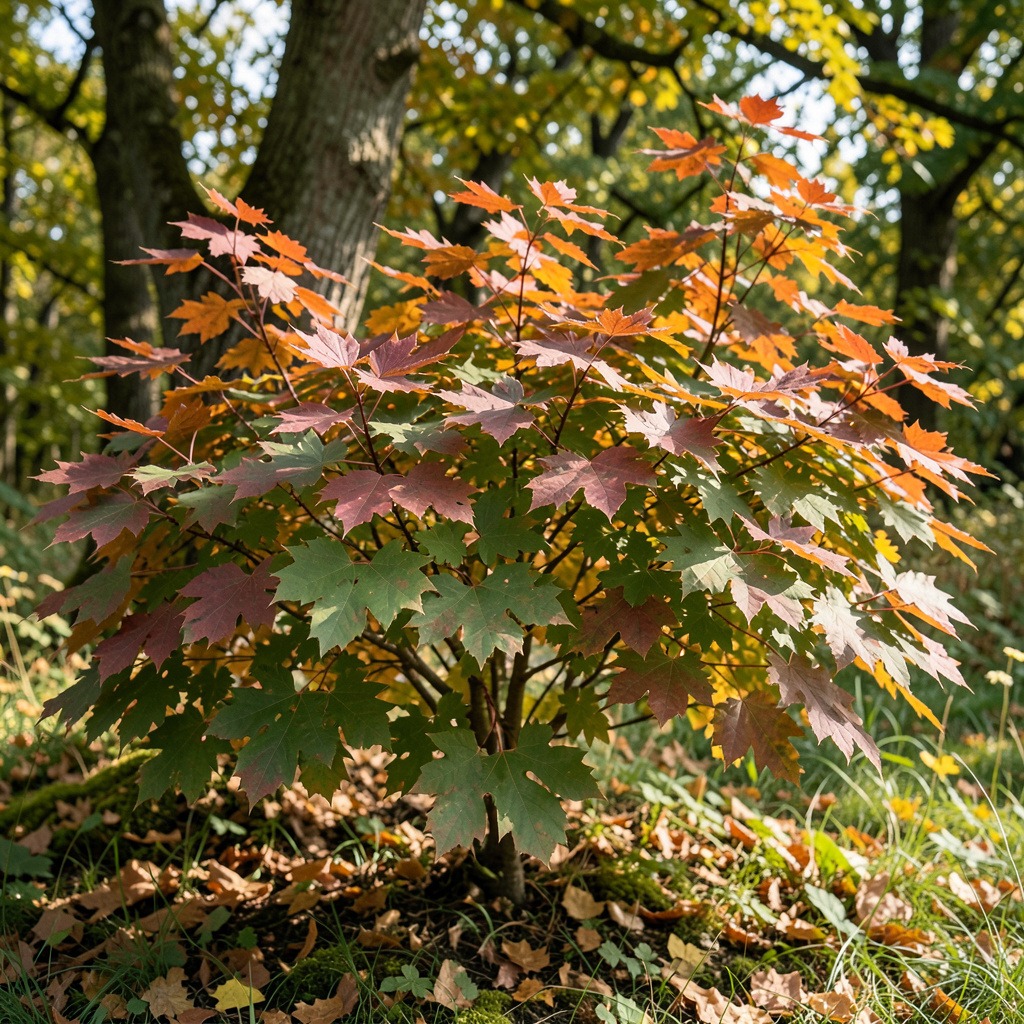
Norway maples, particularly Acer platanoides, often compete with other maple varieties, notably sugar maples, in landscaping. Understanding their differences can help you choose the right species for your landscape needs.
Differences in Growth Habits and Aesthetics
Norway maples and sugar maples exhibit distinct growth habits and aesthetic qualities. Here’s a breakdown of their key differences:
| Characteristic | Norway Maple (Acer platanoides) | Sugar Maple (Acer saccharum) |
|---|---|---|
| Leaf Shape | Broad, lobed with pointed tips | Smaller, finely toothed lobes |
| Sap Type | Milky, white sap | Clear sap |
| Growth Rate | Fast-growing | Moderate growth |
| Height | 40-60 feet | 50-75 feet |
| Fall Color | Bright yellow to orange | Vibrant red to orange |
| Root System | Shallow, aggressive | Deeper, more stable |
These differences impact how each species fits into a landscape. Norway maples grow quickly and provide ample shade, making them attractive for urban settings. However, their shallow roots can hinder the growth of other plants beneath them.
Pros and Cons of Norway Maples vs. Sugar Maples
When considering Norway maples versus sugar maples, it is essential to weigh the advantages and disadvantages:
Norway Maple:
- Pros:
- Rapid growth and wide canopy provide excellent shade.
- Adaptable to various soil types and conditions.
- Tolerates urban pollution and poor soil.
- Cons:
- Considered invasive in many areas, outcompeting native species.
- Shallow roots may damage foundations or sidewalks.
- Can inhibit the growth of understory plants due to dense canopy.
Sugar Maple:
- Pros:
- Produces high-quality maple syrup.
- Strong, stable structure with deeper roots.
- Offers stunning fall foliage with vibrant colors.
- Cons:
- Slower growth rate compared to Norway maples.
- Requires specific soil conditions for optimal growth.
- More susceptible to pests and diseases than Norway maples.
Decision-Making Framework
When selecting a maple variety, consider these factors:
1. Location and Soil Type: Assess your local soil conditions and the microclimate. Norway maples thrive in urban environments, while sugar maples prefer well-drained soils.
2. Space Available: Evaluate the size of your landscape. Norway maples are suitable for larger spaces due to their expansive canopy.
3. Ecological Impact: Be aware of the invasive potential of Norway maples. If biodiversity is a priority, consider alternatives like sugar maples or native species.
4. Aesthetic Goals: Decide on the visual impact. If vibrant autumn colors are a priority, sugar maples may be the better choice.
By carefully considering these factors, you can choose the most suitable maple variety for your landscape.
Alternatives to Norway Maples for Landscaping
When considering landscaping options, there are several non-invasive alternatives to Norway maples that provide similar benefits, such as shade and ornamental appeal. Here are some recommended choices that maintain aesthetic value while minimizing ecological impact.
Recommended Non-Invasive Maple Varieties
1. Sugar Maple (Acer saccharum)
- Benefits: Offers stunning fall colors and a dense canopy. It is also a native species, supporting local wildlife.
- Growth Rate: Moderate.
- Light Requirements: Prefers full sun to partial shade.
2. Red Maple (Acer rubrum)
- Benefits: Known for its vibrant red foliage in autumn. It adapts well to various soil types.
- Growth Rate: Fast.
- Light Requirements: Thrives in both full sun and partial shade.
3. Silver Maple (Acer saccharinum)
- Benefits: Rapid growth and a broad canopy provide excellent shade. It tolerates wet conditions.
- Growth Rate: Very fast.
- Light Requirements: Prefers full sun.
Other Shade Tree Options
If you’re looking for shade trees beyond the maple family, consider the following:
| Tree Variety | Benefits | Growth Rate | Light Requirements |
|---|---|---|---|
| Tulip Tree (Liriodendron tulipifera) | Large leaves and attractive flowers. Provides excellent shade. | Fast | Full sun |
| Eastern Redbud (Cercis canadensis) | Beautiful spring blooms and heart-shaped leaves. | Moderate | Full sun to partial shade |
| Northern Catalpa (Catalpa speciosa) | Unique flowers and large leaves. Attracts pollinators. | Fast | Full sun |
Decision Framework for Selecting Alternatives
When choosing a non-invasive tree, consider the following factors:
- Climate Adaptability: Ensure the tree thrives in your local climate.
- Soil Conditions: Assess the soil type in your landscape. Some trees prefer well-drained soil, while others tolerate wet conditions.
- Space Requirements: Evaluate the size of your landscape to select a tree that fits comfortably.
- Ecological Impact: Opt for native species to support local ecosystems.
By understanding these alternatives, homeowners can create beautiful landscapes that enhance their properties without the ecological drawbacks associated with Norway maples.
Frequently Asked Questions
These quick answers cover the most common questions about this topic, including key details, practical tips, and common concerns.
Why are Norway maples undesirable?
Norway maples are considered undesirable because they are classified as an invasive species in many regions. Their aggressive growth allows them to outcompete native plants for resources, which can lead to a decline in local biodiversity. Additionally, they produce a high volume of seeds that germinate easily, further facilitating their spread. Their shallow root systems can also disrupt the growth of other vegetation by monopolizing moisture and nutrients.
What’s the difference between a sugar maple and a Norway maple?
The primary differences between sugar maples (Acer saccharum) and Norway maples (Acer platanoides) lie in their growth habits, leaf shapes, and ecological impacts. Sugar maples grow taller and have a more stable root system, while Norway maples are known for their rapid growth and aggressive nature. In terms of aesthetics, sugar maples produce vibrant red and orange fall foliage, whereas Norway maples typically turn bright yellow.
Are Norway maples a good tree?
Norway maples can be a good tree for certain situations, particularly for providing quick shade and adapting to urban environments. They grow rapidly and can thrive in various soil types, making them a popular choice for landscaping. However, their invasive nature and potential to disrupt local ecosystems make them less desirable in areas where biodiversity is a priority. Homeowners should weigh these factors before planting.
Is Norway maple a fast-growing tree?
Yes, Norway maples are fast-growing trees. They can grow between 1 to 2 feet per year under optimal conditions. This rapid growth makes them an attractive option for those looking to establish shade quickly. However, this fast growth comes with the downside of their invasive tendencies, as they can quickly dominate an area if not managed properly.
What are the best Norway maple varieties for small gardens?
For small gardens, consider cultivars like the Columnar Norway Maple, which grows tall and narrow, making it ideal for limited spaces. The Emerald Queen variety is also a great option, with its upright growth habit and beautiful golden-yellow autumn foliage. These varieties provide the benefits of Norway maples without overwhelming a small landscape.
How do Norway maples compare to other maple species?
Norway maples differ from other maple species, such as sugar maples and red maples, in growth rate, aesthetics, and ecological behavior. While Norway maples grow quickly and provide dense shade, they can be invasive and outcompete native plants. In contrast, sugar maples grow slower but offer stunning fall colors and are native, supporting local wildlife. Understanding these differences helps in selecting the right tree for your landscape.
What care do Norway maples require throughout the year?
Norway maples require consistent care throughout the year. In spring, apply a balanced fertilizer before new growth begins. Water the trees weekly during their first year, and ensure they receive moisture during dry spells in subsequent years. Prune in late winter or early spring to remove dead branches and maintain an open canopy. Regular monitoring for pests and diseases is also essential for their health.
Are there any pests that commonly affect Norway maples?
Yes, Norway maples can be affected by pests such as aphids, scale insects, and leafhoppers. These pests can cause stress to the tree by feeding on its sap, leading to yellowing leaves and reduced vigor. Regular inspection and prompt treatment with insecticidal soap or horticultural oil can help manage these pests effectively. Additionally, maintaining the tree’s health through proper care can make it less susceptible to infestations.