
Pine trees offer numerous benefits, including providing shade, enhancing air quality, and supporting wildlife, but they also have drawbacks like needle shedding, susceptibility to pests, and potential damage to property foundations.
Table of Contents
Pine trees are popular for landscaping due to their aesthetic appeal and environmental benefits. However, understanding both the advantages and disadvantages is crucial for making informed decisions about planting and maintaining these trees in your landscape.
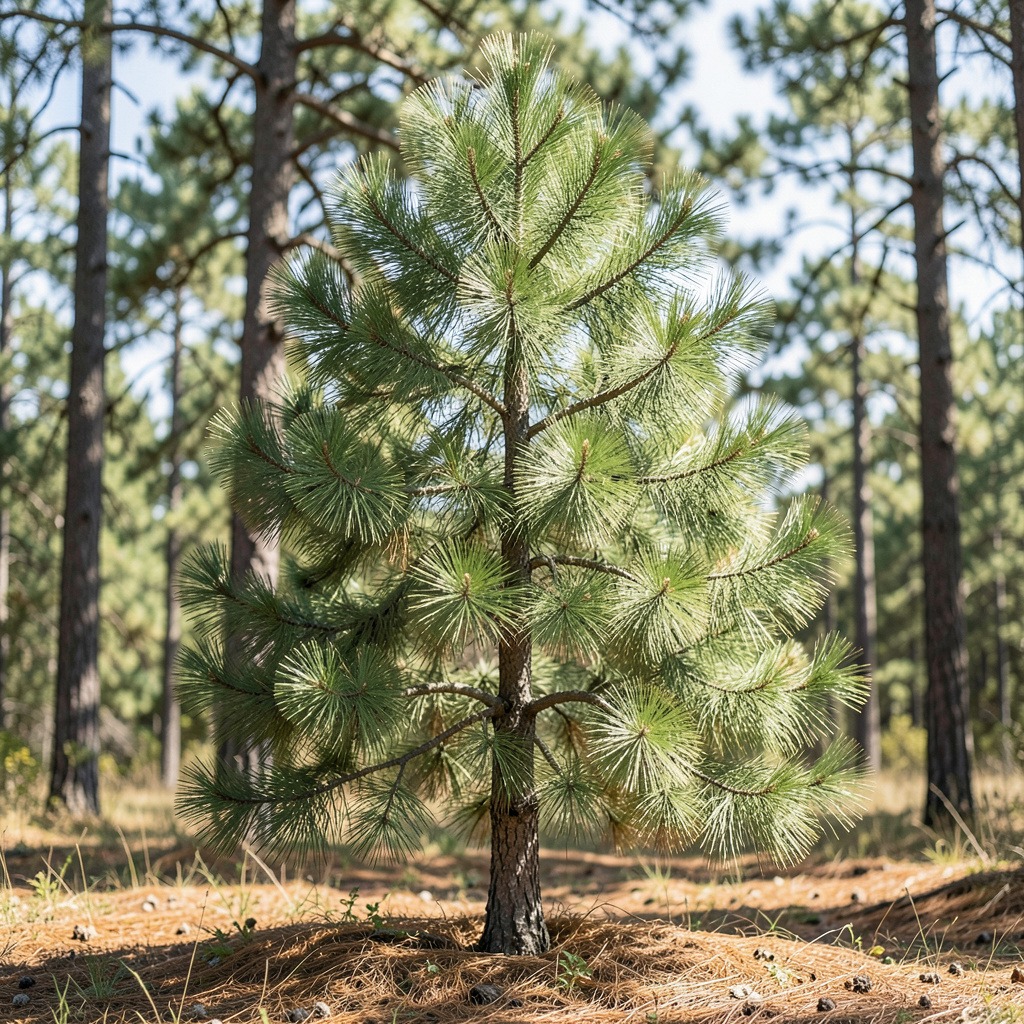
Understanding Pine Trees: Benefits and Drawbacks
Pine trees offer a mix of environmental, aesthetic, and maintenance factors that homeowners should consider. While they enhance landscapes and provide ecological benefits, they also come with challenges.
Aesthetic Appeal and Landscape Enhancement
Pine trees contribute significant beauty to gardens and yards. Their evergreen nature ensures year-round greenery, enhancing visual interest. Different species, such as the Eastern White Pine or Ponderosa Pine, provide varying heights, shapes, and colors, allowing homeowners to select trees that fit their landscape design.
Advantages:
- Visual Variety: Different pine species offer diverse aesthetics.
- Year-Round Coverage: Evergreen foliage provides continuous visual appeal.
- Windbreaks: Pine trees can act as effective barriers against wind, reducing erosion and protecting other plants.
Environmental Contributions
Pine trees play a crucial role in improving environmental quality. They actively absorb carbon dioxide and release oxygen, making them valuable for air quality. Additionally, their extensive root systems help prevent soil erosion, particularly in hilly areas.
Key Environmental Benefits:
- Carbon Sequestration: Pines efficiently capture carbon, contributing to climate change mitigation.
- Wildlife Habitat: These trees provide shelter and food for various wildlife, enhancing biodiversity.
- Soil Protection: Their roots stabilize soil, preventing erosion and promoting healthier landscapes.
Practical Maintenance Challenges
While pine trees offer numerous advantages, they also require careful maintenance. Homeowners must be aware of certain challenges when planting and caring for these trees.
Common Maintenance Issues:
- Debris Management: Pine trees shed needles, cones, and branches, necessitating regular cleanup.
- Pest Vulnerabilities: They can be susceptible to pests like the southern pine beetle, which can cause extensive damage.
- Shallow Roots: Some species may have shallow root systems, making them prone to wind damage.
Maintenance Checklist:
- Regularly remove fallen debris to maintain cleanliness.
- Monitor for pests and diseases, applying appropriate treatments as needed.
- Choose species suited to your environment to mitigate root-related concerns.
In summary, understanding the pros and cons of pine trees is essential for homeowners looking to enhance their landscapes while considering ecological impacts and maintenance requirements.
Maintenance Considerations for Pine Trees
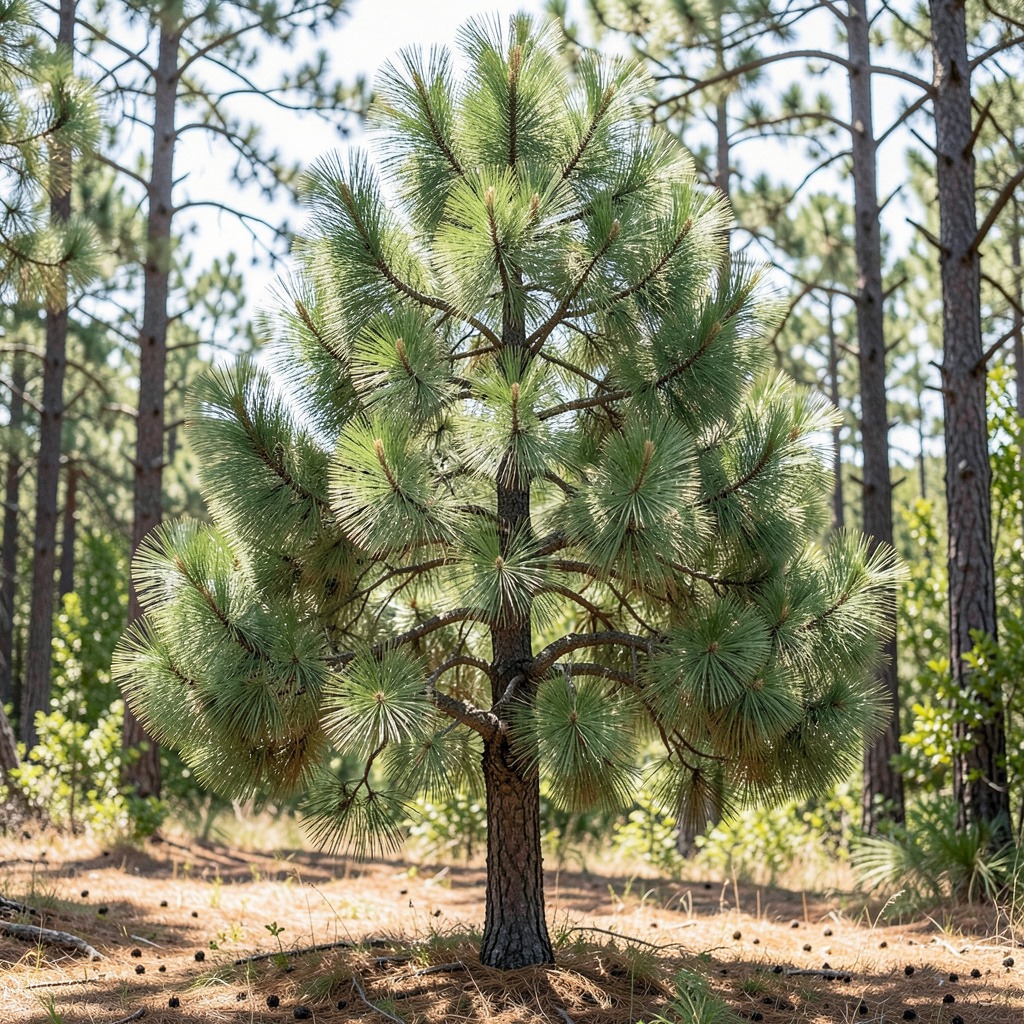
Maintaining pine trees requires attention to various factors, including needle shedding, pest management, and watering needs. Understanding these responsibilities will help homeowners ensure their pine trees remain healthy and aesthetically pleasing.
Needle Shedding and Cleanup
Pine trees naturally shed their needles throughout the year, particularly older ones. While this process is vital for their growth, it can create a mess around your yard. Regular cleanup is essential to maintain a tidy landscape.
- Frequency of Shedding: Expect needle shedding mainly in the fall and spring. Monitor the ground for fallen needles, which can accumulate quickly.
- Cleanup Tips:
- Use a rake to gather fallen needles.
- Consider mulching the needles for garden beds, as they can enrich the soil.
Pest Management Strategies
Pine trees face threats from various pests, including the southern pine beetle and the pine sawyer beetle. Effective pest management is crucial for tree health.
- Inspection: Regularly check for signs of infestation, such as discolored needles or excessive shedding.
- Control Measures:
- Remove infested branches promptly.
- Use insecticides as needed, following the manufacturer’s instructions.
- Maintain tree health through proper watering and fertilization to enhance resistance.
Watering and Pruning Needs
Proper watering and pruning are vital for the long-term health of pine trees.
- Watering Guidelines:
- Young trees need frequent watering, especially in dry conditions.
- Established trees require less frequent watering; check soil moisture before watering.
- Pruning Practices:
- Prune pine trees to remove dead or diseased branches.
- Ensure cuts are clean to prevent infection.
Maintenance Checklist
Here’s a quick checklist to help homeowners maintain their pine trees effectively:
- [ ] Regularly remove fallen needles and debris.
- [ ] Inspect for pests and diseases monthly.
- [ ] Water young trees weekly during dry spells.
- [ ] Prune as needed, focusing on dead or infected areas.
- [ ] Consult an arborist for specialized pest management advice.
By following these guidelines, homeowners can enjoy the numerous benefits of pine trees while minimizing potential downsides.
The Aesthetic and Functional Value of Pine Trees
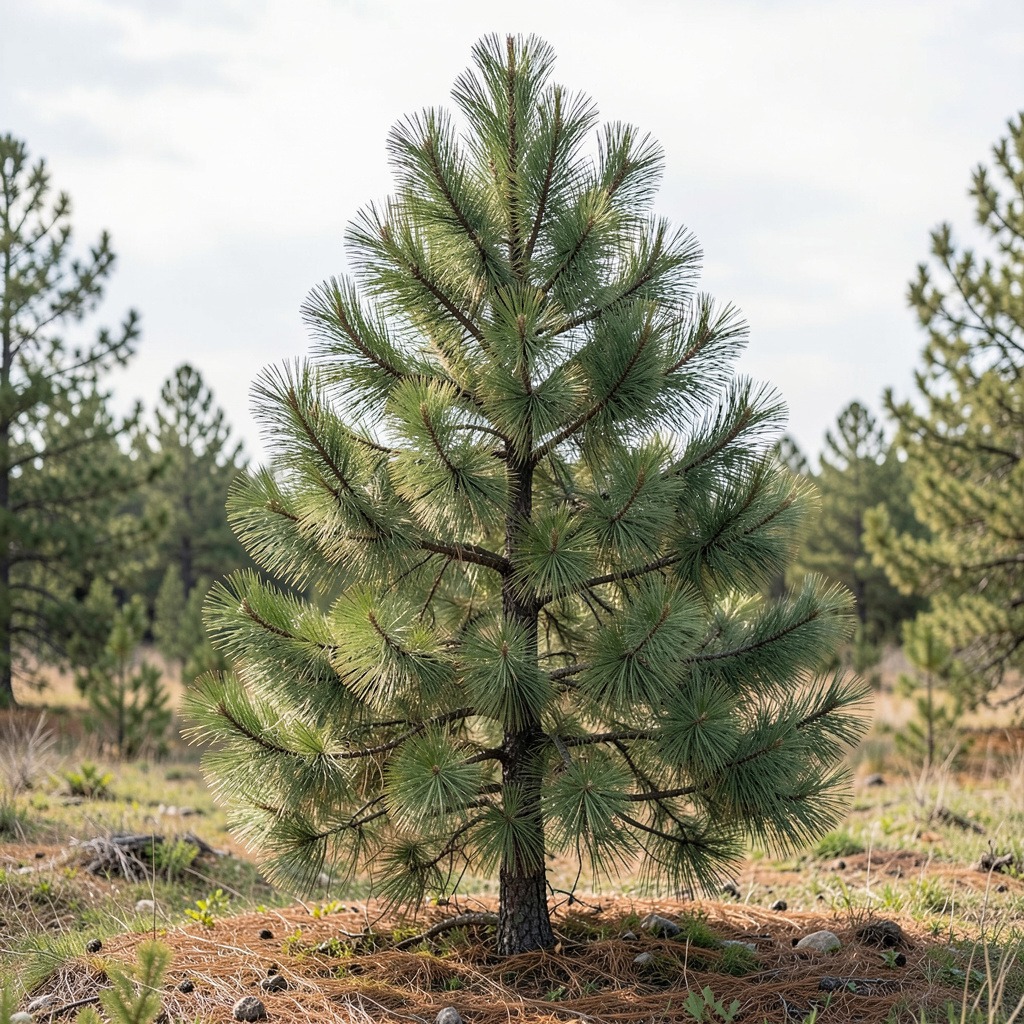
Pine trees offer significant aesthetic and functional benefits for landscapes. Their ability to provide shade, act as windbreaks, and enhance property values makes them a valuable addition to any outdoor space.
Creating Natural Shade
Pine trees are excellent providers of shade. Their dense canopies block sunlight, creating cool areas beneath their branches. This cooling effect can reduce energy costs in nearby buildings by minimizing reliance on air conditioning.
Real-life Examples:
- In residential areas, homeowners often plant Eastern White Pines for their extensive shade coverage, which allows for comfortable outdoor spaces during the summer months.
- Commercial properties utilize clusters of pines not only for shade but also for creating inviting outdoor seating areas.
Serving as Windbreaks
Pine trees effectively serve as windbreaks, protecting homes and gardens from harsh winds. Their sturdy branches and dense foliage slow down wind speed, reducing damage to structures and plants.
Practical Applications:
- In agricultural settings, farmers plant rows of pines around fields to shield crops from strong winds, ensuring better yields.
- Urban planners frequently recommend planting pines along property lines to create natural barriers against noise and wind.
Enhancing Property Value
In addition to their functional benefits, pine trees enhance the visual appeal of properties. Their unique shapes and evergreen foliage provide year-round beauty, contributing to a more attractive landscape.
Comparison with Other Trees:
- While many trees lose their leaves in winter, pine trees maintain their green foliage, offering consistent visual interest throughout the seasons.
- Properties with well-maintained pine trees often see increased market value, as potential buyers appreciate the aesthetic contributions and environmental benefits.
Checklist for Landscaping with Pine Trees:
- Select appropriate pine species based on your climate and soil conditions.
- Plan for spacing to allow for mature growth and prevent overcrowding.
- Consider combining different pine varieties for diverse textures and colors in your landscape.
Specific Types of Pine Trees and Their Unique Characteristics
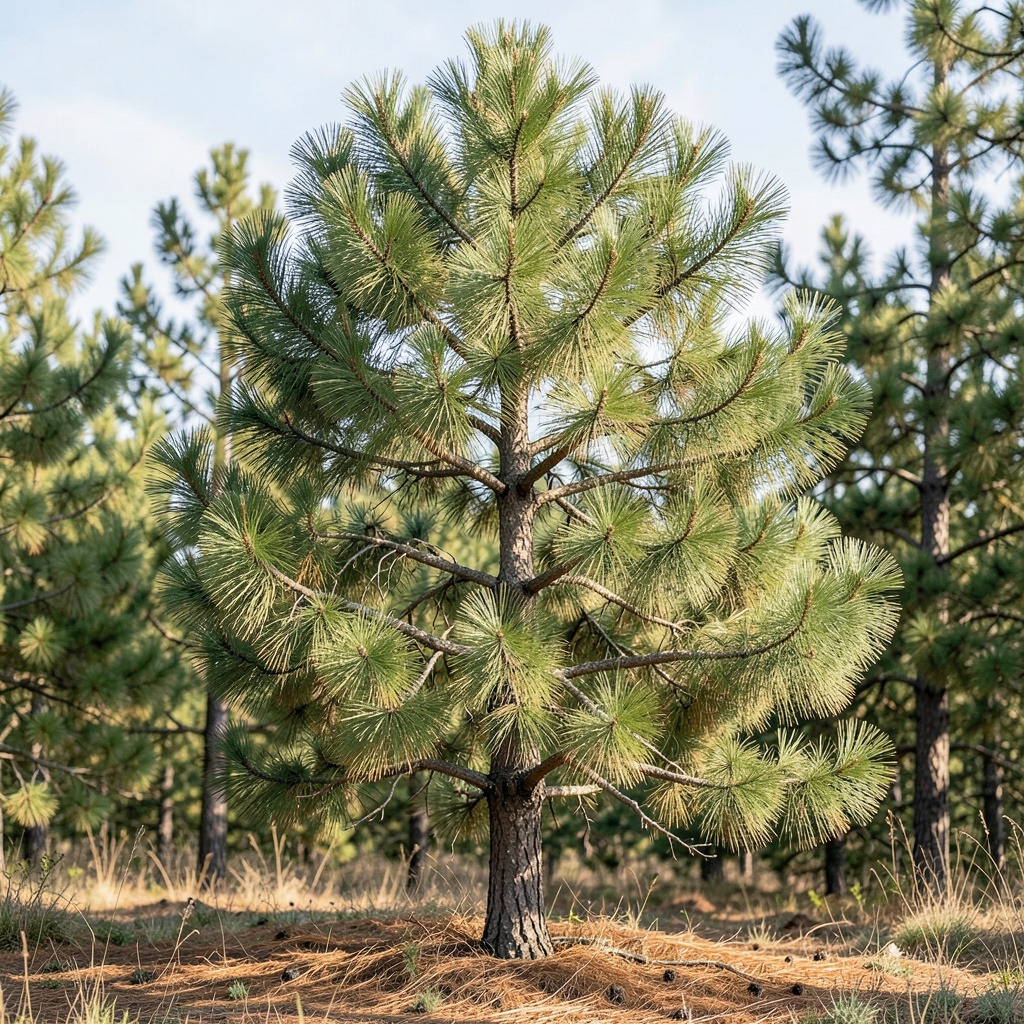
Pine trees are diverse, each type offering unique benefits and drawbacks. Understanding these differences helps homeowners select the right species for their landscape needs.
Eastern White Pine
The Eastern White Pine is known for its tall, straight trunk and soft, flexible needles. It grows rapidly and can reach heights of over 80 feet.
Benefits:
- Aesthetic Appeal: Its graceful form adds beauty to any landscape.
- Wildlife Habitat: Attracts birds and small mammals.
Drawbacks:
- Susceptibility to Pests: Vulnerable to the white pine weevil and bark beetles.
- Needle Drop: Regular needle shedding can create maintenance challenges.
Scots Pine
Scots Pine is adaptable and hardy, thriving in various soil types. It typically grows to a height of 50-60 feet.
Benefits:
- Drought Tolerance: Requires less water once established.
- Multiple Uses: Suitable for timber production and reforestation projects.
Drawbacks:
- Shallow Roots: Prone to wind damage in storms.
- Pest Issues: Can be affected by the pine bark beetle and various fungal diseases.
Ponderosa Pine
Ponderosa Pine is recognized for its tall stature and distinctive orange-brown bark. It can grow up to 200 feet in ideal conditions.
Benefits:
- Longevity: Can live for over 500 years.
- Fire Resistance: Thick bark provides some resistance to fire.
Drawbacks:
- Space Requirements: Needs ample room to grow due to its size.
- Debris Production: Generates significant amounts of cones and needles, requiring regular cleanup.
| Pine Tree Type | Height | Key Benefits | Key Drawbacks |
|---|---|---|---|
| Eastern White Pine | 80+ feet | Aesthetic appeal, wildlife habitat | Susceptibility to pests, needle drop |
| Scots Pine | 50-60 feet | Drought tolerance, timber uses | Shallow roots, pest issues |
| Ponderosa Pine | Up to 200 feet | Longevity, fire resistance | Space requirements, debris production |
When choosing a pine tree, consider the specific environmental conditions of your property, such as soil type, available space, and maintenance capacity. This decision framework ensures you select a species that aligns with your landscape goals.
Conclusion: Weighing the Pros and Cons of Pine Trees
Pine trees offer a mix of benefits and drawbacks that homeowners should consider before planting. Understanding these factors can guide your decision-making process.
Key Benefits of Pine Trees
- Environmental Advantages: Pine trees improve air quality by producing oxygen and absorbing carbon dioxide. They also contribute to biodiversity by providing habitats for wildlife.
- Aesthetic Value: Their unique shape and evergreen foliage enhance the beauty of your landscape throughout the year.
- Functional Uses: Pine trees can act as windbreaks, reduce noise pollution, and offer shade, making your outdoor space more enjoyable.
Key Drawbacks of Pine Trees
- Maintenance Needs: Pine trees can produce significant debris, including needles and cones, requiring regular cleanup. They may also interfere with power lines or other structures.
- Pest and Disease Vulnerabilities: Common pests like the southern pine beetle and diseases such as fusiform rust can threaten pine health. Vigilant monitoring and management are essential.
- Root System Concerns: Pine trees have extensive root systems that may cause damage to foundations or plumbing if planted too close to structures.
Decision-Making Framework for Planting Pine Trees
When considering whether to plant pine trees, assess the following criteria:
1. Space Availability: Ensure you have sufficient space for the species’ mature size.
2. Soil Conditions: Determine if your soil type is conducive to pine growth.
3. Maintenance Commitment: Evaluate your willingness to manage debris and potential pest problems.
4. Aesthetic Goals: Consider how pine trees will fit into your overall landscape design.
By weighing these factors, you can make an informed choice that aligns with your specific needs and landscape goals.
Frequently Asked Questions
These quick answers cover the most common questions about this topic, including key details, practical tips, and common concerns.
What are the best types of pine trees for residential areas?
Some of the best pine trees for residential areas include the Eastern White Pine, Scots Pine, and Ponderosa Pine. The Eastern White Pine is valued for its tall stature and soft needles, making it visually appealing and great for wildlife. Scots Pine is adaptable and drought-tolerant, while Ponderosa Pine is known for its longevity and fire resistance. When choosing a pine, consider your local climate, soil conditions, and available space.
How often should I water my pine trees?
Young pine trees require frequent watering, especially during dry spells. Aim to water them once a week, ensuring the soil remains moist but not waterlogged. Established pine trees are more resilient and typically need less frequent watering; check the soil moisture before watering. Adjust your watering schedule based on rainfall and seasonal conditions.
What pests are commonly associated with pine trees?
Pine trees are susceptible to several pests, including the southern pine beetle and the pine sawyer beetle. These pests can cause significant damage if not managed properly. Regular inspections for signs of infestation, such as discolored needles or excessive shedding, are crucial. If you notice any issues, consider removing infested branches and using insecticides as needed.
Can pine trees be planted near houses?
Planting pine trees too close to houses can pose risks. Their extensive root systems may damage foundations or underground utilities, while their height can lead to falling branches during storms. It’s generally recommended to plant pine trees at least 20-30 feet away from structures to minimize these risks and ensure they have enough space to grow.
What are the signs of a healthy pine tree?
A healthy pine tree typically has vibrant green needles, a strong central leader, and a balanced crown. Look for uniform needle length and minimal needle drop. Additionally, the trunk should be straight and free of visible cracks or wounds. Regularly monitoring your tree for these signs can help you catch any potential health issues early.
When is the best time to plant pine trees?
The best time to plant pine trees is in the early spring or fall. Planting in these seasons allows the trees to establish their roots before the heat of summer or the cold of winter sets in. Ensure the soil is workable and not frozen when planting, and consider local climate conditions to optimize growth.
What should readers know about visual aids or infographics showing pine tree growth?
Visual aids, such as infographics or charts, can effectively illustrate pine tree growth patterns, health indicators, and maintenance tips. These resources often provide a clear visual representation of the different pine species and their unique characteristics. Utilizing such aids can enhance understanding and support better decision-making when selecting and caring for pine trees.
What should readers know about case studies of successful pine tree landscaping?
Case studies of successful pine tree landscaping highlight practical applications and benefits of planting pines in various settings. These examples often showcase how homeowners or communities have effectively used pine trees for shade, windbreaks, or aesthetic enhancements. Learning from these real-life applications can provide valuable insights and inspire homeowners to incorporate pine trees into their landscapes effectively.