
The Norway spruce tree offers fast growth and excellent privacy but is susceptible to pests and requires ample space, making it essential to weigh these pros and cons when considering it for landscaping.
The Norway spruce (Picea abies) is a popular evergreen choice known for its rapid growth and dense foliage. However, potential gardeners must consider both the advantages and disadvantages of this majestic tree for successful landscaping and care.
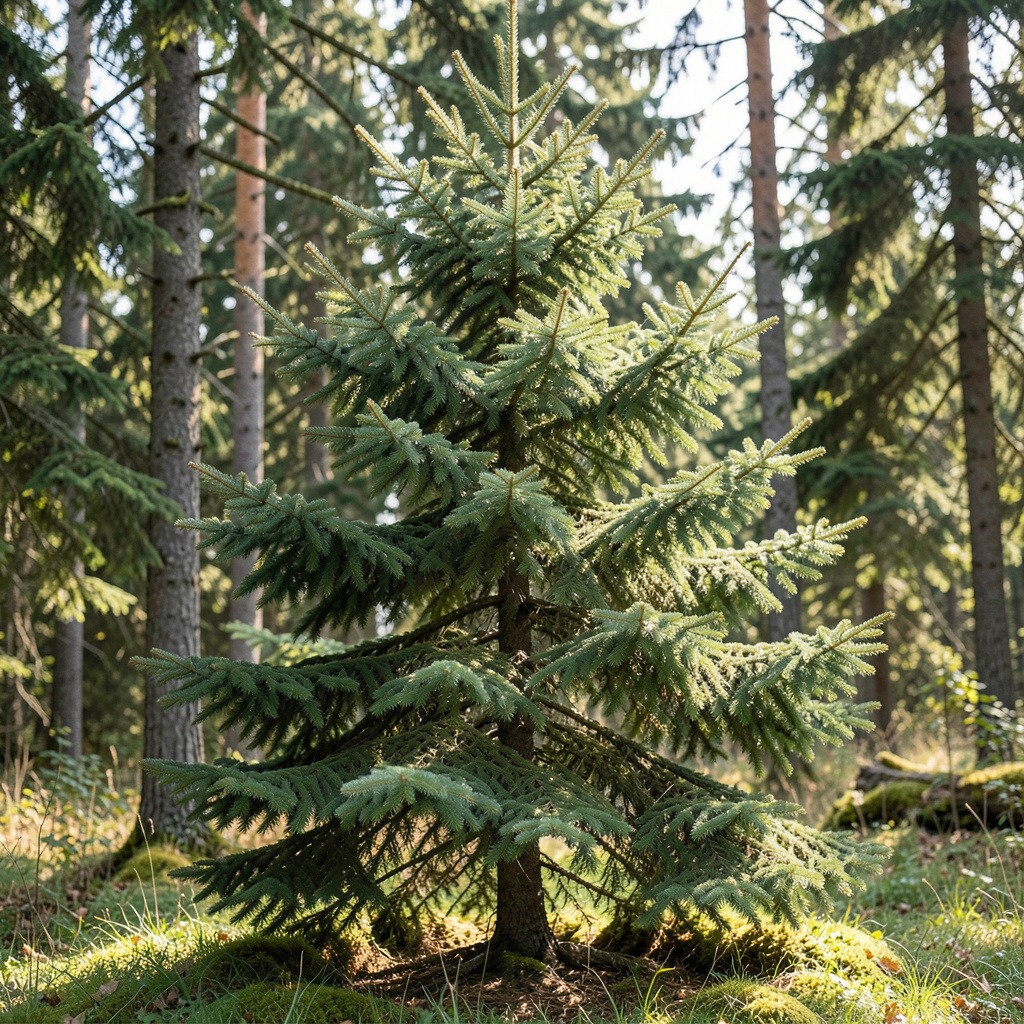
Understanding Norway Spruce: Characteristics and Growth
The Norway spruce is a robust tree known for its impressive growth and versatility in landscaping. Understanding its characteristics and growth requirements is essential for any gardener considering this species.
Growth Rate and Size
Norway spruce trees exhibit a rapid growth rate, typically achieving heights of 40 to 60 feet. Their spread ranges from 25 to 30 feet, making them suitable for large spaces. When planning your garden, consider the following:
- Growth Rate: Norway spruce grows approximately 2 to 3 feet per year.
- Mature Size: Can reach up to 60 feet tall and 25 feet wide.
- Longevity: With proper care, these trees can live for over 200 years.
Ideal Growing Conditions
Norway spruce thrives in specific conditions that enhance its growth and health. Here are the key factors to consider:
- Soil: Prefers well-drained soil with a pH between 5.5 and 6.5.
- Light: Requires full sun to partial shade for optimal growth. Avoid planting in shaded areas.
- Water: Needs regular watering during dry spells, especially in the establishment phase.
Appearance and Characteristics
Norway spruce is distinguished by its striking appearance. This tree features:
- Needle Color: Dark green, 1 to 2 inches long, with a pleasant fragrance when crushed.
- Bark Texture: Reddish-brown with a scaly texture, which becomes more fissured with age.
- Cones: Produces cylindrical cones that are 4 to 6 inches long, adding visual interest.
These characteristics not only enhance the aesthetic appeal of landscapes but also influence the tree’s suitability for various environments. For instance, its dense foliage provides excellent windbreaks, making it ideal for rural properties.
Table of Contents
In contrast, the extensive shallow root system necessitates careful spacing from other plants to prevent competition and ensure healthy growth.
Pros of Norway Spruce Trees
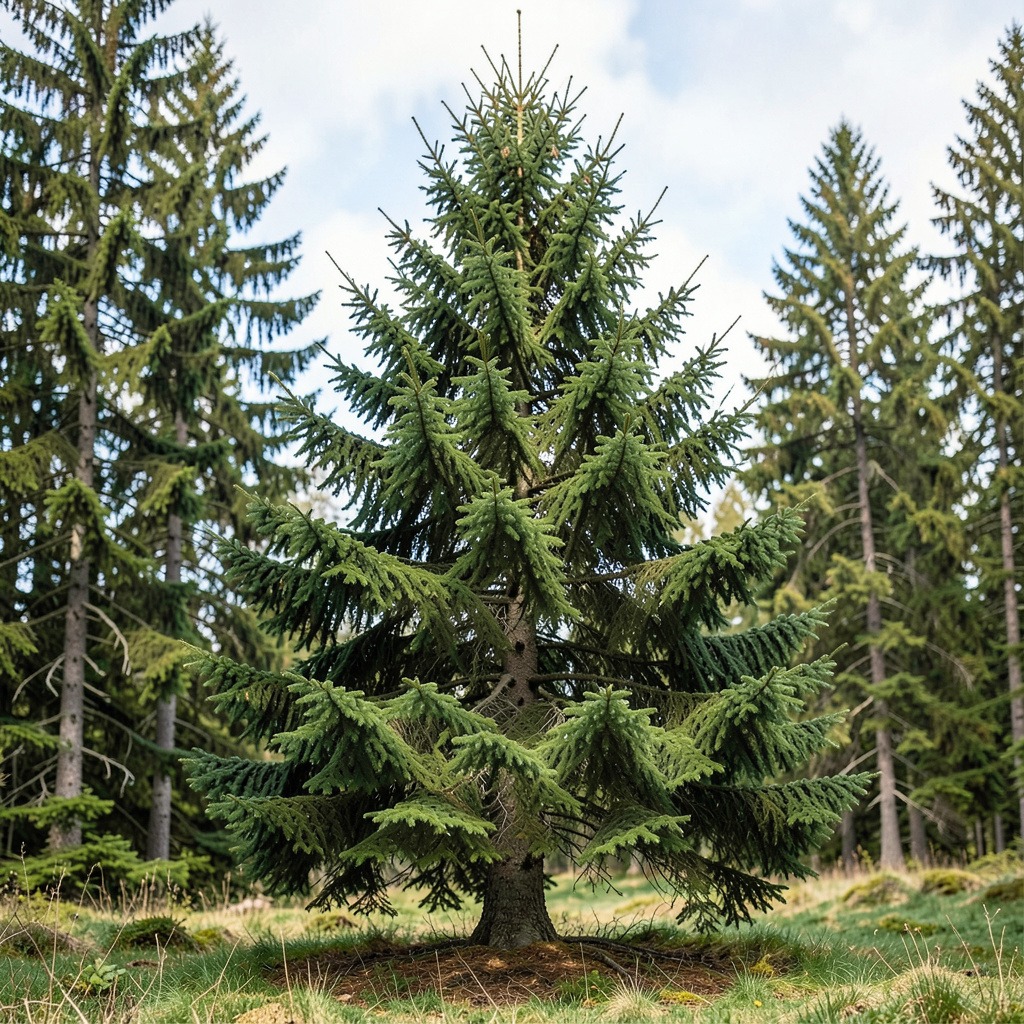
Norway spruce trees offer numerous benefits, making them a popular choice for gardeners and landscapers. Their fast growth, dense foliage, and versatility in landscaping enhance both aesthetic appeal and ecological function.
Fast Growth Rate
Norway spruce trees are known for their rapid growth, often reaching heights of 40 to 60 feet within a decade. This quick maturation allows homeowners to quickly establish privacy screens or windbreaks. For instance, a Norway spruce can grow 2 to 3 feet per year under optimal conditions, making it a practical choice for landscape design.
Dense Foliage for Privacy
The dense, lush foliage of Norway spruce provides excellent privacy. Homeowners can plant these trees in rows to create effective natural barriers between properties. A landscape architect reported that a row of Norway spruces can reduce noise pollution and block wind effectively, enhancing outdoor living spaces. Their thick branches and needles also serve as a habitat for birds, promoting biodiversity.
Versatile Landscaping Uses
Norway spruce is versatile in its landscaping applications. It adapts well to various soil types and can thrive in both urban and rural environments. Use Norway spruce for:
- Windbreaks: Protecting homes from harsh winds.
- Privacy Screens: Creating secluded outdoor areas.
- Ornamental Displays: Adding seasonal visual interest with its conical shape.
In a recent project, a landscaper utilized Norway spruce as a backdrop for a garden, enhancing the overall design while providing shelter for smaller plants. This adaptability makes them an ideal choice for various landscaping needs.
Cons of Norway Spruce Trees
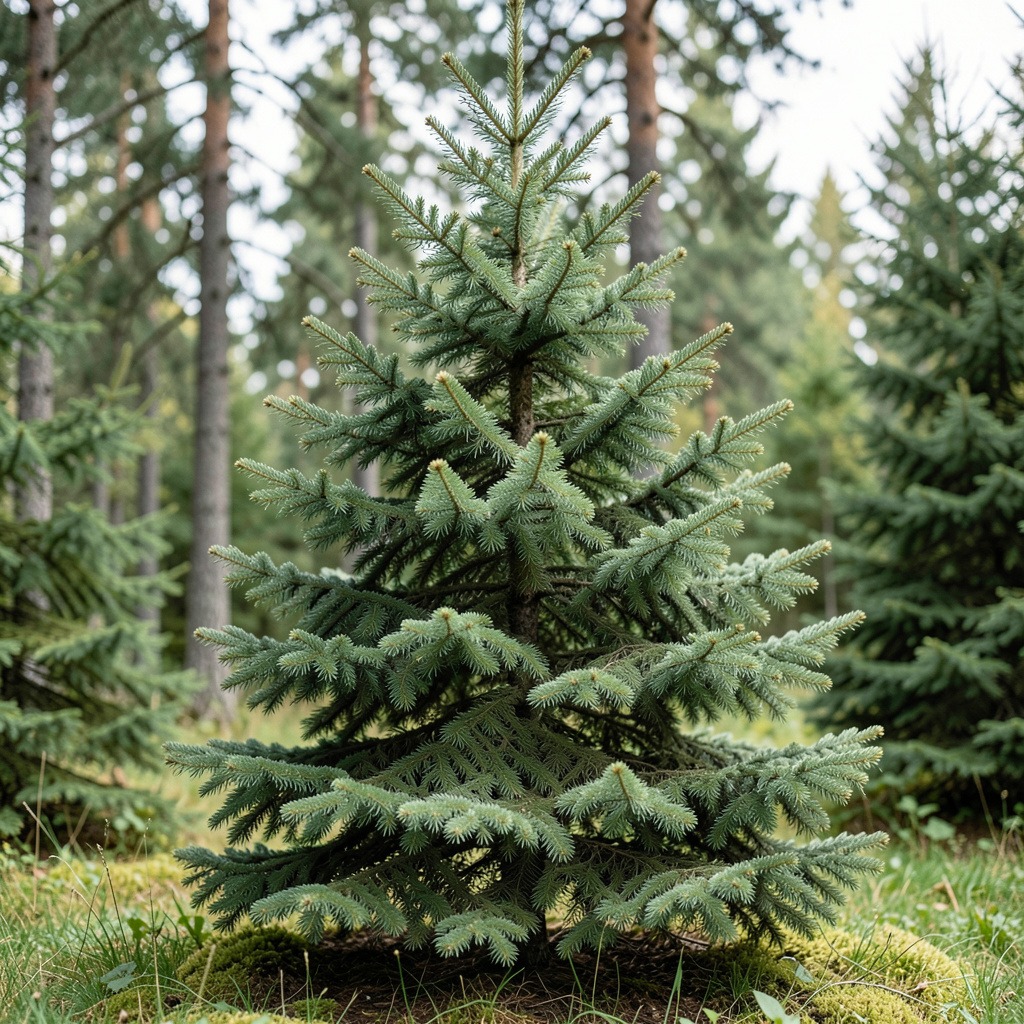
While Norway spruce trees offer many benefits, they also present some challenges that potential growers should consider. These drawbacks include susceptibility to pests and diseases, space requirements, and care challenges.
Pest and Disease Susceptibility
Norway spruce trees are hardy but not immune to pests and diseases. Common issues include:
- Cytospora Canker: A fungal infection that can cause branch dieback.
- Rust: A disease that affects the needles and can weaken the tree.
- Bark Beetles: These pests can invade stressed trees, leading to further decline.
Management strategies are crucial. Regular monitoring and prompt pruning of affected branches can mitigate these issues. Compared to other evergreens like the Eastern White Pine, which also faces pest pressures but has fewer diseases, Norway spruce requires diligent care to maintain health.
Space and Maintenance Requirements
Norway spruce trees can grow quite large, reaching heights of 40 to 60 feet and spreading 25 to 30 feet. This necessitates careful planning regarding spacing. Overcrowding can lead to competition for resources, increasing stress and susceptibility to disease.
- Spacing Guidelines: Allow at least 15 to 20 feet between trees to promote healthy growth and air circulation.
- Maintenance: Regular pruning is essential to manage size and shape, particularly in confined spaces.
Challenges in Poor Soil Conditions
Norway spruce thrives in well-drained soils. However, they struggle in poorly drained or highly alkaline soils, which can lead to root rot or nutrient deficiencies. Consider the following:
- Soil Type: Test soil pH before planting. Ideal conditions range from slightly acidic to neutral (pH of 5.5 to 7.0).
- Drainage: Avoid areas prone to waterlogging.
When establishing Norway spruce, choose a site with optimal soil conditions. If the soil is unsuitable, consider alternative species that are more tolerant of adverse conditions, such as the Black Hills Spruce, which can handle a wider range of soil types.
Planting and Care Tips for Norway Spruce
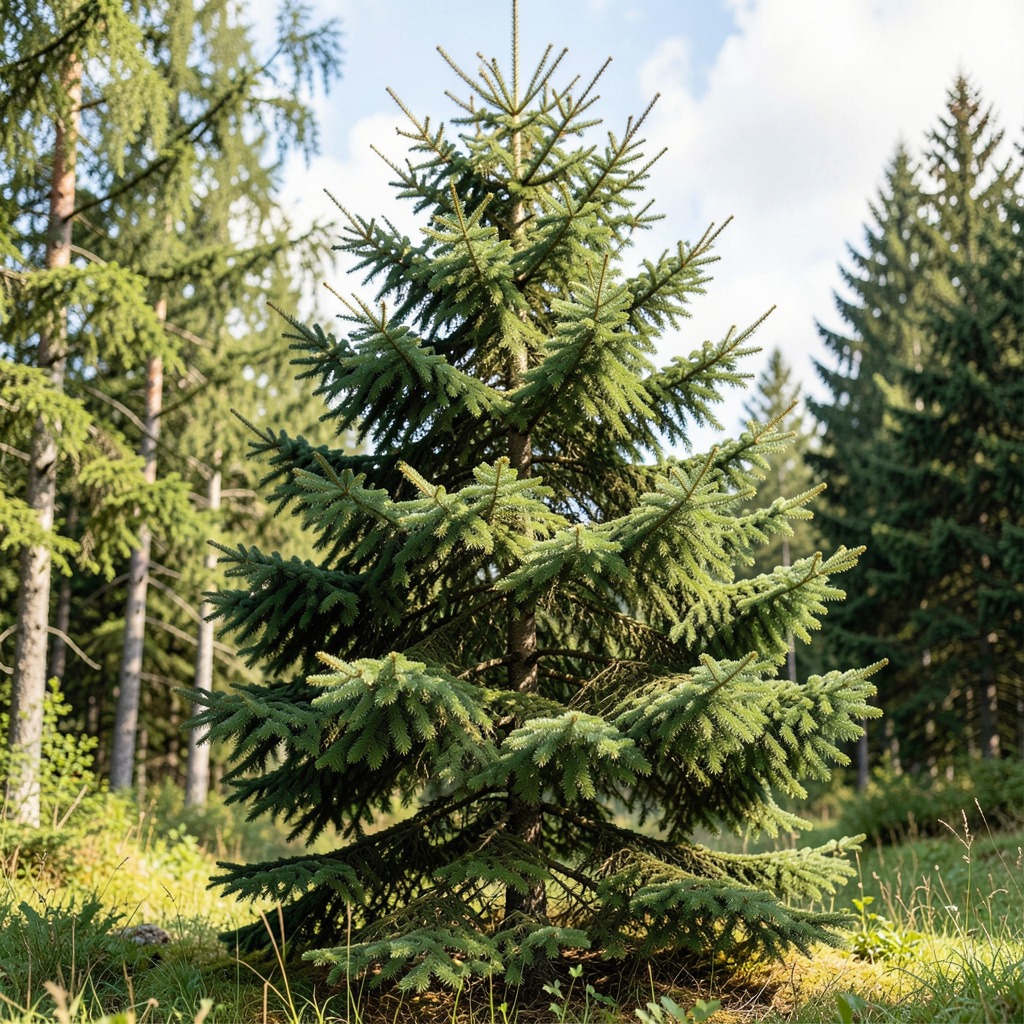
Successfully planting and caring for Norway spruce trees involves understanding their specific needs. By following these guidelines, you can ensure healthy growth and longevity for your trees.
Ideal Planting Conditions
To thrive, Norway spruce requires specific conditions:
- Soil: Test for a pH level between 5.5 and 6.5. Amend soil as needed to maintain this range.
- Drainage: Choose well-drained sites. Avoid areas prone to waterlogging to prevent root rot.
- Sunlight: Select a location that receives full sunlight for at least six hours daily. Shade can stunt growth.
Watering and Fertilization
Proper watering and fertilization are crucial for establishment and growth:
- Watering Schedule: Water newly planted trees deeply once a week during dry spells. Monitor soil moisture using a moisture meter.
- Fertilization: Apply a balanced fertilizer in early spring. Use one with equal parts nitrogen, phosphorus, and potassium (N-P-K) to promote healthy growth.
Common Mistakes to Avoid:
- Overwatering can suffocate roots and lead to disease.
- Under-fertilizing may result in stunted growth and nutrient deficiencies.
Pruning Techniques for Healthy Growth
Regular pruning maintains the health and shape of Norway spruce:
- Timing: Prune in late winter or early spring before new growth begins. This minimizes damage to the tree.
- Techniques: Remove dead, damaged, or crossing branches. Ensure cuts are clean and angled to promote healing.
- Spacing: When planting multiple trees, maintain a distance of 15 to 20 feet apart to allow for mature growth.
Example of Effective Pruning: A homeowner pruned their Norway spruce annually, focusing on removing lower branches. This improved airflow and sunlight penetration, resulting in a healthier tree with vibrant foliage.
By adhering to these planting and care tips, you can enhance the benefits of Norway spruce in your landscape while avoiding common pitfalls.
Comparing Norway Spruce to Other Spruce Varieties
When considering Norway spruce, it’s beneficial to compare its characteristics with other spruce varieties, such as Black Hills spruce. This comparison highlights differences in growth rates, aesthetics, and climate suitability, helping you make informed landscaping decisions.
Black Hills Spruce vs Norway Spruce
| Feature | Norway Spruce | Black Hills Spruce |
|---|---|---|
| Growth Rate | Fast (up to 3 feet per year) | Moderate (1 to 2 feet per year) |
| Height | 40 to 60 feet | 30 to 60 feet |
| Spread | 25 to 30 feet | 10 to 20 feet |
| Needle Color | Bright green | Dark green to blue-green |
| Climate Adaptability | Prefers cooler climates | Thrives in a range of climates, including dry areas |
| Soil Requirements | Well-drained, acidic soils | Tolerates varied soil types |
| Aesthetic Use | Excellent for tall screens | Ideal for smaller spaces and gardens |
Other Alternatives for Landscaping
Besides Norway and Black Hills spruces, consider these alternatives for your landscape:
- White Spruce: Known for its adaptability. It can thrive in less-than-ideal soils and offers a pleasing rounded form.
- Blue Spruce: Features striking blue needles. It is slower-growing but adds vibrant color to landscapes.
- Engelmann Spruce: Good for higher elevations. It has a narrow, conical shape suitable for tight spaces.
Choosing the Right Tree for Your Landscape
To choose the right spruce for your landscape, consider the following:
1. Space Availability: Determine how much room you have for growth.
2. Climate Conditions: Assess your local weather patterns. Choose varieties that withstand your climate.
3. Aesthetic Preferences: Consider color, shape, and overall appearance. Match the tree to your design vision.
For example, if you have a small garden in a drier climate, Black Hills spruce may be the best choice due to its compact size and adaptability. In contrast, if you desire a tall, majestic tree for a larger space, Norway spruce would be a suitable option.
Conclusion: Weighing the Pros and Cons of Norway Spruce
The Norway spruce tree offers a mix of advantages and challenges for gardeners. Understanding these pros and cons will help you decide if this tree fits your gardening goals.
Pros of Norway Spruce
- Fast Growth: Norway spruce can grow quickly, reaching up to 60 feet in height.
- Hardiness: It thrives in cold climates and is resilient to harsh weather conditions.
- Versatile Landscaping: Suitable for windbreaks, privacy screens, and timber production, it serves multiple purposes in landscapes.
- Dense Foliage: The tree’s lush needles provide shelter for wildlife and enhance privacy.
Cons of Norway Spruce
- Space Requirements: At maturity, it needs significant space, which may not suit smaller gardens.
- Pest Susceptibility: Norway spruce is prone to pests like the spruce budworm and diseases such as root rot.
- Soil Conditions: It prefers well-drained, slightly acidic soil and does not thrive in overly wet or alkaline environments.
Decision Framework for Planting Norway Spruce
When considering Norway spruce, evaluate these factors:
1. Available Space: Ensure you have enough area for its mature size.
2. Soil Quality: Test your soil’s pH and drainage capabilities.
3. Purpose: Define whether you want it for aesthetic, functional, or timber purposes.
4. Local Climate: Assess if your climate aligns with its growth requirements.
By weighing these pros and cons, you can make an informed choice about incorporating Norway spruce into your landscape.
Frequently Asked Questions
These quick answers cover the most common questions about this topic, including key details, practical tips, and common concerns.
What are the ideal conditions for planting Norway spruce?
Norway spruce thrives in well-drained, slightly acidic soil with a pH between 5.5 and 6.5. It requires full sun to partial shade, ideally receiving at least six hours of sunlight daily. Ensure the planting site has good drainage, as the tree is susceptible to root rot in waterlogged conditions.
How fast does Norway spruce grow?
Norway spruce is known for its rapid growth, typically reaching heights of 2 to 3 feet per year under optimal conditions. Mature trees can grow between 40 to 60 feet tall and spread 25 to 30 feet wide, making them suitable for large landscapes and privacy screens.
What pests are common to Norway spruce?
Norway spruce can be affected by various pests, including bark beetles and spruce budworms. Additionally, diseases like Cytospora canker and needle rust can weaken the tree. Regular monitoring and prompt management, such as pruning affected branches, are essential for maintaining tree health.
Can Norway spruce be grown in warmer climates?
While Norway spruce prefers cooler climates, it can be grown in warmer areas if the conditions are suitable. Ensure the site has well-drained soil and sufficient moisture. However, consider alternatives like Black Hills spruce, which may be more adaptable to warmer and drier climates.
What is the lifespan of a Norway spruce tree?
Norway spruce can live for over 200 years with proper care. Their longevity makes them a valuable addition to landscapes, providing aesthetic appeal and ecological benefits for generations.
How do I prune a Norway spruce tree?
Prune Norway spruce in late winter or early spring before new growth begins. Focus on removing dead, damaged, or crossing branches to maintain the tree’s shape and health. Make clean cuts to promote healing and ensure adequate spacing between trees for air circulation.
What are the best alternatives to Norway spruce?
If you’re looking for alternatives to Norway spruce, consider Black Hills spruce for smaller spaces or White spruce for adaptability in various soil types. Blue spruce offers striking color and is suitable for ornamental purposes, while Engelmann spruce is ideal for higher elevations.
When is the best time to plant Norway spruce?
The best time to plant Norway spruce is in early spring or fall when the weather is cooler and the soil is moist. This timing allows the tree to establish roots before the heat of summer or the cold of winter, promoting healthy growth.