
The Nuttall oak tree offers numerous benefits, such as rapid growth, drought and flood tolerance, and wildlife support.
Table of Contents
The Nuttall oak tree, known for its impressive size and ecological benefits, is a popular choice for landscaping. Understanding its pros and cons can help you determine if it’s the right tree for your needs and environment.
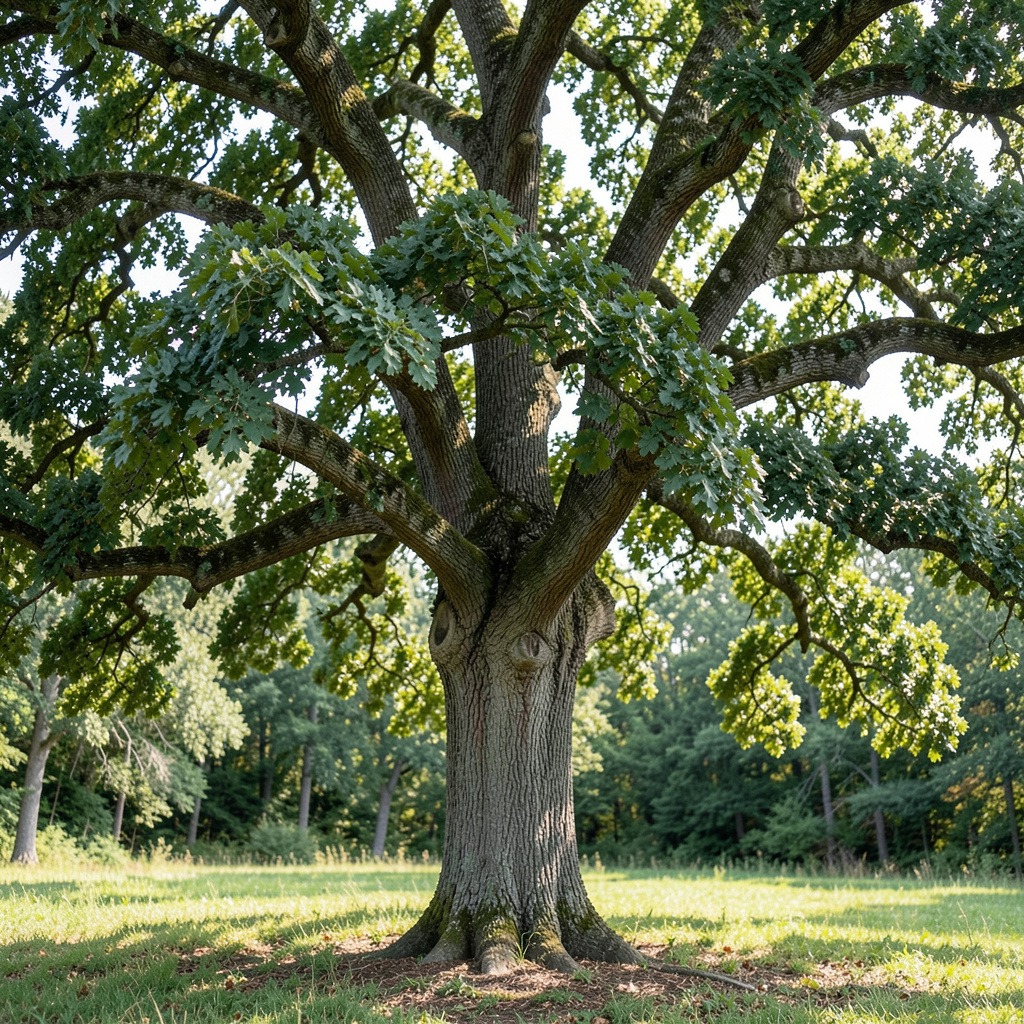
Overview of the Nuttall Oak Tree
The Nuttall oak tree (Quercus nuttallii) is a striking deciduous tree celebrated for its rapid growth and ecological significance. Its ability to thrive in challenging conditions makes it a favored choice for landscaping in various environments.
Scientific Classification and Characteristics
- Scientific Name: Quercus nuttallii
- Common Names: Nuttall Oak, Red Oak
- Height: Typically 70 to 85 feet; can reach up to 100 feet.
- Spread: Approximately 35 to 50 feet.
- Growth Rate: Fast-growing, particularly in its early years.
- Leaf Characteristics: Glossy, dark green leaves that turn brilliant red in the fall.
The Nuttall oak belongs to the red oak group, known for its hardiness and adaptability. Its large acorns are vital for wildlife, making it a keystone species in its native ecosystem.
Native Range and Habitat
Nuttall oak is native to the bottomland forests of the south-central United States, particularly the Mississippi River Valley. It thrives in areas prone to seasonal flooding, often found alongside other wetland species.
- States Found: Alabama, Mississippi, Louisiana, Arkansas, Tennessee, Missouri, Texas, Oklahoma, and Georgia.
- Preferred Habitat: Bottomland hardwood forests, where it tolerates prolonged flooding better than many other oak species.
This adaptability to wet conditions makes the Nuttall oak a valuable option for areas with heavy clay soils or where flooding occurs. Its ecological role includes providing shelter and food for various wildlife species, including deer and turkeys.
Why Choose Nuttall Oak for Landscaping?
Nuttall oak’s combination of aesthetic appeal and environmental benefits supports its popularity in landscaping. Here are key reasons:
- Drought Tolerance: Though primarily a flood-tolerant species, it shows resilience in drought conditions.
- Wildlife Support: Its acorns serve as a food source for numerous animals, enhancing local biodiversity.
- Fall Color: The tree’s striking red foliage in autumn adds visual interest to landscapes.
When considering the Nuttall oak for landscaping, evaluate your local soil and weather conditions. This tree excels in regions where other oak species may struggle, making it a reliable choice for diverse planting scenarios.
Pros of the Nuttall Oak Tree
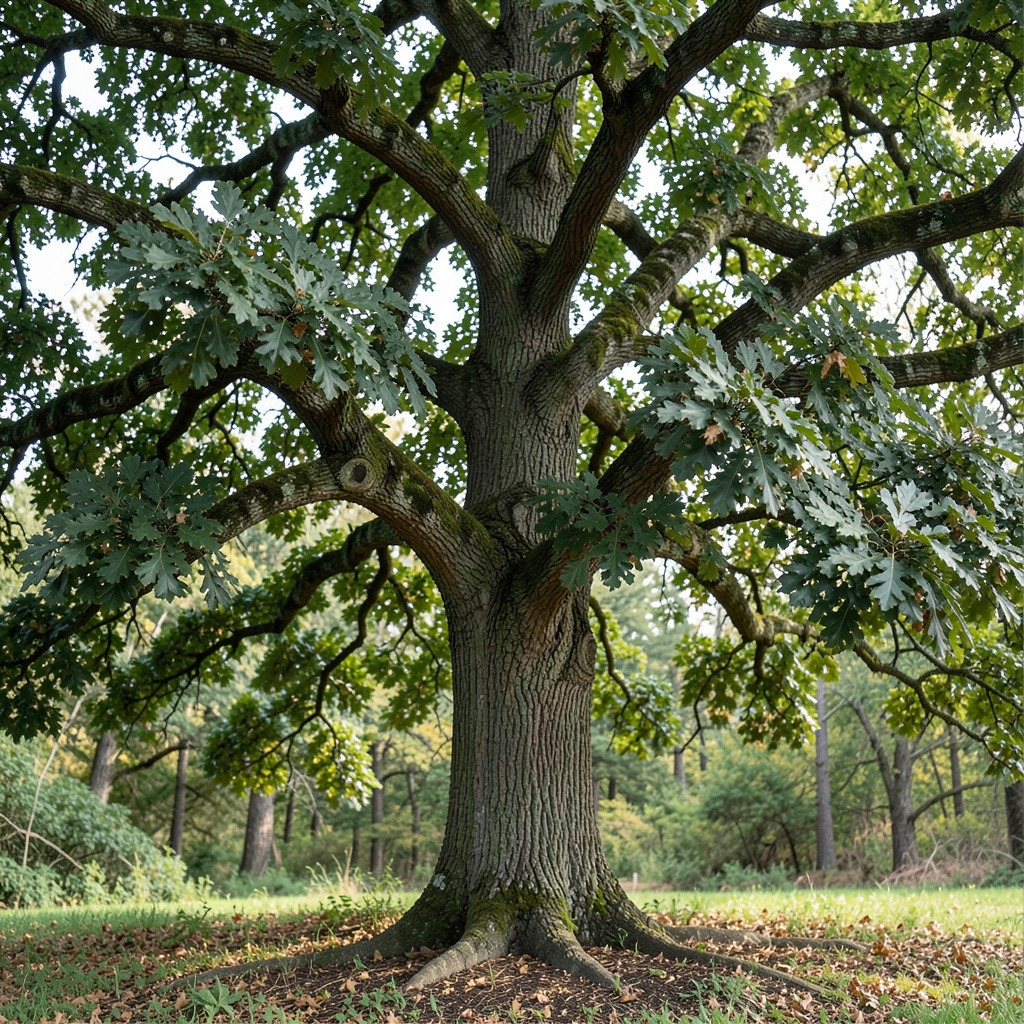
The Nuttall oak tree offers a range of benefits, making it an appealing choice for both landscaping and ecological purposes. Its adaptability to various environmental conditions, aesthetic qualities, and support for wildlife contribute to its popularity.
Aesthetic Appeal and Growth Rate
Nuttall oak trees are known for their striking appearance. They feature a broad, rounded crown and produce vibrant red foliage in the fall, enhancing any landscape.
- Growth Rate: Nuttall oaks grow rapidly, averaging 24 inches per year. They can reach heights of 70 feet, making them suitable for providing shade in large areas.
- Visual Interest: The seasonal color changes, from lush green to brilliant red, add aesthetic value throughout the year.
Environmental Adaptability
Nuttall oaks thrive in diverse environmental conditions, making them a reliable choice for many landscapes.
- Flood Tolerance: They excel in flood-prone areas, tolerating prolonged periods of waterlogging better than most other oak species. This makes them ideal for floodplain plantings.
- Drought Tolerance: Surprisingly, they also show resilience in drier conditions, allowing them to adapt to varying soil moisture levels.
- Soil Adaptability: Nuttall oaks prefer heavy clay soils but can also grow in a range of soil types, making them versatile for different landscaping scenarios.
Wildlife Support and Biodiversity
The Nuttall oak tree plays a significant role in supporting local wildlife, contributing to enhanced biodiversity.
- Acorn Production: Nuttall oaks produce abundant acorns, which serve as a vital food source for various species, including squirrels, deer, and numerous bird species. For instance, studies show that a mature Nuttall oak can produce over 200,000 acorns in a single year, significantly benefiting local fauna.
- Habitat Creation: These trees provide essential cover and nesting sites for birds and other wildlife, promoting a balanced ecosystem in your yard or garden.
By planting Nuttall oaks, you not only enhance your landscape but also create a thriving environment for local wildlife.
Cons of the Nuttall Oak Tree
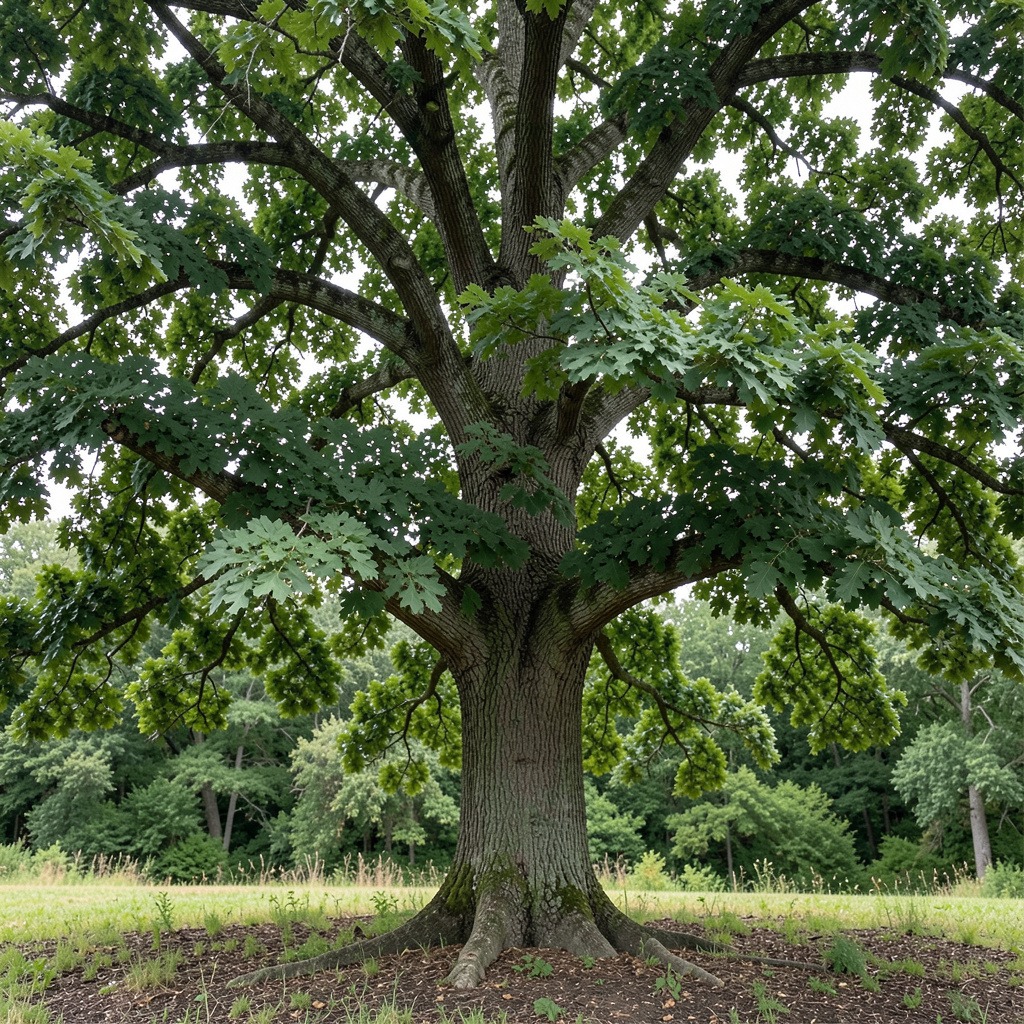
While the Nuttall oak tree offers numerous benefits, it also presents some challenges. Understanding these drawbacks is crucial for successful landscaping and maintenance.
Common Diseases and Pests
Nuttall oaks, while generally resilient, are susceptible to specific diseases and pests. Awareness of these issues can help mitigate potential damage.
- Oak Wilt: A serious fungal disease that affects oak trees. It can spread rapidly and is more prevalent in certain regions. Avoid pruning during the growing season in areas where oak wilt is present to minimize risk.
- Insect Infestations: Nuttall oaks can attract pests such as oak leaf rollers and caterpillars. Regular monitoring for signs of infestation is essential.
- Root Rot: Excessive moisture can lead to root rot, especially in poorly drained soils. Ensure proper drainage around the tree’s root zone.
Maintenance Challenges
Maintaining a Nuttall oak tree requires attention and care. Some common challenges include:
- Pruning Needs: Minimal pruning is needed, but regular inspections for dead or crossing branches are recommended. Prune during late winter to avoid stressing the tree.
- Watering Requirements: While Nuttall oaks tolerate wet conditions, they need adequate moisture during dry spells. Establish a watering schedule based on your local climate.
- Space Considerations: Nuttall oaks require significant space as they mature. Ensure they are planted at least 40 feet away from structures and other large trees to prevent competition and crowding.
Checklist for Managing Common Issues
To keep your Nuttall oak healthy, consider the following checklist:
- [ ] Monitor for oak wilt and avoid summer pruning.
- [ ] Inspect for insect infestations regularly.
- [ ] Ensure proper drainage to prevent root rot.
- [ ] Establish a watering schedule based on seasonal needs.
- [ ] Prune dead or crossing branches in late winter.
- [ ] Plant at least 40 feet away from other trees and structures.
By proactively managing these aspects, you can enjoy the many benefits of the Nuttall oak while minimizing potential drawbacks.
Landscaping Applications of the Nuttall Oak Tree
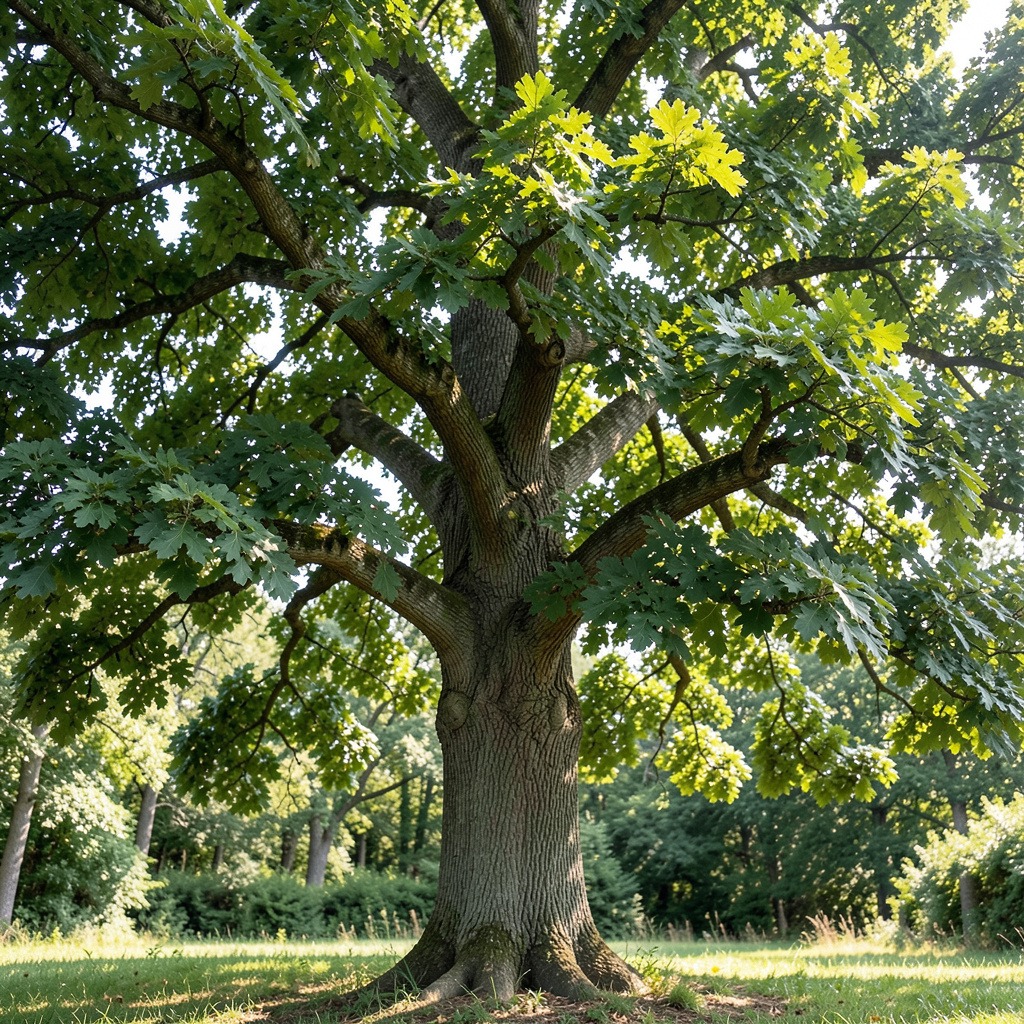
Nuttall oak trees (Quercus nuttallii) are versatile and resilient, making them suitable for various landscaping designs. Their adaptability to wet conditions and impressive growth rate enhance both aesthetic and ecological aspects of gardens and parks.
Ideal Planting Locations
Nuttall oaks thrive in urban and suburban settings, particularly in areas prone to flooding. Consider the following ideal planting locations:
- Flood-prone Areas: Their tolerance for prolonged flooding makes them an excellent choice for floodplains and low-lying areas.
- Heavy Clay Soils: Nuttall oaks perform well in clay soils that may hinder other tree species.
- Parks and Large Yards: Their mature height of 70 to 85 feet provides substantial shade, making them perfect for larger outdoor spaces.
When selecting a planting site, ensure sufficient space for growth. Nuttall oaks can reach widths of 35 to 50 feet, so avoid crowding them with other trees or structures.
Alternatives to Nuttall Oaks for Wet Areas
While Nuttall oaks are exceptional, there are other trees you might consider for similar environments:
- Pin Oak (Quercus palustris): A smaller alternative, pin oak is suitable for northern climates but does not tolerate flooding as well as Nuttall oak.
- Willow Oak (Quercus phellos): This oak thrives in wet soils and offers a similar aesthetic with a slightly different leaf shape.
- Bald Cypress (Taxodium distichum): Though not an oak, bald cypress is an excellent choice for wet areas and provides similar ecological benefits.
By comparing these alternatives, you can choose the best tree for your specific landscaping needs and environmental conditions.
FAQs About the Nuttall Oak Tree
The Nuttall oak tree (Quercus nuttallii) is a popular choice for landscaping due to its fast growth and ecological benefits. Here are some frequently asked questions regarding its care, growth, and environmental impact.
What are the growth characteristics of the Nuttall Oak?
- Growth Rate: Nuttall oak is one of the fastest-growing native oaks, typically growing 2 to 3 feet per year. Under optimal conditions, it can reach heights of 70 feet within a decade.
- Adaptability: This tree thrives in a range of soil types, particularly in wet, clay soils. It also tolerates periodic flooding better than many other oaks.
- Maturity: At full maturity, the Nuttall oak requires ample space, ideally 40 feet away from structures and other large trees.
What maintenance does the Nuttall Oak require?
- Pruning: Minimal pruning is needed. Remove dead or problematic branches in late winter. Avoid heavy pruning during the growing season to prevent stress.
- Mulching: Apply annual mulch around the root zone to promote establishment and enhance long-term health.
- Watering: Ensure consistent moisture, particularly in the first few years after planting.
How does the Nuttall Oak support wildlife?
- Ecological Role: The Nuttall oak provides habitat and food for various wildlife species. Its acorns are a vital food source for birds, squirrels, and deer.
- Biodiversity: It often grows alongside other native species, contributing to a diverse ecosystem in bottomland hardwood forests.
What are the environmental considerations for planting Nuttall Oak?
- Flood Tolerance: Nuttall oak is ideal for areas prone to flooding. Its ability to withstand saturated soils makes it a reliable choice for floodplain planting.
- Disease Resistance: It is generally resistant to common oak diseases, but oak wilt remains a concern in certain regions. Avoid pruning when oak wilt is present.
How does Nuttall Oak compare to other oaks?
- Versus Pin Oak: Unlike pin oak, which has a more northern range and does not tolerate flooding as well, Nuttall oak is better suited for the deeper South and prolonged wet conditions.
- Versus Willow Oak: While willow oak also thrives in wet soils, Nuttall oak grows faster and offers a more robust shade canopy.
Understanding these aspects of the Nuttall oak tree will help you determine whether it is the right choice for your landscaping needs.
Frequently Asked Questions
These quick answers cover the most common questions about this topic, including key details, practical tips, and common concerns.
What is the ideal soil for Nuttall oak trees?
Nuttall oak trees thrive in heavy clay soils but are adaptable to various soil types. They prefer moist, well-drained conditions and can tolerate periodic flooding. When planting, ensure the soil has good drainage to prevent root rot while still retaining enough moisture.
How to care for a Nuttall oak in urban settings?
In urban environments, Nuttall oaks require special attention to their watering and space needs. Ensure they are planted at least 40 feet away from buildings and other large trees to allow for their mature size. Regular watering during dry spells is crucial, especially in the establishment phase. Mulching around the base can help retain moisture and suppress weeds.
When is the best time to plant a Nuttall oak?
The best time to plant a Nuttall oak is during the early spring or fall when temperatures are moderate. This timing allows the tree to establish roots before the heat of summer or the cold of winter sets in. Avoid planting during extreme weather conditions to promote healthy growth.
What are common problems with Nuttall oaks?
Common issues affecting Nuttall oaks include oak wilt, root rot from excessive moisture, and infestations from pests like oak leaf rollers. Regular monitoring for signs of disease or pests is essential. Pruning during the dormant season can help prevent the spread of oak wilt.
How tall do Nuttall oaks grow?
Nuttall oaks typically grow to heights of 70 to 85 feet, with some specimens reaching up to 100 feet under optimal conditions. Their rapid growth rate, averaging 2 to 3 feet per year, makes them an excellent choice for providing shade in larger landscapes.
What wildlife benefits from Nuttall oaks?
Nuttall oaks are a vital food source for various wildlife, particularly their acorns. Animals such as squirrels, deer, and numerous bird species rely on these acorns for sustenance. In addition, the tree provides habitat and nesting sites, promoting biodiversity in the surrounding ecosystem.
Nuttall oak vs. other oak species: How do they compare?
Compared to other oak species, Nuttall oaks excel in flood tolerance and growth rate. For instance, while pin oaks are suitable for northern climates, they do not handle flooding as well. Willow oaks also thrive in wet conditions but typically grow slower than Nuttall oaks, making Nuttall a superior choice for rapid growth and wetland environments.
What are alternatives to Nuttall oak for wet areas?
If you’re seeking alternatives to Nuttall oak for wet areas, consider the Pin Oak or Willow Oak, both of which are also suited for moist conditions. The Bald Cypress is another excellent option, providing similar ecological benefits while being well-adapted to saturated soils. Each of these alternatives offers unique characteristics that may fit different landscaping needs.