
The Nuttall Oak offers significant benefits such as rapid growth and wildlife support, but it also has drawbacks like acorn drop and space requirements.
Table of Contents
The Nuttall Oak (Quercus nuttallii) is a popular choice for landscaping due to its aesthetic appeal and ecological benefits. This guide explores the key pros and cons of this tree, helping you make informed decisions for your garden or property.
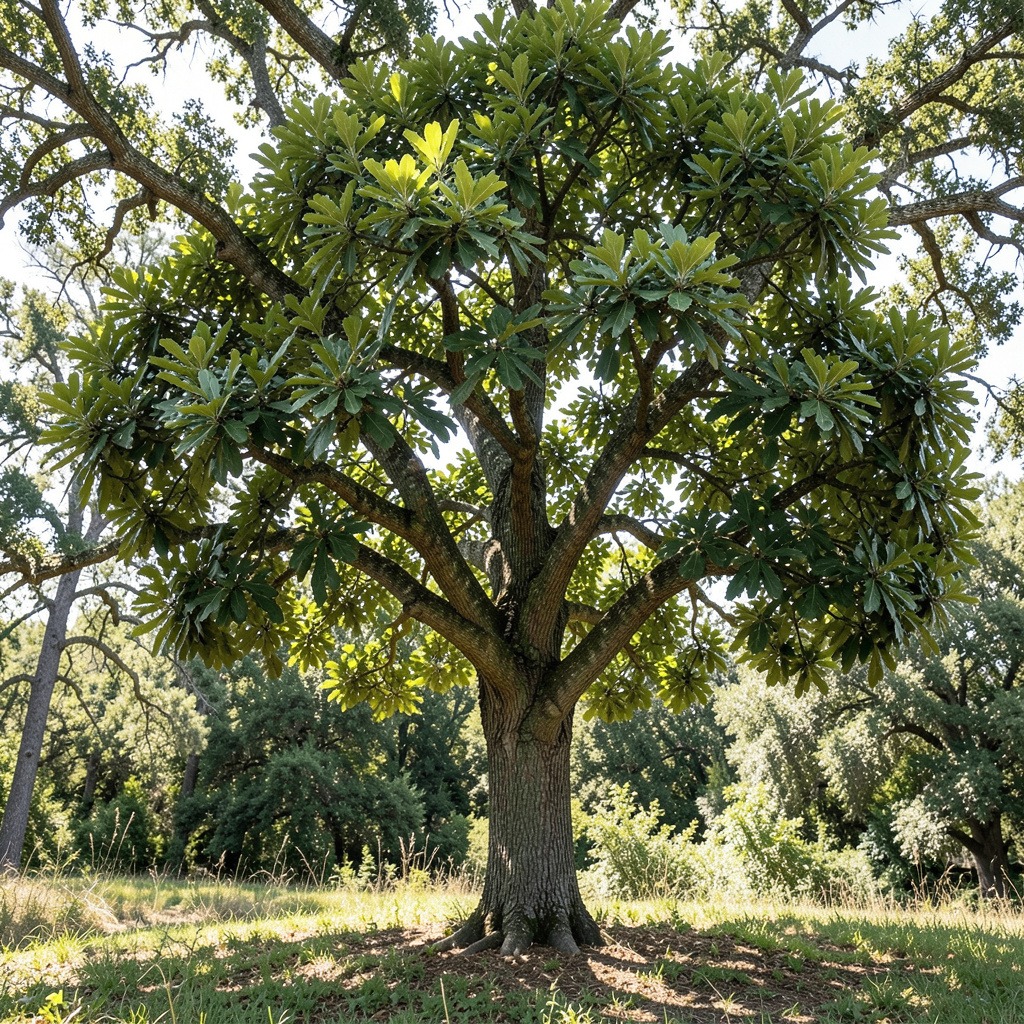
Overview of Nuttall Oak Characteristics
The Nuttall Oak (Quercus nuttallii) is distinguished by its impressive size, rapid growth, and unique adaptations to its native environment. Understanding its characteristics helps in assessing its suitability for landscaping and ecological purposes.
Physical Characteristics
Nuttall Oaks can reach heights of 70 to 85 feet, occasionally growing up to 100 feet. They feature a broad, rounded crown that provides ample shade. The leaves are lobed and glossy, changing to vibrant red and orange in the fall. This tree also produces large acorns, which are a vital food source for wildlife.
- Height: 70-100 feet
- Crown Shape: Broad and rounded
- Leaf Shape: Lobed, glossy
- Fall Color: Red to orange
- Acorn Size: Large
Environmental Needs
Nuttall Oaks thrive in wet, bottomland environments. They are well-suited for areas that experience seasonal flooding. These trees prefer well-drained, loamy soils but can tolerate a variety of soil types, including clay.
- Soil Type: Well-drained loamy to clay soils
- Moisture Requirement: High; tolerates prolonged flooding
- Sunlight: Full sun to partial shade
Growth Rate and Lifespan
Nuttall Oaks exhibit a fast growth rate, often adding 2 to 3 feet in height each year under optimal conditions. These trees can live for over 100 years, providing long-term benefits to landscapes. Proper care, including mulching and minimal pruning, enhances their growth and lifespan.
- Growth Rate: 2-3 feet per year
- Lifespan: Over 100 years
- Maintenance: Minimal pruning; beneficial to mulch annually
By understanding these characteristics, you can make informed decisions about incorporating Nuttall Oaks into your landscape while considering their ecological benefits and care requirements.
Pros of Nuttall Oak
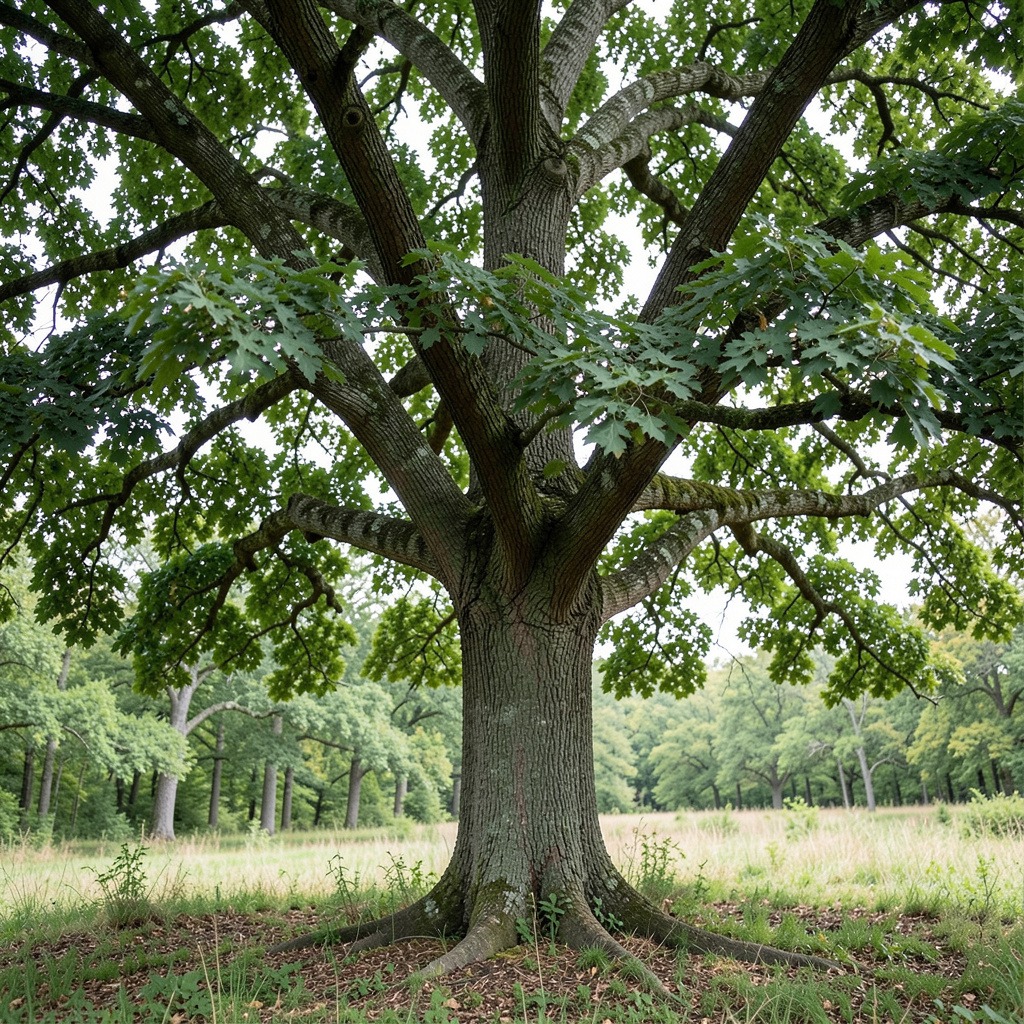
Nuttall Oak (Quercus nuttallii) offers numerous benefits for landscaping and ecological health. Its fast growth, aesthetic appeal, and adaptability make it a popular choice for both urban and rural environments.
Aesthetic Appeal and Fall Colors
Nuttall Oaks provide significant visual interest throughout the year. Their lush green foliage transforms into stunning shades of red and orange in the fall, enhancing any landscape. This seasonal display attracts attention and can complement a variety of architectural styles.
- Year-Round Interest: Dense foliage provides shade in summer.
- Fall Foliage: Brilliant colors draw admiration and enhance property value.
Wildlife Support and Habitat
Nuttall Oaks play a crucial role in supporting local wildlife. They produce abundant acorns, serving as a vital food source for various species, including deer, turkeys, and squirrels. Additionally, their broad canopy offers shelter for birds and small mammals.
- Food Source: Acorns attract wildlife, enhancing biodiversity.
- Habitat: Provides nesting sites for birds and shelter for small animals.
Fast Growth and Adaptability
One of the standout features of Nuttall Oaks is their rapid growth. They can add 2 to 3 feet in height each year, making them an excellent choice for quick shade and beauty. Furthermore, Nuttall Oaks thrive in diverse soil conditions, including clay and areas prone to flooding.
- Growth Rate: 2-3 feet per year allows for quick landscape impact.
- Soil Tolerance: Adapts well to various soil types, including wetter conditions.
Maintenance Tips
While Nuttall Oaks are relatively low-maintenance, certain practices can enhance their health and longevity:
- Mulching: Apply mulch annually to retain moisture and suppress weeds.
- Pruning: Conduct minimal pruning to remove dead or damaged limbs, preferably in late winter.
By considering these benefits and care tips, homeowners and landscapers can effectively integrate Nuttall Oaks into their environments, maximizing their ecological contributions and aesthetic value.
Cons of Nuttall Oak
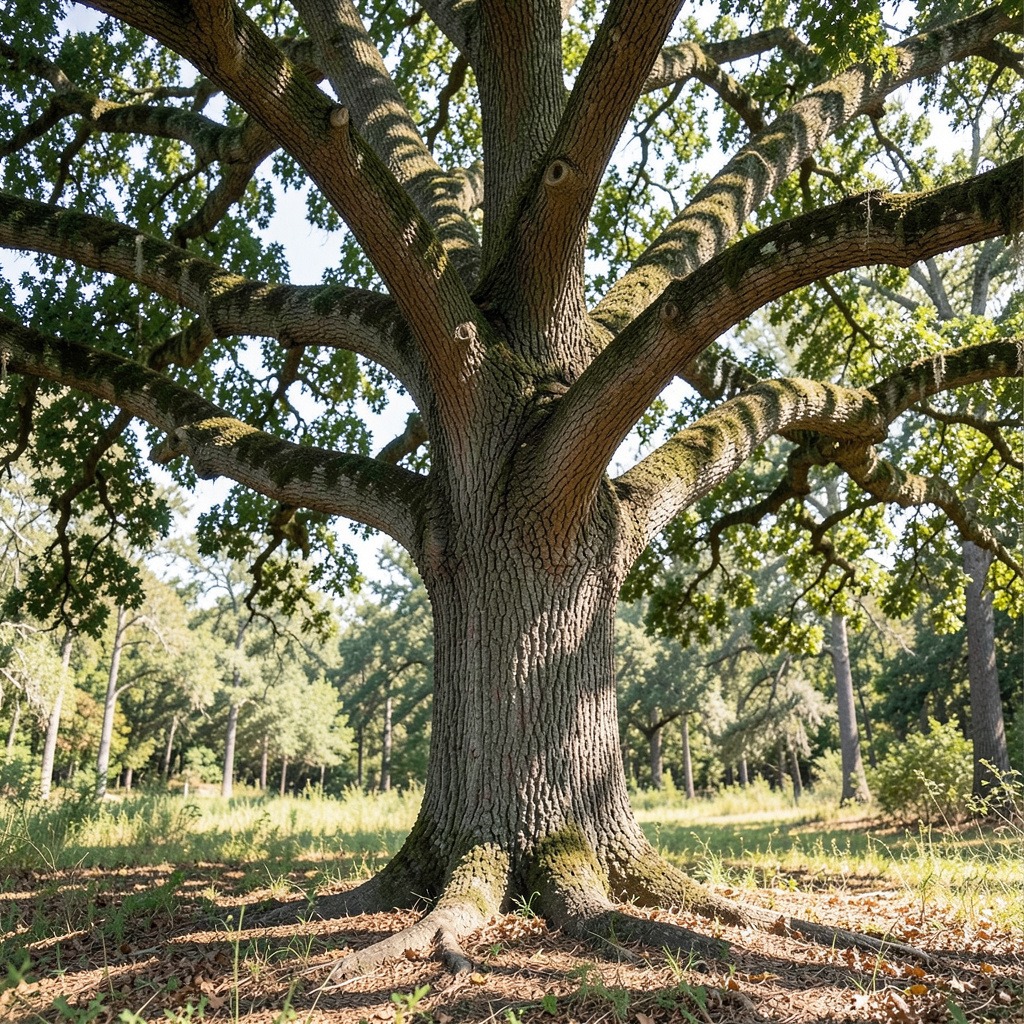
While the Nuttall Oak offers many benefits, it also presents certain drawbacks. Understanding these cons is vital for effective planning and maintenance.
Acorn Drop and Cleanup
Nuttall Oaks produce acorns, which serve as a food source for wildlife. However, this can lead to seasonal cleanup challenges. Acorns may accumulate in yards, driveways, or patios, creating a mess. Regular maintenance is necessary to manage this debris, especially in urban settings where aesthetics matter.
Space Requirements and Growth Limitations
Nuttall Oaks can grow quite large, reaching heights of 50 to 80 feet. This vertical growth requires ample space. Homeowners should consider the following:
- Root Spread: A mature Nuttall Oak can have a root spread of 30 to 50 feet. This requires careful planning to avoid interference with structures, sidewalks, or underground utilities.
- Canopy Size: As the tree matures, its broad canopy can shade nearby plants, potentially hindering their growth.
Disease Susceptibility and Maintenance Challenges
While Nuttall Oaks are generally resilient, they are not immune to pests and diseases. Common issues include:
- Oak Wilt: A fungal disease that can affect oak trees, including Nuttall Oaks. Early detection and treatment are crucial to prevent spread.
- Pests: Although relatively pest-resistant, Nuttall Oaks can still attract insects like oak borers, which may require monitoring and intervention.
Comparison with Other Oak Species
When considering Nuttall Oaks, it’s useful to compare them with other oak species. For example:
| Oak Species | Acorn Production | Space Requirements | Disease Resistance |
|---|---|---|---|
| Nuttall Oak | High | Large | Moderate |
| Pin Oak | Moderate | Moderate | High |
| Live Oak | High | Very Large | Moderate |
This table illustrates that while Nuttall Oaks are prolific acorn producers, they may require more space than species like Pin Oak, which has higher disease resistance.
Evaluating these factors will help in making an informed decision when incorporating Nuttall Oaks into your landscape.
Maintaining Your Nuttall Oak
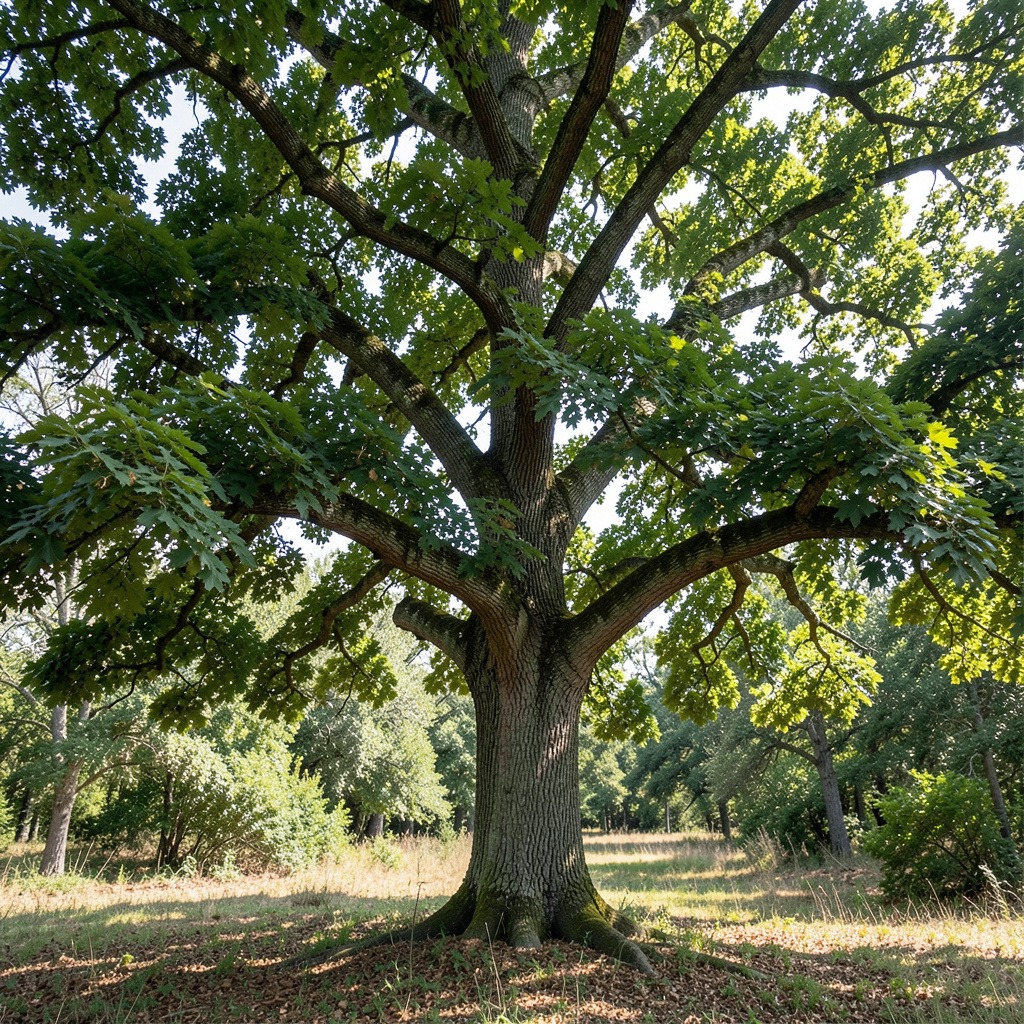
Proper care is essential for the health and longevity of your Nuttall Oak (Quercus nuttallii). This section outlines effective planting, watering, and pruning practices to ensure robust growth and vitality.
Planting Tips and Best Practices
1. Timing: Plant Nuttall Oaks in the fall or early spring for optimal establishment.
2. Location: Choose a site with ample space; these trees need at least 40 feet from structures and other large trees.
3. Soil Preparation: Dig a wide, shallow hole. Use native soil for backfilling to encourage root development.
4. Support: Stake the tree lightly for the first year if necessary, but remove stakes after one growing season.
Watering and Soil Needs
- Watering Frequency: Water newly planted Nuttall Oaks weekly during dry spells for the first growing season.
- Soil Type: These trees thrive in moist, well-drained soils, making them suitable for flood-prone areas. They tolerate longer flooding than many other oaks, providing resilience in wet conditions.
- Mulching: Apply mulch around the root zone, extending to the drip line, to retain moisture and suppress weeds.
Pruning and Seasonal Care
- Pruning Timing: Conduct minimal pruning in late winter. Remove only dead, damaged, or crossing branches.
- Avoid Summer Pruning: This can stress the tree and increase vulnerability to diseases like oak wilt, especially in affected areas.
- Growth Monitoring: Regularly check for pests and diseases. Nuttall Oaks are generally resistant but remain vigilant for potential threats.
Maintenance Checklist
- [ ] Plant in fall or early spring.
- [ ] Ensure at least 40 feet of space.
- [ ] Use native soil for planting.
- [ ] Water weekly during dry spells for the first year.
- [ ] Apply mulch around the base.
- [ ] Prune in late winter, avoiding summer cuts.
By following these care tips, you can enhance the health and beauty of your Nuttall Oak, ensuring it thrives in your landscape.
Nuttall Oak vs. Other Oak Species
The Nuttall Oak (Quercus nuttallii) stands out among oak species for its unique characteristics and adaptability. Understanding how it compares to other common oaks can help you make informed decisions for landscaping and ecological purposes.
Growth Rates and Patterns
Nuttall Oak is renowned for its rapid growth, often reaching heights of 50 to 70 feet within a few decades. In contrast, other oak species, such as the Pin Oak (Quercus palustris), generally grow slower and may take longer to reach maturity.
- Nuttall Oak: Fast growth, 50-70 feet tall, thrives in wetter conditions.
- Pin Oak: Moderate growth, 40-60 feet tall, prefers well-drained sites.
- White Oak (Quercus alba): Slow growth, can exceed 80 feet, thrives in dry, well-drained soils.
Environmental Adaptability
Nuttall Oak excels in flood-prone areas, showing remarkable resilience to prolonged wet conditions. This adaptability sets it apart from many other oaks.
- Nuttall Oak: Tolerates flooding; suited for bottomland forests.
- Swamp White Oak (Quercus bicolor): Also flood-tolerant but has a more limited range.
- Live Oak (Quercus virginiana): Prefers coastal environments and is drought-resistant but struggles in flooding conditions.
Aesthetic Differences
The aesthetic appeal of Nuttall Oak lies in its brilliant fall color and strong structure, which can enhance landscape designs significantly.
| Oak Species | Growth Rate | Fall Color | Structure | Best Use |
|---|---|---|---|---|
| Nuttall Oak | Fast | Bright red/brown | Strong, upright | Shade, wildlife habitat |
| Pin Oak | Moderate | Yellow-bronze | Pyramidal | Street planting |
| White Oak | Slow | Reddish-brown | Spreading canopy | Large landscape features |
Key Takeaways
- Nuttall Oak is ideal for wet environments and offers rapid growth and vibrant fall colors.
- Pin Oak is suitable for urban settings but has slower growth and a different aesthetic.
- Each oak species has unique ecological benefits, making them suitable for varied landscape goals.
When selecting oaks for your landscape, consider these differences carefully to ensure the best fit for your environmental conditions and aesthetic preferences.
Conclusion: Is Nuttall Oak Right for You?
The Nuttall Oak (Quercus nuttallii) presents a mix of advantages and disadvantages for landscaping. Understanding these factors will help you determine if it suits your specific needs.
Pros of Nuttall Oak
- Rapid Growth: Nuttall Oaks establish quickly, providing shade sooner than many other species.
- Flood Tolerance: This tree thrives in wetter conditions, making it ideal for flood-prone areas.
- Wildlife Habitat: It supports local wildlife by offering acorns and shelter.
- Aesthetic Appeal: The tree showcases vibrant fall colors, enhancing landscape beauty.
Cons of Nuttall Oak
- Space Requirements: Nuttall Oaks need ample room to grow, making them unsuitable for small yards.
- Maintenance Needs: Regular care is necessary to maintain its health and appearance.
- Potential Pests: Like other oaks, it may attract pests such as oak wilt or borers.
Decision Framework: Is Nuttall Oak Suitable for You?
When choosing a Nuttall Oak, consider the following:
1. Site Conditions: Assess if your landscape has the wetness and space the tree requires.
2. Aesthetic Goals: Determine if the vibrant fall colors align with your design vision.
3. Wildlife Considerations: If supporting local wildlife is a priority, the Nuttall Oak is an excellent choice.
Example Scenario
For homeowners in flood-prone regions seeking quick shade and wildlife support, the Nuttall Oak is an ideal candidate. Conversely, if you have a small urban yard, this species may not be suitable due to its size and space requirements.
By weighing these factors, you can make an informed decision on whether the Nuttall Oak aligns with your landscaping goals.
Frequently Asked Questions
These quick answers cover the most common questions about this topic, including key details, practical tips, and common concerns.
What is the ideal soil type for Nuttall Oak?
Nuttall Oaks thrive in well-drained loamy soils but are highly adaptable. They can tolerate clay soils and even areas prone to flooding. This flexibility makes them suitable for various landscapes, especially in wetter regions.
How tall does a Nuttall Oak grow?
Nuttall Oaks can reach impressive heights of 70 to 100 feet. Their broad, rounded crown provides ample shade, making them a popular choice for landscaping in larger spaces where height and canopy cover are desired.
What wildlife benefits from Nuttall Oak?
Nuttall Oaks are vital for local wildlife. They produce large acorns, which serve as a food source for deer, turkeys, and squirrels. Additionally, their expansive canopy provides shelter and nesting sites for various bird species and small mammals.
How often should I water a Nuttall Oak?
Newly planted Nuttall Oaks should be watered weekly during dry spells for the first growing season. Once established, they are relatively drought-tolerant, but regular watering during prolonged dry periods can help maintain their health.
What are the signs of disease in Nuttall Oaks?
Common signs of disease in Nuttall Oaks include wilting leaves, discoloration, and premature leaf drop. Oak wilt, a serious fungal disease, can also manifest as leaves turning brown and falling off. Regular monitoring and early intervention are crucial to managing these issues.
Can Nuttall Oaks be planted in small yards?
Nuttall Oaks are not ideal for small yards due to their large size and extensive root systems. They require ample space to grow, typically needing at least 40 feet from structures and other trees. For smaller areas, consider alternative shade trees that remain more compact.
What is the lifespan of a Nuttall Oak tree?
Nuttall Oaks can live for over 100 years, making them a long-term investment for your landscape. With proper care, including mulching and minimal pruning, these trees can thrive and provide ecological benefits for generations.
What are alternatives to Nuttall Oak for shade trees?
If you’re looking for alternatives to Nuttall Oak for smaller spaces or different environmental conditions, consider trees like the Red Maple or the Eastern Redbud. Both offer beautiful foliage and shade while being more suitable for limited areas compared to the expansive Nuttall Oak.