
The Okame cherry tree offers striking beauty with early spring blooms but has vulnerabilities such as pest infestations and specific care needs, making it essential for gardeners to weigh its advantages against potential challenges.
Table of Contents
The Okame cherry tree is a popular choice among gardeners for its stunning pink blossoms in early spring. However, like any ornamental tree, it has its pros and cons. Understanding these can help you decide if it’s the right fit for your landscape.
Understanding the Okame Cherry Tree
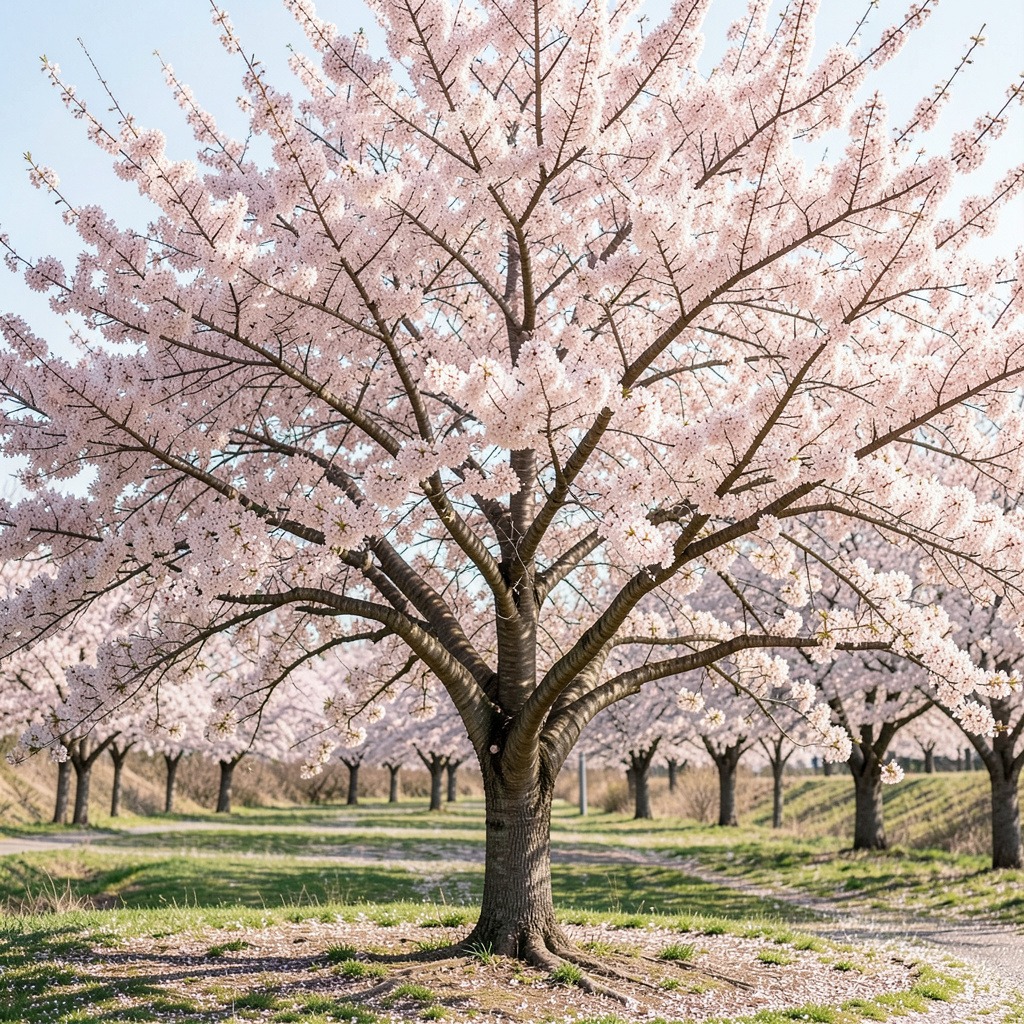
The Okame cherry tree, scientifically known as Prunus x incam, is a captivating ornamental tree prized for its early spring blooms. Its unique characteristics and historical background make it a favored choice for gardeners seeking vibrant seasonal interest.
Origin and Breeding
The Okame cherry tree was developed in the early 20th century by Collingwood ‘Cherry’ Ingram, a British ornithologist and plant collector. His aim was to create a tree that combined the beauty of the Taiwan cherry’s carmine-pink flowers with greater cold tolerance. This breeding process resulted in a resilient tree that thrives in various climates, making it a suitable candidate for diverse landscapes.
Physical Characteristics
The Okame cherry tree is relatively small, typically reaching heights of 15 to 25 feet. It features:
- Upright Vase-Shaped Canopy: This shape provides a graceful silhouette, ideal for visual appeal.
- Reddish-Brown Bark: The bark adds texture and interest, even when the tree is not in bloom.
- Glossy Green Leaves: These leaves complement the vibrant flowers and provide a lush backdrop during the growing season.
Blooming Season and Colors
One of the most striking features of the Okame cherry tree is its blooming period. It typically flowers in early spring, often 2 to 4 weeks before other cherry varieties, such as the Yoshino or Kwanzan cherries. The flowers:
- Color: Display candy-floss pink hues that brighten gardens.
- Duration: Last for up to three weeks, providing an extended period of visual delight.
- Pollinator Attraction: The blossoms attract various pollinators, enhancing garden biodiversity.
Incorporating the Okame cherry tree into your landscape offers not only aesthetic benefits but also supports local wildlife. When selecting a planting location, consider its cold hardiness and flowering timing to maximize your garden’s spring display.
Pros of Planting an Okame Cherry Tree
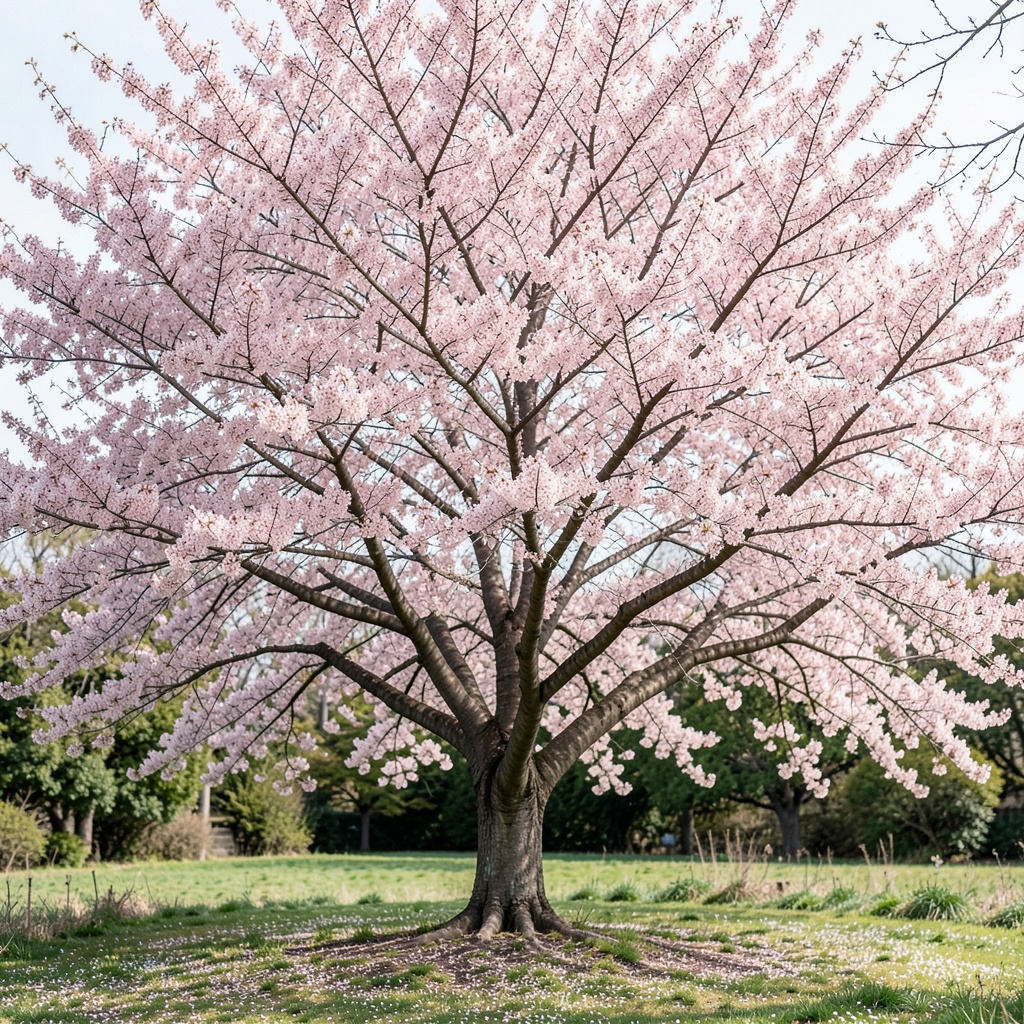
The Okame cherry tree offers numerous advantages for gardeners, from its stunning aesthetics to its ecological contributions. Understanding these benefits is essential for anyone considering this ornamental tree for their landscape.
Early Spring Blooms
One of the most notable benefits of the Okame cherry tree is its early spring bloom.
- Vibrant Color: The blossoms exhibit vibrant pink hues, which create a striking visual impact in any garden.
- Extended Bloom Duration: The flowers typically last for up to three weeks, providing a prolonged display of beauty.
- Early Pollinator Engagement: Early blooms attract pollinators like bees and butterflies, fostering biodiversity in the garden.
Compact Size for Urban Gardens
The Okame cherry tree generally maintains a compact size, making it ideal for urban settings.
- Space Efficiency: With a mature height of about 15 to 25 feet, it fits well in smaller yards and city landscapes.
- Versatile Planting: Its smaller stature allows for versatile landscaping options, such as along walkways or in courtyard gardens.
Attracts Pollinators
Planting an Okame cherry tree contributes positively to the local ecosystem.
- Biodiversity Support: The tree attracts various pollinators, enhancing the ecological balance within your garden.
- Food Source: The blossoms provide an early food source for bees, critical in their lifecycle.
Ecological Benefits
Beyond aesthetics, the Okame cherry tree offers substantial ecological benefits.
- Soil Health: Its root system can improve soil structure and prevent erosion.
- Carbon Sequestration: As a growing tree, it captures carbon dioxide, contributing to cleaner air.
By incorporating an Okame cherry tree into your garden, you enhance its visual appeal while supporting local wildlife and improving the ecosystem. The combination of beauty, size, and ecological contributions makes this tree a worthwhile addition to any landscape.
Cons of Planting an Okame Cherry Tree
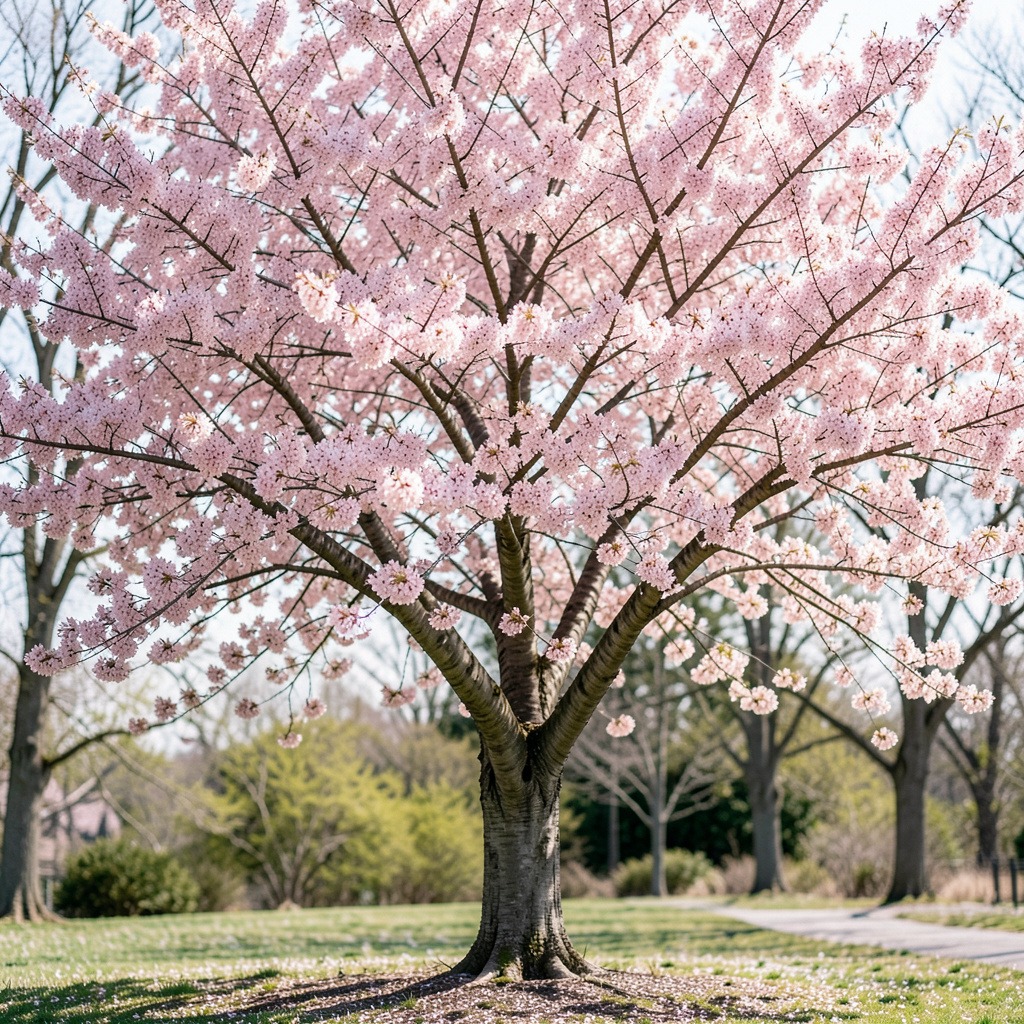
While the Okame cherry tree offers stunning blooms and ecological benefits, it also presents certain challenges for gardeners. Understanding these drawbacks is crucial for making an informed decision.
Pest and Disease Susceptibility
Okame cherry trees are not immune to pests and diseases. They can attract aphids, spider mites, and scale insects, which may affect their health. Fungal diseases such as powdery mildew and cherry leaf spot can also arise, particularly in humid conditions. Regular monitoring and intervention are necessary to maintain tree health.
Checklist for Pest and Disease Management:
- Inspect leaves and branches for signs of infestation.
- Use insecticidal soap or neem oil for pest control.
- Ensure proper air circulation to reduce fungal growth.
- Remove and dispose of affected leaves to prevent spreading.
Specific Care Requirements
These trees thrive in full sunlight and well-draining soil. However, they require consistent care. Newly planted Okame cherry trees need frequent watering, especially in the first few months. As they mature, their water needs decrease, but they still require regular attention to maintain health.
Care Tips:
- Water newly planted trees twice a week.
- Apply mulch to retain moisture and suppress weeds.
- Prune in late winter to shape the tree and remove dead branches.
Limited Lifespan
Okame cherry trees have a relatively short lifespan compared to other tree varieties, typically living between 20 to 30 years. This limitation may deter some gardeners who desire long-lasting landscape features. Choosing the right location and providing proper care can maximize the lifespan, but it remains a consideration for potential planters.
Decision Rule:
- If long-term investment is a priority, consider other cherry varieties with longer lifespans, such as the Yoshino cherry tree.
By weighing these cons against the pros, gardeners can make a well-informed decision about incorporating Okame cherry trees into their landscapes.
Common Problems and Solutions for Okame Cherry Trees
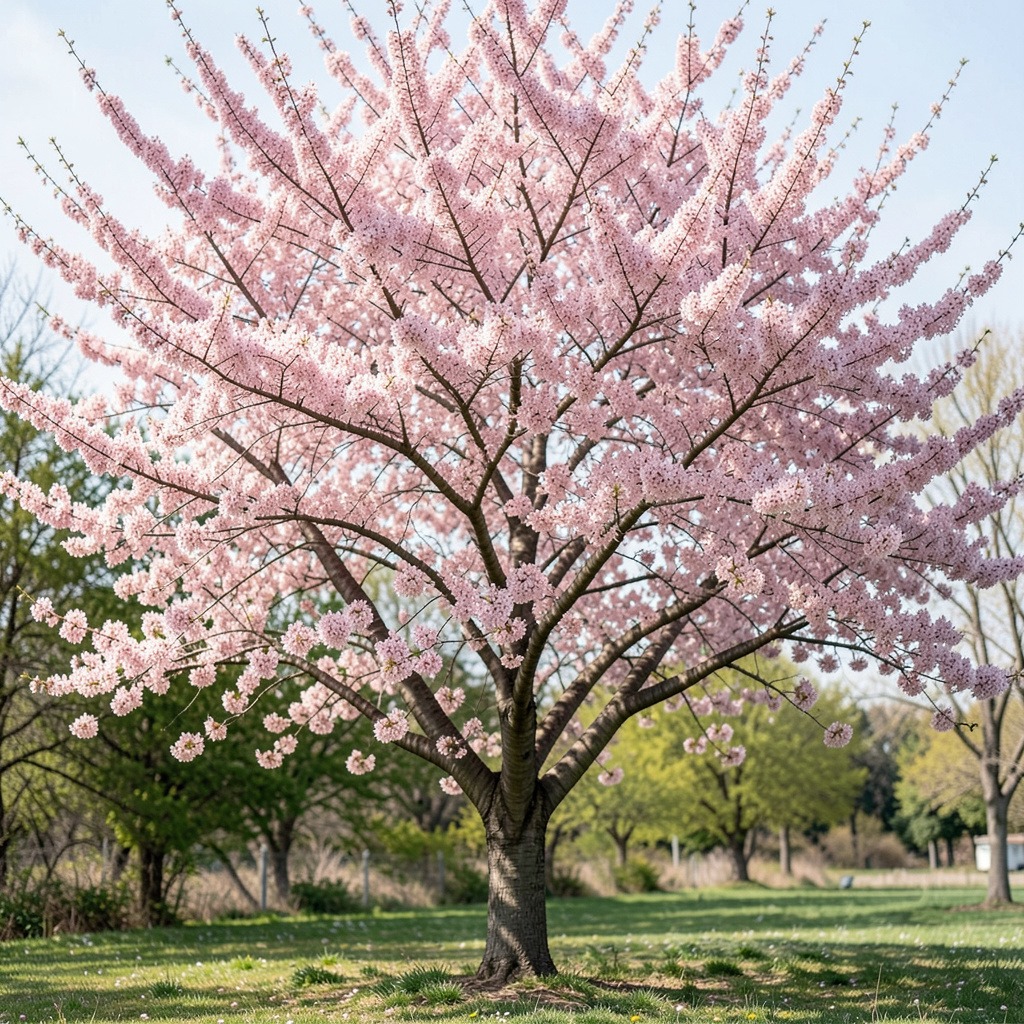
Okame cherry trees, while beautiful, can encounter several issues that affect their health and appearance. Understanding these common problems and their solutions can help you maintain a thriving tree.
Identifying Pests
Okame cherry trees are susceptible to various pests, including aphids, spider mites, and cherry fruit flies. These pests can cause leaf damage and reduce the tree’s vigor.
- Aphids: Small, soft-bodied insects that suck plant juices. Look for curled leaves and sticky residue (honeydew).
- Spider Mites: Tiny arachnids that create fine webbing. Check for speckled foliage and webbing on branches.
- Cherry Fruit Flies: Larvae can damage fruit if present. Monitor for small, dark flies around the tree.
Solution: Regularly inspect your tree. Use insecticidal soap or neem oil for treatment. Introduce beneficial insects like ladybugs to control aphid populations.
Addressing Fungal Diseases
Fungal diseases can compromise the health of Okame cherry trees. Common issues include powdery mildew and leaf spot.
- Powdery Mildew: A white, powdery fungus that appears on leaves. It thrives in humid conditions.
- Leaf Spot: Brown or black spots on leaves, often leading to premature leaf drop.
Solution: Ensure good air circulation around the tree. Prune dense areas and avoid overhead watering. For treatment, apply fungicides at the first sign of disease.
Seasonal Care Tips
Proper seasonal care is crucial for the health of Okame cherry trees. Follow these guidelines based on seasonal changes:
- Spring: Fertilize with a balanced fertilizer as buds begin to swell. Water deeply to support blooming.
- Summer: Monitor for pests and diseases. Maintain a 3-inch layer of mulch to retain moisture.
- Fall: Remove fallen leaves to prevent disease. Consider light pruning to shape the tree.
- Winter: Protect young trees with burlap or mulch against harsh conditions.
Example: A gardener in a temperate climate reported that applying a layer of mulch in late spring significantly reduced weed competition and improved moisture retention, leading to more robust blooms.
By being proactive in identifying pests and addressing diseases, and by following seasonal care tips, you can enhance the beauty and longevity of your Okame cherry tree.
Comparing Okame Cherry Trees with Other Cherry Varieties
When considering the Okame cherry tree for your garden, it’s essential to compare it with other popular ornamental cherry varieties. This analysis helps highlight the unique features and requirements of each type.
Okame vs. Yoshino Cherry
The Yoshino cherry (Prunus x yedoensis) is famous for its beautiful pale pink blooms and is often planted in large numbers for spectacular displays. Here’s how it compares with the Okame cherry:
- Bloom Time:
- Okame: Early spring, often before leaves emerge.
- Yoshino: Mid to late spring.
- Flower Color:
- Okame: Bright pink, almost candy-floss in appearance.
- Yoshino: Soft pink to white, more delicate.
- Size:
- Okame: Typically smaller, reaching 20-25 feet tall.
- Yoshino: Can grow up to 30-40 feet tall.
- Growth Habit:
- Okame: More compact and rounded.
- Yoshino: Spreading branches, creating a wide canopy.
Okame vs. Kwanzan Cherry
The Kwanzan cherry (Prunus serrulata ‘Kwanzan’) is another popular choice, known for its double-pink flowers. Here’s a comparison:
- Bloom Time:
- Okame: Early spring blooms.
- Kwanzan: Late spring, often peaking in May.
- Flower Density:
- Okame: Single-layer blossoms.
- Kwanzan: Double-layer, fuller flowers.
- Foliage:
- Okame: Smaller leaves that emerge after blooms.
- Kwanzan: Larger leaves that provide more shade.
- Height:
- Okame: Generally smaller, around 20-25 feet.
- Kwanzan: Larger, reaching 30 feet or more.
Pros and Cons Summary Table
| Feature | Okame Cherry | Yoshino Cherry | Kwanzan Cherry |
|---|---|---|---|
| Bloom Time | Early Spring | Mid to Late Spring | Late Spring |
| Flower Color | Bright Pink | Soft Pink to White | Double Pink |
| Height | 20-25 feet | 30-40 feet | 30 feet or more |
| Growth Habit | Compact and Rounded | Spreading Canopy | Upright and Dense |
| Foliage | Smaller, late bloom | Larger, early bloom | Larger, early bloom |
By understanding these differences, you can make a more informed decision when choosing the right cherry tree for your landscape. For instance, if you desire a smaller tree with early blooms, the Okame cherry may be the ideal choice. Conversely, for larger spaces requiring shade and more dramatic spring displays, the Yoshino or Kwanzan varieties may be preferable.
Seasonal Interest and Landscape Uses for Okame Cherry Trees
Okame cherry trees bring beauty and vibrancy to landscapes across all seasons. Their unique characteristics make them a versatile choice for various garden designs.
Spring Blooms and Summer Foliage
In early spring, Okame cherry trees showcase breathtaking pink and white blossoms. These flowers emerge before most other cherry varieties, often two to four weeks earlier. This early bloom provides a stunning visual display, marking the arrival of warmer weather.
- Blooming Period: Mid-March to early April.
- Flower Color: Candy floss-pink with a delicate fragrance.
- Summer Foliage: Dark green leaves provide a lush backdrop once the flowers fade.
These attributes make Okame cherries ideal for creating focal points in gardens or lining walkways. They work well in combination with other spring-blooming plants like daffodils or tulips.
Fall Colors
As autumn approaches, Okame cherry trees transition into vibrant fall colors. The leaves turn shades of yellow and orange, adding warmth to the landscape.
- Fall Foliage: Bright yellow and orange hues.
- Seasonal Contrast: The fall colors complement late-blooming perennials, creating visual interest even as the growing season winds down.
This seasonal transition enhances the tree’s value in landscape design, ensuring year-round appeal.
Year-Round Visual Interest
Okame cherry trees are not just about seasonal blooms. Their structure and form contribute to landscape aesthetics throughout the year.
- Winter Structure: The tree’s rounded canopy and sturdy branches create a striking silhouette against the winter sky.
- Landscape Use: Ideal for small gardens, parks, and urban settings. They can also be used in mixed borders or as standalone specimens.
For instance, consider planting an Okame cherry near a patio or outdoor seating area. Its early blooms can be enjoyed during gatherings, while its fall colors provide a warm backdrop for autumn events.
These trees also serve as excellent focal points in landscape designs, where their seasonal changes can be highlighted effectively. By integrating Okame cherry trees, gardeners can create dynamic and engaging outdoor spaces that change with the seasons.
User Experiences and Testimonials
Understanding the practical aspects of growing Okame cherry trees can be enhanced by real user experiences. Here, we explore the positive and challenging aspects based on testimonials from various gardeners.
Positive Experiences
Many gardeners praise Okame cherry trees for their stunning early blooms. Here are some common highlights from user feedback:
- Vibrant Spring Blooms: Users report being thrilled by the abundant pink flowers that appear as early as February in warmer climates.
- Landscape Appeal: Gardeners appreciate the tree’s ability to serve as a focal point. One user noted, “My Okame cherry tree became the highlight of my garden during spring, drawing compliments from neighbors.”
- Low Maintenance: Several testimonials mention the tree’s resilience. One gardener shared, “I hardly need to do anything. They thrive with minimal effort.”
Challenges Faced
While many enjoy their Okame cherry trees, some challenges have been reported:
- Sensitivity to Pests: Users have noticed susceptibility to pests such as aphids and cherry fruit flies. A gardener remarked, “I had to implement a pest control routine as they attracted unwanted visitors.”
- Disease Risks: Some gardeners faced issues with leaf spot diseases. One shared, “I lost a few leaves to disease, but regular monitoring helped manage it.”
- Space Requirements: A few users indicated that the trees require ample space to grow. “I initially planted mine too close to the house, which hindered its full growth potential,” one user cautioned.
Tips from Experienced Growers
Experienced gardeners often offer valuable advice for successfully growing Okame cherry trees:
- Choose the Right Location: Select a sunny spot with well-drained soil. This promotes healthy blooms and reduces disease risk.
- Regular Pruning: Prune annually to maintain shape and remove any dead or diseased wood. This encourages better air circulation and overall tree health.
- Watering Practices: Ensure consistent watering, especially during dry spells. However, avoid overwatering, as it can lead to root rot.
By incorporating these insights and tips, prospective gardeners can navigate the pros and cons of planting Okame cherry trees with greater confidence.
Frequently Asked Questions
These quick answers cover the most common questions about this topic, including key details, practical tips, and common concerns.
How big do Okame cherry trees get?
Okame cherry trees typically reach heights of 15 to 25 feet at maturity. They have a compact, upright vase-shaped canopy that makes them suitable for smaller gardens and urban landscapes. Their moderate size allows for versatile planting options, such as along walkways or in courtyards.
What is the average lifespan of an Okame cherry tree?
The average lifespan of an Okame cherry tree ranges from 20 to 30 years. This is relatively short compared to other cherry varieties, which can live longer. Proper care and maintenance can help maximize their lifespan, but if you’re looking for a long-term investment, consider other cherry species with extended longevity.
What should you not plant near cherry trees?
When planting near Okame cherry trees, avoid species that compete for nutrients and space. Plants like large shrubs or trees can overshadow them, hindering their growth. Additionally, avoid planting other cherry varieties nearby to reduce the risk of cross-pollination and pest issues that can arise from similar species.
What are some common problems that an Okame Cherry Tree is prone to?
Okame cherry trees are susceptible to pests such as aphids, spider mites, and cherry fruit flies. These pests can damage leaves and reduce the tree’s vigor. Fungal diseases like powdery mildew and leaf spot are also common, especially in humid conditions. Regular monitoring and timely interventions, such as insecticidal treatments, can help manage these issues effectively.
When is the best time to plant an Okame cherry tree?
The best time to plant an Okame cherry tree is in early spring or fall. Planting in spring allows the tree to establish its roots before the heat of summer, while fall planting gives it a head start before winter dormancy. Ensure the ground is workable and the tree is placed in a sunny location with well-drained soil for optimal growth.
How do I care for my Okame cherry tree during winter?
To care for your Okame cherry tree during winter, apply a layer of mulch around the base to insulate the roots and retain moisture. If you live in an area with harsh winters, consider wrapping the trunk with burlap to protect it from extreme cold and wind. Regularly check for any signs of damage or pests during the winter months.
What is the best soil for planting Okame cherry trees?
Okame cherry trees thrive in well-draining soil with a pH level between 6.0 and 7.0. Sandy loam is ideal, as it provides good drainage while retaining some moisture. Amending the soil with organic matter can enhance its structure and fertility, promoting healthy root development and overall tree growth.
How can I attract pollinators to my Okame cherry tree?
To attract pollinators to your Okame cherry tree, consider planting companion flowers nearby. Species like lavender, bee balm, and coneflowers can draw in bees and butterflies. Additionally, avoid using pesticides during the blooming season, as they can harm beneficial insects. Creating a diverse garden with various flowering plants will enhance pollinator activity around your tree.