
The Pagoda Dogwood tree offers aesthetic beauty and wildlife benefits but may struggle with pests and specific soil requirements.
Table of Contents
The Pagoda Dogwood tree (Cornus alternifolia) is a visually striking addition to gardens, known for its unique tiered branching and seasonal interest. However, potential gardeners should weigh its benefits against maintenance challenges and environmental needs for optimal growth.
Understanding the Pagoda Dogwood Tree
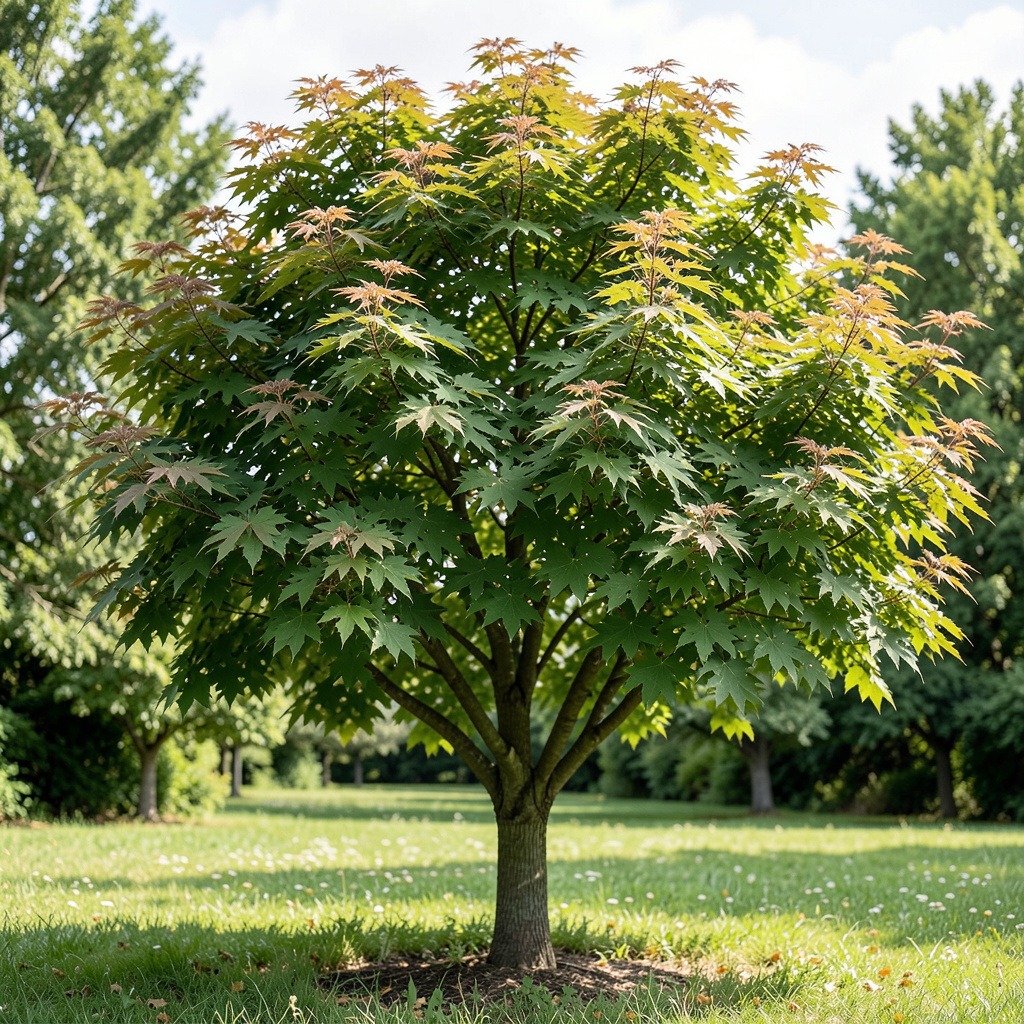
The Pagoda Dogwood (Cornus alternifolia) is a native deciduous tree known for its distinctive tiered branching structure and ornamental appeal. This tree thrives in the understory of mixed hardwood forests, making it an excellent choice for shaded landscapes.
Scientific Classification and Native Habitat
- Family: Cornaceae
- Genus: Cornus
- Species: C. alternifolia
The Pagoda Dogwood is primarily found in the eastern United States and southeastern Canada. It thrives in moist, well-drained soils and prefers partial to full shade. This adaptability to various soil types enhances its appeal for landscaping in diverse environments.
Distinctive Characteristics
The Pagoda Dogwood features:
- Tiered Branching: Its unique horizontal layering gives the tree a pagoda-like silhouette.
- Leaf Arrangement: Unlike most dogwoods, its leaves are alternately arranged, creating a striking visual effect.
- Seasonal Interest: In spring, the tree produces delicate creamy-white flowers, followed by small fruits that mature from crimson to black in late summer.
These characteristics make the Pagoda Dogwood not only visually appealing but also beneficial for wildlife, providing habitat and food sources.
Wildlife Interactions
The Pagoda Dogwood serves as an essential resource for various wildlife species. Its flowers attract pollinators such as bees, while the fruits provide sustenance for birds and small mammals. This tree plays a vital role in enhancing biodiversity in your garden.
By considering these unique features, gardeners can better understand the Pagoda Dogwood’s role in their landscapes and weigh its pros and cons effectively.
Pros of Planting Pagoda Dogwood Trees
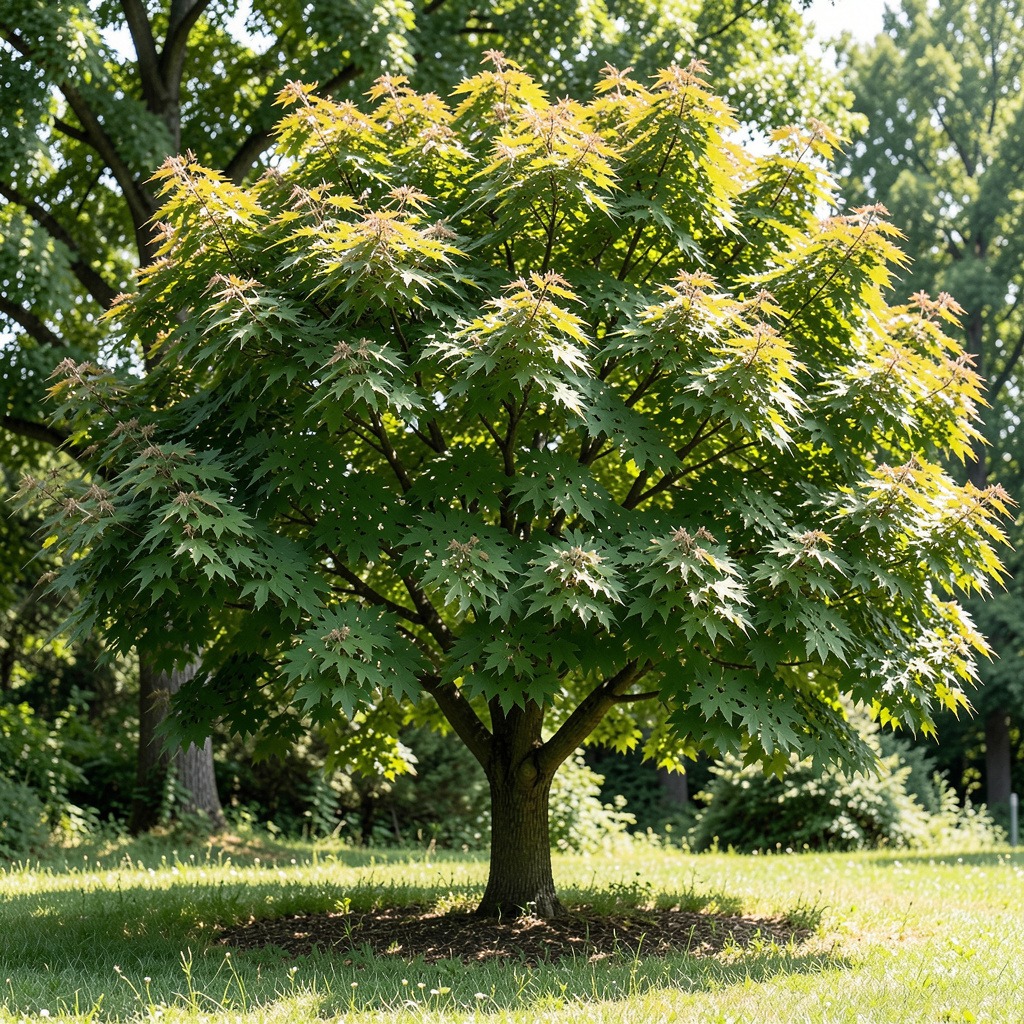
The Pagoda Dogwood (Cornus alternifolia) offers numerous benefits that make it a valuable addition to any landscape. Its aesthetic appeal, environmental contributions, and low maintenance requirements highlight its advantages for gardeners.
Aesthetic Appeal and Landscaping Value
Pagoda Dogwood trees are renowned for their unique tiered branching structure, which creates an attractive silhouette. Their creamy white flowers bloom in late spring, providing a striking visual display. In the fall, the foliage transforms into vibrant shades of yellow, enhancing seasonal beauty.
- Visual Interest: The tree’s horizontal branching adds depth to garden designs.
- Versatile Size: Typically growing 15 to 25 feet tall, they fit well in small to medium landscapes.
- Seasonal Changes: The seasonal color changes and flower displays offer year-round interest.
Environmental Benefits and Wildlife Attraction
Pagoda Dogwoods play a significant role in supporting local ecosystems. They attract a variety of wildlife, providing essential resources.
- Pollinator Support: The flowers are particularly attractive to bees and other pollinators.
- Fruit for Birds: The small berries that mature in late summer are a valuable food source for birds and small mammals.
- Biodiversity Enhancement: Planting Pagoda Dogwoods can increase local biodiversity, creating a thriving habitat for various species.
Example Scenario
Consider a garden space that aims to attract pollinators and birds. Integrating Pagoda Dogwood trees can enhance biodiversity while offering visual appeal. The combination of flowers and berries makes these trees an excellent choice for wildlife-friendly landscaping.
Low Maintenance Requirements
Pagoda Dogwoods are relatively easy to care for, making them suitable for both novice and experienced gardeners.
- Minimal Pruning: These trees do not require extensive pruning, which saves time and effort.
- Soil Adaptability: They thrive in well-drained, moist soils and can tolerate a range of pH levels, reducing the need for soil amendments.
- Drought Resistance: Once established, Pagoda Dogwoods are fairly drought-resistant, requiring less frequent watering compared to other species.
This combination of aesthetic value, environmental contributions, and ease of maintenance makes the Pagoda Dogwood an excellent choice for enhancing landscapes and supporting local wildlife.
Cons of Pagoda Dogwood Trees
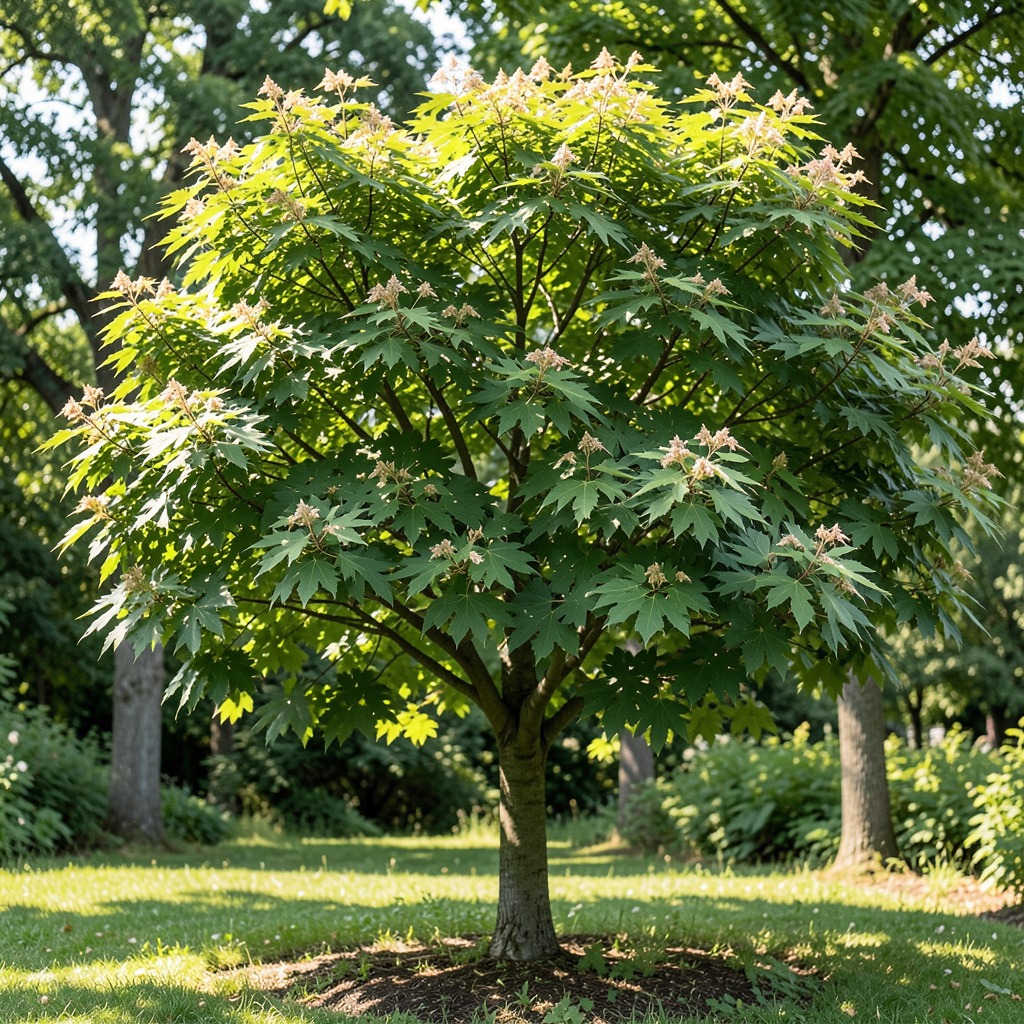
While Pagoda Dogwood trees offer various benefits, they also come with notable drawbacks. Understanding these cons is essential for any gardener considering their addition to a landscape.
Susceptibility to Pests and Diseases
Pagoda Dogwoods are vulnerable to several pests and diseases that can threaten their health. Common issues include:
- Dogwood Anthracnose: This fungal disease causes leaf spots and dieback, severely impacting growth.
- Powdery Mildew: A fungal infection that presents as a white coating on leaves, it can weaken the tree.
- Scale Insects: These pests can suck the sap from the tree, leading to stunted growth and yellowing leaves.
To manage these issues effectively, regular monitoring is key. Early detection of pests can prevent significant damage. Applying appropriate fungicides and maintaining good air circulation through pruning can help combat these threats.
Specific Soil and Water Needs
Pagoda Dogwoods require specific soil conditions to thrive. They prefer:
- Well-drained, moist soil: This minimizes the risk of root rot.
- Slightly acidic pH: Soil that is too alkaline can hinder growth.
In terms of water needs, while they are drought-resistant once established, they still require consistent moisture during dry spells. Neglecting these soil and water requirements can lead to stress and increased susceptibility to diseases.
Growth Limitations and Lifespan
Pagoda Dogwoods generally have a moderate growth rate and can reach heights of up to 30 feet. However, their growth can be influenced by environmental factors such as soil quality and sunlight exposure. Key limitations include:
- Slow growth: It may take several years for the tree to reach its full height, which can be a drawback for those seeking immediate impact.
- Lifespan: Pagoda Dogwoods typically live for about 30 years. This relatively short lifespan may prompt gardeners to consider long-term alternatives.
When selecting a tree for your landscape, weigh these growth factors against your specific needs and aesthetic goals. A checklist for evaluating whether a Pagoda Dogwood suits your garden might include:
- Assess soil drainage and pH.
- Evaluate sunlight exposure in your planting area.
- Consider the long-term landscaping vision and desired tree lifespan.
Care and Maintenance of Pagoda Dogwood Trees
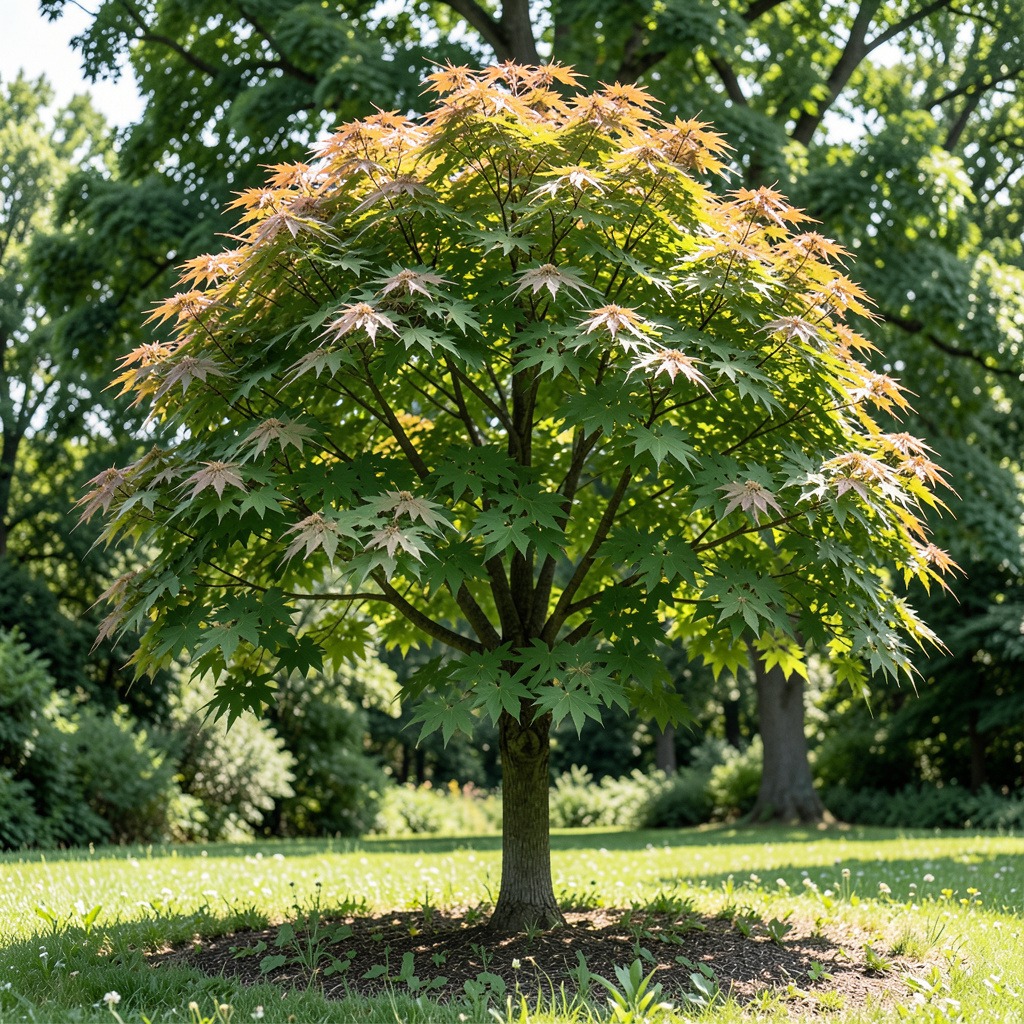
Pagoda Dogwood trees require specific care to thrive in your landscape. Understanding their watering, soil, and pruning needs will ensure healthy growth and attractiveness.
Watering and Soil Conditions
Pagoda Dogwoods prefer moist, well-drained soil, ideally with a slightly acidic pH. Here are key watering and soil maintenance tips:
- Water Regularly: During dry spells, ensure consistent moisture. Deep watering encourages root development.
- Soil Composition: Amend soil with organic matter like compost. This improves drainage and nutrient content.
- Drainage Check: Ensure the planting area allows excess water to drain. Standing water can lead to root rot.
Scenario-Based Guide:
- Northeast: In this region, maintain soil moisture through regular watering, especially during summer.
- South: Opt for partial shade to reduce heat stress and water more frequently.
- Midwest: Use mulch to retain moisture and protect roots during winter.
Pruning and Maintenance Tips
Pruning Pagoda Dogwoods is essential for healthy growth and disease prevention. Follow these guidelines:
- When to Prune: Perform pruning during the dormant phase, ideally late winter to early spring.
- What to Remove: Cut away diseased or damaged limbs. Thin crowded branches to enhance air circulation.
- Encourage Growth: Lightly prune in June to promote flowering.
Seasonal Care Requirements
Pagoda Dogwoods have seasonal care needs that vary throughout the year. Here’s a breakdown by season:
- Spring: Fertilize with a balanced organic fertilizer as new growth emerges. Monitor for pests and diseases.
- Summer: Ensure consistent watering; mulch can help retain moisture. Keep an eye on leaf health.
- Fall: Rake fallen leaves to prevent disease buildup. Prepare for winter by checking for any dead branches.
- Winter: Protect young trees from harsh elements with burlap wraps if necessary.
By adhering to these care guidelines, you can maximize the health and beauty of your Pagoda Dogwood tree.
Comparing Pagoda Dogwood to Other Dogwood Species
Pagoda Dogwood (Cornus alternifolia) is one of several popular dogwood species. Understanding its characteristics compared to others, like Flowering Dogwood and Kousa Dogwood, can help you make informed decisions for your landscape.
Pagoda Dogwood vs. Flowering Dogwood
| Feature | Pagoda Dogwood | Flowering Dogwood |
|---|---|---|
| Growth Habit | Grows 15 to 30 feet tall | Grows 15 to 30 feet tall |
| Foliage | Alternating leaves, layered form | Opposite leaves, more rounded |
| Flowering | Creamy white clusters in spring | Showy white or pink bracts |
| Soil Preference | Prefers cool, acidic soils | Prefers well-drained, moist soil |
| Sunlight Needs | Partial shade to full sun | Full sun to partial shade |
| Wildlife Benefits | Attracts birds and pollinators | Attracts butterflies and birds |
Comparison Insight: Pagoda Dogwood’s unique layered growth habit offers aesthetic value, while Flowering Dogwood’s showy blooms make it a favorite for dramatic visual impact.
Pagoda Dogwood vs. Kousa Dogwood
| Feature | Pagoda Dogwood | Kousa Dogwood |
|---|---|---|
| Growth Habit | Grows 15 to 30 feet tall | Grows 15 to 30 feet tall |
| Flowering | White flowers in clusters | Star-shaped white flowers |
| Fruit | Small blue-black drupes | Edible, strawberry-like fruit |
| Pest Resistance | Moderate susceptibility | Generally resistant to pests |
| Fall Color | Yellow to red foliage | Deep red to purple foliage |
Comparison Insight: Kousa Dogwood features edible fruit and is more resistant to pests, making it suitable for gardeners seeking low-maintenance options with additional yields.
Decision Framework for Selecting Dogwood Species
When choosing between these species, consider the following:
- Space and Growth Habit: Assess the available space in your landscape. Pagoda Dogwood’s layered form can enhance vertical interest.
- Aesthetic Preferences: Decide if you prefer the dramatic bloom of Flowering Dogwood or the unique structure of Pagoda Dogwood.
- Wildlife Attraction: All species provide wildlife benefits, but choose based on the specific fauna you wish to attract.
- Maintenance Level: Consider your willingness to manage pests. Kousa is less susceptible, offering a low-maintenance choice.
By comparing these dogwoods, you can select the best species for your landscape’s needs.
Frequently Asked Questions
These quick answers cover the most common questions about this topic, including key details, practical tips, and common concerns.
Does Pagoda Dogwood spread?
Pagoda Dogwood trees (Cornus alternifolia) do not spread aggressively like some other species. They typically grow to a height of 15 to 30 feet, with a spread of about 15 to 25 feet. Their growth habit is more vertical than horizontal, which makes them suitable for smaller spaces without overwhelming nearby plants. However, they can self-seed in ideal conditions, leading to new seedlings nearby.
What are the disadvantages of the dogwood tree?
One of the main disadvantages of Pagoda Dogwood is its susceptibility to pests and diseases, such as Dogwood Anthracnose and scale insects. These can lead to leaf drop and reduced vigor. Additionally, they require specific soil conditions—moist, well-drained, and slightly acidic—to thrive. If these conditions aren’t met, the tree may struggle.
What is the average lifespan of a Pagoda Dogwood tree?
The average lifespan of a Pagoda Dogwood tree is around 30 years. This is relatively short compared to some other tree species, which can live for several decades longer. Gardeners should consider this lifespan when planning their landscape, as it may require eventual replacement or additional plantings to maintain visual interest.
What is the most beautiful dogwood tree?
Beauty is subjective, but many consider the Flowering Dogwood (Cornus florida) to be the most visually striking due to its large, showy blooms in spring. However, the unique tiered structure of the Pagoda Dogwood offers a distinct aesthetic that appeals to those seeking a more unusual form. Both species have their own charm, making them popular choices in landscaping.
How does Pagoda Dogwood compare to flowering dogwood?
Pagoda Dogwood and Flowering Dogwood differ in several ways. Pagoda Dogwood features a unique layered branching structure and produces creamy white flowers, while Flowering Dogwood has showy bracts that can be white or pink. Pagoda Dogwood thrives in partial shade and prefers slightly acidic soils, while Flowering Dogwood can tolerate more sun and prefers well-drained, moist soil. Both attract wildlife but may appeal to different aesthetic preferences.
What are common pests affecting Pagoda Dogwood?
Common pests that affect Pagoda Dogwood include scale insects and aphids, which can sap nutrients from the tree. Additionally, Dogwood Anthracnose is a significant fungal disease that can cause leaf spots and dieback. Regular monitoring and maintaining good air circulation through pruning can help manage these issues effectively.
How to encourage more blooms on Pagoda Dogwood?
To encourage more blooms on your Pagoda Dogwood, ensure it receives adequate moisture and is planted in well-drained, slightly acidic soil. Fertilizing with a balanced organic fertilizer in early spring can also promote healthy growth and flowering. Additionally, pruning during the dormant season can help improve air circulation and encourage more flowers.
What should readers know about detailed information on common pests and diseases specific to Pagoda Dogwood?
Pagoda Dogwood is prone to specific pests and diseases, primarily Dogwood Anthracnose and powdery mildew. Monitoring for early signs of these issues, such as leaf discoloration or fungal growth, is crucial. Implementing good cultural practices, like proper spacing for air circulation and avoiding overhead watering, can significantly reduce the risk of these problems. Regular inspections will help catch infestations early, allowing for timely intervention.