
Choose based on ingredients, protein content, and dietary preferences; both can support muscle gain depending on specific needs and restrictions.
Disclosure: As an Amazon Associate I earn from qualifying purchases.
When comparing pea protein versus rice protein for muscle gain, consider factors like amino acid profiles, digestibility, and dietary restrictions. Both plant-based options can be effective, but their suitability depends on individual goals, allergies, and taste preferences.
How We Chose These Pea Protein Vs Rice Protein For Muscle Gain
Products were selected based on diverse types, purity, certifications, and protein content, ensuring options for various dietary needs and preferences. Each product emphasizes high-quality ingredients, transparency, and verified purity, making them practical choices for anyone seeking plant-based protein sources to support muscle gain.
Pros and Cons Comparison of the 10 Products
| Product | Good fit for | Pros | Considerations |
|---|---|---|---|
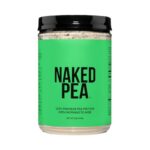 NAKED Pea – Pea Protein Isolate – Plant Based NAKED Pea – Pea Protein Isolate – Plant Based |
Those seeking a pure, vegan pea protein isolate with minimal ingredients. | Pure, only one ingredient (GMO-Free pea protein); NSF Certified for purity and safety | Limited flavor options; unflavored only |
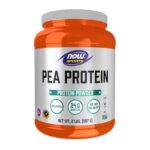 NOW Foods Sports Nutrition NOW Foods Sports Nutrition |
Athletes needing a fast-absorbing, unflavored pea protein. | High protein content, 24 g per serving; GMP quality assured for purity | Unflavored, may require flavoring |
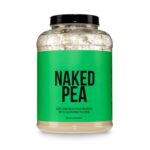 NAKED Pea – 5LB 100% Pea Protein Powder from NAKED Pea – 5LB 100% Pea Protein Powder from |
Affordable, large-volume pea protein powder from North America. | Large offering, 76 servings per pack; Minimal ingredients, NSF Certified | Bulk size, may be more than needed for some |
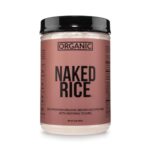 NAKED Rice 1Lb – Organic Brown Rice Protein Powder NAKED Rice 1Lb – Organic Brown Rice Protein Powder |
Vegan, gluten-free brown rice protein with added flavor from vanilla and coconut sugar. | Organic, sprouted rice protein; No artificial additives or sweeteners | Lower protein per serving, 10 g |
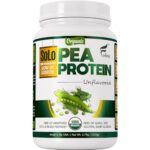 SOLO Organic Pea Protein Isolate SOLO Organic Pea Protein Isolate |
Organic, 30g peptide-rich pea protein with low sodium. | Organic, grown in Canada; Low sodium, patented water-based extraction | Less flavor variety, unflavored only |
 Naked Pea – Vanilla Pea Protein Isolate from North Naked Pea – Vanilla Pea Protein Isolate from North |
Bulk, versatile pea protein with vanilla flavor and organic ingredients. | Organic ingredients, vanilla flavor; NSF certified, high BCAA level | Contains organic coconut sugar, added sweetness |
 Olympian Labs Plant Based Pea Protein Powder Olympian Labs Plant Based Pea Protein Powder |
Budget-friendly, highly soluble vegan pea protein with full amino acid profile. | Complete amino acids, BCAAs included; Certified vegan and non-GMO | Unflavored, may need flavoring |
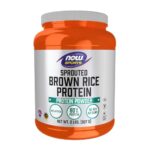 NOW Foods Sports Nutrition NOW Foods Sports Nutrition |
Sprouted brown rice protein for those seeking a natural, high-quality source. | High protein percentage, 80%; Sprouted, certified gluten-free | Unflavored, neutral taste |
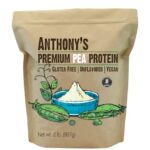 Anthony's Premium Pea Protein Anthony's Premium Pea Protein |
Vegan, gluten-free pea protein with high gelatinization and versatility. | Vegan, gluten-free, keto friendly; Unflavored, versatile for recipes | Less focus on amino acid completeness |
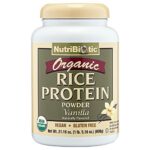 NutriBiotic Certified Organic Rice Protein Vanilla NutriBiotic Certified Organic Rice Protein Vanilla |
Organic rice protein with a low carbohydrate profile and natural vanilla flavor. | Organic, Kosher, keto friendly; High protein content, 80% | Limited flavor options, vanilla only |
1. NAKED Pea – Pea Protein Isolate – Plant Based, Vegetarian & Vegan Protein. NSF Certified, Easy to Digest, Non-GMO, No Lactose, No Soy and Gluten Free – 15 Servings
Good fit if: Those seeking a pure, vegan pea protein isolate with minimal ingredients.
NAKED Pea offers a single-ingredient, GMO-Free, NSF Certified pea protein isolate, ideal for creating clean, vegan protein shakes and recipes. Its simple composition supports dietary transparency.
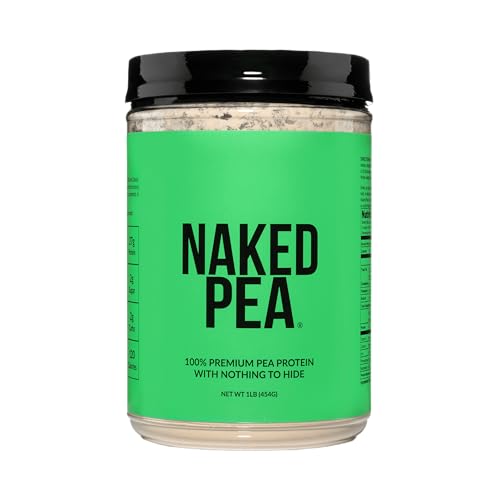
Pros: Pure, only one ingredient (GMO-Free pea protein); NSF Certified for purity and safety
Consideration: Limited flavor options; unflavored only
Table of Contents
Check current details on Amazon (affiliate link)
2. NOW Foods Sports Nutrition, Pea Protein 24 g, Fast Absorbing, Unflavored Powder, 2-Pound
Good fit if: Athletes needing a fast-absorbing, unflavored pea protein.
NOW Foods Pea Protein provides 24g of easily digestible plant protein per scoop, containing BCAAs and arginine. GMP-certified for quality, suitable for active lifestyles.
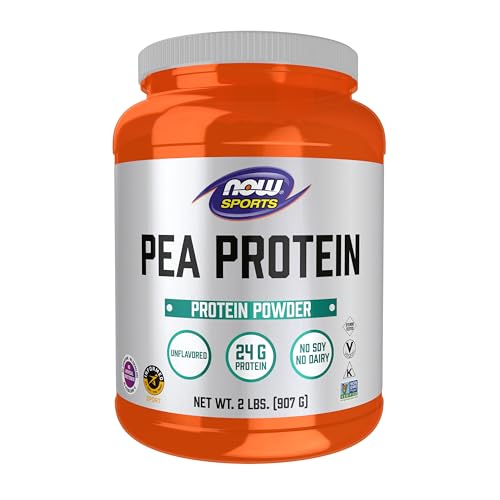
Pros: High protein content, 24 g per serving; GMP quality assured for purity
Consideration: Unflavored, may require flavoring
Check current details on Amazon (affiliate link)
3. NAKED Pea – 5LB 100% Pea Protein Powder from North American Farms – Unflavored Vegan Pea Protein Isolate – NSF Certified, Plant Protein Powder, Easy to Digest – 76 Servings
Good fit if: Affordable, large-volume pea protein powder from North America.
NAKED Pea in larger 5 lb quantities delivers 27g of protein per serving, with minimal ingredients from North American farms, suitable for prolonged use in diet plans.
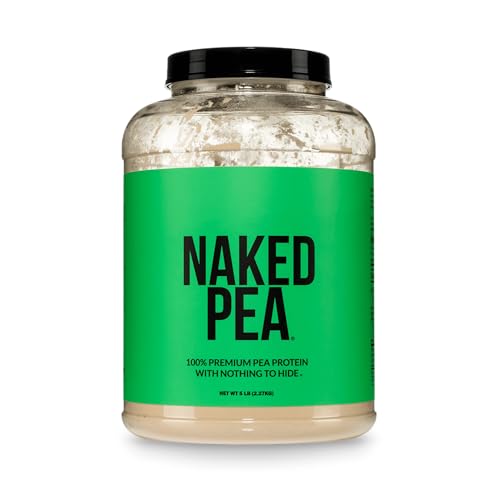
Pros: Large offering, 76 servings per pack; Minimal ingredients, NSF Certified
Consideration: Bulk size, may be more than needed for some
Check current details on Amazon (affiliate link)
4. NAKED Rice 1Lb – Organic Brown Rice Protein Powder – Vegan Protein Powder, GMO Free, Gluten Free & Soy Free. Plant-Based Protein, No Artificial Ingredients – 15 Servings
Good fit if: Vegan, gluten-free brown rice protein with added flavor from vanilla and coconut sugar.
NAKED Rice offers organic, sprouted brown rice protein with 10g of protein per serving, tested for metals, gluten-free, and non-GMO, with natural vanilla flavor.
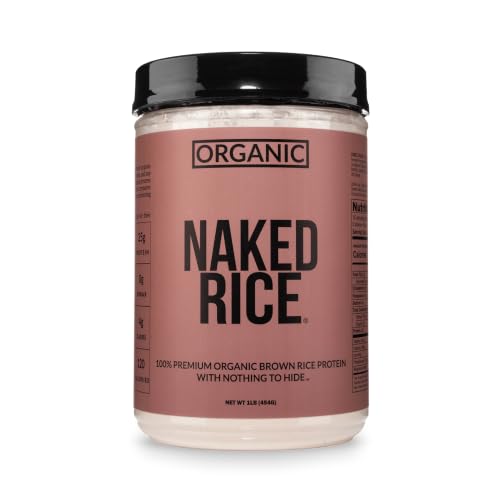
Pros: Organic, sprouted rice protein; No artificial additives or sweeteners
Consideration: Lower protein per serving, 10 g
Check current details on Amazon (affiliate link)
5. SOLO Organic Pea Protein Isolate, Unflavored Vegan Protein Powder (2.7 lbs)
Good fit if: Organic, 30g peptide-rich pea protein with low sodium.
Solo Pea Protein emphasizes its organic origin, high amino acid profile, and low sodium content. Suitable for weight management and muscle recovery.
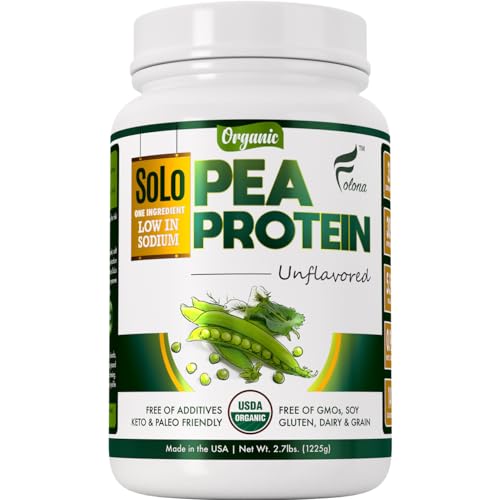
Pros: Organic, grown in Canada; Low sodium, patented water-based extraction
Consideration: Less flavor variety, unflavored only
Check current details on Amazon (affiliate link)
6. Naked Pea – Vanilla Pea Protein Isolate from North American Farms – 5lb Bulk, NSF Certified, Plant Based, Vegetarian & Vegan Protein Power, Easy to Digest, Non-GMO, Gluten Free, Lactose Free, Soy Free
Good fit if: Bulk, versatile pea protein with vanilla flavor and organic ingredients.
Naked Vanilla Pea Protein combines organic peas, vanilla, and coconut sugar for a flavorful, NSF-certified source of 25g of protein per serving, ideal for smoothies.
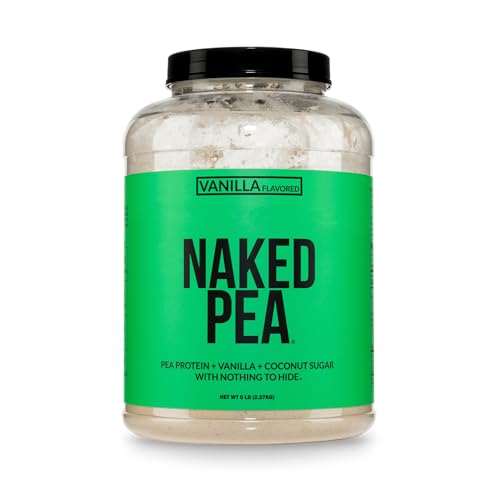
Pros: Organic ingredients, vanilla flavor; NSF certified, high BCAA level
Consideration: Contains organic coconut sugar, added sweetness
Check current details on Amazon (affiliate link)
7. Olympian Labs Plant Based Pea Protein Powder, Unflavored – 25g of Protein, Vegan, Low Net Carbs, Gluten Free, Lactose Free, No Sugar Added, Soy Free, Non-GMO, 2 Pound Pea Protein Powder
Good fit if: Budget-friendly, highly soluble vegan pea protein with full amino acid profile.
Olympian Labs pea protein provides 25g per serving, with complete amino acid support, certified plant-based, and free from common allergens and fillers.
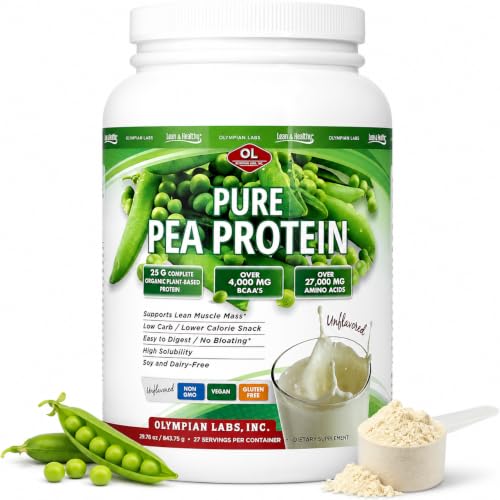
Pros: Complete amino acids, BCAAs included; Certified vegan and non-GMO
Consideration: Unflavored, may need flavoring
Check current details on Amazon (affiliate link)
8. NOW Foods Sports Nutrition, Sprouted Brown Rice Protein, 80% Protein, Unflavored Powder, 2-Pound
Good fit if: Sprouted brown rice protein for those seeking a natural, high-quality source.
NOW Sprouted Brown Rice Protein features 80% protein content, natural, gluten-free, and easily mixed into beverages, certified for purity and potency.
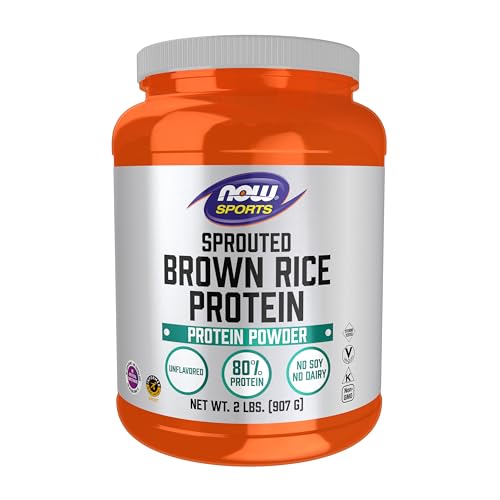
Pros: High protein percentage, 80%; Sprouted, certified gluten-free
Consideration: Unflavored, neutral taste
Check current details on Amazon (affiliate link)
9. Anthony's Premium Pea Protein, 2 lb, Plant Based, Gluten Free, Unflavored, Vegan, Keto Friendly, Made from Peas
Good fit if: Vegan, gluten-free pea protein with high gelatinization and versatility.
Anthony’s Pea Protein is an unflavored, keto-friendly, plant-based option with hydrated isolate form, suitable for baking, smoothies, and dietary needs.
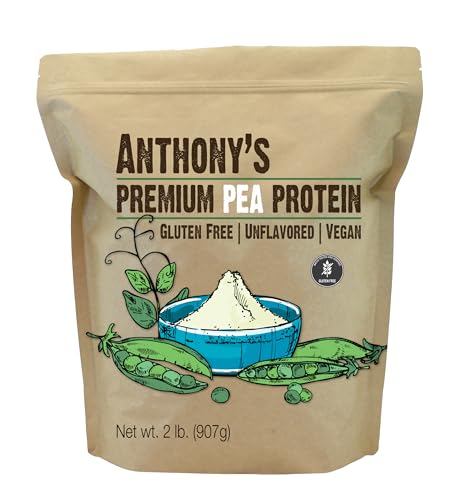
Pros: Vegan, gluten-free, keto friendly; Unflavored, versatile for recipes
Consideration: Less focus on amino acid completeness
Check current details on Amazon (affiliate link)
10. NutriBiotic Certified Organic Rice Protein Vanilla, 1 Lb. 5 Oz | Low Carbohydrate Vegan Protein Powder | Raw, Certified Kosher & Keto Friendly | Made Without Chemicals, GMOs & Gluten | Easy to Digest
Good fit if: Organic rice protein with a low carbohydrate profile and natural vanilla flavor.
NutriBiotic’s rice protein powder is organic, kosher, and keto-friendly, offering 80% protein, and designed for easy digestion, free from chemicals and GMOs.
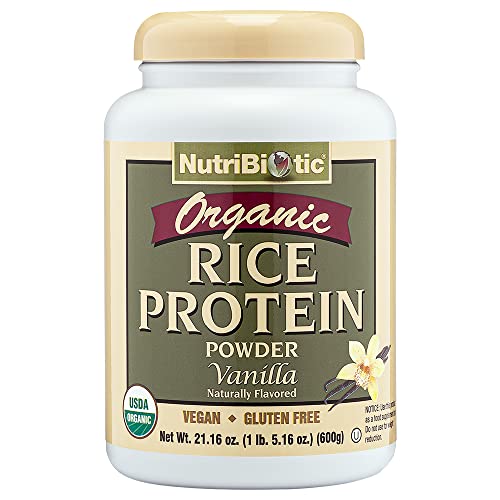
Pros: Organic, Kosher, keto friendly; High protein content, 80%
Consideration: Limited flavor options, vanilla only
Check current details on Amazon (affiliate link)
Pea Protein Vs Rice Protein For Muscle Gain Buying Guide
1. Assess Protein Content and Source
Check the protein amount per serving and whether the source is organic or farmed sustainably. Higher protein percentages support muscle repair, especially when combined with strength training.
2. Consider Additives and Certifications
Opt for products with certifications like NSF or GMP, and minimal ingredients to ensure purity. Unflavored varieties allow for customization in recipes and better control over flavor and additives.
Which Pea Protein Vs Rice Protein For Muscle Gain Should You Choose?
Select a product based on dietary needs, ingredient transparency, and flavor preference. Larger quantities offer cost savings for regular use, while certifications verify product safety and quality for consistent muscle support.
Frequently Asked Questions
1. How should I compare these options?
Compare the current product-page details with your own requirements, then make the final decision using the latest information available.
2. What should I verify on an Amazon product page?
Compare the current product-page details with your own requirements, then make the final decision using the latest information available.
3. Should I choose by features alone?
Compare the current product-page details with your own requirements, then make the final decision using the latest information available.
4. How can I compare size or compatibility?
Compare the current product-page details with your own requirements, then make the final decision using the latest information available.
5. What matters most for long-term use?
Compare the current product-page details with your own requirements, then make the final decision using the latest information available.
6. How often should product details be checked?
Compare the current product-page details with your own requirements, then make the final decision using the latest information available.
7. What should I do before purchasing?
Compare the current product-page details with your own requirements, then make the final decision using the latest information available.