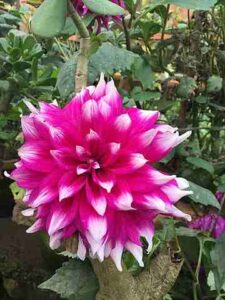
In this article, you will read about the meanings of perennial plants and their difference between perennial and perennial plants and why should you grow perennial plants and what makes you take home a perennial plant.
Perennial plant meaning is the plants that grow back every year, so they are able to live for a long time. Most perennials have a main stem that is woody, but some have stems that are herbaceous. Few Examples are Black-Eyed Susan, Blanket Flower, Blazing Star, Bleeding Heart, Blue Star, Brown-Eyed Susan, etc. The leaves of perennials are arranged in a rosette at the end of the stem and they have either opposite or whorled leaves. Some perennials have flowers, while others don’t.
Perennial plants have the ability to grow back after being cut down or even after a long period of time. They are usually planted in the ground and have a lifespan of three to five years. Perennial plants can also be grown in pots and placed on a windowsill. They are also very diverse with different types, colors, and sizes.
Perennial plants are plants that are alive for more than two years. They are important for the environment because they keep the ground moist and give off oxygen. These plants are able to grow in any climate and can be found in many different colors. Some perennials include:
Perennial plant meaning is the plants that grow back every year, so they are able to live for a long time. Most perennials have a main stem that is woody, but some have stems that are herbaceous. Few Examples are Black-Eyed Susan, Blanket Flower, Blazing Star, Bleeding Heart, Blue Star, Brown-Eyed Susan, etc. The leaves of perennials are arranged in a rosette at the end of the stem and they have either opposite or whorled leaves. Some perennials have flowers, while others don’t.
What is a perennial plant?
A perennial plant is a plant that is able to survive more than two years, which is why they are called perennials. They are able to survive because they have a deep root system and can produce new leaves and flowers each year. This means that perennials will continue to grow and provide you with beautiful flowers and foliage for years to come.
What are some examples of the vegetable perennial plants?
Perennial Vegetables are an important part of a balanced diet for every human being. They provide you with most of the nutrients including vitamins, minerals, and fiber. There are many different types of vegetables that all have great taste, some bitter but with numerous health benefits that can heal the day to day problems. They are also very comfortable to eat and can be cooked in a variety of ways. Some vegetables that you might consider adding to your diet to make your health fit and fine : asparagus, spinach, kale, carrots, beets, broccoli, and onions.
rhubarb
kale
radicchio
garlic
watercress
berry bushes
raspberries
lovage
blueberries
globe artichokes
horseradish
What are some examples of the indoor perennial plants?
Blanket Flower
New England Aster
Salvia
Yellow Archangel
Marjoram
BlackEyed Susan
Meadow Rue
Joe Pye Weed
Common Bugle
Columbine
Christmas Rose
Hosta
Milkweed
BrownEyed Susan
Maximillian Sunflower
Catmint
Creeping Phlox
Blue Star
Spiderwort
Lungwort
Bellflower
Daylily
Queen of the Prairie
Feverfew
Speedwell
English Lavender
Coneflower
Coral Bells
Chrysanthemum
Lupine
Pincushion Flower
Roman Chamomile
Stonecrop
Trillium
Primrose
Hyssop
Blazing Star
Perennial Flax
Mountain Bluet
Wild Pink
Balloon Flower
Prairie Violet
Goldenrod
Mother of Thyme
Whitlow Grass
Yarrow
Windflower
Bleeding Heart
Chinese Astilbe
Russian Sage
Wild Indigo
Star of Persia
Sea Holly
Pink
Thrift
Greater Masterwort
Tickseed
Ice Plant
Siberian Bugloss
Pale Beardtongue
Dahlia
Spurge
Gentian
Hardy Geranium
Peony
Swamp Rose Mallow
Delphinium
Common Foxglove
Lamb’s Ear
Bee Balm
Western Sunflower
English Daisy
What are some examples of the outdoor perennial plants?
Common Bugle
Balloon Flower
Columbine
Lupine
Catmint
Salvia
English Lavender
Bleeding Heart
Speedwell
Trillium
Peony
Marjoram
Creeping Phlox
Spiderwort
Yellow Archangel
Hyssop
Spurge
Yarrow
Sea Holly
Delphinium
Windflower
Queen of the Prairie
Coneflower
Greater Masterwort
Meadow Rue
Christmas Rose
Bellflower
Bee Balm
Primrose
Ice Plant
Coral Bells
Joe Pye Weed
Hosta
Siberian Bugloss
English Daisy
Lamb’s Ear
Wild Indigo
Thrift
Wild Pink
Pincushion Flower
Feverfew
Whitlow Grass
Milkweed
Prairie Violet
Goldenrod
Star of Persia
Stonecrop
Pale Beardtongue
Russian Sage
Daylily
Mother of Thyme
Lungwort
Perennial Flax
Mountain Bluet
Blanket Flower
Blue Star
Chinese Astilbe
Maximillian Sunflower
Chrysanthemum
New England Aster
Roman Chamomile
Western Sunflower
BlackEyed Susan
Hardy Geranium
Swamp Rose Mallow
Common Foxglove
BrownEyed Susan
Dahlia
Pink
Blazing Star
Tickseed
Gentian
List of perennial Flowers
Lupine
Daylily
Spurge
Bleeding Heart
Tickseed
Delphinium
English Daisy
Salvia
BlackEyed Susan
Queen of the Prairie
Lungwort
Thrift
Spiderwort
Chrysanthemum
Balloon Flower
Yarrow
BrownEyed Susan
Common Foxglove
Chinese Astilbe
Greater Masterwort
Ice Plant
Whitlow Grass
Hosta
Swamp Rose Mallow
Roman Chamomile
Wild Indigo
Coral Bells
Stonecrop
Christmas Rose
Western Sunflower
New England Aster
Marjoram
Columbine
Yellow Archangel
Speedwell
Mountain Bluet
Mother of Thyme
Sea Holly
Pale Beardtongue
Dahlia
Siberian Bugloss
Russian Sage
Creeping Phlox
Catmint
Joe Pye Weed
Lamb’s Ear
Star of Persia
Hyssop
Goldenrod
Pincushion Flower
Hardy Geranium
Wild Pink
Bee Balm
Meadow Rue
Common Bugle
Prairie Violet
Milkweed
Gentian
Trillium
Bellflower
Perennial Flax
Feverfew
Blanket Flower
Blue Star
Peony
Windflower
Blazing Star
Coneflower
English Lavender
Pink
Primrose
Maximillian Sunflower
Purpose of perennial plants
The purpose of perennial plants is to provide a new, fresh start to the year. They are a great way to start fresh, and they also help cleanse the air and provide natural beauty. perennial plants are also used to attract beneficial insects and provide food for them. Some perennial plants are used in the kitchen to provide flavor, color and even to act as a barrier to pests. There are many different types of perennial plants, and they are used in a variety of different ways. This is why it is important that you know the difference between perennial plants so that you can understand the purpose of each one.
Difference between Annual and perennial plants
The difference between annual and perennial plants is the length of time they live. Annual plants are plants that grow and die within one year, while perennials can live for more than a year. The difference lies in the amount of time a plant spends in the ground. Annual plants are plants that spend less than a year in the ground before they die, whereas perennials are plants that spend more than a year in the ground before they die.
Annual plants are plants that die back in the fall and then grow back in the spring. Perennial plants can live for multiple years and some have flowers that last all year. Annual plants are also typically shorter than perennials and don’t require as much water or nutrients.
Difference between perennial and biennial plants
The Major difference is perennial plants live for more than two years, while biennial plants live for two years and then die. Perennial plants have deep roots that they can use to store water and nutrients throughout the year, while biennial plants only grow leaves and stems during their first year and then die. Perennial plants also produce flowers, fruit, and seeds over the course of the entire year, while biennial plants only produce flowers during their first year and then die.
A perennial plant is one that will grow back every year, while a biennial plant will only grow back once during its lifetime. This is a great way to save space in your garden and reduce your maintenance needs.
How to take care of perennial plants
One of the most important things you can do is to water the plant well. perennial plants are very sensitive to water, so make sure you give them enough. It is also important to provide them with the right amount of sunlight. If you’re unsure of what type of sun they need, then you can use a sun calculator to determine what they need. Lastly, make sure you are providing the plant with the right amount of nutrients. The plant will need nutrients to grow and bloom.
Wrap Up
I hope you enjoyed our blog about perennial plants & their meaning. There are so many variations of plants that come in a regular calendar year which can make things a little confusing. I hope this blog post helped you understand the different types of plants and their meanings. Also read about the similar post to enhance knowledge.