
The Persian ironwood tree offers stunning aesthetic appeal, resilience, and low maintenance, but may struggle in alkaline soils and requires specific care during its early growth stages.
Table of Contents
The Persian ironwood tree, or Parrotia persica, is celebrated for its ornamental beauty and adaptability. While it boasts numerous benefits in landscaping, there are also notable drawbacks that potential tree owners should consider before planting.
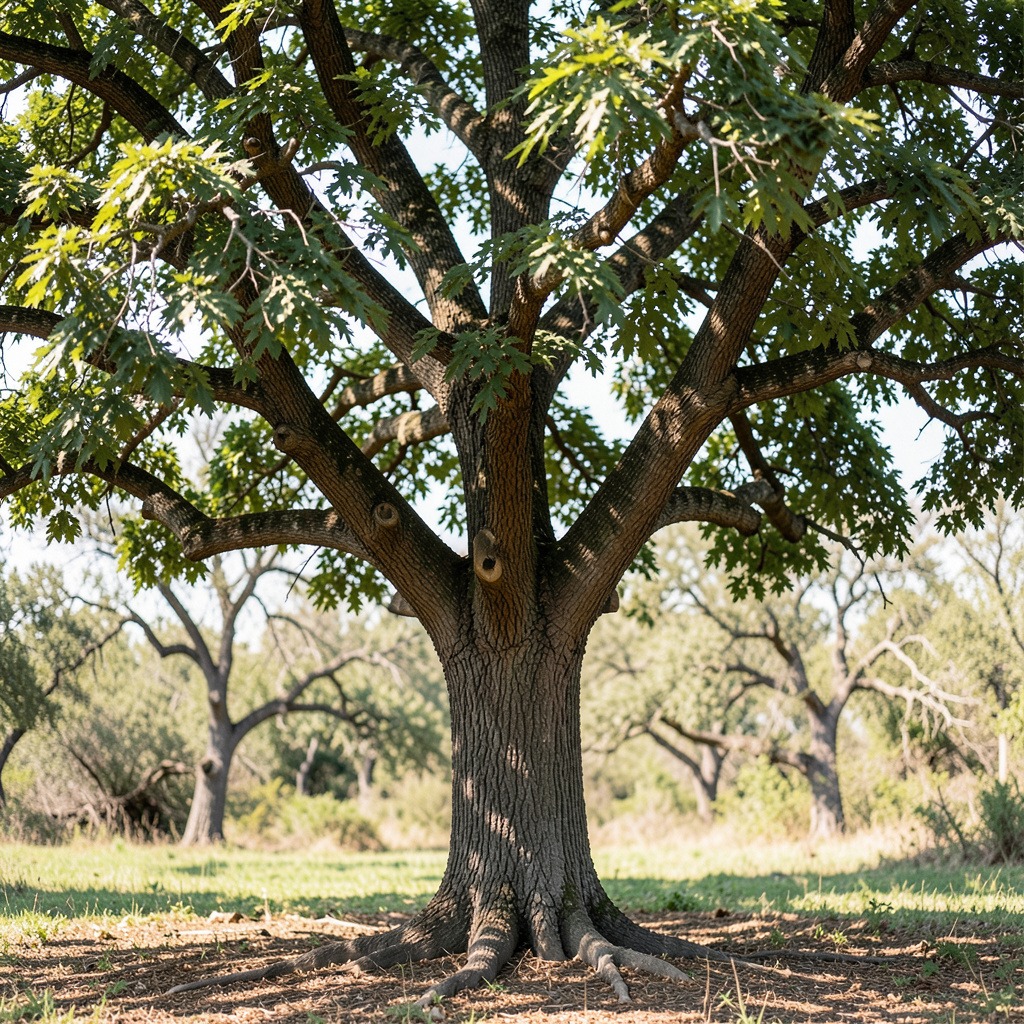
Overview of the Persian Ironwood Tree
The Persian ironwood tree, scientifically known as Parrotia persica, is a robust and striking ornamental tree. Its unique characteristics and aesthetic appeal make it a popular choice for landscaping in various regions.
Characteristics of Persian Ironwood
Persian ironwood features a dense canopy and distinctive bark that matures into a mosaic of colors. The tree typically reaches heights of 20 to 40 feet, with a spread of 15 to 30 feet. Its leaves display a vibrant palette, shifting from bright green in summer to fiery hues of yellow, orange, and crimson in fall. The bark transitions from smooth gray-brown to a textured, multicolored surface as it ages, enhancing its visual interest.
- Height: 20-40 feet
- Spread: 15-30 feet
- Leaf Color in Seasons:
- Summer: Vibrant green
- Autumn: Yellow, orange, crimson
Native Habitat and Historical Context
Originating from the Caspian Hyrcanian forests in northern Iran and southeastern Azerbaijan, Parrotia persica has adapted well to various climates. Its introduction to North America dates back to the late 19th century, where it quickly gained popularity for its resilience and beauty in urban landscapes.
The tree thrives in well-drained soils and demonstrates excellent drought resistance once established. Its ecological significance includes offering habitats for local wildlife and contributing to soil stability.
When choosing a tree for landscaping, consider Persian ironwood for its ornamental value and ecological benefits. It serves not only as a decorative feature but also as a valuable addition to sustainable landscapes.
Pros of the Persian Ironwood Tree
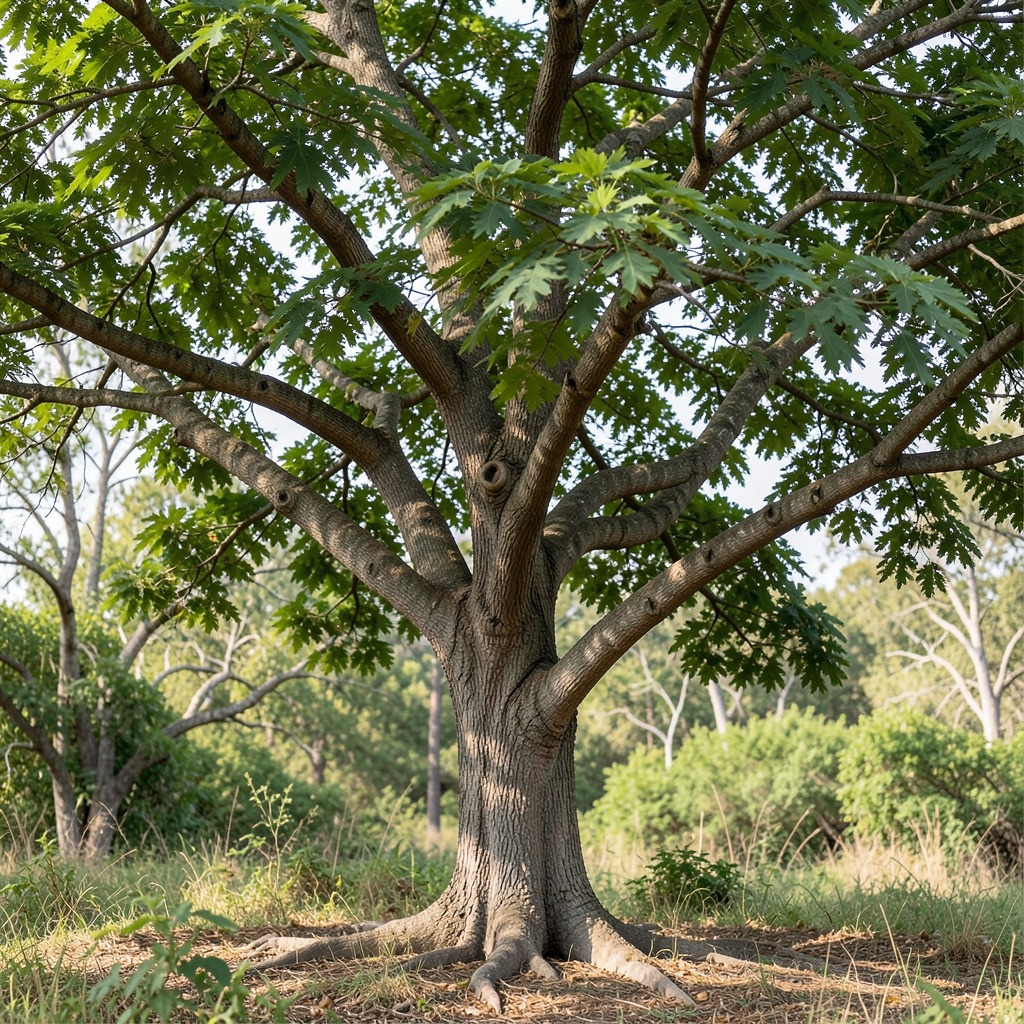
The Persian ironwood tree offers numerous advantages, making it a desirable choice for landscaping. Its aesthetic appeal, resilience to environmental stressors, and low maintenance requirements contribute significantly to its popularity.
Year-Round Aesthetic Appeal
Persian ironwood stands out for its striking appearance throughout the seasons. In spring, it showcases vibrant green foliage, transitioning to a rich yellow in autumn. The tree’s bark exfoliates, revealing a mosaic of colors, including cream, gray, green, and tan as it matures. This unique feature enhances its visual interest, making it a focal point in any landscape.
Successful landscaping projects often incorporate Persian ironwood for its beauty. For instance, urban parks have utilized it as a shade tree, where its broad canopy provides both aesthetics and functionality. Its striking form and foliage make it an excellent choice for homeowners seeking to elevate their outdoor spaces.
Low Maintenance Requirements
Persian ironwood is celebrated for its minimal care needs. Once established, it requires little intervention. Here are key maintenance features:
- Pruning: Limited to removing dead or damaged branches during the dormant season.
- Watering: Requires deep watering initially to establish roots, but is drought-resistant once mature.
- Fertilization: Benefits from occasional fertilization, especially in nutrient-poor soils.
This resilience means property owners can enjoy a beautiful tree without extensive upkeep.
Environmental Resilience
The Persian ironwood tree thrives in various conditions, making it suitable for diverse landscapes. It tolerates:
- Soil Types: Grows well in clay, loam, and sandy soils.
- Sunlight: Flourishes in both full and partial sunlight.
- Urban Stressors: Withstands pollution and drought better than many other ornamental trees.
These characteristics allow the Persian ironwood to adapt to urban environments, where other trees may struggle. Its ability to endure challenging conditions enhances its value as a landscape feature.
In summary, the Persian ironwood tree provides exceptional aesthetic appeal, requires minimal maintenance, and showcases remarkable resilience, making it an ideal choice for enhancing landscapes.
Cons of the Persian Ironwood Tree
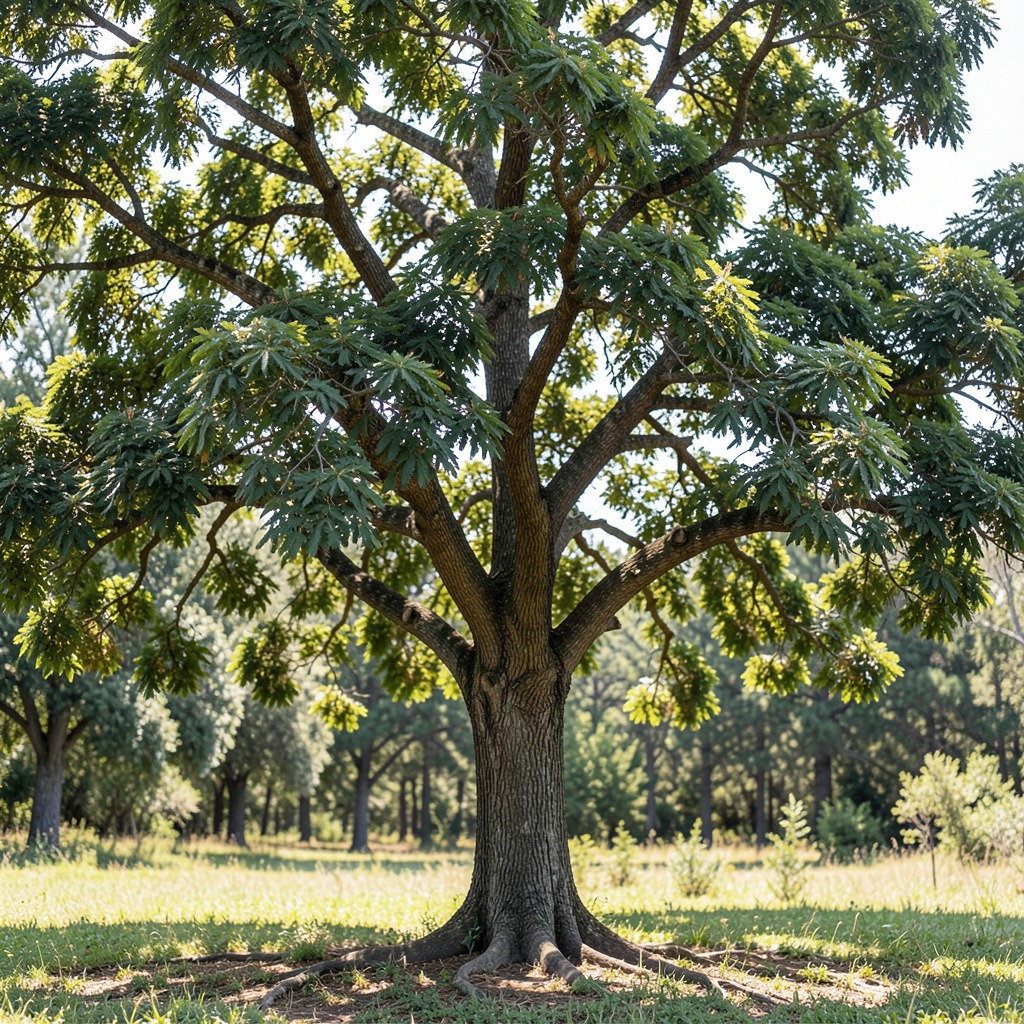
While the Persian ironwood tree offers many benefits, it also presents some challenges for potential growers. Understanding these drawbacks is essential for making an informed decision.
Soil and Watering Needs
The Persian ironwood tree has specific soil and watering requirements that can pose challenges.
- Soil Type: Although it tolerates various soil types, it thrives best in acidic soils. In alkaline conditions, it may develop interveinal chlorosis, which requires soil amendments and monitoring.
- Watering: Newly planted trees need deep, regular watering to establish a strong root system. During dry spells, they are prone to leaf scorch, necessitating careful water management.
Common Pests and Diseases
Despite being relatively resilient, the Persian ironwood tree can encounter certain pests and diseases.
- Pests: Generalist insects like aphids, scales, and Japanese beetles may occasionally infest the tree. While these pests rarely cause significant damage, their presence can stress the tree and lead to aesthetic issues.
- Diseases: The tree is not highly susceptible to diseases, but issues like root rot can arise in poorly drained soils. Regular inspection and proper care can mitigate these risks.
Growth Challenges in Certain Climates
The Persian ironwood’s growth can be impacted by specific climatic conditions.
- Heat and Drought: In extremely hot or dry climates, the tree may struggle without adequate moisture. Established trees are better at withstanding these conditions, but newly planted specimens require consistent care.
- Urban Conditions: While they can adapt to urban environments, pollution and compacted soils can hinder their growth. Proper site selection and maintenance are crucial for success.
Checklist for Potential Growers
- Do you have acidic soil?
- Can you provide regular deep watering, especially for young trees?
- Are you prepared to monitor for pests and diseases?
- Is your planting site free from extreme pollution and compaction?
This checklist can help you assess your suitability for planting Persian ironwood, ensuring that you are prepared for its care requirements.
Care and Maintenance of Persian Ironwood
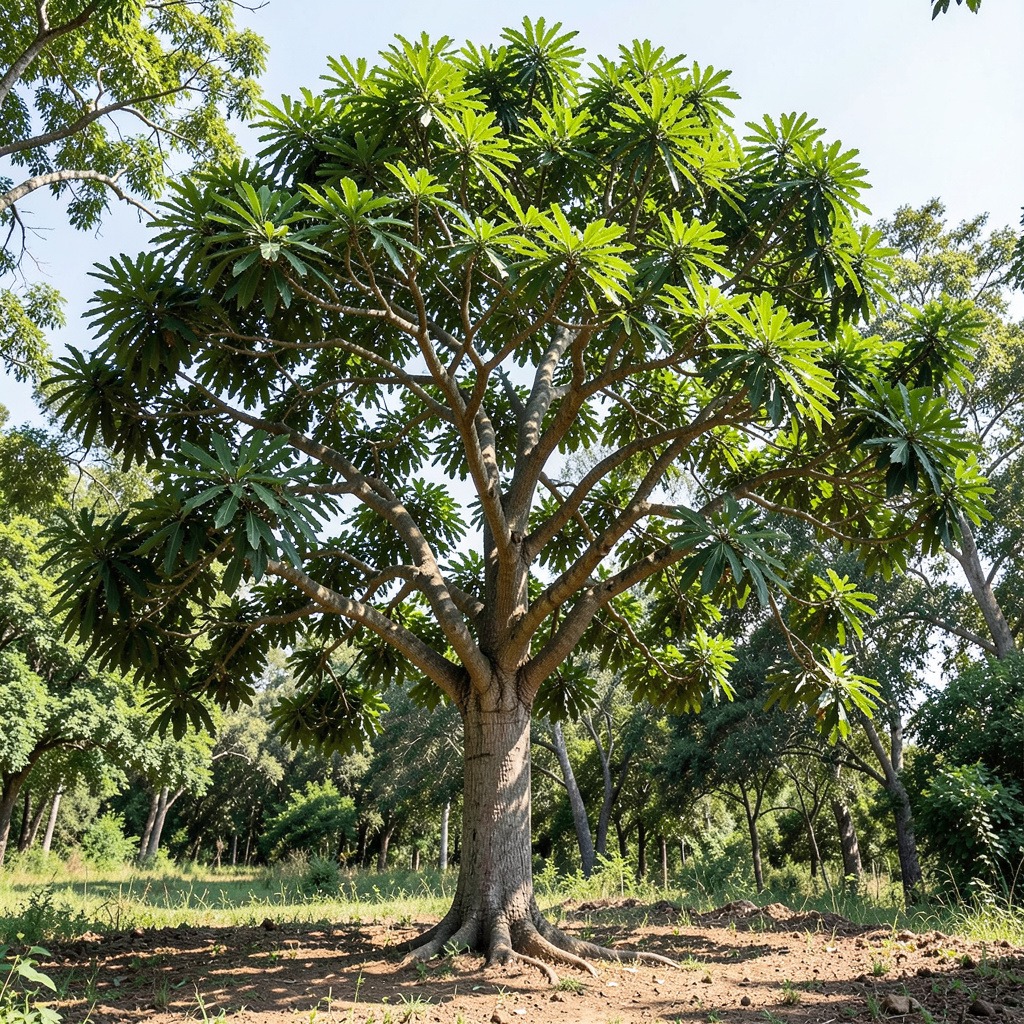
Caring for a Persian ironwood tree requires understanding its specific needs for optimal growth. This includes regular watering, proper pruning, and vigilant pest management.
Watering and Soil Requirements
Persian ironwood thrives in well-drained, acidic soils. It adapts to various soil types but requires consistent moisture during its early years. Here are key watering and soil guidelines:
- Watering Schedule:
- Newly planted trees need deep watering every week.
- Once established, reduce frequency but ensure the soil remains moist, especially during dry spells.
- Soil pH:
- Aim for acidic soil (pH 6.0 or lower) for best results.
- If soil pH is high, consider amendments to lower it.
- Mulching:
- Apply a layer of organic mulch around the base.
- Keep mulch a few inches away from the trunk to prevent rot.
Pruning Techniques
Proper pruning enhances the tree’s health and visual appeal. Follow these techniques for effective pruning:
- Timing:
- Prune during the dormant season (late winter to early spring).
- Methods:
- Remove dead, damaged, or crossing branches.
- Avoid excessive cutting to maintain the tree’s natural shape.
- Growth Monitoring:
- Regularly assess the tree’s structure and adjust pruning as necessary to support healthy growth.
Pest Management Strategies
While Persian ironwood is resistant to many pests, monitoring is essential to prevent infestations. Implement these strategies:
- Regular Inspections:
- Check for common pests like aphids and scale.
- Look for signs of stress, such as leaf discoloration.
- Natural Controls:
- Introduce beneficial insects, like ladybugs, to manage pest populations.
- Intervention:
- If infestations occur, mild insecticidal soap can be used without harming the tree.
Care Schedule Checklist
To ensure your Persian ironwood thrives, follow this care checklist:
- Weekly deep watering for young trees.
- Soil testing for pH every spring.
- Annual pruning during the dormant season.
- Monthly pest inspections, especially in spring and summer.
By adhering to these care and maintenance guidelines, you can help your Persian ironwood tree flourish in your landscape.
Comparing Persian Ironwood to Other Trees
When considering the Persian ironwood tree for your landscape, it’s essential to compare it with other similar ornamental trees. This analysis highlights the unique strengths and weaknesses of Persian ironwood against two popular alternatives: the Eastern Redbud and the Flowering Dogwood.
Similar Trees in Landscaping
| Feature | Persian Ironwood | Eastern Redbud | Flowering Dogwood |
|---|---|---|---|
| Growth Rate | Moderate | Fast | Slow |
| Soil Tolerance | Wide range, prefers acidic | Prefers well-drained | Prefers moist, rich soils |
| Sunlight Requirements | Full to partial sun | Full sun to partial shade | Partial shade |
| Aesthetic Appeal | Year-round interest | Spring blooms, heart-shaped leaves | Spring flowers and fall color |
| Pest Resistance | High | Moderate | Moderate |
| Maintenance Needs | Low | Moderate | Moderate to high |
Key Differences and Considerations
1. Growth Rate: Persian ironwood grows at a moderate pace, making it suitable for those who prefer a stable yet steady addition to their landscape. In contrast, the Eastern Redbud establishes quickly, ideal for immediate visual impact.
2. Soil Preferences: While Persian ironwood adapts to various soil types, it thrives best in acidic conditions. The Eastern Redbud requires well-drained soils, and the Flowering Dogwood favors richer, moisture-retentive soils, which could limit its placement in certain landscapes.
3. Sunlight Needs: Persian ironwood can tolerate both full and partial sunlight, making it versatile for various garden layouts. The Eastern Redbud thrives in full sun but can tolerate partial shade, while the Flowering Dogwood prefers partial shade, which may restrict its use in sunnier spots.
4. Aesthetic Appeal: Persian ironwood provides year-round visual interest through its unique bark and foliage. The Eastern Redbud is celebrated for its striking spring blooms, while the Flowering Dogwood offers beautiful flowers in spring and vibrant foliage in the fall.
5. Pest Resistance and Maintenance: Persian ironwood stands out for its high resistance to pests and low maintenance requirements. The Eastern Redbud and Flowering Dogwood, while beautiful, may require more attention due to their moderate susceptibility to pests and diseases.
Decision Framework for Choosing Trees
When deciding between these trees, consider the following factors:
- Desired Growth Rate: If you want immediate impact, the Eastern Redbud may be preferable.
- Soil Conditions: Assess your soil type and pH to ensure compatibility with your chosen tree.
- Sunlight Availability: Evaluate the sunlight exposure of your planting area to select a tree that will thrive.
- Maintenance Commitment: Choose Persian ironwood for a low-maintenance option or opt for the others if you enjoy hands-on gardening.
By understanding these differences, you can make an informed decision that aligns with your landscape goals and conditions.
Conclusion: Is Persian Ironwood Right for You?
The Persian ironwood tree presents both advantages and challenges for prospective buyers. Understanding these factors is essential in determining if it fits your landscape needs.
Final Thoughts on Persian Ironwood
The Persian ironwood (Parrotia persica) offers year-round aesthetic appeal with its striking bark and foliage. It is resilient, requiring minimal maintenance once established. However, it thrives best in specific soil conditions and needs regular watering during its early growth stages. Here are some significant pros and cons to consider:
Pros:
- Attractive year-round foliage and unique bark
- Tolerates various soil types and urban conditions
- Low maintenance once established
- Strong, durable wood resistant to breakage
Cons:
- Requires specific soil pH for optimal growth
- Susceptible to leaf scorch during dry periods
- Initial watering needs can be demanding
Decision Framework for Prospective Buyers
When considering the Persian ironwood, evaluate the following criteria:
| Criteria | Consideration |
|---|---|
| Aesthetic Value | Do you value year-round visual interest? |
| Soil Compatibility | Is your soil acidic and well-drained? |
| Maintenance Level | Are you looking for a low-maintenance tree? |
| Growth Conditions | Can you provide adequate watering during establishment? |
Use this framework to assess whether Persian ironwood aligns with your landscaping goals. If you prioritize a resilient, visually striking tree that thrives in specific conditions, Persian ironwood may be the right choice for you.
Frequently Asked Questions
These quick answers cover the most common questions about this topic, including key details, practical tips, and common concerns.
How tall does the Persian ironwood tree get?
The Persian ironwood tree typically reaches heights of 20 to 40 feet. Its spread ranges from 15 to 30 feet, making it a suitable choice for medium to large landscapes. The tree’s dense canopy offers ample shade, enhancing its appeal in outdoor spaces.
What is the lifespan of Persian ironwood?
Persian ironwood trees can live for several decades, often reaching an average lifespan of 50 to 100 years. Their durability and resilience contribute to their long life, making them a valuable addition to any landscape.
What are the best soil conditions for Persian ironwood?
Persian ironwood thrives in well-drained, acidic soils with a pH of 6.0 or lower. While it can adapt to various soil types, alkaline conditions may lead to chlorosis, affecting the tree’s health. Regular soil testing can help maintain optimal conditions for growth.
When is the best time to plant Persian ironwood?
The ideal time to plant Persian ironwood is during the early spring or fall. Planting during these seasons allows the tree to establish its roots before the heat of summer or the cold of winter. Ensure that the soil is adequately moist during planting to support healthy growth.
What are common problems with Persian ironwood?
Common issues with Persian ironwood include susceptibility to leaf scorch during dry spells and potential infestations from pests like aphids and scales. Additionally, poorly drained soils can lead to root rot. Regular monitoring and appropriate care can help mitigate these problems.
How does Persian ironwood compare to other ornamental trees?
Compared to other ornamental trees like Eastern Redbud and Flowering Dogwood, Persian ironwood stands out for its year-round aesthetic appeal and low maintenance needs. While Eastern Redbud offers quick blooms and Flowering Dogwood provides spring flowers, Persian ironwood excels in resilience and adaptability to various soil types.
Can Persian ironwood tolerate drought?
Once established, Persian ironwood demonstrates good drought resistance. However, young trees require consistent watering to develop a strong root system. Providing deep watering during dry periods is crucial for maintaining their health and preventing leaf scorch.