
To care for a Pin Oak, ensure it receives full sun, ample moisture, and acidic soil while monitoring for common issues like iron chlorosis and oak wilt.
Table of Contents
Caring for a Pin Oak (Quercus palustris) involves understanding its specific environmental needs and addressing potential problems. This guide provides 11 essential tips to help you cultivate a healthy and thriving Pin Oak tree in your landscape.
Understanding Pin Oak Basics
The Pin Oak (Quercus palustris) is a deciduous tree known for its distinctive shape and adaptability. Understanding its characteristics and native habitat is essential for effective care and maintenance.
Characteristics of Pin Oaks
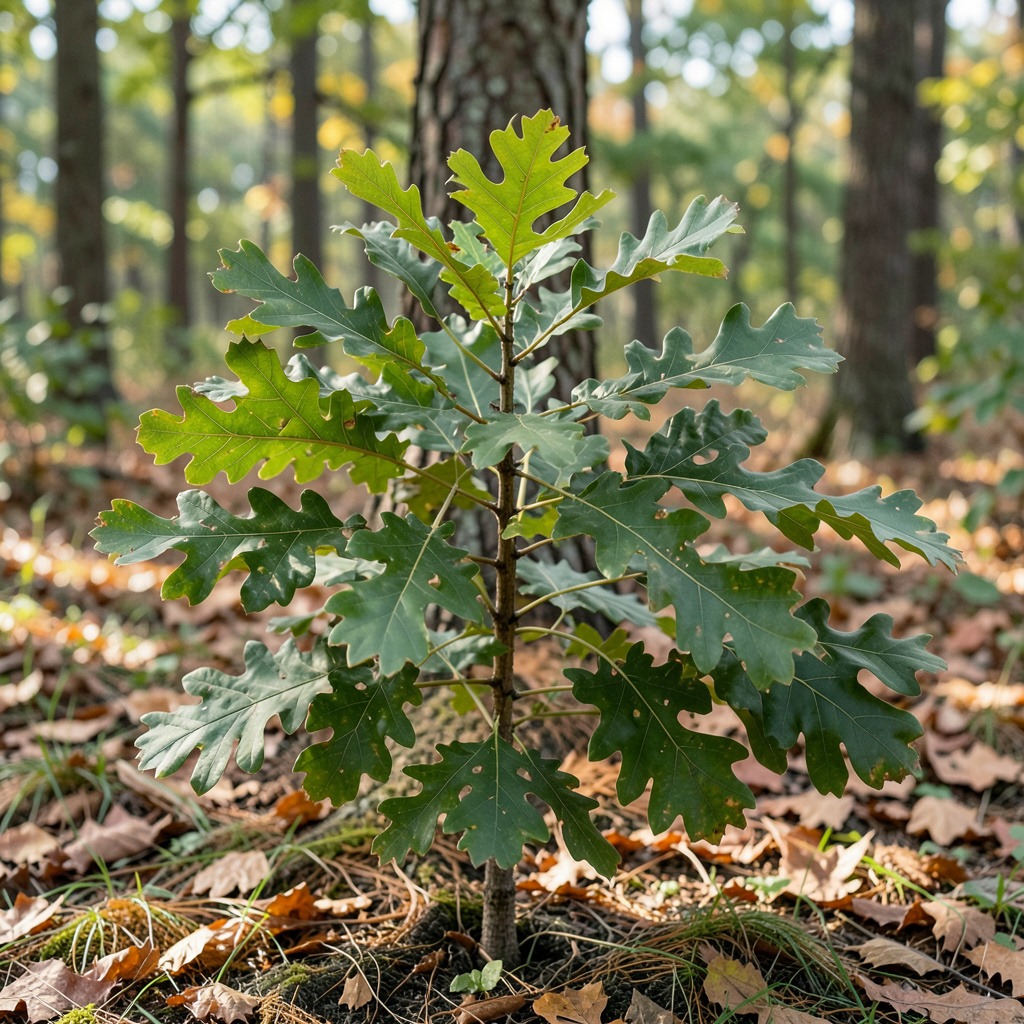
Pin Oaks typically reach heights of 60 to 70 feet, with a spread of 25 to 40 feet. Their leaves are deeply lobed, providing a unique silhouette. In autumn, the foliage turns a striking red-brown.
- Lifespan: Pin Oaks can live between 150 to 200 years in optimal conditions.
- Growth Rate: They exhibit a moderate to fast growth rate, especially in full sunlight.
Native Habitat
Pin Oaks thrive in moist, slightly acidic soils, often found in wetlands, along creek beds, and in floodplains. This natural habitat plays a crucial role in their growth requirements.
- Soil Type: Ideally, the soil should be well-draining with a pH between 5.5 and 6.5.
- Moisture Level: They prefer consistently moist conditions but can adapt to medium soils with adequate watering during droughts.
Growth Expectations
When planted in suitable environments, Pin Oaks can flourish and grow rapidly. However, improper placement can hinder their full potential.
- Sunlight: They require at least 6 hours of direct sunlight daily. Insufficient light can lead to stunted growth and increased susceptibility to diseases.
- Spacing: Plant Pin Oaks at least 20 to 30 feet away from structures to allow for proper root development and crown expansion. This distance is critical for maintaining the health of both the tree and nearby structures.
Visual Identification Tips
Identifying a Pin Oak is straightforward if you know what to look for.
- Leaves: Look for deeply lobed, glossy green leaves that turn red in fall.
- Bark: The bark is dark gray and furrowed, becoming more rugged with age.
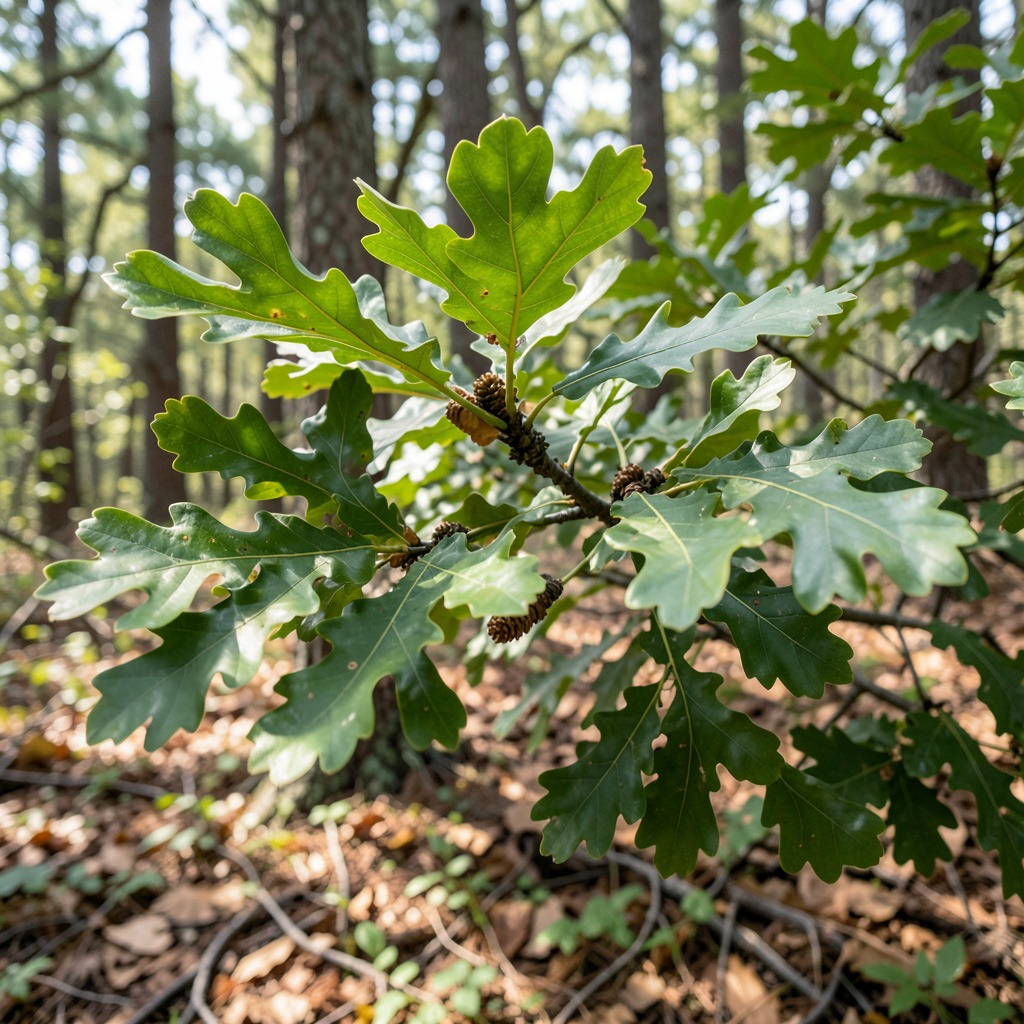
- Acorns: The acorns are small, measuring about 1 inch long, and have a distinctive cap that covers about one-third of the nut.
By understanding these characteristics and growth expectations, you can create an ideal environment for your Pin Oak, ensuring its health and longevity.
Soil Requirements for Healthy Growth
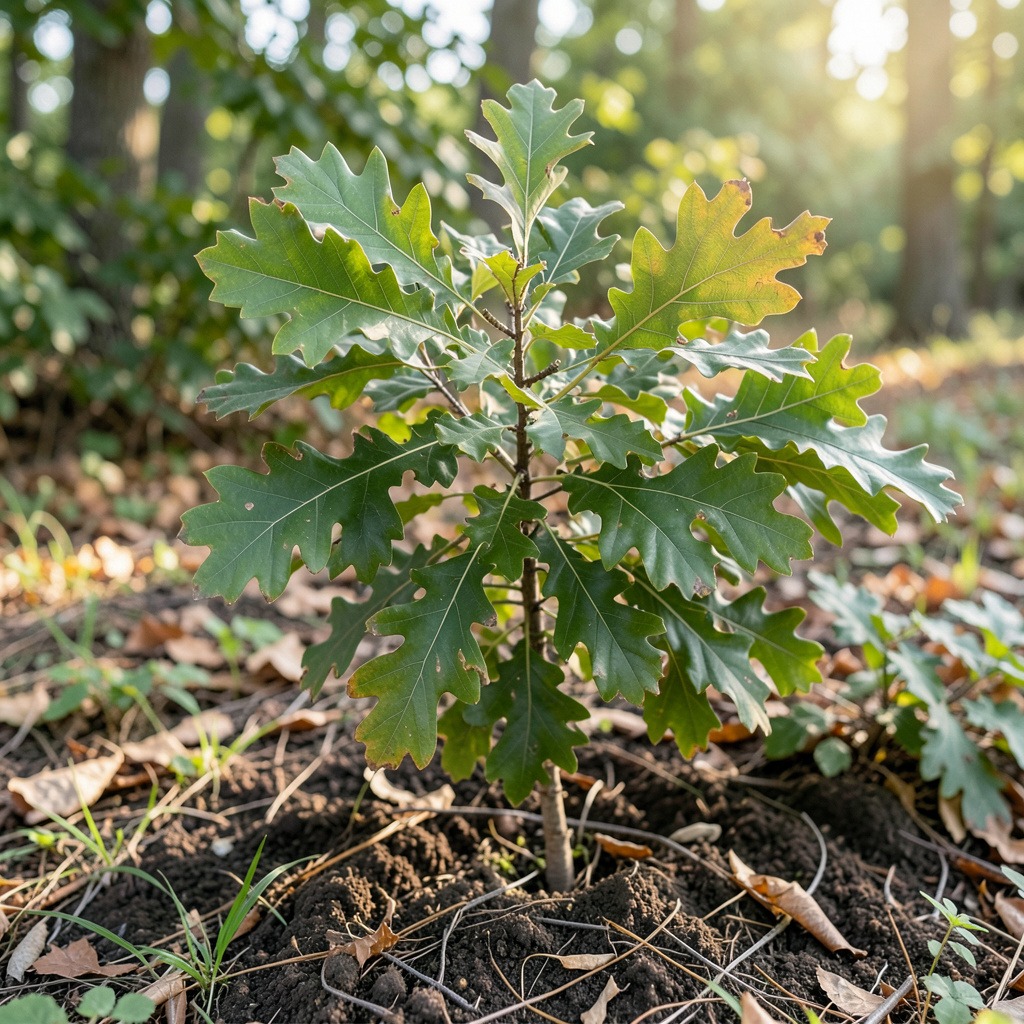
Pin Oaks thrive in specific soil conditions that significantly influence their health. Understanding their soil pH and composition needs is crucial for successful growth.
Ideal Soil pH
Pin Oaks require a soil pH between 5.0 and 6.5. This range allows the tree to absorb iron efficiently. If the pH exceeds 6.5, the tree may experience iron chlorosis, leading to yellowing leaves and stunted growth.
Soil Composition
Pin Oaks prefer moist, well-draining soils rich in organic matter. They can adapt to various soil types, including sandy, clay, and loam. However, for optimal growth, ensure the soil is:
- Well-draining: Prevents waterlogging.
- Moist: Supports healthy root systems.
- Acidic: Facilitates nutrient uptake.
Amending Soil for Pin Oaks
If your soil pH is too high, consider the following amendment techniques:
- Sulfur Addition: Elemental sulfur can lower pH over time. Apply according to soil test recommendations.
- Organic Matter: Incorporate compost or peat moss to enhance soil structure and acidity.
- Iron Supplements: Use chelated iron products if chlorosis symptoms appear.
Soil Suitability Comparison Table
| Soil Type | Drainage | Nutrient Retention | Suitability for Pin Oaks |
|---|---|---|---|
| Sandy | Excellent | Poor | Moderate |
| Clay | Poor | Excellent | Moderate to Low |
| Loam | Good | Good | High |
When selecting a planting site, consider these factors to ensure your Pin Oak’s long-term health. Regular soil testing can help maintain the ideal conditions for growth.
Watering Guidelines for Pin Oaks
Proper watering is critical for the health of Pin Oaks throughout their growth stages. Understanding their specific needs helps prevent stress and promotes vigorous growth.
Watering Young Trees
- Frequency: Water young Pin Oaks deeply once a week for the first two years after planting.
- Amount: Provide 1 to 1.5 inches of water per week. This ensures consistent moisture and supports root development.
- Method: Use a soaker hose or drip irrigation to deliver water slowly and evenly.
Watering Established Trees
- Frequency: Once established, water only during prolonged dry spells. Pin Oaks are somewhat drought-tolerant but thrive with consistent moisture.
- Amount: During dry periods, increase watering to ensure the tree receives adequate moisture; aim for 1 inch per week.
- Considerations: Monitor soil moisture levels. If the top 2 inches of soil are dry, it’s time to water.
Signs of Overwatering
- Leaf Yellowing: If leaves turn yellow or drop prematurely, it may indicate excess water.
- Root Rot: Check for a foul smell or blackened roots, which are signs of root rot.
- Soil Saturation: If water pools around the base of the tree, reduce watering frequency or adjust drainage.
Seasonal Watering Checklist
| Season | Young Trees | Established Trees |
|---|---|---|
| Spring | Weekly, 1-1.5 inches | Monitor; water if dry |
| Summer | Weekly, 1-1.5 inches | Water during drought |
| Fall | Reduce to bi-weekly | Monitor; water if dry |
| Winter | Minimal, only if dry | No watering needed |
This checklist helps ensure Pin Oaks receive adequate moisture throughout the year, adapting to changing environmental conditions. Regularly assess soil moisture to tailor your watering schedule effectively.
Sunlight Requirements for Optimal Growth
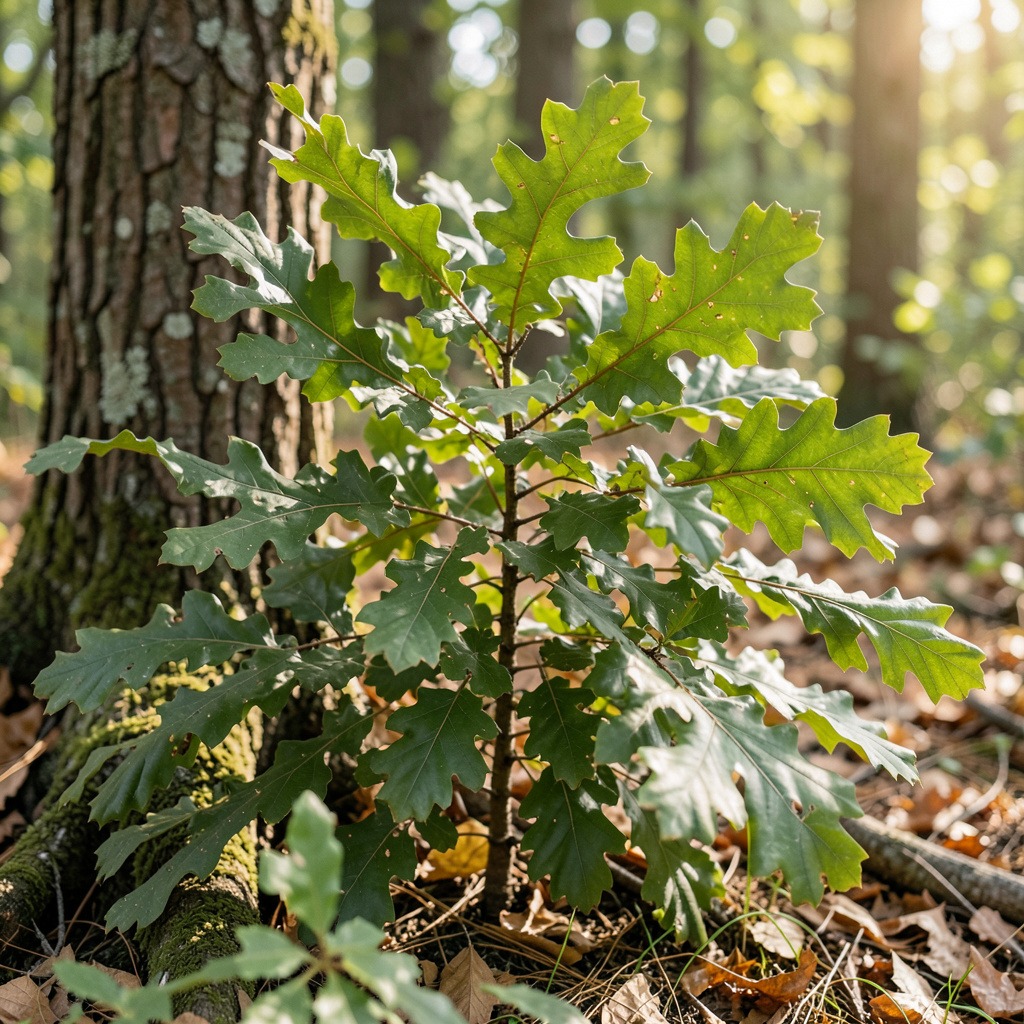
Proper sunlight exposure is vital for the healthy growth of Pin Oaks (Quercus palustris). These trees thrive in full sun, although they can tolerate partial shade. Understanding how to position them in your landscape will enhance their health and longevity.
Full Sun vs. Partial Shade
Pin Oaks prefer full sun, which means they should receive at least six hours of direct sunlight daily. Full sun promotes vigorous growth and a robust canopy. When planted in optimal conditions, these trees can reach heights of 60 to 90 feet.
In contrast, while Pin Oaks can survive in partial shade, their growth may be stunted. Trees in shaded areas may exhibit reduced branching and frequent die-backs. This can lead to an unsightly appearance, especially in landscaping applications.
Impact on Growth and Health
The location of your Pin Oak significantly impacts its overall health. Here are key factors to consider when choosing a planting site:
- Distance from Structures: Plant Pin Oaks at least 20-30 feet away from buildings to prevent root damage and allow for natural growth.
- Soil Type: Ensure the soil is well-draining and retains moisture. Pin Oaks prefer slightly acidic to neutral soil pH (around 6.0 to 7.0).
- Sunshine Exposure: Choose a spot that maximizes sunlight, especially in the morning. Morning sun helps dry dew, reducing the likelihood of fungal diseases.
Optimal Planting Locations
Here’s a quick guide for selecting planting sites based on sunlight exposure:
| Sunlight Exposure | Recommended Location | Notes |
|---|---|---|
| Full Sun | Open areas, parks | Best for growth and canopy spread. |
| Partial Shade | Near tall structures | Acceptable but may lead to stunted growth. |
By considering these factors, you can ensure that your Pin Oak thrives, bringing beauty and ecological benefits to your landscape.
Pruning Techniques for Pin Oaks
Pruning is essential for maintaining the health and shape of Pin Oaks. Proper techniques prevent disease and promote growth. Here’s how to effectively prune your Pin Oak.
When to Prune
Timing is crucial for successful pruning. The best time to prune Pin Oaks is during their dormant period, typically in late winter. This minimizes stress and reduces the risk of pest infestations.
- Dormant Season: Late winter (around Christmas) is ideal.
- Avoid: Spring, summer, or early fall when insects are active.
How to Prune Safely
Follow these steps to ensure safe and effective pruning:
1. Sterilize Tools: Use a mixture of 1 part bleach to 9 parts water to sterilize pruning tools. This prevents the introduction of disease.
2. Assess the Tree: Examine the branches. Look for dead, damaged, or crossing limbs.
3. Use the Three-Cut Method:
- First Cut: Make a notch on the underside of the branch, about a third of the way through.
- Second Cut: Cut from the top, just beyond the first cut, to remove the branch.
- Third Cut: Remove the stub by cutting just outside the branch collar.
Avoiding Common Mistakes
Many novice pruners make critical errors that can harm the tree. Here are common mistakes to avoid:
- Over-Pruning: Only remove 10-20% of the tree’s foliage in one season.
- Ignoring Branch Collar: Always cut just outside the branch collar to promote healing.
- Pruning in Wet Conditions: Wet weather increases the risk of disease.
By following these guidelines, you can ensure the longevity and health of your Pin Oak while enhancing its aesthetic appeal in your landscape.
Common Problems and Their Solutions
Pin Oaks (Quercus palustris) are beautiful trees but face specific challenges. Understanding these common issues and their treatments ensures healthy growth and longevity.
Iron Chlorosis Symptoms
Iron chlorosis is the most prevalent problem affecting Pin Oaks. This condition arises when the tree cannot absorb enough iron, leading to yellowing leaves with green veins, known as interveinal chlorosis. The symptoms typically appear first on the youngest leaves at the branch tips. As the season progresses, the condition can spread throughout the canopy.
Key Indicators of Iron Chlorosis:
- Yellow leaves with green veins.
- Stunted growth and smaller leaves.
- Symptoms primarily on new growth.
Treating Oak Wilt
Oak wilt is another serious disease affecting Pin Oaks. This fungal infection disrupts the tree’s vascular system, leading to rapid decline. Early detection is critical for effective management.
Treatment Options:
- Cultural Practices: Avoid wounding trees during the growing season to reduce infection risk.
- Fungicide Application: Use fungicides to protect healthy trees in infected areas.
- Trenching: Create trenches to prevent the spread of the disease in the root system.
Common Pests
Pin Oaks are also susceptible to various pests that can impact their health. Common pests include the oak leaf roller and the red oak borer.
Pest Management Strategies:
- Monitoring: Regularly inspect trees for signs of infestation.
- Insecticidal Treatments: Apply insecticides when pest populations are high.
- Natural Predators: Encourage beneficial insects that prey on harmful pests.
Example Scenario: In a residential area, a homeowner noticed yellowing leaves on their Pin Oak. Upon inspection, they identified high soil pH contributing to iron chlorosis. They treated the soil with chelated iron and adjusted the pH, resulting in healthier foliage within a season.
By actively managing these common problems, you can ensure the vitality of your Pin Oak and enhance its contribution to your landscape.
Understanding Acorn Toxicity
Pin Oak acorns (Quercus palustris) pose a mild toxicity risk to pets and wildlife. This toxicity primarily arises from the tannins present in the acorns and other parts of the tree. Understanding the symptoms and precautions is essential for responsible care of your Pin Oak and the safety of animals nearby.
Symptoms of Toxicity
When ingested, Pin Oak acorns can lead to various health issues in pets. Common symptoms include:
- Gastrointestinal distress
- Vomiting
- Diarrhea
- Intense thirst
- Frequent urination
In severe cases, ingestion may cause bloody stools or additional complications. It’s crucial for pet owners to monitor their animals closely, especially in areas where Pin Oaks are common.
Precautions for Pets
To mitigate the risk of toxicity, consider the following precautions:
- Supervise Pets: Keep a close eye on dogs and cats when outdoors, particularly near Pin Oaks.
- Educate Children: Teach children about the potential dangers of acorn consumption.
- Remove Acorns: If you have a Pin Oak in your yard, regularly clear fallen acorns to reduce access for pets and children.
- Seek Veterinary Care: If you suspect your pet has ingested a significant quantity of acorns, consult a veterinarian immediately.
Example Scenario
A dog owner noticed their pet showing signs of distress after playing in a yard with a Pin Oak. The owner quickly identified that the dog had ingested several fallen acorns. After seeking veterinary assistance, the dog received prompt treatment, which alleviated its symptoms. This highlights the importance of vigilance in environments with Pin Oaks.
By being aware of the toxicity associated with Pin Oak acorns and taking preventive measures, you can ensure the safety of pets and wildlife around these trees.
Seasonal Care Checklist for Pin Oaks
Proper care throughout the year is essential for maintaining the health and vitality of your Pin Oak (Quercus palustris). This seasonal checklist outlines key tasks for each season to ensure optimal growth and protection against common issues.
Spring Care Tasks
- Inspect for Pests: Check for signs of pests such as oak leafrollers or aphids. Early detection allows for effective management.
- Watering: Ensure consistent moisture, especially during dry spells. Aim for at least 1 inch of water per week.
- Fertilization: Apply a balanced fertilizer in early spring to support growth. Use a formula suitable for trees with a nitrogen-phosphorus-potassium (N-P-K) ratio of 10-10-10.
- Pruning: Remove any dead or damaged branches. This promotes healthy growth and enhances air circulation.
Summer Care Tasks
- Mulching: Apply a layer of organic mulch around the base to retain moisture and suppress weeds. Keep the mulch a few inches away from the trunk.
- Monitor Sunlight Exposure: Ensure your Pin Oak receives at least 6 hours of direct sunlight daily. Adjust nearby plantings that may create shade.
- Check Soil pH: Test the soil pH to ensure it remains between 6.0 and 7.0. If necessary, amend the soil to correct acidity or alkalinity.
- Watering Needs: Increase watering frequency in hotter months. Deep watering promotes root development.
Fall and Winter Care
- Leaf Cleanup: Rake and dispose of fallen leaves to reduce the risk of fungal diseases and pests overwintering.
- Acorn Management: If you have pets, regularly remove acorns from the ground to prevent ingestion.
- Winter Protection: Consider wrapping the trunk in burlap if extreme cold is expected. This helps prevent frost cracks.
- Soil Preparation: In late fall, test and amend the soil as necessary to prepare for spring growth.
Seasonal Care Checklist
| Task | Spring | Summer | Fall/Winter |
|---|---|---|---|
| Inspect for Pests | ✔️ | ✔️ | |
| Watering | ✔️ | ✔️ | |
| Fertilization | ✔️ | ||
| Pruning | ✔️ | ||
| Mulching | ✔️ | ||
| Check Soil pH | ✔️ | ✔️ | |
| Leaf Cleanup | ✔️ | ||
| Acorn Management | ✔️ | ||
| Winter Protection | ✔️ |
Maintaining this checklist ensures your Pin Oak thrives through the seasons. Following these specific tasks promotes healthy growth and minimizes potential issues.
Environmental Impact of Planting Pin Oaks
Planting Pin Oaks (Quercus palustris) in urban areas offers significant ecological benefits. These trees not only enhance the aesthetic appeal of landscapes but also support local wildlife and improve urban environments.
Benefits to Local Wildlife
Pin Oaks serve as vital habitats for numerous species. Their acorns provide food for squirrels, deer, and various birds. Additionally, they host over 150 insect species, creating a robust ecosystem. This biodiversity is crucial for maintaining healthy food webs.
- Nesting Sites: Birds often nest in the dense foliage of Pin Oaks.
- Food Source: Acorns are a nutritious food source for various animals.
- Insect Habitat: The tree’s bark and leaves provide shelter for insects, which are essential for bird populations.
Role in Urban Ecosystems
Pin Oaks play an important role in urban ecosystems. Their towering height (up to 90 feet) and wide canopy (40-60 feet spread) contribute to urban shading. This can lower local temperatures, reducing the urban heat island effect.
Comparison with Other Tree Species
When compared to other popular urban trees, such as flowering pears, Pin Oaks offer unique advantages:
- Growth Rate: Pin Oaks can grow over 2 feet per year, making them fast-growing shade trees.
- Soil Adaptability: They thrive in a variety of soil types, including wet, poorly drained soils which are often unsuitable for other species.
- Biodiversity Support: Their ability to host numerous insect species makes them more beneficial for local wildlife than many ornamental trees.
Seasonal Care Checklist
To maximize the environmental benefits of Pin Oaks, consider the following seasonal care tasks:
- Spring: Inspect for pests and fertilize.
- Summer: Ensure consistent watering, especially during dry spells.
- Fall: Manage fallen leaves to prevent pests and diseases.
- Winter: Protect young trees with mulch to insulate roots.
This checklist not only promotes tree health but also enhances their ecological contributions.
Alternatives to Pin Oaks for Landscaping
For those seeking alternatives to Pin Oaks due to unsuitable conditions, several tree species provide similar benefits. These alternatives can thrive in various soil types and environmental conditions while offering shade and ecological support.
Similar Species
Here are some tree species that share characteristics with Pin Oaks:
| Tree Species | Height (ft) | Spread (ft) | Soil Type | Sunlight Requirements | Growth Rate (in/year) |
|---|---|---|---|---|---|
| Shumard Oak | 60-80 | 40-50 | Well-drained, moist | Full sun | 24+ |
| Northern Red Oak | 60-75 | 45-60 | Loamy, well-drained | Full sun | 24+ |
| White Oak | 50-80 | 50-80 | Well-drained, sandy | Full sun | 12-24 |
| American Sycamore | 75-100 | 50-70 | Moist, floodplain | Full sun | 24+ |
| Silver Maple | 50-80 | 35-50 | Wet, well-drained | Full sun to partial | 24+ |
Best Alternatives for Different Conditions
When choosing alternatives to Pin Oaks, consider the following factors:
- Soil Type: If you have clay or compacted soils, opt for trees like the Shumard Oak or Northern Red Oak.
- Space Availability: For smaller landscapes, Silver Maple offers rapid growth without excessive height.
- Moisture Levels: American Sycamore thrives in wetter areas, making it a good choice for regions prone to flooding.
These alternatives not only provide similar shade benefits but also support local wildlife, enhancing the ecological value of your landscape.
Conclusion: Key Takeaways for Pin Oak Care
Effective care for the Pin Oak (Quercus palustris) ensures healthy growth and longevity. Understanding its specific needs can prevent common issues and promote a thriving environment.
Recap of Care Tips
- Soil Requirements: Pin Oaks prefer slightly acidic to neutral soil (pH 6.0-7.0). Regular soil testing helps maintain optimal conditions.
- Watering Needs: Ensure consistent moisture, especially during dry spells. Deep watering encourages strong root development.
- Sunlight Exposure: Plant in full sun to partial shade for the best growth. Aim for at least 6 hours of direct sunlight daily.
- Pruning Techniques: Prune in late winter to remove dead or crossing branches. This improves airflow and reduces disease risk.
- Pest Management Strategies: Monitor for pests like oak leaf rollers and beetles. Early detection leads to effective management.
- Acorn Toxicity: Be aware that acorns can be mildly toxic to pets if ingested. Keep pets away from the area to prevent potential health issues.
Seasonal Care Checklist
| Season | Care Tasks |
|---|---|
| Spring | Fertilize and prune; check for pests. |
| Summer | Water regularly; mulch to retain moisture. |
| Fall | Rake leaves; prepare for winter. |
| Winter | Inspect for winter damage; plan spring planting. |
Understanding these care requirements and seasonal tasks will enhance the health and sustainability of your Pin Oak.
Frequently Asked Questions
These quick answers cover the most common questions about this topic, including key details, practical tips, and common concerns.
What are the downsides of growing Pin Oak trees?
Pin Oaks can have some drawbacks. They are susceptible to iron chlorosis, especially in alkaline soils, leading to yellowing leaves. Additionally, their shallow root systems can cause issues in high winds, making them less stable than other oak species. They may also drop acorns in the fall, which can be a nuisance in residential areas.
What is the average lifespan of a Pin Oak?
Pin Oaks typically live between 150 to 200 years under optimal conditions. However, their lifespan can be shortened by environmental stressors, such as poor soil conditions, diseases, and pests. Proper care can significantly extend their longevity.
Do Pin Oaks have deep roots?
Pin Oaks generally have shallow, spreading root systems. This characteristic makes them more susceptible to uprooting during storms or high winds. It’s essential to plant them in areas with adequate space to allow for their lateral roots to expand without interference from structures or other trees.
Should Pin Oak be pruned?
Yes, pruning is beneficial for Pin Oaks. The best time to prune is during their dormant season in late winter. This helps reduce stress on the tree and minimizes the risk of disease. Regular pruning can improve air circulation and remove dead or crossing branches, promoting healthier growth.
How can I treat iron chlorosis in Pin Oaks?
To treat iron chlorosis, first test your soil’s pH. If it’s above 6.5, consider amending the soil with elemental sulfur to lower the pH. Additionally, applying chelated iron products can help the tree absorb iron more effectively. Regularly monitor your tree for symptoms and adjust care as needed.
What are the common problems with Pin Oak trees?
Common problems include iron chlorosis, oak wilt, and pest infestations from species like the oak leaf roller. Symptoms of oak wilt include wilting leaves and rapid tree decline. Regular inspections and proactive care can help manage these issues effectively.
How does Pin Oak compare to other oak species?
Compared to other oak species like White Oak or Northern Red Oak, Pin Oaks are faster-growing but may be less durable in strong winds due to their shallow roots. They also thrive in wetter soils, making them suitable for flood-prone areas, whereas other oaks may prefer drier conditions. This adaptability can be a deciding factor for landscape planning.
What are alternative trees to plant instead of Pin Oak?
If Pin Oaks aren’t suitable for your landscape, consider alternatives like the Shumard Oak, Northern Red Oak, or American Sycamore. These species offer similar benefits, such as shade and wildlife support, while thriving in a variety of soil types and conditions. Each alternative has unique characteristics, so choose one that matches your specific environment and aesthetic preferences.