
Pin Oak trees typically grow at a rate of 18 to 24 inches per year under optimal conditions, making them one of the faster-growing oak species.
Table of Contents
Pin Oak trees (Quercus palustris) are renowned for their rapid growth rates, thriving in various conditions. Understanding their growth patterns is essential for gardeners and landscapers aiming to maximize the benefits of this majestic tree in their landscapes.

Understanding Pin Oak Growth Rates
Pin Oak trees (Quercus palustris) exhibit a noteworthy growth rate, making them a popular choice in landscaping. Their growth is influenced by various environmental conditions that can enhance or inhibit their development.
Average Growth Rate
Pin Oaks are classified as moderately fast-growing trees. Under optimal conditions, they can achieve a height increase of 1 to 2 feet per year during their early years. Here is a breakdown of their growth at different ages:
| Age (Years) | Average Height Increase (Feet) |
|---|---|
| 1-5 | 1.5 – 2 |
| 6-10 | 1 – 1.5 |
| 11-20 | 0.5 – 1 |
| 20+ | Slower growth, variable |
These statistics highlight that Pin Oaks grow rapidly when young but slow down as they mature.
Factors Influencing Growth
Several key factors affect the growth rates of Pin Oaks:
- Soil Conditions: Pin Oaks prefer moist, well-drained soils with a pH of 6.0 to 7.5. Poor soil quality can stunt growth.
- Sunlight Exposure: Full sun (at least 6 hours daily) encourages optimal growth. Insufficient light can lead to weaker trees.
- Watering: Regular watering during dry spells supports healthy growth, especially in the first few years.
- Competition: Nearby plants can compete for resources like light and nutrients. Reducing competition can boost growth.
- Pests and Diseases: Infestations or diseases can significantly hinder growth. Regular monitoring is essential.
Comparison with Other Oak Varieties
In comparing Pin Oaks to other oak species, like the White Oak (Quercus alba) and Red Oak (Quercus rubra), Pin Oaks generally grow faster in their initial stages.
- Pin Oak: 1-2 feet/year
- Red Oak: 1-1.5 feet/year
- White Oak: 0.5-1 foot/year
This growth comparison illustrates that while Pin Oaks are not the fastest among all tree species, they are among the quicker-growing oaks, making them a favorable option for landscapes requiring immediate impact.
Optimal Conditions for Pin Oak Growth

To achieve optimal growth rates for Pin Oaks (Quercus palustris), it is essential to provide the right soil, sunlight, and watering conditions. These factors directly influence their overall health, growth rate, and longevity.
Soil Requirements
Pin Oaks thrive in well-draining soil that is rich in organic matter. Here are key considerations for their soil needs:
- Type: Loamy or sandy soil is ideal. Avoid heavy clay soils that retain water.
- pH Level: Aim for a soil pH between 6.0 and 7.0. This range supports nutrient availability.
- Nutrient Content: Incorporate organic amendments such as compost or well-rotted manure to enrich the soil.
- Drainage: Ensure proper drainage to prevent waterlogging. Consider amending compacted soil with coarse sand or perlite to enhance aeration.
Checklist for Soil Preparation:
- Test soil pH and nutrient levels.
- Amend with organic matter as needed.
- Ensure good drainage by mixing in sand or perlite.
Sunlight and Watering Needs
Pin Oaks require adequate sunlight and consistent moisture during their early growth stages to establish strong roots.
- Sunlight: They prefer full sun, needing at least 6 hours of direct sunlight daily. This exposure supports vigorous growth.
- Watering:
- Young Trees: Water regularly, ensuring the soil remains moist but not saturated. Young Pin Oaks need about 1-2 inches of water per week.
- Mature Trees: Once established, Pin Oaks are drought-tolerant. However, during prolonged dry spells, supplemental watering is beneficial.
Preparing the Planting Site
Correctly preparing the planting site is crucial for successful Pin Oak growth. Follow this step-by-step guide:
1. Select a Location: Choose a site with full sun exposure and good air circulation.
2. Soil Testing: Conduct a soil test to check pH and nutrient levels.
3. Soil Amendment: Based on test results, amend the soil with organic matter and adjust pH if necessary.
4. Clear the Area: Remove any debris, weeds, or grass within a 3-foot radius of the planting area.
5. Dig the Hole: Create a hole that is twice as wide and just as deep as the root ball of the tree.
6. Drainage Check: Before planting, fill the hole with water. If it drains within a few hours, drainage is adequate.
7. Planting: Place the tree in the hole, ensuring that the top of the root ball is level with the soil surface.
Implementing these steps will create an environment that supports the healthy growth of your Pin Oaks, maximizing their growth potential.
Caring for Your Pin Oak for Optimal Growth

Proper care is essential for maximizing the growth rate of your Pin Oak (Quercus palustris). By focusing on watering, pruning, and seasonal maintenance, you can promote healthy development and longevity for your tree.
Watering Practices
Watering is critical, especially in the early years. Follow these guidelines to maintain consistent moisture:
- First Year: Water deeply twice a week in dry spells. Each session should deliver about 10-15 gallons to the root zone.
- After the First Year: Reduce frequency to once a week. Adjust based on rainfall; ensure the top 2-3 inches of soil remain moist.
- Drought Conditions: Increase watering during prolonged dry spells. Pin Oaks thrive in well-drained soils but require regular moisture.
Pruning Techniques
Effective pruning shapes your Pin Oak and encourages robust growth. Consider these tips:
- Timing: Prune in late winter or early spring before new growth starts. This minimizes stress on the tree.
- Method: Remove dead, damaged, or crossing branches. Thinning the canopy enhances air circulation and sunlight penetration.
- Shaping: Aim for an open center to promote vertical growth. This helps the tree develop a strong structure.
Seasonal Care Tips
Adopting a seasonal maintenance schedule ensures that your Pin Oak receives the care it needs throughout the year. Here’s a practical checklist:
| Season | Maintenance Task |
|---|---|
| Spring | Fertilize with a balanced fertilizer. |
| Summer | Monitor for pests and diseases. |
| Fall | Rake leaves and mulch around the base. |
| Winter | Inspect for damaged branches; prune as needed. |
By following these care tips, you can create an optimal environment for your Pin Oak to thrive. Healthy trees not only grow faster but also provide ecological benefits, such as habitat for wildlife and improved air quality.
Ecological Benefits of Pin Oaks
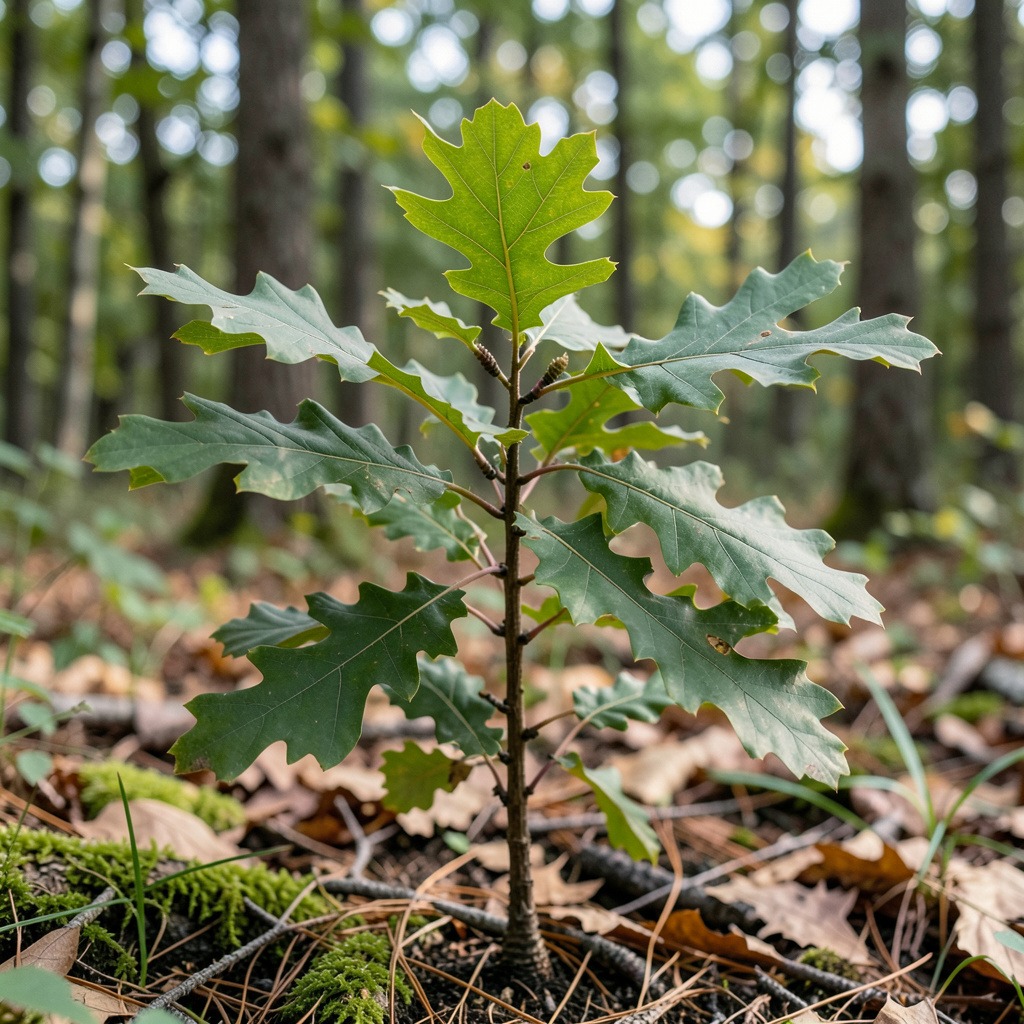
Pin Oaks (Quercus palustris) provide significant ecological advantages, notably in supporting local wildlife and enhancing biodiversity. Their growth rate and robust structure make them invaluable in various ecosystems.
Wildlife Supported by Pin Oaks
Pin Oaks are vital habitats for numerous species. They produce acorns, which serve as food for many birds and mammals. Common visitors include:
- Birds: Wild Turkey, Blue Jays, and Wood Ducks.
- Mammals: Squirrels and deer, which consume both acorns and bark.
Moreover, the tree’s structure offers nesting sites for various bird species, such as the Blue-Gray Gnatcatcher and the Northern Parula. This interdependence highlights the role of Pin Oaks in maintaining ecological balance.
Environmental Benefits
The presence of Pin Oaks contributes to improved air quality and soil health. Their extensive root systems help prevent soil erosion, while their leaves provide organic matter that enriches the soil as they decompose.
The tree’s fast growth rate—averaging 2 feet or more per year—allows it to quickly establish itself in a landscape, offering immediate benefits to the surrounding environment. In optimal conditions, a mature Pin Oak can reach heights of 60 to 90 feet, providing substantial shade and cooling benefits to urban areas.
Role in Landscaping
Pin Oaks are widely used in landscaping due to their aesthetic appeal and rapid growth. They provide shade that can lower cooling costs in nearby buildings.
When planted in groups, they create a habitat corridor for wildlife, enhancing local biodiversity. Case studies have shown that communities that plant Pin Oaks experience increased bird populations and improved overall ecosystem health. For instance, neighborhoods that replaced traditional landscaping with native trees like the Pin Oak saw a 30% increase in bird diversity within five years.
By understanding these ecological benefits, homeowners and landscapers can make informed decisions about planting Pin Oaks, enriching both their properties and the environment.
Common Pests and Diseases Affecting Pin Oaks
Pin Oaks are generally resilient but can face threats from various pests and diseases. Identifying these risks early ensures optimal growth and health for your tree.
Common Pests
Several pests can hinder the growth of Pin Oaks. Here are the most common ones:
- Oak Leaf Phyllophage: This pest feeds on the leaves, causing significant defoliation.
- Red Oak Borer: Infests the inner bark, leading to tree stress and potential decline.
- Aphids: These small insects can cause leaf curling and may lead to sooty mold.
Diseases to Watch For
Pin Oaks are susceptible to specific diseases that can affect their growth rate. Notable diseases include:
- Oak Wilt: A serious fungal disease that can kill trees rapidly. Look for wilting leaves and premature leaf drop.
- Powdery Mildew: This fungal disease results in a white coating on leaves, potentially stunting growth.
- Anthracnose: A fungal infection that causes leaf spots and may weaken the tree over time.
Prevention and Treatment Strategies
Effective management strategies are crucial for maintaining the health of Pin Oaks. Here are key practices:
| Issue | Management Practice |
|---|---|
| Oak Leaf Phyllophage | Regularly inspect leaves and apply insecticidal soap if needed. |
| Red Oak Borer | Use traps or chemical treatments to control infestations. |
| Aphids | Introduce beneficial insects like ladybugs or use insecticidal soap. |
| Oak Wilt | Remove infected trees promptly and avoid wounding healthy ones. |
| Powdery Mildew | Ensure good air circulation and apply fungicides if necessary. |
| Anthracnose | Rake fallen leaves and prune affected branches to reduce spread. |
Regular inspection and proactive management ensure that your Pin Oak remains healthy, which is essential for its growth rate and overall vitality.
Frequently Asked Questions
These quick answers cover the most common questions about this topic, including key details, practical tips, and common concerns.
What is the average growth rate of a Pin Oak tree?
Pin Oak trees (Quercus palustris) typically grow at a rate of 18 to 24 inches per year under optimal conditions. In their early years, they can achieve a height increase of 1 to 2 feet annually. However, this growth rate slows down as the tree matures, averaging about 0.5 to 1 foot per year after 20 years.
How do I care for a young Pin Oak?
Caring for a young Pin Oak involves regular watering, proper sunlight exposure, and soil maintenance. Water the tree deeply during dry spells, aiming for 1-2 inches of water weekly in the first year. Ensure the tree receives at least 6 hours of direct sunlight daily and amend the soil with organic matter to maintain nutrient levels.
What pests are common in Pin Oak trees?
Common pests affecting Pin Oaks include the Oak Leaf Phyllophage, which defoliates leaves, and the Red Oak Borer, which infests the inner bark. Aphids are also a concern, as they can cause leaf curling and lead to sooty mold. Regular inspections and appropriate treatments can help manage these pests.
What soil conditions are best for Pin Oaks?
Pin Oaks thrive in well-draining, loamy or sandy soils with a pH of 6.0 to 7.0. They prefer moist conditions, so it’s crucial to avoid heavy clay soils that retain water. Amending the soil with organic matter can enhance its nutrient content and drainage, supporting healthy tree growth.
Can Pin Oaks tolerate drought?
Yes, Pin Oaks are relatively drought-tolerant once established. However, young trees require consistent moisture, especially during dry spells. After the first year, reduce watering frequency but monitor the soil to ensure it remains moist, particularly during prolonged drought conditions.
How tall do Pin Oaks grow in 10 years?
In 10 years, Pin Oaks can reach heights of approximately 10 to 20 feet, depending on growing conditions. Their initial growth rate is robust, typically averaging 1 to 2 feet per year during the first five years, which contributes to their impressive height in a relatively short time.
What wildlife benefits from Pin Oak trees?
Pin Oaks provide essential habitat and food for various wildlife. Their acorns are a food source for birds such as Blue Jays and mammals like squirrels and deer. Additionally, the tree’s structure offers nesting sites for birds, contributing to biodiversity and supporting local ecosystems.
What are the best practices for planting Pin Oaks?
To plant a Pin Oak effectively, select a location with full sun and good air circulation. Prepare the soil by testing pH and nutrient levels, and amend it as necessary. Dig a hole twice as wide as the root ball, ensure proper drainage, and plant the tree at the correct depth. Regularly water the tree after planting to help establish a strong root system.