
To identify a pin oak, look for its deeply lobed leaves, drooping lower branches, small round acorns, and distinct bark texture.
Table of Contents
Identifying a pin oak (Quercus palustris) can enhance your landscaping and ecological awareness. This guide covers eight key features, including leaf shape, bark texture, and growth habits, to help you recognize this popular tree with confidence.
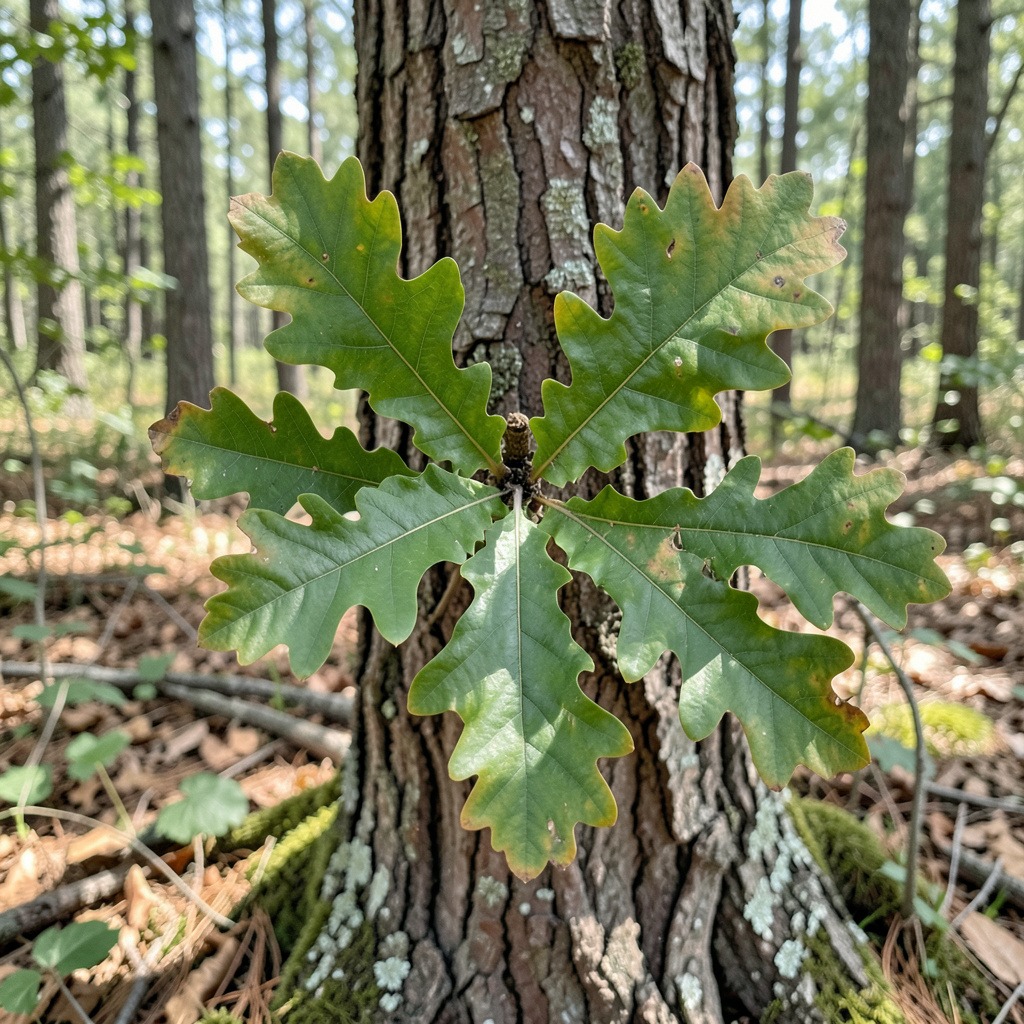
Understanding the Pin Oak: Key Identification Features
Identifying the pin oak (Quercus palustris) involves recognizing its distinct characteristics. This section outlines the primary features, including leaf shape, bark texture, and acorn description.
Leaf Characteristics
Pin oak leaves are one of the most distinctive features for identification.
- Size: Leaves typically measure 3 to 6 inches long and 2 to 4 inches wide.
- Shape: The leaves are deeply lobed with sharp bristle tips, and the lobes are narrow with sinuses that cut 60 to 80 percent toward the midrib.
- Color: The upper surface is glossy dark green, while the underside is pale green with tufts of hair at the veins.
- Autumn Color: In fall, the leaves turn a vibrant red to bronze-red and often retain their dead brown leaves through winter, a trait known as marcescence.
Bark Texture and Color
The bark of the pin oak evolves significantly as the tree matures.
- Young Trees: Smooth, gray-brown bark with a polished appearance.
- Mature Trees: Develops shallow, interlacing ridges while maintaining a relatively smooth texture. The color remains light gray, contrasting with the darker, deeply furrowed bark of black oak or the rougher texture of mature red oak.
Acorn Description
Acorns are another key feature for identifying pin oaks.
- Size: Pin oak acorns are small, typically measuring about 0.5 to 1 inch in length.
- Shape: They are oval and have a shallow cap that covers about one-third of the nut.
- Color: The acorns are brown upon maturity and can remain on the tree into winter, aiding in identification.
Growth Habit and Structure
Understanding the overall structure of the pin oak aids in identification.
- Height: Pin oaks typically grow to 60-70 feet tall.
- Crown: They exhibit a characteristic pyramidal shape when young, maturing to a more rounded form.
- Branching: Lower branches tend to droop, while upper branches grow more horizontally.
Comparison with Similar Oak Species
Differentiating the pin oak from similar species is crucial.
- Red Oak (Quercus rubra): Red oak leaves have broader lobes with shallower indentations. Their bark is darker and more rugged.
- Black Oak (Quercus velutina): The bark is much rougher and furrowed compared to the pin oak. Black oak leaves are also broader and less deeply lobed.
By recognizing these key features, you can confidently identify the pin oak in various landscapes.
Growth Habit and Structure of Pin Oaks
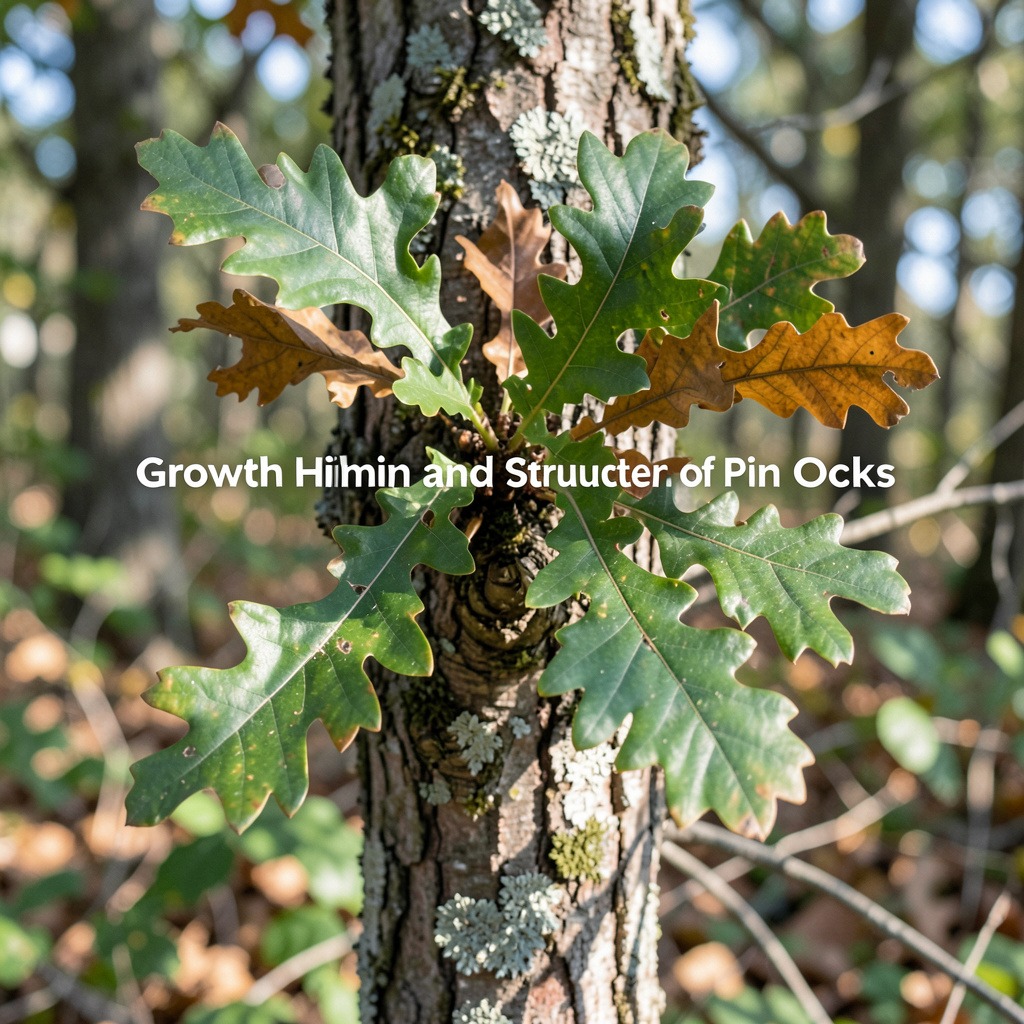
The growth habit of the pin oak (Quercus palustris) is distinctive and vital for identification. Its pyramidal shape and unique branch arrangement set it apart from other oak species. Understanding these features can help you recognize a pin oak in various landscapes.
Young vs. Mature Growth
- Young Pin Oaks: In their early years, pin oaks exhibit a narrow, pyramidal shape. The branches are closely spaced, contributing to a compact appearance. This growth pattern allows them to maximize sunlight exposure.
- Mature Pin Oaks: As they age, pin oaks maintain their pyramidal silhouette but develop a more tiered branch structure. The upper branches angle upwards, while the middle branches extend horizontally. The lower branches droop, creating a unique “pin” shape that is characteristic of mature specimens.
Branch Structure
The arrangement of branches is a key identification feature of the pin oak.
- Upper Branches: These branches grow upwards, giving the tree its height and prominence.
- Middle Branches: They extend horizontally, providing a balanced appearance.
- Lower Branches: These distinctive drooping branches are a hallmark of the pin oak. They often remain close to the ground, creating a striking visual contrast with the rest of the tree.
This tiered structure not only aids in identification but also enhances the tree’s aesthetic appeal in landscaping.
Identification Checklist
When identifying a pin oak, consider the following features:
- Shape: Pyramidal when young, tiered as it matures.
- Branch Arrangement: Upper branches angled upwards, middle branches horizontal, lower branches drooping.
- Height: Can reach 60 to 70 feet at maturity.
- Common Uses: Frequently planted for shade and ornamental purposes.
By recognizing these growth characteristics, you can confidently identify pin oaks in various environments.
Optimal Growing Conditions for Pin Oaks
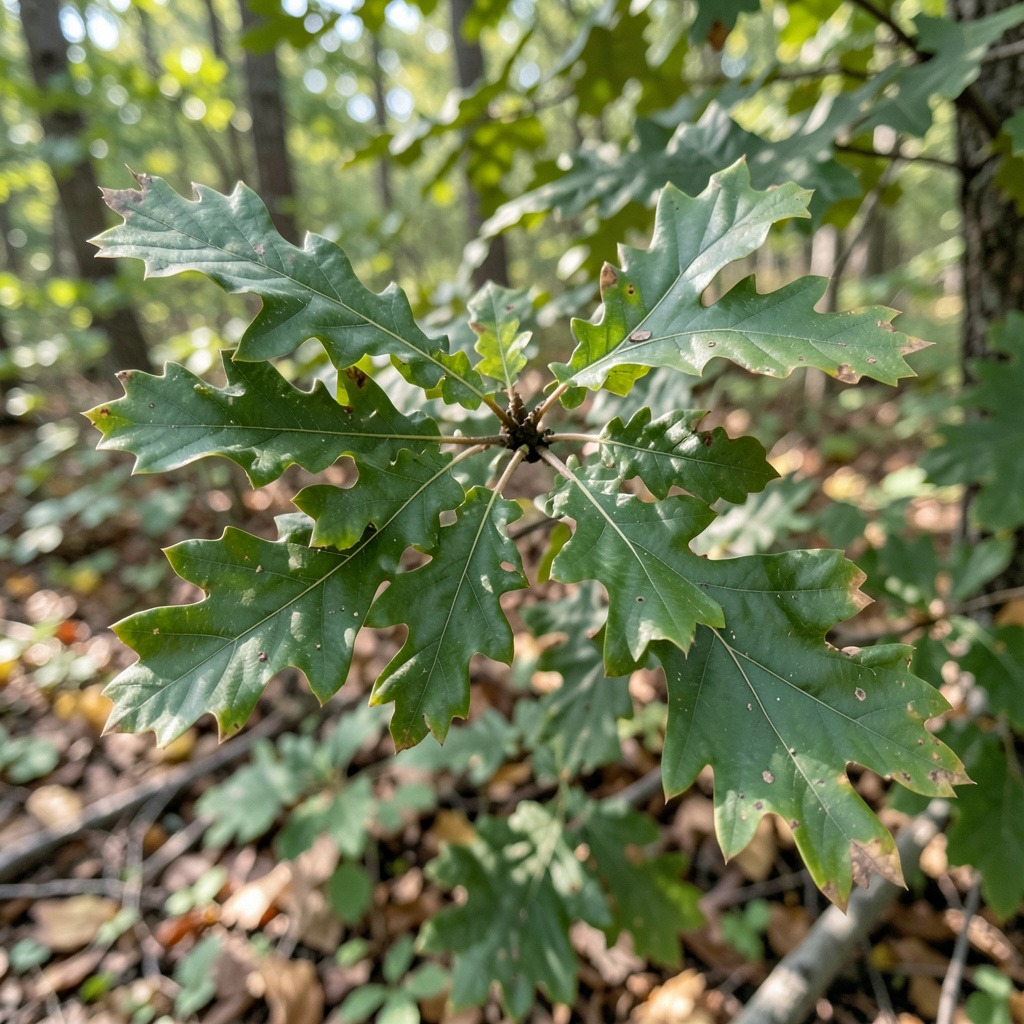
Pin oaks thrive best in specific environmental conditions that enhance their growth and health. Understanding these requirements can aid in the identification and successful cultivation of these trees.
Ideal Soil and Sunlight Requirements
Pin oaks prefer moist, well-drained soils that are slightly acidic to neutral. They can tolerate a range of soil types but struggle in overly alkaline conditions.
- Soil pH: Aim for a pH of 5.5 to 7.0.
- Soil Type: Loamy or sandy soils are ideal.
- Sunlight: Full sun exposure is crucial for optimal growth, with at least six hours of direct sunlight daily.
Watering and Maintenance Tips
While pin oaks are relatively low-maintenance, proper watering and care are essential for their establishment and long-term health.
- Watering: Newly planted pin oaks require regular watering, especially during dry spells. Aim to keep the soil consistently moist but not waterlogged.
- Fertilization: Use a balanced fertilizer in early spring to support growth, particularly in nitrogen-deficient soils.
- Mulching: Apply a layer of mulch around the base to retain moisture and prevent weed growth.
Case Studies of Successful Plantings
In urban environments, pin oaks have been successfully planted in parks and along streets, showcasing their adaptability. For example, a city park in the Midwest reported that pin oaks planted in sandy soil thrived after regular watering during their first two years.
- Decision Rule: When selecting a planting site, ensure the area has adequate sunlight and soil conditions. Avoid locations with heavy clay or poorly draining soils to prevent root issues.
By recognizing these optimal growing conditions, you can enhance your ability to identify pin oaks and ensure their healthy growth in various landscapes.
Common Pests and Diseases of Pin Oaks
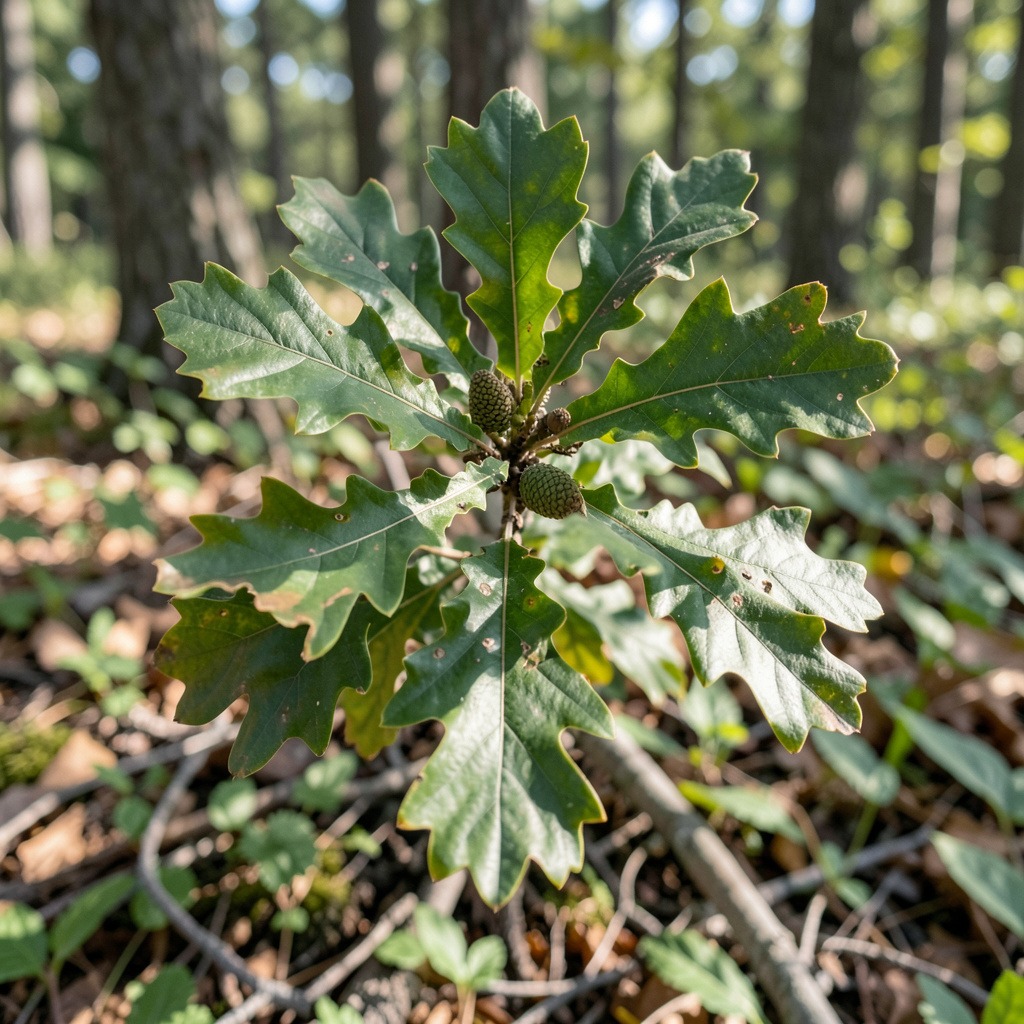
Pin oaks (Quercus palustris) are susceptible to various pests and diseases that can impact their health. Identifying these issues early is crucial for maintaining vibrant and thriving trees.
Major Pests to Watch For
Several pests can affect pin oaks, often compromising their aesthetic appeal and overall health. Here are the most common:
- Aphids: These small insects suck sap from leaves, potentially causing leaf curl and discoloration.
- Scale Insects: They attach themselves to tree bark and feed on sap, leading to weakened growth.
- Caterpillars: Certain species, like tent caterpillars, can defoliate trees. While they may not kill the tree, they can damage new growth.
- Acorn Weevils: These pests burrow into acorns, reducing seed viability for future growth.
Pest Management Checklist:
- Regularly inspect trees for signs of pest activity.
- Remove nests or clusters of caterpillars by hand.
- Use horticultural oils or insecticidal soaps to manage infestations.
- Consider introducing beneficial insects, like ladybugs, to control aphid populations.
Common Diseases Affecting Pin Oaks
Pin oaks can also be affected by several diseases that can threaten their longevity. Understanding these conditions helps in early detection and management:
- Oak Wilt: This fungal disease can spread rapidly and is characterized by wilting leaves that turn yellow and brown. Immediate action is necessary if symptoms appear.
- Iron Chlorosis: A condition resulting from soil that lacks iron, leading to yellow leaves with green veins. Regular soil testing can help identify deficiencies early.
- Fungal Infections: Various fungi can cause leaf spots or root rot, particularly in poorly drained soils.
Prevention Tips:
- Ensure proper watering and drainage to prevent root rot.
- Test soil and amend with iron supplements if chlorosis is detected.
- Prune infected branches to prevent the spread of diseases.
By being vigilant and proactive, you can help protect your pin oak from pests and diseases, thereby preserving its beauty and ecological role in the environment.
Benefits of Planting Pin Oaks
Planting pin oaks (Quercus palustris) offers numerous ecological and aesthetic benefits. Their unique characteristics make them valuable additions to any landscape, enhancing both biodiversity and visual appeal.
Wildlife Habitat
Pin oaks play a crucial role in supporting local wildlife. Their acorns provide vital food sources for various species, including squirrels, deer, and birds. Additionally, the tree’s dense foliage offers nesting sites and shelter for many birds and small mammals. Here are some specific benefits:
- Food Source: The acorns of pin oaks are rich in nutrients, feeding a variety of animals.
- Shelter: The broad canopy provides a safe habitat for birds and other wildlife.
- Insect Habitat: Pin oaks host a variety of insects, which serve as food for birds.
Aesthetic Value in Landscaping
Pin oaks are not only functional but also visually striking. Their pyramidal shape and vibrant fall colors enhance the landscape. This makes them a popular choice for parks, residential areas, and urban environments. Consider the following:
- Growth Habit: Their unique branch structure—lower branches drooping, middle branches horizontal, and upper branches upward—adds visual interest.
- Seasonal Display: In autumn, pin oaks transform into a stunning array of red and orange hues, making them stand out in any setting.
- Biodiversity Enhancement: Including pin oaks in landscaping encourages a diverse ecosystem, attracting various species of wildlife.
Incorporating pin oaks into your landscape not only enriches the environment but also aids in identification. Their distinct leaves, bark, and acorns can help you recognize them easily. For example, the deeply lobed leaves are a key identifying feature, often aiding in distinguishing them from similar species.
Pin Oak vs. Other Oak Species: Key Differences
Identifying pin oaks requires knowledge of their distinguishing features compared to similar oak species. Understanding these differences can enhance your ability to recognize pin oaks in various environments.
Scarlet Oak
Pin oaks and scarlet oaks share some characteristics, yet they differ significantly in several key areas:
- Leaves: Both have deeply lobed leaves. However, scarlet oak leaves are broader and have a more rounded shape compared to the sharper lobes of pin oak leaves.
- Acorns: Scarlet oak acorns are larger, with a deeper cup. In contrast, pin oak acorns are smaller and have a more globular shape.
- Growth Habit: Scarlet oaks typically do not have drooping lower branches, whereas pin oaks exhibit a distinctive drooping branch structure.
Red Oak
When comparing pin oaks to northern red oaks, notable distinctions emerge:
- Bark: The bark of northern red oak is darker and more furrowed. Pin oak bark is lighter and smoother, making it easier to identify.
- Leaves: Northern red oak leaves have broader lobes with shallower sinuses. In contrast, pin oak leaves are more deeply lobed and have distinct sharp tips.
- Acorns: Red oak acorns are larger, reaching up to 1 inch in diameter, with a flat saucer cap, while pin oak acorns are smaller and rounder.
Black Oak
Pin oaks can also be distinguished from black oaks through various features:
- Bark: Black oak bark is very dark and deeply furrowed, setting it apart from the lighter, smoother bark of pin oaks.
- Leaves: Black oak leaves usually have fewer lobes and shallower sinuses than those of pin oaks, which have a more pronounced lobed structure.
- Habitat: Black oaks prefer dry upland sites, contrasting with pin oaks, which thrive in wetter conditions.
Comparison Table
| Feature | Pin Oak (Quercus palustris) | Scarlet Oak (Quercus coccinea) | Northern Red Oak (Quercus rubra) | Black Oak (Quercus velutina) |
|---|---|---|---|---|
| Bark Color | Light gray, smooth | Darker, furrowed | Darker, deeply furrowed | Very dark, deeply furrowed |
| Leaf Shape | Deeply lobed, sharp tips | Broader, rounded lobes | Broader, shallower lobes | Fewer lobes, shallower sinuses |
| Acorn Size | Smaller, globular | Larger, deeper cup | Larger, up to 1 inch | Smaller, rounded |
| Branch Structure | Drooping lower branches | Horizontal or upward branches | Horizontal to upward branches | Similar to pin oak |
| Preferred Habitat | Wet soils | Dry, sandy slopes | Upland dry sites | Dry upland sites |
Recognizing these differences can greatly assist in accurately identifying pin oaks in the field. When observing a tree, pay attention to the bark, leaves, and acorns to confirm its species.
When to Plant and Care for Pin Oaks
Planting and caring for pin oaks (Quercus palustris) requires understanding the optimal timing and seasonal care practices. Proper attention to these aspects ensures healthy growth and longevity of the tree.
Best Planting Seasons
The ideal time to plant pin oaks is during the early spring or late fall. These seasons provide favorable conditions for root establishment before the onset of extreme temperatures.
- Spring Planting: Aim for March to April. This timing allows the tree to take advantage of the warming soil as it begins to grow.
- Fall Planting: The window from late September to early November is also beneficial. The tree can establish roots while the air temperature is cooling.
Seasonal Care Tips
Proper seasonal care is essential for pin oaks. Here’s a breakdown of care recommendations throughout the year:
| Season | Care Actions |
|---|---|
| Spring | Fertilize with a balanced fertilizer. Water regularly as new growth emerges. |
| Summer | Monitor for pests and diseases. Provide supplemental watering during dry spells. |
| Fall | Rake fallen leaves to prevent fungal issues. Mulch around the base to retain moisture. |
| Winter | Inspect for structural integrity. Protect young trees from harsh winter winds. |
Additional Care Considerations
- Growth Stages: Young pin oaks require more frequent watering until established. Once mature, they are drought-tolerant.
- Pest Management: Regularly check for pests such as aphids and caterpillars. Early intervention prevents damage.
- Ecological Importance: Pin oaks support local wildlife by providing acorns, which are a vital food source.
By adhering to these guidelines, you can ensure the successful planting and nurturing of pin oaks, enhancing both your landscape and the local ecosystem.
Frequently Asked Questions
These quick answers cover the most common questions about this topic, including key details, practical tips, and common concerns.
Is a pin oak worth anything?
Pin oaks can have significant value, both ecologically and economically. Their wood is used for furniture, flooring, and cabinetry due to its strength and durability. However, the market value can vary based on factors like size, health, and location. In landscaping, pin oaks are prized for their aesthetic appeal and ability to provide shade, making them a valuable addition to parks and residential areas.
What are the downsides of having a pin oak tree?
While pin oaks are beautiful and beneficial, they have some downsides. They are susceptible to diseases like oak wilt and pests such as aphids and caterpillars, which can affect their health. Additionally, their shallow root system makes them prone to wind damage and can lead to issues in urban settings, such as sidewalk uplift. Lastly, their acorns can create a mess in the fall and may pose a slipping hazard.
How tall is a 10-year-old pin oak?
A 10-year-old pin oak typically reaches a height of about 20 to 30 feet, depending on growth conditions and care. Under optimal conditions, they can grow faster, potentially reaching closer to 40 feet. Their growth rate is moderate, averaging 1 to 2 feet per year, influenced by factors like soil quality, sunlight, and water availability.
What’s the difference between a live oak and a pin oak?
Live oaks (Quercus virginiana) and pin oaks (Quercus palustris) differ in several key characteristics. Live oaks have a broad, spreading crown and are evergreen in warmer climates, while pin oaks have a more pyramidal shape and are deciduous, shedding their leaves in fall. Additionally, live oaks thrive in well-drained, sandy soils, whereas pin oaks prefer moist, acidic soils. Their leaf shapes and acorn sizes also vary, making identification easier.
Can pin oaks tolerate drought?
Pin oaks are moderately drought-tolerant once established but prefer consistently moist conditions. Young trees require regular watering to develop strong roots. If planted in areas with prolonged dry spells, they may show stress, such as leaf browning or dropping. To ensure their health, it’s best to provide supplemental watering during dry periods, especially in the first few years after planting.
What are the common diseases affecting pin oaks?
Pin oaks are vulnerable to several diseases, with oak wilt being one of the most serious. This fungal disease can cause rapid decline and death if not managed. Other common issues include iron chlorosis, which results from nutrient deficiencies, and various leaf spot diseases caused by fungi. Regular monitoring and proper cultural practices can help prevent these diseases.
How do I prune a pin oak tree?
Pruning pin oaks should be done carefully to maintain their health and structure. The best time to prune is during late winter or early spring before new growth begins. Focus on removing dead or damaged branches and thinning out crowded areas to improve air circulation. Avoid excessive pruning, as it can stress the tree. Always use clean, sharp tools to prevent injury and disease transmission.
What wildlife benefits from pin oak trees?
Pin oaks are valuable to wildlife, providing food and habitat. Their acorns are a rich food source for squirrels, deer, and various birds, including jays and woodpeckers. The tree’s dense foliage offers nesting sites and shelter for birds and small mammals. By planting pin oaks, you can enhance local biodiversity and support the ecosystem.