
Pin oak leaves, from the Quercus palustris tree, are deeply lobed, typically 5-7 lobes, with bristle tips, turning vibrant red in autumn.
Table of Contents
The pin oak leaf, characteristic of the Quercus palustris, is a vital element in identifying this popular tree. Understanding its unique features and care requirements can enhance your gardening experience and contribute to a thriving landscape.
Understanding Pin Oak Leaves: Key Identification Features
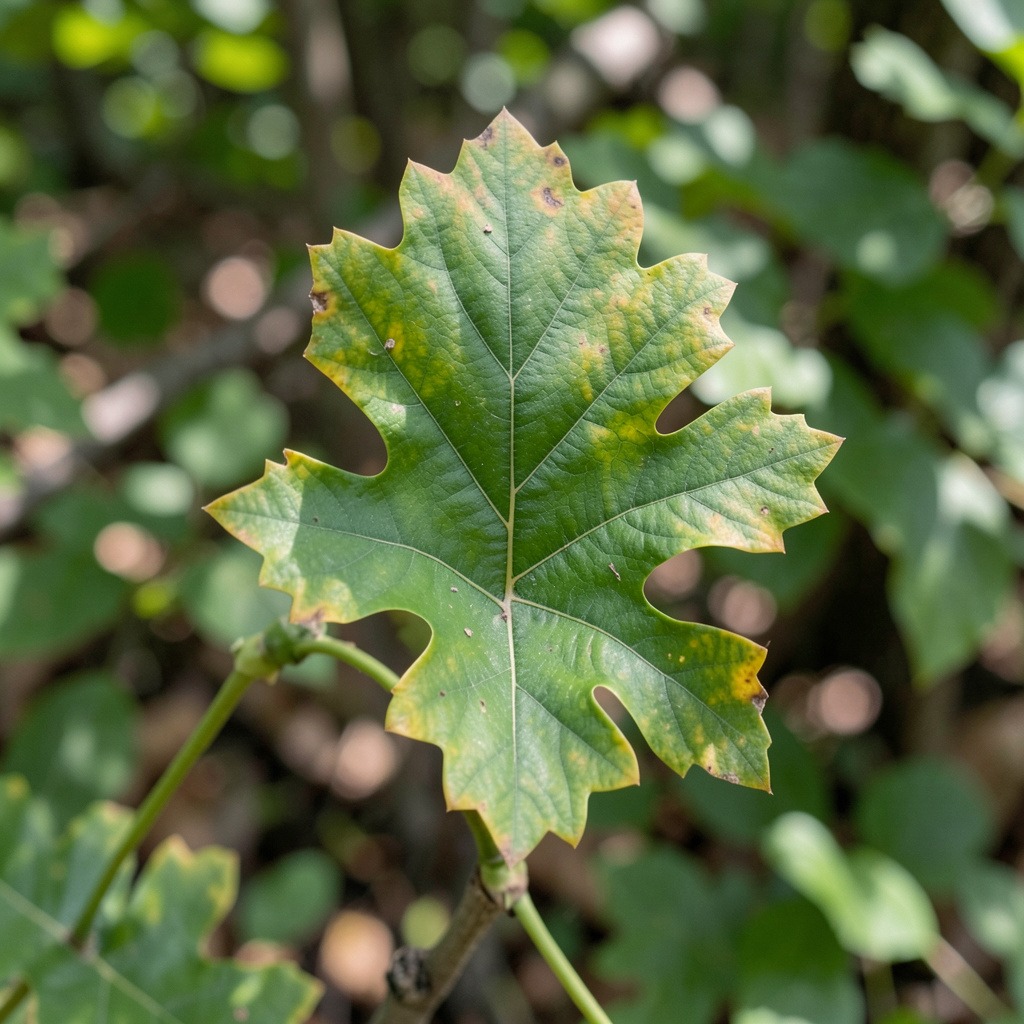
Pin oak leaves are distinctive and play a crucial role in identifying the Quercus palustris. Their unique characteristics set them apart from other oak species, making it easier for enthusiasts and gardeners to recognize them.
Characteristics of Pin Oak Leaves
Pin oak leaves exhibit several key features:
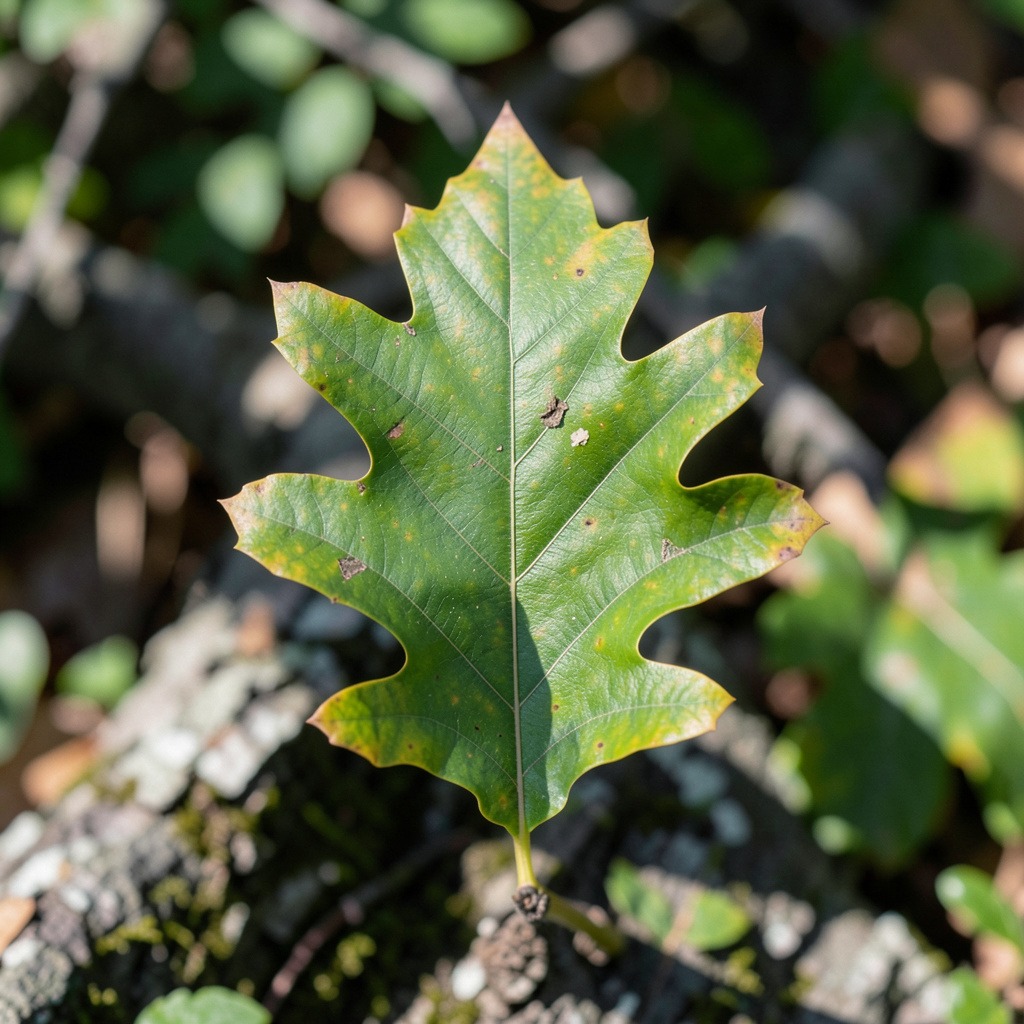
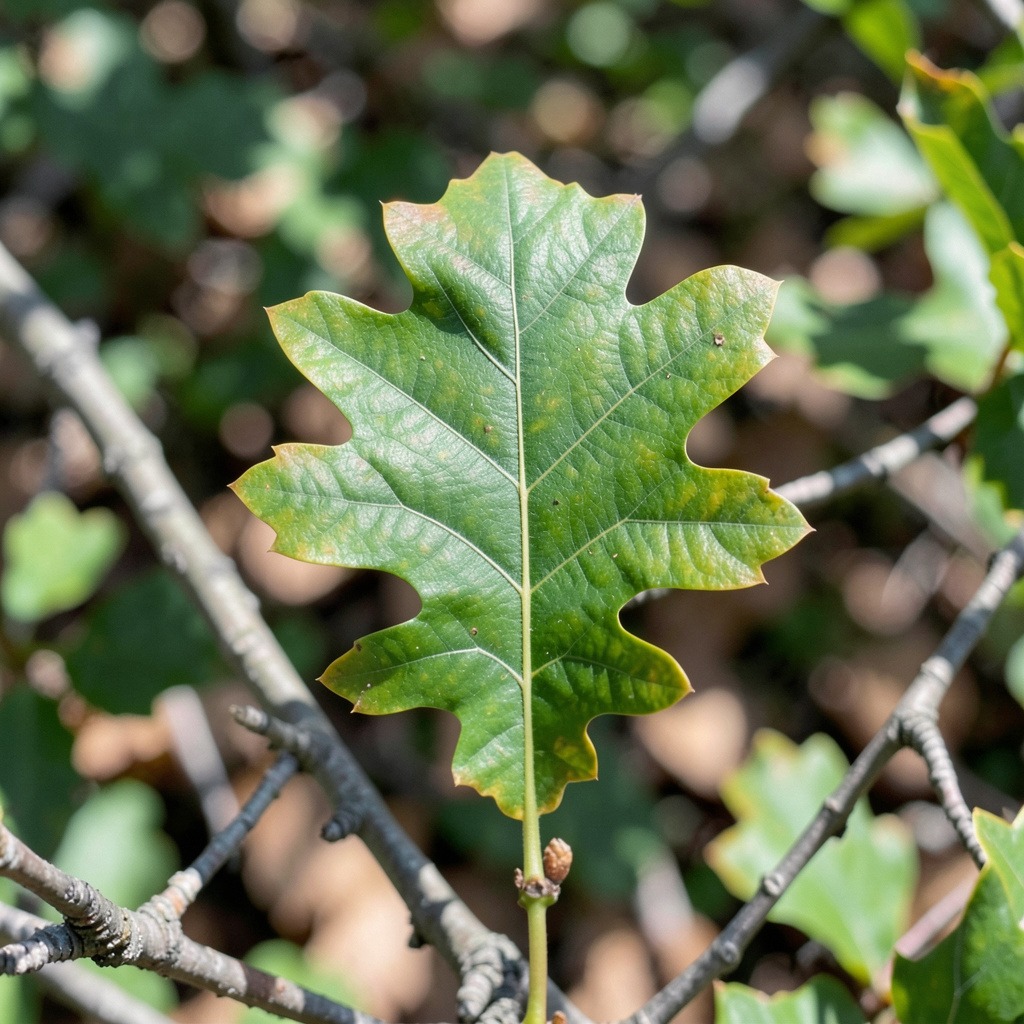
- Shape: The leaves are deeply lobed, typically with 5 to 7 sharply pointed lobes.
- Lobes: Each lobe has bristle-tipped teeth, providing a spiky appearance.
- Sinuses: The spaces between the lobes, known as sinuses, are U-shaped and cut deeper than those of many other oaks, such as the Red Oak.
These features help distinguish pin oak leaves from similar species. For instance, the sinuses of the pin oak are open and spreading, while the scarlet oak has closed, C-shaped sinuses.
Seasonal Changes in Leaf Color
Pin oak leaves undergo significant color changes throughout the seasons:
- Spring: Leaves emerge in a vibrant green, contributing to the lush canopy.
- Summer: They maintain a deep green color, providing ample shade.
- Fall: As autumn approaches, pin oak leaves transform into brilliant shades of red and brown, enhancing landscape aesthetics.
This seasonal variation not only adds visual interest but also signals the tree’s health and vitality.
Comparative Features with Other Oak Leaves
When comparing pin oak leaves to those of other oak species, several distinctions become evident:
| Feature | Pin Oak Leaves | Red Oak Leaves | Scarlet Oak Leaves |
|---|---|---|---|
| Lobes | Deeply lobed with sharp points | Broader lobes, shallower sinuses | Similar lobes, but more closed |
| Sinus Shape | U-shaped, open | C-shaped, closed | C-shaped, closed |
| Leaf Size | Medium (3-6 inches long) | Larger (5-9 inches long) | Similar size |
Understanding these differences is essential for accurate identification and enhances knowledge of the ecological roles each oak species plays.
The Growth Conditions for Pin Oak Trees
Pin oak trees thrive under specific conditions that promote their health and growth. Understanding these requirements ensures that you cultivate a robust tree while enjoying its distinctive leaves and ecological benefits.
Ideal Soil and Water Requirements
Pin oaks prefer well-drained, acidic to neutral soils. They do not tolerate alkaline conditions. Here are the key soil and water considerations:
- Soil Type: Sandy loam or loamy soils are ideal. Avoid heavy clay or poorly draining soils.
- Moisture: While pin oaks are somewhat drought-resistant, they require consistent moisture, especially during the first few years of growth.
- Watering: Ensure regular watering during dry spells. A deep watering strategy is beneficial; aim for at least 12 inches deep.
Sunlight Needs for Healthy Growth
Pin oaks flourish in full sunlight. They require at least six hours of direct sun daily to grow optimally. Here’s what to keep in mind regarding sunlight:
- Sun Exposure: Full sun promotes vigorous leaf development and overall health.
- Shade Tolerance: While young trees can tolerate partial shade, mature pin oaks need ample light.
Impact of Site Selection on Growth
Choosing the right site for planting is crucial for the growth of pin oaks. Factors include:
- Location: Select an area with good air circulation to minimize disease risk.
- Space: Ensure sufficient space for the tree to mature, as pin oaks can reach heights of 60 to 70 feet.
- Surrounding Vegetation: Avoid planting near structures or other trees that may compete for resources.
Checklist for Optimal Growth of Pin Oak Trees
- [ ] Soil pH: Test soil to ensure it is acidic to neutral (pH 5.0 to 7.0).
- [ ] Soil Drainage: Confirm well-draining soil to prevent root rot.
- [ ] Sunlight: Ensure planting location receives full sun for at least 6 hours.
- [ ] Watering Schedule: Establish a routine for deep watering during dry spells.
- [ ] Site Selection: Choose a site with good air circulation and ample space for growth.
By adhering to these conditions, you can promote healthy growth and vibrant foliage in your pin oak tree, enhancing your landscape and its ecological impact.
Ecological Importance of Pin Oak Trees
Pin oak trees (Quercus palustris) play a crucial role in their ecosystems. They provide habitat and food for various wildlife species while also contributing to overall ecological health.
Supporting Biodiversity: Wildlife and Pin Oaks
Pin oaks are vital for many wildlife species. Their acorns serve as a food source for birds, squirrels, and deer. The tree’s dense foliage offers nesting sites and shelter for birds and small mammals.
- Acorns: Rich in fats and proteins, acorns attract rodents and birds.
- Foliage: The tree’s leaves provide cover for nesting and protection from predators.
- Insects: Pin oaks support a diverse range of insects, which, in turn, attract insectivorous birds.
Role of Pin Oaks in Ecosystem Health
Pin oaks contribute to soil health and water management. Their root systems help stabilize soil, reducing erosion. Additionally, the leaves and fallen acorns decompose, enriching the soil with organic matter.
- Soil Stabilization: Roots prevent soil erosion and maintain soil structure.
- Nutrient Cycling: Decomposing leaves enhance soil fertility.
- Water Regulation: Canopy cover reduces runoff and promotes groundwater recharge.
Benefits for Local Fauna and Flora
The presence of pin oaks boosts local biodiversity. Their habitats support various species, creating a balanced ecosystem.
- Habitat for Pollinators: Flowers attract bees and butterflies, essential for pollination.
- Food Web Support: The tree’s insects serve as prey for larger animals, supporting the food chain.
- Plant Associations: Pin oaks often grow with other species like sweetgum and red maple, promoting a diverse understory.
Case Study: Pin Oaks and Wildlife Interaction
In urban areas where pin oaks are prevalent, studies show increased bird populations and diversity. For example, neighborhoods with pin oak trees report higher sightings of species like blue jays and woodpeckers, demonstrating the tree’s integral role in urban wildlife habitats.
By planting pin oaks, homeowners can actively contribute to local biodiversity and ecosystem health, making these trees valuable assets in landscaping and conservation efforts.
Landscaping with Pin Oaks: Benefits and Considerations
Pin oaks are an excellent choice for landscaping, offering both aesthetic appeal and practical benefits. Their unique leaf structure and robust growth make them stand out in any outdoor space.
Designing Landscapes with Pin Oaks
When incorporating pin oaks into your landscape design, consider their height and crown shape. These trees reach up to 60-90 feet tall and 40-60 feet wide, providing significant vertical and horizontal coverage. Their dense foliage offers effective shade, making them ideal for patios and playgrounds.
- Pyramidal to Oval Crown: Pin oaks start with a pyramidal shape that matures into a more rounded form. This transition adds visual interest throughout the seasons.
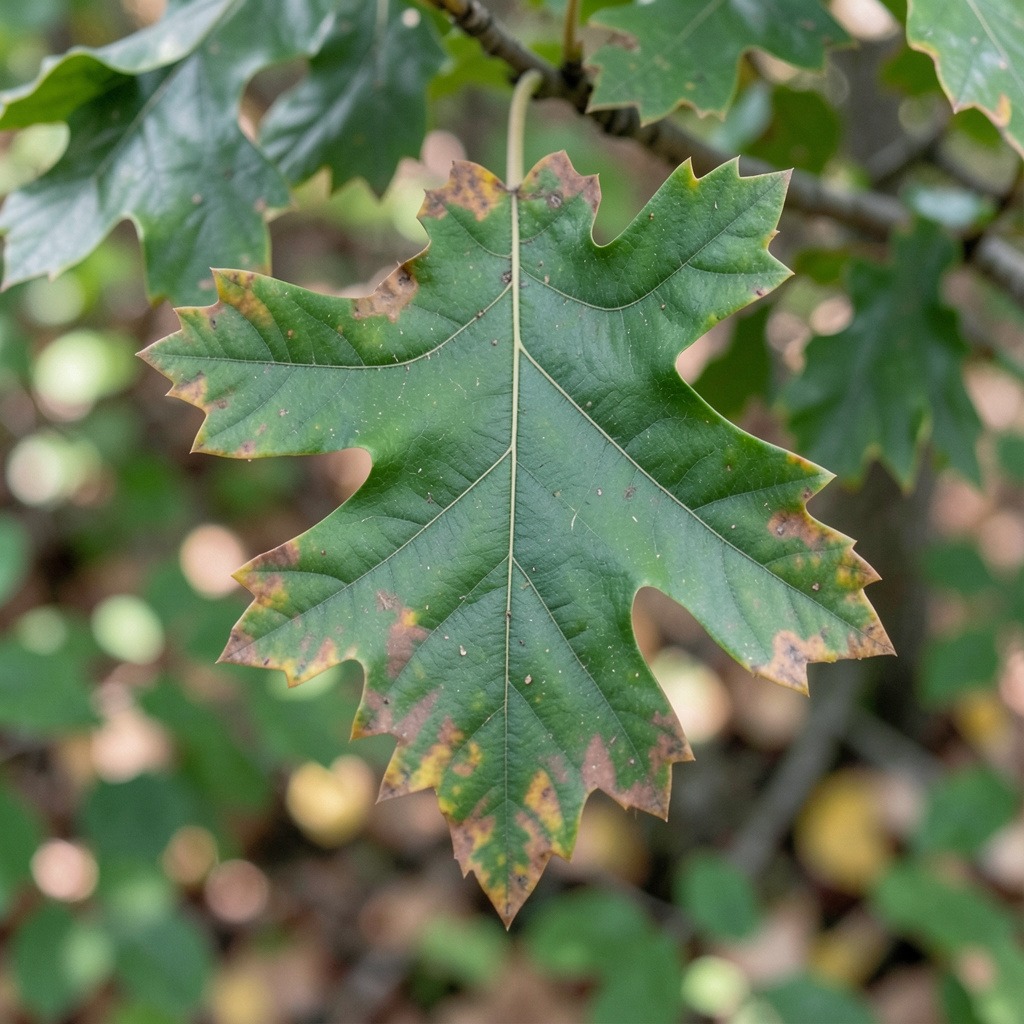
- Leaf Characteristics: The leaves are deeply lobed and turn bright crimson in the fall, enhancing the landscape’s color palette.
Shade and Aesthetic Value
Pin oaks excel in providing shade during hot summer months. Their broad canopy not only cools the surrounding area but also reduces energy costs for nearby buildings.
- Shade Benefits: Ideal for urban settings, pin oaks can lower ambient temperatures. This makes them perfect for parks and residential areas.
- Visual Appeal: The vibrant fall colors and structured branching patterns add value to landscapes, creating attractive focal points.
Comparative Benefits Over Other Tree Species
Pin oaks offer unique advantages compared to other tree species, particularly in growth rate and adaptability.
- Fast Growth: Pin oaks grow rapidly, often exceeding 2 feet per year under optimal conditions. This quick establishment is a significant benefit for new landscapes.
- Resilience: They are well-suited for various soil types, thriving in well-drained soils while showing resistance to urban stressors.
In summary, the pin oak’s combination of beauty, shade provision, and resilience makes it a prime candidate for enhancing outdoor spaces. Their ability to adapt to different environments while offering ecological benefits further solidifies their status in landscaping.
Common Pests and Diseases of Pin Oak Trees
Pin oak trees, while robust, can face challenges from various pests and diseases. Understanding these threats is crucial for maintaining their health and vibrancy.
Identifying Common Pests
Several pests can impact pin oaks, although they usually pose minimal risk to healthy trees. Here are the most common pests to watch for:
- Aphids: Small, sap-sucking insects that can cause leaf curling and distortion.
- Scale Insects: These pests attach to twigs and leaves, sucking sap and weakening the tree.
- Caterpillars: Various species can defoliate the tree if present in large numbers.
- Leaf Miners: These larvae burrow into leaves, creating unsightly trails.
- Acorn Weevils: These insects invade acorns, consuming the nut and hindering reproduction.
Managing Diseases in Pin Oaks
Pin oaks are susceptible to certain diseases that can affect their overall health. Two significant diseases are:
- Oak Wilt: Caused by a fungal pathogen, this disease can spread rapidly through root grafts. Symptoms include yellowing leaves that drop prematurely.
- Powdery Mildew: This fungal disease appears as a white powdery substance on leaves, often in humid conditions.
Preventative Measures for Healthy Trees
Implementing proactive care can significantly reduce the risk of pests and diseases. Consider the following strategies:
| Prevention Strategy | Description |
|---|---|
| Regular Inspections | Check trees frequently for signs of pests or disease. |
| Pruning and Thinning | Improve air circulation by removing crowded branches. |
| Healthy Soil Practices | Use organic mulch and ensure proper drainage to promote health. |
| Insecticidal Soap | Apply to manage aphids and scale insects effectively. |
| Professional Treatment | Consult arborists for severe infestations or disease signs. |
By recognizing common pests and diseases and implementing these management strategies, you can help ensure the longevity and beauty of your pin oak trees.
Propagation of Pin Oak: Growing from Acorns
Propagating pin oak trees (Quercus palustris) from acorns is a rewarding endeavor. This process involves careful timing and specific methods to ensure successful germination and growth.
Collecting and Preparing Acorns
1. Timing: Harvest acorns in late summer to early fall when they begin to fall from the tree. Choose acorns that are brown and free from blemishes.
2. Selection: Discard any acorns that float in water. Healthy acorns will sink. This indicates they are mature and viable.
3. Stratification: To prepare acorns for germination, they require cold stratification. Place acorns in a damp medium such as sand or peat moss. Store them in a refrigerator for about 30 to 60 days. This mimics winter conditions.
Planting Techniques for Optimal Growth
1. Timing: Plant acorns in early spring after the last frost, or in the fall right after collection.
2. Soil Preparation: Choose well-draining soil rich in organic matter. Pin oaks thrive in loamy soils with a slightly acidic pH.
3. Planting Depth: Plant acorns about 1 inch deep, ensuring the pointed end faces downward. This encourages proper root growth.
4. Spacing: If planting multiple acorns, space them at least 2 to 3 feet apart. This allows for adequate growth and air circulation.
Care for Young Pin Oak Seedlings
1. Watering: Keep the soil consistently moist but not waterlogged. Young seedlings require regular watering, especially during dry spells.
2. Fertilization: Apply a balanced, slow-release fertilizer in early spring to support growth. Follow the manufacturer’s instructions for application rates.
3. Protection: Consider using tree guards to protect seedlings from pests and wildlife. This helps ensure they establish strong roots.
4. Monitoring Growth: Regularly check the seedlings for signs of pests or diseases. Early detection is key to maintaining healthy growth.
Propagation Timeline
| Stage | Timing | Key Actions |
|---|---|---|
| Acorn Collection | Late summer to early fall | Harvest and select viable acorns |
| Stratification | 30-60 days | Refrigerate acorns in damp medium |
| Planting | Early spring or fall | Plant acorns in prepared soil |
| Seedling Care | Ongoing | Water, fertilize, and protect seedlings |
By following this guide, you can successfully propagate pin oak trees from acorns, ensuring a healthy future for these majestic trees and their distinctive leaves.
Comparing Pin Oak with Other Oak Species
Pin oak (Quercus palustris) has distinct characteristics that set it apart from other oak species. Understanding these differences can aid in proper identification and care, especially when considering landscaping options.
Pin Oak vs. Red Oak
| Feature | Pin Oak (Quercus palustris) | Red Oak (Quercus rubra) |
|---|---|---|
| Leaf Shape | Deeply lobed with pointed tips | Broad lobes, rounded tips |
| Leaf Size | 4-7 inches long | 5-8 inches long |
| Growth Habit | Pyramidal with drooping branches | More upright and spreading |
| Bark Texture | Smooth, grayish-brown, becomes ridged | Dark, rough, and ridged |
| Acorn Maturity | 18 months | 6 months |
Pin oak leaves are characterized by their sharp lobes and narrow sinuses, in contrast to the broader, more rounded lobes of red oak leaves. This distinction aids in quick visual identification.
Unique Features of Pin Oak
Pin oak stands out for several reasons:
- Growth Rate: Pin oaks grow relatively fast, reaching heights of 60-70 feet. This makes them popular choices for providing quick shade.
- Fall Colors: During autumn, pin oaks exhibit vibrant red to brown foliage, adding aesthetic value to landscapes.
- Ecological Role: Pin oaks are vital in their ecosystems. They provide habitats for wildlife and contribute to soil stability in wetland areas.
Best Uses in Landscaping Compared to Other Oaks
When considering landscaping, pin oaks offer unique advantages:
- Versatility: Pin oaks thrive in a variety of conditions, from floodplains to urban areas, making them adaptable choices.
- Shade Provider: Their broad canopy offers excellent shade, beneficial for residential areas.
- Wildlife Attraction: The acorns of pin oaks attract various wildlife, enriching local biodiversity.
In contrast, while red oaks may also provide shade, they require slightly different soil conditions and have a slower growth rate. Selecting the right oak species can enhance the ecological and aesthetic appeal of your landscape.
Frequently Asked Questions
These quick answers cover the most common questions about this topic, including key details, practical tips, and common concerns.
What identifying features make pin oak leaves unique?
Pin oak leaves are distinct with their deeply lobed structure, typically featuring 5 to 7 lobes that end in sharp, bristle-tipped points. The sinuses between the lobes are U-shaped and deeper than those of many other oaks, such as the red oak. In autumn, these leaves transform into vibrant shades of red and brown, making them visually striking.
How should I care for my pin oak tree?
Caring for a pin oak involves ensuring it has well-drained, acidic soil and adequate sunlight. Regular watering is essential, particularly during dry spells, especially in the first few years after planting. Pruning should be done to maintain good air circulation and remove any dead or crowded branches.
When is the best time to plant pin oaks?
The ideal time to plant pin oaks is in early spring after the last frost or in the fall, shortly after acorns drop. Planting during these times allows the tree to establish roots before extreme weather conditions, promoting healthy growth.
What are common problems with pin oaks?
Common issues with pin oaks include pests like aphids, scale insects, and caterpillars, which can cause leaf damage. Diseases such as oak wilt and powdery mildew may also affect the tree’s health. Regular inspections and appropriate treatments can help manage these problems effectively.
How does the pin oak compare to other oak species?
Pin oak differs from red oak in leaf shape and growth habit. Pin oak leaves are deeply lobed with pointed tips, while red oak leaves have broader, rounded lobes. Additionally, pin oaks grow rapidly and adapt well to various soil conditions, making them a popular choice for landscaping.
What wildlife benefits from pin oak trees?
Pin oaks provide essential habitat and food for various wildlife species. Their acorns are a significant food source for birds, squirrels, and deer. The dense foliage also offers nesting sites for birds and shelter for small mammals, enhancing local biodiversity.
Can pin oaks tolerate drought conditions?
While pin oaks have some drought tolerance, they prefer consistent moisture, especially in their early growth stages. It’s crucial to monitor soil moisture and provide deep watering during prolonged dry spells to ensure the tree’s health and vitality.
What are alternative trees to plant instead of pin oak?
If you’re considering alternatives to pin oak, look for species like river birch or sweetgum, which also thrive in wet areas. Other suitable oaks include willow oak and black oak, which can provide similar benefits in terms of shade and wildlife support.