
The lifespan of a Pin Oak tree typically ranges from 120 to 150 years, with some individuals living up to 200 years under optimal conditions.
Table of Contents
Pin Oak trees, or Quercus palustris, are known for their impressive height and ecological benefits. Understanding their lifespan is crucial for effective care, ensuring these trees thrive for generations while providing shade and habitat for wildlife.
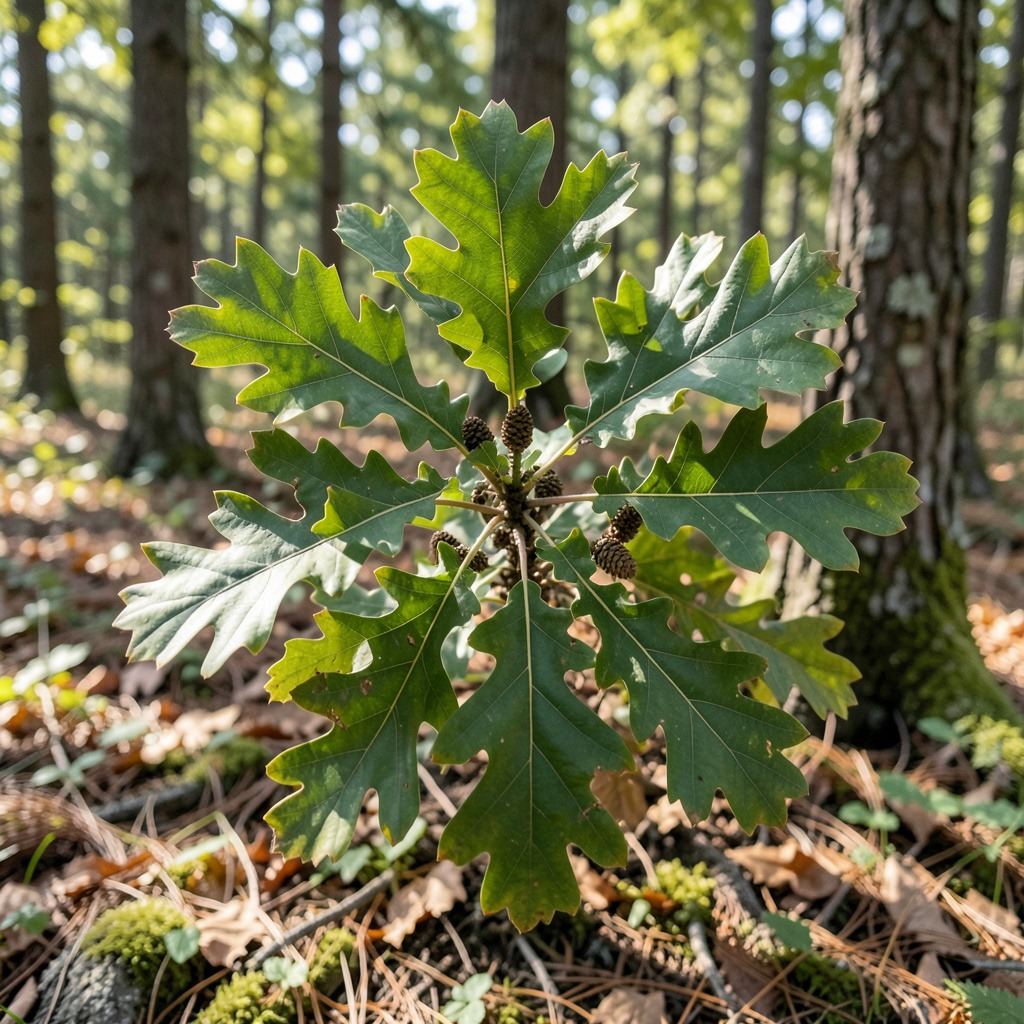
Overview of Pin Oak Lifespan
Pin Oak trees, scientifically known as Quercus palustris, typically have an average lifespan of 30 to 50 years. However, under optimal conditions and with proper care, some specimens can live much longer. Various factors influence their longevity, including environmental conditions and maintenance practices.
Average Lifespan of Pin Oak Trees
The lifespan of Pin Oaks can vary significantly based on their growing environment. Here are some key statistics:
- Urban Settings: Pin Oaks in urban areas, where soil quality and space may be limited, often live around 20 to 30 years.
- Rural Settings: In more natural settings with adequate space and nutrients, they may thrive for 50 years or more.
- Exceptional Cases: Some well-maintained Pin Oaks have been documented to exceed 80 years, particularly when planted in rich, well-drained soils.
Factors Influencing Lifespan
Several factors play a crucial role in determining the lifespan of Pin Oaks:
- Environmental Conditions: Soil quality, moisture levels, and sunlight exposure are vital. Pin Oaks prefer moist, well-drained soil and full sun.
- Care Practices: Regular pruning, mulching, and pest management can significantly enhance longevity.
- Diseases and Pests: Common threats include oak wilt, aphids, and caterpillars. Early detection and treatment are essential for maintaining tree health.
- Competition: Nearby plants can compete for nutrients and water, potentially stunting growth and reducing lifespan.
Care and Maintenance Tips
To maximize the lifespan of your Pin Oak, consider the following care strategies:
- Watering: Ensure consistent moisture, especially during dry spells.
- Mulching: Apply mulch to retain soil moisture and suppress weeds.
- Pruning: Regularly prune to remove dead or crossing branches, promoting better air circulation.
- Pest Control: Monitor for pests and diseases, applying treatments as necessary.
By understanding these factors and implementing proper care, you can help your Pin Oak thrive for decades.
Optimal Growing Conditions for Pin Oaks
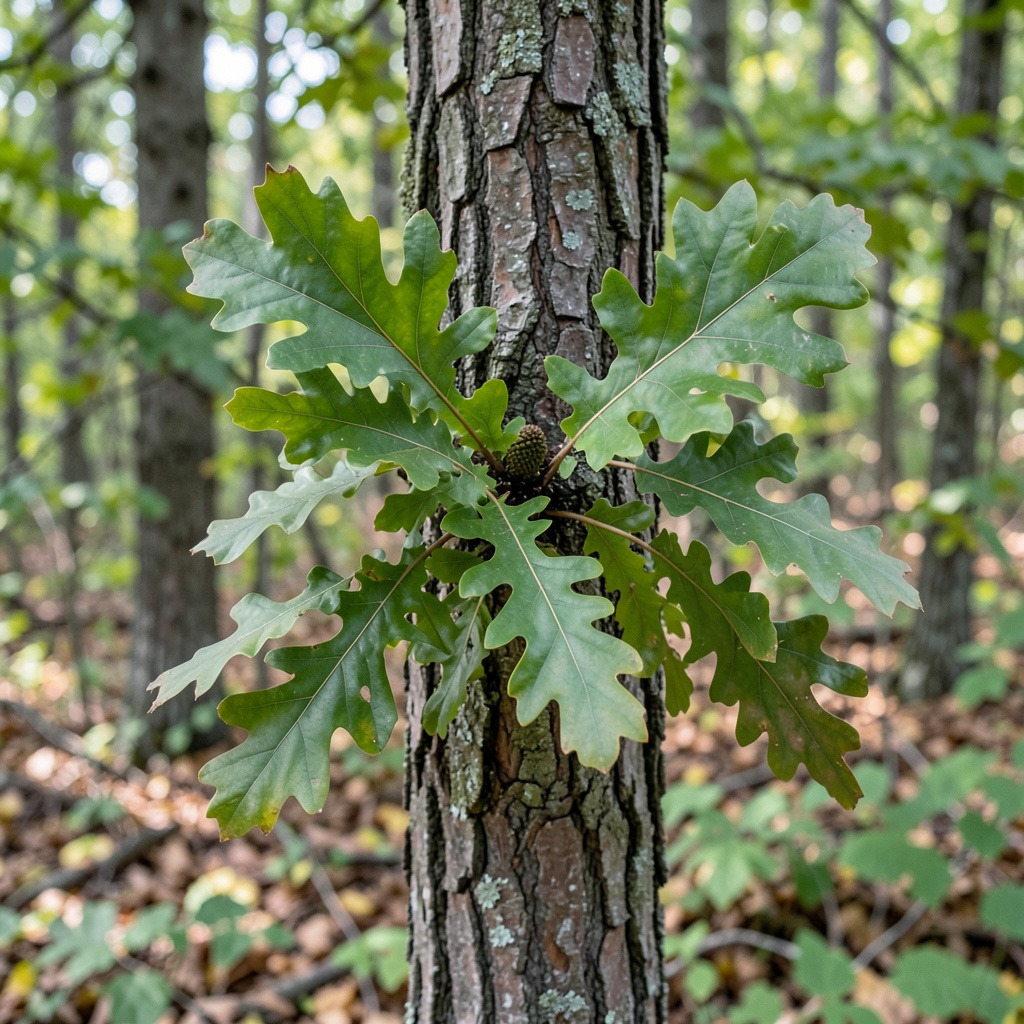
Pin Oaks thrive in specific conditions that significantly influence their lifespan. Understanding the ideal soil types, moisture levels, and sunlight exposure is essential for promoting healthy growth and longevity.
Soil Requirements
Pin Oaks prefer moist, well-drained soils. They are adaptable but thrive best in:
- Soil Type: Loamy or clay soils enriched with organic matter.
- pH Level: Slightly acidic to neutral (pH 5.5 to 7.0).
- Drainage: Good drainage is crucial to prevent root rot.
Checklist for Soil Preparation:
- Test soil pH before planting.
- Amend soil with compost to improve fertility.
- Ensure proper drainage to avoid waterlogging.
Sunlight and Water Needs
Sunlight and water directly affect the growth rate and lifespan of Pin Oaks. These trees require:
- Sunlight: Full sun exposure for at least 6 hours daily promotes vigorous growth.
- Water: Regular watering, especially during dry spells, is essential. Aim for 1 inch of water per week.
Tips for Watering:
- Water deeply to encourage deep root growth.
- Use mulch to retain soil moisture and regulate temperature.
Example Regions for Optimal Growth
Pin Oaks flourish in various regions, particularly in eastern North America. Ideal locations include:
- Urban Areas: Well-drained city parks and landscaped areas.
- Rural Settings: Open fields with ample sunlight and rich soil.
By ensuring these optimal growing conditions, you can help your Pin Oak reach its full potential and increase its lifespan significantly.
Common Diseases and Pests Affecting Pin Oaks
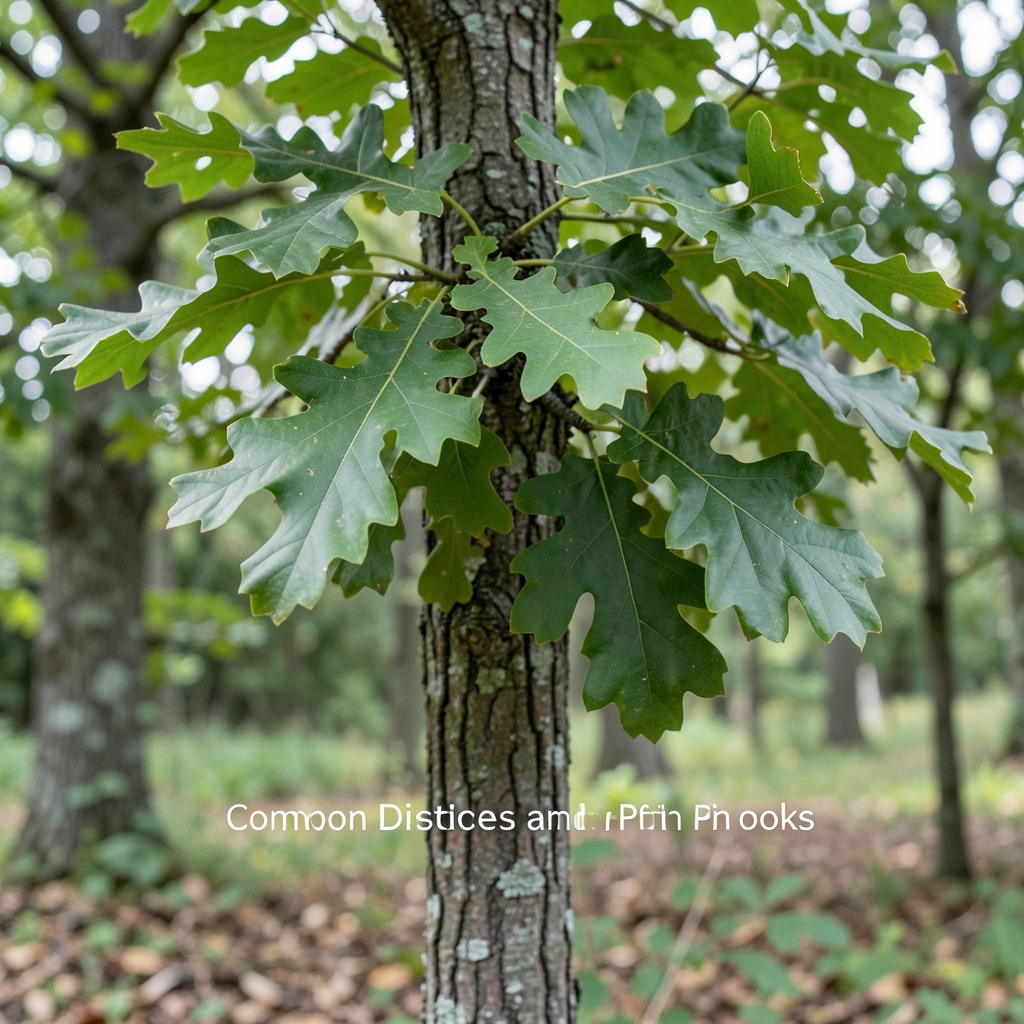
Pin Oaks are susceptible to various diseases and pests that can significantly impact their health and lifespan. Identifying these threats early is crucial for effective management and care.
Common Pests
Several pests can harm Pin Oaks, leading to reduced vitality and lifespan. Here are the most prevalent ones:
- Oak Leaf Miners: These insects burrow into leaves, causing them to turn brown and drop prematurely.
- Acorn Weevils: They target acorns, reducing seed production and affecting tree reproduction.
- Bark Beetles: These pests bore into the bark, disrupting nutrient flow and potentially leading to tree death.
Prevention and Treatment Strategies:
- Regularly inspect trees for signs of infestation.
- Use insecticidal soap or neem oil to treat minor infestations.
- Encourage beneficial insects like ladybugs that prey on harmful pests.
Diseases to Watch For
Pin Oaks can also fall prey to several diseases that threaten their longevity. The following diseases are particularly concerning:
- Powdery Mildew: A fungal disease that creates a white powdery coating on leaves, hindering photosynthesis.
- Oak Wilt: A serious fungal disease that disrupts water transport, leading to rapid decline and death.
- Anthracnose: This causes leaf spots and can lead to early leaf drop, weakening the tree.
Prevention and Treatment Strategies:
- Maintain good air circulation around trees to reduce humidity and minimize fungal growth.
- Prune infected branches during dry weather to prevent spread.
- Apply fungicides as a preventive measure in high-risk areas.
Symptoms Comparison Table
| Healthy Pin Oak | Unhealthy Pin Oak | Treatment Options |
|---|---|---|
| Vibrant green leaves | Yellowing or browning leaves | Prune affected branches |
| Strong, upright growth | Wilting or drooping branches | Apply appropriate fungicides or insecticides |
| Abundant acorn production | Few or no acorns | Enhance soil health with mulch and compost |
Regular monitoring and timely intervention can greatly enhance the lifespan of Pin Oaks by mitigating the effects of these diseases and pests.
Care and Maintenance Tips for Longevity
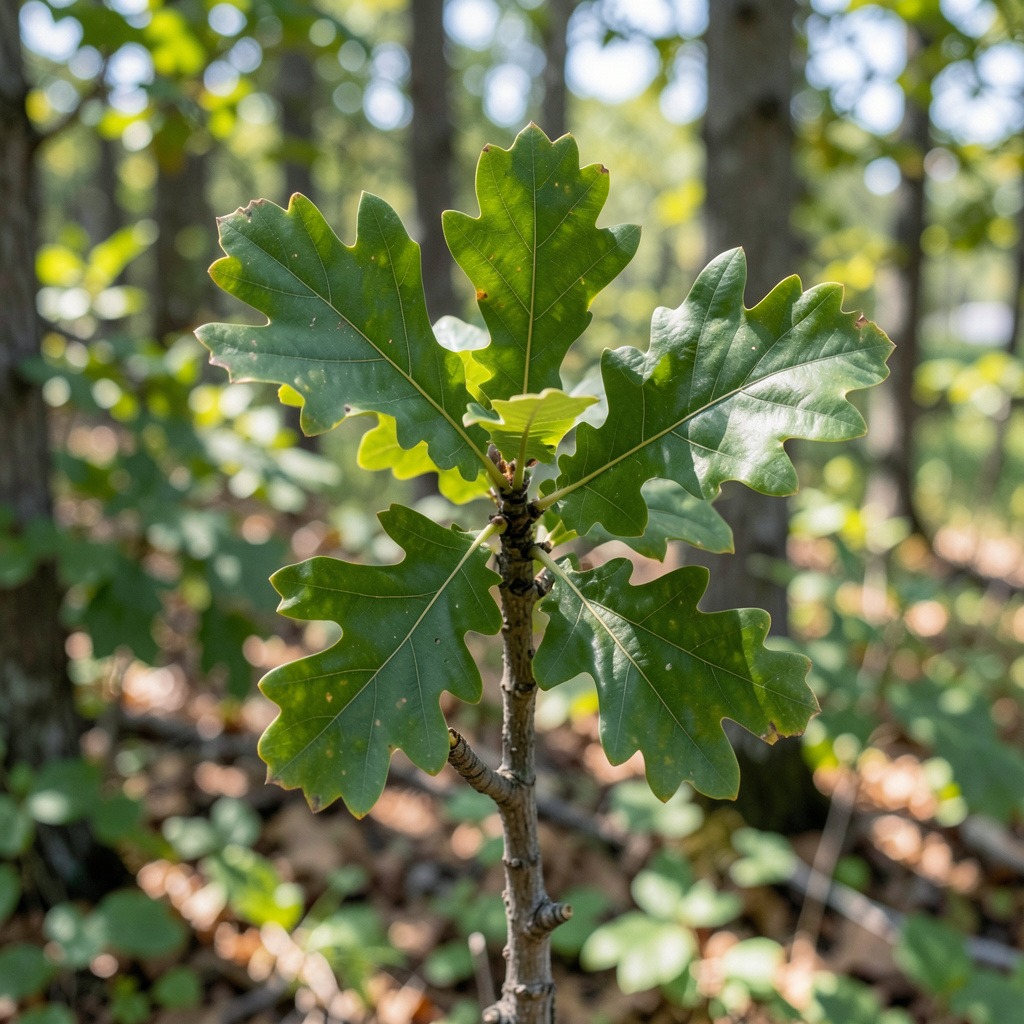
Caring for Pin Oaks is essential to prolong their lifespan. Proper pruning, watering, and fertilization techniques directly influence their health and longevity. Here are key practices to ensure your Pin Oak thrives.
Pruning Techniques
Pruning is crucial for maintaining the shape and health of Pin Oaks. Focus on the following techniques:
- Remove Dead or Diseased Branches: Cut away any branches that show signs of disease or decay. This prevents the spread of pathogens.
- Thin Crowded Areas: Selectively prune branches that are too close together. This improves air circulation and light penetration.
- Timing: Best practice is to prune during late winter or early spring before new growth begins. This minimizes stress on the tree.
Watering and Fertilization
Watering and fertilization are vital for the growth of Pin Oaks. Follow these guidelines:
- Watering:
- New Trees: Water deeply once a week for the first year. This encourages deep root growth.
- Established Trees: Water every two weeks during dry spells. Aim for 1-2 inches of water per session.
- Fertilization:
- Timing: Fertilize in early spring before the growing season.
- Type: Use a balanced fertilizer (10-10-10) to provide essential nutrients.
- Application: Spread the fertilizer evenly around the root zone, avoiding direct contact with the trunk.
Seasonal Care Checklist
Implement this checklist to maximize the health and lifespan of your Pin Oak throughout the year:
| Season | Care Activity |
|---|---|
| Spring | Prune dead branches; fertilize |
| Summer | Water deeply; check for pests |
| Fall | Rake leaves; prepare for winter |
| Winter | Inspect for damage; plan spring care |
By adhering to these care practices, you can enhance the lifespan of your Pin Oak, ensuring it remains a vibrant part of your landscape for decades.
Comparing Pin Oak Lifespan to Other Oak Species
Understanding the lifespan of Pin Oak (Quercus palustris) in comparison to other oak species reveals important insights into their growth rates and environmental preferences. While Pin Oaks generally live between 150 to 200 years under optimal conditions, other oak species exhibit differing lifespans influenced by their specific ecological needs.
Lifespan of Different Oak Species
Here’s a comparative overview of the lifespan of various common oak species:
| Oak Species | Average Lifespan | Preferred Growing Conditions |
|---|---|---|
| Pin Oak | 150-200 years | Moist, well-drained soils; full sun |
| White Oak | 200-300 years | Deep, well-drained soils; adaptable to various conditions |
| Red Oak | 100-150 years | Varied soils; partial shade to full sun |
| Live Oak | 100-300 years | Coastal areas; prefers sandy, dry soils |
| Bur Oak | 200-300 years | Drought-resistant; thrives in well-drained soils |
Growth Conditions of Other Oaks
Different oak species have unique growth conditions that affect their lifespan. Here are key factors:
- Soil Type: Pin Oaks thrive in moist, acidic soils, whereas White Oaks prefer well-drained, alkaline soils.
- Sunlight: Most oaks, including Pin Oaks, require full sunlight for optimal growth. However, Red Oaks can tolerate partial shade.
- Watering Needs: Pin Oaks need consistent moisture, particularly in their early growth stages, while Bur Oaks exhibit drought resistance.
Ecological Benefits of Pin Oaks
Pin Oaks play a crucial role in local ecosystems. Their acorns provide food for wildlife, while their dense canopy offers shelter. In urban settings, they contribute to air quality and reduce heat. Understanding these benefits can guide planting decisions and influence care strategies to maximize the lifespan of Pin Oaks.
By comparing Pin Oak lifespans with other oak species, gardeners and landowners can make informed decisions about planting and maintenance, ensuring these trees thrive in their specific environments.
The Ecological Importance of Pin Oaks
Pin Oaks are vital contributors to local ecosystems. They support a diverse range of wildlife and enhance biodiversity. Understanding their ecological role can inform care practices and improve their lifespan.
Wildlife Supported by Pin Oaks
Pin Oaks provide habitat and sustenance for various wildlife species. Their acorns are a critical food source for birds and mammals alike. Notably, species such as:
- Wild Turkey
- Mallard Duck
- Blue Jays
- Squirrels
These animals rely on Pin Oaks for nourishment, especially in the fall when acorns drop. Additionally, the dense foliage of Pin Oaks offers shelter for nesting birds like the Blue-Gray Gnatcatcher and the Northern Parula.
Role in Biodiversity
The presence of Pin Oaks in an ecosystem fosters increased biodiversity. They support over 150 insect species, which in turn serve as food for birds. This interdependent relationship enhances the ecological balance.
Moreover, Pin Oaks contribute to:
- Soil health: Their fallen leaves decompose, enriching the soil.
- Carbon sequestration: They absorb carbon dioxide, helping to mitigate climate change.
- Water management: Their root systems improve soil structure, aiding in water retention.
In urban environments, planting Pin Oaks can significantly improve local ecosystems. They provide shade, reduce heat islands, and improve air quality. When choosing to plant Pin Oaks, consider their ecological contributions alongside their lifespan to maximize both benefits.
In summary, the ecological significance of Pin Oaks extends beyond their lifespan. Their role in providing food and habitat is crucial for sustaining local wildlife and promoting biodiversity.
Frequently Asked Questions
These quick answers cover the most common questions about this topic, including key details, practical tips, and common concerns.
How tall is a 10-year-old pin oak?
A 10-year-old Pin Oak typically reaches heights of 20 to 30 feet, depending on growing conditions. Factors such as soil quality, sunlight, and moisture levels can significantly influence their growth rate. In optimal conditions, these trees can grow even taller.
What are the downsides of having a pin oak tree?
Pin Oaks can have several downsides. Their shallow root systems make them susceptible to wind damage, especially in urban settings. Additionally, they may attract pests like oak leaf miners and acorn weevils, which can affect their health. Their acorns can also create a mess in the fall, requiring regular cleanup.
Do pin oaks have deep roots?
No, Pin Oaks typically have shallow roots that spread out rather than going deep. This characteristic makes them less stable in high winds and more prone to drought stress if the surface soil dries out. Proper watering and care can help mitigate these issues.
What are the signs that pin oak trees are dying?
Signs of a dying Pin Oak include yellowing or browning leaves, wilting branches, and a significant drop in acorn production. If you notice peeling bark or fungal growth at the base, these can also indicate serious health issues. Regular monitoring is essential for early intervention.
How can I tell if my Pin Oak is healthy?
A healthy Pin Oak will have vibrant green leaves, strong upright growth, and a full canopy. Look for abundant acorn production and minimal signs of pests or disease. Regular inspections can help you identify any early warning signs of distress.
When should you prune a Pin Oak?
The best time to prune a Pin Oak is during late winter or early spring, just before new growth begins. This timing minimizes stress on the tree and reduces the risk of disease. Focus on removing dead or diseased branches to promote overall health.
What are some alternative trees for landscaping instead of pin oaks?
If you’re looking for alternatives to Pin Oaks, consider species like the White Oak or Red Oak, which have longer lifespans and similar ecological benefits. Other options include Maple trees or Sweetgum, which can provide shade and aesthetic value without the same issues associated with Pin Oaks.