
Pin oaks are fast-growing shade trees, reaching heights of 60-80 feet.
Table of Contents
Pin oaks, known scientifically as Quercus palustris, are prized for their rapid growth and vibrant fall foliage. This guide will explore everything you need to know about planting, caring for, and enjoying the ecological benefits of these majestic trees.

Understanding Pin Oak Trees: Characteristics and Benefits
Pin Oaks, or Quercus palustris, are notable for their rapid growth, distinct shape, and ecological contributions. These trees thrive in various environments and support numerous wildlife species.
Growth Characteristics of Pin Oak Trees
Pin Oaks exhibit several unique growth characteristics:
- Height and Structure: These trees typically reach heights of 60 to 90 feet. Their straight, singular trunks contribute to a strong, majestic appearance.
- Growth Rate: Under optimal conditions, Pin Oaks can grow 24 inches or more annually. They may even reach an impressive height of 65 feet by 30 years of age.
- Root System: Pin Oaks possess a shallow lateral root system, generally extending less than 18 inches deep. This shallow structure makes them more susceptible to competition with other plants for nutrients and water.
- Lifespan: Although considered a shorter-lived oak species, Pin Oaks can live for 150 to 200 years when free from environmental stressors.
Ecological Benefits of Planting Pin Oaks
Planting Pin Oaks yields significant ecological advantages:
- Wildlife Habitat: Pin Oaks provide essential habitats for various wildlife, including birds and small mammals. Their acorns serve as a food source, supporting local biodiversity.
- Soil Improvement: The shallow root system of Pin Oaks helps prevent soil erosion and promotes nutrient cycling. This contributes to healthier soil conditions in planting areas.
- Carbon Sequestration: Like other trees, Pin Oaks sequester carbon dioxide, playing a vital role in mitigating climate change. Their rapid growth enhances their capability to absorb carbon quickly.
- Aesthetic and Shade Benefits: Pin Oaks offer beautiful fall foliage, transitioning to yellow and orange-red hues. Their broad canopy provides shade, making them suitable for landscaping in parks and residential areas.
In summary, Pin Oaks are not only visually appealing but are also integral to the health of local ecosystems. Their rapid growth, robust structure, and ecological benefits make them an excellent choice for planting.
Optimal Conditions for Planting Pin Oaks
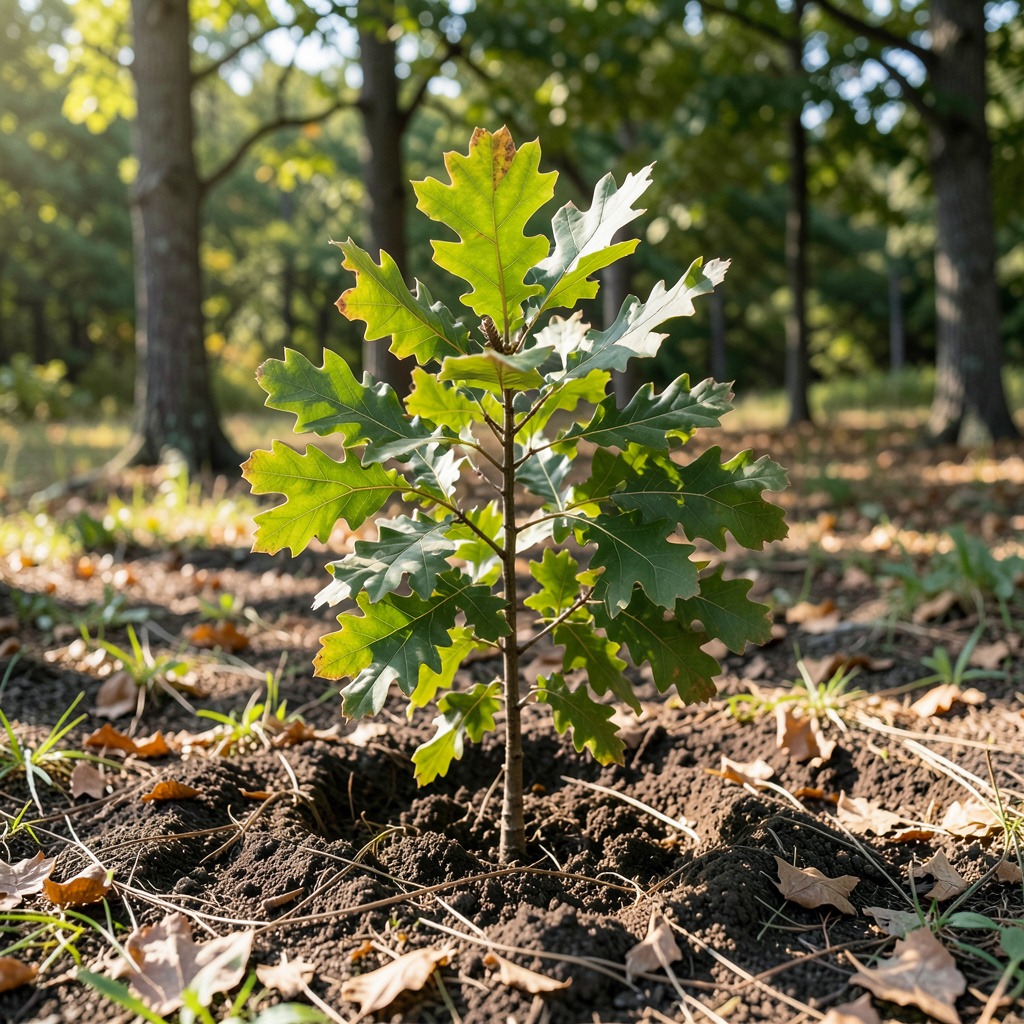
Establishing the right conditions is crucial for the successful growth of Pin Oak trees. Understanding soil types, moisture levels, and sunlight requirements will help ensure that your Pin Oak thrives.
Soil Types and pH Levels
Pin Oaks prefer well-drained soils. They thrive in a variety of soil types, including clay, loam, and sandy soils. Here are key points to consider:
- Soil pH: Aim for a pH range of 5.5 to 7.5. Acidic to neutral soils are ideal.
- Soil Texture: Loamy soils with good organic matter support healthy root development.
- Drainage: Avoid heavy, poorly draining soils. Pin Oaks do not perform well in waterlogged conditions.
Checklist for Soil Assessment:
- Test soil pH using a home testing kit.
- Assess soil texture by performing a simple ribbon test.
- Check for drainage by digging a small hole and observing how quickly water drains.
Sunlight and Watering Needs
Pin Oaks flourish in full sun. They require at least six hours of direct sunlight per day for optimal growth. Additionally, their water needs vary based on age and weather conditions:
- Watering: Young trees require consistent moisture. Water deeply during dry spells, especially in the first few years.
- Drought Tolerance: Once established, Pin Oaks are somewhat drought-tolerant but benefit from supplemental watering during prolonged dry periods.
Watering Guidelines:
- Water newly planted Pin Oaks every week for the first growing season.
- Reduce watering frequency as the tree matures, monitoring soil moisture.
By ensuring proper soil conditions and adequate sunlight, you set the stage for a robust Pin Oak that can grow rapidly and provide ecological benefits for years to come.
Step-by-Step Guide to Planting Pin Oak Trees
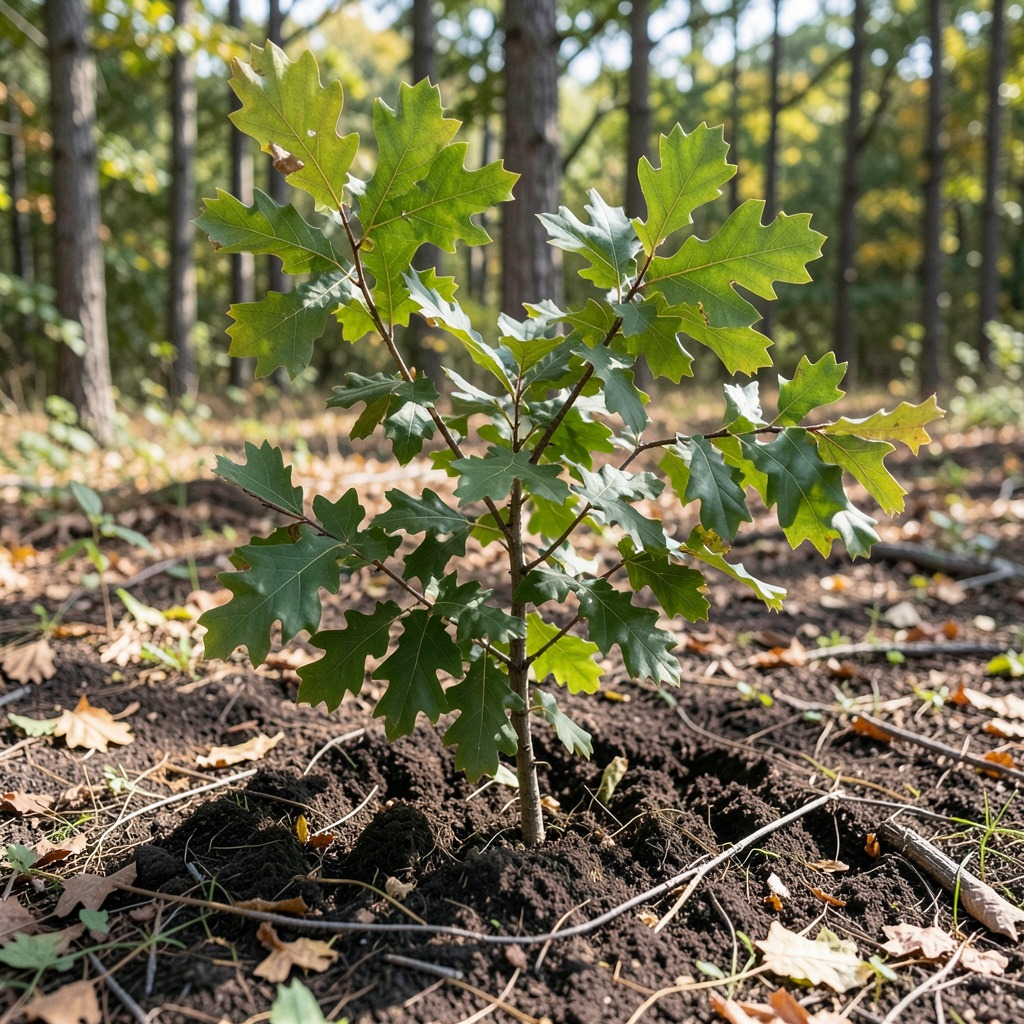
Successfully planting a Pin Oak requires careful planning and execution. Follow this guide to ensure optimal growth and health for your new tree.
Choosing the Right Time to Plant
Timing is crucial for planting Pin Oaks. The best seasons are:
- Spring: After the last frost, allowing the tree to establish roots before summer heat.
- Fall: Before the ground freezes, giving roots time to grow in cooler temperatures.
Step-by-Step Planting Process
1. Select a Location: Choose a site with well-drained soil and ample sunlight. Avoid compacted urban areas where soil pH exceeds 6.8.
2. Prepare the Planting Hole:
- Dig a hole 2-3 times wider than the root ball.
- Ensure the hole is no deeper than the root ball height to prevent soil compaction.
3. Remove Packaging: If using a balled-and-burlapped tree, remove the wire and burlap before planting.
4. Plant the Tree:
- Place the tree in the center of the hole.
- Backfill with native soil, ensuring no air pockets remain.
- Water thoroughly to settle the soil.
5. Mulch: Apply 3-4 inches of organic mulch around the base. Keep mulch away from the trunk to prevent rot.
6. Watering: Water weekly for the first growing season. Adjust frequency based on soil moisture in subsequent years.
Recommended Spacing and Arrangement
Proper spacing is essential for Pin Oaks. Consider the following guidelines:
- Spacing Between Trees: Allow at least 30-40 feet between each tree to accommodate their mature size.
- Planting Near Structures: Keep at least 15 feet from buildings, sidewalks, and other structures to prevent root interference.
Visual Planting Guide: (Insert visual here to illustrate planting depth, spacing, and arrangement tips.)
By adhering to these steps, you will set your Pin Oak on a path to thriving growth and longevity.
Caring for Your Pin Oak: Maintenance and Management
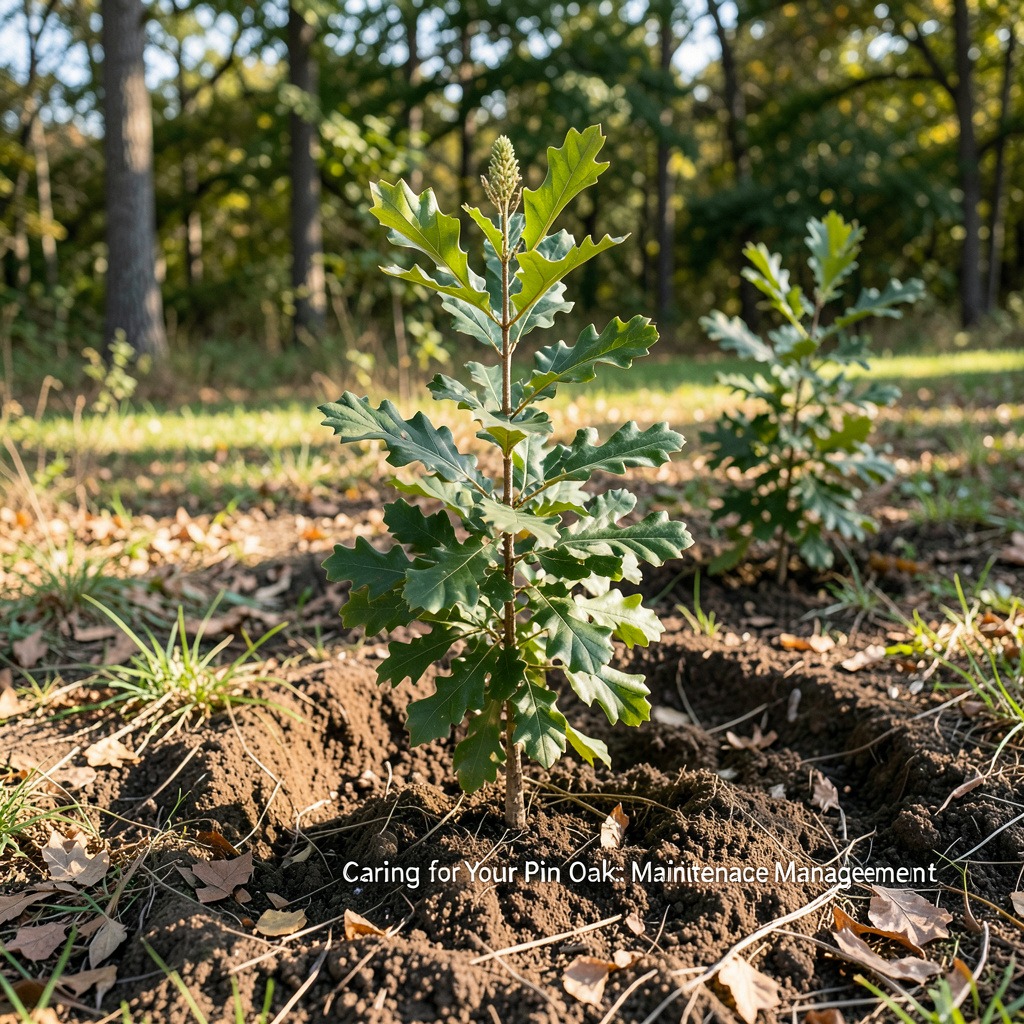
Caring for your Pin Oak involves regular maintenance to ensure healthy growth and longevity. This includes proper watering, fertilization, pruning, and pest management.
Watering and Fertilization Guidelines
Pin Oaks thrive with adequate moisture, especially in their early years. Follow these guidelines for optimal watering and fertilization:
- Initial Watering: Water deeply once a week during the first growing season.
- Ongoing Watering: After establishment, adjust frequency based on rainfall and soil moisture.
- Fertilization: Use a balanced fertilizer in early spring to promote growth. A soil test can help determine nutrient needs.
Pruning Techniques for Healthy Growth
Pruning is essential for maintaining the shape and health of your Pin Oak. Focus on these techniques:
- Timing: Prune in late winter or early spring before new growth begins.
- Lower Limb Pruning: Remove lower limbs to provide clearance for people and lawn equipment.
- Avoid Heavy Pruning: Limit pruning of mature trees to reduce stress and risk of disease.
Managing Pests and Diseases
Regular monitoring for pests and diseases is crucial. Here are common issues and prevention strategies:
- Common Pests: Watch for oak wilt, aphids, and caterpillars.
- Prevention: Maintain tree health with proper watering and fertilization. Remove debris around the base to limit pest habitats.
- Scenario Insight: If you notice discolored leaves or premature leaf drop, inspect for pests like aphids. Insecticidal soap can effectively manage small infestations.
Checklist for Ongoing Care
- Water weekly during the first year.
- Fertilize annually in spring.
- Prune lower limbs as needed.
- Inspect for pests monthly.
- Remove fallen leaves and debris.
By following these care guidelines, your Pin Oak will remain healthy and vibrant throughout its life.
Evaluating Potential Issues with Pin Oak Trees
Pin Oak trees, while robust and beneficial, face several challenges, particularly from pests and diseases. Understanding these issues is crucial for successful planting and long-term care.
Common Pests Affecting Pin Oaks
Pin Oaks are vulnerable to various pests that can compromise their health. Key pests include:
- Gypsy Moths: These caterpillars feed on leaves, leading to defoliation.
- Scale Insects: They suck sap from the tree, weakening it over time.
- Tent Caterpillars: Their webs can cover branches, affecting growth.
- Aphids: Small and often unnoticed, they can cause leaf distortion.
Management Tip: Regular inspections are vital. If you spot signs of infestation, consider using insecticidal soap to control small populations. For example, one gardener reported successfully treating an aphid outbreak by applying insecticidal soap every week for two consecutive weeks.
Diseases to Watch Out For
Pin Oaks are also susceptible to several diseases that can be detrimental if not addressed promptly. Notable diseases include:
- Oak Wilt: A serious disease that can quickly kill trees.
- Oak Leaf Blister: Causes leaf curling and can weaken the tree.
- Anthracnose: Results in leaf spots and premature leaf drop.
- Powdery Mildew: Appears as a white coating on leaves, affecting photosynthesis.
Preventive Measure: To reduce the risk of disease, ensure proper watering and avoid overhead irrigation to minimize leaf wetness. For instance, a local gardener found that adjusting their irrigation schedule helped prevent powdery mildew during rainy seasons.
Checklist for Managing Pests and Diseases
- Inspect Trees Monthly: Look for unusual discoloration or leaf drop.
- Water Properly: Avoid overwatering to prevent root rot and fungal diseases.
- Maintain Cleanliness: Remove fallen leaves and debris to limit pest habitats.
- Use Organic Treatments: Consider neem oil or insecticidal soap for pest control.
By staying vigilant and employing these strategies, you can protect your Pin Oak from common pests and diseases, ensuring healthy growth and longevity.
Comparing Pin Oak to Other Oak Species
Pin Oak (Quercus palustris) offers unique advantages and challenges compared to other common oak species. Understanding these differences can help you make informed planting decisions.
Characteristics of Common Oak Species
| Oak Species | Growth Rate | Soil Requirements | Acorn Production | Ecological Benefits |
|---|---|---|---|---|
| Pin Oak | Fast (2+ ft/year) | Moist, well-drained | High (small acorns) | Attracts wildlife |
| White Oak | Moderate (1-2 ft/year) | Well-drained, acidic | Moderate (large acorns) | Supports diverse fauna |
| Red Oak | Fast (2+ ft/year) | Wide range, adaptable | Moderate (medium acorns) | Provides shelter and food |
| Live Oak | Slow (1 ft/year) | Sandy, well-drained | High (large acorns) | Critical habitat for birds |
Pros and Cons of Planting Pin Oak
Pros:
- Rapid Growth: Pin Oaks can grow more than 24 inches per year under optimal conditions, making them ideal for quick landscape establishment.
- Wildlife Support: Their abundant acorns are a vital food source for various mammals and birds, enhancing local biodiversity.
- Aesthetic Appeal: With a symmetrical form, Pin Oaks maintain an attractive silhouette with minimal pruning.
Cons:
- Soil Sensitivity: Pin Oaks prefer moist, well-drained soil and may struggle in dry or compacted conditions.
- Root Spread: They require adequate space to thrive, as roots can damage nearby structures if planted too close to buildings.
- Shorter Lifespan: Compared to some oaks, Pin Oaks generally live 150-200 years, which may be considered short for some landscape planning.
Decision Framework for Choosing Oak Species
When selecting an oak species for planting, consider the following:
- Growth Rate Needs: If rapid establishment is essential, opt for Pin Oak or Red Oak.
- Soil Conditions: Test your soil type; choose Pin Oak for moist environments and White Oak for acidic soils.
- Wildlife Goals: If attracting wildlife is a priority, Pin Oak’s acorns provide significant ecological benefits.
- Space Availability: Ensure sufficient space for roots, especially with Pin Oaks, to prevent structural damage.
By understanding these comparisons, you can select the oak species that best fits your landscape needs and ecological goals.
Alternative Trees to Consider for Your Landscape
If you’re exploring options beyond Pin Oaks, several alternative trees offer similar ecological benefits and aesthetic appeal. These trees can enhance your landscape while supporting wildlife.
Native Trees with Similar Ecological Benefits
1. White Oak (Quercus alba)
- Provides acorns that attract various wildlife, including birds and squirrels.
- Grows well in a variety of soil types, making it versatile for different landscapes.
2. Red Oak (Quercus rubra)
- Fast growth rate, reaching heights of 60-75 feet.
- Features acorns that are a food source for wildlife.
3. Sweet Gum (Liquidambar styraciflua)
- Offers a unique star-shaped leaf and vibrant fall colors.
- Produces gum balls that attract birds and small mammals.
4. Black Walnut (Juglans nigra)
- Produces edible nuts that are sought after by various animals.
- Provides dense shade and has a large canopy.
Aesthetic Alternatives to Pin Oak
1. Sugar Maple (Acer saccharum)
- Known for its stunning fall foliage in shades of orange and red.
- Offers a graceful shape and can grow between 60-75 feet tall.
2. Horse Chestnut (Aesculus hippocastanum)
- Produces beautiful white flowers in spring and large, spiky seed pods.
- Attracts pollinators and provides dense shade.
3. Cherry Blossom (Prunus serrulata)
- Displays stunning pink flowers in spring, creating a spectacular visual display.
- Attracts numerous pollinators and can thrive in various soil types.
Decision Framework for Selecting Alternatives
When assessing alternative trees, consider the following:
- Ecological Impact: Evaluate how each tree supports local wildlife. Trees with acorns or fruits typically offer higher wildlife benefits.
- Aesthetic Appeal: Factor in seasonal changes and visual characteristics. Choose trees that complement your landscape throughout the year.
- Growth Conditions: Assess soil type, moisture levels, and space availability. Ensure the selected tree can thrive in your specific environment.
By carefully selecting alternative trees, you can create a diverse and vibrant landscape that supports wildlife while providing aesthetic value.
Frequently Asked Questions
These quick answers cover the most common questions about this topic, including key details, practical tips, and common concerns.
Where is the best place to plant a pin oak tree?
The best location for planting a Pin Oak tree is in full sun, where it can receive at least six hours of direct sunlight daily. Choose a site with well-drained soil, avoiding areas with heavy clay or waterlogged conditions. Pin Oaks thrive in moist environments, so look for spots that don’t dry out too quickly but also don’t retain excess water.
Additionally, ensure there is ample space around the tree, as Pin Oaks can grow quite large. Aim for at least 30-40 feet of clearance from other trees or structures to accommodate their mature size and root spread.
What are the downsides of growing pin oak trees?
While Pin Oaks are fast-growing and beneficial for wildlife, they do have some downsides. One significant issue is their susceptibility to certain pests and diseases, such as oak wilt and aphids, which can affect their health. Additionally, their shallow root system may lead to competition with nearby plants for nutrients and water.
Moreover, Pin Oaks may not be the best choice for urban settings due to their large size and potential root damage to sidewalks or foundations if planted too close to structures.
How quickly does a pin oak grow?
Pin Oaks are known for their rapid growth rate, typically growing 24 inches or more per year under optimal conditions. Within 30 years, a Pin Oak can reach heights of 65 feet. This makes them an excellent choice for those looking to establish shade quickly in their landscape.
Their fast growth can also lead to more frequent maintenance, such as pruning, to manage their shape and health.
Do pin oaks have deep roots?
No, Pin Oaks do not have deep roots. They possess a shallow lateral root system that generally extends less than 18 inches deep. This shallow structure can make them more susceptible to competition with other plants and can lead to stability issues in windy conditions.
It’s essential to consider this when planting, as their roots may spread wide but do not anchor deeply into the soil. Proper spacing and site selection are crucial for their long-term health.
What diseases should I watch for in pin oaks?
Key diseases to monitor in Pin Oaks include oak wilt, which can quickly kill trees, and oak leaf blister, which causes leaf curling and can weaken the tree. Anthracnose and powdery mildew are also concerns, leading to leaf spots and reduced photosynthesis.
Regular inspections for symptoms such as discolored leaves or premature leaf drop can help catch these issues early. Maintaining good tree health through proper watering and fertilization can also reduce disease susceptibility.
What are the best companion plants for pin oak?
When selecting companion plants for Pin Oaks, consider species that thrive in similar soil and sunlight conditions. Native grasses, such as little bluestem or big bluestem, can complement the oak while attracting beneficial wildlife. Additionally, flowering perennials like coneflowers and black-eyed Susans can provide color and support pollinators.
Avoid planting species with aggressive root systems nearby, as they may compete for nutrients and water with the Pin Oak.
How often should I water my pin oak?
Newly planted Pin Oaks require consistent moisture, so water them deeply once a week during their first growing season. This helps establish strong root systems. After the first year, adjust the watering frequency based on rainfall and soil moisture levels, as established trees are somewhat drought-tolerant.
During prolonged dry spells, consider supplemental watering to ensure the tree remains healthy. Always check the soil moisture before watering to avoid overwatering, which can lead to root rot.