
Pin oaks can face various problems, including iron chlorosis, oak wilt, and pest infestations.
Table of Contents
Pin oak trees, known for their stunning fall colors and rapid growth, often encounter specific problems that can affect their health. This guide explores 11 common pin oak problems, detailing identification, causes, and effective solutions to ensure their longevity.
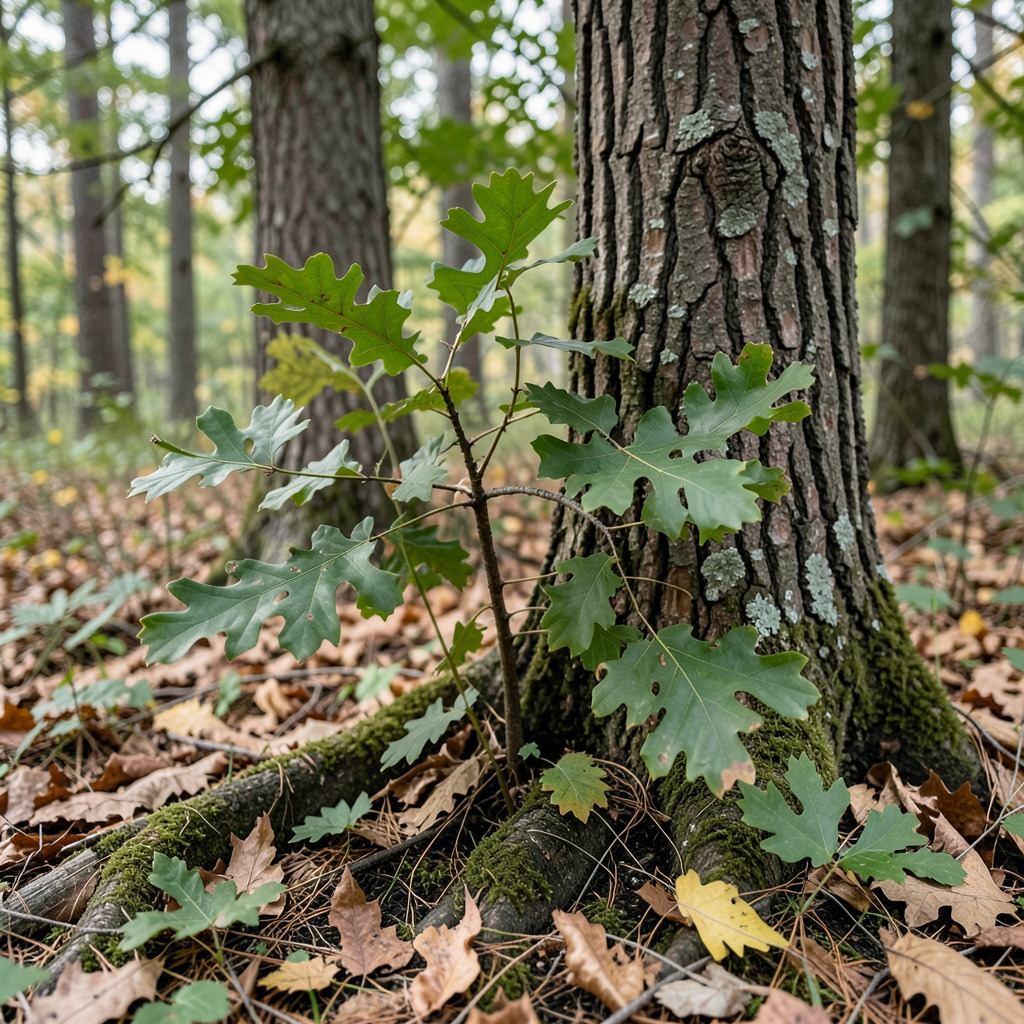
Understanding Pin Oak Trees
Pin oak trees (Quercus palustris) are notable for their rapid growth and vibrant fall foliage. Understanding their characteristics and native environments is essential to addressing the problems they face.
Characteristics of Pin Oak
Pin oaks are medium to large deciduous trees, typically reaching heights of 60 to 70 feet. They feature:
- Distinctive Leaves: Their leaves have pointed lobes, a trait shared with other red oak species.
- Bark: The bark is dark brown to gray, with shallow fissures.
- Acorns: They produce acorns that serve as food for wildlife.
These traits contribute to their popularity in landscaping and urban environments.
Ideal Growing Conditions
Pin oaks thrive in specific environmental conditions. They are native to moist, lowland areas of the eastern and central United States. Ideal growing conditions include:
- Soil Type: Acidic, well-draining soils rich in organic matter are preferred.
- Moisture: While they tolerate temporary flooding, prolonged water exposure can be detrimental.
- Sunlight: Full sun is essential for optimal growth and health.
Understanding these conditions is vital for preventing common problems like iron chlorosis and oak wilt.
Importance of Soil Type
Soil type significantly impacts the health of pin oaks. Mismatched soil conditions can lead to various issues. Key points include:
- Nutrient Availability: Acidic soils enhance nutrient uptake, while alkaline or compacted soils can starve the tree.
- Water Drainage: Poor drainage can lead to root rot, while well-draining soils support healthy growth.
- Soil Testing: Regular soil testing can identify deficiencies and inform treatment options.
For instance, a pin oak planted in alkaline soil may display signs of iron chlorosis, such as yellowing leaves. Addressing soil conditions through amendments can restore tree health and vigor.
Understanding these essential aspects of pin oak trees can help gardeners and arborists prevent and manage common problems effectively.
1. Iron Chlorosis: The Most Common Pin Oak Problem
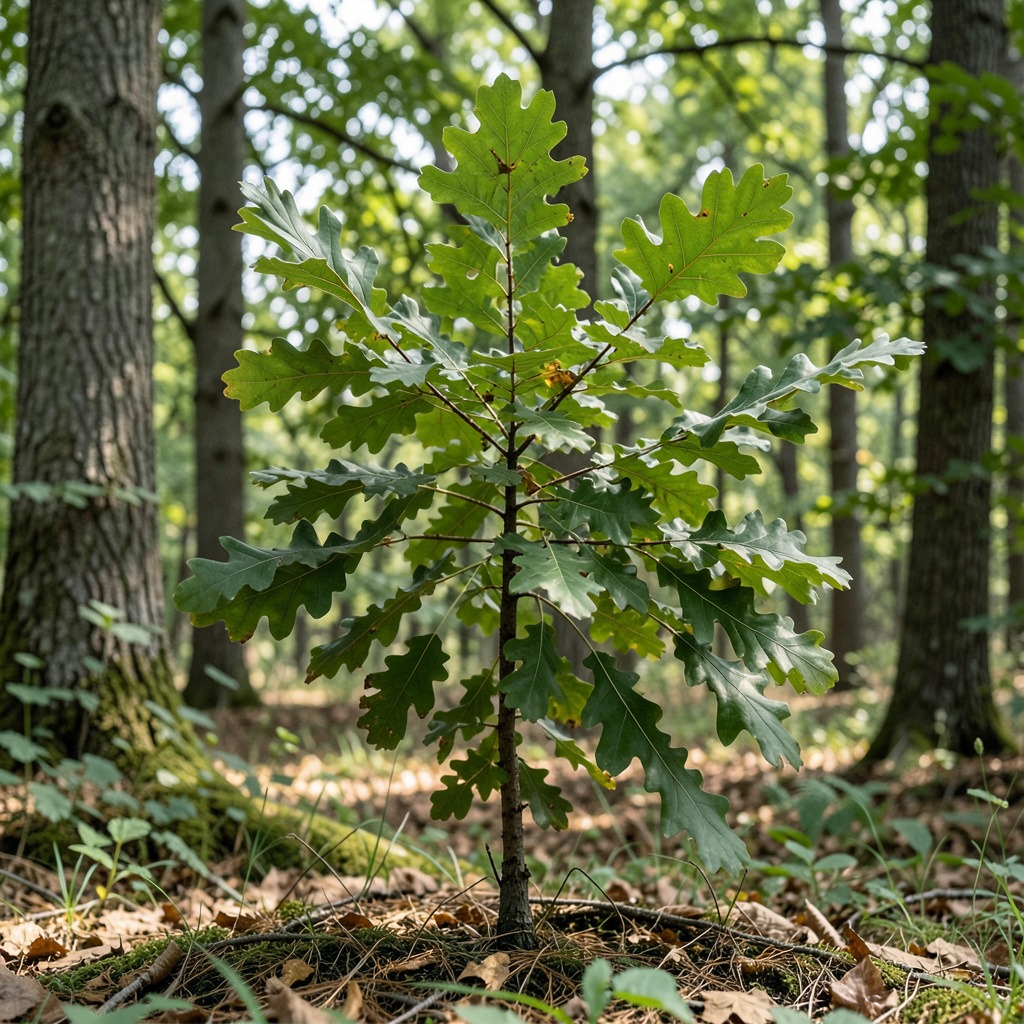
Iron chlorosis is a prevalent issue affecting pin oak trees. This condition occurs when the tree cannot absorb sufficient iron, leading to nutrient deficiencies and poor health.
Symptoms of Iron Chlorosis
The primary symptom of iron chlorosis is the yellowing of leaves while the veins remain green, a pattern known as interveinal chlorosis. Other signs include:
- Yellowing primarily on the newest leaves
- Stunted growth
- Premature leaf drop
- Poor overall vigor
Causes: Soil pH and Nutrient Availability
Iron chlorosis often stems from high soil pH levels. Pin oaks thrive in acidic soils with a pH between 5.0 and 6.5. When the pH exceeds this range, iron becomes chemically unavailable, even if present in the soil. Other contributing factors include:
- Poorly drained or compacted soils, which restrict root function
- Urban soil amendments that raise pH
- Environmental stressors that affect nutrient uptake
Effective Treatments for Iron Deficiency
Addressing iron chlorosis involves both immediate and long-term strategies. Here are effective treatment options:
- Chelated Iron Applications: Use chelated iron products via soil drench, foliar spray, or trunk injection. Foliar sprays provide rapid relief but may not resolve the root cause. Trunk injections deliver iron directly into the tree’s vascular system for multi-season benefits.
- Soil Amendments: Lower soil pH by applying elemental sulfur or organic matter to enhance acidity. Regular soil testing can help determine the right amendments.
- Cultural Practices: Improve drainage around the root zone. Aerate compacted soils and ensure proper watering practices to avoid stress.
Case Study Example
Consider a pin oak in a suburban landscape that showed severe yellowing of leaves due to iron chlorosis. After soil testing revealed a pH of 7.8, the owner applied chelated iron and introduced sulfur amendments. Within a season, the tree exhibited significant recovery, with new leaves returning to a healthy green and overall growth improving.
This example illustrates the importance of diagnosing the issue accurately and employing targeted treatments for successful recovery from iron chlorosis.
2. Oak Wilt: A Serious and Potentially Fatal Disease
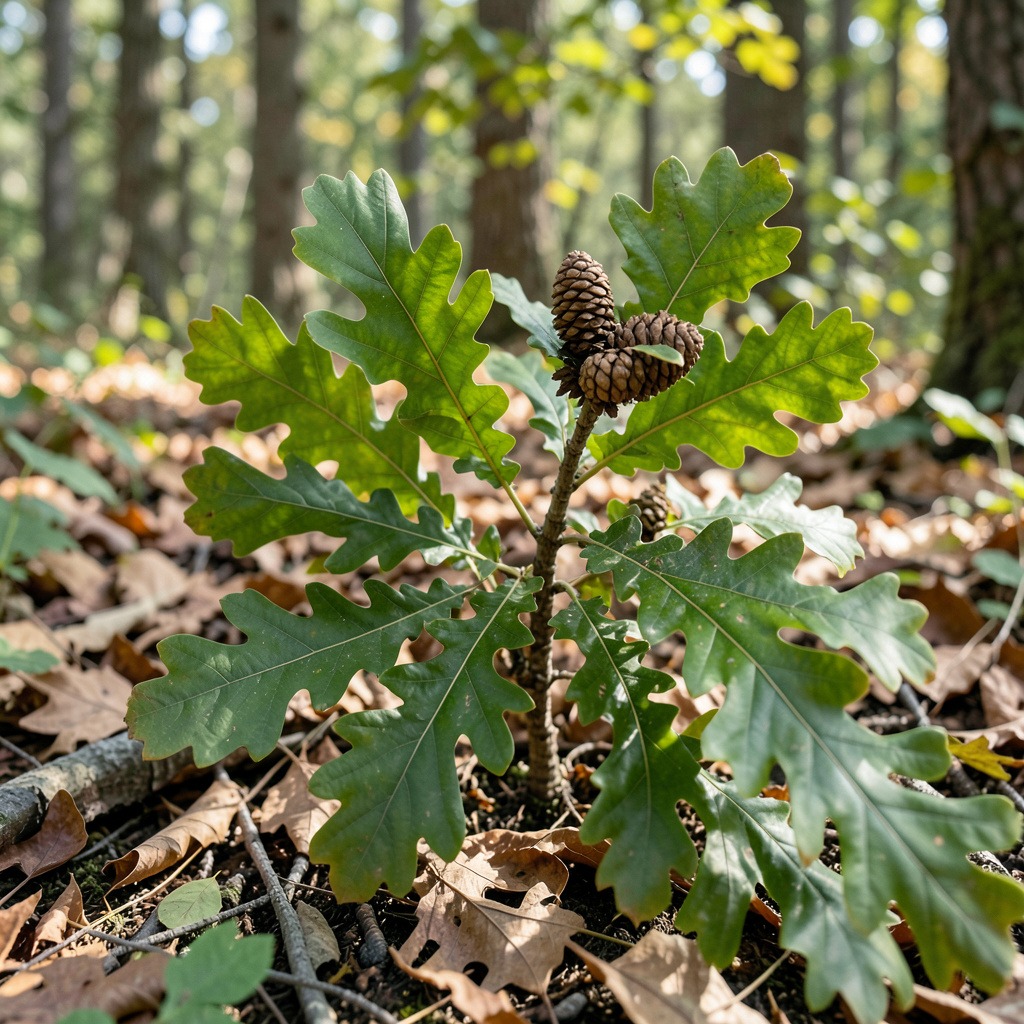
Oak wilt is one of the most threatening diseases for pin oaks. This fungal infection can lead to rapid tree decline and death. Understanding its symptoms, transmission, and prevention strategies is critical for maintaining healthy pin oaks.
Symptoms of Oak Wilt
Identifying oak wilt early can save your trees. Look for these key symptoms:
- Leaf Discoloration: Leaves may turn a dull green or bronze before wilting.
- Wilting and Dropping: Affected leaves will droop and eventually fall from the tree.
- Fungal Mats: In some cases, you may notice fungal mats under the bark, particularly in the spring.
How Oak Wilt Spreads
Oak wilt spreads primarily through root grafts and insect activity. Here’s how:
- Root Grafts: Pin oaks often have interconnected root systems. Once one tree is infected, the fungus can travel underground to neighboring trees.
- Sap Beetles: These insects are attracted to freshly wounded trees. They carry the fungal spores from infected trees to healthy ones, especially during pruning or storm damage.
Prevention and Management Techniques
Effective prevention is crucial for protecting pin oaks from oak wilt. Implement these strategies:
- Proper Pruning: Avoid pruning during the growing season. Instead, schedule cuts in late fall or winter when beetle activity is low.
- Soil Health: Maintain optimal soil conditions. Healthy soils support robust trees that can better withstand diseases.
- Insect Control: Monitor for sap beetles and employ insect control measures if necessary.
Decision Rule for Management
When managing oak wilt, consider the following decision rule:
1. Identify Symptoms: If symptoms appear, assess the tree’s health.
2. Check Surrounding Trees: Inspect nearby trees for signs of infection.
3. Consult an Arborist: If oak wilt is suspected, consult a certified arborist for diagnosis and potential treatment options.
By implementing these practices, you can safeguard your pin oaks from the serious threat of oak wilt and ensure their long-term health.
3. Anthracnose: A Fungal Concern
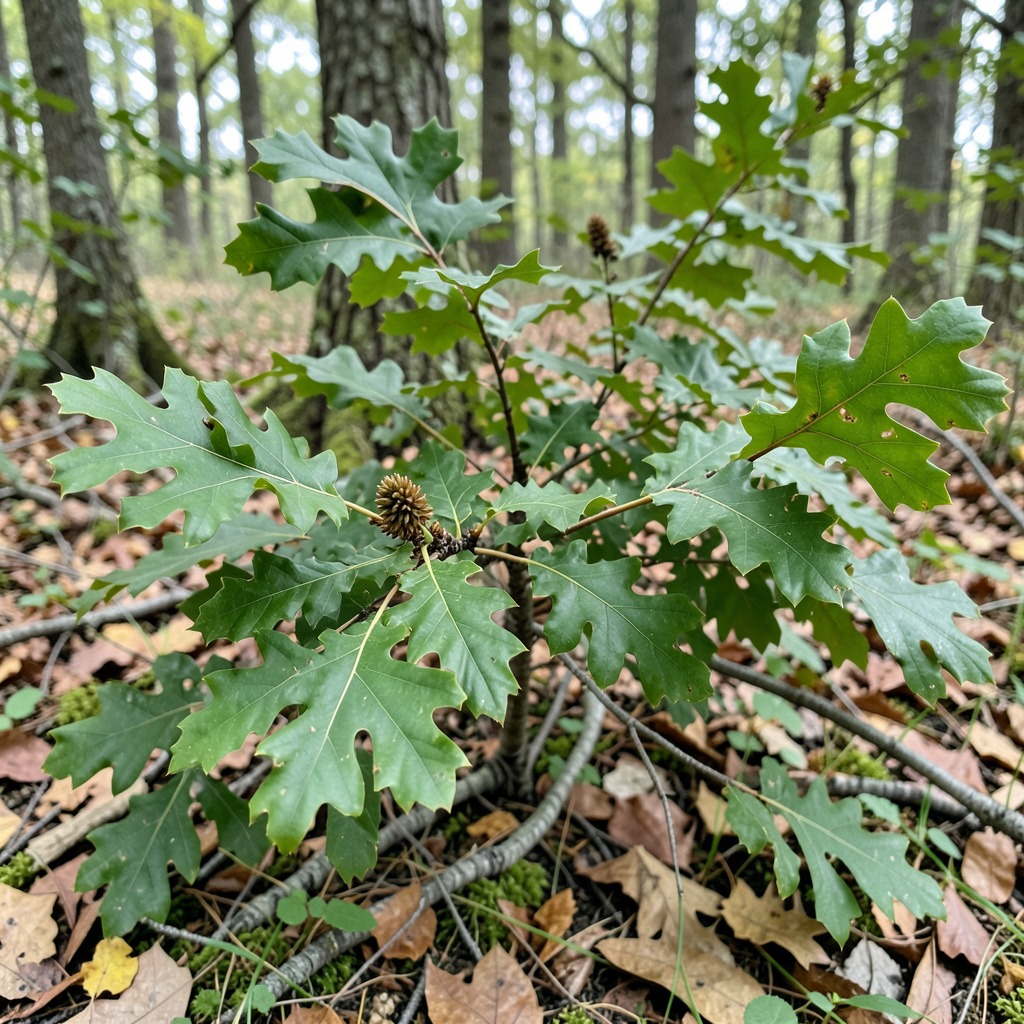
Anthracnose is a prevalent fungal disease affecting pin oaks, particularly during cool, wet spring weather. Understanding its symptoms and management strategies is crucial for maintaining tree health.
Symptoms of Anthracnose
Pin oaks infected with anthracnose exhibit distinctive symptoms, including:
- Leaf Spots: Dark, irregular patches on leaves.
- Premature Leaf Drop: Affected leaves may fall off before the growing season ends.
- Twig Dieback: Young twigs can exhibit wilting and dieback.
- Deformed Leaves: Leaves may curl or become distorted.
These signs often appear in early spring, especially following periods of rain.
Causes and Conditions Favoring Anthracnose
Several factors contribute to the development of anthracnose in pin oaks:
- Moisture: Prolonged wet conditions create an ideal environment for fungal growth.
- Temperature: Cooler temperatures during spring enhance disease development.
- Tree Stress: Stressed trees, due to drought or improper care, are more susceptible.
Proper soil conditions and tree care practices help mitigate these risks.
Management Strategies to Mitigate Impact
Effective management of anthracnose includes a combination of preventive and reactive measures:
1. Cultural Practices:
- Proper Pruning: Remove infected twigs and branches to improve air circulation.
- Sanitation: Clear fallen leaves and debris to reduce fungal spores.
2. Fungicide Applications:
- Apply fungicides during early spring before symptoms appear. Follow label directions for effective use.
3. Monitoring:
- Regularly check trees for signs of infection. Early detection allows for swift action.
4. Soil Health:
- Test soil for pH and nutrient levels. Ensure pin oaks are planted in well-drained, acidic soils to promote overall health.
Decision Rule for Management
When managing anthracnose, consider the following steps:
1. Identify Symptoms: Look for leaf spots and premature drop.
2. Assess Environmental Conditions: Note recent weather patterns, especially moisture levels.
3. Implement Management Strategies: Use cultural practices and fungicides as needed.
By applying these strategies, you can effectively manage anthracnose and support the health of your pin oaks.
4. Bacterial Leaf Scorch: Identifying and Treating Symptoms
Bacterial leaf scorch (BLS) is a significant threat to pin oak trees. Recognizing its symptoms early is crucial for effective management.
Signs of Bacterial Leaf Scorch
Identifying bacterial leaf scorch involves observing specific symptoms that manifest progressively:
- Marginal Leaf Scorching: Edges of leaves turn brown and dry out.
- Leaf Drop: Premature leaf drop occurs, especially in late summer.
- Stunted Growth: Affected trees may exhibit reduced growth rates.
- Seasonal Progression: Symptoms worsen yearly, often mimicking drought stress.
Monitoring these signs can aid in early detection, allowing for prompt intervention.
Understanding the Bacterial Infection
Bacterial leaf scorch is caused by the bacterium Xylella fastidiosa, which infects the xylem—the tree’s water transport system. This pathogen is primarily transmitted by xylem-feeding insects, such as leafhoppers. The gradual decline in tree health is a hallmark of this disease, distinguishing it from other conditions like iron chlorosis.
Treatment and Care Tips
While there is no cure for bacterial leaf scorch, several strategies can help manage its impact:
- Promote Tree Health: Ensure optimal growing conditions through proper watering and fertilization.
- Insect Control: Limit leafhopper populations using insecticides or natural predators.
- Professional Diagnosis: If BLS is suspected, consult an ISA-certified arborist for laboratory testing and management strategies.
- Soil Management: Maintain acidic, well-drained soil to support overall tree health.
Decision Rule for Management:
1. Identify Symptoms: Look for the characteristic leaf scorch and stunted growth.
2. Assess Environmental Factors: Check for recent insect activity or drought conditions.
3. Implement Care Strategies: Focus on promoting health and controlling pests.
By staying vigilant and proactive, you can mitigate the effects of bacterial leaf scorch on your pin oak trees.
5. Galls: Strange Growths That Look Worse Than They Are
Galls are abnormal growths that can appear on pin oak trees, resulting from insect activity. While they may seem alarming, most galls do not significantly harm the tree. Understanding their formation and management is crucial for maintaining healthy pin oaks.
What Are Galls?
Galls are swellings that form on leaves, twigs, or branches of pin oaks due to the activity of gall-forming insects, primarily tiny wasps from the family Cynipidae. These insects lay eggs within the tree tissue, prompting the tree to create a protective growth around the developing larvae.
Causes of Gall Formation
1. Insect Activity: Gall wasps are the most common culprits. They inject their eggs into the tree, triggering gall formation.
2. Environmental Stress: Poor tree health due to soil conditions or other stressors can increase susceptibility to galls.
3. Tree Species: Pin oaks are particularly prone to various gall types, including oak apple galls and gouty oak galls.
Management and Treatment Options
Although galls are often harmless, certain types can cause damage, particularly when they girdle branches. Here are effective management strategies:
- Prune Affected Areas: Remove branches with large galls, especially those causing girdling.
- Monitor Tree Health: Maintain overall tree health through proper watering, fertilization, and pest control.
- Chemical Treatments: Chemical controls are generally ineffective once galls are visible, as the larvae are protected inside the galls. Preventive measures are more effective before the galls form.
Decision Rule for Management
1. Identify Galls: Look for abnormal growths on leaves or twigs.
2. Assess Severity: Determine if galls are causing significant damage or girdling.
3. Implement Care Strategies: Focus on promoting tree health and removing affected branches when necessary.
By understanding galls and their impacts, you can effectively manage these growths on your pin oak trees while ensuring their long-term health.
6. Borers: Identifying Infestations and Control Measures
Borers are a significant threat to pin oaks, particularly those already weakened by environmental stressors. These pests can inflict serious damage, leading to structural weakening and potential tree decline. Understanding how to identify and control these infestations is crucial for maintaining healthy trees.
Common Types of Borers
Several borer species target pin oaks, with the most notable being:
- Prionoxystus robiniae: This large moth’s larvae bore into the heartwood, weakening the tree’s structure.
- Two-lined chestnut borer: Typically affects stressed trees, leading to dieback and further stress.
- Goldspotted oak borer: Known to cause rapid decline in oak species, including pin oaks.
Signs of Infestation
Identifying a borer infestation early can save your tree. Look for these signs:
- Exit Holes: Small, round holes in the bark indicate adult borers emerging from the tree.
- Frass: Sawdust-like material found at the base of the tree or within bark crevices is a clear sign of borer activity.
- Wilting Leaves: Premature leaf drop or wilting can indicate internal damage.
- Crown Decline: Gradual loss of leaves in the upper canopy suggests a deeper issue.
Control Strategies and Treatments
Effective management of borer infestations involves a combination of preventive measures and immediate actions.
1. Promote Tree Health: Ensure your pin oak is healthy through proper watering, fertilization, and soil management. A robust tree is less susceptible to infestations.
2. Monitor Regularly: Regular inspections help catch early signs of borer activity. Look for the signs listed above during growing seasons.
3. Chemical Treatments: In cases of active infestations, insecticide treatments, such as trunk sprays or systemic injections, may be necessary. Consult with a certified arborist to explore the best options.
4. Physical Removal: Severely infested limbs should be pruned and destroyed to prevent the spread of borers.
5. Case Study Insight: A successful recovery example involved a homeowner who noticed frass at the base of their pin oak. They contacted an arborist, who prescribed a targeted insecticide and recommended regular soil testing. Within a year, the tree showed significant improvement, with healthier foliage and reduced insect activity.
By understanding these aspects of borer infestations, you can take proactive steps to protect your pin oak and ensure its long-term vitality.
7. Scale Insects: Recognition and Treatment
Scale insects pose a significant threat to pin oak trees. These pests can weaken trees by feeding on sap, leading to various health issues. Recognizing their presence early is crucial for effective management.
Identifying Scale Insects
Scale insects are small, waxy, immobile bumps found on the bark of pin oaks. They often blend in, making them easy to overlook. Key identifiers include:
- Appearance: Tiny, waxy bumps, typically found on smooth-barked younger wood.
- Damage Signs: Look for twig dieback, bark pitting, and overall canopy decline.
Regular inspections can help catch infestations before they escalate.
Effects on Pin Oak Health
Scale insects can severely impact the health of pin oaks. Their feeding habits lead to several problems:
- Nutrient Deficiency: By extracting sap, they rob the tree of essential nutrients.
- Stress Responses: Infested trees may exhibit stunted growth, yellowing leaves, or increased susceptibility to diseases.
- Bark Damage: Continuous feeding can lead to bark pitting and potential entry points for other pests and pathogens.
Management Strategies for Control
Effective management of scale insects involves integrated pest management strategies. Consider the following treatments:
1. Cultural Practices:
- Maintain healthy soil conditions to enhance tree resilience.
- Ensure proper watering and fertilization to support tree health.
2. Monitoring:
- Regularly inspect trees for early signs of infestation.
- Use sticky traps to monitor scale populations.
3. Chemical Treatments:
- Dormant Oil Sprays: Apply in late winter to smother overwintering scale populations.
- Systemic Insecticides: Use for severe infestations; these chemicals are absorbed by the plant and target the pests effectively.
4. Physical Removal:
- Prune and destroy heavily infested limbs to curb the spread.
5. Case Example:
- A homeowner discovered scale insects on their pin oak after noticing wilting leaves. They applied dormant oil spray in early spring, followed by a targeted insecticide in summer. The tree showed remarkable recovery, with new growth and improved leaf color within a few months.
By understanding scale insects and implementing effective management strategies, you can protect your pin oak and promote its long-term health.
8. Soil Conditions: The Foundation of Healthy Trees
Soil conditions are vital for the health of pin oaks. Many problems arise when these trees are planted in unsuitable soil, leading to deficiencies and stress.
Ideal Soil Conditions for Pin Oaks
Pin oaks thrive in specific soil conditions. They prefer:
- pH Level: Between 5.0 and 6.5 for optimal iron absorption.
- Soil Texture: Loamy or sandy soils that are well-drained.
- Compaction: Loose, aerated soil to support root expansion.
When planted in alkaline or compacted soils, pin oaks struggle to absorb essential nutrients, particularly iron. This can lead to iron chlorosis, a common issue characterized by yellowing leaves with green veins.
How Soil Affects Tree Health
Soil quality directly impacts the health of pin oaks. Key relationships include:
- Nutrient Availability: Poor soil can limit the uptake of essential nutrients, leading to deficiencies.
- Root Development: Compacted soil prevents roots from expanding, which limits water and nutrient access.
- Moisture Retention: Well-drained but moisture-retentive soil is crucial for healthy growth.
Understanding these relationships helps in diagnosing problems and implementing solutions.
Steps to Improve Soil Conditions
Improving soil conditions is essential for the health of pin oaks. Here are actionable steps:
1. Soil Testing:
- Check pH levels using a simple home testing kit.
- Assess nutrient levels and soil texture.
2. Amend Soil:
- If pH is too high, consider adding elemental sulfur to lower it over time.
- Incorporate organic matter, like compost, to improve soil structure and fertility.
3. Aerate Soil:
- Use a soil auger or garden fork to loosen compacted areas.
- Ensure that the area around the root zone is well-aerated.
4. Mulch:
- Apply a layer of organic mulch around the base of the tree to retain moisture and improve soil quality as it breaks down.
5. Monitor:
- Regularly observe tree health and soil conditions after implementing changes.
Soil Testing Checklist for Homeowners
To effectively manage soil conditions, follow this checklist:
- [ ] Test soil pH with a kit.
- [ ] Assess moisture retention by checking soil texture.
- [ ] Evaluate nutrient levels (N-P-K).
- [ ] Look for signs of soil compaction.
- [ ] Observe tree growth patterns and leaf color.
By applying these steps, you can significantly enhance the soil conditions for your pin oaks, thereby promoting their overall health and resilience against common problems.
9. Seasonal Care: Maintaining Pin Oaks Year-Round
Maintaining the health of pin oaks requires year-round attention. Seasonal care helps prevent common problems and promotes vigorous growth. Below are essential tips for each season.
Spring Care Tips
- Inspect for Oak Wilt: Check for any signs of wilting or leaf discoloration. Early detection is crucial for management.
- Fertilize: Apply a balanced fertilizer designed for trees. This supports nutrient uptake and helps combat iron chlorosis.
- Prune Dead or Damaged Branches: Remove any dead wood to improve air circulation and reduce the risk of disease.
- Monitor Soil Moisture: Ensure adequate moisture as the growing season begins. Adjust watering based on rainfall.
Summer Maintenance Strategies
- Watch for Pests: Regularly inspect for signs of borers and scale insects. Look for holes in the bark or sticky residue on leaves.
- Manage Anthracnose: If leaf spots appear, consider applying a fungicide. Timing is key; apply during early symptoms.
- Mulch: Add a layer of mulch around the base to retain moisture and suppress weeds. Ensure mulch does not touch the trunk.
- Watering Schedule: Maintain consistent watering, especially during dry spells. Deep watering encourages root growth.
Fall and Winter Preparations
- Conduct a Final Inspection: Check for any remaining pests or diseases before winter dormancy.
- Soil Testing: Conduct a soil test to assess nutrient levels and pH. This will inform your spring fertilization strategy.
- Pruning: Late fall is a good time for structural pruning. Remove any crossing branches to improve tree shape.
- Protect from Frost: If necessary, wrap young trees or apply anti-desiccant sprays to prevent winter damage.
Seasonal Checklist for Pin Oak Care
| Season | Action Item |
|---|---|
| Spring | Inspect for oak wilt, fertilize, prune |
| Summer | Watch for pests, manage anthracnose, mulch |
| Fall | Final inspection, soil testing, pruning |
| Winter | Protect from frost, prepare for spring care |
By following these seasonal care tips, pin oak owners can significantly reduce the incidence of common problems and ensure their trees thrive throughout the years.
10. Long-Term Health Strategies for Pin Oaks
Maintaining the health and vitality of pin oak trees requires proactive strategies. These approaches focus on soil health, pest management, and regular monitoring, ensuring trees thrive and resist common problems.
Monitoring Tree Health Over Time
Regular health assessments are vital for early problem detection. Monitor your pin oaks for the following signs:
- Leaf Color: Yellow leaves with green veins may indicate iron chlorosis.
- Bark Condition: Look for cracks or peeling, which can signal pest infestations.
- Branch Growth: Stunted branch growth may suggest nutrient deficiencies or soil issues.
Implement a seasonal inspection schedule to catch problems before they escalate.
Community Resources for Pin Oak Care
Engaging with community resources can enhance pin oak care. Many local extension services and arboretums offer workshops on tree health. Participate in community tree planting or maintenance days to learn best practices.
For example, a local initiative may provide free soil testing kits. This helps residents understand soil conditions affecting their pin oaks. Collaborate with neighbors to share resources, ensuring collective tree health.
Creating a Sustainable Care Plan
Develop a comprehensive care plan for your pin oaks. Consider these key components:
- Soil Testing: Regularly test soil pH and nutrient levels. Adjust with appropriate amendments to combat deficiencies.
- Integrated Pest Management (IPM): Use IPM strategies to manage pests like borers and scale insects. This includes introducing beneficial insects and using targeted treatments.
- Nutrient Management: Apply slow-release fertilizers in early spring to support growth. Focus on iron supplements for trees showing chlorosis symptoms.
By creating a sustainable care plan, you ensure long-term health and resilience of your pin oaks against common problems.
11. Comparing Treatment Options for Pin Oak Problems
Pin oaks face several common issues, each requiring specific treatment strategies. Understanding these options helps ensure the health and longevity of your trees.
Overview of Treatment Options
Here are the primary problems associated with pin oaks, along with their treatment options:
| Problem | Treatment Options | Effectiveness Rating |
|---|---|---|
| Iron Chlorosis | Soil amendments, iron chelates, foliar sprays | High |
| Oak Wilt | Quarantine, removal of infected trees, fungicides | Moderate |
| Anthracnose | Pruning, fungicide application, proper sanitation | High |
| Bacterial Leaf Scorch | Water management, pruning, resistant varieties | Moderate |
| Galls | Pruning, insecticides, natural predators | Low |
| Borer Infestations | Insecticides, trap trees, biological control | High |
| Scale Insects | Horticultural oils, insecticidal soaps, beneficial insects | Moderate |
Pros and Cons of Each Method
Each treatment method has its advantages and disadvantages. Here’s a breakdown:
- Iron Chlorosis
- Pros: Effective with proper soil amendments; quick results with foliar sprays.
- Cons: Requires regular monitoring and adjustments to soil pH.
- Oak Wilt
- Pros: Removal prevents spread; fungicides can be very effective if applied timely.
- Cons: Treatment can be costly; removal of large trees can be labor-intensive.
- Anthracnose
- Pros: Pruning significantly reduces infection spread; fungicides can prevent recurrence.
- Cons: Requires knowledge of tree structure for effective pruning.
- Bacterial Leaf Scorch
- Pros: Simple water management can reduce stress; resistant varieties available.
- Cons: No cure once symptoms appear; management often involves multiple strategies.
- Galls
- Pros: Pruning can reduce gall incidence; some natural predators can control populations.
- Cons: Galls often do not affect tree health significantly; treatments may not be effective.
- Borer Infestations
- Pros: Insecticides can quickly reduce populations; biological control is environmentally friendly.
- Cons: Requires timely intervention; can be difficult to identify infestations early.
- Scale Insects
- Pros: Horticultural oils are safe for trees; beneficial insects help control populations.
- Cons: May need multiple applications; treatment effectiveness can vary.
Choosing the Right Treatment for Your Tree
Selecting the appropriate treatment involves assessing the specific problem, tree health, and environmental conditions. Consider these factors:
- Soil Conditions: Test soil pH and nutrient levels. For iron chlorosis, ensure soil is acidic (pH 5.0-6.5).
- Tree Health: Evaluate overall tree vigor. A weak tree may not respond well to aggressive treatments.
- Pest Pressure: Identify the specific pest or disease. Early detection leads to more effective management.
- Environmental Impact: Prefer environmentally friendly options whenever feasible to maintain ecological balance.
By aligning your treatment choice with these considerations, you can enhance the health of your pin oaks and mitigate common problems effectively.
Frequently Asked Questions
These quick answers cover the most common questions about this topic, including key details, practical tips, and common concerns.
Is a pin oak a good yard tree?
Pin oaks are popular choices for landscaping due to their rapid growth and stunning fall colors. They can provide ample shade and habitat for wildlife. However, they have specific soil and moisture requirements, thriving best in acidic, well-drained soils. If your yard meets these conditions, a pin oak can be an excellent addition.
What are the disadvantages of pin oak trees?
While pin oaks have many advantages, they can also present challenges. They are susceptible to issues like iron chlorosis, oak wilt, and various pests such as borers and scale insects. Additionally, their roots can be aggressive, potentially damaging nearby infrastructure. These factors may require ongoing maintenance and care.
How to tell if a pin oak is dying?
Signs of a dying pin oak include yellowing leaves with green veins (a sign of iron chlorosis), premature leaf drop, wilting, and a lack of new growth. If bark is cracking or peeling and you notice dead branches in the canopy, these are also indicators of poor health. Regular monitoring can help catch these symptoms early.
What common pests affect pin oak trees?
Pin oaks can be affected by several pests, including borers, scale insects, and gall wasps. Borers can weaken the tree by tunneling through the wood, while scale insects feed on sap, leading to nutrient deficiencies. Regular inspections are essential for early detection and management of these pests.
How can I improve soil conditions for my pin oak?
To improve soil conditions for your pin oak, start by testing the soil pH. Aim for a pH between 5.0 and 6.5. If the pH is too high, consider adding elemental sulfur to lower it. Additionally, incorporating organic matter, such as compost, can enhance soil structure and nutrient availability. Aerating compacted soil also promotes healthier root growth.
What are the signs of iron chlorosis in pin oaks?
Iron chlorosis manifests primarily as yellowing leaves, particularly in newer growth, while the veins remain green. Other symptoms include stunted growth and premature leaf drop. High soil pH often causes this condition, making iron unavailable to the tree. Testing soil pH and addressing deficiencies can help restore tree health.
What preventive measures can I take for oak wilt?
To prevent oak wilt, avoid pruning during the growing season when beetle activity is high. Instead, prune in late fall or winter. Maintain tree health through proper watering and soil management, as healthy trees are more resilient to diseases. If you suspect oak wilt, consult a certified arborist for diagnosis and management options.